

.svg "Style-Guide (1)")


.svg)


Kendwa Beach rests on Zanzibar Island. The beach is known far and wide because it is gorgeous. The...






Katavi National Park
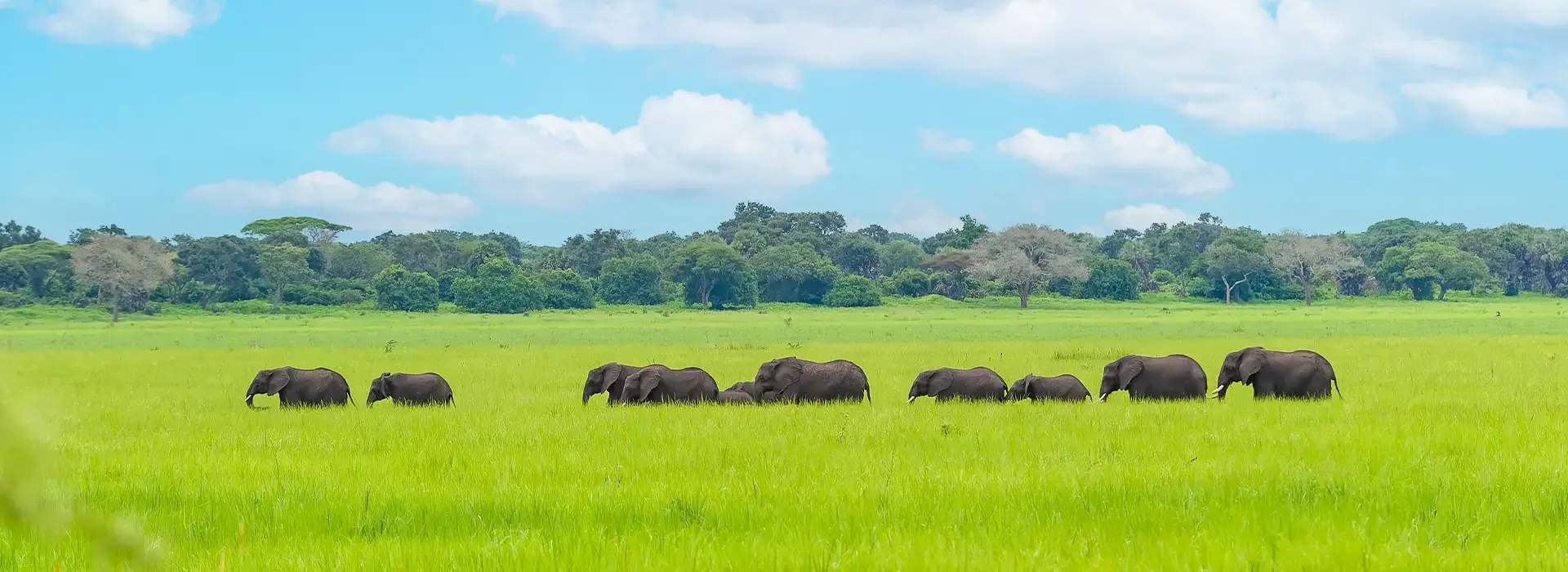
Home to famous herds of elephants, buffalo, crocodiles, and hippos, Katavi National Park, Tanzania, is one of the most remote, unique, and pristine destinations for safari travelers.

Endorsed by ATTA

Featured in National Geographic

BBC Wildlife

Rated Excellent by Trip Advisor
Katavi National Park
Home to famous herds of elephants, buffalo, crocodiles, and hippos, Katavi National Park, Tanzania, is one of the most remote, unique, and pristine destinations for safari travelers.
Endorsed by ATTA
Featured in National Geographic
BBC Wildlife
Rated Excellent by Trip Advisor
Things to Do in Katavi
While the park’s remote location may draw in fewer visitors, its varied landscapes mean there’s always something extraordinary to see and do.

Walking Safari & Nature Walks
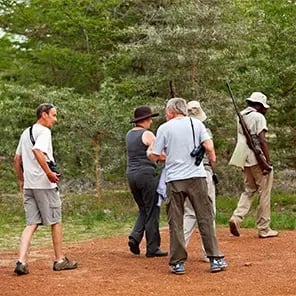
Discover Katavi’s unspoiled wilderness on a walking safari led by expert guides. Trek ancient elephant trails, learn about the ecosystem, and track wildlife in the rugged beauty of the park’s riverine forests and...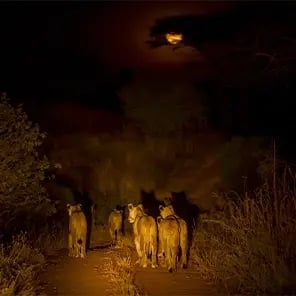
Night Game Drives
Explore Katavi’s nocturnal side with a night game drive. Witness hyenas scavenging, leopards prowling, and hippos leaving their pools to graze—all illuminated by the glow of the moon.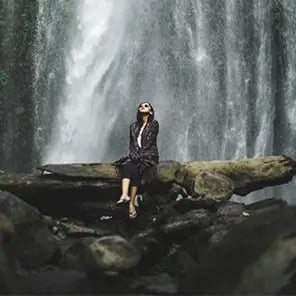
Waterfalls
Visit hidden waterfalls, where seasonal cascades carve through dramatic landscapes. These secluded spots, framed by greenery, offer peaceful retreats for relaxation and photography.
Bush Meals
Savor a meal like no other in Katavi’s pristine bushland. Dine on gourmet dishes while surrounded by acacia trees, grazing wildlife, and the distant calls of the park’s iconic animals.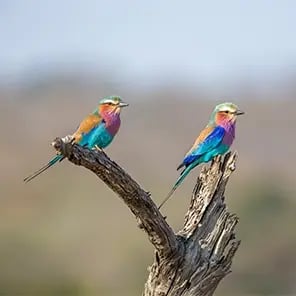
Birdwatching
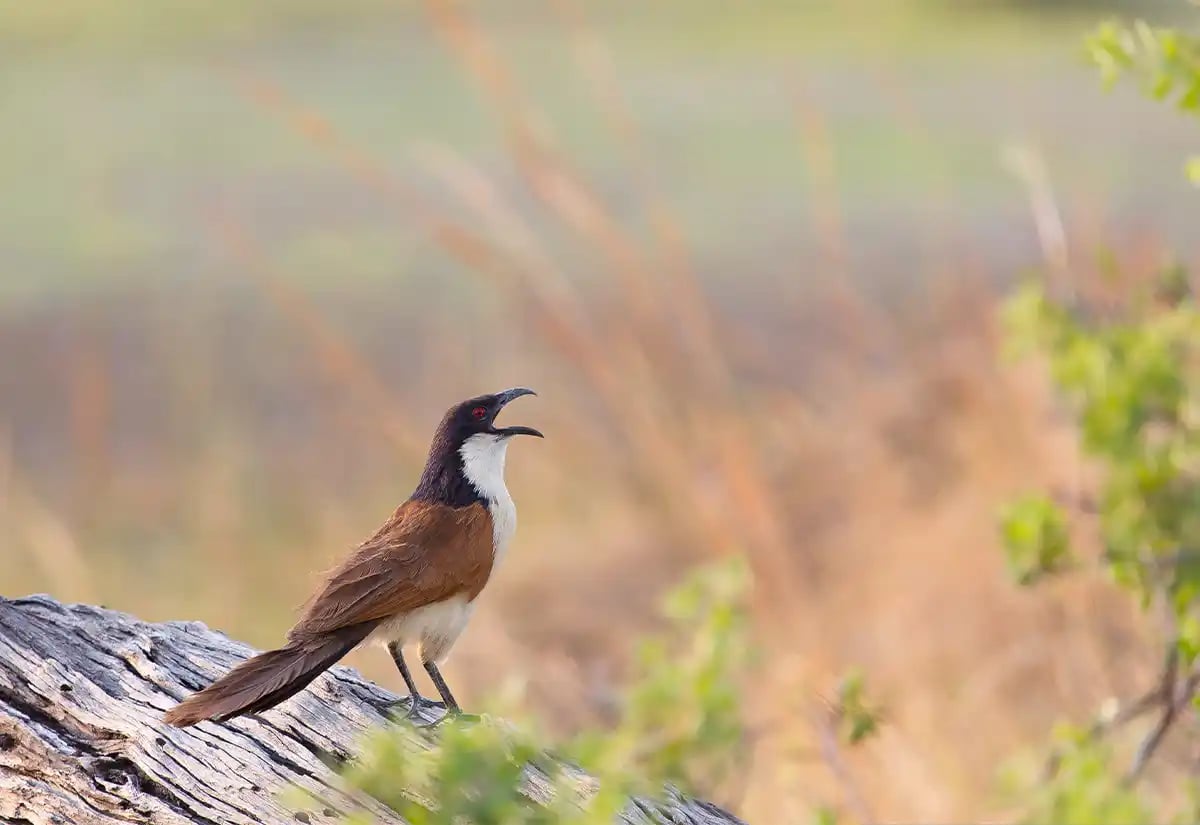
With vast floodplains and seasonal wetlands, Katavi is a birdwatching haven. Spot species like the African fish eagle, saddle-billed stork, and pink-backed pelican among the park’s 400+ bird varieties.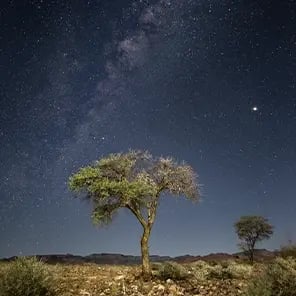
Stargazing
Far from city lights, Katavi’s skies offer an unparalleled stargazing experience. Relax by the campfire and marvel at the Milky Way, shooting stars, and constellations smattering the sky.Things to Do in Katavi
While the park’s remote location may draw in fewer visitors, its varied landscapes mean there’s always something extraordinary to see and do.
Walking Safari & Nature Walks
Discover Katavi’s unspoiled wilderness on a walking safari led by expert guides. Trek ancient elephant trails, learn about the ecosystem, and track wildlife in the rugged beauty of the park’s riverine forests and floodplains.
Night Game Drives
Explore Katavi’s nocturnal side with a night game drive. Witness hyenas scavenging, leopards prowling, and hippos leaving their pools to graze—all illuminated by the glow of the moon.
Waterfalls
Visit hidden waterfalls, where seasonal cascades carve through dramatic landscapes. These secluded spots, framed by greenery, offer peaceful retreats for relaxation and photography.
Bush Meals
Savor a meal like no other in Katavi’s pristine bushland. Dine on gourmet dishes while surrounded by acacia trees, grazing wildlife, and the distant calls of the park’s iconic animals.
Birdwatching
With vast floodplains and seasonal wetlands, Katavi is a birdwatching haven. Spot species like the African fish eagle, saddle-billed stork, and pink-backed pelican among the park’s 400+ bird varieties.
Stargazing
Far from city lights, Katavi’s skies offer an unparalleled stargazing experience. Relax by the campfire and marvel at the Milky Way, shooting stars, and constellations smattering the sky.Katavi National Park Throughout the Year
Whether you’re drawn to bursting green plains, fresh with new life, or unforgettable interactions as wildlife fight for survival, every month in Katavi brings something amazing to behold.
average
good
best
.svg)
Jan
Feb

Mar
Apr
May
.svg)
Jun
Jul
Aug
Sep
Oct
.svg)
Nov
Dec
Jan
Feb
Mar
Apr
May
Jun
Jul
Aug
Sep
Oct
Nov
Dec
January in Katavi National Park
Green Season
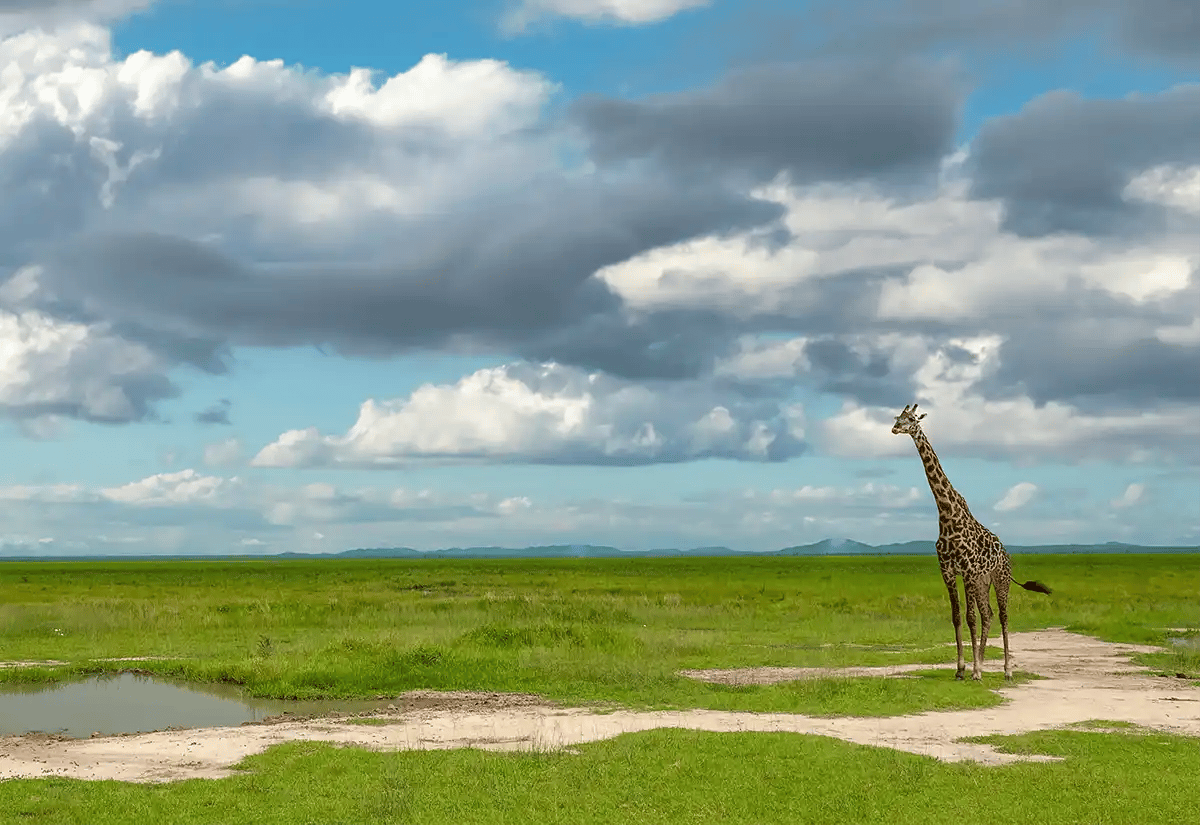
January in Katavi National Park marks the heart of the rainy season, with lush landscapes and abundant water sources. The park’s floodplains and grasslands transform into verdant habitats, attracting migratory birds and creating incredible birdwatching opportunities. Wildlife can be more dispersed due to plentiful water, but game drives along the Katuma River often reveal elephants, hippos, and crocodiles.
Afternoon rains are common, so visitors should prepare for occasional muddy trails and humid conditions. Despite the rain, this is a stunning time for photographers: Dramatic skies and vibrant greenery frame every scene. Fewer visitors ensure a peaceful, intimate experience.

+
February in Katavi National Park: Vibrant Wetlands and Muddy Trails
Green Season
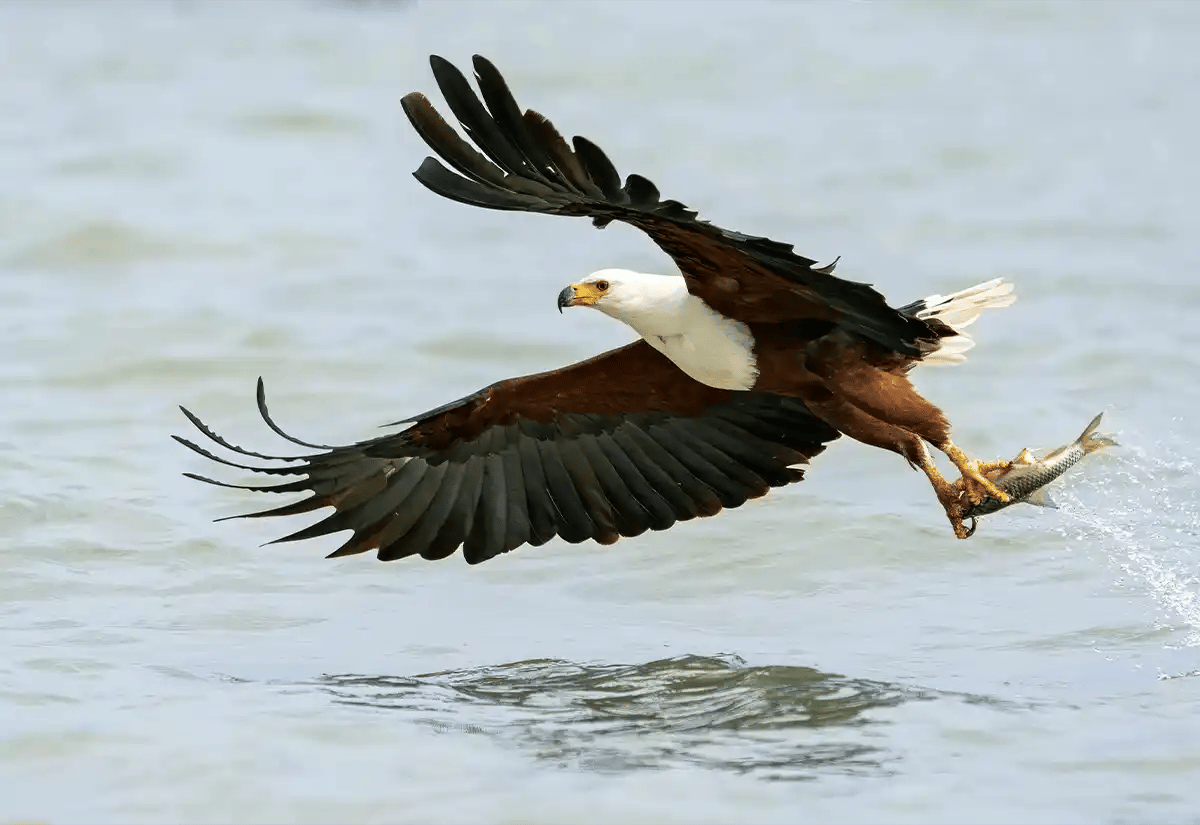
February continues the rainy season in Katavi, with the park’s wetlands flourishing. This is a prime time for spotting waterbirds, including herons, storks, and African fish eagles. The lush vegetation creates a unique backdrop, but it can also make wildlife spotting more challenging as animals spread across the park.
Guided walking safaris are an excellent way to explore the vibrant ecosystem, offering a chance to see smaller creatures and learn about the local flora. While some roads may be difficult to traverse, the park’s unspoiled beauty and tranquility more than make up for it. Pack waterproof gear and prepare for adventure!
+
March in Katavi National Park: The Green Season Tapers Off
Green Season
March brings the end of the green season, with sporadic showers and warm, humid days. The emerald greenery begins to fade as the park transitions into the dry season. Game drives become more productive as wildlife starts concentrating around rivers and waterholes, providing great opportunities to see hippos and crocodiles. Birdwatching remains excellent, with many migratory species still present.
Katavi’s remote location and low visitor numbers make it a serene destination in March, offering uninterrupted wildlife encounters and peaceful exploration. This is an ideal month for photographers looking to capture the transition between Katavi’s rainy and dry landscapes.
+
April in Katavi National Park: Quiet and Full of Life
Long Rain Season
April is a transitional month in Katavi National Park as the long rainy season begins. The landscape bursts with life, and seasonal water sources still attract a variety of animals. This quieter period is ideal for birdwatching, as many migratory birds linger in the area before heading north. Wildlife viewing becomes slightly easier as animals start moving toward more permanent water sources. While some roads may be muddy, walking safaris offer an excellent alternative to explore Katavi’s wilderness. Visitors during April can enjoy cooler temperatures and a tranquil atmosphere, perfect for those seeking solitude and a more exclusive safari experience.
+
May in Katavi National Park: Rains Give Way to the Dry Season
Long Rain Season
May marks the switch from long rain to Katavi’s dry season, with showers diminishing and the park gradually transforming. Grasses begin to dry out and the Katuma River begins to thin. This makes animals start to concentrate around rivers, lakes, and waterholes. It’s a fantastic month for game drives, as large herds of elephants and buffalo are easier to spot.
The cooler mornings and evenings make wildlife viewing more comfortable, and clear skies enhance the experience for photographers. With visitor numbers still low, May offers uncrowded exploration of Katavi’s breathtaking landscapes, making it an excellent time for those wanting to enjoy the serenity and raw beauty of the park.
+
June in Katavi National Park: Cooler Temps and Drier Conditions
Dry Season
June ushers in the dry season in Katavi, with clear skies, cooler temperatures, and thinning vegetation. The heat and humidity relent, and the drying floodplains force wildlife to converge around the Katuma River and waterholes. This makes it one of the best times for game viewing.
Large pods of hippos gather in shrinking pools, and predators like lions and crocodiles are highly active. This is also a great time for walking safaris, as trails are dry and easier to navigate. With comfortable weather and excellent wildlife sightings, June is one of the most popular months for visitors, yet Katavi’s remote location ensures a peaceful, uncrowded safari.
+
July in Katavi National Park: Clear Skies and Unmatched Views
Dry Season
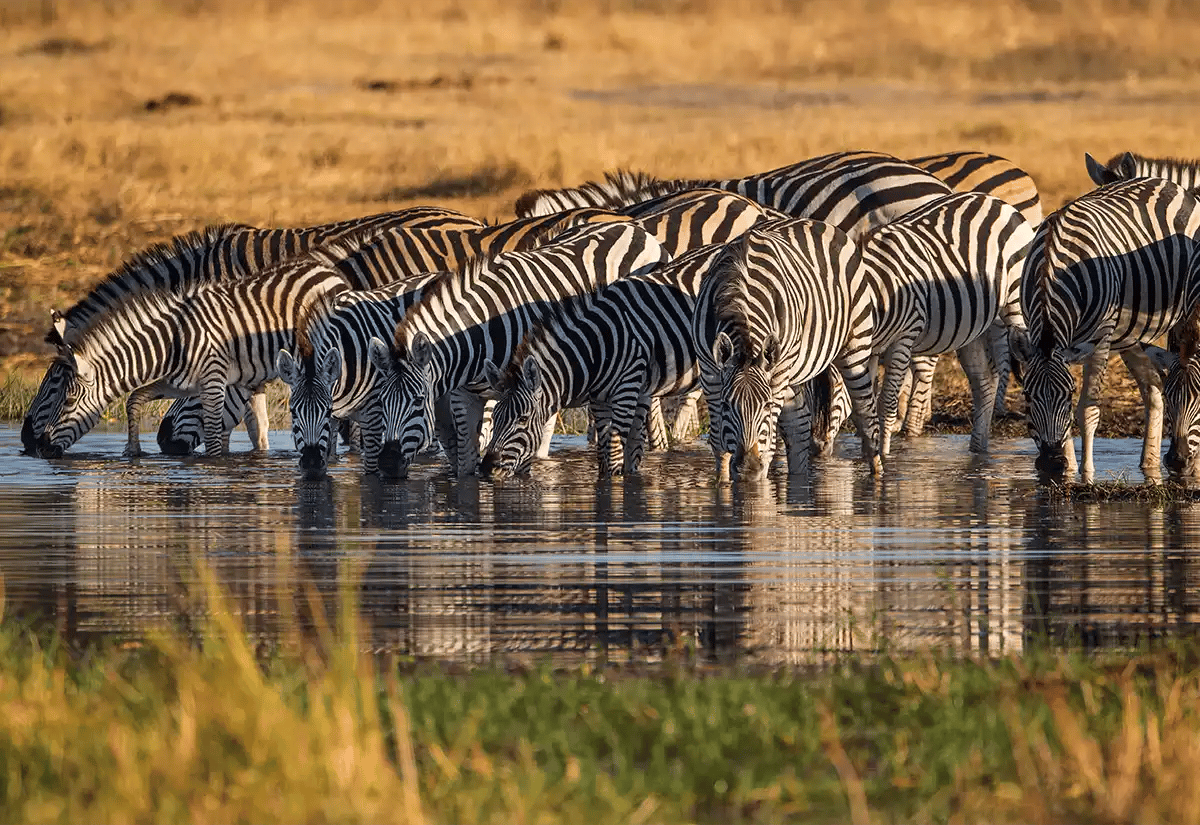
July in Katavi National Park is one of the best times to visit. The dry season brings cooler weather and exceptional wildlife viewing. The park’s floodplains are fully dried, concentrating large herds of buffalo, elephants, and zebras around the Katuma River and waterholes. This abundance of prey attracts predators like lions, leopards, and hyenas, creating thrilling game drive opportunities.
Walking safaris are also highly popular in July, as the clear trails make exploring the park on foot safe and rewarding. The cool mornings and evenings are ideal for activities, while midday temperatures remain warm but manageable. With pristine wilderness and minimal crowds, July is perfect for a peaceful safari adventure.
+
August in Katavi National Park: Ideal Hippo Spotting Time
Dry Season
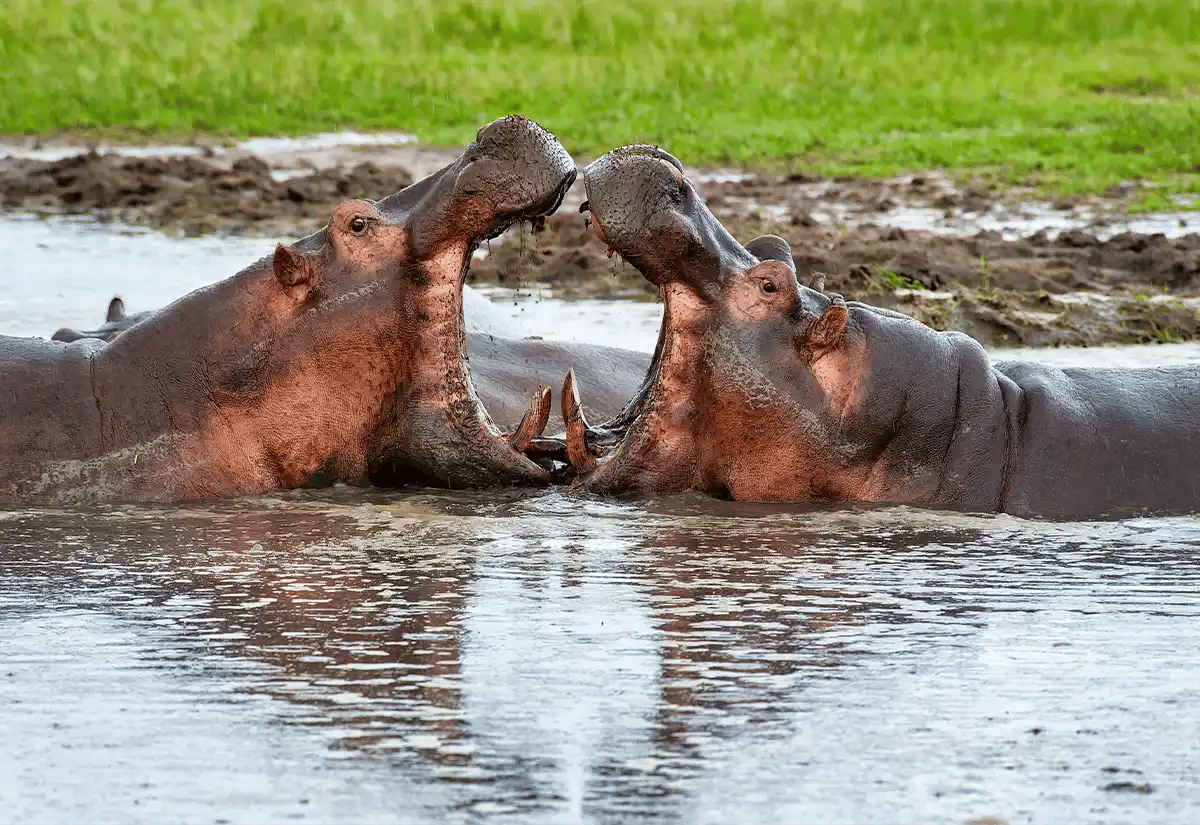
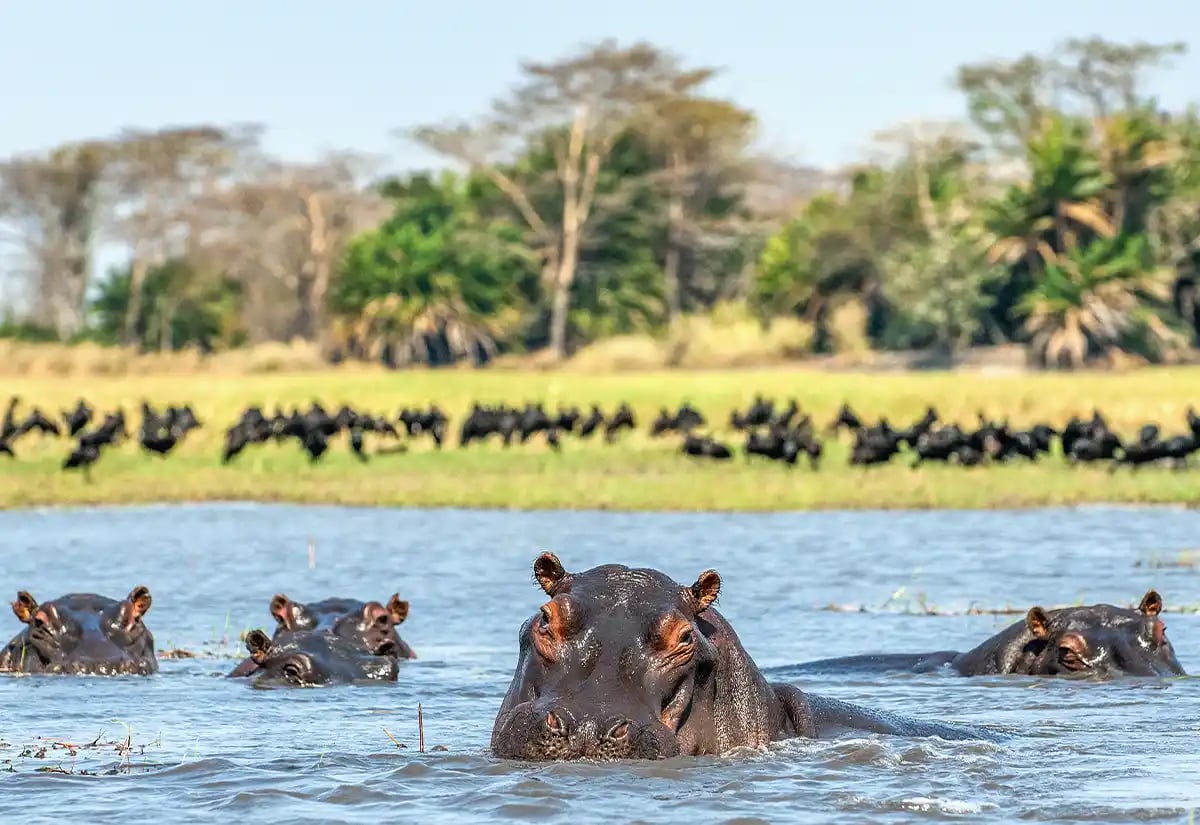
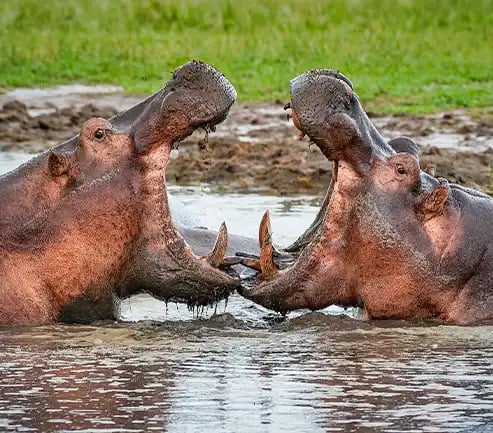
August continues to be an ideal time to visit Katavi, as the dry season reaches its peak. Wildlife sightings are at their finest, with large congregations of animals gathering around dwindling water sources. The Katuma River has reduced from a torrent to a trickle. Hippo pods crowd the banks—often engaging in territorial battles as crocodiles bask nearby.
Predators are especially active, providing thrilling moments for visitors on game drives. The dry conditions also make birdwatching spectacular, with vibrant flocks gathering near rivers and wetlands. The weather is sunny and mild, making outdoor activities like bush meals and stargazing especially enjoyable. August offers an unforgettable, intimate safari experience.
+
September in Katavi National Park: Scarce Water Sources Mean Peak Game Viewing
Dry Season
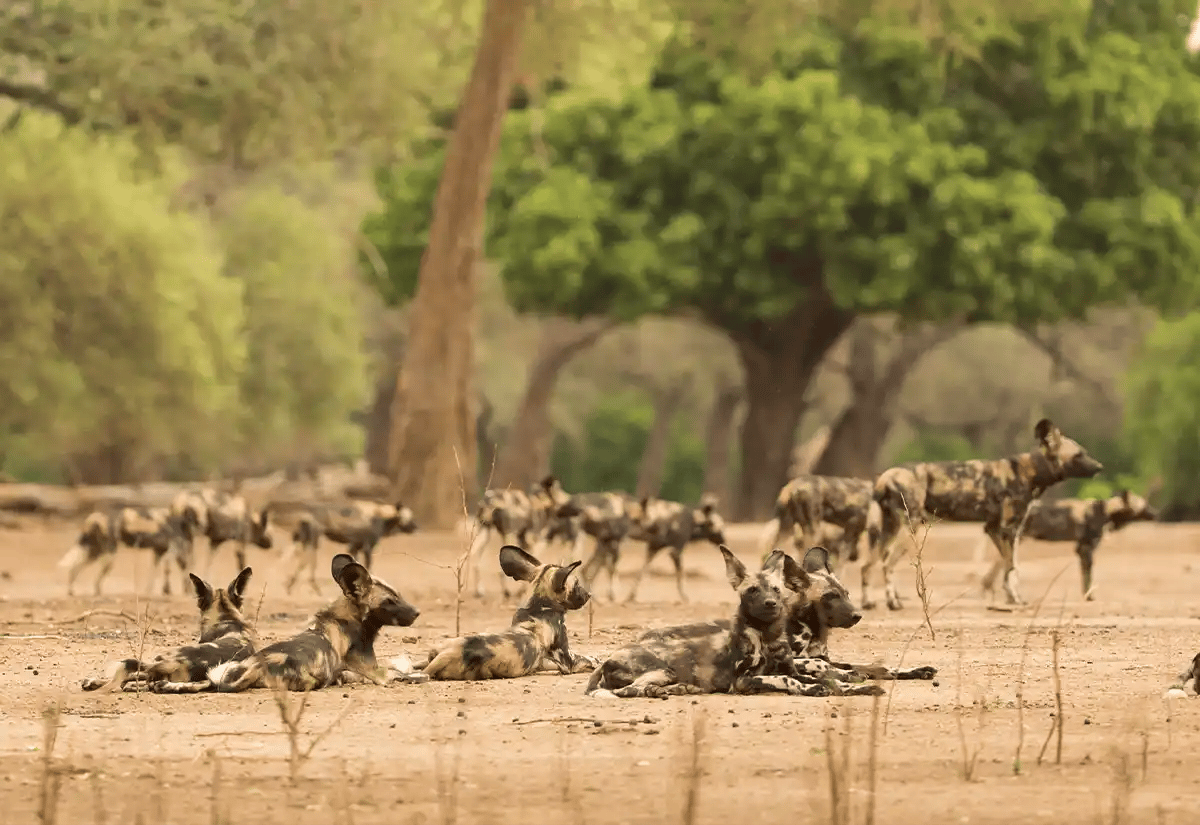
September continues the dry season with warm, sunny days and excellent wildlife viewing. Because water sources are so scarce, you may encounter dramatic wildlife interactions as animals compete for survival. Large herds of elephants, buffalo, and zebras dominate the floodplains, while predators such as lions and African wild dogs capitalize on the concentrated prey.
Game drives along the Katuma River are particularly rewarding, as hippos, crocodiles, and wading birds create lively scenes. With clear skies and minimal humidity, September is also ideal for stargazing. The park remains uncrowded, allowing visitors to enjoy Katavi’s raw beauty and thrilling wildlife encounters in peaceful seclusion.
+
October in Katavi National Park: The Tail End of the Dry Season
Dry Season
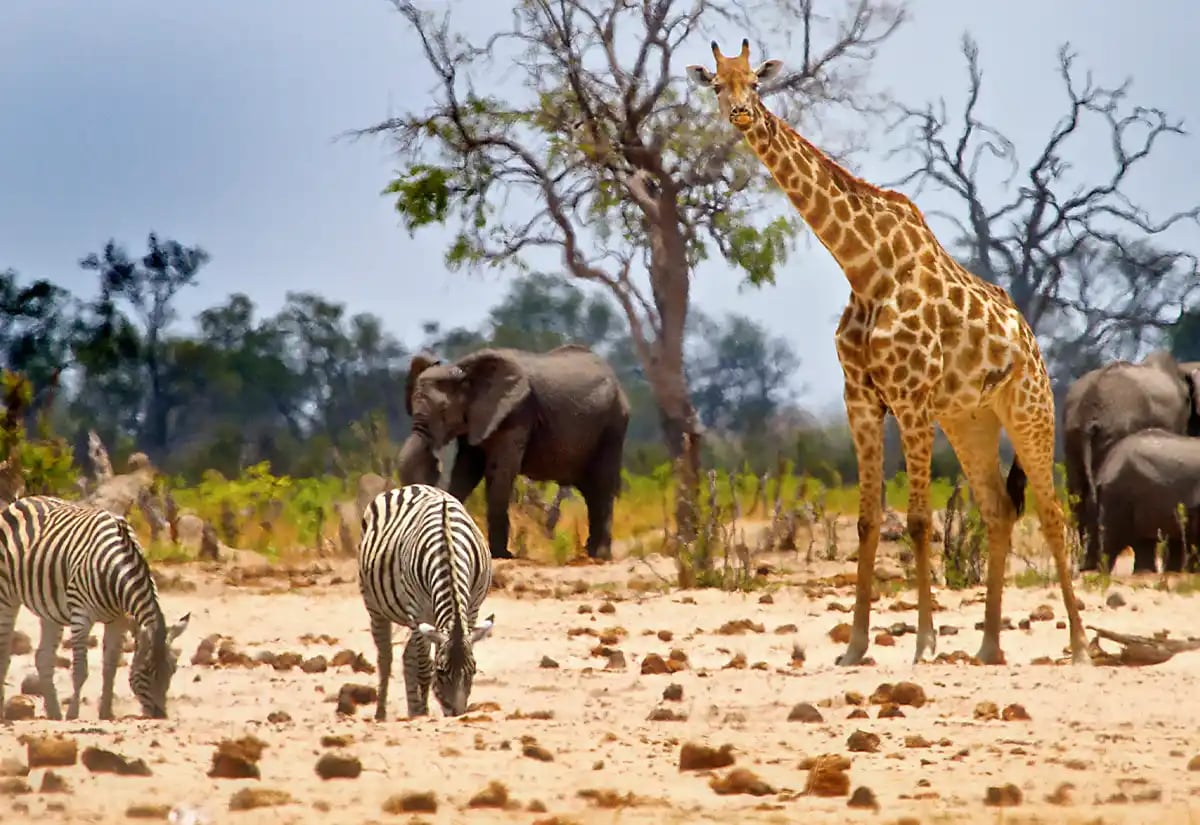
October caps off the dry season in Katavi National Park, as temperatures rise and wildlife activity reaches its peak. Continually shrinking waterholes drive dramatic scenes—large herds of elephants, zebras, and buffalo share limited resources while predators lurk nearby.
Game drives are particularly rewarding, with excellent opportunities to spot lions, leopards, and even African wild dogs. Birdwatching is also exceptional, as migratory species begin returning to the area. The dry, dusty landscapes create stunning photographic opportunities, and the clear night skies make for incredible stargazing. October offers thrilling wildlife encounters and an authentic safari experience.
+
November in Katavi National Park: Rejuvenating, Short Rains
Short Rain Season
November marks the arrival of the short rains in Katavi, bringing a refreshing change to the park’s dry landscapes. The first rains breathe new life into the plains, creating a stunning contrast of greens and browns. Wildlife begins dispersing as seasonal water sources reappear, but game viewing remains rewarding, especially near rivers and waterholes.
This transitional month is great for spotting predators like lions and hyenas, who remain active as prey animals adjust to the changing conditions. Visitors in November can enjoy the rejuvenation of Katavi’s ecosystems, fewer crowds, and the park’s peacefulness amongst new growth.
+
December in Katavi National Park: Life Flourishes Amongst the Rains
Short Rain Season
December in Katavi National Park ushers in the rainy season, transforming the park into a bursting, lively green paradise. The floodplains begin to fill, attracting migratory birds and creating spectacular opportunities to take in a sky full of birds. While wildlife becomes more scattered, game drives near the Katuma River still yield sightings of hippos, crocodiles, and elephants.
The rains bring dramatic skies and vibrant landscapes, perfect for photography enthusiasts. This is also a quiet time to visit, offering an intimate and serene safari experience away from the crowds. December’s mix of fresh scenery, wildlife activity, and tranquility makes it a unique and rewarding time to explore this incomparable park.
+
January in Katavi National Park
Green Season
January in Katavi National Park marks the heart of the rainy season, with lush landscapes and abundant water sources. The park’s floodplains and grasslands transform into verdant habitats, attracting migratory birds and creating incredible birdwatching opportunities. Wildlife can be more dispersed due to plentiful water, but game drives along the Katuma River often reveal elephants, hippos, and crocodiles.
Afternoon rains are common, so visitors should prepare for occasional muddy trails and humid conditions. Despite the rain, this is a stunning time for photographers: Dramatic skies and vibrant greenery frame every scene. Fewer visitors ensure a peaceful, intimate experience.
February in Katavi National Park: Vibrant Wetlands and Muddy Trails
Green Season
February continues the rainy season in Katavi, with the park’s wetlands flourishing. This is a prime time for spotting waterbirds, including herons, storks, and African fish eagles. The lush vegetation creates a unique backdrop, but it can also make wildlife spotting more challenging as animals spread across the park.
Guided walking safaris are an excellent way to explore the vibrant ecosystem, offering a chance to see smaller creatures and learn about the local flora. While some roads may be difficult to traverse, the park’s unspoiled beauty and tranquility more than make up for it. Pack waterproof gear and prepare for adventure!
March in Katavi National Park: The Green Season Tapers Off
Green Season
March brings the end of the green season, with sporadic showers and warm, humid days. The emerald greenery begins to fade as the park transitions into the dry season. Game drives become more productive as wildlife starts concentrating around rivers and waterholes, providing great opportunities to see hippos and crocodiles. Birdwatching remains excellent, with many migratory species still present.
Katavi’s remote location and low visitor numbers make it a serene destination in March, offering uninterrupted wildlife encounters and peaceful exploration. This is an ideal month for photographers looking to capture the transition between Katavi’s rainy and dry landscapes.
April in Katavi National Park: Quiet and Full of Life
Long Rain Season
April is a transitional month in Katavi National Park as the long rainy season begins. The landscape bursts with life, and seasonal water sources still attract a variety of animals. This quieter period is ideal for birdwatching, as many migratory birds linger in the area before heading north. Wildlife viewing becomes slightly easier as animals start moving toward more permanent water sources. While some roads may be muddy, walking safaris offer an excellent alternative to explore Katavi’s wilderness. Visitors during April can enjoy cooler temperatures and a tranquil atmosphere, perfect for those seeking solitude and a more exclusive safari experience.
May in Katavi National Park: Rains Give Way to the Dry Season
Long Rain Season
May marks the switch from long rain to Katavi’s dry season, with showers diminishing and the park gradually transforming. Grasses begin to dry out and the Katuma River begins to thin. This makes animals start to concentrate around rivers, lakes, and waterholes. It’s a fantastic month for game drives, as large herds of elephants and buffalo are easier to spot.
The cooler mornings and evenings make wildlife viewing more comfortable, and clear skies enhance the experience for photographers. With visitor numbers still low, May offers uncrowded exploration of Katavi’s breathtaking landscapes, making it an excellent time for those wanting to enjoy the serenity and raw beauty of the park.
June in Katavi National Park: Cooler Temps and Drier Conditions
Dry Season
June ushers in the dry season in Katavi, with clear skies, cooler temperatures, and thinning vegetation. The heat and humidity relent, and the drying floodplains force wildlife to converge around the Katuma River and waterholes. This makes it one of the best times for game viewing.
Large pods of hippos gather in shrinking pools, and predators like lions and crocodiles are highly active. This is also a great time for walking safaris, as trails are dry and easier to navigate. With comfortable weather and excellent wildlife sightings, June is one of the most popular months for visitors, yet Katavi’s remote location ensures a peaceful, uncrowded safari.
July in Katavi National Park: Clear Skies and Unmatched Views
Dry Season
July in Katavi National Park is one of the best times to visit. The dry season brings cooler weather and exceptional wildlife viewing. The park’s floodplains are fully dried, concentrating large herds of buffalo, elephants, and zebras around the Katuma River and waterholes. This abundance of prey attracts predators like lions, leopards, and hyenas, creating thrilling game drive opportunities.
Walking safaris are also highly popular in July, as the clear trails make exploring the park on foot safe and rewarding. The cool mornings and evenings are ideal for activities, while midday temperatures remain warm but manageable. With pristine wilderness and minimal crowds, July is perfect for a peaceful safari adventure.
August in Katavi National Park: Ideal Hippo Spotting Time
Dry Season
August continues to be an ideal time to visit Katavi, as the dry season reaches its peak. Wildlife sightings are at their finest, with large congregations of animals gathering around dwindling water sources. The Katuma River has reduced from a torrent to a trickle. Hippo pods crowd the banks—often engaging in territorial battles as crocodiles bask nearby.
Predators are especially active, providing thrilling moments for visitors on game drives. The dry conditions also make birdwatching spectacular, with vibrant flocks gathering near rivers and wetlands. The weather is sunny and mild, making outdoor activities like bush meals and stargazing especially enjoyable. August offers an unforgettable, intimate safari experience.
September in Katavi National Park: Scarce Water Sources Mean Peak Game Viewing
Dry Season
September continues the dry season with warm, sunny days and excellent wildlife viewing. Because water sources are so scarce, you may encounter dramatic wildlife interactions as animals compete for survival. Large herds of elephants, buffalo, and zebras dominate the floodplains, while predators such as lions and African wild dogs capitalize on the concentrated prey.
Game drives along the Katuma River are particularly rewarding, as hippos, crocodiles, and wading birds create lively scenes. With clear skies and minimal humidity, September is also ideal for stargazing. The park remains uncrowded, allowing visitors to enjoy Katavi’s raw beauty and thrilling wildlife encounters in peaceful seclusion.
October in Katavi National Park: The Tail End of the Dry Season
Dry Season
October caps off the dry season in Katavi National Park, as temperatures rise and wildlife activity reaches its peak. Continually shrinking waterholes drive dramatic scenes—large herds of elephants, zebras, and buffalo share limited resources while predators lurk nearby.
Game drives are particularly rewarding, with excellent opportunities to spot lions, leopards, and even African wild dogs. Birdwatching is also exceptional, as migratory species begin returning to the area. The dry, dusty landscapes create stunning photographic opportunities, and the clear night skies make for incredible stargazing. October offers thrilling wildlife encounters and an authentic safari experience.
November in Katavi National Park: Rejuvenating, Short Rains
Short Rain Season
November marks the arrival of the short rains in Katavi, bringing a refreshing change to the park’s dry landscapes. The first rains breathe new life into the plains, creating a stunning contrast of greens and browns. Wildlife begins dispersing as seasonal water sources reappear, but game viewing remains rewarding, especially near rivers and waterholes.
This transitional month is great for spotting predators like lions and hyenas, who remain active as prey animals adjust to the changing conditions. Visitors in November can enjoy the rejuvenation of Katavi’s ecosystems, fewer crowds, and the park’s peacefulness amongst new growth.
December in Katavi National Park: Life Flourishes Amongst the Rains
Short Rain Season
December in Katavi National Park ushers in the rainy season, transforming the park into a bursting, lively green paradise. The floodplains begin to fill, attracting migratory birds and creating spectacular opportunities to take in a sky full of birds. While wildlife becomes more scattered, game drives near the Katuma River still yield sightings of hippos, crocodiles, and elephants.
The rains bring dramatic skies and vibrant landscapes, perfect for photography enthusiasts. This is also a quiet time to visit, offering an intimate and serene safari experience away from the crowds. December’s mix of fresh scenery, wildlife activity, and tranquility makes it a unique and rewarding time to explore this incomparable park.
+
+
+
+
+
+
+
+
+
+
+
+

Katavi National Park Animals
Katavi’s remote location and range of habitats, from floodplains to riverbanks, make it an incredible park for encountering vast herds and unique wildlife.
Crocodiles
Katavi’s Katuma River and its seasonal floodplains teem with Nile crocodiles. During the dry season, these ancient predators bask on riverbanks or gather in dramatic numbers around shrinking waterholes.
Cape Buffalo
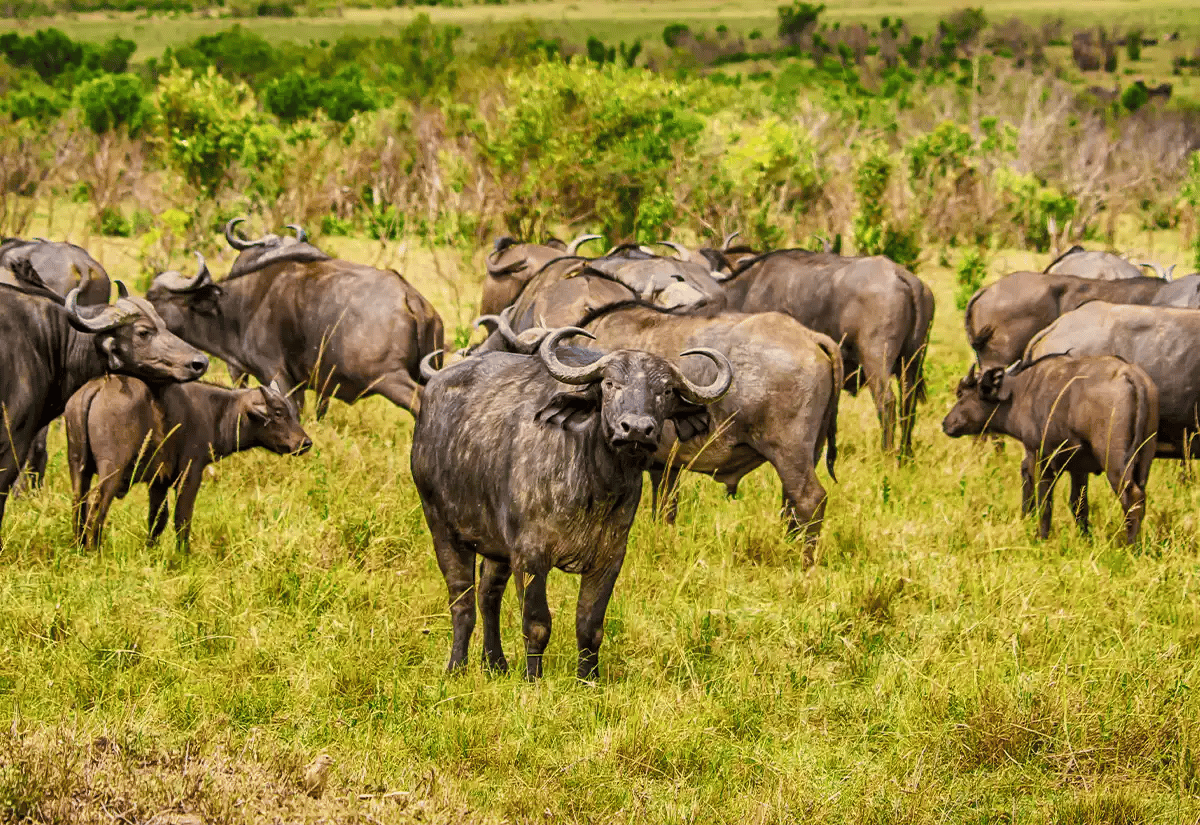
Expansive plains are home to massive herds of Cape buffalo, sometimes numbering in the thousands. These powerful animals roam the floodplains, creating dramatic spectacles as they attract predators like lions.
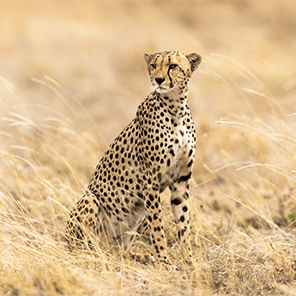
Cheetahs
Look for cheetahs in Katavi’s open grasslands, where their speed and agility make them master hunters. These majestic cats are best seen stalking prey or resting in the shade after a hunt.
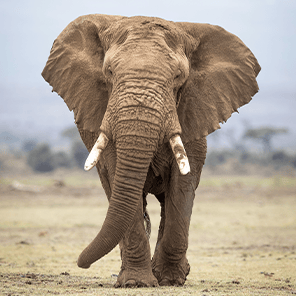
Elephants
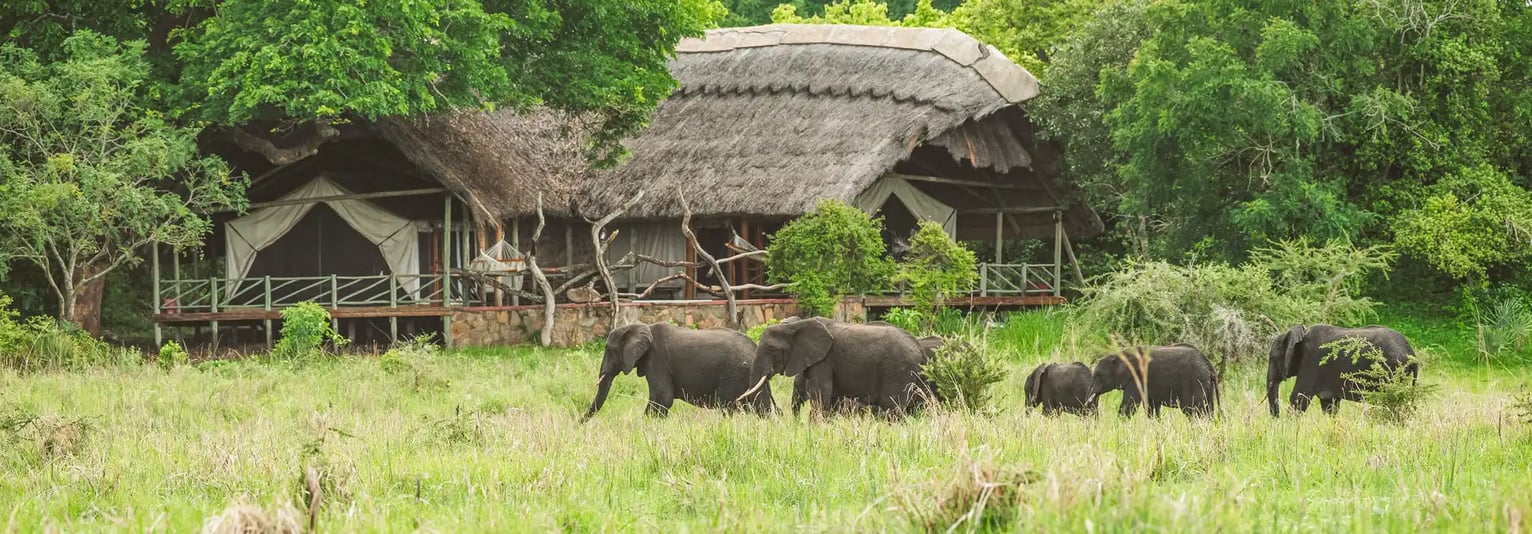
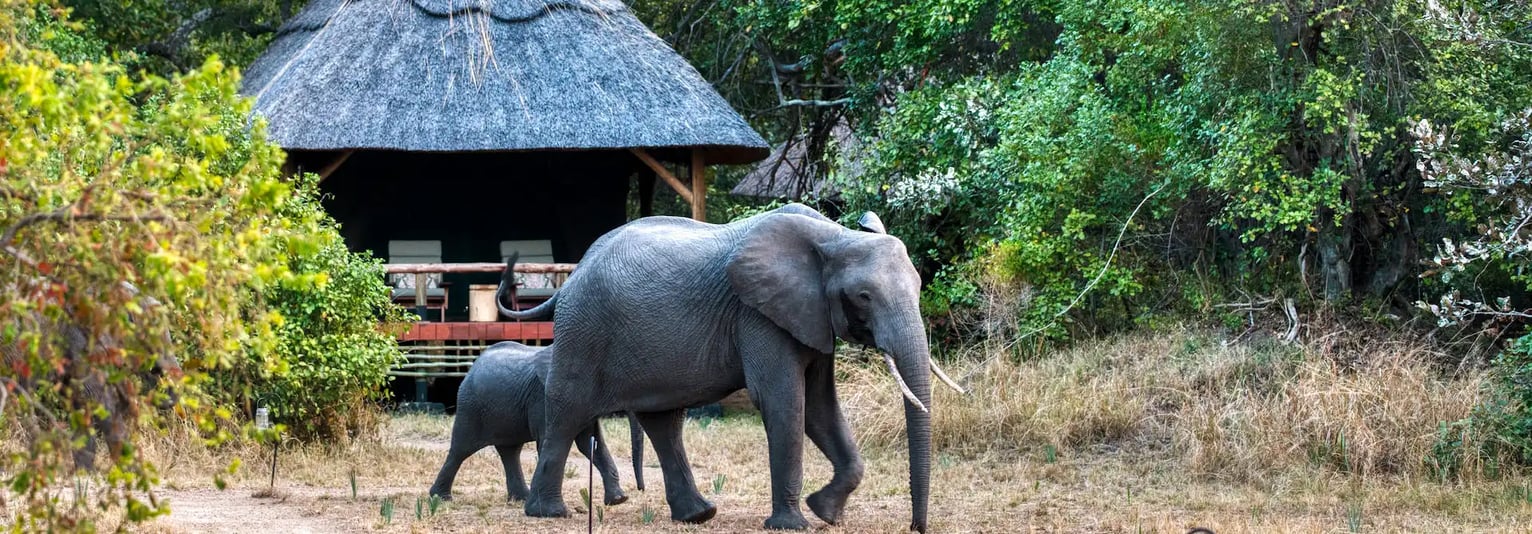
Katavi is known for its large elephant herds, which often congregate around waterholes or cross the floodplains. Spotting these gentle giants is guaranteed to be a highlight of any safari.
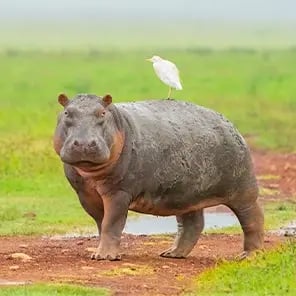
Hippos
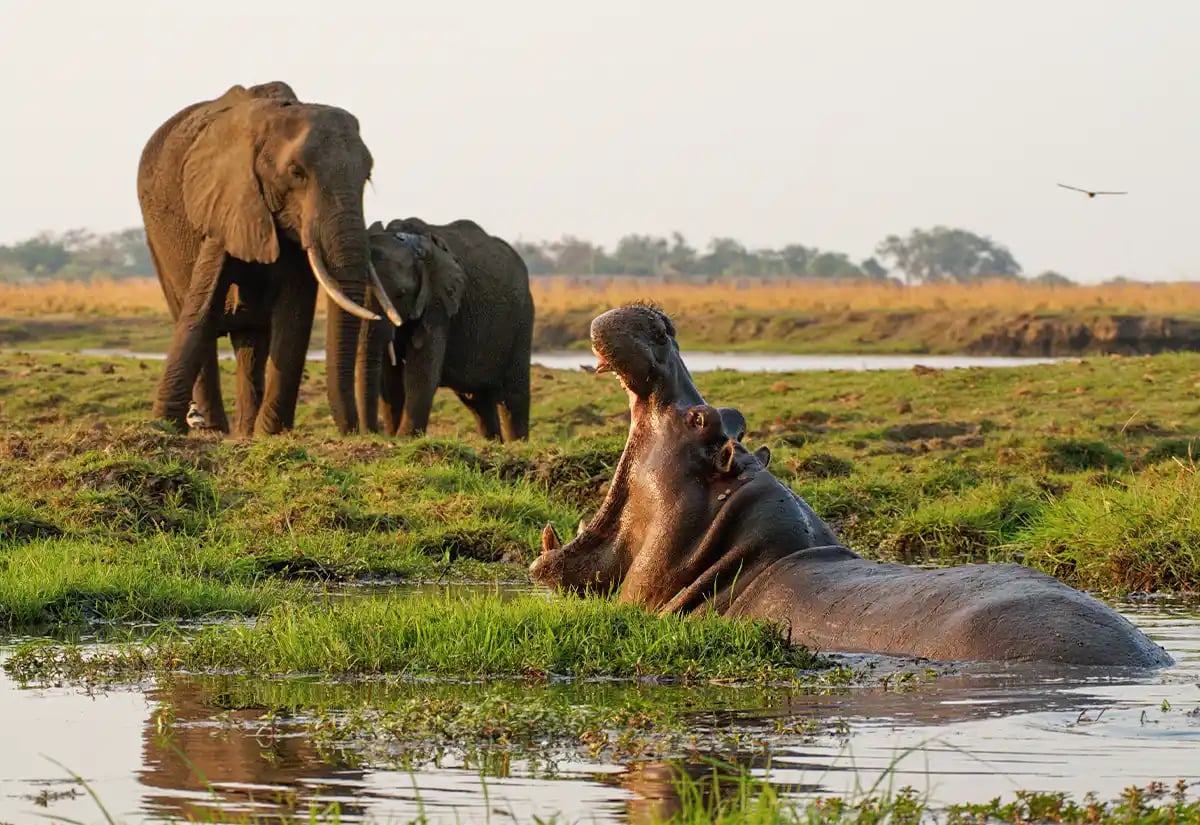
Katavi National Park boasts some of Tanzania’s largest hippo pods. During the dry season, dozens of hippos crowd the remaining pools—a mesmerizing and noisy scene as they jostle for space and dominance.
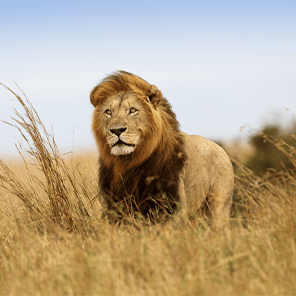
Lions
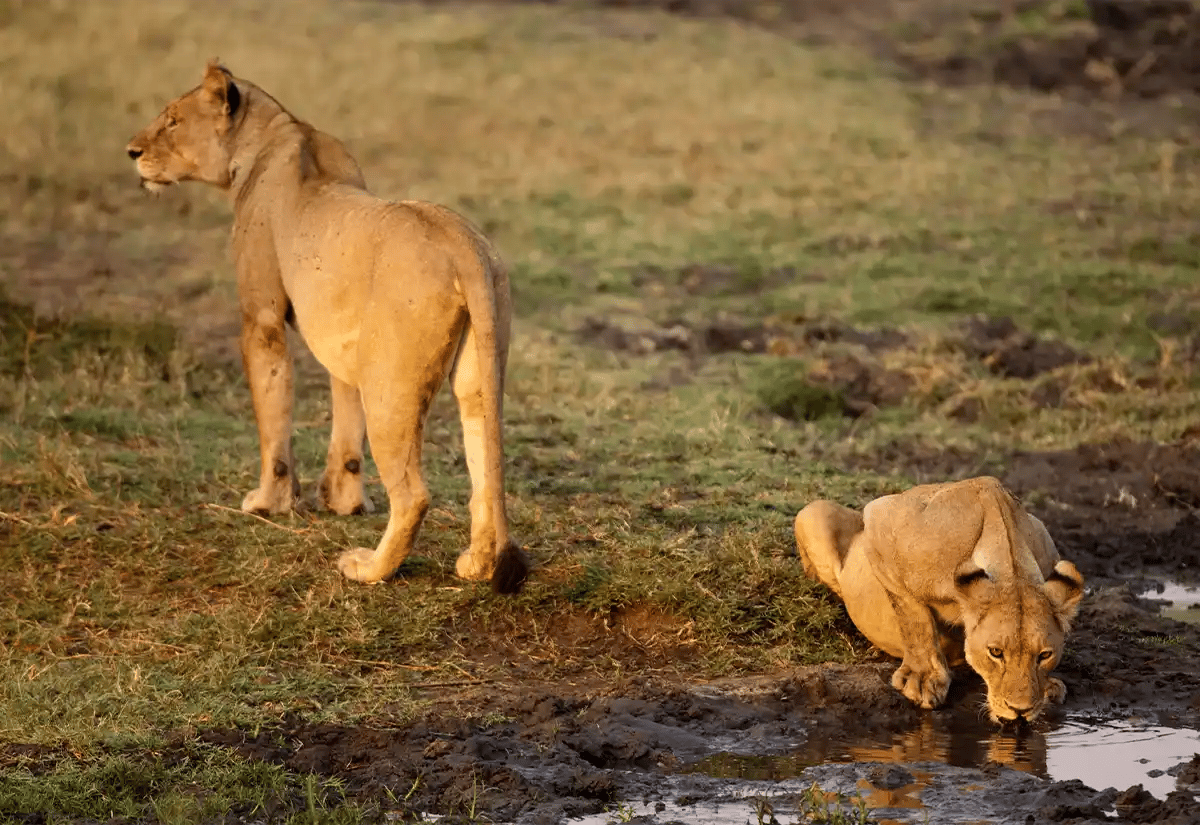
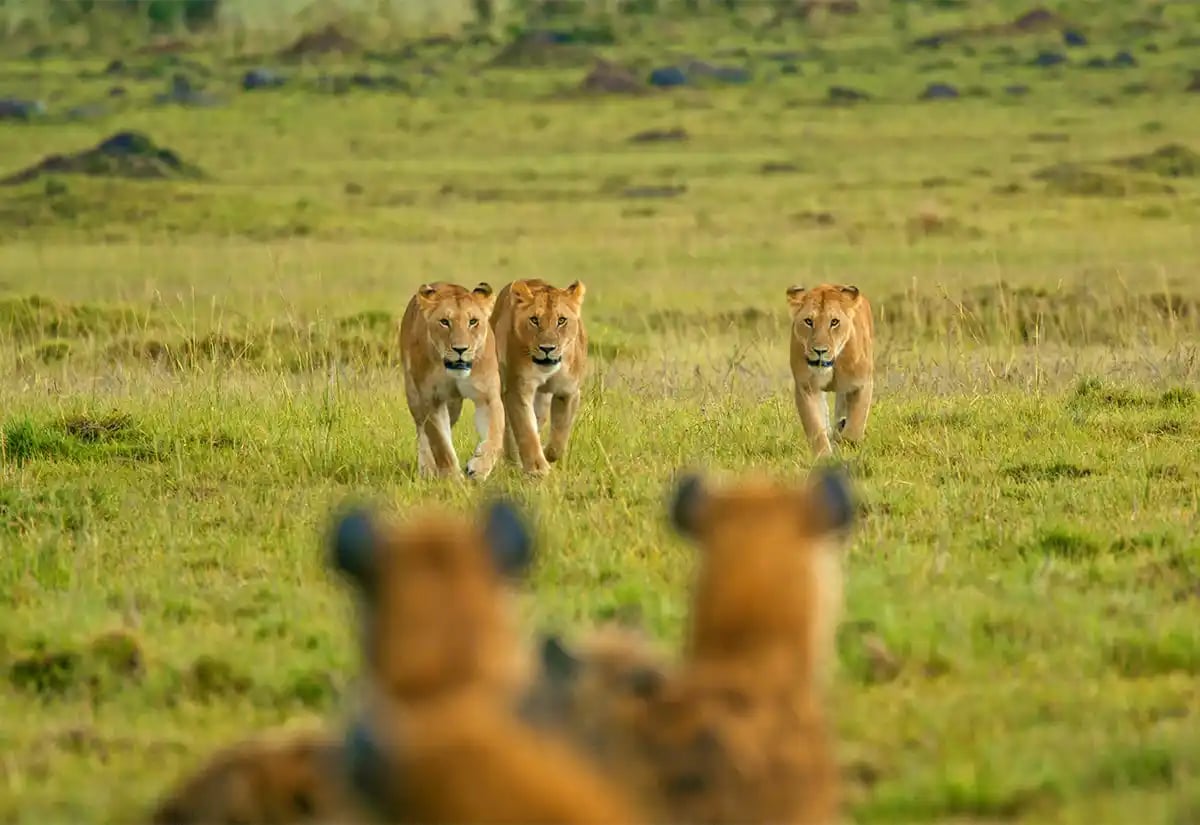
Lions are a prominent feature of Katavi’s predator-rich ecosystem. The park is famous for its pride dynamics, often seen lounging in the shade or stalking herds of buffalo and zebras.
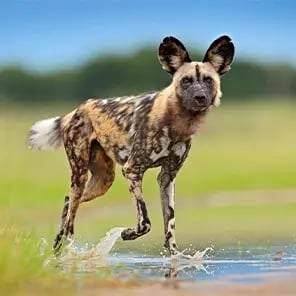
African Wild Dogs
Katavi is one of the few places to see the endangered African wild dogs in their natural habitat. Known for their pack hunting strategies, these rare predators are a thrilling sight for lucky visitors.
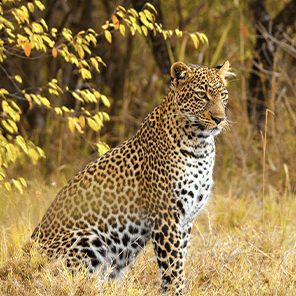
Leopards
Leopards thrive in Katavi’s wooded areas and rocky outcrops. These stealthy cats are often seen lounging in trees or silently patrolling riverbanks in search of prey.
Crocodiles
Katavi’s Katuma River and its seasonal floodplains teem with Nile crocodiles. During the dry season, these ancient predators bask on riverbanks or gather in dramatic numbers around shrinking waterholes.
Cape Buffalo
Expansive plains are home to massive herds of Cape buffalo, sometimes numbering in the thousands. These powerful animals roam the floodplains, creating dramatic spectacles as they attract predators like lions.
Cheetahs
Look for cheetahs in Katavi’s open grasslands, where their speed and agility make them master hunters. These majestic cats are best seen stalking prey or resting in the shade after a hunt.
Elephants
Katavi is known for its large elephant herds, which often congregate around waterholes or cross the floodplains. Spotting these gentle giants is guaranteed to be a highlight of any safari.
Hippos
Katavi National Park boasts some of Tanzania’s largest hippo pods. During the dry season, dozens of hippos crowd the remaining pools—a mesmerizing and noisy scene as they jostle for space and dominance.
Lions
Lions are a prominent feature of Katavi’s predator-rich ecosystem. The park is famous for its pride dynamics, often seen lounging in the shade or stalking herds of buffalo and zebras.
African Wild Dogs
Katavi is one of the few places to see the endangered African wild dogs in their natural habitat. Known for their pack hunting strategies, these rare predators are a thrilling sight for lucky visitors.
Leopards
Leopards thrive in Katavi’s wooded areas and rocky outcrops. These stealthy cats are often seen lounging in trees or silently patrolling riverbanks in search of prey.


Western Circuit Tours and Safaris
Most Popular
.png?width=296&height=70&name=Pattern%20(2).png)
$1,350 (2pax) USD
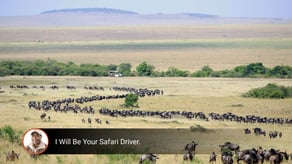
12 Days Serengeti Lions and Wildebeest Migration Safari

46 people viewing now
Best Seller
$3,001 (2pax) USD
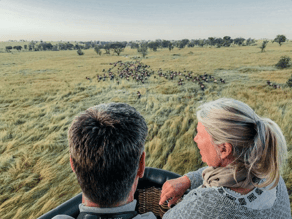
Days Serengeti Lions and Wildebeest Migration Safari
85 people viewing now
Most Popular
$1,400 (2pax) USD
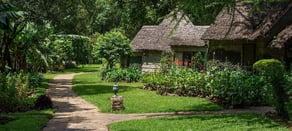
A Days Serengeti Lions and Wildebeest Migration Safari
19 people viewing now
Most Popular
$1,350 (2pax) USD
12 Days Serengeti Lions and Wildebeest Migration Safari
24 people viewing now
Best Seller
$3,001 (2pax) USD
Days Serengeti Lions and Wildebeest Migration Safari
40 people viewing now
Most Popular
$1,400 (2pax) USD
A Days Serengeti Lions and Wildebeest Migration Safari
5 people viewing now
Most Popular
$1,350 (2pax) USD
12 Days Serengeti Lions and Wildebeest Migration Safari
85 people viewing now
Best Seller
$3,001 (2pax) USD
Days Serengeti Lions and Wildebeest Migration Safari
8 people viewing now
Best Seller
$3,001 (2pax) USD
Days Serengeti Lions and Wildebeest Migration Safari
11 people viewing now
Best Seller
$3,001 (2pax) USD
Days Serengeti Lions and Wildebeest Migration Safari
45 people viewing now
Best Seller
$3,001 (2pax) USD
Days Serengeti Lions and Wildebeest Migration Safari
37 people viewing now
Most Popular
$1,400 (2pax) USD
A Days Serengeti Lions and Wildebeest Migration Safari
34 people viewing now
Go off the beaten path with treks and tours in Tanzania’s wild Western Circuit.

Most Popular
$1,350 (2pax) USD
12 Days Serengeti Lions and Wildebeest Migration Safari
77 people viewing now
Best Seller
$3,001 (2pax) USD
Days Serengeti Lions and Wildebeest Migration Safari
33 people viewing now
Most Popular
$1,400 (2pax) USD
A Days Serengeti Lions and Wildebeest Migration Safari
106 people viewing now
Most Popular
$1,350 (2pax) USD
12 Days Serengeti Lions and Wildebeest Migration Safari
106 people viewing now
Best Seller
$3,001 (2pax) USD
Days Serengeti Lions and Wildebeest Migration Safari
47 people viewing now
Most Popular
$1,400 (2pax) USD
A Days Serengeti Lions and Wildebeest Migration Safari
62 people viewing now
Most Popular
$1,350 (2pax) USD
12 Days Serengeti Lions and Wildebeest Migration Safari
102 people viewing now
Best Seller
$3,001 (2pax) USD
Days Serengeti Lions and Wildebeest Migration Safari
59 people viewing now
Best Seller
$3,001 (2pax) USD
Days Serengeti Lions and Wildebeest Migration Safari
24 people viewing now
Best Seller
$3,001 (2pax) USD
Days Serengeti Lions and Wildebeest Migration Safari
104 people viewing now
Best Seller
$3,001 (2pax) USD
Days Serengeti Lions and Wildebeest Migration Safari
94 people viewing now
Most Popular
$1,400 (2pax) USD
A Days Serengeti Lions and Wildebeest Migration Safari
37 people viewing now
Go off the beaten path with treks and tours in Tanzania’s wild Western Circuit.
Frequently Asked Questions

Still have questions?
Contact Us, we are more than happy to help!
What is Katavi National Park known for?
Katavi National Park is famous for its vast herds of a variety of wildlife, including some of the biggest concentrations of Cape buffalo, elephants, crocodiles, and hippos. Around 4,000 elephants are known to converge on Kituma River banks in search of water sources.
How can I find the best Katavi National Park lodges?
Among the options are the Chada Camp, Mbali Mbali Katavi, Katavi Wildlife Camp, Katuma Bush Lodge, and more. Easy Travel is happy to help you find a lodge that fits your budget and travel needs.
How do you get to Katavi National Park?
The fastest way to reach Katavi National Park is to travel by air. It takes about four to five hours to get to Katavi by plane from Arusha or Dar es Salaam.
Is it safe to visit Katavi National Park?
Yes, Katavi is safe to visit when traveling with a reputable guide or tour operator. Follow your guide’s instructions and park rules to ensure a secure and enjoyable experience.
What activities can I do in Katavi?
The park boasts many exciting safari activities, including fly camping, guided game drives, walking safaris, boating or canoeing, bird watching, and more.
Can I self-drive in Katavi National Park?
While self-driving is permitted in Katavi National Park, Easy Travel recommends hiring an experienced driver or joining a guided safari to ensure a safe and informative experience.
Are there any entry requirements for visiting Katavi National Park?
All visitors to Katavi National Park must have a valid visa for Tanzania, which you can obtain before arrival or at the port of entry.
Can I learn about conservation in Katavi National Park?
Absolutely! Many lodges and safari operators offer insights into conservation efforts, including wildlife protection and sustainable tourism initiatives in the park.
What is the best time to visit Katavi National Park?
The dry season, from June to October, is ideal for wildlife viewing as animals gather around waterholes, but the rainy season offers lush landscapes and excellent birdwatching.
What should I pack for a visit to Katavi?
Pack lightweight clothing, sturdy walking shoes, a good pair of binoculars, sunscreen, insect repellent, and waterproof gear if visiting during the rainy season.
Still have questions?
Contact Us, we are more than happy to help!
Explore Our Latest Articles
3.06.2025
23 Min Read
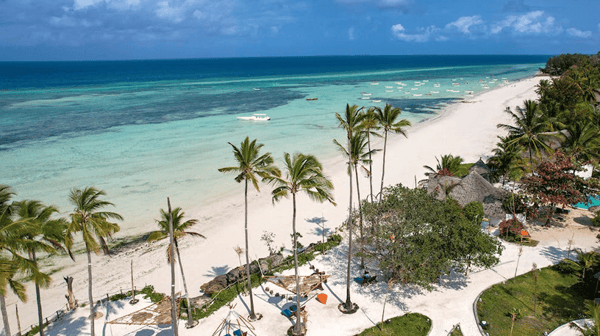
Kendwa Beach rests on Zanzibar Island. The beach is known far and wide because it is gorgeous. The sand on the beach is...


3.06.2025
23 Min Read
Kendwa Beach rests on Zanzibar Island. The beach is known far and wide because it is gorgeous. The...
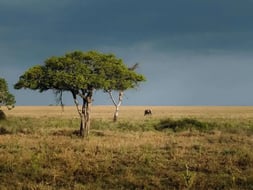
Find Out Which Safari Tour Is Right For You
From Katavi to the Serengeti, Tanzania’s variety of safari destinations means there’s something special for every traveler. Take our quick and easy quiz to find out which tour our travel experts pick for you!
More Safari Destinations To Explore
This is a park



Gombe...
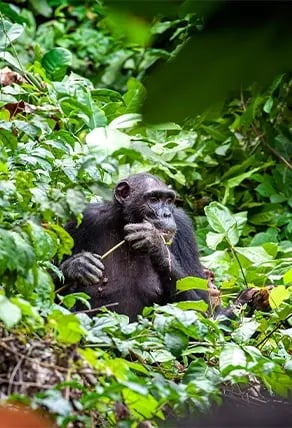
Where Jane Goodall famously conducted research, Gombe is the ultimate destination for spotting wild chimpanzees.
This is a park

Mahale...
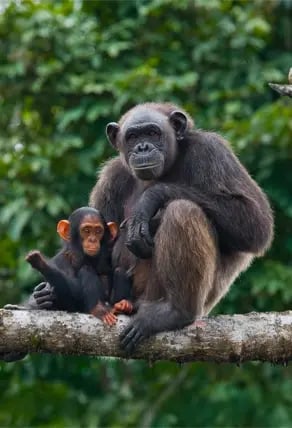
With towering mountains, crystal-clear lakes, and lush forests, this park offers hiking, trekking, swimming,...
This is a park
-svg.svg)
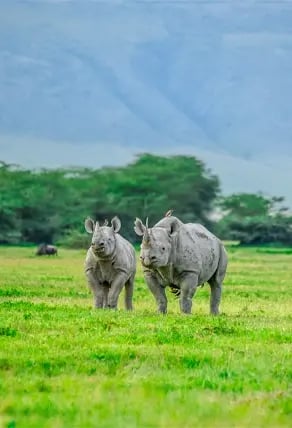


Ngorongoro...
A UNESCO site with a stunning crater, home to diverse wildlife and spectacular views of Tanzania’s natural beauty.
This is a park

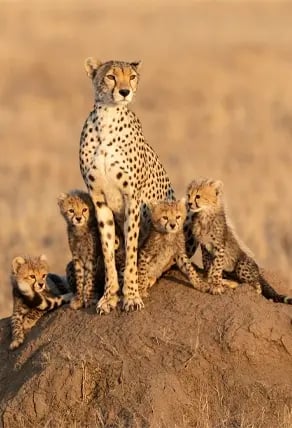


Serengeti...
Tanzania’s most iconic safari destination, where you have the opportunity to witness the annual Great Wildebeest...