

.svg "Style-Guide (1)")


.svg)


Kendwa Beach rests on Zanzibar Island. The beach is known far and wide because it is gorgeous. The...






Gombe Stream National Park
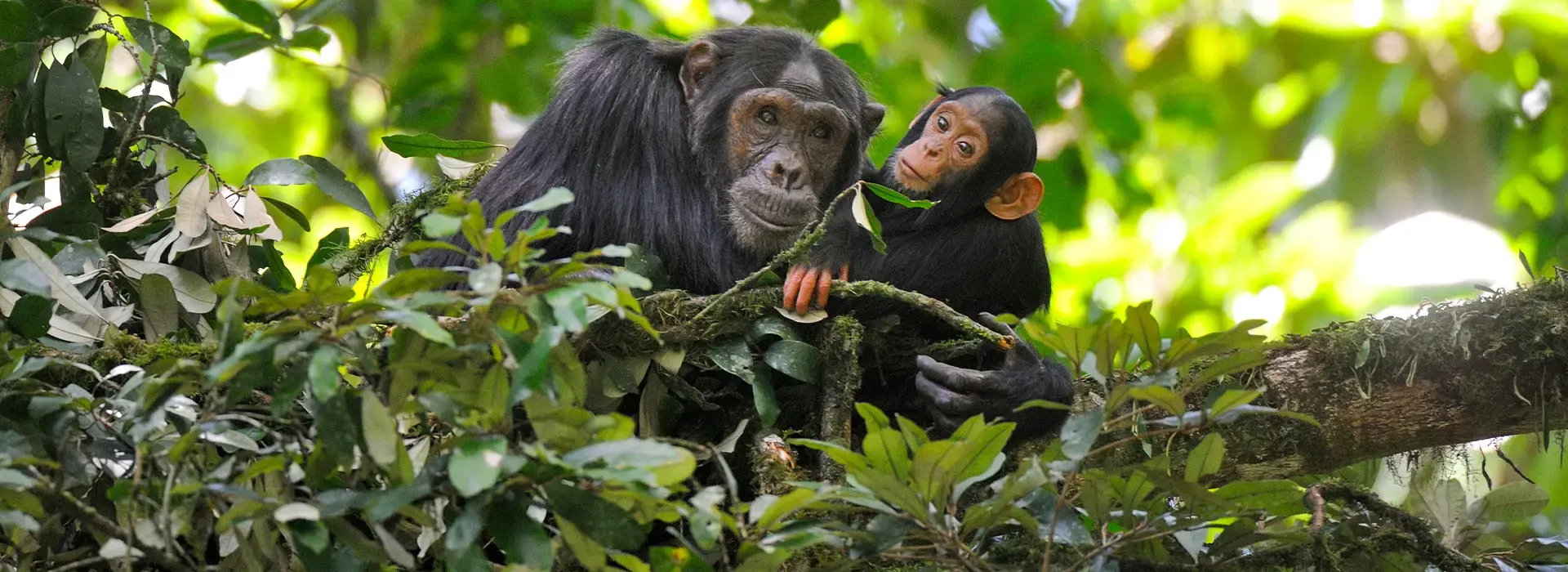
For an unmatched opportunity to observe wild chimpanzees, Gombe Stream National Park in Tanzania is the ultimate destination. The smallest national park in Tanzania, this unique region features dense jungles, open grasslands, stunning vistas, and sparkling waterfalls.

Endorsed by ATTA

Featured in National Geographic

BBC Wildlife

Rated Excellent by Trip Advisor
Gombe Stream National Park
For an unmatched opportunity to observe wild chimpanzees, Gombe Stream National Park in Tanzania is the ultimate destination. The smallest national park in Tanzania, this unique region features dense jungles, open grasslands, stunning vistas, and sparkling waterfalls.
Endorsed by ATTA
Featured in National Geographic
BBC Wildlife
Rated Excellent by Trip Advisor
Things to Do in Gombe Stream National Park
Gombe National Park may be smaller than Tanzania’s other safari destinations, but there’s no shortage of activities, excursions, and cultural experiences in this wildlife haven.

Chimpanzee Trekking
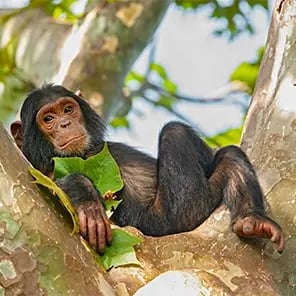
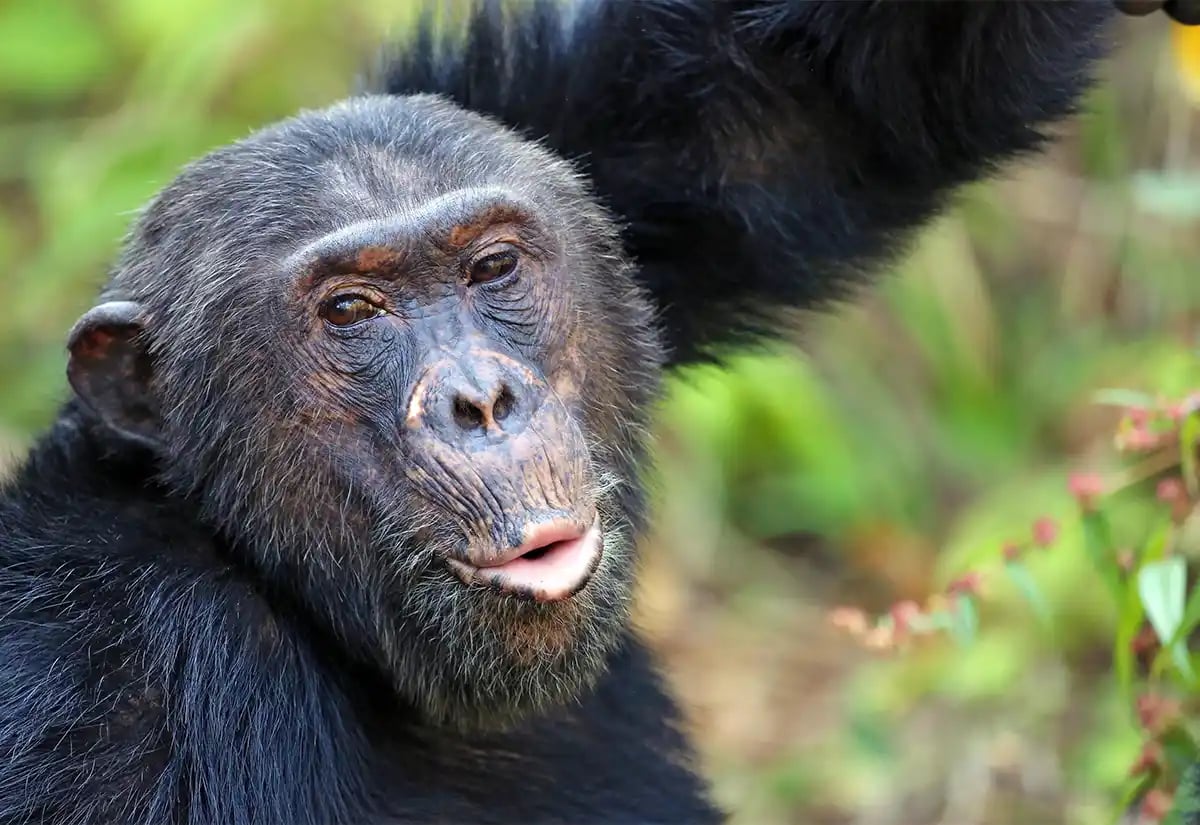
No trip to Gombe is complete without embarking on a trek through the lush forests, where you can observe chimps in their natural habitat. Led by park rangers and guides, this rare, immersive experience puts you in the heart of Jane Goodall’s research site.
Snorkeling and Diving
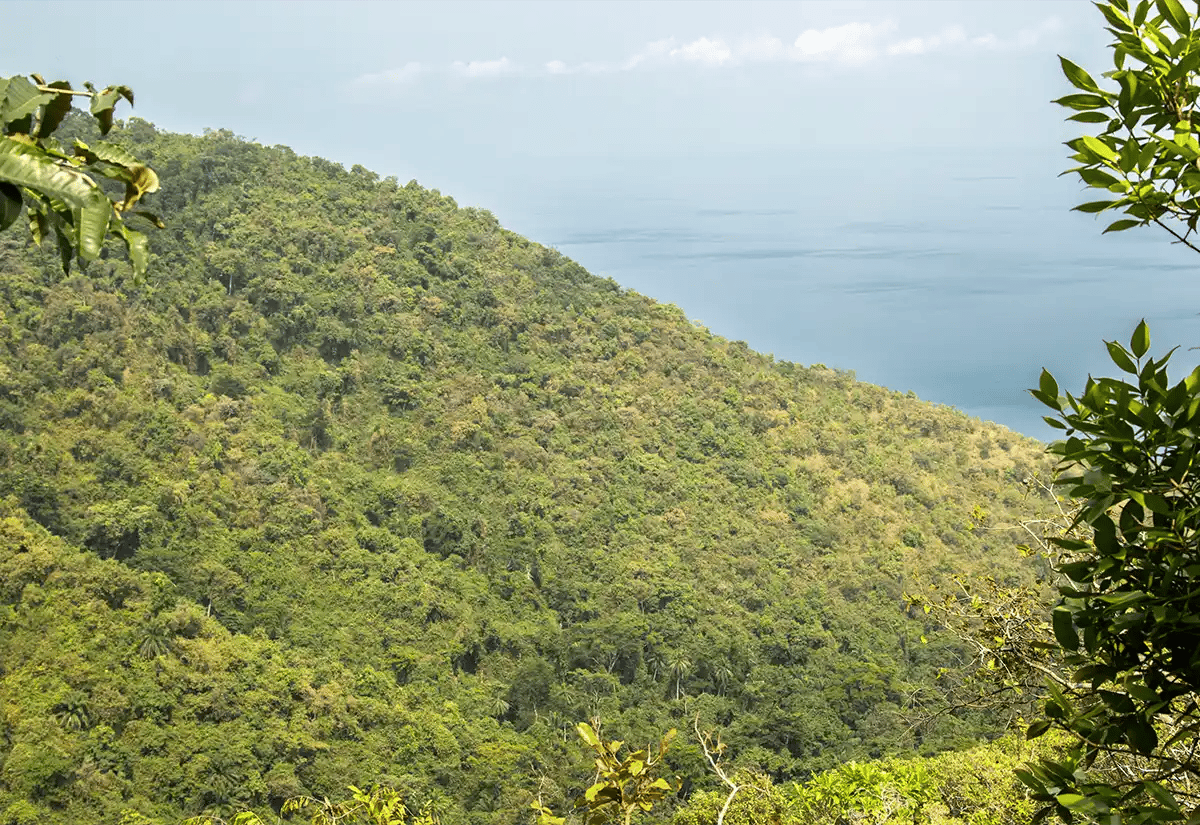
Discover the underwater beauty of Lake Tanganyika, home to vibrant cichlid fish and waters perfect for exploring. Cool off after an afternoon of hiking and enjoy the calm lake beaches.
Canoeing and Kayaking
Take in a new perspective of Gombe Stream National Park from the serene atmosphere of the lake. Paddle along on a boat safari and keep an eye out for aquatic animals such as crocodiles and hippos.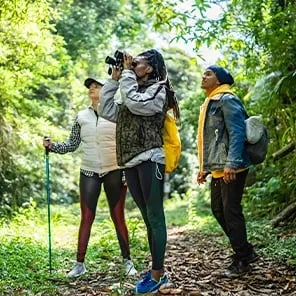
Birdwatching
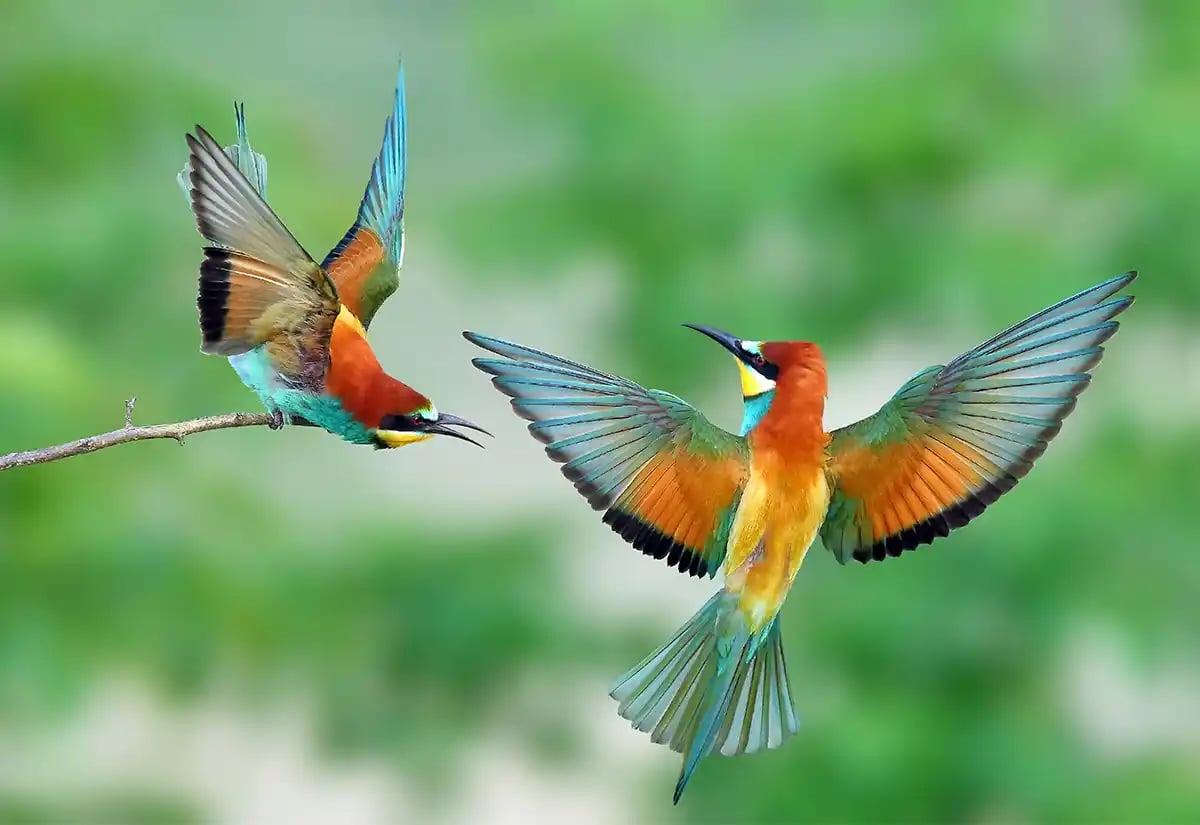
Home to more than 200 avian species, Gombe is a birdwatcher’s paradise. From colorful kingfishers to rare forest birds, this park offers an incredible opportunity to spot and photograph both migratory and endemic species.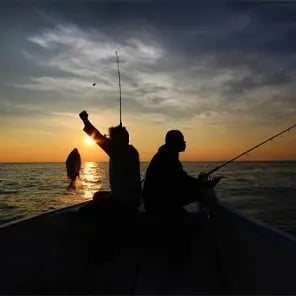
Fishing
After obtaining the required fishing permit, try your hand at fishing in Lake Tanganyika, one of the world’s deepest lakes. Catch tilapia and other fish species while you relax on the peaceful shores.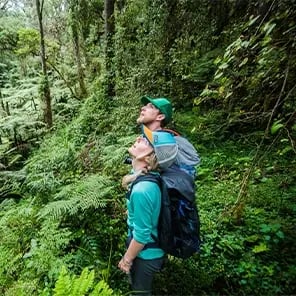
Walking Safari & Nature Walks
Discover Gombe’s diverse ecosystems on foot with a guided walking safari. Explore forest paths leading to spectacular viewpoints, all while learning about the park’s ecosystems and conservation efforts from expert guides.Things to Do in Gombe Stream National Park
Gombe National Park may be smaller than Tanzania’s other safari destinations, but there’s no shortage of activities, excursions, and cultural experiences in this wildlife haven.
Chimpanzee Trekking
No trip to Gombe is complete without embarking on a trek through the lush forests, where you can observe chimps in their natural habitat. Led by park rangers and guides, this rare, immersive experience puts you in the heart of Jane Goodall’s research site.
Snorkeling and Diving
Discover the underwater beauty of Lake Tanganyika, home to vibrant cichlid fish and waters perfect for exploring. Cool off after an afternoon of hiking and enjoy the calm lake beaches.
Canoeing and Kayaking
Take in a new perspective of Gombe Stream National Park from the serene atmosphere of the lake. Paddle along on a boat safari and keep an eye out for aquatic animals such as crocodiles and hippos.
Birdwatching
Home to more than 200 avian species, Gombe is a birdwatcher’s paradise. From colorful kingfishers to rare forest birds, this park offers an incredible opportunity to spot and photograph both migratory and endemic species.
Fishing
After obtaining the required fishing permit, try your hand at fishing in Lake Tanganyika, one of the world’s deepest lakes. Catch tilapia and other fish species while you relax on the peaceful shores.
Walking Safari & Nature Walks
Discover Gombe’s diverse ecosystems on foot with a guided walking safari. Explore forest paths leading to spectacular viewpoints, all while learning about the park’s ecosystems and conservation efforts from expert guides.When to Visit Gombe Stream National Park
Whether you’re enticed by the vibrancy of nature during the green season or the enhanced opportunity to spot chimps during the dry season, each month in Gombe Stream offers something spectacular.
average
good
best
.svg)
Jan
Feb

Mar
Apr
May
.svg)
Jun
Jul
Aug
Sep
Oct
.svg)
Nov
Dec
Jan
Feb
Mar
Apr
May
Jun
Jul
Aug
Sep
Oct
Nov
Dec
Exploring Gombe Stream National Park in January: A Green Wonderland
Green Season
January transforms Gombe Stream National Park into a fresh paradise, with the green season breathing life into the park’s vibrant flora and fauna. Temperatures typically range between 20°C to 30°C (68°F to 86°F), with occasional rain showers that keep the park's forests thriving.
This is a good time for chimpanzee trekking, as the rain brings fruit to the trees, drawing the chimps closer to accessible areas. Birdwatchers can enjoy seeing migratory species, which add to the park’s diverse avian population. Guided nature walks, canoeing, or relaxing by the tranquil shores of Lake Tanganyika are also popular activities.
Pack lightweight rain gear and waterproof hiking boots, as trails can be muddy, but the unforgettable experiences more than make up for it!

+
Exploring Gombe Stream National Park in February: Bursting With Life
Green Season
February offers a lush and vibrant experience at Gombe Stream National Park as the wet season continues. Temperatures remain warm, averaging 20°C to 30°C (68°F to 86°F), with rain showers that keep the park’s forests teeming with life.
This month, the abundance of fruit keeps chimps active and easier to spot. Birdwatchers will delight in the variety of resident and migratory species. February is also perfect for exploring the region’s dense jungles and grasslands, which are full of life amid wild rainstorms.
Trails can be muddy, so sturdy footwear is essential. The lush scenery, wildlife activity, and fewer crowds make February an ideal time to explore Gombe’s wilderness.
+
Exploring Gombe Stream National Park in March: A Jaunt Through the Jungle
Green Season
March marks the end of the wet season at Gombe Stream National Park, with warm temperatures ranging from 20°C to 30°C (68°F to 86°F) and periodic rains continuing to nourish the forest. The park’s greenery is at its peak, creating a stunning backdrop for exploration.
Clear skies mean visitors can see chimpanzees from afar with better clarity. The chimps remain active and food is still plentiful. Birdwatching is excellent, with diverse species thriving in the flourishing environment. Hiking trails and guided nature walks through alpine bamboo or the Miombo woodlands offer unique ways to connect with Gombe’s ecosystem.
As rain tapers off later in the month, March is a transitional period with vibrant wildlife activity, ideal for those seeking a quieter and scenic safari experience.
+
Exploring Gombe Stream National Park in April: Quiet and Calm
Long Rain Season
April ushers in the long rainy season at Gombe Stream National Park. It’s the low season, making it a quieter time for visitors seeking solitude and natural beauty. The forest is alive with rich greenery, thanks to regular rain showers, and temperatures remain warm, averaging 20°C to 28°C (68°F to 82°F).
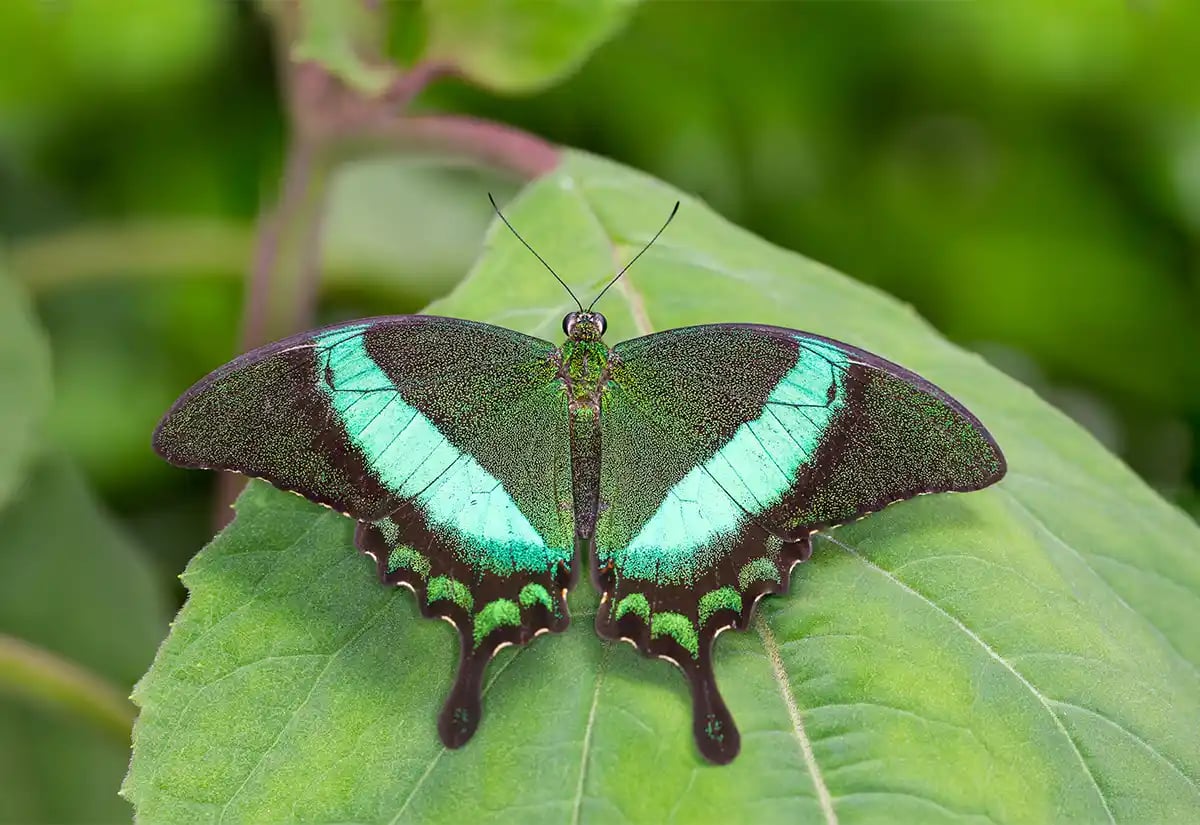
Wildlife is abundant as intense rains rejuvenate the park’s ecosystem, creating prime conditions for observing smaller wildlife like frogs, insects, and butterflies. Chimpanzees continue their active foraging. For bird lovers, this month is a treasure trove, as migratory birds linger alongside resident species. While trails can be slippery, the scenic views and intimate wildlife encounters make the effort worthwhile.
April is perfect for travelers who enjoy tranquil settings, as the rain ensures fewer crowds and a more exclusive connection to Gombe’s pristine environment.
+
Exploring Gombe Stream National Park in May: A Seasonal Transition
Long Rain Season
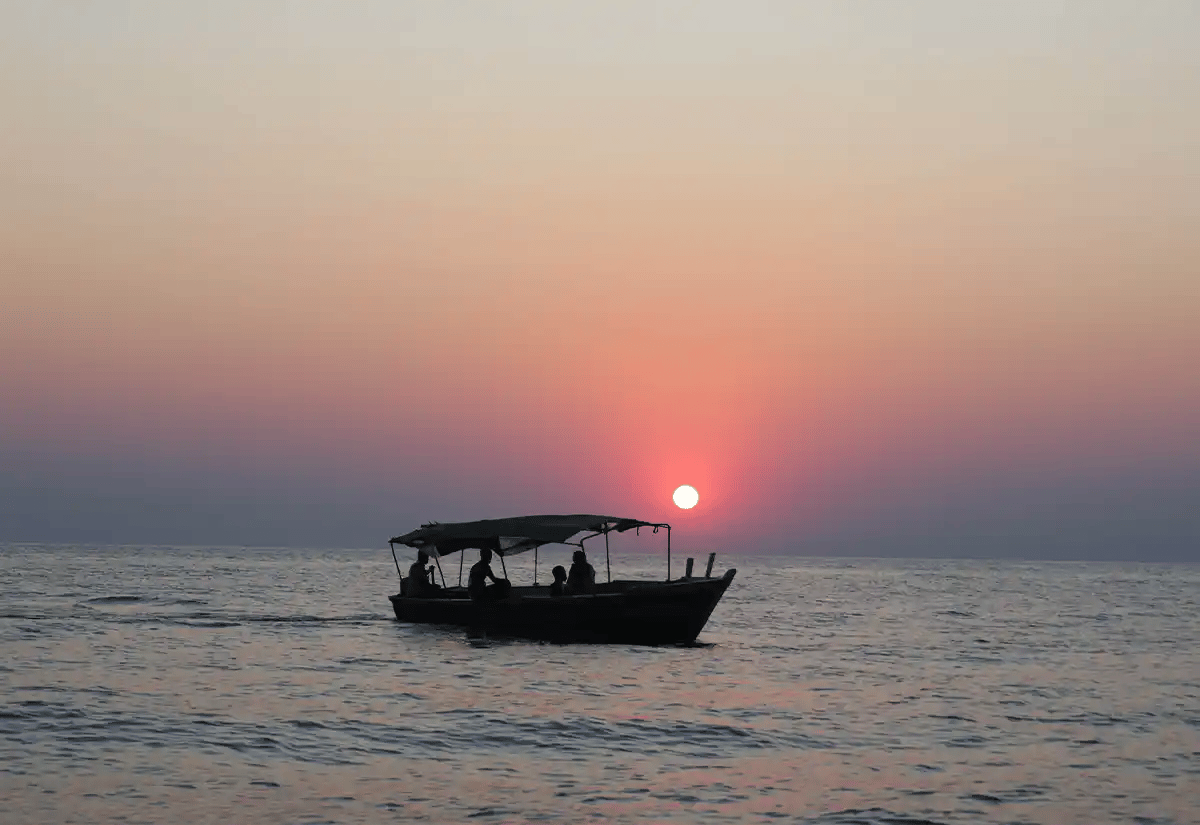
May is a transitional month as western Tanzania moves from the long rains to the dry season. This month, Gombe Stream National Park transforms into an ideal destination for outdoor adventures. The rains begin to taper off, and the trails become easier to navigate, while temperatures remain comfortable, ranging from 18°C to 27°C (64°F to 81°F).
With drier conditions, chimpanzee trekking becomes even more accessible, offering unforgettable opportunities to observe these remarkable primates. The park’s lush vegetation provides a stunning backdrop as trail conditions improve for hiking and nature walks.
May’s mix of vibrant landscapes, active wildlife, and improving weather makes it an excellent month to experience Gombe’s blend of adventure and serenity.
+
Exploring Gombe Stream National Park in June: Spot Chimps With Ease
Dry Season
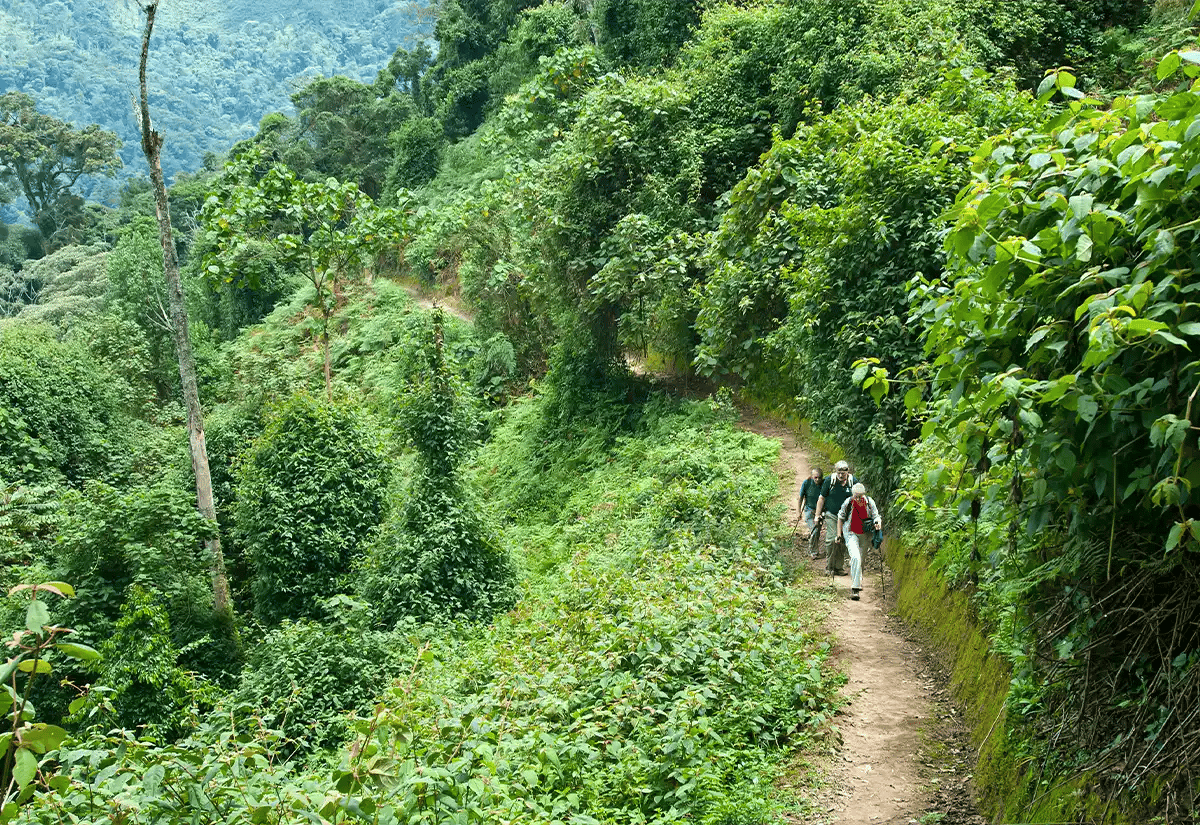
June signals the arrival of the dry season at Gombe Stream National Park, making it one of the best months for exploration. With little rainfall and temperatures averaging between 16°C to 26°C (61°F to 79°F), the park’s trails are dry and easier to navigate.
Chimpanzee trekking is at its peak, as the drier conditions make it easier to take extended excursions tracking and observing the incredible primates. Lake Tanganyika offers ideal conditions for canoeing, swimming, or fishing in the clear waters. Birdwatchers can still enjoy spotting a variety of species thriving in the forest.
June’s pleasant weather and increased accessibility attract more visitors, offering a balance of adventure and the opportunity to connect with Gombe’s renowned wildlife.
+
Exploring Gombe Stream National Park in July: A Photographer’s Dream
Dry Season
July may be the ideal time to visit Gombe National Park. It brings cool, crisp mornings and warm afternoons, with temperatures ranging from 15°C to 25°C (59°F to 77°F). The dry season continues, providing perfect conditions for hiking and trekking through the park’s beautiful forested trails.
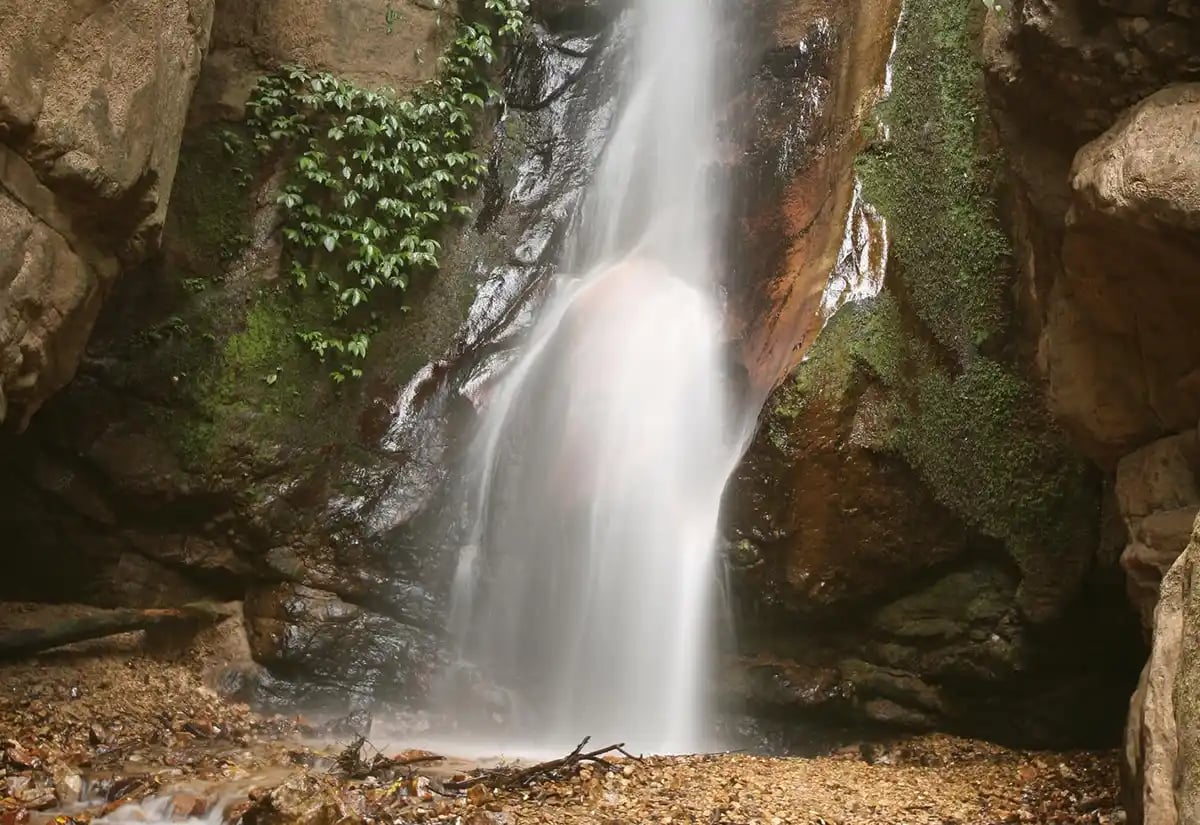
Chimpanzee sightings remain a major highlight, as the drier weather makes them easier to find and observe. Visitors can also enjoy guided nature walks, take in the beauty of sparkling waterfalls or explore Lake Tanganyika’s shores by kayak or canoe. With crisp mornings, clear skies, and perfect light, July is ideal for nature and wildlife photographers.
With its pleasant climate and vibrant wildlife activity, July offers an unforgettable experience for travelers looking to explore the western side of Tanzania.
+
Exploring Gombe Stream National Park in August: Peak Dry Season
Dry Season
August is a dreamy time to visit Gombe Stream National Park, as the dry season brings cooler temperatures, ranging from 15°C to 26°C (59°F to 79°F), and clear skies. The dry trails make it easier to explore the park’s lush forests, offering incredible opportunities for chimpanzee trekking. But even though it may be peak chimp spotting season, the park never feels crowded.
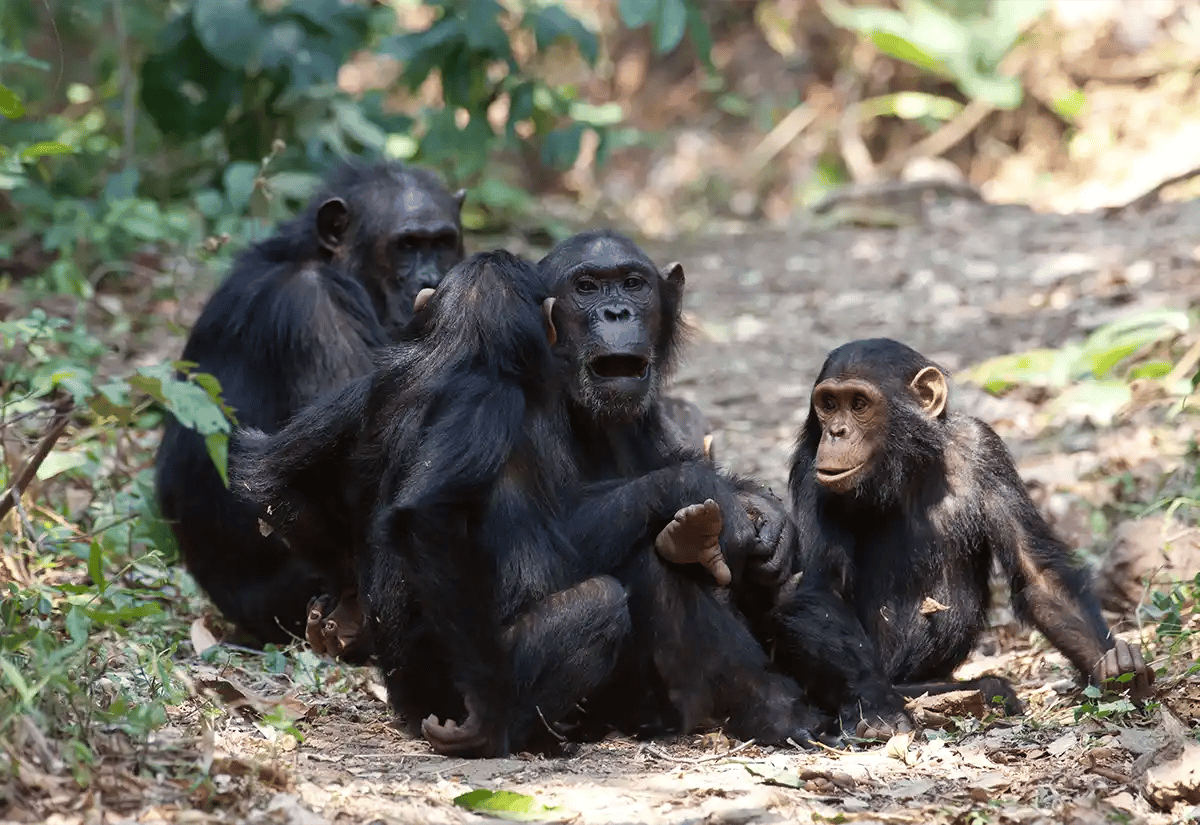
Wildlife activity is abundant, with chimps, monkeys, and birds active throughout the park. Lake Tanganyika is a major draw this month, with calm waters perfect for swimming, snorkeling, or enjoying scenic boat safaris or sunset cruises. Visitors can also enjoy peaceful guided nature walks through the forested terrain.
August’s combination of pleasant weather, accessible trails, and thriving wildlife makes it one of the most popular months to experience Gombe’s magic.
+
Exploring Gombe Stream National Park in September
Dry Season
September is the tail end of the dry season at Gombe Stream National Park, offering warm, comfortable weather with temperatures between 16°C and 27°C (61°F to 81°F). The dry conditions keep trails in great shape, ideal for trekking and exploring.
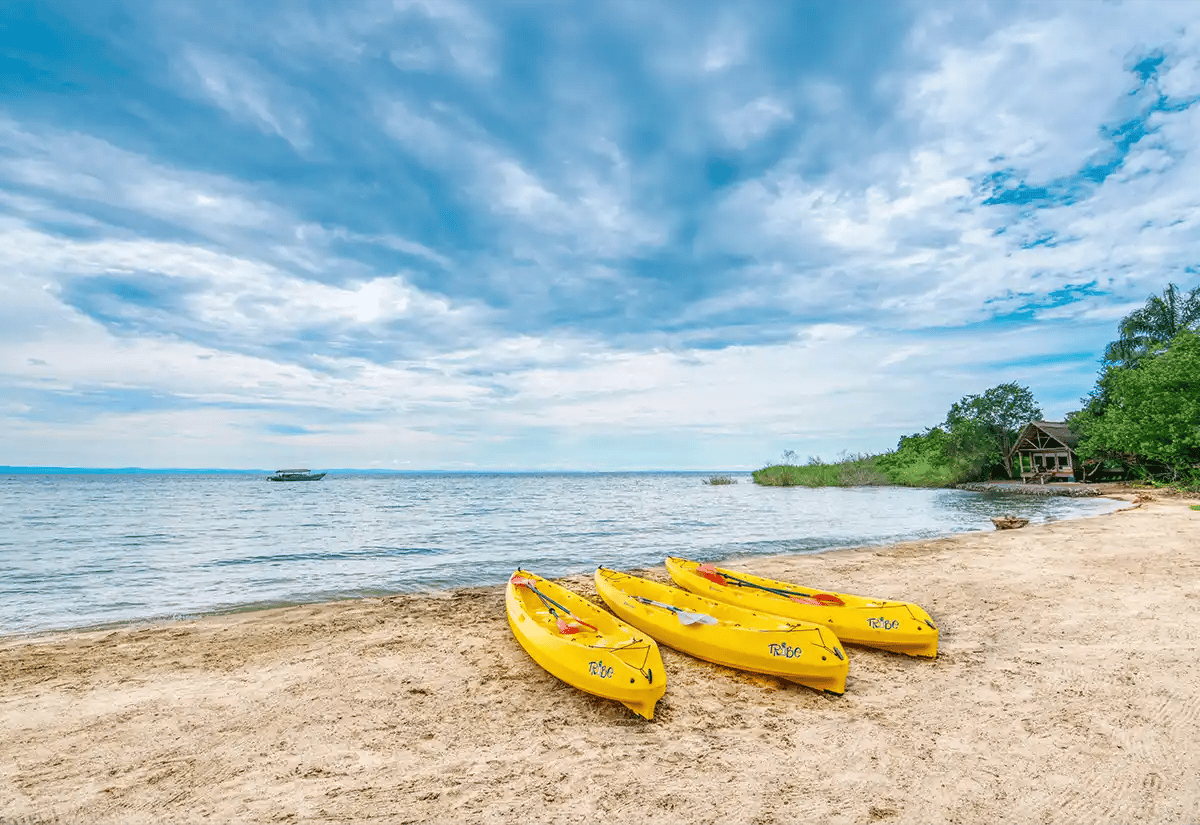
Chimpanzees are often active and easier to locate in the less dense forest during this time of year. Lake Tanganyika continues to offer opportunities for kayaking and canoeing, while warmer days may be opportune for splashing and swimming. Birdwatchers can enjoy spotting rare species amidst the serene forest backdrop.
With its stunning landscapes, lively wildlife, and favorable weather, September is perfect for visitors seeking adventure and tranquility in Gombe’s wilderness.
+
Exploring Gombe Stream National Park in October: The Return of Rain
Dry Season
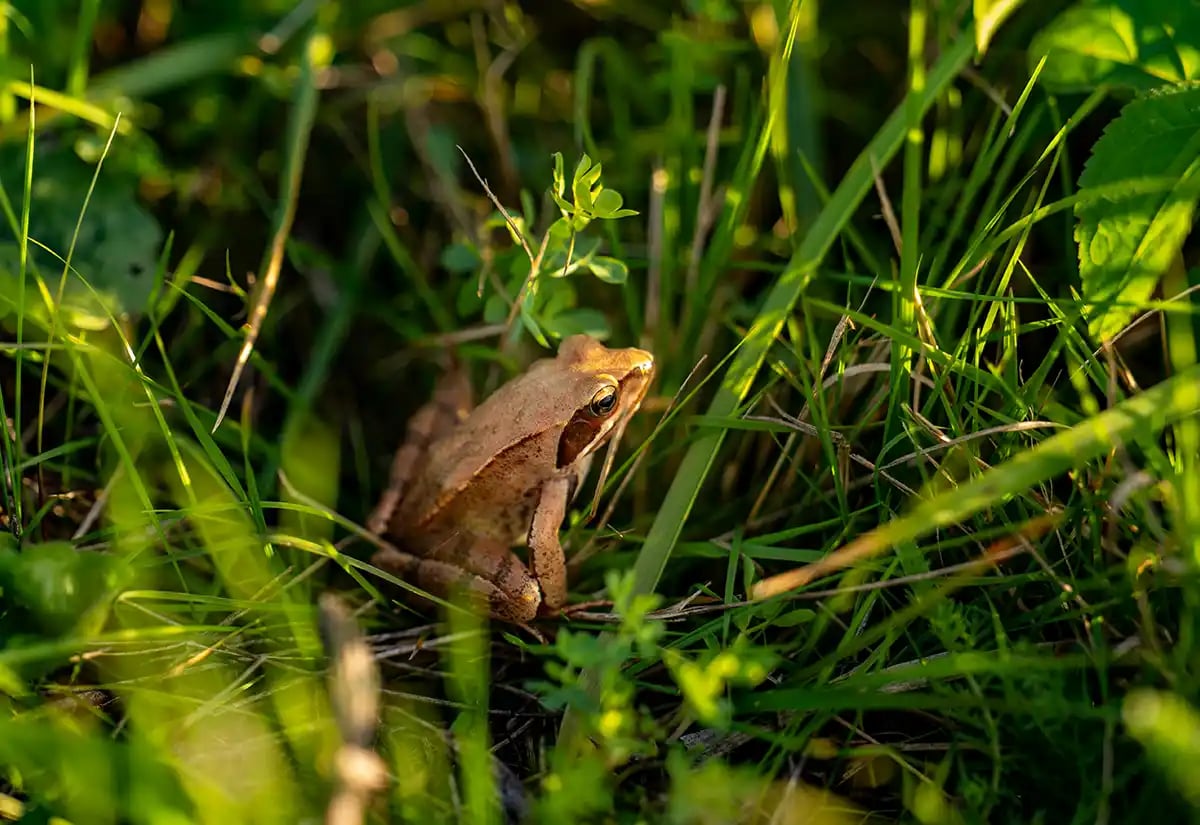
October’s transition from the dry to rainy season rejuvenates Gombe Stream National Park, with temperatures between 20°C and 28°C (68°F to 82°F). As rain begins to refresh the forest, the trails come alive with smaller wildlife like frogs, insects, and colorful butterflies, offering a new dimension to nature walks.
Early rains bring the forest to life, offering sightings of colorful butterflies, frogs, and other small creatures. While chimpanzee trekking is always a popular activity, visitors can also spot olive baboons, red-tailed monkeys, and vervet monkeys more actively foraging. Lake Tanganyika offers excellent fishing opportunities, with species like tilapia and catfish thriving as the rain invigorates the waters.
October is a great time for those who enjoy quieter trails, as the early rain brings a sense of renewal without heavy crowds.
+
Exploring Gombe Stream National Park in November: The Canopy Comes Alive
Short Rain Season
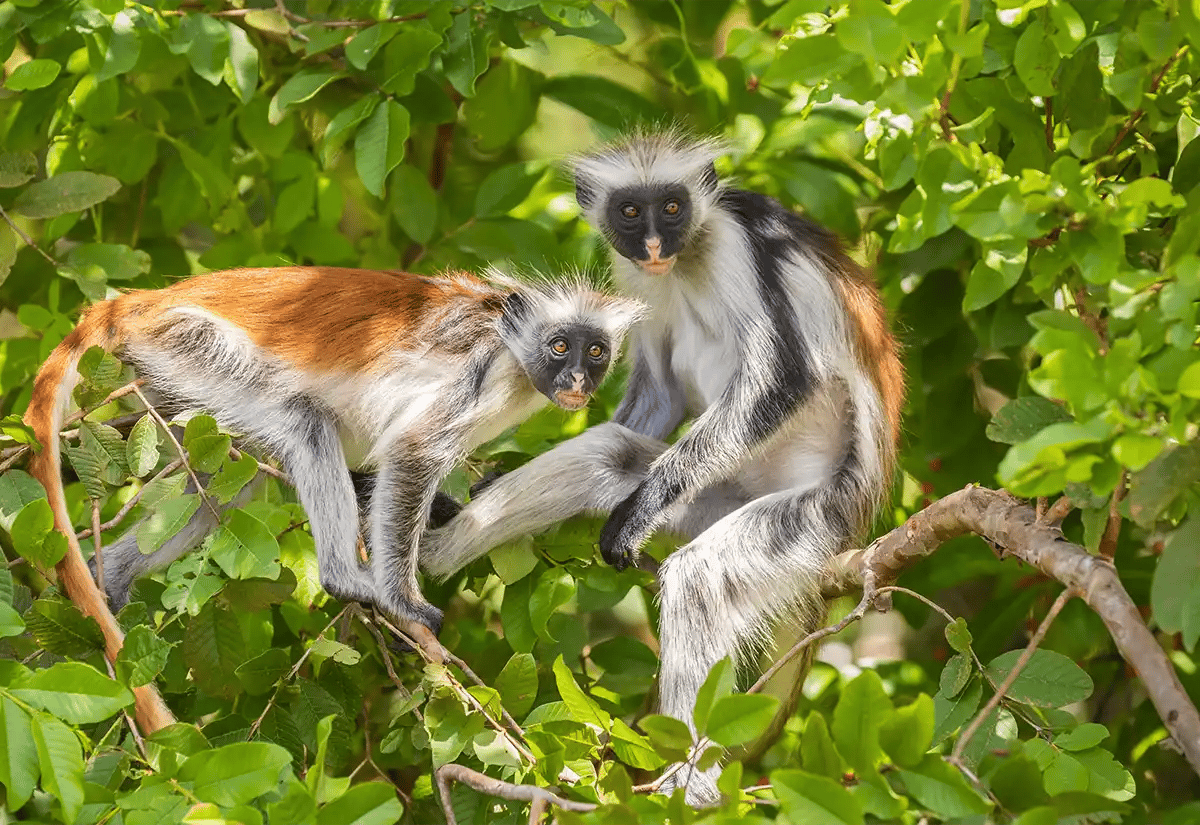
November sees the rainforest in full bloom at Gombe Stream National Park, with warm, humid weather averaging 21°C to 29°C (70°F to 84°F). Alongside chimpanzees, other primates like blue monkeys and red colobus monkeys become more visible, adding variety to wildlife encounters.
Alternative activities include birdwatching, which reaches its peak as migratory species join the local population. Visitors can spot birds like African fish eagles and colorful sunbirds. For a different perspective, guided canoe rides along Lake Tanganyika offer a peaceful way to soak in the park’s lush scenery.
Though trails can be muddy, November’s vibrant wildlife activity and flourishing landscapes make it worth the effort.
+
Exploring Gombe Stream National Park in December: Short Rains Bring Vibrancy
Short Rain Season
December brings lush greenery and abundant wildlife to Gombe Stream National Park, as the rainy season continues. With temperatures between 21°C and 30°C (70°F to 86°F), the park is alive with primates, including olive baboons and vervet monkeys, as well as shy red colobus monkeys retreating to the treetops.
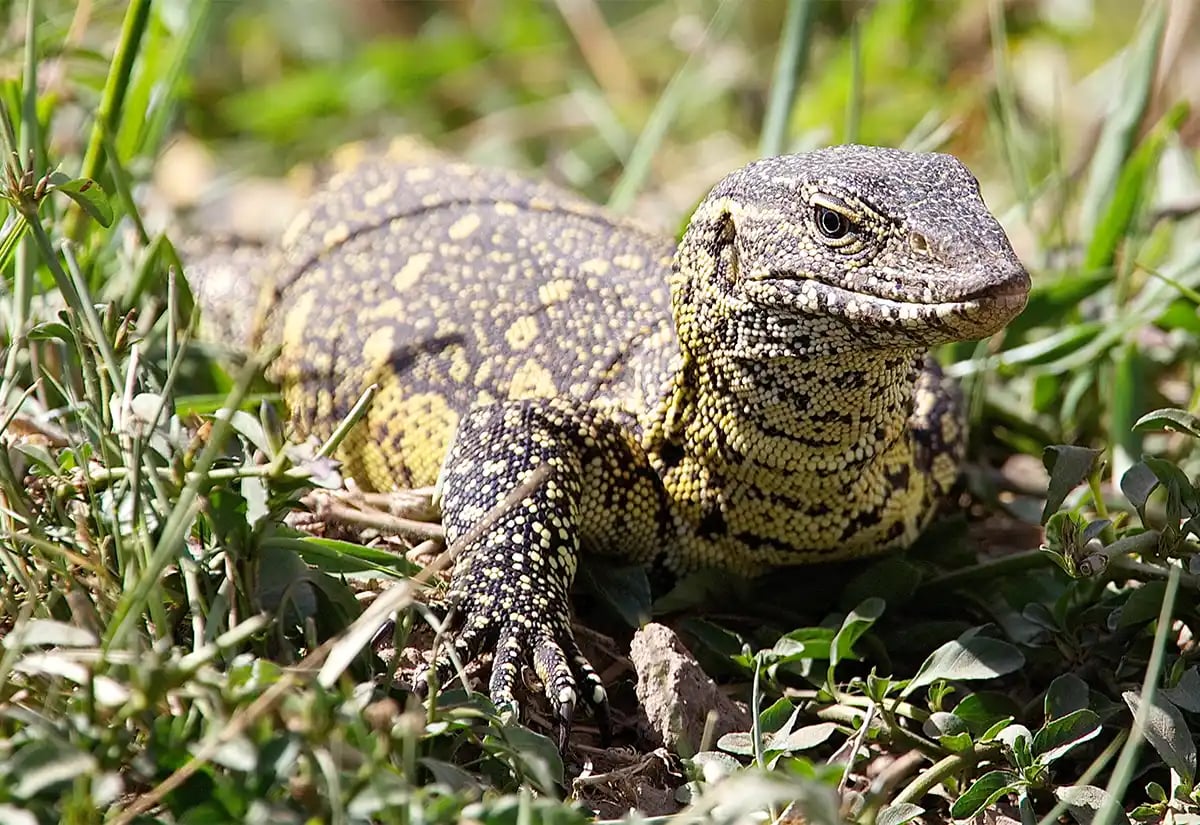
Besides chimpanzee trekking, visitors can explore nature trails to discover fascinating insects and reptiles like pythons and monitor lizards. Lake Tanganyika offers more than just water activities—scenic boat rides or peaceful shoreline strolls allow travelers to absorb the tranquil beauty of Africa’s deepest lake.
December is ideal for nature enthusiasts who appreciate a thriving ecosystem and the magic of a rainforest during the holiday season.
+
Exploring Gombe Stream National Park in January: A Green Wonderland
Green Season
January transforms Gombe Stream National Park into a fresh paradise, with the green season breathing life into the park’s vibrant flora and fauna. Temperatures typically range between 20°C to 30°C (68°F to 86°F), with occasional rain showers that keep the park's forests thriving.
This is a good time for chimpanzee trekking, as the rain brings fruit to the trees, drawing the chimps closer to accessible areas. Birdwatchers can enjoy seeing migratory species, which add to the park’s diverse avian population. Guided nature walks, canoeing, or relaxing by the tranquil shores of Lake Tanganyika are also popular activities.
Pack lightweight rain gear and waterproof hiking boots, as trails can be muddy, but the unforgettable experiences more than make up for it!
Exploring Gombe Stream National Park in February: Bursting With Life
Green Season
February offers a lush and vibrant experience at Gombe Stream National Park as the wet season continues. Temperatures remain warm, averaging 20°C to 30°C (68°F to 86°F), with rain showers that keep the park’s forests teeming with life.
This month, the abundance of fruit keeps chimps active and easier to spot. Birdwatchers will delight in the variety of resident and migratory species. February is also perfect for exploring the region’s dense jungles and grasslands, which are full of life amid wild rainstorms.
Trails can be muddy, so sturdy footwear is essential. The lush scenery, wildlife activity, and fewer crowds make February an ideal time to explore Gombe’s wilderness.
Exploring Gombe Stream National Park in March: A Jaunt Through the Jungle
Green Season
March marks the end of the wet season at Gombe Stream National Park, with warm temperatures ranging from 20°C to 30°C (68°F to 86°F) and periodic rains continuing to nourish the forest. The park’s greenery is at its peak, creating a stunning backdrop for exploration.
Clear skies mean visitors can see chimpanzees from afar with better clarity. The chimps remain active and food is still plentiful. Birdwatching is excellent, with diverse species thriving in the flourishing environment. Hiking trails and guided nature walks through alpine bamboo or the Miombo woodlands offer unique ways to connect with Gombe’s ecosystem.
As rain tapers off later in the month, March is a transitional period with vibrant wildlife activity, ideal for those seeking a quieter and scenic safari experience.
Exploring Gombe Stream National Park in April: Quiet and Calm
Long Rain Season
April ushers in the long rainy season at Gombe Stream National Park. It’s the low season, making it a quieter time for visitors seeking solitude and natural beauty. The forest is alive with rich greenery, thanks to regular rain showers, and temperatures remain warm, averaging 20°C to 28°C (68°F to 82°F).
Wildlife is abundant as intense rains rejuvenate the park’s ecosystem, creating prime conditions for observing smaller wildlife like frogs, insects, and butterflies. Chimpanzees continue their active foraging. For bird lovers, this month is a treasure trove, as migratory birds linger alongside resident species. While trails can be slippery, the scenic views and intimate wildlife encounters make the effort worthwhile.
April is perfect for travelers who enjoy tranquil settings, as the rain ensures fewer crowds and a more exclusive connection to Gombe’s pristine environment.
Exploring Gombe Stream National Park in May: A Seasonal Transition
Long Rain Season
May is a transitional month as western Tanzania moves from the long rains to the dry season. This month, Gombe Stream National Park transforms into an ideal destination for outdoor adventures. The rains begin to taper off, and the trails become easier to navigate, while temperatures remain comfortable, ranging from 18°C to 27°C (64°F to 81°F).
With drier conditions, chimpanzee trekking becomes even more accessible, offering unforgettable opportunities to observe these remarkable primates. The park’s lush vegetation provides a stunning backdrop as trail conditions improve for hiking and nature walks.
May’s mix of vibrant landscapes, active wildlife, and improving weather makes it an excellent month to experience Gombe’s blend of adventure and serenity.
Exploring Gombe Stream National Park in June: Spot Chimps With Ease
Dry Season
June signals the arrival of the dry season at Gombe Stream National Park, making it one of the best months for exploration. With little rainfall and temperatures averaging between 16°C to 26°C (61°F to 79°F), the park’s trails are dry and easier to navigate.
Chimpanzee trekking is at its peak, as the drier conditions make it easier to take extended excursions tracking and observing the incredible primates. Lake Tanganyika offers ideal conditions for canoeing, swimming, or fishing in the clear waters. Birdwatchers can still enjoy spotting a variety of species thriving in the forest.
June’s pleasant weather and increased accessibility attract more visitors, offering a balance of adventure and the opportunity to connect with Gombe’s renowned wildlife.
Exploring Gombe Stream National Park in July: A Photographer’s Dream
Dry Season
July may be the ideal time to visit Gombe National Park. It brings cool, crisp mornings and warm afternoons, with temperatures ranging from 15°C to 25°C (59°F to 77°F). The dry season continues, providing perfect conditions for hiking and trekking through the park’s beautiful forested trails.
Chimpanzee sightings remain a major highlight, as the drier weather makes them easier to find and observe. Visitors can also enjoy guided nature walks, take in the beauty of sparkling waterfalls or explore Lake Tanganyika’s shores by kayak or canoe. With crisp mornings, clear skies, and perfect light, July is ideal for nature and wildlife photographers.
With its pleasant climate and vibrant wildlife activity, July offers an unforgettable experience for travelers looking to explore the western side of Tanzania.
Exploring Gombe Stream National Park in August: Peak Dry Season
Dry Season
August is a dreamy time to visit Gombe Stream National Park, as the dry season brings cooler temperatures, ranging from 15°C to 26°C (59°F to 79°F), and clear skies. The dry trails make it easier to explore the park’s lush forests, offering incredible opportunities for chimpanzee trekking. But even though it may be peak chimp spotting season, the park never feels crowded.
Wildlife activity is abundant, with chimps, monkeys, and birds active throughout the park. Lake Tanganyika is a major draw this month, with calm waters perfect for swimming, snorkeling, or enjoying scenic boat safaris or sunset cruises. Visitors can also enjoy peaceful guided nature walks through the forested terrain.
August’s combination of pleasant weather, accessible trails, and thriving wildlife makes it one of the most popular months to experience Gombe’s magic.
Exploring Gombe Stream National Park in September
Dry Season
September is the tail end of the dry season at Gombe Stream National Park, offering warm, comfortable weather with temperatures between 16°C and 27°C (61°F to 81°F). The dry conditions keep trails in great shape, ideal for trekking and exploring.
Chimpanzees are often active and easier to locate in the less dense forest during this time of year. Lake Tanganyika continues to offer opportunities for kayaking and canoeing, while warmer days may be opportune for splashing and swimming. Birdwatchers can enjoy spotting rare species amidst the serene forest backdrop.
With its stunning landscapes, lively wildlife, and favorable weather, September is perfect for visitors seeking adventure and tranquility in Gombe’s wilderness.
Exploring Gombe Stream National Park in October: The Return of Rain
Dry Season
October’s transition from the dry to rainy season rejuvenates Gombe Stream National Park, with temperatures between 20°C and 28°C (68°F to 82°F). As rain begins to refresh the forest, the trails come alive with smaller wildlife like frogs, insects, and colorful butterflies, offering a new dimension to nature walks.
Early rains bring the forest to life, offering sightings of colorful butterflies, frogs, and other small creatures. While chimpanzee trekking is always a popular activity, visitors can also spot olive baboons, red-tailed monkeys, and vervet monkeys more actively foraging. Lake Tanganyika offers excellent fishing opportunities, with species like tilapia and catfish thriving as the rain invigorates the waters.
October is a great time for those who enjoy quieter trails, as the early rain brings a sense of renewal without heavy crowds.
Exploring Gombe Stream National Park in November: The Canopy Comes Alive
Short Rain Season
November sees the rainforest in full bloom at Gombe Stream National Park, with warm, humid weather averaging 21°C to 29°C (70°F to 84°F). Alongside chimpanzees, other primates like blue monkeys and red colobus monkeys become more visible, adding variety to wildlife encounters.
Alternative activities include birdwatching, which reaches its peak as migratory species join the local population. Visitors can spot birds like African fish eagles and colorful sunbirds. For a different perspective, guided canoe rides along Lake Tanganyika offer a peaceful way to soak in the park’s lush scenery.
Though trails can be muddy, November’s vibrant wildlife activity and flourishing landscapes make it worth the effort.
Exploring Gombe Stream National Park in December: Short Rains Bring Vibrancy
Short Rain Season
December brings lush greenery and abundant wildlife to Gombe Stream National Park, as the rainy season continues. With temperatures between 21°C and 30°C (70°F to 86°F), the park is alive with primates, including olive baboons and vervet monkeys, as well as shy red colobus monkeys retreating to the treetops.
Besides chimpanzee trekking, visitors can explore nature trails to discover fascinating insects and reptiles like pythons and monitor lizards. Lake Tanganyika offers more than just water activities—scenic boat rides or peaceful shoreline strolls allow travelers to absorb the tranquil beauty of Africa’s deepest lake.
December is ideal for nature enthusiasts who appreciate a thriving ecosystem and the magic of a rainforest during the holiday season.
+
+
+
+
+
+
+
+
+
+
+
+

Gombe National Park Animals and Wildlife
Known for its primate population, Gombe offers the chance to spot a vast array of wildlife—from rare bird species to aquatic dwellers and more.
Chimpanzees
Gombe’s most famous residents, chimpanzees, are highly intelligent primates known for complex social structures and tool use. Observe their playful interactions, foraging habits, and familial bonds in the park’s forests.
Blue Monkeys
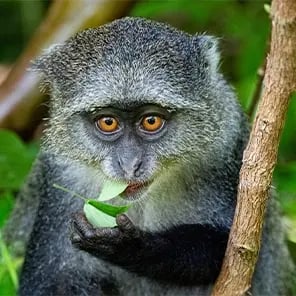
With striking blue-gray fur and expressive faces, blue monkeys are a common sight in Gombe. They are arboreal and often seen leaping through the forest canopy in small, social groups.
Vervet Monkeys
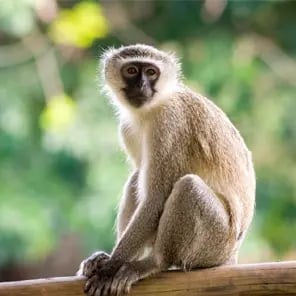
Vervet monkeys are playful, ground-dwelling primates recognized by black faces with white fur around their eyes. Curious and social, they’re often seen foraging or climbing trees in the park.
Olive Baboons
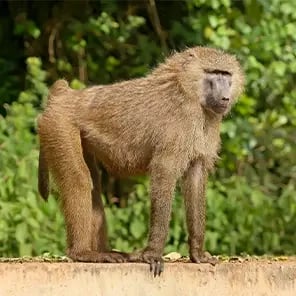
Olive baboons are highly adaptable primates that live in large, structured troops. You might spot them by their olive-colored coats on the ground or climbing trees in search of food.
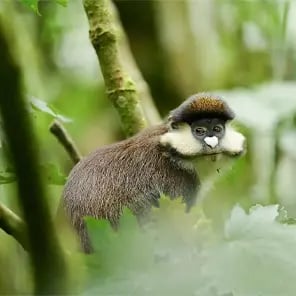
Red-Tailed Monkeys
These small, colorful monkeys are known for their reddish-brown tails and vibrant facial markings. They move gracefully through the trees in search of fruits and insects.
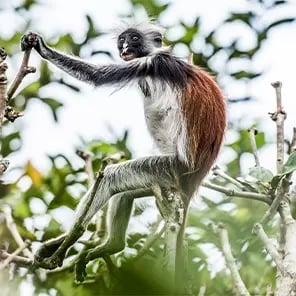
Red Colobus Monkeys
Red colobus monkeys are rare and shy primates with reddish-brown fur. They spend most of their time in the treetops, feeding on leaves and evading predators like chimpanzees.

Pythons
Pythons are non-venomous snakes found in Gombe’s forests. Known for their impressive size and strength, they often remain hidden—but can occasionally be spotted basking in the sun or coiled near streams.
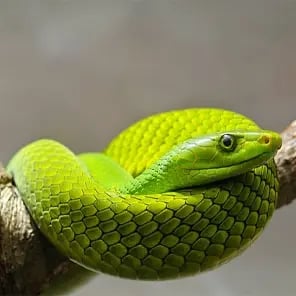
Green Mambas
The elusive and venomous green mamba is a vibrant emerald-colored snake that lives in Gombe’s trees. Despite their striking appearance, they are shy and typically avoid human contact.
Chimpanzees
Gombe’s most famous residents, chimpanzees, are highly intelligent primates known for complex social structures and tool use. Observe their playful interactions, foraging habits, and familial bonds in the park’s forests.
Blue Monkeys
With striking blue-gray fur and expressive faces, blue monkeys are a common sight in Gombe. They are arboreal and often seen leaping through the forest canopy in small, social groups.
Vervet Monkeys
Vervet monkeys are playful, ground-dwelling primates recognized by black faces with white fur around their eyes. Curious and social, they’re often seen foraging or climbing trees in the park.
Olive Baboons
Olive baboons are highly adaptable primates that live in large, structured troops. You might spot them by their olive-colored coats on the ground or climbing trees in search of food.
Red-Tailed Monkeys
These small, colorful monkeys are known for their reddish-brown tails and vibrant facial markings. They move gracefully through the trees in search of fruits and insects.
Red Colobus Monkeys
Red colobus monkeys are rare and shy primates with reddish-brown fur. They spend most of their time in the treetops, feeding on leaves and evading predators like chimpanzees.
Pythons
Pythons are non-venomous snakes found in Gombe’s forests. Known for their impressive size and strength, they often remain hidden—but can occasionally be spotted basking in the sun or coiled near streams.
Green Mambas
The elusive and venomous green mamba is a vibrant emerald-colored snake that lives in Gombe’s trees. Despite their striking appearance, they are shy and typically avoid human contact.
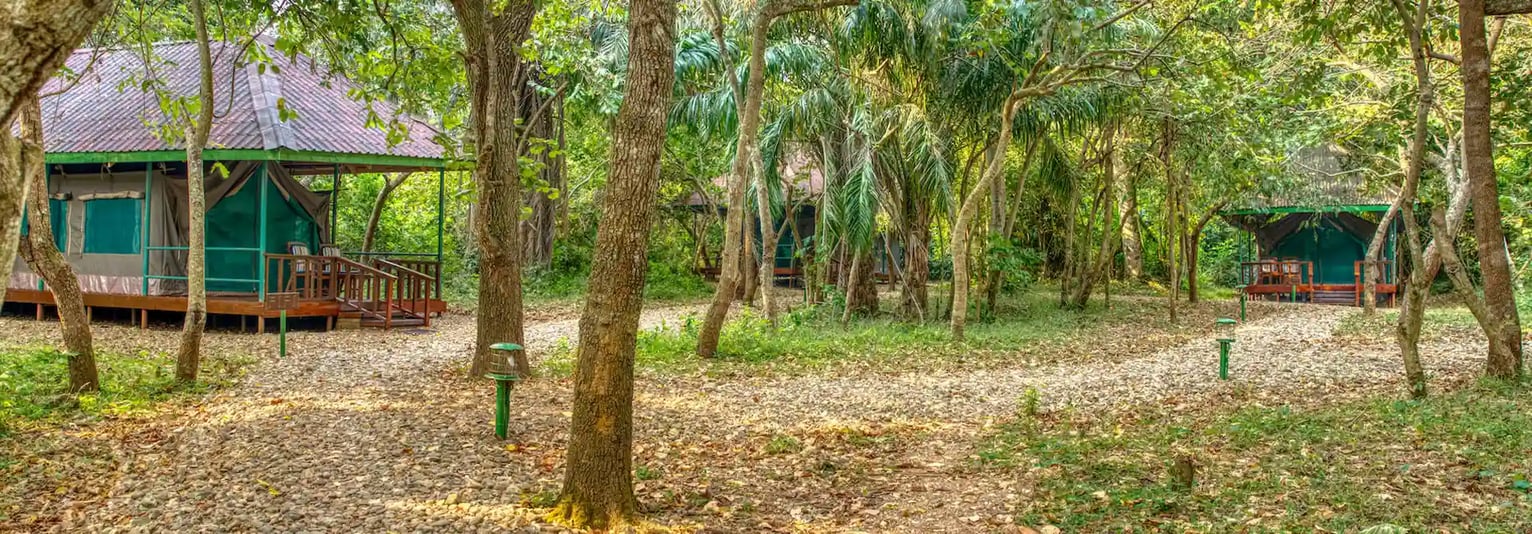
Gombe National Park Accommodations
Discover unique accommodations in and around Gombe Stream National Park.

Mbali Mbali Gombe...
Mbali Mbali is a.


Top Tours Featuring Gombe Stream National Park
Most Popular

.png?width=296&height=70&name=Pattern%20(2).png)
$1,350 (2pax) USD
12 Days Serengeti Lions and Wildebeest Migration Safari

9 people viewing now
Best Seller
$3,001 (2pax) USD
Days Serengeti Lions and Wildebeest Migration Safari
30 people viewing now
Most Popular
$1,400 (2pax) USD
A Days Serengeti Lions and Wildebeest Migration Safari
103 people viewing now
Most Popular
$1,350 (2pax) USD
12 Days Serengeti Lions and Wildebeest Migration Safari
58 people viewing now
Best Seller
$3,001 (2pax) USD
Days Serengeti Lions and Wildebeest Migration Safari
49 people viewing now
Most Popular
$1,400 (2pax) USD
A Days Serengeti Lions and Wildebeest Migration Safari
82 people viewing now
Most Popular
$1,350 (2pax) USD
12 Days Serengeti Lions and Wildebeest Migration Safari
12 people viewing now
Best Seller
$3,001 (2pax) USD
Days Serengeti Lions and Wildebeest Migration Safari
86 people viewing now
Best Seller
$3,001 (2pax) USD
Days Serengeti Lions and Wildebeest Migration Safari
7 people viewing now
Best Seller
$3,001 (2pax) USD
Days Serengeti Lions and Wildebeest Migration Safari
40 people viewing now
Best Seller
$3,001 (2pax) USD
Days Serengeti Lions and Wildebeest Migration Safari
49 people viewing now
Most Popular
$1,400 (2pax) USD
A Days Serengeti Lions and Wildebeest Migration Safari
41 people viewing now
Is chimp trekking on your bucket list? Let’s make it happen today!

Most Popular
$1,350 (2pax) USD
12 Days Serengeti Lions and Wildebeest Migration Safari
119 people viewing now
Best Seller
$3,001 (2pax) USD
Days Serengeti Lions and Wildebeest Migration Safari
69 people viewing now
Most Popular
$1,400 (2pax) USD
A Days Serengeti Lions and Wildebeest Migration Safari
77 people viewing now
Most Popular
$1,350 (2pax) USD
12 Days Serengeti Lions and Wildebeest Migration Safari
90 people viewing now
Best Seller
$3,001 (2pax) USD
Days Serengeti Lions and Wildebeest Migration Safari
48 people viewing now
Most Popular
$1,400 (2pax) USD
A Days Serengeti Lions and Wildebeest Migration Safari
61 people viewing now
Most Popular
$1,350 (2pax) USD
12 Days Serengeti Lions and Wildebeest Migration Safari
118 people viewing now
Best Seller
$3,001 (2pax) USD
Days Serengeti Lions and Wildebeest Migration Safari
87 people viewing now
Best Seller
$3,001 (2pax) USD
Days Serengeti Lions and Wildebeest Migration Safari
42 people viewing now
Best Seller
$3,001 (2pax) USD
Days Serengeti Lions and Wildebeest Migration Safari
25 people viewing now
Best Seller
$3,001 (2pax) USD
Days Serengeti Lions and Wildebeest Migration Safari
120 people viewing now
Most Popular
$1,400 (2pax) USD
A Days Serengeti Lions and Wildebeest Migration Safari
97 people viewing now
Is chimp trekking on your bucket list? Let’s make it happen today!
Frequently Asked Questions

Still have questions?
Contact Us, we are more than happy to help!
What can I do in Gombe besides chimpanzee trekking?
Beyond chimpanzee trekking, you can take part in activities like snorkeling, diving, canoeing, birdwatching, and relaxing along Lake Tanganyika. Guided nature walks and fishing are also popular ways to experience Gombe’s natural beauty.
What makes Gombe Stream National Park unique?
Gombe is renowned for its intimate connection with nature, dense forests, and its pivotal role in Jane Goodall’s chimpanzee research. Unlike larger savannah parks, Gombe offers a tranquil, immersive experience with unique activities like chimp trekking and lake-based adventures.
Where is Gombe National Park located?
Gombe Stream National Park is located on the eastern shores of Lake Tanganyika in western Tanzania, near the town of Kigoma.
Can you explain how to get to Gombe National Park?
The park is accessible by boat from Kigoma, a town that can be reached by road, rail, or flights from major Tanzanian cities. The scenic boat ride on Lake Tanganyika—two hours by speedboat or four hours by lake taxi—is the only way to reach Gombe.
What are the Gombe National Park fees for entering?
Entrance fees vary depending on residency status, with higher fees for international visitors. Updated rates can be found through the Tanzania National Parks Authority (TANAPA).
Is it safe in Tanzania for me to visit? Is it safe for kids and females?
Tanzania is generally safe for travelers, including families and solo female travelers. Basic safety precautions are advised, especially in cities, but popular safari areas are secure.
How far is Gombe Stream National Park from Serengeti National Park?
Gombe Stream National Park is approximately 855 kilometers west of Serengeti National Park. Traveling between the two typically requires a combination of flights and ground transport, as they are in different regions of Tanzania.
How can I find the best hotels in or near Gombe National Park?
Easy Travel can help you find the best accommodation based on time of year, location, desired amenities and safari activities, and your budget.
What language is spoken in Tanzania?
Swahili and English are Tanzania’s official languages, with English widely used in tourism and major cities.
Are the chimps in the park aggressive?
Most of the chimpanzees in the park are habituated, which means they are used to human presence. Still, these animals are wild and can potentially get aggressive when taunted. So, don’t try to get on their nerves. Also, make sure to always stay with your guide and never stray away from the group.
Still have questions?
Contact Us, we are more than happy to help!
Explore Our Latest Articles
3.06.2025
23 Min Read
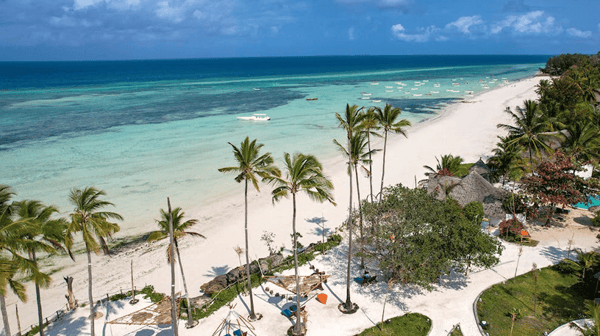
Kendwa Beach rests on Zanzibar Island. The beach is known far and wide because it is gorgeous. The sand on the beach is...

3.06.2025
23 Min Read
Kendwa Beach rests on Zanzibar Island. The beach is known far and wide because it is gorgeous. The...
Find Out Which Safari Tour Is Right For You
With so many safari adventures to choose from, it can be tricky to narrow down your perfect holiday. Take our fun and easy quiz and find out what our travel experts recommend!
Other Locations You Might Like
This is a park



Mahale...
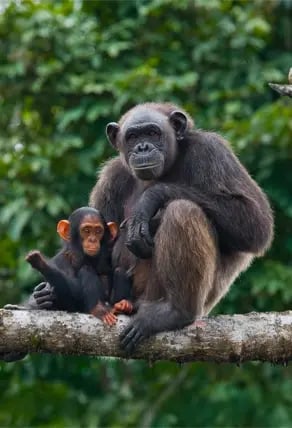
A remote paradise on the shores of Lake Tanganyika, Mahale is known for wild chimpanzees, pristine beaches, and...
This is a park


Katavi
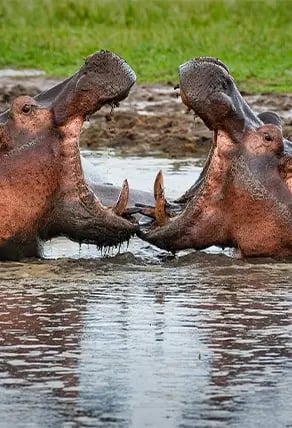
Katavi offers a secluded safari experience, featuring vast plains, large herds of buffalo, and abundant wildlife in one...
This is a park
-svg.svg)
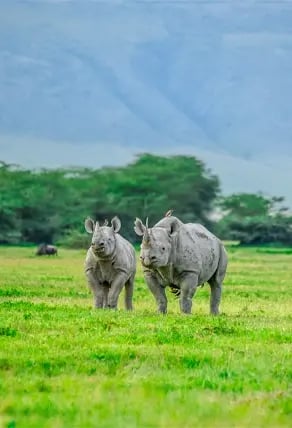


Ngorongoro
A UNESCO site with a stunning crater, home to diverse wildlife and spectacular views of Tanzania’s natural beauty.
This is a park




Serengeti
World-renowned for its Great Migration, the Serengeti offers iconic savannahs teeming with animal encounters for an...