

.svg "Style-Guide (1)")


.svg)


Kendwa Beach rests on Zanzibar Island. The beach is known far and wide because it is gorgeous. The...






Serengeti National Park
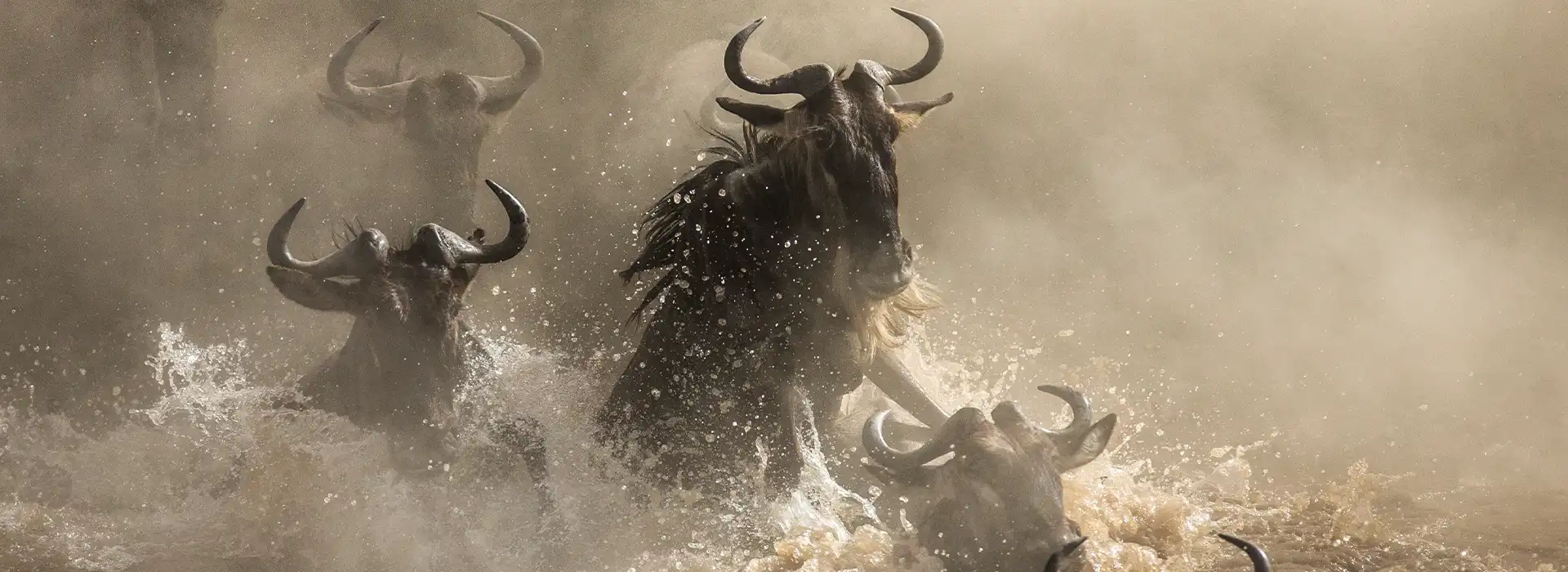
Home to Africa’s Big Five and famously known for the Great Wildebeest Migration, the Serengeti National Park is a vast World Heritage Site teeming with wildlife.

Endorsed by ATTA

Featured in National Geographic

BBC Wildlife

Rated Excellent by Trip Advisor
Serengeti National Park
Home to Africa’s Big Five and famously known for the Great Wildebeest Migration, the Serengeti National Park is a vast World Heritage Site teeming with wildlife.
Endorsed by ATTA
Featured in National Geographic
BBC Wildlife
Rated Excellent by Trip Advisor
Serengeti Safari Activities
Whether you prefer a laid back getaway where you can relax into the beauty of the settings around you or a thrilling adventure that thrusts you into the heart of nature, a Serengeti safari offers something for everyone.

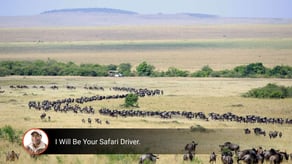
The Great Wildebeest Migration (35 w 290 cc)
Witness the Great Migration as millions of wildebeest, zebras, and gazelles cross the plains in an epic journey, an unforgettable sight showcasing nature’s raw beauty and the Serengeti’s rich ecosystem.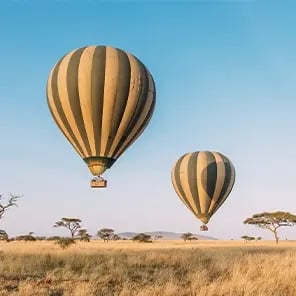
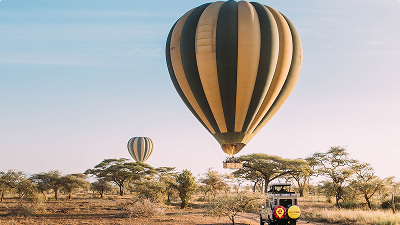
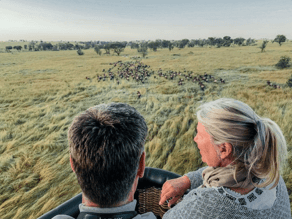
Balloon Safari
Drift over the Serengeti at sunrise in a balloon safari, where you’ll enjoy panoramic views of roaming wildlife and endless savannah during once-in-a-lifetime experience.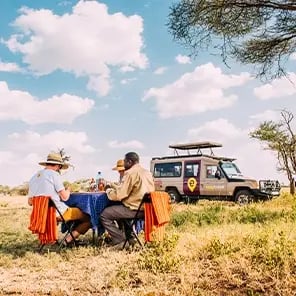
Bush Meals
Savor authentic flavors and open-air dining during a bush meal, surrounded by stunning landscapes and the sounds of nature for a truly immersive and memorable experience.
Sundowner
Picture this: a golden sunset over the Serengeti, a chilled drink in hand, and the enchanting call of the wild all around you as you enjoy a classic Tanzania experience.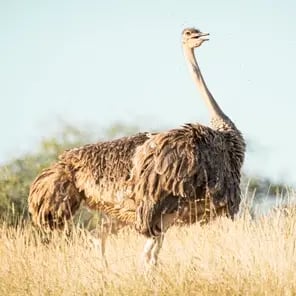
Bird Watching
With more than 500 species, bird watching in the Serengeti is the perfect opportunity to spot rare and colorful birds in their natural habitats, making it a birder’s paradise.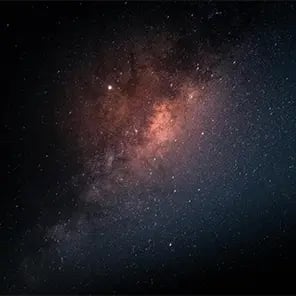
Star Gazing
Relax under the Serengeti’s clear skies for an exceptional star gazing experience. Countless stars light up the night and offer breathtaking views of the cosmos from the African wilderness.Serengeti Safari Activities
Whether you prefer a laid back getaway where you can relax into the beauty of the settings around you or a thrilling adventure that thrusts you into the heart of nature, a Serengeti safari offers something for everyone.
The Great Wildebeest Migration (35 w 290 cc)
Witness the Great Migration as millions of wildebeest, zebras, and gazelles cross the plains in an epic journey, an unforgettable sight showcasing nature’s raw beauty and the Serengeti’s rich ecosystem.
Balloon Safari
Drift over the Serengeti at sunrise in a balloon safari, where you’ll enjoy panoramic views of roaming wildlife and endless savannah during once-in-a-lifetime experience.
Bush Meals
Savor authentic flavors and open-air dining during a bush meal, surrounded by stunning landscapes and the sounds of nature for a truly immersive and memorable experience.
Sundowner
Picture this: a golden sunset over the Serengeti, a chilled drink in hand, and the enchanting call of the wild all around you as you enjoy a classic Tanzania experience.
Bird Watching
With more than 500 species, bird watching in the Serengeti is the perfect opportunity to spot rare and colorful birds in their natural habitats, making it a birder’s paradise.
Star Gazing
Relax under the Serengeti’s clear skies for an exceptional star gazing experience. Countless stars light up the night and offer breathtaking views of the cosmos from the African wilderness.When To Go
The Serengeti is one of Africa’s most famous national parks and is available all year round—but each season brings opportunities for different adventures and experiences.
average
good
best
.svg)
Jan
Feb

Mar
Apr
May
.svg)
Jun
Jul
Aug
Sep
Oct
.svg)
Nov
Dec
Jan
Feb
Mar
Apr
May
Jun
Jul
Aug
Sep
Oct
Nov
Dec
Serengeti in January
Green Season
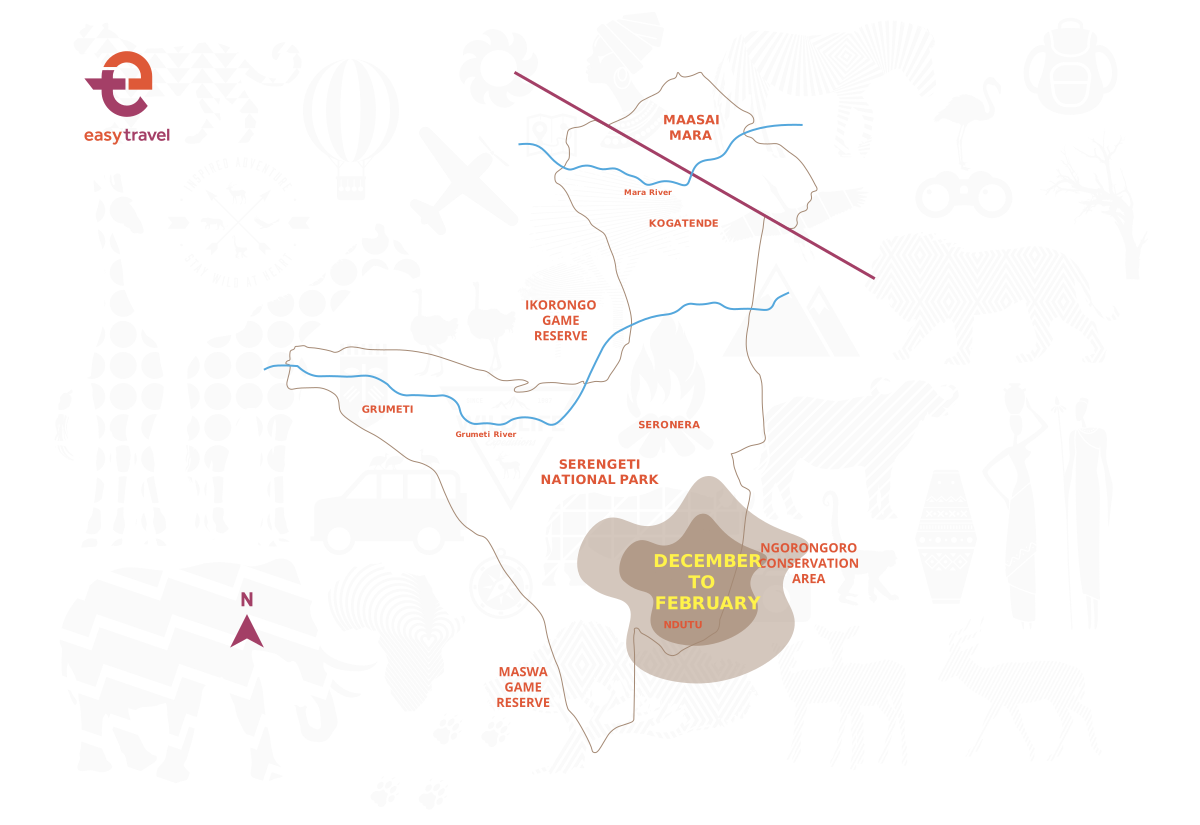
January in the Serengeti is part of the green season, with lush landscapes and warm days after the December rains. Wildlife thrives in the southern Serengeti plains, where animals are drawn to fresh, green pastures. This month is especially exciting for travelers, as it kicks off the calving season for wildebeests, zebras, and gazelles. The arrival of newborns brings a surge in predator activity, with lions, cheetahs, and hyenas taking advantage of the vulnerable young. January’s relatively clear skies and dramatic, cloud-streaked sunsets make it a stunning time to visit, offering prime opportunities for breathtaking photos.

+
Serengeti in February
Green Season
February is peak calving season, with the southern Serengeti teeming with baby wildebeests, zebras, and other plains game. This month is known for intense predator-prey interactions as predators target the young, creating thrilling wildlife scenes.
The plains are vibrantly green from scattered short rains, which occasionally cool the warm, sunny days. For photographers, February offers an ideal blend of dramatic light and plentiful wildlife. Visitor numbers are moderate, making it an excellent time for an intimate experience with the animals. Additionally, you’ll witness the early movements of the Great Migration herds as they prepare for their northward journey.
+
Serengeti in March
Green Season
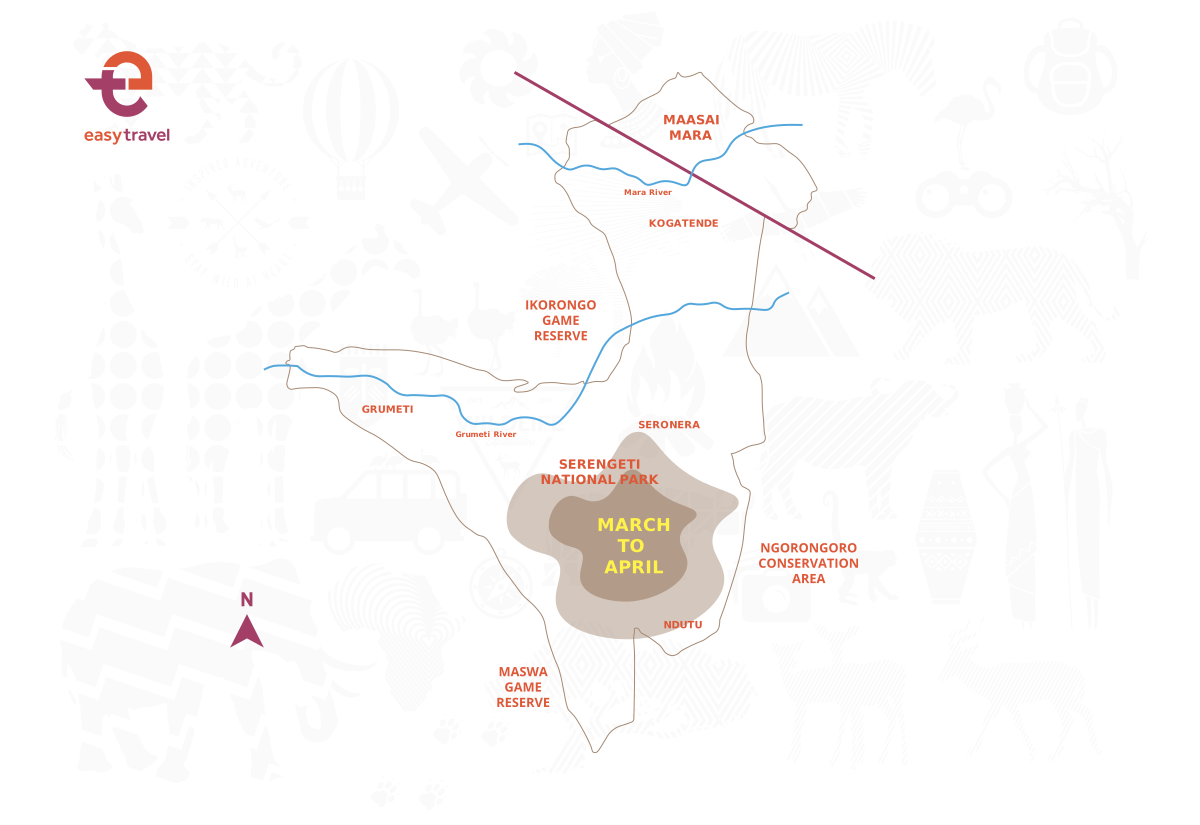
March brings warmer days and more consistent rainfall. This transition from dry to rainy days encourages the herds to gather before they begin their migration north, creating a densely packed wildlife scene in the south.
While rain becomes more frequent, it enhances the lush beauty of the landscape, with vibrant greens and blooming flora across the plains. With lower visitor numbers, March offers a quieter safari experience, with fewer crowds and unique photographic opportunities featuring stormy skies and vivid sunsets. Because it’s not considered “peak season,” you may be able to find lower prices on Serengeti accommodations. This period also highlights Serengeti’s diverse birdlife, with migratory species adding to the park's allure.
+
Serengeti in April
Long Rain Season
April brings the long rainy season to the Serengeti, with frequent, nourishing showers transforming the landscape into a lush, green paradise. Although rain can make some roads muddy, the vibrant scenery and dramatic skies create beautiful photographic opportunities.
Wildlife remains active in the southern plains, as the rains provide an abundance of food and water. This quieter season offers a more intimate experience with wildlife, including the last of the Great Migration herds in the south. For some of the best Migration viewing opportunities during this time, it’s recommended to visit the Seronera Region of the Serengeti. Birdwatching is also excellent, as migratory birds fill the park with bright colors and unique calls.
+
Serengeti in May
Long Rain Season
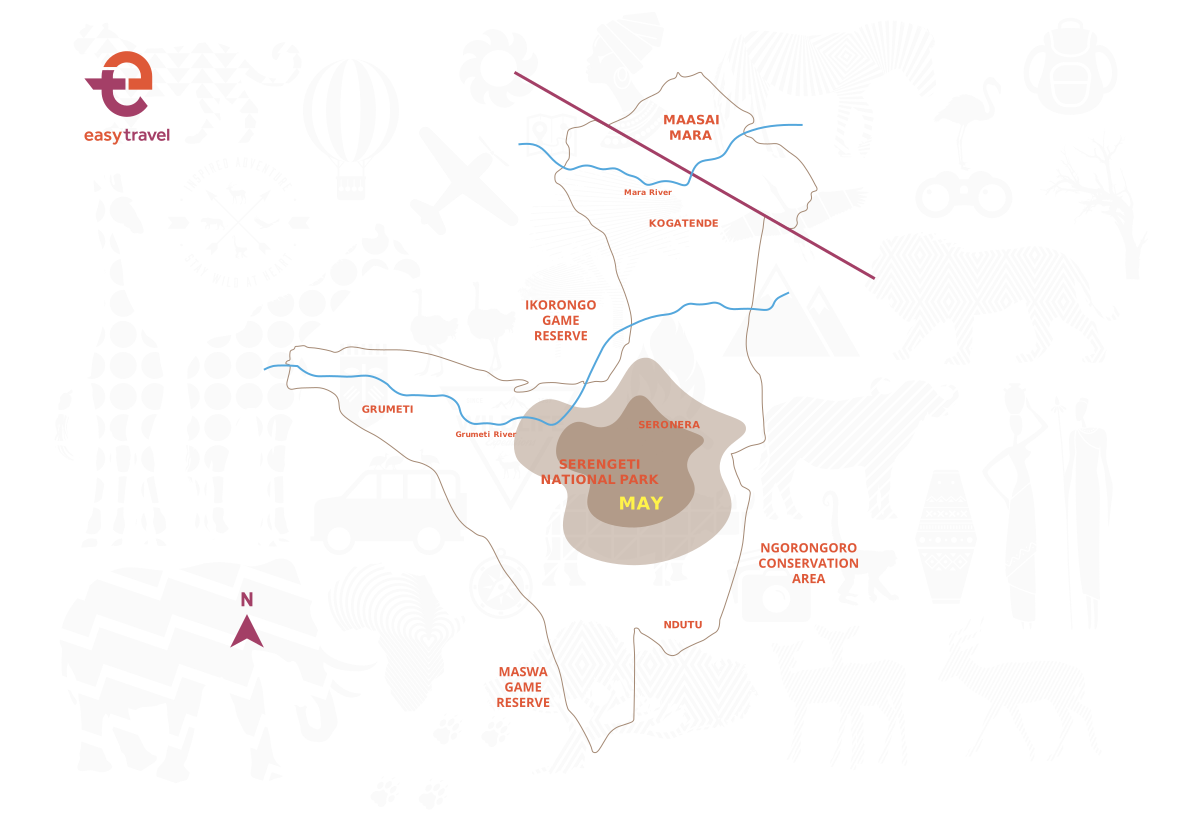
May continues the long rains, keeping the Serengeti lush and green—which is how it earned the name “Emerald season.” While some game viewing can be challenging due to the dense vegetation, this is an ideal time for travelers seeking a quieter experience with fewer crowds. This month can be a great opportunity to find lower rates and seasonal deals for accommodations.
The rains begin to wane, prompting the herds to start their journey north toward the Grumeti River. With lower tourist numbers, May offers peaceful game drives and a chance to see Serengeti wildlife, including big game herbivores like elephants, rhinoceros, and buffalo, in a relaxed environment. Birdlife is abundant, and the flowering landscape provides vibrant backdrops, ideal for capturing the park’s scenic beauty.
+
Serengeti in June
Dry Season
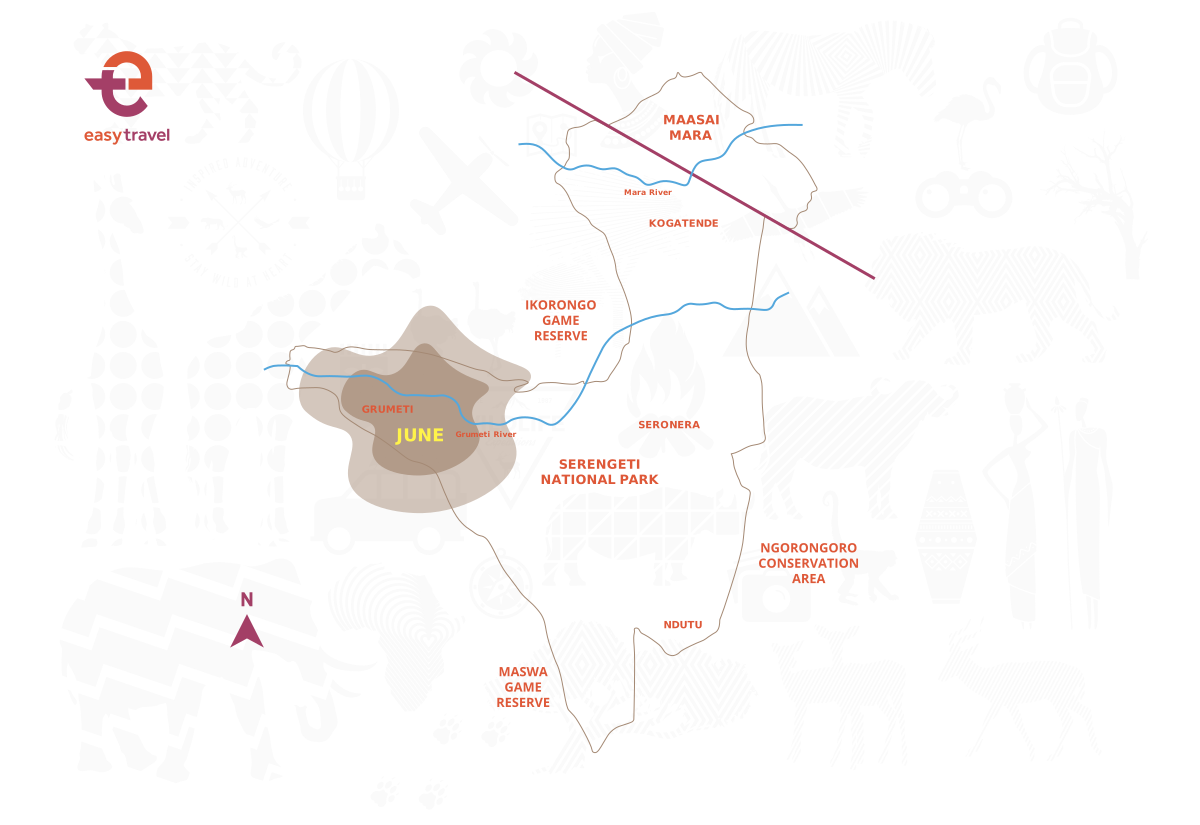
June marks the beginning of the dry season, bringing clearer skies, comfortably warm weather, and low humidity. The Great Migration moves toward the Grumeti River, where infamously dramatic river crossings create unforgettable safari moments. Wildlife concentrates around remaining water sources, making it easier to spot predators and prey in open areas.
June’s mild temperatures are comfortable for exploring and make for enjoyable game drives and balloon safaris. Visitor numbers increase, meaning accommodations may book more quickly. Still, the Serengeti’s vastness ensures that every traveler can still experience a unique adventure amidst stunning landscapes and abundant wildlife.
+
Serengeti in July
Dry Season
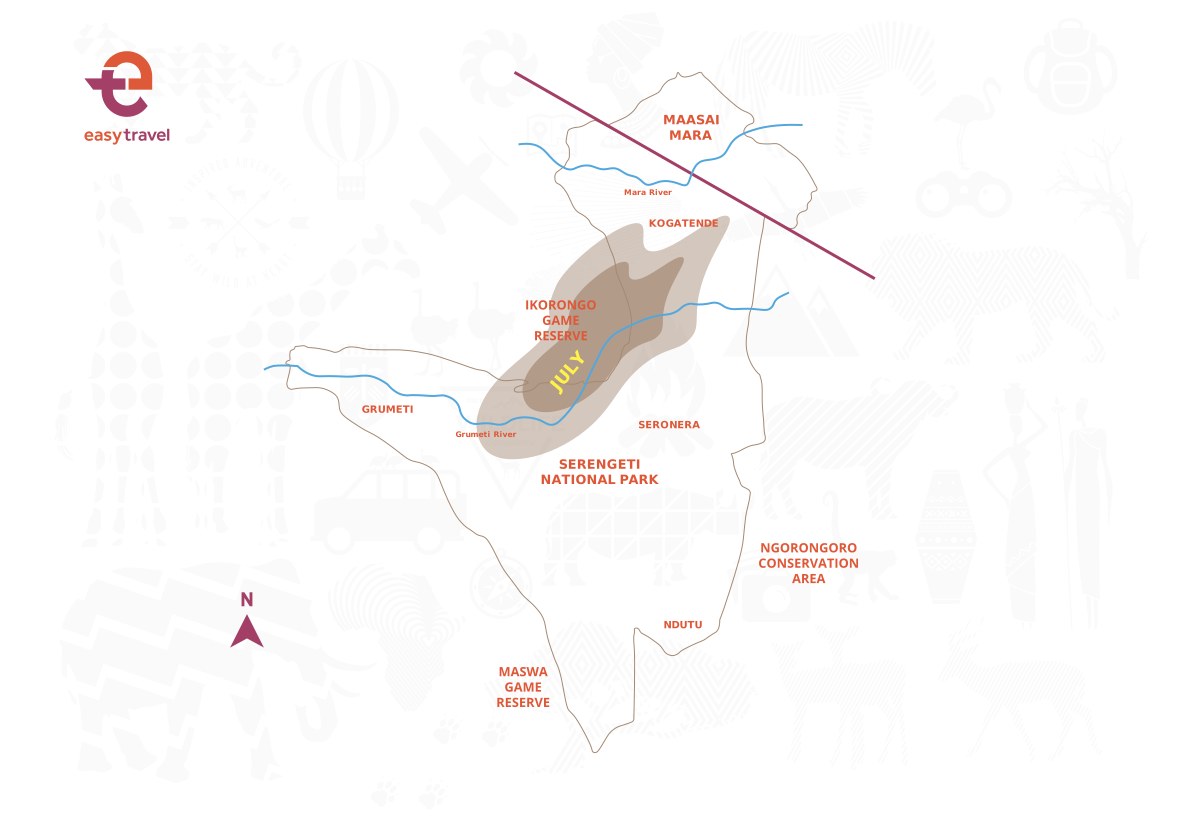
July is peak dry season and the ultimate time for a Serengeti safari, providing excellent visibility for wildlife viewing as animals gather around remaining water sources. The Great Migration reaches the Mara River, where dramatic river crossings showcase intense interactions between wildebeest and lurking crocodiles.
With cooler temperatures and minimal rain, July is ideal for safari adventures. The dry, open landscape also enhances predator sightings, as lions and cheetahs hunt near the waterholes. Visitor numbers are high, and while the vast Serengeti ensures a remarkable safari experience in its pristine wilderness, be sure to book your July safari vacation in advance!
+
Serengeti in August
Dry Season
August offers clear skies and pleasant, cool temperatures, making it a popular month for game drives and balloon safaris. As peak tourist season, it’s highly recommended to book your Tanzania safari packages for August in advance.
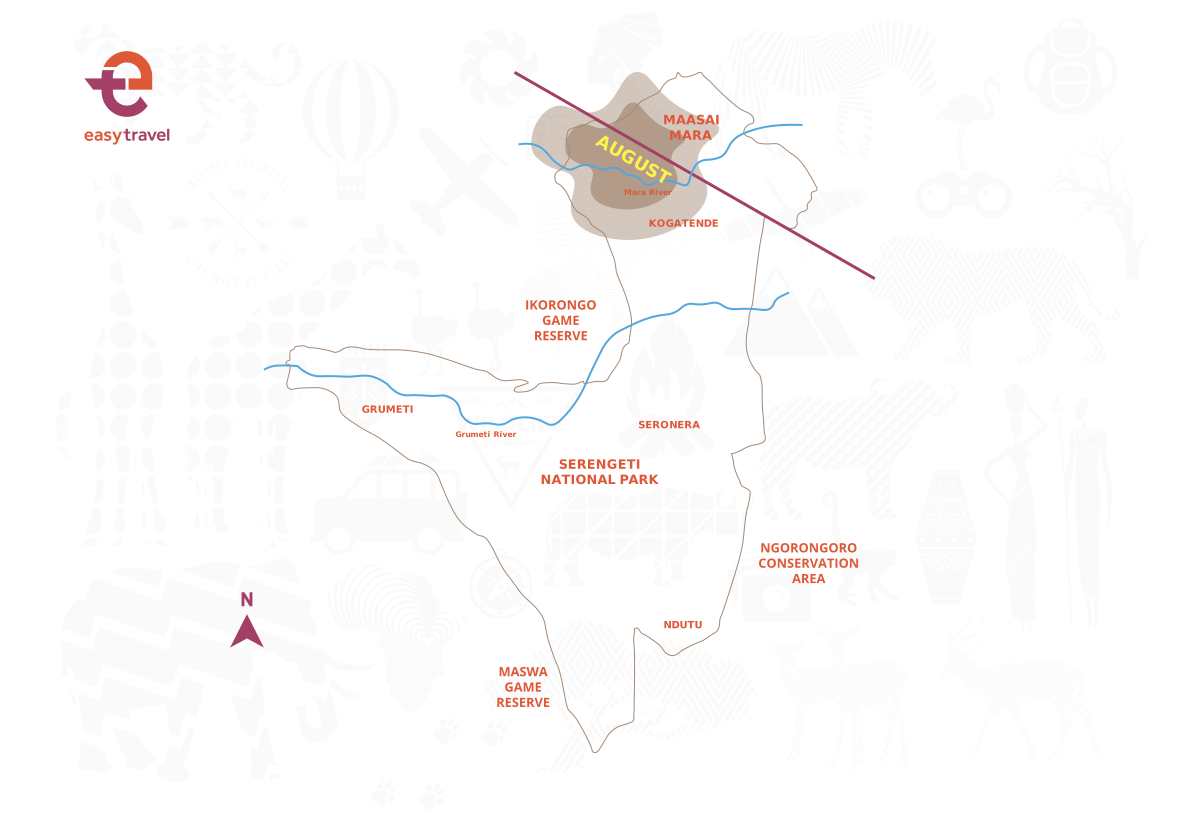
The Great Migration is in the Lamai region northern Serengeti, with the herds crossing into Kenya’s Masai Mara. Spectacular river crossings continue, drawing predators and providing unforgettable safari moments. With the dry season in full effect, wildlife concentrates around water sources, making it easier to spot a variety of animals, including elephants, giraffes, and big cats. August’s dry conditions and crowd-friendly landscapes make it an ideal time to explore the stunning Serengeti.
+
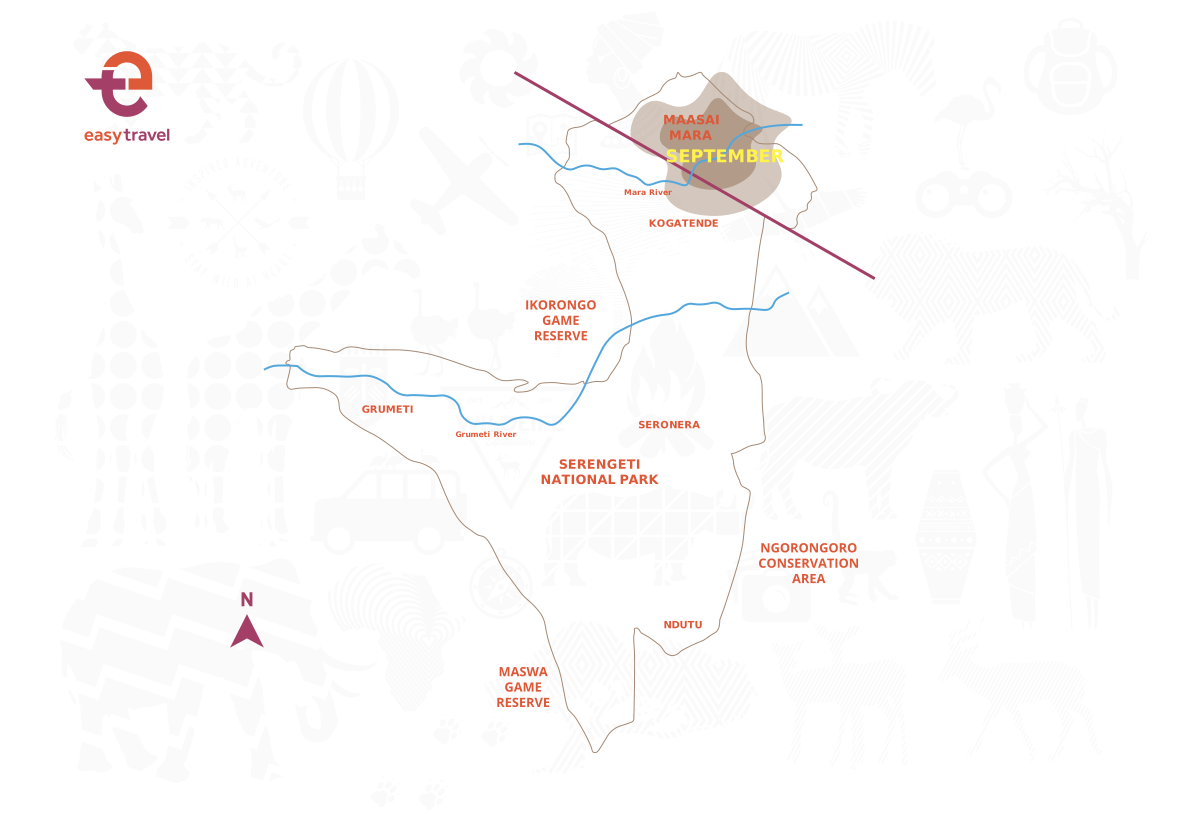
Serengeti in September
Dry Season
September remains part of the dry season, and wildlife viewing is exceptional, as nearly all animals will still be concentrated near water sources. Because of the excellent safari conditions, September remains a popular month for tourism, meaning some accommodations may still be at peak pricing.
During this month, the Great Migration herds gradually return south from Kenya, creating active and engaging safari scenes. The Serengeti’s landscapes are golden under the sun, providing beautiful backdrops for photography, especially during the morning and evening light. Birdwatching is also rewarding, as resident species become more visible in the open landscape.
+
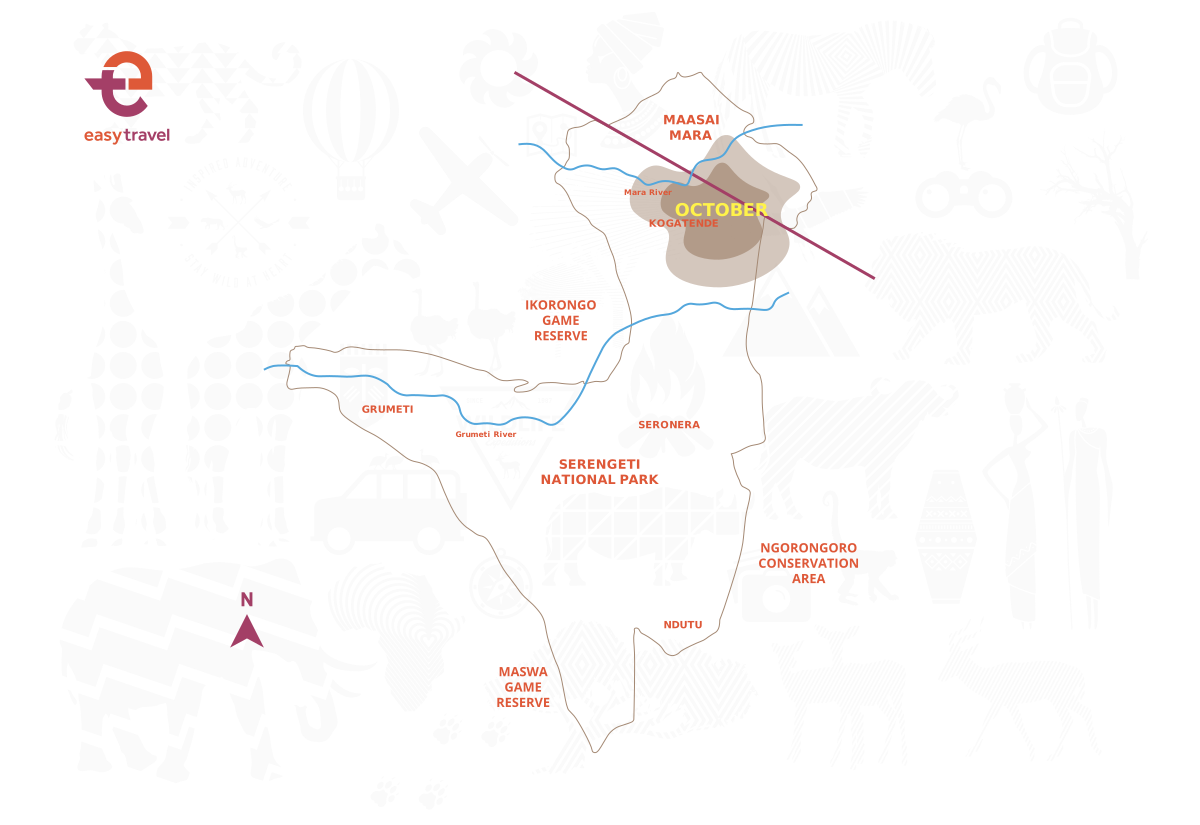
Serengeti in October
Dry Season
October signals the end of the dry season and the kick-off of the short rainy season in the Serengeti. While rain showers become more common in the latter part of the month, they’re brief and breathe life back into the plains, attracting animals to freshly sprouted grasses in the central and southern Serengeti. Wildlife disperses slightly, creating more opportunities for unique, uncrowded sightings.
October is ideal for travelers seeking vibrant landscapes and cooler temperatures. The rains bring out migratory birds, making it a rewarding time for birdwatchers. Predator sightings remain excellent, especially with big cats that often hunt near the lush, rain-fed plains. During this time, the Great Migration continues its trek south to the soon-to-be grassy plains of central Serengeti.
+
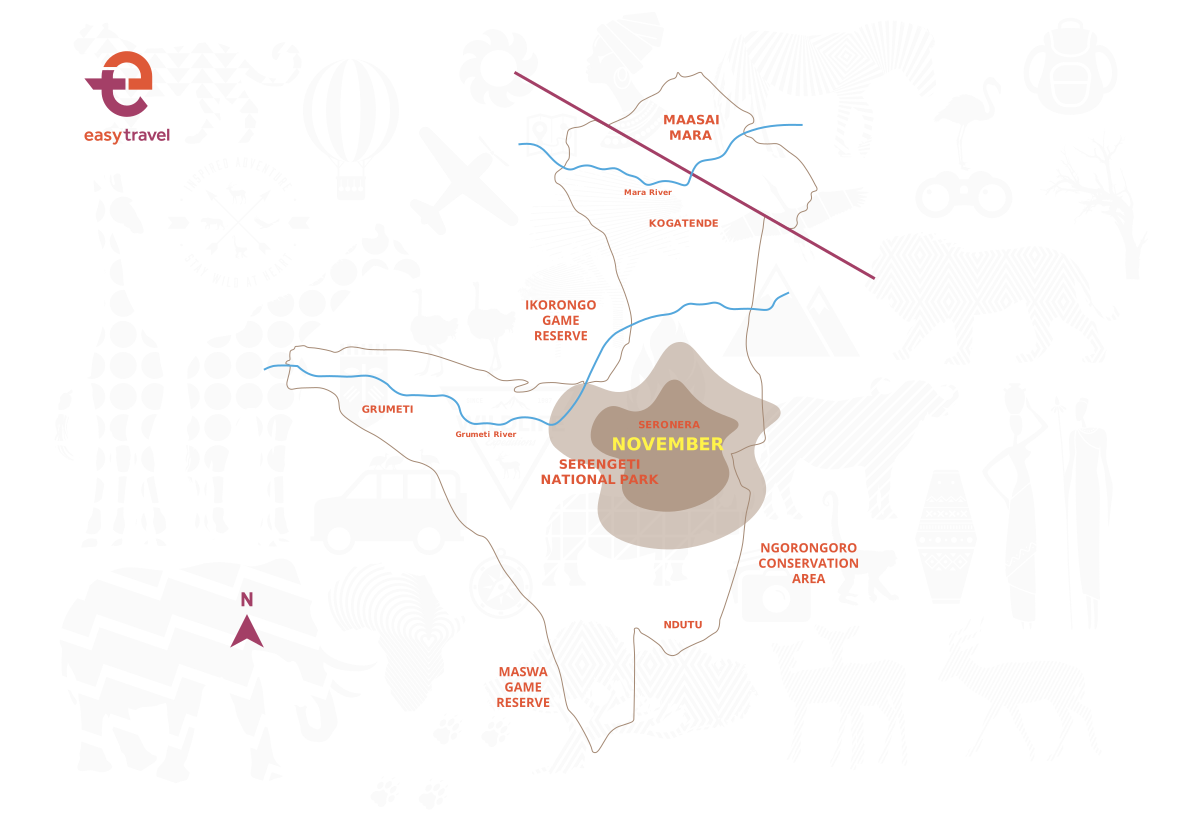
Serengeti in November
Short Rain Season
In November, the short rains continue, rejuvenating the Serengeti’s grasslands and bringing the Great Migration to the central and southern areas. This transitional time of year offers stunning scenery, as the dry landscape transforms before your eyes.
Although animals are more spread out due to increased water sources, game viewing remains rewarding as herds graze in the fresh grasslands. These vibrant and unique surroundings create striking photographic opportunities. Temperatures are mild, and crowds are fewer, allowing for a peaceful safari experience and reduced rates from peak tourist months. The arrival of migratory birds further enriches November’s experience, adding rare and colorful sightings for birdwatchers.
+
Serengeti in December
Short Rain Season
December in the Serengeti marks the short rainy season, with brief afternoon rainstorms that give way to clear skies, creating stunning conditions for photography. These rains bring life to the landscape, transforming it into a lush, green paradise, ideal for capturing Tanzania’s vivid beauty. Temperatures rise with the added humidity, reaching up to 28°C during the day.
The Great Migration herds continue their southward journey, drawn to the abundant grasses in Ndutu and the southern Serengeti, where they prepare for the upcoming calving season. Predators, such as lions and hyenas, remain close, creating thrilling wildlife encounters. The Seronera region and Ngorongoro Crater see high animal densities throughout December, making these areas prime spots for game drives. The holiday season brings an influx of travelers, so advanced planning for accommodations is essential.
+
Serengeti in January
Green Season
January in the Serengeti is part of the green season, with lush landscapes and warm days after the December rains. Wildlife thrives in the southern Serengeti plains, where animals are drawn to fresh, green pastures. This month is especially exciting for travelers, as it kicks off the calving season for wildebeests, zebras, and gazelles. The arrival of newborns brings a surge in predator activity, with lions, cheetahs, and hyenas taking advantage of the vulnerable young. January’s relatively clear skies and dramatic, cloud-streaked sunsets make it a stunning time to visit, offering prime opportunities for breathtaking photos.
Serengeti in February
Green Season
February is peak calving season, with the southern Serengeti teeming with baby wildebeests, zebras, and other plains game. This month is known for intense predator-prey interactions as predators target the young, creating thrilling wildlife scenes.
The plains are vibrantly green from scattered short rains, which occasionally cool the warm, sunny days. For photographers, February offers an ideal blend of dramatic light and plentiful wildlife. Visitor numbers are moderate, making it an excellent time for an intimate experience with the animals. Additionally, you’ll witness the early movements of the Great Migration herds as they prepare for their northward journey.
Serengeti in March
Green Season
March brings warmer days and more consistent rainfall. This transition from dry to rainy days encourages the herds to gather before they begin their migration north, creating a densely packed wildlife scene in the south.
While rain becomes more frequent, it enhances the lush beauty of the landscape, with vibrant greens and blooming flora across the plains. With lower visitor numbers, March offers a quieter safari experience, with fewer crowds and unique photographic opportunities featuring stormy skies and vivid sunsets. Because it’s not considered “peak season,” you may be able to find lower prices on Serengeti accommodations. This period also highlights Serengeti’s diverse birdlife, with migratory species adding to the park's allure.
Serengeti in April
Long Rain Season
April brings the long rainy season to the Serengeti, with frequent, nourishing showers transforming the landscape into a lush, green paradise. Although rain can make some roads muddy, the vibrant scenery and dramatic skies create beautiful photographic opportunities.
Wildlife remains active in the southern plains, as the rains provide an abundance of food and water. This quieter season offers a more intimate experience with wildlife, including the last of the Great Migration herds in the south. For some of the best Migration viewing opportunities during this time, it’s recommended to visit the Seronera Region of the Serengeti. Birdwatching is also excellent, as migratory birds fill the park with bright colors and unique calls.
Serengeti in May
Long Rain Season
May continues the long rains, keeping the Serengeti lush and green—which is how it earned the name “Emerald season.” While some game viewing can be challenging due to the dense vegetation, this is an ideal time for travelers seeking a quieter experience with fewer crowds. This month can be a great opportunity to find lower rates and seasonal deals for accommodations.
The rains begin to wane, prompting the herds to start their journey north toward the Grumeti River. With lower tourist numbers, May offers peaceful game drives and a chance to see Serengeti wildlife, including big game herbivores like elephants, rhinoceros, and buffalo, in a relaxed environment. Birdlife is abundant, and the flowering landscape provides vibrant backdrops, ideal for capturing the park’s scenic beauty.
Serengeti in June
Dry Season
June marks the beginning of the dry season, bringing clearer skies, comfortably warm weather, and low humidity. The Great Migration moves toward the Grumeti River, where infamously dramatic river crossings create unforgettable safari moments. Wildlife concentrates around remaining water sources, making it easier to spot predators and prey in open areas.
June’s mild temperatures are comfortable for exploring and make for enjoyable game drives and balloon safaris. Visitor numbers increase, meaning accommodations may book more quickly. Still, the Serengeti’s vastness ensures that every traveler can still experience a unique adventure amidst stunning landscapes and abundant wildlife.
Serengeti in July
Dry Season
July is peak dry season and the ultimate time for a Serengeti safari, providing excellent visibility for wildlife viewing as animals gather around remaining water sources. The Great Migration reaches the Mara River, where dramatic river crossings showcase intense interactions between wildebeest and lurking crocodiles.
With cooler temperatures and minimal rain, July is ideal for safari adventures. The dry, open landscape also enhances predator sightings, as lions and cheetahs hunt near the waterholes. Visitor numbers are high, and while the vast Serengeti ensures a remarkable safari experience in its pristine wilderness, be sure to book your July safari vacation in advance!
Serengeti in August
Dry Season
August offers clear skies and pleasant, cool temperatures, making it a popular month for game drives and balloon safaris. As peak tourist season, it’s highly recommended to book your Tanzania safari packages for August in advance.
The Great Migration is in the Lamai region northern Serengeti, with the herds crossing into Kenya’s Masai Mara. Spectacular river crossings continue, drawing predators and providing unforgettable safari moments. With the dry season in full effect, wildlife concentrates around water sources, making it easier to spot a variety of animals, including elephants, giraffes, and big cats. August’s dry conditions and crowd-friendly landscapes make it an ideal time to explore the stunning Serengeti.
Serengeti in September
Dry Season
September remains part of the dry season, and wildlife viewing is exceptional, as nearly all animals will still be concentrated near water sources. Because of the excellent safari conditions, September remains a popular month for tourism, meaning some accommodations may still be at peak pricing.
During this month, the Great Migration herds gradually return south from Kenya, creating active and engaging safari scenes. The Serengeti’s landscapes are golden under the sun, providing beautiful backdrops for photography, especially during the morning and evening light. Birdwatching is also rewarding, as resident species become more visible in the open landscape.
Serengeti in October
Dry Season
October signals the end of the dry season and the kick-off of the short rainy season in the Serengeti. While rain showers become more common in the latter part of the month, they’re brief and breathe life back into the plains, attracting animals to freshly sprouted grasses in the central and southern Serengeti. Wildlife disperses slightly, creating more opportunities for unique, uncrowded sightings.
October is ideal for travelers seeking vibrant landscapes and cooler temperatures. The rains bring out migratory birds, making it a rewarding time for birdwatchers. Predator sightings remain excellent, especially with big cats that often hunt near the lush, rain-fed plains. During this time, the Great Migration continues its trek south to the soon-to-be grassy plains of central Serengeti.
Serengeti in November
Short Rain Season
In November, the short rains continue, rejuvenating the Serengeti’s grasslands and bringing the Great Migration to the central and southern areas. This transitional time of year offers stunning scenery, as the dry landscape transforms before your eyes.
Although animals are more spread out due to increased water sources, game viewing remains rewarding as herds graze in the fresh grasslands. These vibrant and unique surroundings create striking photographic opportunities. Temperatures are mild, and crowds are fewer, allowing for a peaceful safari experience and reduced rates from peak tourist months. The arrival of migratory birds further enriches November’s experience, adding rare and colorful sightings for birdwatchers.
Serengeti in December
Short Rain Season
December in the Serengeti marks the short rainy season, with brief afternoon rainstorms that give way to clear skies, creating stunning conditions for photography. These rains bring life to the landscape, transforming it into a lush, green paradise, ideal for capturing Tanzania’s vivid beauty. Temperatures rise with the added humidity, reaching up to 28°C during the day.
The Great Migration herds continue their southward journey, drawn to the abundant grasses in Ndutu and the southern Serengeti, where they prepare for the upcoming calving season. Predators, such as lions and hyenas, remain close, creating thrilling wildlife encounters. The Seronera region and Ngorongoro Crater see high animal densities throughout December, making these areas prime spots for game drives. The holiday season brings an influx of travelers, so advanced planning for accommodations is essential.
+
+
+
+
+
+
+
+
+
+
+
+

Serengeti Wildlife
Serengeti National Park is one of the most beautiful and wildlife-rich regions in the world, making it ideal for spotting animals on an African safari.
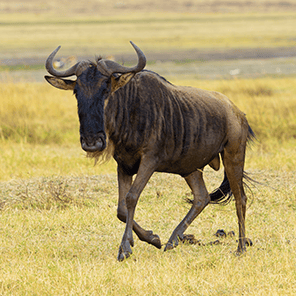
Wildebeest
Known for the Great Migration, wildebeests journey en masse across the Serengeti in search of fresh grazing grounds.
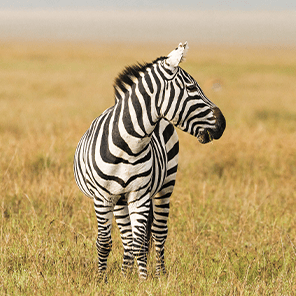
Zebras
With striking black-and-white stripes, zebras accompany wildebeests on the migration, adding vibrancy to Serengeti tours.
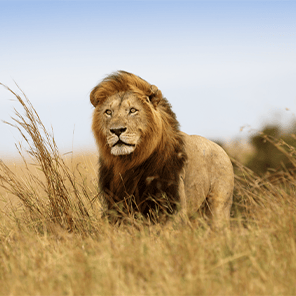
Lions
The Serengeti’s apex predators, lions hunt in prides, often targeting the migrating herds of wildebeests and zebras.
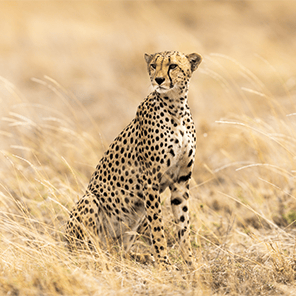
Cheetahs
Fast and graceful, cheetahs rely on speed to catch prey, favoring open grasslands for high-velocity chases.
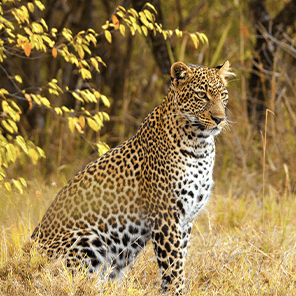
Leopards
Elusive and solitary, leopards thrive in trees, stalking prey under the Serengeti’s dense canopies.
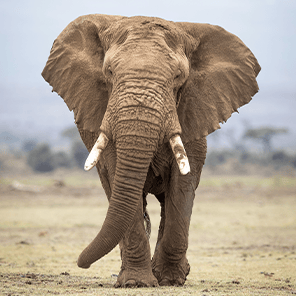
Elephants
Gentle giants, elephants roam in family groups, shaping the landscape by feeding on vegetation and forging water paths.
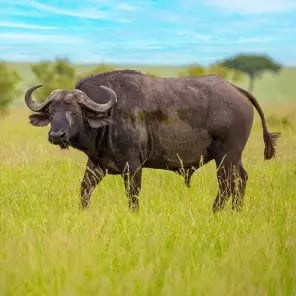
African Buffalo
Powerful and resilient, African buffalo travel in herds and are known for their strength and protective instincts.
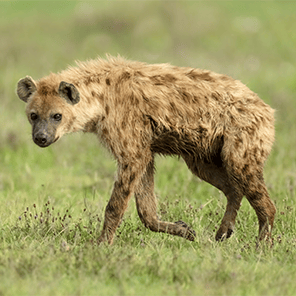
Hyenas
Renowned scavengers, hyenas are also skilled hunters, known for their strong jaws and complex social structures.
Wildebeest
Known for the Great Migration, wildebeests journey en masse across the Serengeti in search of fresh grazing grounds.
Zebras
With striking black-and-white stripes, zebras accompany wildebeests on the migration, adding vibrancy to Serengeti tours.
Lions
The Serengeti’s apex predators, lions hunt in prides, often targeting the migrating herds of wildebeests and zebras.
Cheetahs
Fast and graceful, cheetahs rely on speed to catch prey, favoring open grasslands for high-velocity chases.
Leopards
Elusive and solitary, leopards thrive in trees, stalking prey under the Serengeti’s dense canopies.
Elephants
Gentle giants, elephants roam in family groups, shaping the landscape by feeding on vegetation and forging water paths.
African Buffalo
Powerful and resilient, African buffalo travel in herds and are known for their strength and protective instincts.
Hyenas
Renowned scavengers, hyenas are also skilled hunters, known for their strong jaws and complex social structures.
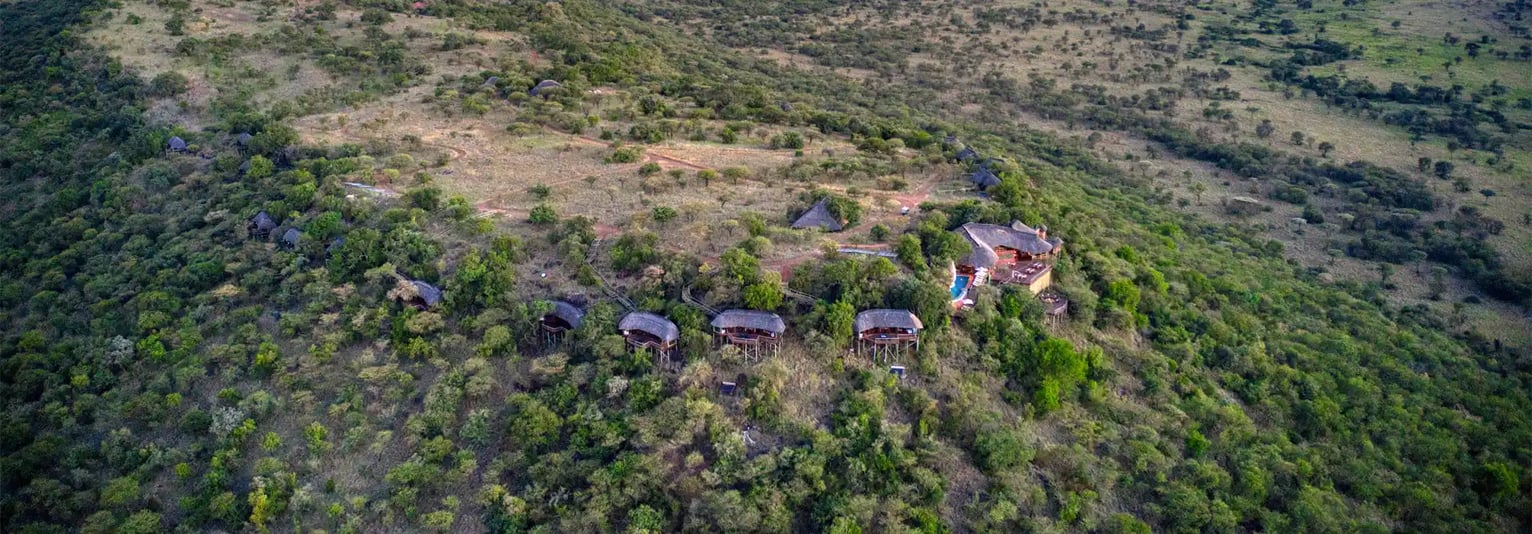
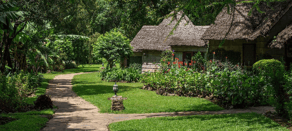
Amazing Places to Stay in the Serengeti
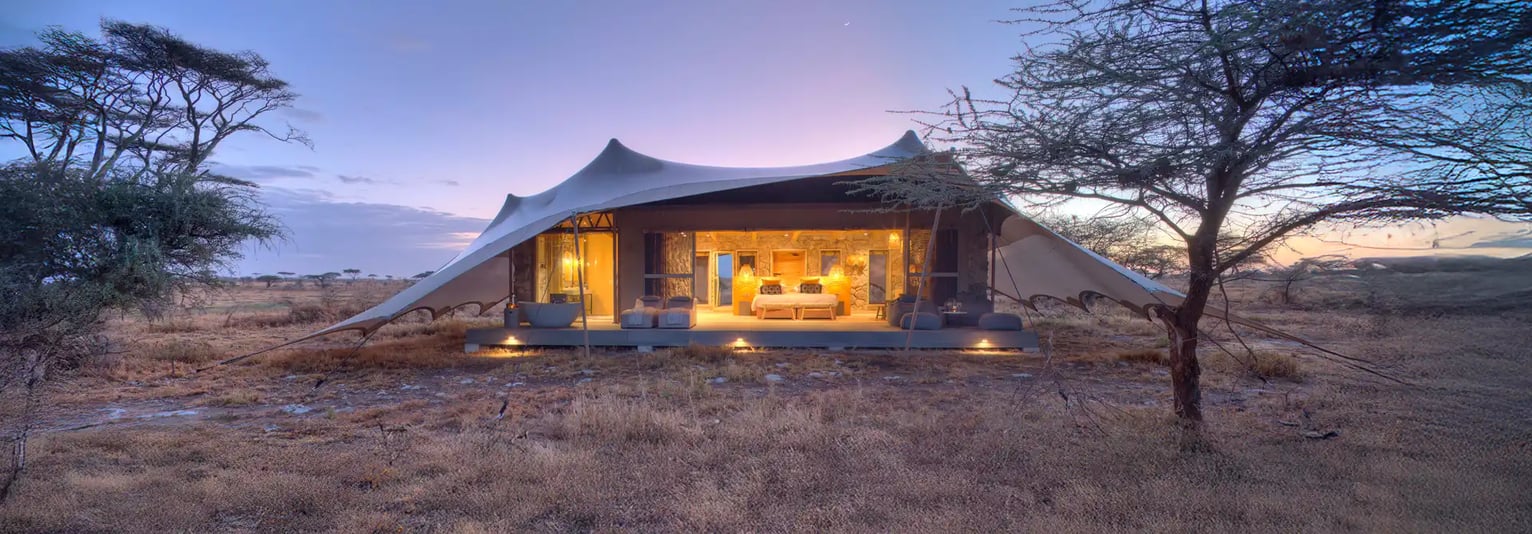
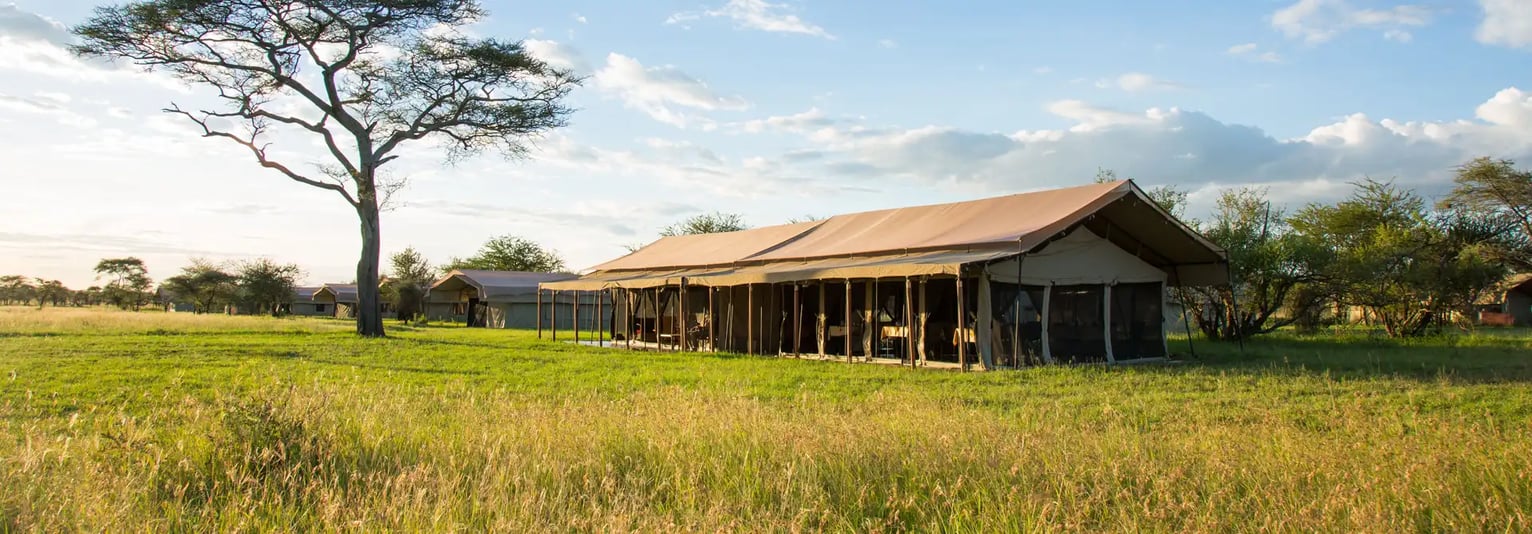
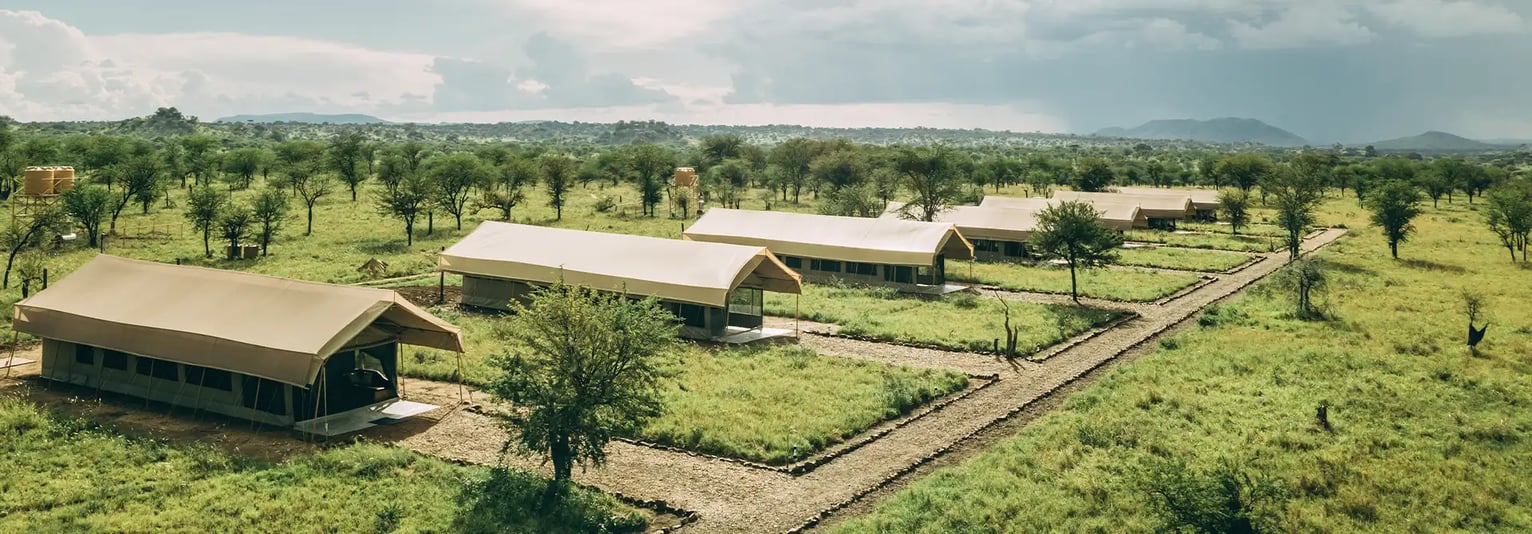
Explore some of the best Serengeti National Park hotels, resorts, and more.

Mbali Mbali Soroi...

Namiri Plains -...

Thorn Tree Camp

Serengeti Tortilis...

The Great...
Lorem ipsum dolor sit.


Tanzania Serengeti Safari Tours for Everyone
Most Popular
.png?width=296&height=70&name=Pattern%20(2).png)
$1,350 (2pax) USD
12 Days Serengeti Lions and Wildebeest Migration Safari

67 people viewing now
Best Seller
$3,001 (2pax) USD
Days Serengeti Lions and Wildebeest Migration Safari
72 people viewing now
Most Popular
$1,400 (2pax) USD
A Days Serengeti Lions and Wildebeest Migration Safari
30 people viewing now
Most Popular
$1,350 (2pax) USD
12 Days Serengeti Lions and Wildebeest Migration Safari
115 people viewing now
Best Seller
$3,001 (2pax) USD
Days Serengeti Lions and Wildebeest Migration Safari
110 people viewing now
Most Popular
$1,400 (2pax) USD
A Days Serengeti Lions and Wildebeest Migration Safari
35 people viewing now
Most Popular
$1,350 (2pax) USD
12 Days Serengeti Lions and Wildebeest Migration Safari
114 people viewing now
Best Seller
$3,001 (2pax) USD
Days Serengeti Lions and Wildebeest Migration Safari
66 people viewing now
Best Seller
$3,001 (2pax) USD
Days Serengeti Lions and Wildebeest Migration Safari
75 people viewing now
Best Seller
$3,001 (2pax) USD
Days Serengeti Lions and Wildebeest Migration Safari
21 people viewing now
Best Seller
$3,001 (2pax) USD
Days Serengeti Lions and Wildebeest Migration Safari
84 people viewing now
Most Popular
$1,400 (2pax) USD
A Days Serengeti Lions and Wildebeest Migration Safari
45 people viewing now
Ready to plan your ultimate Serengeti safari? We’re here to help!

Most Popular
$1,350 (2pax) USD
12 Days Serengeti Lions and Wildebeest Migration Safari
55 people viewing now
Best Seller
$3,001 (2pax) USD
Days Serengeti Lions and Wildebeest Migration Safari
58 people viewing now
Most Popular
$1,400 (2pax) USD
A Days Serengeti Lions and Wildebeest Migration Safari
97 people viewing now
Most Popular
$1,350 (2pax) USD
12 Days Serengeti Lions and Wildebeest Migration Safari
73 people viewing now
Best Seller
$3,001 (2pax) USD
Days Serengeti Lions and Wildebeest Migration Safari
54 people viewing now
Most Popular
$1,400 (2pax) USD
A Days Serengeti Lions and Wildebeest Migration Safari
52 people viewing now
Most Popular
$1,350 (2pax) USD
12 Days Serengeti Lions and Wildebeest Migration Safari
53 people viewing now
Best Seller
$3,001 (2pax) USD
Days Serengeti Lions and Wildebeest Migration Safari
67 people viewing now
Best Seller
$3,001 (2pax) USD
Days Serengeti Lions and Wildebeest Migration Safari
85 people viewing now
Best Seller
$3,001 (2pax) USD
Days Serengeti Lions and Wildebeest Migration Safari
106 people viewing now
Best Seller
$3,001 (2pax) USD
Days Serengeti Lions and Wildebeest Migration Safari
101 people viewing now
Most Popular
$1,400 (2pax) USD
A Days Serengeti Lions and Wildebeest Migration Safari
55 people viewing now
Ready to plan your ultimate Serengeti safari? We’re here to help!
Frequently Asked Questions

Still have questions?
Contact Us, we are more than happy to help!
What does a Serengeti safari cost?
The price of Serengeti safari packages is determined by several factors, including how many people you will be joining, the style of accommodation, and whether you wish for a small group tour with others or a private tour by yourselves. Easy Travel offers different accommodation styles to suit your budget, including basic, comfort, comfort plus, luxury, and luxury plus accommodation-style tours.
How many days do you recommend for a Serengeti tour?
Our tours range from one day to 13-day trips. Based on previous visitors, they always wish they could have stayed longer.
We highly recommend our 7-Day Tanzania Classic tour, which will give you an insight into the National Parks of the Northern Circuit and ensure you get the most out of your Tanzanian Visit.
Is it safe in Tanzania for me to visit? Is it safe for kids and females?
Tanzania is generally safe for travelers, including families and solo female travelers. Basic safety precautions are advised, especially in cities, but popular safari areas are secure.
How can I plan my Serengeti safari tour?
To plan your Serengeti safari, consider the time of year, desired accommodations, and preferred activities. Booking with a reputable tour operator like Easy Travel ensures a well-organized experience.
Do I need any vaccines to visit Serengeti National Park?
Yes, vaccinations are recommended for Tanzania, including for yellow fever (if coming from a country with risk) and routine vaccines. Consult your doctor for specific advice.
How can I find the best Serengeti hotels?
Easy Travel can help you find the best accommodations based on time of year, location, desired amenities and safari activities, and your budget.
Should I go anywhere else before or after my trip to Serengeti National Park?
Many travelers combine the Serengeti with other destinations like Ngorongoro Crater, Zanzibar, or Mount Kilimanjaro for a varied Tanzania adventure.
What language is spoken in Tanzania?
Swahili and English are Tanzania’s official languages, with English widely used in tourism and major cities.
Are Serengeti safari packages all-inclusive?
Many of Easy Travel’s Serengeti safari packages are all-inclusive, covering transportation, meals, lodging, and game drives, though options vary by package.
What else is there to do on Serengeti vacations?
Serengeti vacations offer more than safaris, including bird-watching, cultural visits, balloon safaris, and nearby attractions like Ngorongoro and Lake Victoria.
Still have questions?
Contact Us, we are more than happy to help!
Explore Serengeti National Park Safari Articles
02.12.2026
10 Min Read
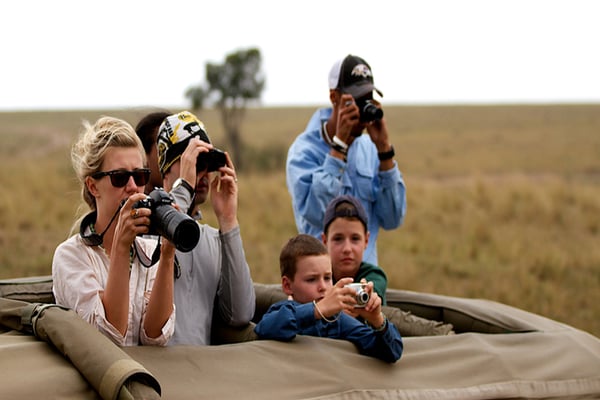
If you’re looking for the ultimate family vacation, there’s nothing that can compare to a Serengeti safari tour....
02.9.2026
9 Min Read
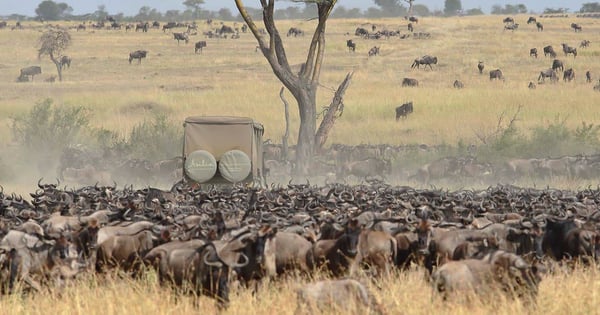
If you’re looking for a once-in-a-lifetime experience, a Serengeti safari tour during the Great Migration should be at...


02.12.2026
10 Min Read
If you’re looking for the ultimate family vacation, there’s nothing that can compare to a Serengeti...
02.9.2026
9 Min Read
If you’re looking for a once-in-a-lifetime experience, a Serengeti safari tour during the Great...
Explore Our Latest Articles
3.06.2025
23 Min Read
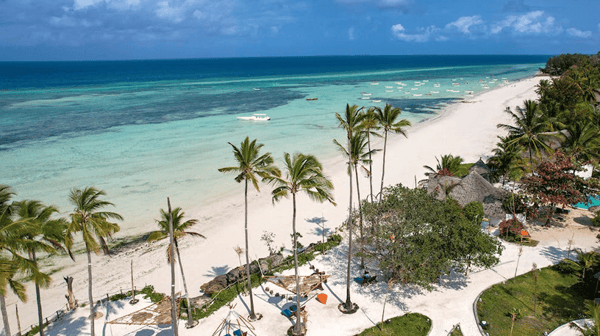
Kendwa Beach rests on Zanzibar Island. The beach is known far and wide because it is gorgeous. The sand on the beach is...
3.06.2025
23 Min Read
Kendwa Beach rests on Zanzibar Island. The beach is known far and wide because it is gorgeous. The...
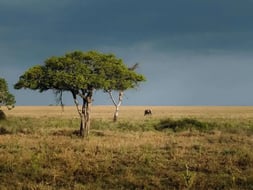
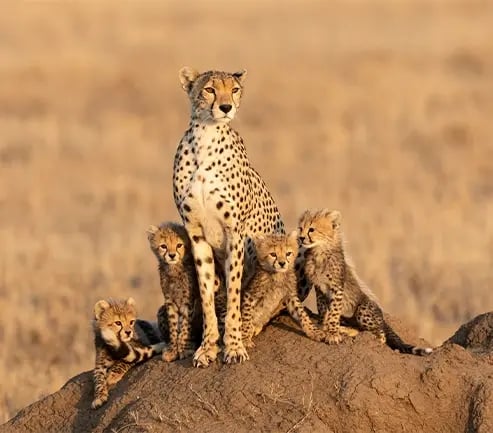
Find Out Which Safari Tour Is Right For You
With so many safari adventures to choose from, it can be tricky to narrow down your perfect holiday. Take our fun and easy quiz and find out what our travel experts recommend!
Add These Locations to Your Serengeti Safari Package
This is a park

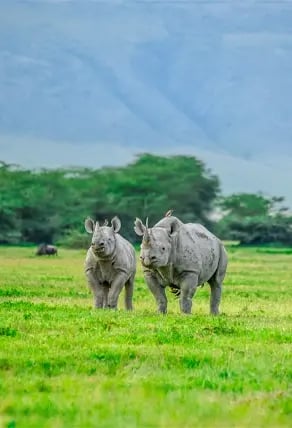


Ngorongoro
A UNESCO site with a stunning crater, home to diverse wildlife and spectacular views of Tanzania’s natural beauty.
This is a park
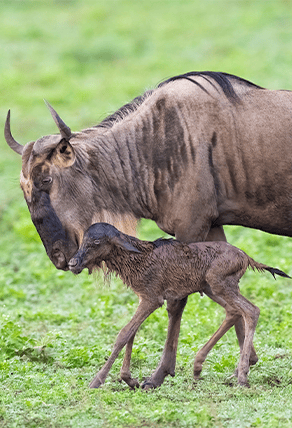


Ndutu
Known for its seasonal lakes and calving grounds, Ndutu hosts part of the Great Migration and diverse predator activity.
This is a park
-svg.svg)
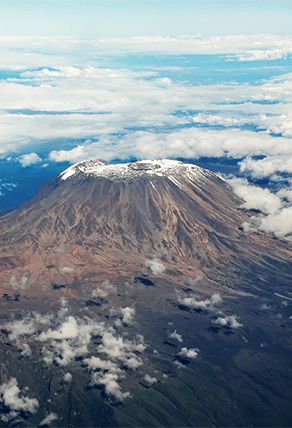


Kilimanjaro
Africa’s highest peak, Kilimanjaro offers a bucket-list climb with varied ecosystems and breathtaking panoramic views.
This is a park

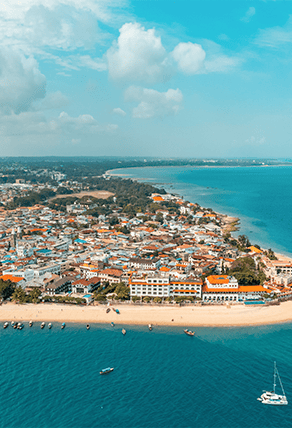


Zanzibar
A tropical paradise with white sandy beaches and turquoise waters, it’s a perfect complement to a Serengeti safari.