

.svg "Style-Guide (1)")


.svg)


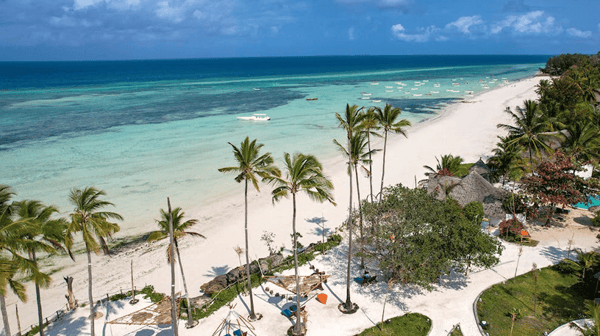
Kendwa Beach rests on Zanzibar Island. The beach is known far and wide because it is gorgeous. The...






Ngorongoro Crater
Carved from the remnants of an ancient volcano, the Ngorongoro Crater is one of the world’s most spectacular settings, where steep crater walls encircle open plains teeming with wildlife. Set within the larger Ngorongoro Conservation Area in northern Tanzania, this unique ecosystem offers the rare chance to experience dramatic landscapes, rich biodiversity, and cultural heritage all in one unforgettable destination.

Endorsed by ATTA

Featured in National Geographic

BBC Wildlife

Rated Excellent by Trip Advisor
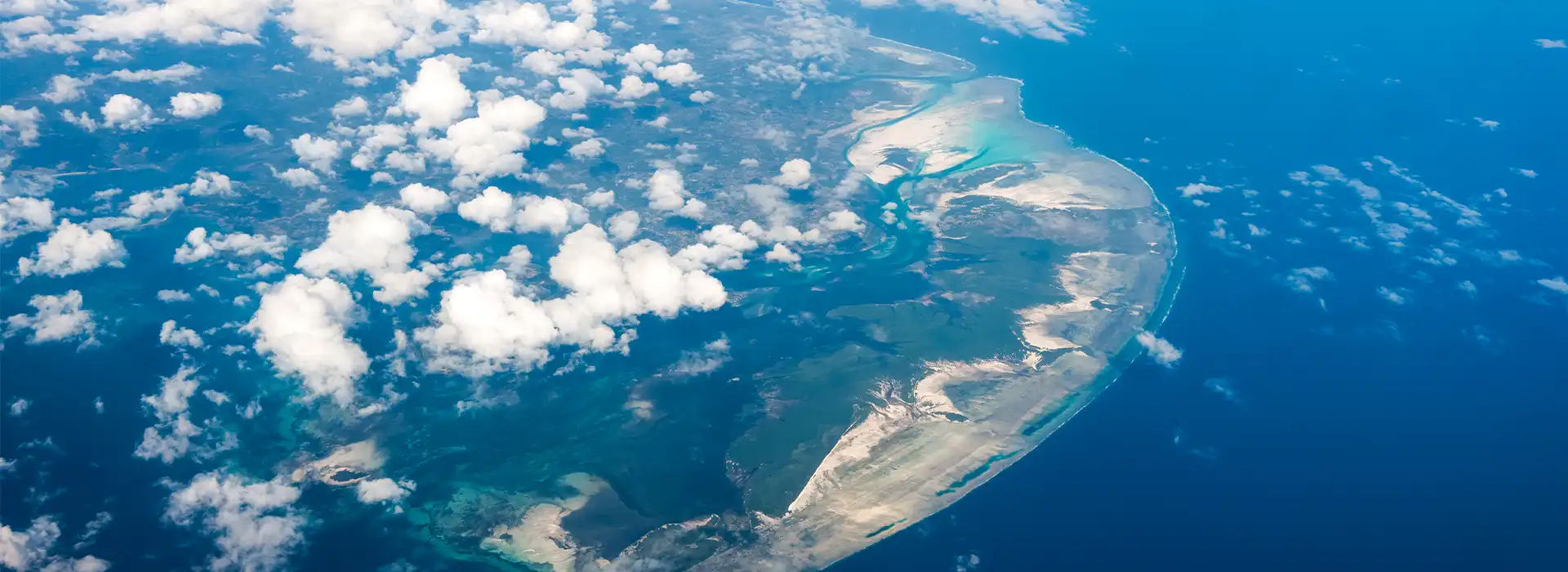
Ngorongoro Crater
Carved from the remnants of an ancient volcano, the Ngorongoro Crater is one of the world’s most spectacular settings, where steep crater walls encircle open plains teeming with wildlife. Set within the larger Ngorongoro Conservation Area in northern Tanzania, this unique ecosystem offers the rare chance to experience dramatic landscapes, rich biodiversity, and cultural heritage all in one unforgettable destination.
Endorsed by ATTA
Featured in National Geographic
BBC Wildlife
Rated Excellent by Trip Advisor
Things To Do in Ngorongoro Crater
From wildlife-rich landscapes to cultural encounters and scenic treks, the Ngorongoro Conservation Area offers a variety of solo and group experiences beyond the game drive.
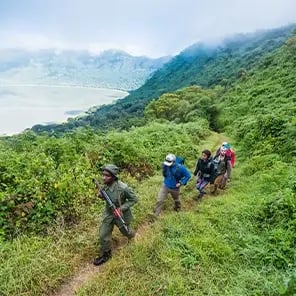

Hiking & Trekking
Explore Ngorongoro’s highlands on foot with guided hikes along the crater rim or to destinations like Empakaai and Olmoti craters. These treks offer stunning views and a closer connection to the region’s natural beauty.
Cultural Activities
Visit a local Maasai village to learn about traditional customs, daily life, and livestock herding. These cultural interactions are an intimate opportunity to show respect and gain insight into the communities that have long lived in the area.
Bush Meals
Enjoy breakfast, lunch, or sundowners in the bush, surrounded by the sights and sounds of nature. Bush meals turn a simple dining experience into a scenic and peaceful highlight of your safari.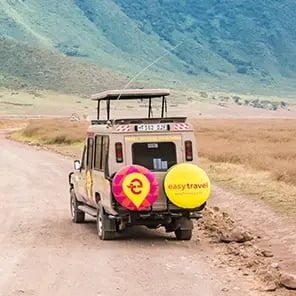
Game Drives
Embark on an early morning guided Ngorongoro Crater safari drive for high chances of spotting the Big Five and other iconic wildlife in a remarkably compact area.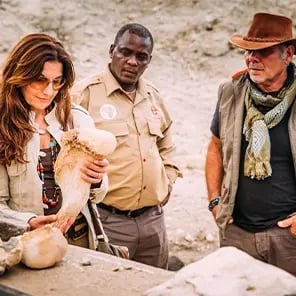
Historical Sites
The area is rich in paleoanthropological history, with nearby sites like Olduvai Gorge offering a glimpse into early human life. Visit the museum or take a guided tour of this globally significant site.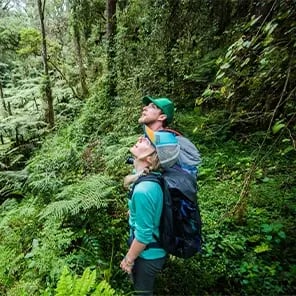
Walking Safari & Nature Walks
Accompanied by an armed ranger and local guide, nature walks offer a quieter way to explore the crater highlands. Spot birds, learn about plants, and track animal footprints at a slower, more immersive pace.Things To Do in Ngorongoro Crater
From wildlife-rich landscapes to cultural encounters and scenic treks, the Ngorongoro Conservation Area offers a variety of solo and group experiences beyond the game drive.
Hiking & Trekking
Explore Ngorongoro’s highlands on foot with guided hikes along the crater rim or to destinations like Empakaai and Olmoti craters. These treks offer stunning views and a closer connection to the region’s natural beauty.
Cultural Activities
Visit a local Maasai village to learn about traditional customs, daily life, and livestock herding. These cultural interactions are an intimate opportunity to show respect and gain insight into the communities that have long lived in the area.
Bush Meals
Enjoy breakfast, lunch, or sundowners in the bush, surrounded by the sights and sounds of nature. Bush meals turn a simple dining experience into a scenic and peaceful highlight of your safari.
Game Drives
Embark on an early morning guided Ngorongoro Crater safari drive for high chances of spotting the Big Five and other iconic wildlife in a remarkably compact area.
Historical Sites
The area is rich in paleoanthropological history, with nearby sites like Olduvai Gorge offering a glimpse into early human life. Visit the museum or take a guided tour of this globally significant site.
Walking Safari & Nature Walks
Accompanied by an armed ranger and local guide, nature walks offer a quieter way to explore the crater highlands. Spot birds, learn about plants, and track animal footprints at a slower, more immersive pace.The Best Time to Visit Ngorongoro
Ngorongoro Crater offers exceptional wildlife viewing year-round, thanks to its permanent water sources and enclosed ecosystem. That said, each month brings unique conditions—from dry-season clarity to green-season solitude—making it worth planning based on your travel style and priorities.
average
good
best
.svg)
Jan
Feb

Mar
Apr
May
.svg)
Jun
Jul
Aug
Sep
Oct
.svg)
Nov
Dec
Jan
Feb
Mar
Apr
May
Jun
Jul
Aug
Sep
Oct
Nov
Dec
Ngorongoro Crater in January: Green landscapes and calving season nearby
Green Season
January falls in the middle of the short dry season in the Ngorongoro Crater, bringing mild daytime temperatures, cooler nights, and generally clear skies. It’s an excellent time for photography, with crisp air and vivid landscapes. The atmosphere feels refreshed from the short rain but without the heavy downpours. Wildlife viewing is strong as permanent water sources in the crater keep animals close.
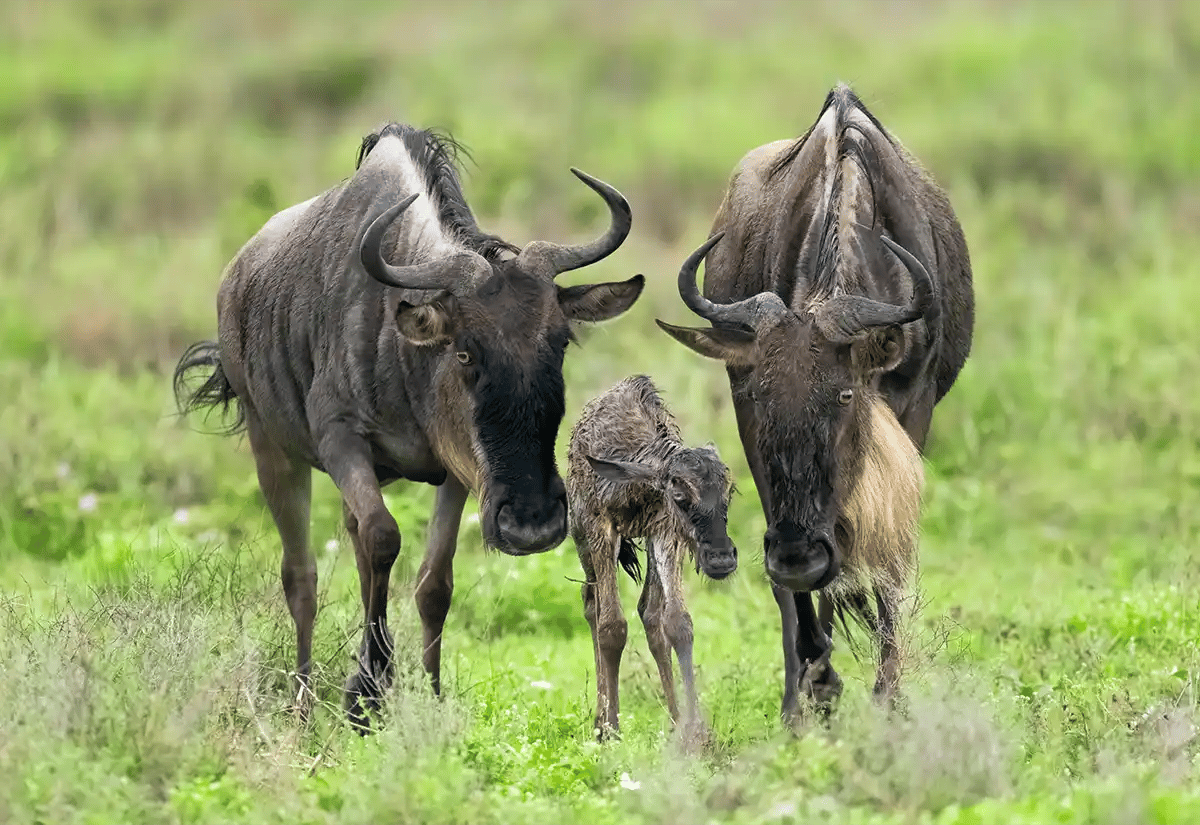
Nearby in Ndutu, the Great Migration begins its calving season, offering travelers the chance to witness thousands of wildebeest births and heightened predator activity just a short drive south. Visitor numbers begin to rise slightly after the holidays, but the crater is still less crowded than peak months later in the year.

+
Ngorongoro Crater in February: Great conditions and predator action
Green Season
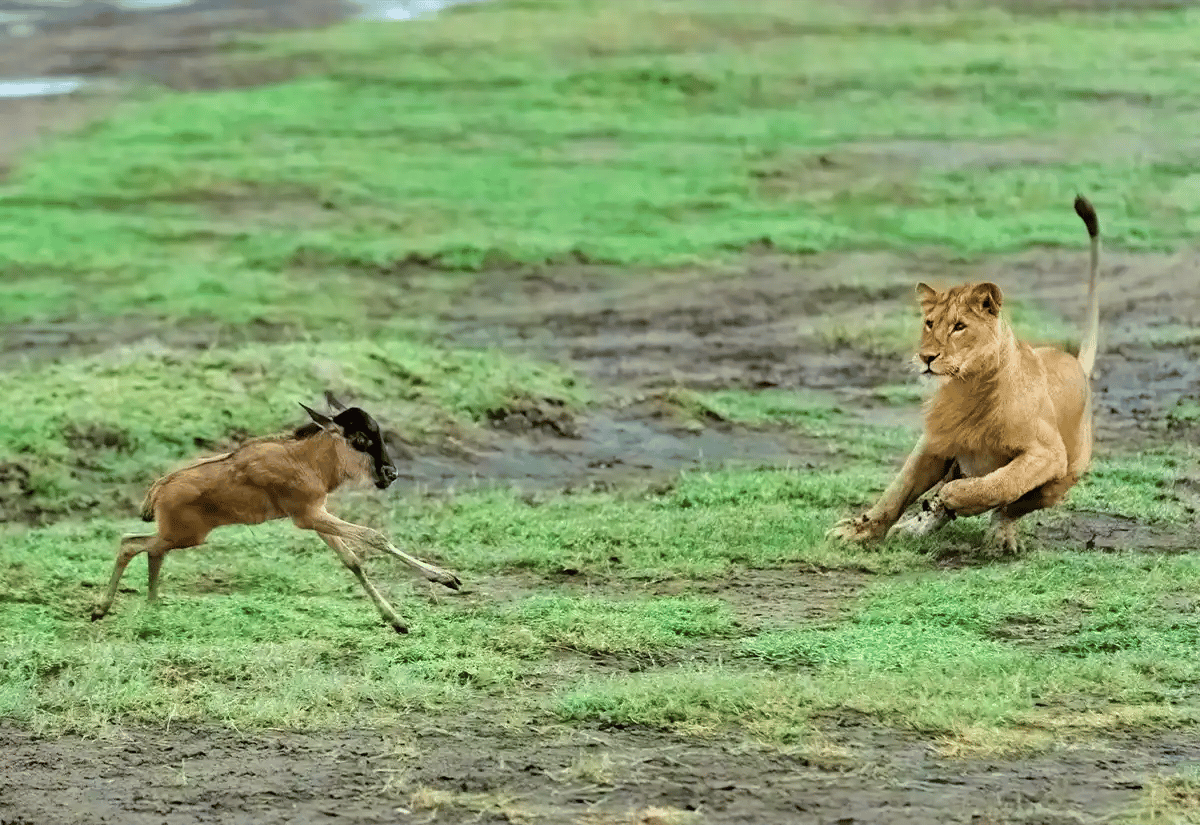
February continues the dry spell, making it a great time to visit the Ngorongoro Conservation Area with minimal rain interruption. The crater remains green and lively, supporting healthy herds of zebra, wildebeest, and buffalo, as well as predators taking advantage of abundant prey. With the calving season in full swing in nearby Ndutu, this is one of the best months to combine a Ngorongoro safari with a trip south to see dramatic predator-prey interactions.
The roads are typically in good condition, game viewing is reliable, and temperatures stay pleasant: warm during the day and cool at night. February is a favorite for photographers and travelers looking to avoid the busier high season in mid-year.
+
Ngorongoro Crater in March: Lush scenery with early rain
Green Season
March marks the start of the long rainy season in the Ngorongoro Conservation Area, typically beginning mid-month. Early March can still offer decent weather and wildlife visibility, but conditions gradually become wetter and more unpredictable.
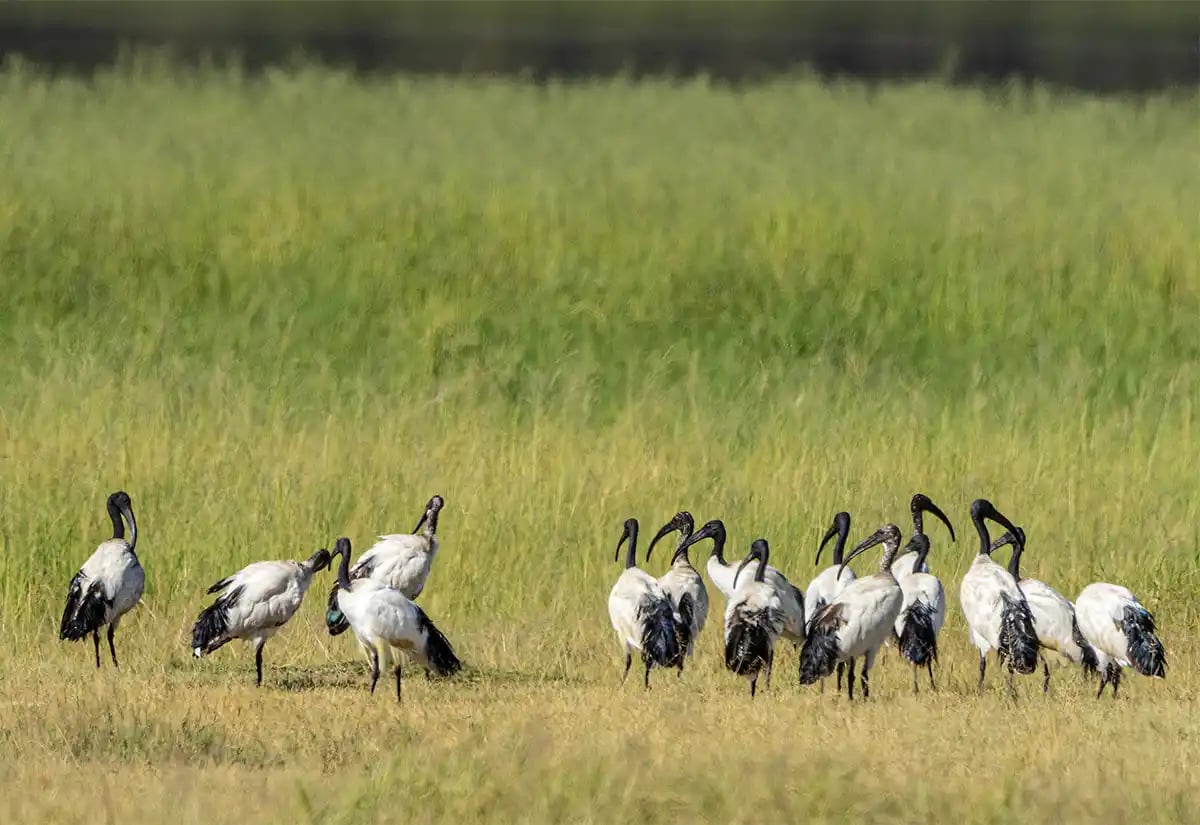
The crater remains beautiful and green, and while some animals may move to higher ground, the permanent water sources ensure that most wildlife—including elephants, lions, and hippos—remain visible. Birdwatching is particularly good now, with migratory species present. Tourism begins to taper off, making it a quieter time to visit for those who don’t mind the chance of rain and slightly muddier conditions.
+
Ngorongoro Crater in April: Wet season solitude and vibrant views
Long Rain Season
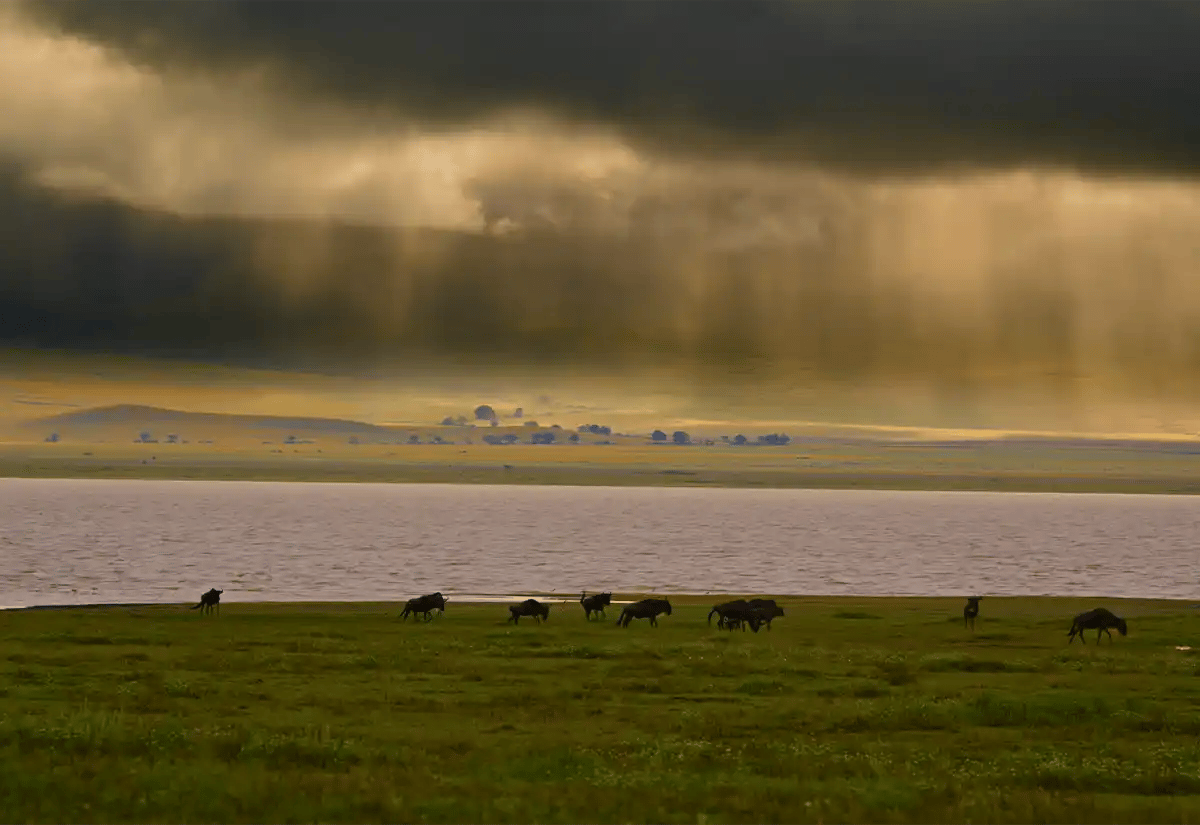
April is one of the wettest months in the Ngorongoro Crater, and while the rains can be persistent, the landscape is at its most vibrant—filled with dramatic skies and moody light. Some lodges may offer lower rates during this long rain season, and visitor numbers are at their lowest, making it a peaceful time to experience the crater without the crowds.
Wildlife is still abundant, although some roads on the crater rim or in surrounding areas may become difficult to navigate. This is a great month for travelers who prioritize solitude, scenery, and don’t mind packing rain gear in exchange for amazing views.
+
Ngorongoro Crater in May: Shoulder season beauty and fewer crowds
Long Rain Season
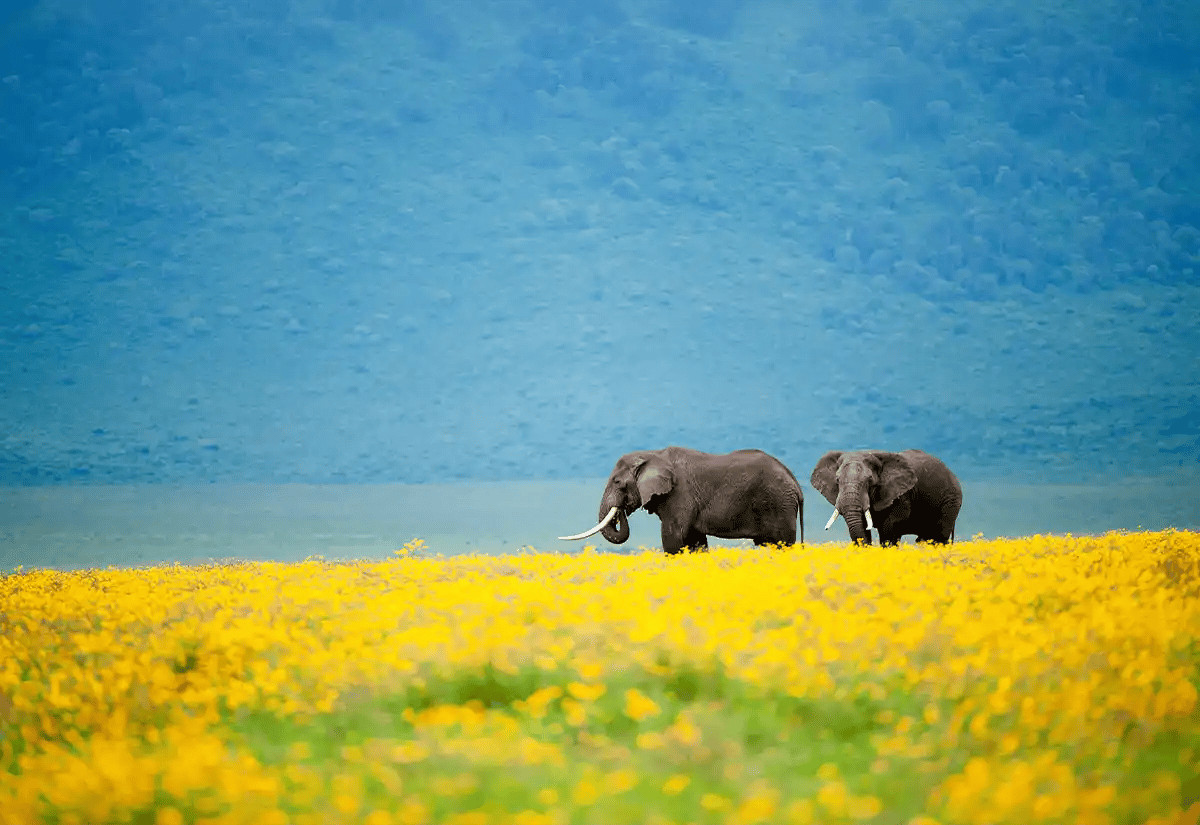
May is still part of the long rainy season in Ngorongoro Crater, but rainfall typically begins to ease toward the end of the month. The landscape is striking, bursting with green and dotted with wildflowers, which makes it a rewarding time for landscape photography and birdwatching.
Fewer tourists visit during this shoulder season, so travelers can enjoy quieter game drives and more personal experiences at lodges. While wildlife remains active, some animals may be slightly more dispersed across the crater floor. Road conditions can still be challenging in places, especially on the rim, but for travelers looking to avoid crowds and enjoy dramatic scenery, May has its perks.
+
Ngorongoro Crater in June: Dry season begins and wildlife concentrates
Dry Season
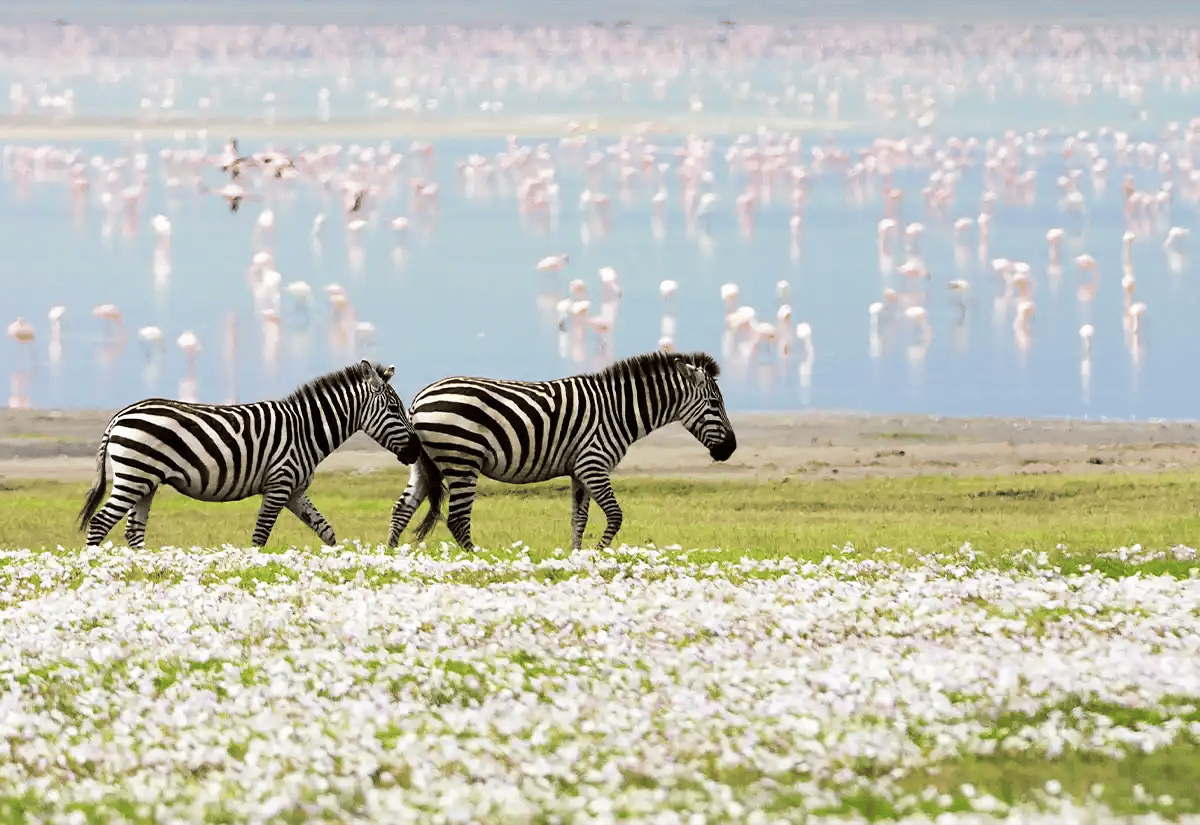
June brings the start of the dry season and is considered one of the best times to visit Ngorongoro Crater in Tanzania. The rain has cleared, the skies are bright, and the receding grasses improve visibility for wildlife spotting. Animals tend to congregate more densely around the crater’s permanent water sources, making game drives full of exciting sighting opportunities.
Temperatures are cool and comfortable, particularly in the early mornings and evenings, so warm layers are recommended. Tourist numbers begin to rise as safari season kicks into gear, but it’s not yet at peak volume, making June a sweet spot for both weather and crowd balance.
+
Ngorongoro Crater in July: Peak safari season with excellent visibility
Dry Season
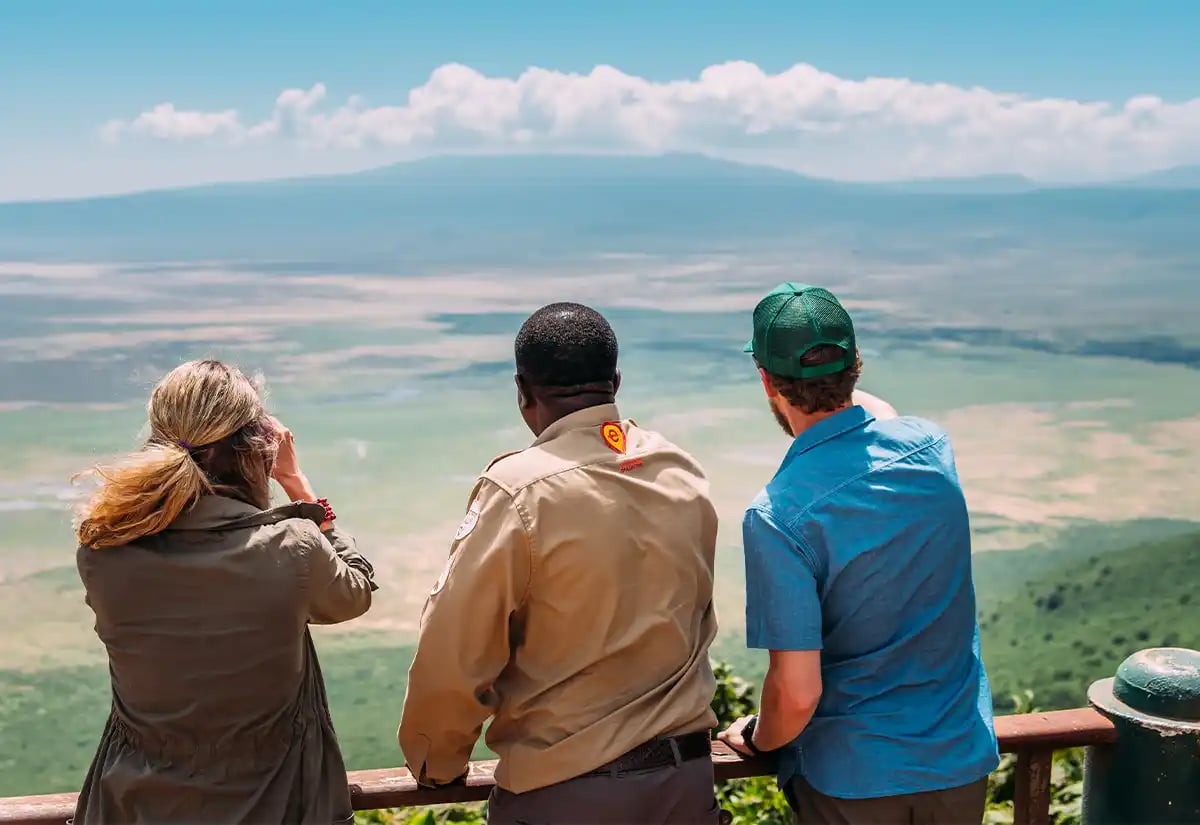
July is prime dry season in the Ngorongoro Conservation Area, bringing sunny days, minimal rain, and excellent game viewing conditions. The crater floor is more open as grasses dry out, making it easier to spot predators and prey alike. Wildlife tends to gather around waterholes, and the cool, crisp mornings create perfect conditions for early game drives.
With school holidays in full swing, this is one of the busiest months for tourism in the region, so travelers should book early to secure preferred lodges and guides. Despite the popularity, the experience remains exceptional thanks to the density of wildlife and consistently good weather.
+
Ngorongoro Crater in August: Cool weather and top wildlife viewing
Dry Season
August continues the dry, cool conditions that define the high season in Ngorongoro Crater. Visibility is at its best, and animal activity is reliably high, with many species clustering in the open grasslands or near freshwater areas. Mornings can be chilly, especially on the crater rim, but daytime temperatures are pleasant for exploring.
August is also a good month to combine your Ngorongoro trip with the Serengeti, where the Great Migration is usually moving through the northern corridor. Expect high visitor numbers, particularly in mid-August, but the consistent wildlife sightings and dramatic views make it worth it.
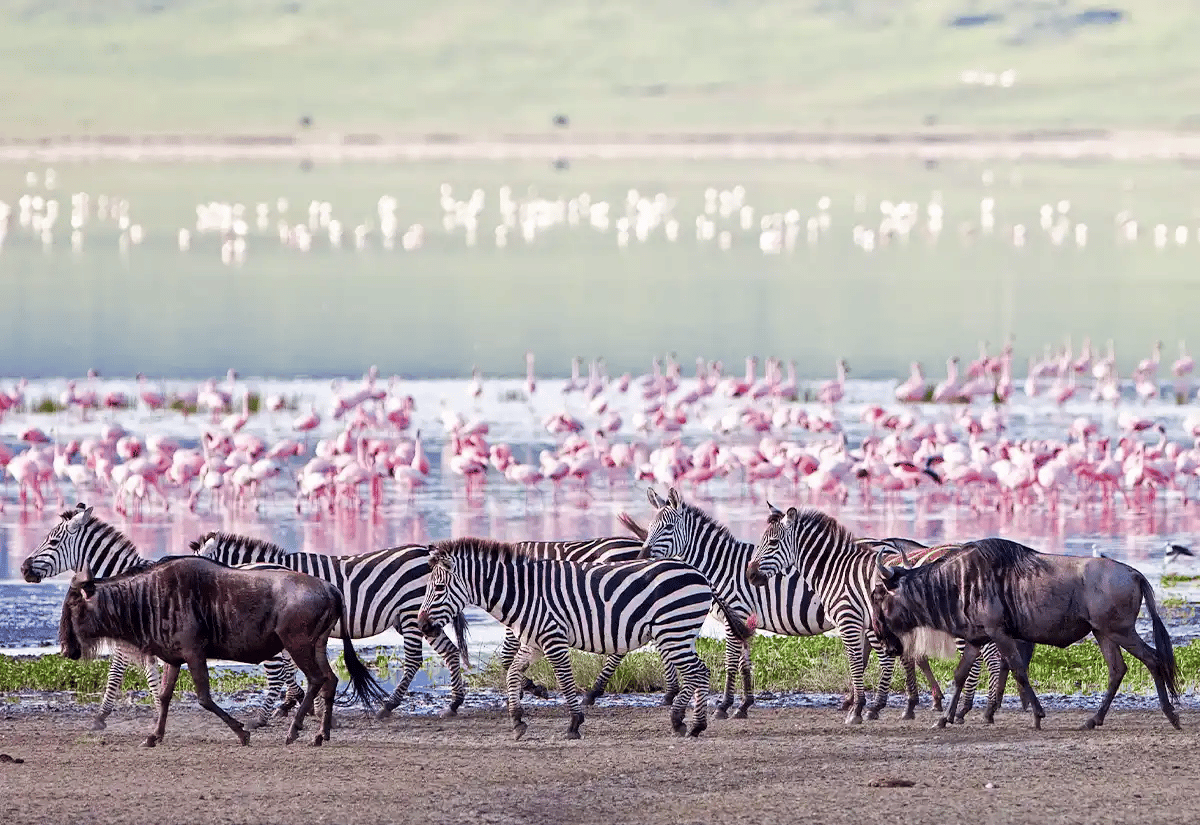
+
Ngorongoro Crater in September: End of dry season, ideal conditions
Dry Season
September in the Ngorongoro Crater offers ideal conditions for wildlife viewing. The grasses are short and visibility is excellent, allowing for easy spotting of lions, hyenas, elephants, and more. While Ngorongoro is still one of Tanzania’s most popular destinations this time of year, the crowds are slightly thinned from July and August. This month allows a slightly quieter safari experience without compromising on quality.
The weather stays dry and mild, with cool mornings and warm afternoons. September is also a good time for photographers, thanks to clear skies and soft light across the crater floor.
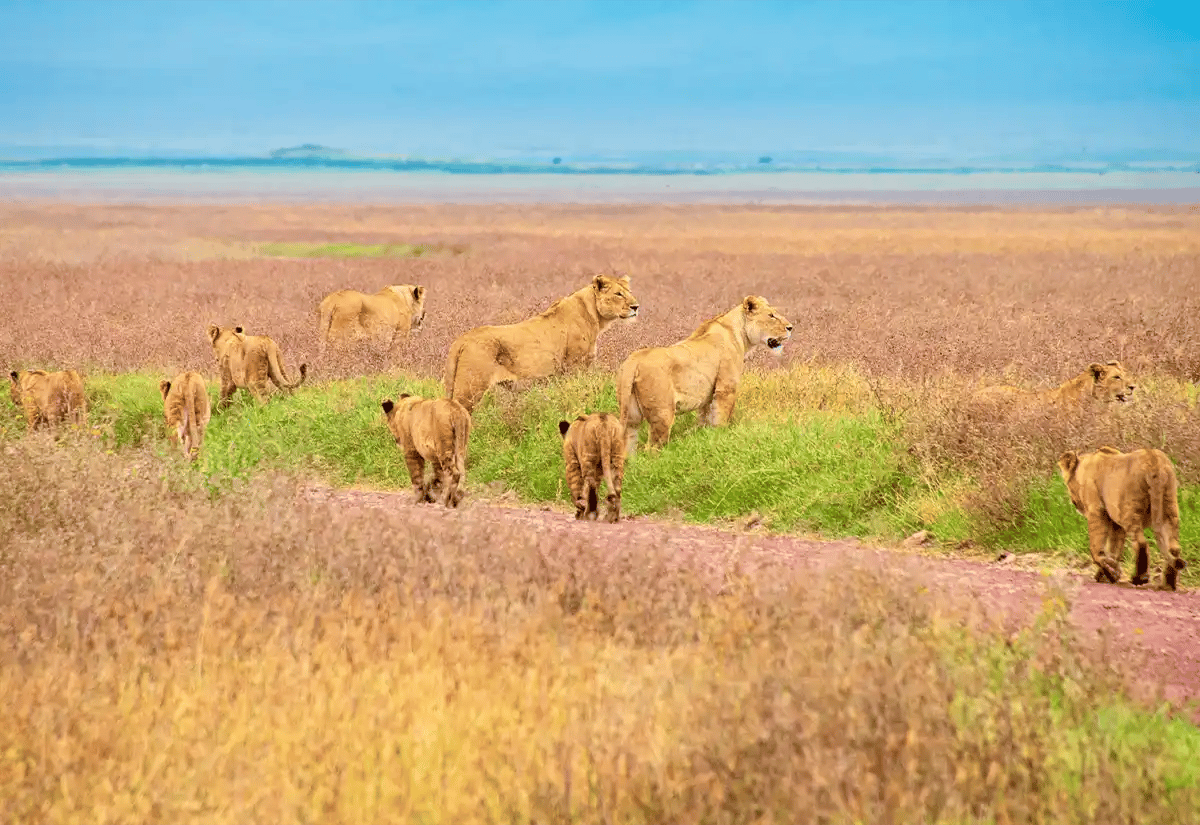
+
Ngorongoro Crater in October: Transition to green with great sightings
Dry Season
October is a transitional month in the Ngorongoro Conservation Area, as the long dry season winds down and the short rain may begin late in the month. Early October still offers dry conditions and reliable wildlife viewing, while late October brings a fresh, green tint to the landscape.
The wildlife remains concentrated near water sources, and visitor numbers are moderate. Bird activity also begins to increase, with the arrival of migratory species signaling the shift into the short rainy season.
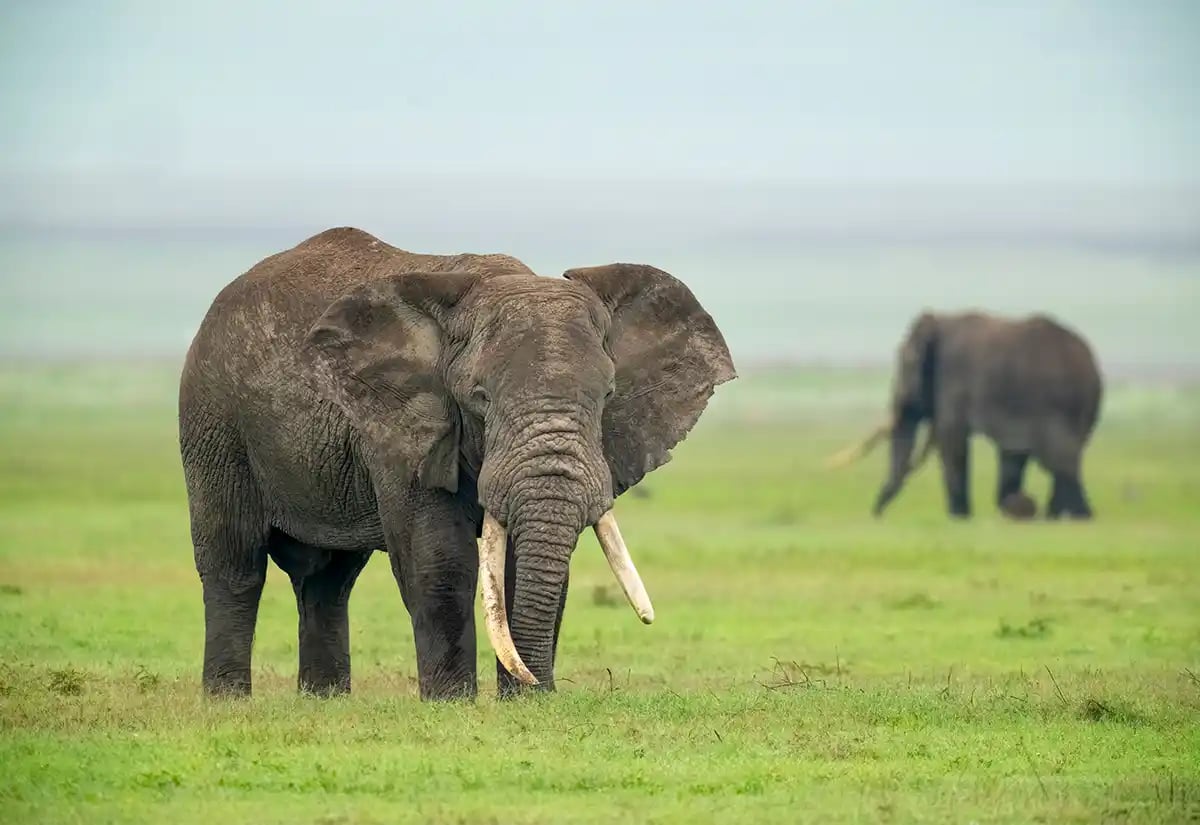
+
Ngorongoro Crater in November: Short rain and refreshed scenery
Short Rain Season
November ushers in the short rain in the Ngorongoro Crater, typically in the form of brief afternoon showers rather than all-day downpours. The landscape quickly transforms from dry and dusty to fresh and green, attracting herbivores to new grazing areas and drawing predators close behind.
While some travelers shy away from the rain, this is actually a lovely time to visit. Wildlife is abundant, roads are still mostly passable, and crowds are thinner compared to peak season. It’s a good month for those who want a more peaceful safari experience without sacrificing quality game viewing.
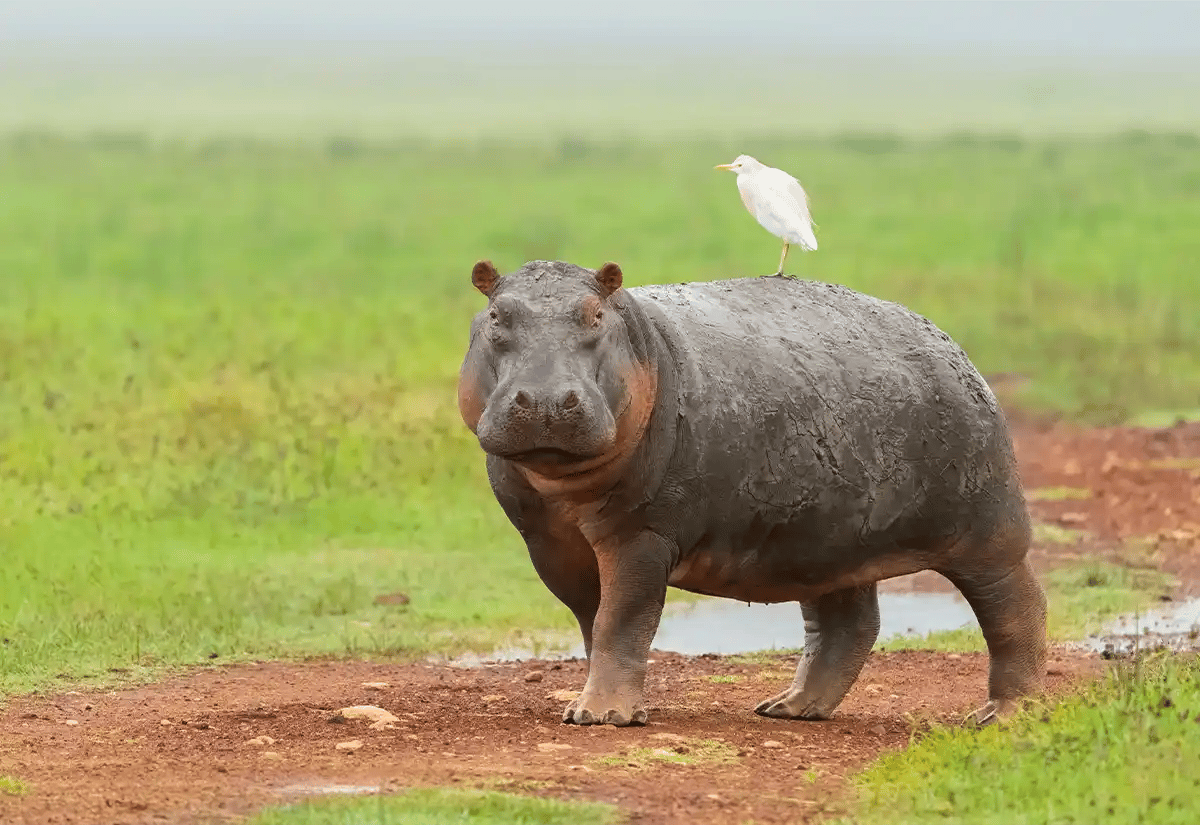
+
Ngorongoro Crater in December: Rich views and festive safari travel
Short Rain Season
December is a dynamic month in Ngorongoro Crater, with the short rain tapering off and the festive season bringing a rise in tourism. The crater is lush, temperatures are mild, and wildlife viewing continues to be excellent, with resident species still highly visible around the crater floor.
It’s also a great time to combine a Tanzania crater safari with holiday travel, though lodges can book up quickly. For those visiting around Christmas or New Year’s, early planning is key to securing the best accommodations and guides during this popular travel window.
+
Ngorongoro Crater in January: Green landscapes and calving season nearby
Green Season
January falls in the middle of the short dry season in the Ngorongoro Crater, bringing mild daytime temperatures, cooler nights, and generally clear skies. It’s an excellent time for photography, with crisp air and vivid landscapes. The atmosphere feels refreshed from the short rain but without the heavy downpours. Wildlife viewing is strong as permanent water sources in the crater keep animals close.
Nearby in Ndutu, the Great Migration begins its calving season, offering travelers the chance to witness thousands of wildebeest births and heightened predator activity just a short drive south. Visitor numbers begin to rise slightly after the holidays, but the crater is still less crowded than peak months later in the year.
Ngorongoro Crater in February: Great conditions and predator action
Green Season
February continues the dry spell, making it a great time to visit the Ngorongoro Conservation Area with minimal rain interruption. The crater remains green and lively, supporting healthy herds of zebra, wildebeest, and buffalo, as well as predators taking advantage of abundant prey. With the calving season in full swing in nearby Ndutu, this is one of the best months to combine a Ngorongoro safari with a trip south to see dramatic predator-prey interactions.
The roads are typically in good condition, game viewing is reliable, and temperatures stay pleasant: warm during the day and cool at night. February is a favorite for photographers and travelers looking to avoid the busier high season in mid-year.
Ngorongoro Crater in March: Lush scenery with early rain
Green Season
March marks the start of the long rainy season in the Ngorongoro Conservation Area, typically beginning mid-month. Early March can still offer decent weather and wildlife visibility, but conditions gradually become wetter and more unpredictable.
The crater remains beautiful and green, and while some animals may move to higher ground, the permanent water sources ensure that most wildlife—including elephants, lions, and hippos—remain visible. Birdwatching is particularly good now, with migratory species present. Tourism begins to taper off, making it a quieter time to visit for those who don’t mind the chance of rain and slightly muddier conditions.
Ngorongoro Crater in April: Wet season solitude and vibrant views
Long Rain Season
April is one of the wettest months in the Ngorongoro Crater, and while the rains can be persistent, the landscape is at its most vibrant—filled with dramatic skies and moody light. Some lodges may offer lower rates during this long rain season, and visitor numbers are at their lowest, making it a peaceful time to experience the crater without the crowds.
Wildlife is still abundant, although some roads on the crater rim or in surrounding areas may become difficult to navigate. This is a great month for travelers who prioritize solitude, scenery, and don’t mind packing rain gear in exchange for amazing views.
Ngorongoro Crater in May: Shoulder season beauty and fewer crowds
Long Rain Season
May is still part of the long rainy season in Ngorongoro Crater, but rainfall typically begins to ease toward the end of the month. The landscape is striking, bursting with green and dotted with wildflowers, which makes it a rewarding time for landscape photography and birdwatching.
Fewer tourists visit during this shoulder season, so travelers can enjoy quieter game drives and more personal experiences at lodges. While wildlife remains active, some animals may be slightly more dispersed across the crater floor. Road conditions can still be challenging in places, especially on the rim, but for travelers looking to avoid crowds and enjoy dramatic scenery, May has its perks.
Ngorongoro Crater in June: Dry season begins and wildlife concentrates
Dry Season
June brings the start of the dry season and is considered one of the best times to visit Ngorongoro Crater in Tanzania. The rain has cleared, the skies are bright, and the receding grasses improve visibility for wildlife spotting. Animals tend to congregate more densely around the crater’s permanent water sources, making game drives full of exciting sighting opportunities.
Temperatures are cool and comfortable, particularly in the early mornings and evenings, so warm layers are recommended. Tourist numbers begin to rise as safari season kicks into gear, but it’s not yet at peak volume, making June a sweet spot for both weather and crowd balance.
Ngorongoro Crater in July: Peak safari season with excellent visibility
Dry Season
July is prime dry season in the Ngorongoro Conservation Area, bringing sunny days, minimal rain, and excellent game viewing conditions. The crater floor is more open as grasses dry out, making it easier to spot predators and prey alike. Wildlife tends to gather around waterholes, and the cool, crisp mornings create perfect conditions for early game drives.
With school holidays in full swing, this is one of the busiest months for tourism in the region, so travelers should book early to secure preferred lodges and guides. Despite the popularity, the experience remains exceptional thanks to the density of wildlife and consistently good weather.
Ngorongoro Crater in August: Cool weather and top wildlife viewing
Dry Season
August continues the dry, cool conditions that define the high season in Ngorongoro Crater. Visibility is at its best, and animal activity is reliably high, with many species clustering in the open grasslands or near freshwater areas. Mornings can be chilly, especially on the crater rim, but daytime temperatures are pleasant for exploring.
August is also a good month to combine your Ngorongoro trip with the Serengeti, where the Great Migration is usually moving through the northern corridor. Expect high visitor numbers, particularly in mid-August, but the consistent wildlife sightings and dramatic views make it worth it.
Ngorongoro Crater in September: End of dry season, ideal conditions
Dry Season
September in the Ngorongoro Crater offers ideal conditions for wildlife viewing. The grasses are short and visibility is excellent, allowing for easy spotting of lions, hyenas, elephants, and more. While Ngorongoro is still one of Tanzania’s most popular destinations this time of year, the crowds are slightly thinned from July and August. This month allows a slightly quieter safari experience without compromising on quality.
The weather stays dry and mild, with cool mornings and warm afternoons. September is also a good time for photographers, thanks to clear skies and soft light across the crater floor.
Ngorongoro Crater in October: Transition to green with great sightings
Dry Season
October is a transitional month in the Ngorongoro Conservation Area, as the long dry season winds down and the short rain may begin late in the month. Early October still offers dry conditions and reliable wildlife viewing, while late October brings a fresh, green tint to the landscape.
The wildlife remains concentrated near water sources, and visitor numbers are moderate. Bird activity also begins to increase, with the arrival of migratory species signaling the shift into the short rainy season.
Ngorongoro Crater in November: Short rain and refreshed scenery
Short Rain Season
November ushers in the short rain in the Ngorongoro Crater, typically in the form of brief afternoon showers rather than all-day downpours. The landscape quickly transforms from dry and dusty to fresh and green, attracting herbivores to new grazing areas and drawing predators close behind.
While some travelers shy away from the rain, this is actually a lovely time to visit. Wildlife is abundant, roads are still mostly passable, and crowds are thinner compared to peak season. It’s a good month for those who want a more peaceful safari experience without sacrificing quality game viewing.
Ngorongoro Crater in December: Rich views and festive safari travel
Short Rain Season
December is a dynamic month in Ngorongoro Crater, with the short rain tapering off and the festive season bringing a rise in tourism. The crater is lush, temperatures are mild, and wildlife viewing continues to be excellent, with resident species still highly visible around the crater floor.
It’s also a great time to combine a Tanzania crater safari with holiday travel, though lodges can book up quickly. For those visiting around Christmas or New Year’s, early planning is key to securing the best accommodations and guides during this popular travel window.
+
+
+
+
+
+
+
+
+
+
+
+

Wildlife in Ngorongoro Crater
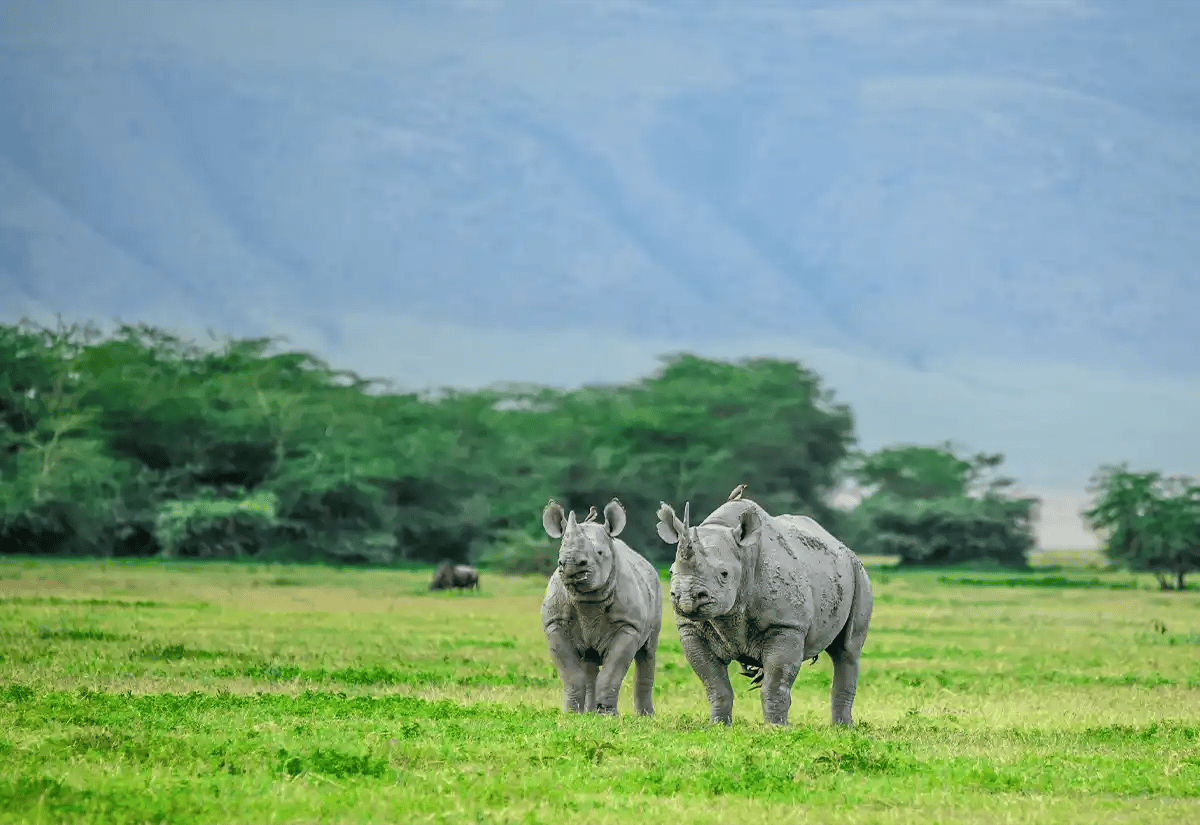
Ngorongoro’s mix of grasslands, swamps, forest, and freshwater springs supports one of the most concentrated and diverse wildlife populations in Africa, making for exceptional year-round viewing.
Black Rhinos
Critically endangered and elusive, black rhinos find refuge in the crater’s protected and well-monitored terrain.
Lions
Ngorongoro’s lion population is known for its size and visibility, often spotted lounging in the open plains.
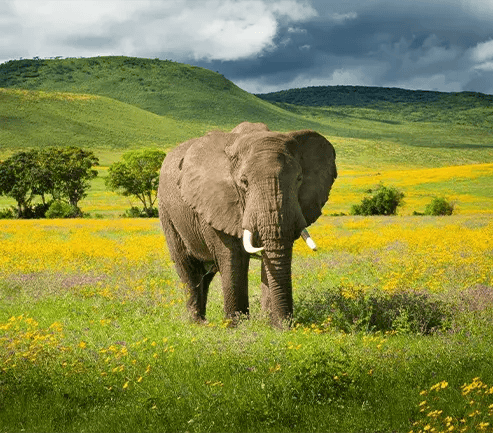
Elephants
Large, solitary bulls and small herds roam the crater floor, especially near swamps and water sources.
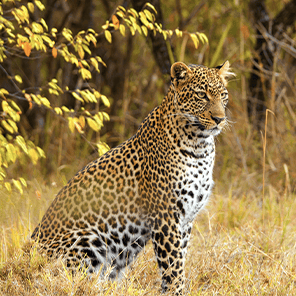
Leopards
Shy and stealthy, leopards are most often seen in the Lerai Forest, blending into the trees or moving at dusk.
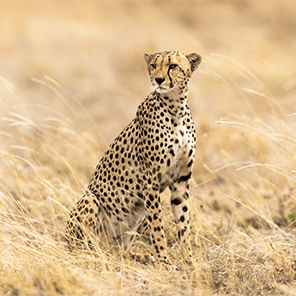
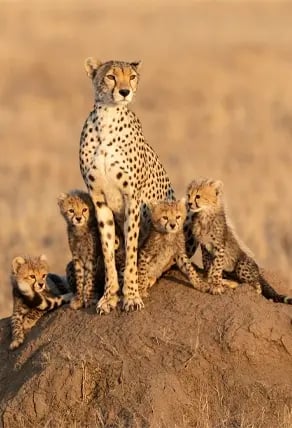
Cheetahs
These agile predators favor the open grasslands, where they rely on speed to hunt in the daylight hours.
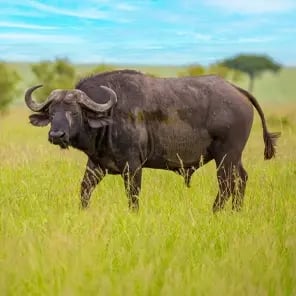
African Buffalo
Buffalo are among the most commonly seen large herbivores in the crater, often in large, tightly grouped herds.
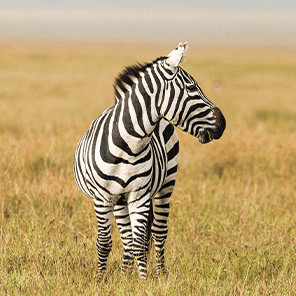
Zebras
Zebras are abundant year-round, grazing alongside wildebeest in the crater’s open grasslands and floodplains.
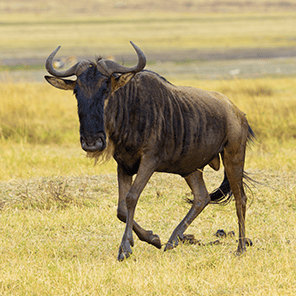
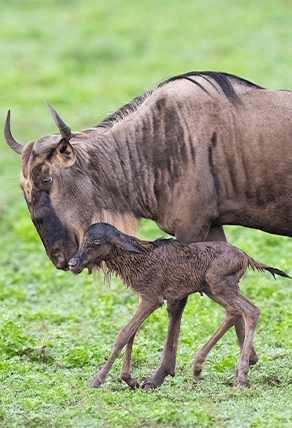
Wildebeest
Though most migrate, a resident population remains in the crater, mingling with zebras and drawing predators.
Black Rhinos
Critically endangered and elusive, black rhinos find refuge in the crater’s protected and well-monitored terrain.
Lions
Ngorongoro’s lion population is known for its size and visibility, often spotted lounging in the open plains.
Elephants
Large, solitary bulls and small herds roam the crater floor, especially near swamps and water sources.
Leopards
Shy and stealthy, leopards are most often seen in the Lerai Forest, blending into the trees or moving at dusk.
Cheetahs
These agile predators favor the open grasslands, where they rely on speed to hunt in the daylight hours.
African Buffalo
Buffalo are among the most commonly seen large herbivores in the crater, often in large, tightly grouped herds.
Zebras
Zebras are abundant year-round, grazing alongside wildebeest in the crater’s open grasslands and floodplains.
Wildebeest
Though most migrate, a resident population remains in the crater, mingling with zebras and drawing predators.
.webp?width=1532&height=663&name=Ngorongoro%20Tortilis%20Camps%20(1).webp)
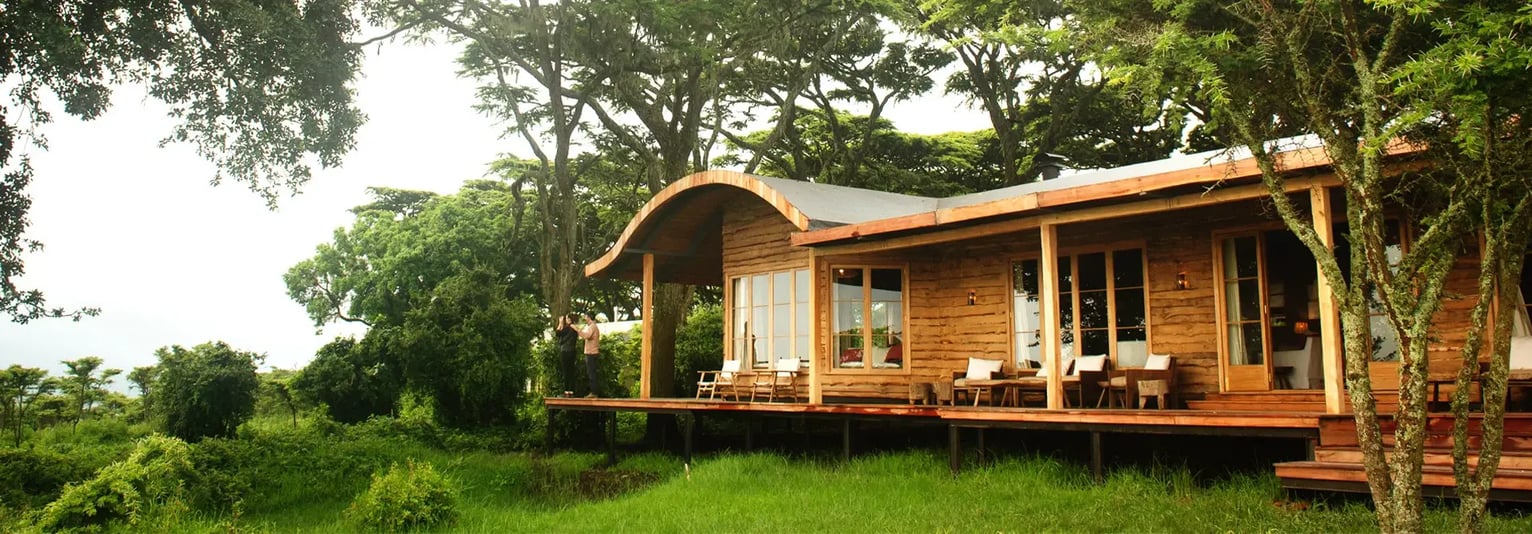
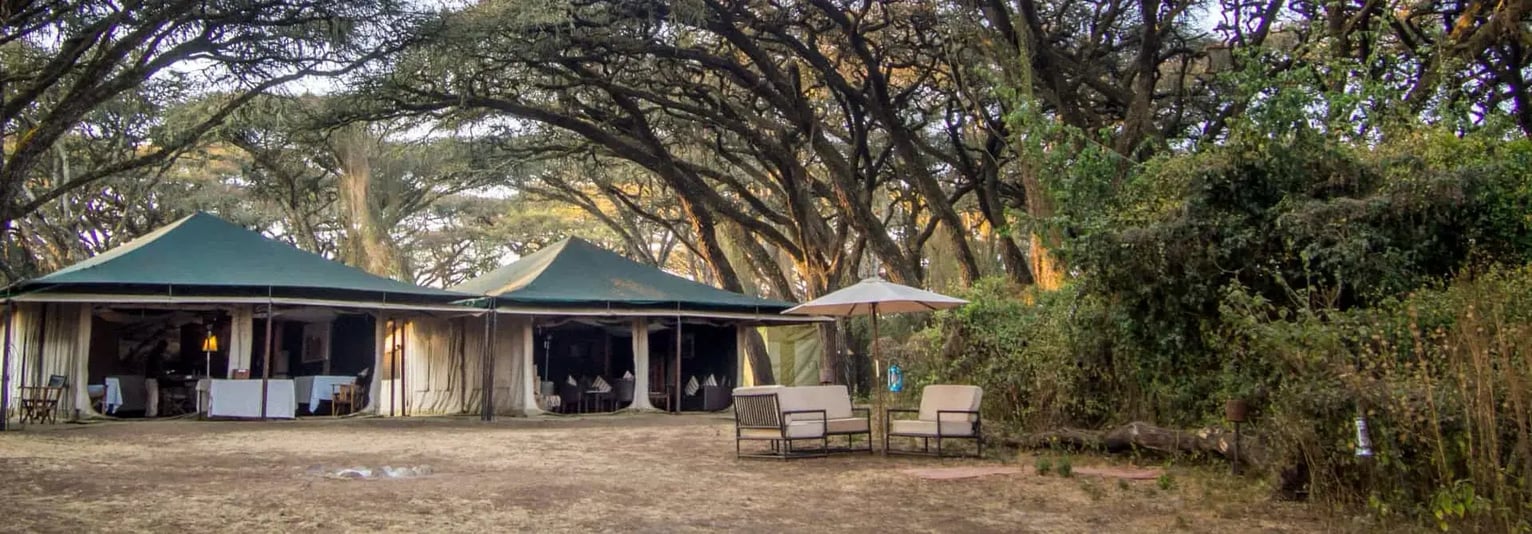
Where to Stay in Ngorongoro
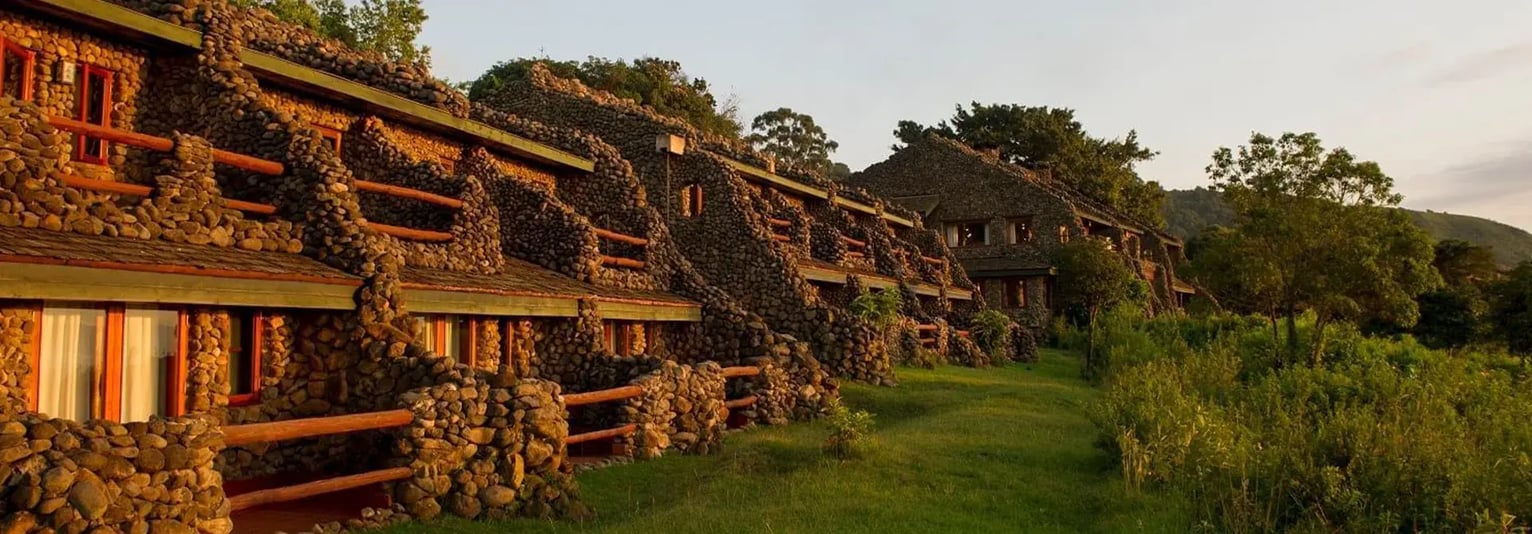
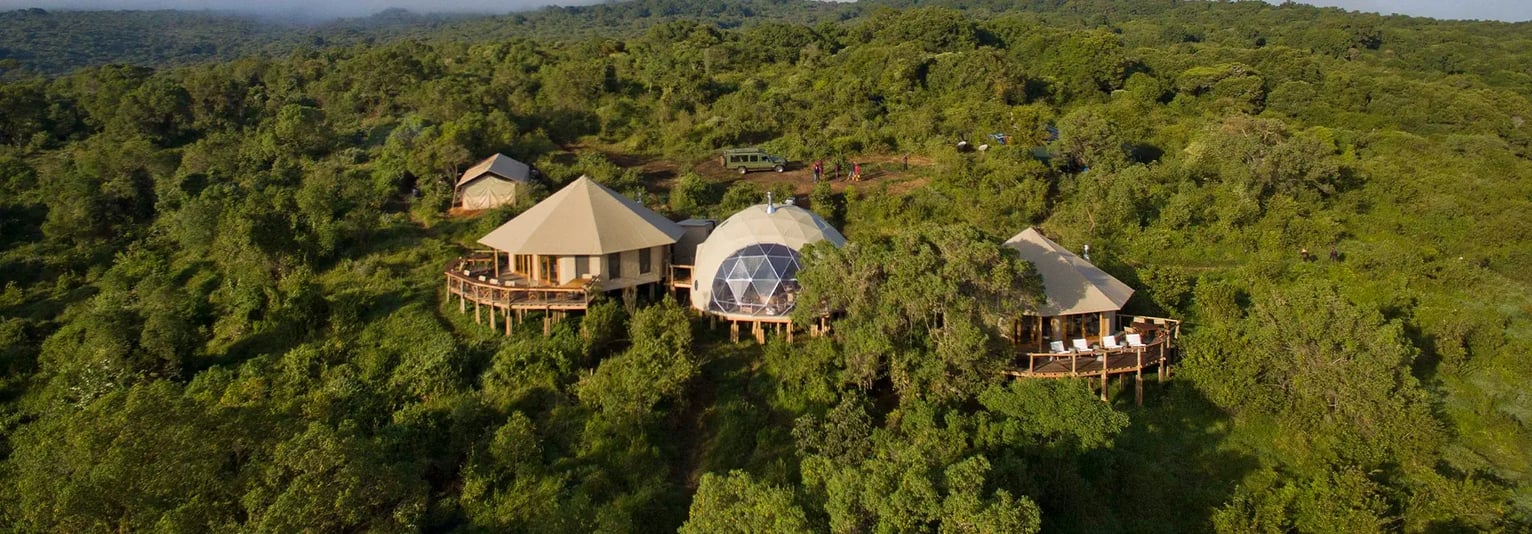
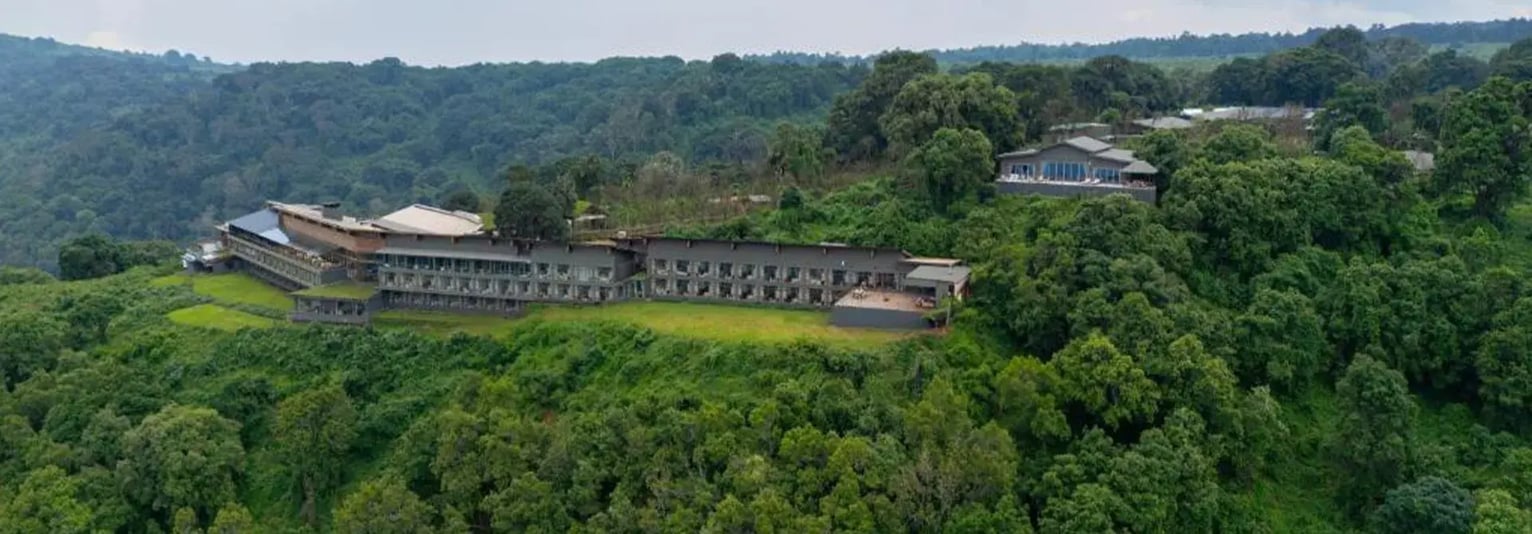
From luxury lodges with crater views to tented forest camps, Ngorongoro Conservation Area features a variety of accommodation options.

Ngorongoro Serena...
Ngorongoro Serena.

The Highlands
Discover the beautiful.
.webp?width=86&height=100&name=Ngorongoro%20Tortilis%20Camps%20(1).webp)
Ngorongoro...
Ngorongoro Tortilis.

Ngorongoro Lodge...
A unique experience at.

Entamanu...
Our Entamanu Camp is a.

Sanctuary...
Experience the magic of.


More Tanzania Safaris and Zanzibar Holidays
Most Popular
.png?width=296&height=70&name=Pattern%20(2).png)
$1,350 (2pax) USD
12 Days Serengeti Lions and Wildebeest Migration Safari

98 people viewing now
Best Seller
$3,001 (2pax) USD
Days Serengeti Lions and Wildebeest Migration Safari
115 people viewing now
Most Popular
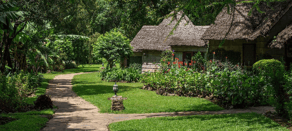
$1,400 (2pax) USD
A Days Serengeti Lions and Wildebeest Migration Safari
97 people viewing now
Most Popular
$1,350 (2pax) USD
12 Days Serengeti Lions and Wildebeest Migration Safari
43 people viewing now
Best Seller
$3,001 (2pax) USD
Days Serengeti Lions and Wildebeest Migration Safari
53 people viewing now
Most Popular
$1,400 (2pax) USD
A Days Serengeti Lions and Wildebeest Migration Safari
66 people viewing now
Most Popular
$1,350 (2pax) USD
12 Days Serengeti Lions and Wildebeest Migration Safari
18 people viewing now
Best Seller
$3,001 (2pax) USD
Days Serengeti Lions and Wildebeest Migration Safari
105 people viewing now
Best Seller
$3,001 (2pax) USD
Days Serengeti Lions and Wildebeest Migration Safari
16 people viewing now
Best Seller
$3,001 (2pax) USD
Days Serengeti Lions and Wildebeest Migration Safari
14 people viewing now
Best Seller
$3,001 (2pax) USD
Days Serengeti Lions and Wildebeest Migration Safari
32 people viewing now
Most Popular
$1,400 (2pax) USD
A Days Serengeti Lions and Wildebeest Migration Safari
25 people viewing now
Whatever is on your list of top Tanzania to-dos or African safari must-sees, we’ll make it happen.

Most Popular
$1,350 (2pax) USD
12 Days Serengeti Lions and Wildebeest Migration Safari
97 people viewing now
Best Seller
$3,001 (2pax) USD
Days Serengeti Lions and Wildebeest Migration Safari
30 people viewing now
Most Popular
$1,400 (2pax) USD
A Days Serengeti Lions and Wildebeest Migration Safari
62 people viewing now
Most Popular
$1,350 (2pax) USD
12 Days Serengeti Lions and Wildebeest Migration Safari
84 people viewing now
Best Seller
$3,001 (2pax) USD
Days Serengeti Lions and Wildebeest Migration Safari
70 people viewing now
Most Popular
$1,400 (2pax) USD
A Days Serengeti Lions and Wildebeest Migration Safari
32 people viewing now
Most Popular
$1,350 (2pax) USD
12 Days Serengeti Lions and Wildebeest Migration Safari
54 people viewing now
Best Seller
$3,001 (2pax) USD
Days Serengeti Lions and Wildebeest Migration Safari
41 people viewing now
Best Seller
$3,001 (2pax) USD
Days Serengeti Lions and Wildebeest Migration Safari
119 people viewing now
Best Seller
$3,001 (2pax) USD
Days Serengeti Lions and Wildebeest Migration Safari
90 people viewing now
Best Seller
$3,001 (2pax) USD
Days Serengeti Lions and Wildebeest Migration Safari
54 people viewing now
Most Popular
$1,400 (2pax) USD
A Days Serengeti Lions and Wildebeest Migration Safari
28 people viewing now
Whatever is on your list of top Tanzania to-dos or African safari must-sees, we’ll make it happen.
Frequently Asked Questions

Still have questions?
Contact Us, we are more than happy to help!
Where is the Ngorongoro Crater located?
The Ngorongoro Crater is in northern Tanzania, within the Ngorongoro Conservation Area, about 180 km west of Arusha. It lies along the popular northern safari circuit.
What is the Ngorongoro Crater and why is it special?
The Ngorongoro Crater is the world’s largest inactive, intact volcanic caldera. It formed over two million years ago and is now home to over 25,000 animals, all within a relatively compact area. A UNESCO World Heritage Site, its unique geography creates a self-contained ecosystem with exceptional biodiversity, making it one of Africa’s most iconic safari destinations.
How big is Ngorongoro Crater?
The Ngorongoro Crater spans roughly 260 square kilometers (100 square miles) and measures about 19 kilometers across, making it the largest intact volcanic caldera in the world. The crater rim rises about 610 meters (or 2,000 feet) above the caldera’s floor.
Is Ngorongoro Crater part of a national park?
While often referred to as Ngorongoro National Park, it’s actually part of the Ngorongoro Conservation Area, a UNESCO World Heritage Site that supports both wildlife and Maasai communities.
Can I take a day tour to the Ngorongoro Crater?
Yes, Ngorongoro Crater safari tours can be arranged as day trips from nearby areas like Arusha, Karatu, or Lake Manyara, making it an accessible stop on any northern Tanzania itinerary.
Is Ngorongoro Crater good for families to visit?
Yes, the Ngorongoro Crater is a great destination for families! The high density of wildlife means shorter drives between sightings, and many lodges in the area cater to travelers of all ages.
What wildlife can I expect to see?
The Ngorongoro Crater is home to over 25,000 animals, including elephants, zebras, buffalo, hippos, hyenas, and—if you're lucky—black rhinos. It even boasts one of the world’s highest densities of lions! Thanks to its enclosed environment and year-round water, wildlife sightings are reliably abundant.
How long do we spend on the crater floor while on safari?
Most Ngorongoro Crater safari experiences include about 4–6 hours on the crater floor, depending on park regulations and your chosen itinerary. This allows ample time for wildlife viewing and photography while preserving the delicate ecosystem.
Can I do a walking safari on the crater floor of the crater?
Walking safaris are not permitted inside the Ngorongoro Crater, but guided walks are available along the crater rim and in surrounding areas. These experiences offer incredible views, opportunities to learn about the ecosystem, and a peaceful, off-the-vehicle way to explore the Ngorongoro Conservation Area.
What is the best time of year to visit Ngorongoro's Crater for wildlife viewing?
The best time for wildlife viewing in Ngorongoro is during the dry season, from June to September. Animals are more likely to be found around water sources during these months. The calving season in early February also attracts many predators. However, Ngorongoro offers excellent wildlife viewing year-round.
Still have questions?
Contact Us, we are more than happy to help!
Explore Our Latest Articles
3.06.2025
23 Min Read
Kendwa Beach rests on Zanzibar Island. The beach is known far and wide because it is gorgeous. The sand on the beach is...

3.06.2025
23 Min Read
Kendwa Beach rests on Zanzibar Island. The beach is known far and wide because it is gorgeous. The...
Find Out Which Safari Tour Is Right For You
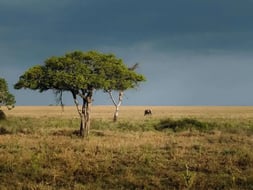
Want to pair your Ngorongoro safari with a visit to Tanzania’s other iconic parks, lakes, mountains, or beaches? Take a short quiz to see which spots we recommend.
More Tanzania Destinations To Visit
This is a park



Ndutu
Located in the southern Ngorongoro Conservation Area, Ndutu is a prime spot to witness the Great Migration during...
This is a park

Serengeti...
Just west of the Ngorongoro Crater, the Serengeti offers vast open plains and dramatic migration scenes, making it a...
This is a park
-svg.svg)
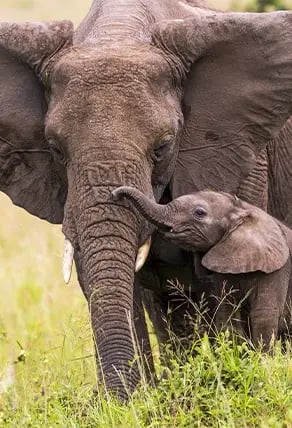


Tarangire...
A short drive from Ngorongoro, Tarangire is known for its large elephant herds, ancient baobabs, and seasonal river...
This is a park



Zanzibar
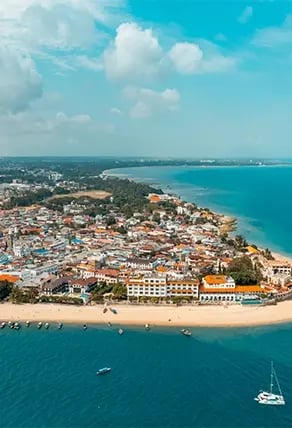
After exploring Ngorongoro and the northern safari circuit, unwind on Zanzibar’s white-sand beaches and explore the...