

.svg "Style-Guide (1)")


.svg)


Kendwa Beach rests on Zanzibar Island. The beach is known far and wide because it is gorgeous. The...






Mahale Mountains National Park
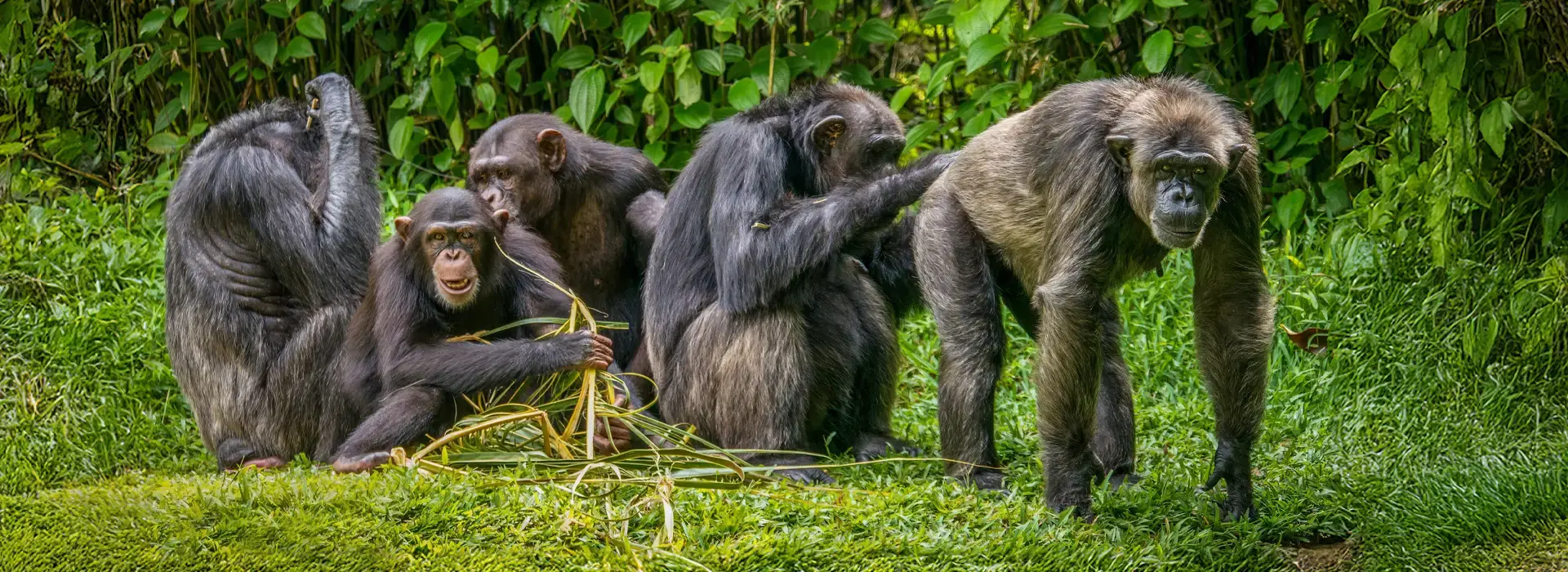
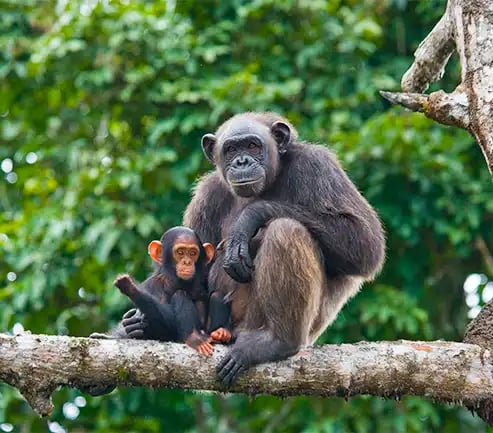
Cradled between emerald mountains and the glassy expanse of Lake Tanganyika, Mahale Mountains National Park is where true Tanzania wilderness meets serene beauty. Feel the call of nature as mist rises from forested slopes each morning, calls of distant chimpanzees echo through the canopy, and golden light sparkles along the lakeshore.

Endorsed by ATTA

Featured in National Geographic

BBC Wildlife

Rated Excellent by Trip Advisor
Mahale Mountains National Park
Cradled between emerald mountains and the glassy expanse of Lake Tanganyika, Mahale Mountains National Park is where true Tanzania wilderness meets serene beauty. Feel the call of nature as mist rises from forested slopes each morning, calls of distant chimpanzees echo through the canopy, and golden light sparkles along the lakeshore.
Endorsed by ATTA
Featured in National Geographic
BBC Wildlife
Rated Excellent by Trip Advisor
Things To Do in Mahale Mountains National Park
Despite its remote setting, Mahale Mountains National Park offers a wealth of immersive experiences and activities to soak in the environment, wildlife, and local culture. Whether you’re traversing through montane forests in search of a Mahale chimpanzee or snorkeling in the refreshing waters of Lake Tanganyika, excursions in this park are nothing short of captivating.

Chimpanzee Trekking
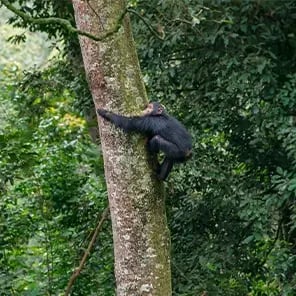
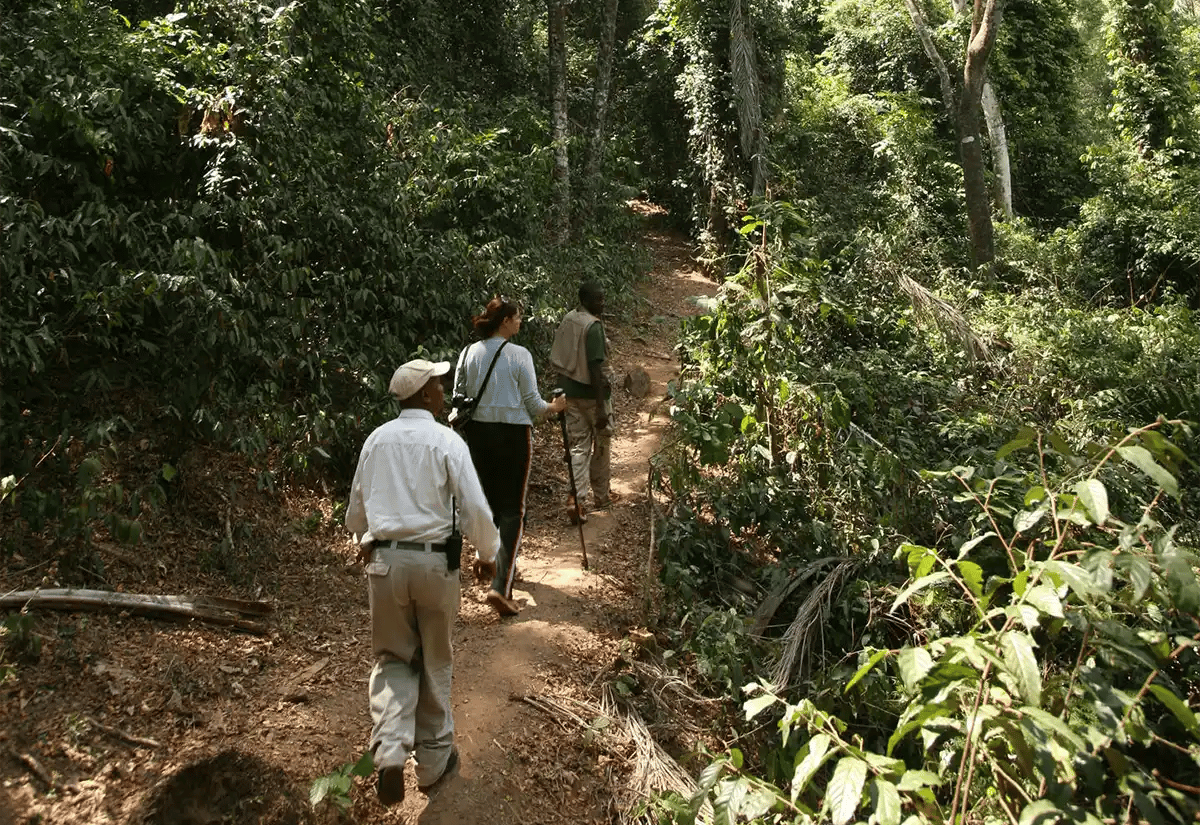
Trek through lush forest trails to track one of Africa’s largest populations of wild chimpanzees. For many, observing these primates in their natural environment is a thrilling, emotional experience.
Beaches & Boating
Relax on the sand or take to the water on a boat safari, spotting hippos and birds along the way. Get active and paddle along the shores on canoes and kayaks, or unwind with a traditional sunset dhow cruise.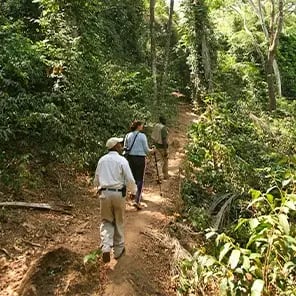
Hiking & Nature Walks
Explore forested mountain trails on foot with a guide, spotting wildlife and learning about Mahale’s rare plants, birds, and ecosystems along the way. Trails range from gentle walks to challenging hikes.
Cultural Activities
Visit nearby communities to learn about the lifestyle and traditions of the Tongwe people. From storytelling to drumming, cultural exchanges offer a deeper understanding of life around Mahale.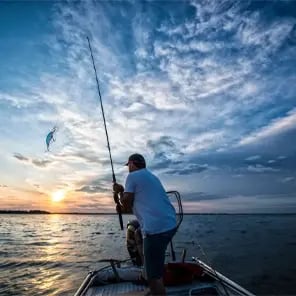
Fishing
Lake Tanganyika’s deep, clear waters are home to a variety of fish, including the prized yellow-belly and Nile perch. You can typically arrange fishing trips through local guides or your lodge.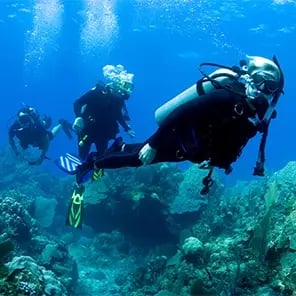
Snorkeling & Diving
Dive into Lake Tanganyika’s underwater world to discover vibrant cichlid fish species found nowhere else on Earth. Snorkeling and diving offer a totally different way to experience the wonder of Mahale.Things To Do in Mahale Mountains National Park
Despite its remote setting, Mahale Mountains National Park offers a wealth of immersive experiences and activities to soak in the environment, wildlife, and local culture. Whether you’re traversing through montane forests in search of a Mahale chimpanzee or snorkeling in the refreshing waters of Lake Tanganyika, excursions in this park are nothing short of captivating.
Chimpanzee Trekking
Trek through lush forest trails to track one of Africa’s largest populations of wild chimpanzees. For many, observing these primates in their natural environment is a thrilling, emotional experience.
Beaches & Boating
Relax on the sand or take to the water on a boat safari, spotting hippos and birds along the way. Get active and paddle along the shores on canoes and kayaks, or unwind with a traditional sunset dhow cruise.
Hiking & Nature Walks
Explore forested mountain trails on foot with a guide, spotting wildlife and learning about Mahale’s rare plants, birds, and ecosystems along the way. Trails range from gentle walks to challenging hikes.
Cultural Activities
Visit nearby communities to learn about the lifestyle and traditions of the Tongwe people. From storytelling to drumming, cultural exchanges offer a deeper understanding of life around Mahale.
Fishing
Lake Tanganyika’s deep, clear waters are home to a variety of fish, including the prized yellow-belly and Nile perch. You can typically arrange fishing trips through local guides or your lodge.
Snorkeling & Diving
Dive into Lake Tanganyika’s underwater world to discover vibrant cichlid fish species found nowhere else on Earth. Snorkeling and diving offer a totally different way to experience the wonder of Mahale.The Best Time to Visit Mahale Mountains National Park
Visiting Mahale Mountains National Park is all about choosing the kind of experience you want. Whether you're drawn to the clear skies and high wildlife activity of the dry season or the greenery and solitude of the rain, Mahale offers something beautiful and unforgettable year-round.
average
good
best
.svg)
Jan
Feb

Mar
Apr
May
.svg)
Jun
Jul
Aug
Sep
Oct
.svg)
Nov
Dec
Jan
Feb
Mar
Apr
May
Jun
Jul
Aug
Sep
Oct
Nov
Dec
Mahale in January: Quiet Shores & Emerald Peaks
Green Season
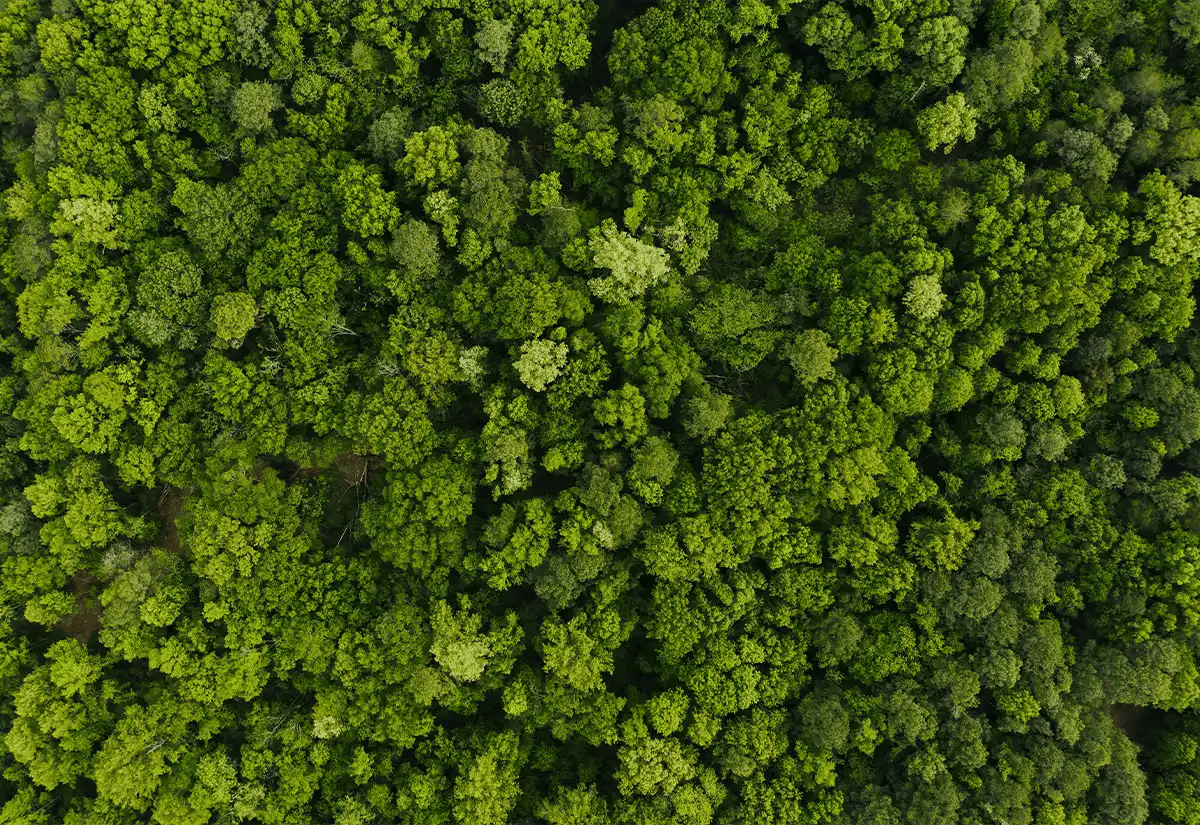
January falls within Mahale’s short rainy season, bringing lush, vibrant greenery to the forested slopes and a quieter atmosphere to the park. The rain storms are typically light and intermittent rather than constant, making it a good time for travelers who don’t mind a little moisture in exchange for solitude and vivid scenery.
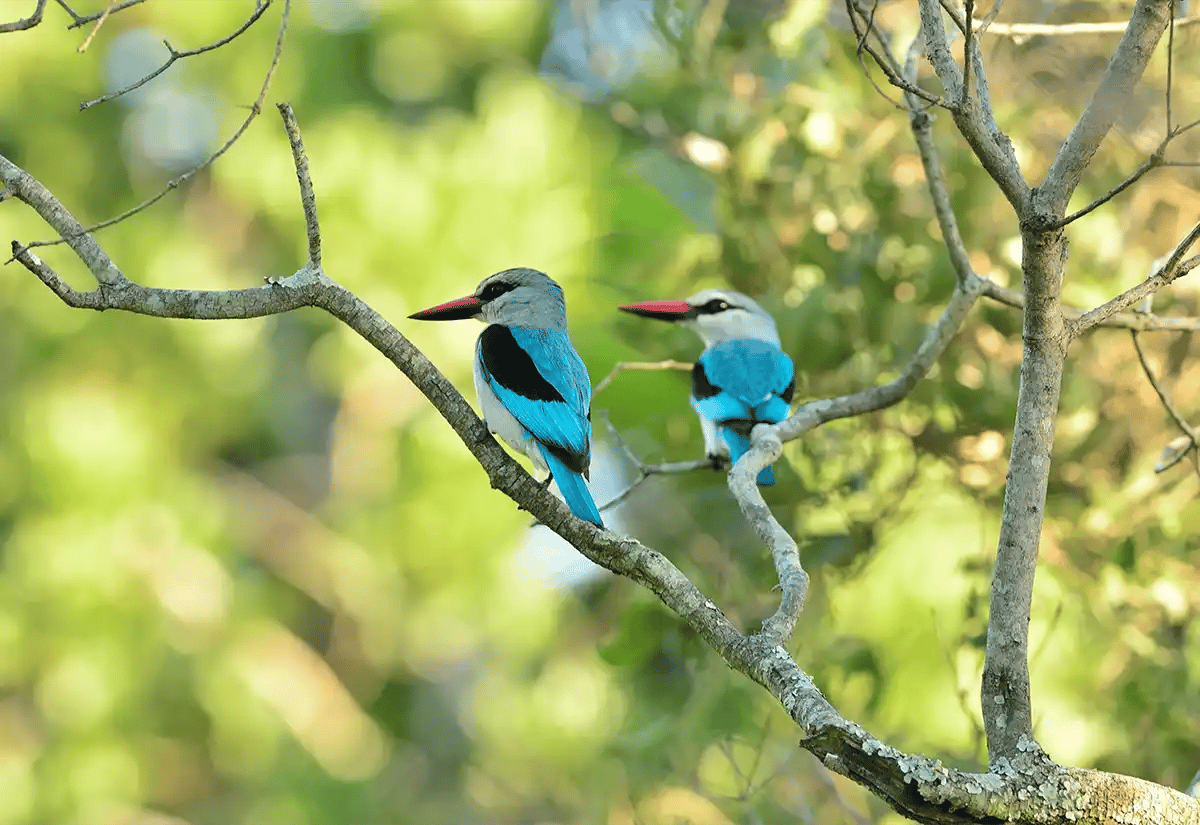
Chimpanzee sightings can be more unpredictable, as food sources are plentiful and the chimps roam deeper into the forest, but the experience—if you find them—is especially magical amid the misty trees and fresh growth. Birdwatching is excellent this time of year, with a variety of migratory species joining the park’s resident birdlife. The lake is warm and calm, perfect for swimming or lounging on the beaches between light showers.

+
Mahale in February: A Rich Escape Before the Rain Intensifies
Green Season
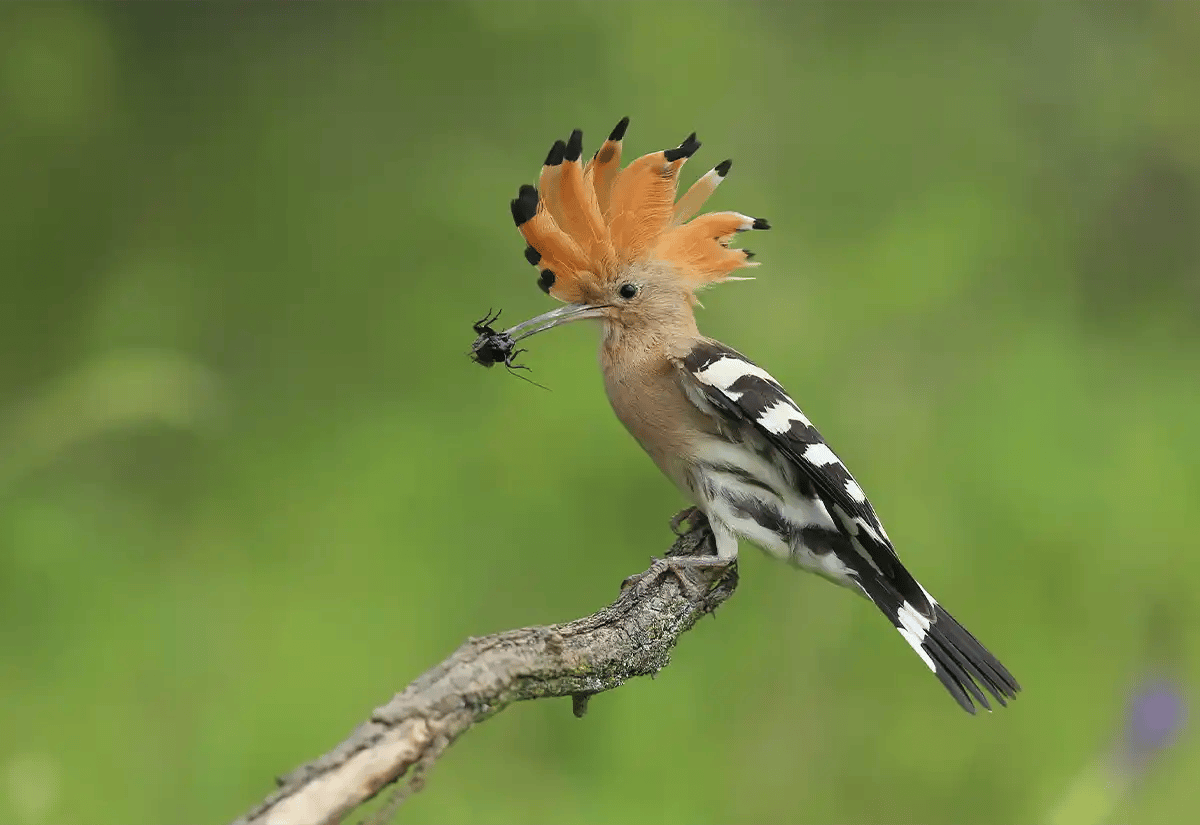
February continues the green season in Mahale, offering a similar tranquil and low-traffic experience as January. The forests are at their most vibrant, teeming with birdlife, butterflies, and rich plant diversity. While chimpanzee encounters are still possible, they often require more time and effort as the chimps remain widely dispersed.
For those who love photography or nature walks, this is a prime time for capturing the park’s moody, dramatic beauty. The rain begins to pick up slightly toward the end of the month, but storms are usually short-lived and followed by clear skies. With fewer travelers, accommodations are peaceful, and the overall experience feels more personal and immersive.
+
Mahale in March: Shifting Seasons & Bursts of Life
Green Season
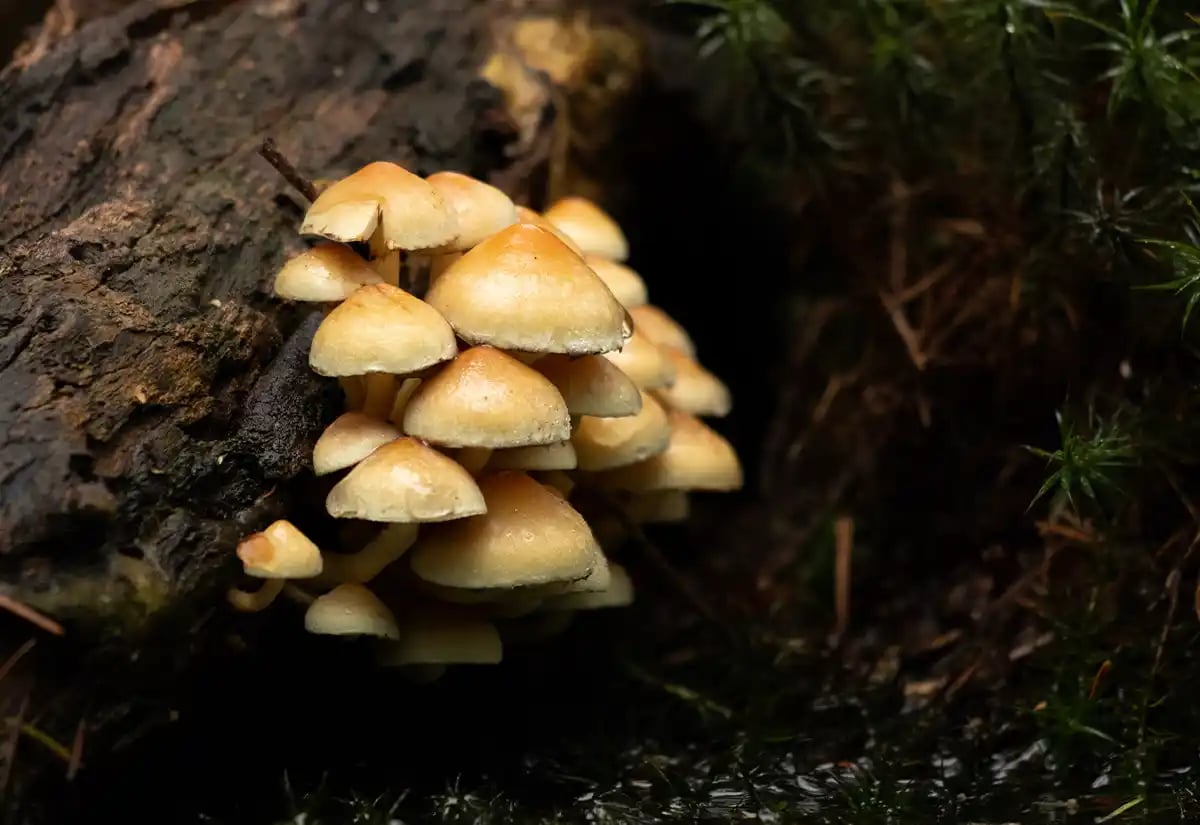
March marks the transition into the long rainy season, with heavier showers becoming more frequent by mid-month. But don’t let the word “rainy” deter you as Mahale Mountains National Park is nothing short of electric this time of year. New plant growth flourishes across the mountain slopes, forest clearings come alive with birdsong, and the forest floor is dotted with mushrooms, wildflowers, and insect activity.
The air feels heavy and full of life, often filled with the calls of unseen primates deep in the canopy. Chimpanzee tracking becomes more of a challenge, as they tend to travel farther in search of food, but sightings—when they happen—are especially rewarding. Trails may be muddy, but you’ll feel a deep sense of adventure if you don’t mind getting your boots dirty.
+
Mahale in April: Rain-Fed Stillness & Forest Solitude
Long Rain Season
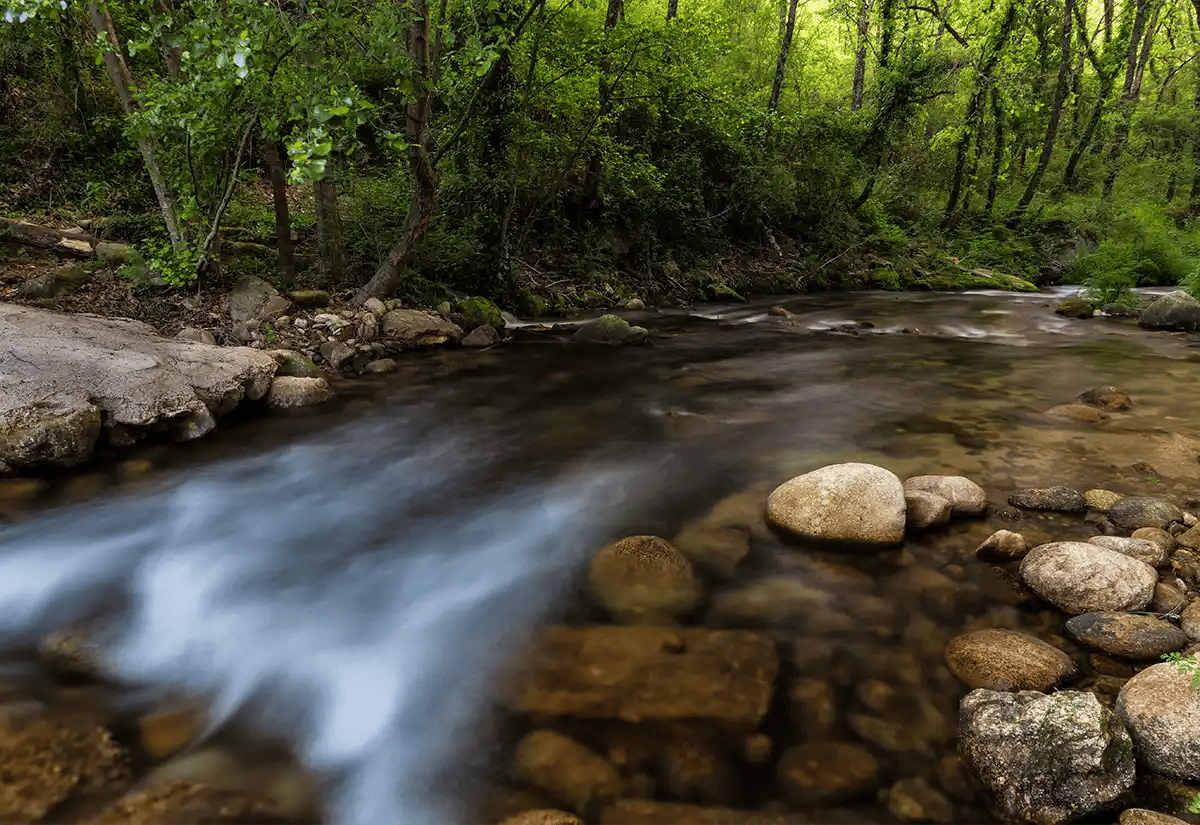
April is the Mahale area’s wettest month, and the park takes on an almost dreamlike quality. Heavy rain falls frequently, often in the late afternoons or overnight, feeding the rivers and making the forest feel denser, wilder, and more alive. With so few travelers during this time, it’s not uncommon to feel like you have the entire park to yourself.
If your goal is to spot a Mahale chimpanzee, April probably isn’t your ideal travel month. Sightings tend to be infrequent and slippery terrain means trekking trails may be limited. Still, the atmosphere is uniquely peaceful—perfect for birdwatching, forest photography, and quiet reflection on the shores of Lake Tanganyika. Some camps may temporarily close or reduce operations, so it’s best to check availability if you’re drawn to the quiet, rain-soaked side of the region.
+
Mahale in May: A Forest in Transition
Long Rain Season
As the long rain tapers off, Mahale experiences a transformation. The skies begin to clear, and golden sunlight filters through the canopy, casting a warm glow on the still-saturated forest. While trails are still damp, they become increasingly passable, and sightings of forest creatures—especially monkeys, duikers, and birdlife—start to pick up. Chimpanzees begin to gather in more accessible areas as fruiting trees near the lower slopes come into season.
May is a sweet spot for travelers seeking a balance of solitude and improving conditions before the peak season begins. Fewer visitors mean quiet lodges, personalized attention, and a sense of watching the park slowly awaken from its rainy lull.
+
Mahale in June: With Clear Skies, Peak Trekking Begins
Dry Season
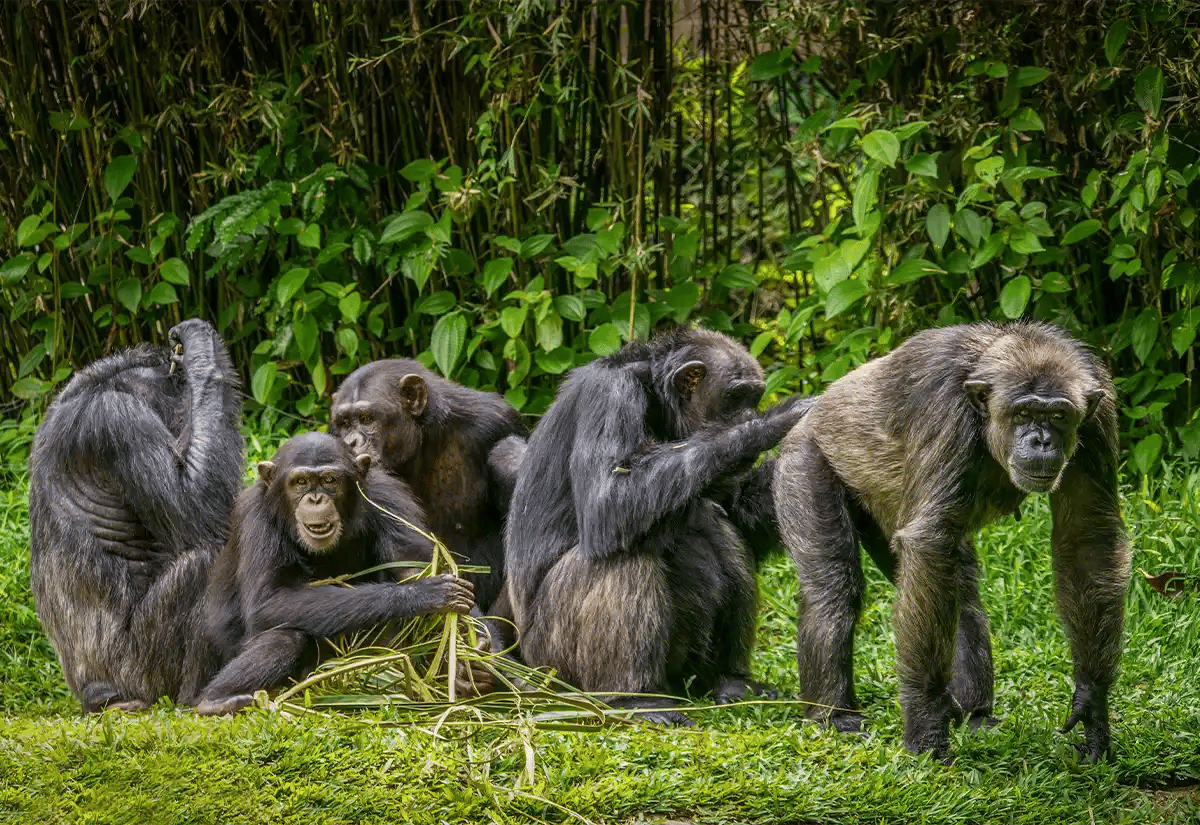
By June, Mahale Mountains National Park is firmly in its dry season and the conditions become ideal for tracking and spotting chimpanzees. The forest floor dries out, making trails easier to navigate for hiking, nature walks, waterfall hunting, and more. Plus, the Mahale chimps begin gathering in more predictable territories closer to camp.
The lake sparkles under steady sunshine, with calm waters inviting morning swims, kayaking, and boat safaris. Wildlife sightings increase as more animals emerge from the dense vegetation to bask in the drier weather. With the improved conditions, more travelers begin arriving, but the park remains uncrowded compared to many other Tanzania destinations. June is the perfect month for those wanting prime wildlife access and great weather without the full swing of high season.
+
Mahale in July: Golden Light & Primate Encounters
Dry Season
July is one of the most special months to visit Mahale, with clear skies, cooler temperatures, and overall superb chimpanzee tracking conditions. The forest canopy filters bright sunlight, and the trails are dry and well-trodden, making treks more comfortable.
Chimpanzee groups are easier to locate as they descend to feed in lower elevations and spend more time socializing in visible clearings. Wildlife activity is high, and the lake’s surface is calm—ideal for scenic boat rides and stargazing from the beach after dinner. The park sees an uptick in visitors, but its secluded setting ensures the experience still feels exclusive and serene.
+
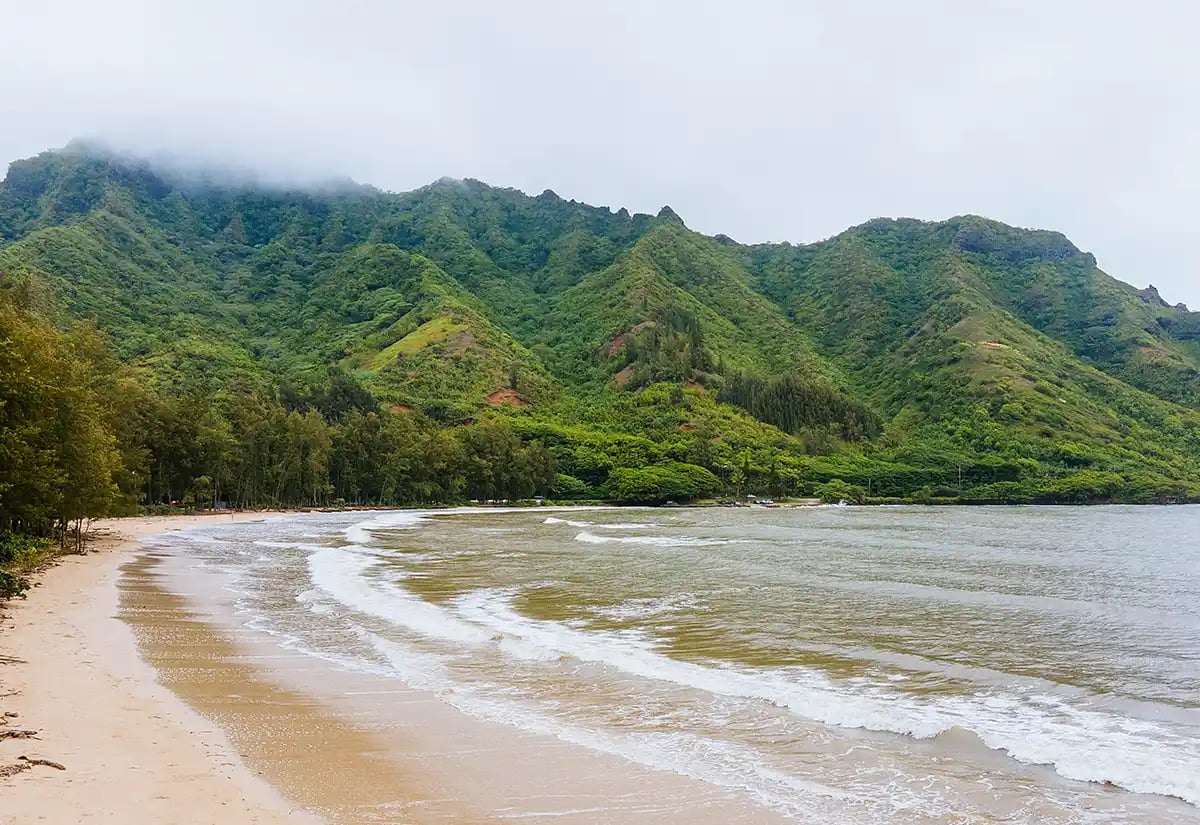
Mahale in August: Safari Sweet Spot
Dry Season
August continues Mahale’s dry season magic, offering a fantastic blend of wildlife activity, excellent trekking, and perfect weather. The mornings are crisp and cool—great for active adventures—while afternoons warm up just enough for swimming or relaxing on the beach. Chimpanzees remain active and visible, often engaging in playful, social behavior that makes for fascinating viewing. Other primates, small forest antelope, and prolific birdlife round out the experience.
It’s a peak month for Tanzania travel in general, so a visit to Mahale Mountains National Park pairs well with other parks like Katavi or the Serengeti for an extended itinerary. Despite the season’s popularity, the region’s remoteness means you’ll still feel like you’ve discovered a hidden corner of the country.
+
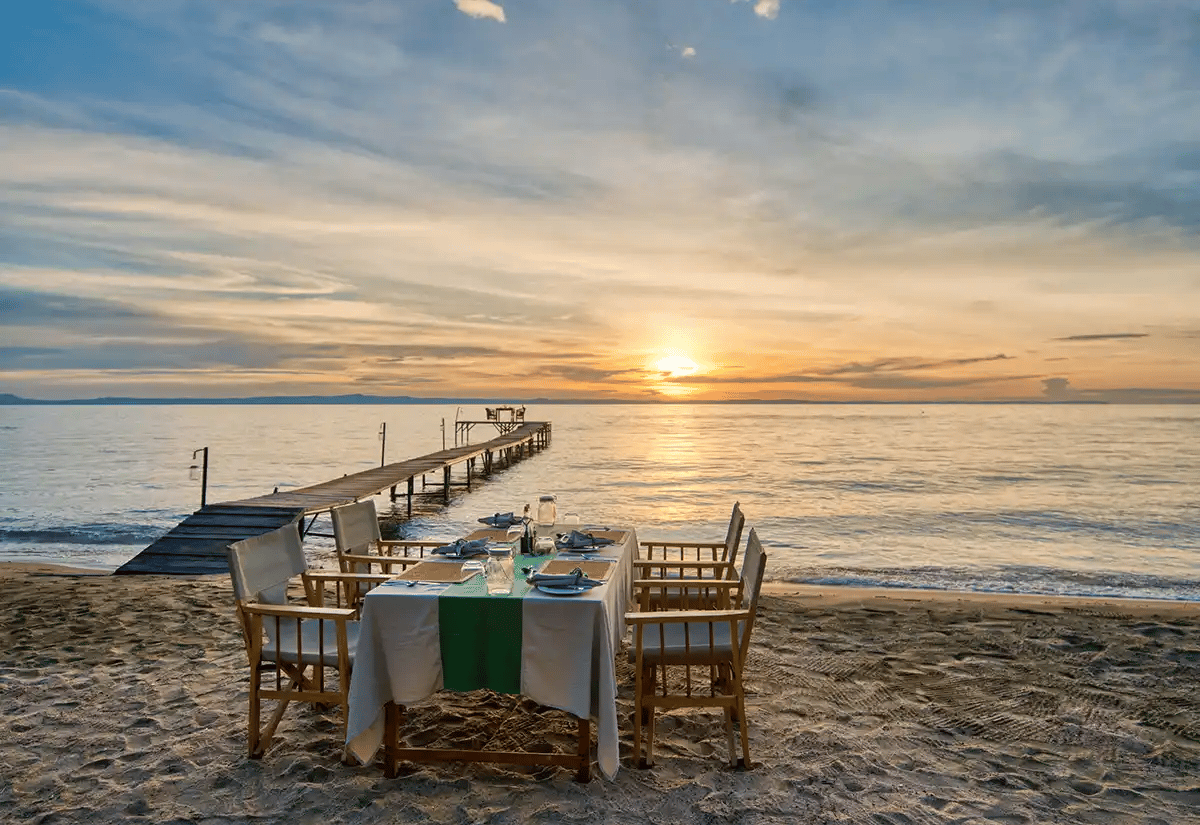
Mahale in September: Calm Waters & Captivating Wildlife
Dry Season
September is a true gem in Mahale Mountains National Park as the dry season is still in full swing. With slightly warmer temperatures and fewer travelers than August, this month strikes a perfect balance between prime conditions and a more laid-back pace.
This is one of the best opportunities to experience the wonder of chimpanzees in Tanzania. Trekkers often see groups of the primates grooming, playing, and vocalizing in the open, offering remarkable insight into their complex social world. The forest is quieter, with crisp air and dappled light streaming through the canopy, and Lake Tanganyika remains glassy and inviting. Whether you're exploring by boat, hiking the hillsides, or simply enjoying a sundowner on the beach, September captures Mahale’s beauty at its most effortless.
+
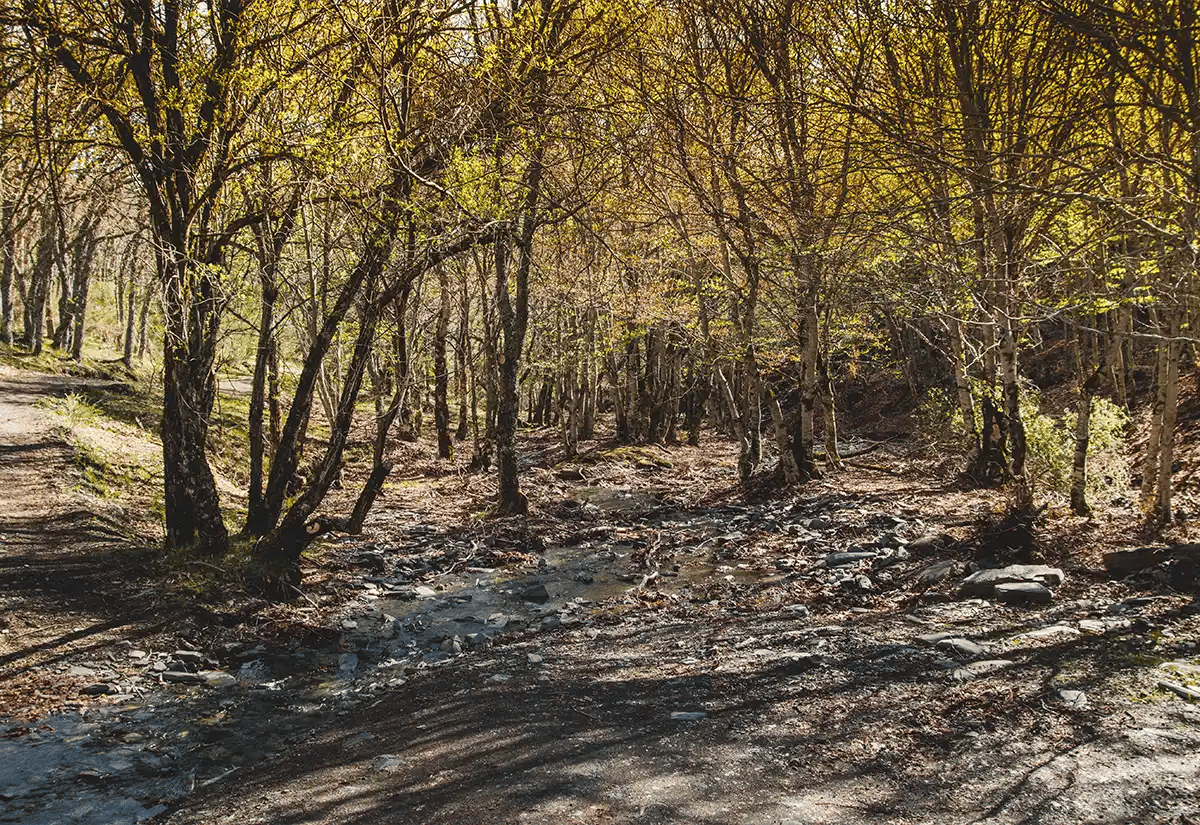
Mahale in October: Soft Heat & Forest Energy
Dry Season
As temperatures begin to rise and the forest prepares for the coming rain, October pulses with energy. Fruits become more abundant in the lower forests, drawing chimpanzees closer and leading to thrilling, up-close encounters. Wildlife activity remains high, especially in the mornings, and birdwatchers will appreciate the early arrivals of migratory species.
October is an excellent time for swimming and boating, as Lake Tanganyika is at its warmest and most inviting. While the dry season is nearing its end, trails are still dry and accessible, making October a great choice for travelers who want top-notch experiences without high-season crowds.
+
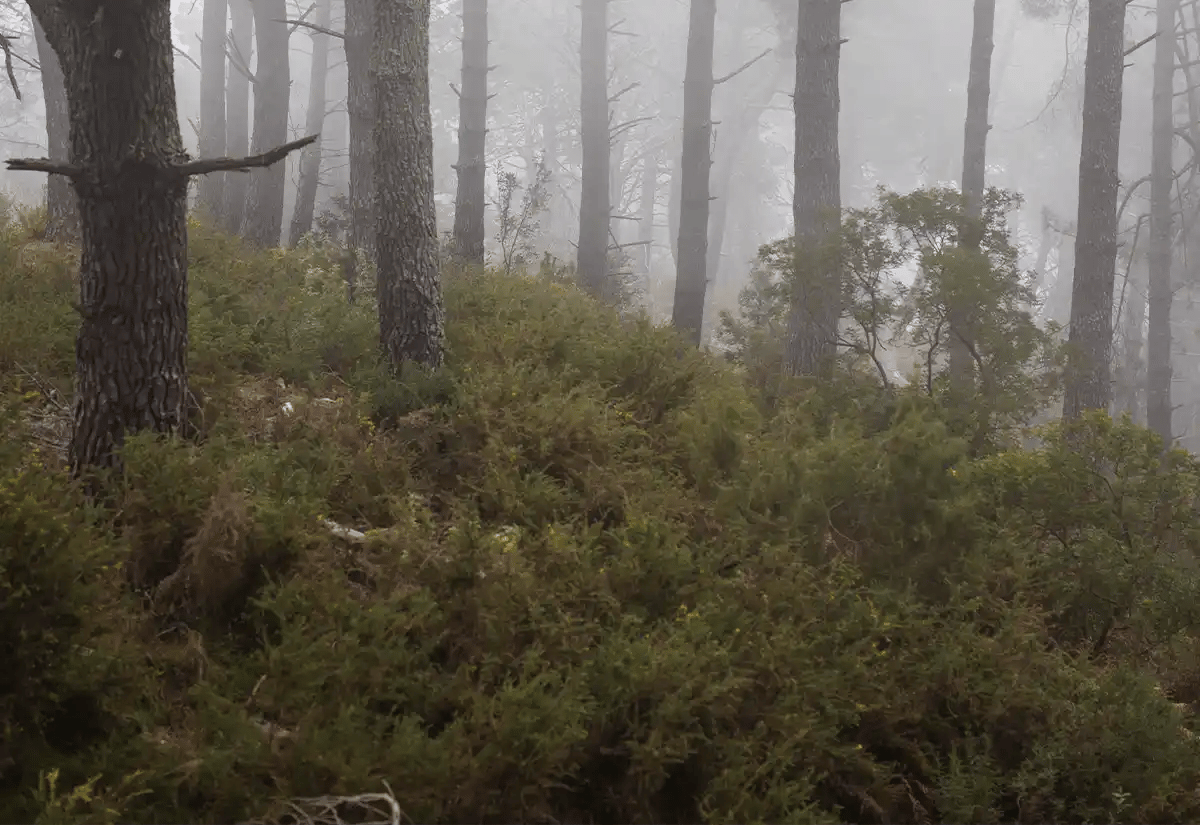
Mahale in November: Rain Returns for a Forest Revival
Short Rain Season
November marks the beginning of the short rain, and with it, the forest comes alive in a new way. Early showers bring a fresh coat of green to the landscape, triggering blooms, insect activity, and new energy in the ecosystem. While some days may be wet, storms are usually short-lived and often arrive in the late afternoon, leaving mornings clear for guided chimp treks and nature walks.
Primates continue to forage in lower elevations, and the softened light through the misty canopy creates an atmospheric, almost cinematic feel. Fewer visitors during this shoulder season make it a great time for those seeking quiet and solitude.
+
Mahale in December: A Calm Holiday Escape
Short Rain Season
December is a peaceful and visually striking time to visit Mahale, as the short rain tapers off and the landscape becomes textured with fresh vegetation. The forest is thick and full of life, making for excellent birding, vibrant insect displays, and frequent sightings of forest-dwelling mammals. Chimpanzees may range more widely depending on fruit availability, but guided treks remain possible and deeply rewarding.
Warm lake temperatures and dramatic sunsets over Lake Tanganyika make this a wonderful month for relaxation, especially for travelers looking to escape the holiday crowds found elsewhere. December in Mahale Mountains National Park offers a quiet, meaningful close to the year—one that will linger in memory long after the new year begins.
+
Mahale in January: Quiet Shores & Emerald Peaks
Green Season
January falls within Mahale’s short rainy season, bringing lush, vibrant greenery to the forested slopes and a quieter atmosphere to the park. The rain storms are typically light and intermittent rather than constant, making it a good time for travelers who don’t mind a little moisture in exchange for solitude and vivid scenery.
Chimpanzee sightings can be more unpredictable, as food sources are plentiful and the chimps roam deeper into the forest, but the experience—if you find them—is especially magical amid the misty trees and fresh growth. Birdwatching is excellent this time of year, with a variety of migratory species joining the park’s resident birdlife. The lake is warm and calm, perfect for swimming or lounging on the beaches between light showers.
Mahale in February: A Rich Escape Before the Rain Intensifies
Green Season
February continues the green season in Mahale, offering a similar tranquil and low-traffic experience as January. The forests are at their most vibrant, teeming with birdlife, butterflies, and rich plant diversity. While chimpanzee encounters are still possible, they often require more time and effort as the chimps remain widely dispersed.
For those who love photography or nature walks, this is a prime time for capturing the park’s moody, dramatic beauty. The rain begins to pick up slightly toward the end of the month, but storms are usually short-lived and followed by clear skies. With fewer travelers, accommodations are peaceful, and the overall experience feels more personal and immersive.
Mahale in March: Shifting Seasons & Bursts of Life
Green Season
March marks the transition into the long rainy season, with heavier showers becoming more frequent by mid-month. But don’t let the word “rainy” deter you as Mahale Mountains National Park is nothing short of electric this time of year. New plant growth flourishes across the mountain slopes, forest clearings come alive with birdsong, and the forest floor is dotted with mushrooms, wildflowers, and insect activity.
The air feels heavy and full of life, often filled with the calls of unseen primates deep in the canopy. Chimpanzee tracking becomes more of a challenge, as they tend to travel farther in search of food, but sightings—when they happen—are especially rewarding. Trails may be muddy, but you’ll feel a deep sense of adventure if you don’t mind getting your boots dirty.
Mahale in April: Rain-Fed Stillness & Forest Solitude
Long Rain Season
April is the Mahale area’s wettest month, and the park takes on an almost dreamlike quality. Heavy rain falls frequently, often in the late afternoons or overnight, feeding the rivers and making the forest feel denser, wilder, and more alive. With so few travelers during this time, it’s not uncommon to feel like you have the entire park to yourself.
If your goal is to spot a Mahale chimpanzee, April probably isn’t your ideal travel month. Sightings tend to be infrequent and slippery terrain means trekking trails may be limited. Still, the atmosphere is uniquely peaceful—perfect for birdwatching, forest photography, and quiet reflection on the shores of Lake Tanganyika. Some camps may temporarily close or reduce operations, so it’s best to check availability if you’re drawn to the quiet, rain-soaked side of the region.
Mahale in May: A Forest in Transition
Long Rain Season
As the long rain tapers off, Mahale experiences a transformation. The skies begin to clear, and golden sunlight filters through the canopy, casting a warm glow on the still-saturated forest. While trails are still damp, they become increasingly passable, and sightings of forest creatures—especially monkeys, duikers, and birdlife—start to pick up. Chimpanzees begin to gather in more accessible areas as fruiting trees near the lower slopes come into season.
May is a sweet spot for travelers seeking a balance of solitude and improving conditions before the peak season begins. Fewer visitors mean quiet lodges, personalized attention, and a sense of watching the park slowly awaken from its rainy lull.
Mahale in June: With Clear Skies, Peak Trekking Begins
Dry Season
By June, Mahale Mountains National Park is firmly in its dry season and the conditions become ideal for tracking and spotting chimpanzees. The forest floor dries out, making trails easier to navigate for hiking, nature walks, waterfall hunting, and more. Plus, the Mahale chimps begin gathering in more predictable territories closer to camp.
The lake sparkles under steady sunshine, with calm waters inviting morning swims, kayaking, and boat safaris. Wildlife sightings increase as more animals emerge from the dense vegetation to bask in the drier weather. With the improved conditions, more travelers begin arriving, but the park remains uncrowded compared to many other Tanzania destinations. June is the perfect month for those wanting prime wildlife access and great weather without the full swing of high season.
Mahale in July: Golden Light & Primate Encounters
Dry Season
July is one of the most special months to visit Mahale, with clear skies, cooler temperatures, and overall superb chimpanzee tracking conditions. The forest canopy filters bright sunlight, and the trails are dry and well-trodden, making treks more comfortable.
Chimpanzee groups are easier to locate as they descend to feed in lower elevations and spend more time socializing in visible clearings. Wildlife activity is high, and the lake’s surface is calm—ideal for scenic boat rides and stargazing from the beach after dinner. The park sees an uptick in visitors, but its secluded setting ensures the experience still feels exclusive and serene.
Mahale in August: Safari Sweet Spot
Dry Season
August continues Mahale’s dry season magic, offering a fantastic blend of wildlife activity, excellent trekking, and perfect weather. The mornings are crisp and cool—great for active adventures—while afternoons warm up just enough for swimming or relaxing on the beach. Chimpanzees remain active and visible, often engaging in playful, social behavior that makes for fascinating viewing. Other primates, small forest antelope, and prolific birdlife round out the experience.
It’s a peak month for Tanzania travel in general, so a visit to Mahale Mountains National Park pairs well with other parks like Katavi or the Serengeti for an extended itinerary. Despite the season’s popularity, the region’s remoteness means you’ll still feel like you’ve discovered a hidden corner of the country.
Mahale in September: Calm Waters & Captivating Wildlife
Dry Season
September is a true gem in Mahale Mountains National Park as the dry season is still in full swing. With slightly warmer temperatures and fewer travelers than August, this month strikes a perfect balance between prime conditions and a more laid-back pace.
This is one of the best opportunities to experience the wonder of chimpanzees in Tanzania. Trekkers often see groups of the primates grooming, playing, and vocalizing in the open, offering remarkable insight into their complex social world. The forest is quieter, with crisp air and dappled light streaming through the canopy, and Lake Tanganyika remains glassy and inviting. Whether you're exploring by boat, hiking the hillsides, or simply enjoying a sundowner on the beach, September captures Mahale’s beauty at its most effortless.
Mahale in October: Soft Heat & Forest Energy
Dry Season
As temperatures begin to rise and the forest prepares for the coming rain, October pulses with energy. Fruits become more abundant in the lower forests, drawing chimpanzees closer and leading to thrilling, up-close encounters. Wildlife activity remains high, especially in the mornings, and birdwatchers will appreciate the early arrivals of migratory species.
October is an excellent time for swimming and boating, as Lake Tanganyika is at its warmest and most inviting. While the dry season is nearing its end, trails are still dry and accessible, making October a great choice for travelers who want top-notch experiences without high-season crowds.
Mahale in November: Rain Returns for a Forest Revival
Short Rain Season
November marks the beginning of the short rain, and with it, the forest comes alive in a new way. Early showers bring a fresh coat of green to the landscape, triggering blooms, insect activity, and new energy in the ecosystem. While some days may be wet, storms are usually short-lived and often arrive in the late afternoon, leaving mornings clear for guided chimp treks and nature walks.
Primates continue to forage in lower elevations, and the softened light through the misty canopy creates an atmospheric, almost cinematic feel. Fewer visitors during this shoulder season make it a great time for those seeking quiet and solitude.
Mahale in December: A Calm Holiday Escape
Short Rain Season
December is a peaceful and visually striking time to visit Mahale, as the short rain tapers off and the landscape becomes textured with fresh vegetation. The forest is thick and full of life, making for excellent birding, vibrant insect displays, and frequent sightings of forest-dwelling mammals. Chimpanzees may range more widely depending on fruit availability, but guided treks remain possible and deeply rewarding.
Warm lake temperatures and dramatic sunsets over Lake Tanganyika make this a wonderful month for relaxation, especially for travelers looking to escape the holiday crowds found elsewhere. December in Mahale Mountains National Park offers a quiet, meaningful close to the year—one that will linger in memory long after the new year begins.
+
+
+
+
+
+
+
+
+
+
+
+

Wildlife in Mahale Mountains National Park
With dense tropical forests, riverside clearings, and the vast freshwater habitat of Lake Tanganyika, Mahale Mountains National Park supports a rich diversity of wildlife. From treetop dwellers to shy ground roamers, the park’s myriad residents thrive in its varied, rarely touched ecosystems.
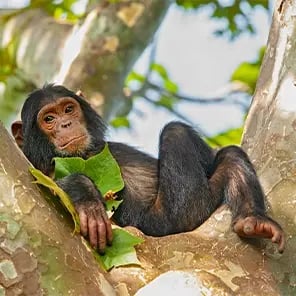
Chimpanzees
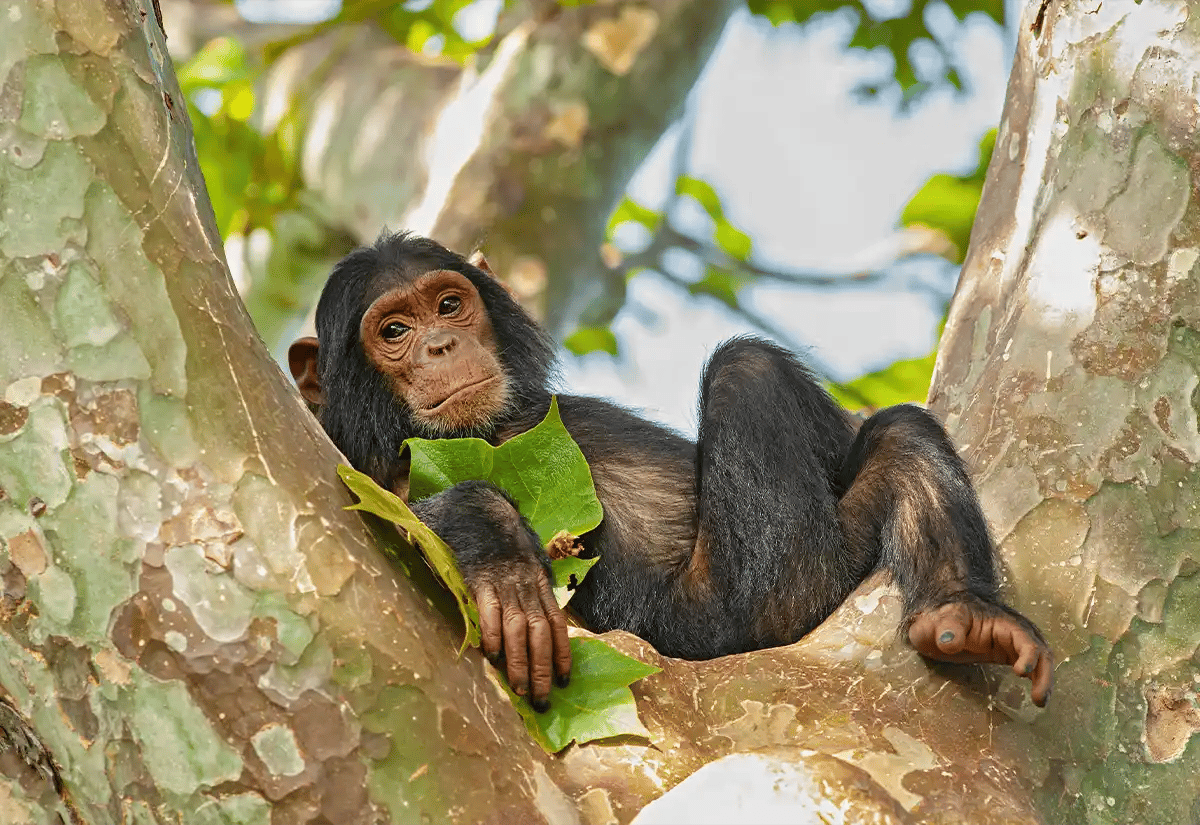
Mahale’s most iconic residents, the chimps in Tanzania are social, intelligent, and captivating to observe in their natural environment.
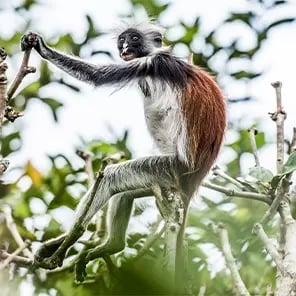
Red Colobus Monkeys
These tree-dwelling primates are often spotted in groups, leaping gracefully through the tree canopy.
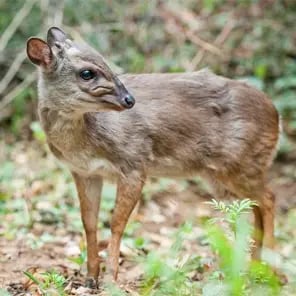
Blue Duikers
These tiny and elusive forest antelope forage quietly on the ground, often camouflaged by thick undergrowth.
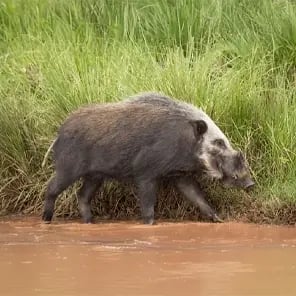
Bushpigs
Nocturnal and shy, bushpigs root through the underbrush, leaving behind only traces of their evening wanderings.
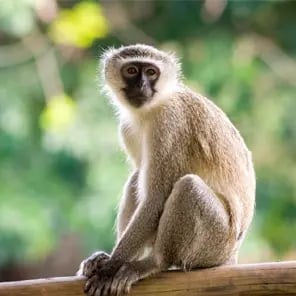
Vervet Monkeys
Vervets are playful, curious, and frequently spotted near camps and forest edges, chattering as they move in groups.
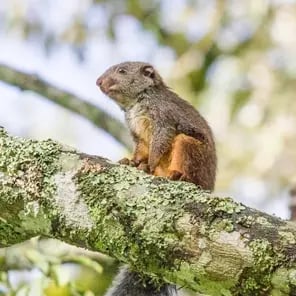
Giant Forest Squirrels
Much larger than your average squirrel, these agile creatures dart between tree trunks in search of fruit and seeds.
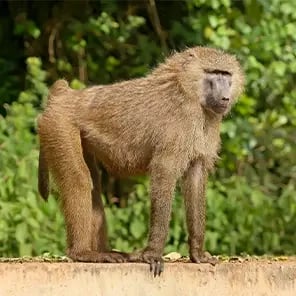
Olive Baboons
Highly social and adaptable, olive baboons are often spotted in large troops along trails and wooded clearings.
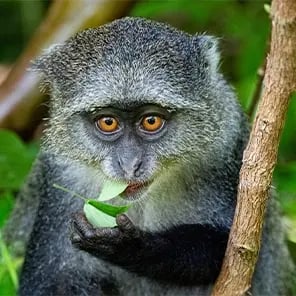
Blue Monkeys
You’ll often spot these shy and slender monkeys quietly observing from above, where they prefer high tree branches.
Chimpanzees
Mahale’s most iconic residents, the chimps in Tanzania are social, intelligent, and captivating to observe in their natural environment.
Red Colobus Monkeys
These tree-dwelling primates are often spotted in groups, leaping gracefully through the tree canopy.
Blue Duikers
These tiny and elusive forest antelope forage quietly on the ground, often camouflaged by thick undergrowth.
Bushpigs
Nocturnal and shy, bushpigs root through the underbrush, leaving behind only traces of their evening wanderings.
Vervet Monkeys
Vervets are playful, curious, and frequently spotted near camps and forest edges, chattering as they move in groups.
Giant Forest Squirrels
Much larger than your average squirrel, these agile creatures dart between tree trunks in search of fruit and seeds.
Olive Baboons
Highly social and adaptable, olive baboons are often spotted in large troops along trails and wooded clearings.
Blue Monkeys
You’ll often spot these shy and slender monkeys quietly observing from above, where they prefer high tree branches.
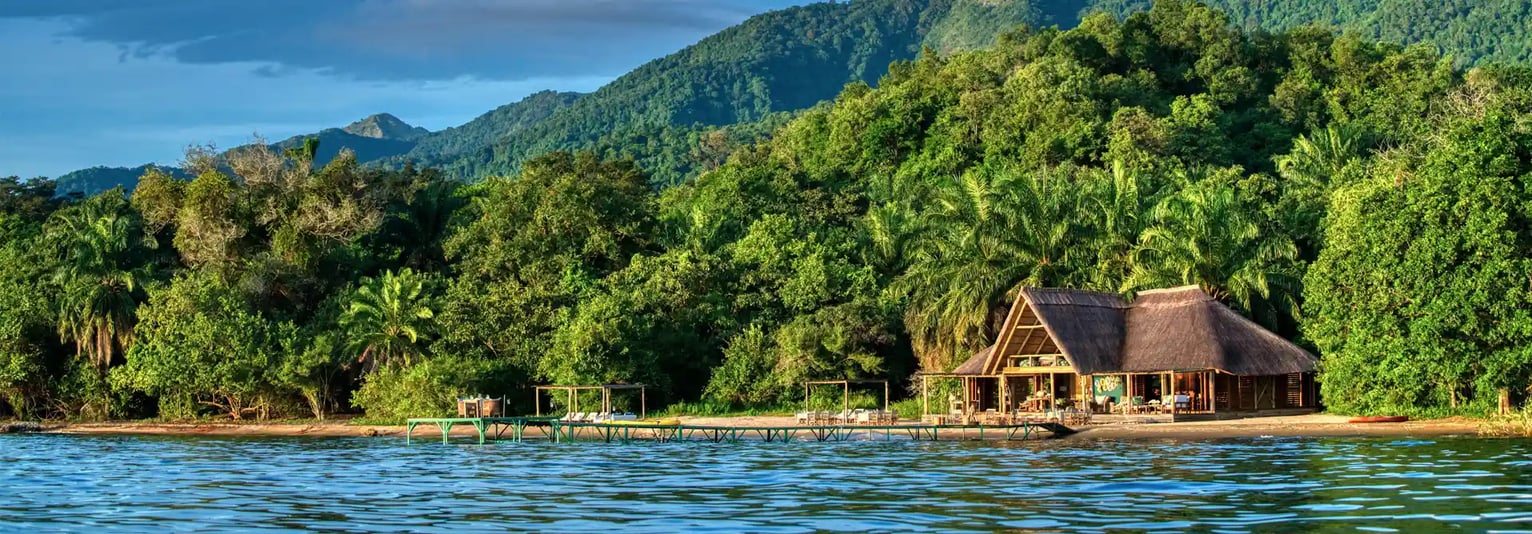
Mahale Mountains National Park Accommodation
From the luxurious Mbali Mbali Mahale Lodge to classic camping in the park, plus the range of accommodations in nearby Kigoma, you’ll find options suited for many budgets.

Mbali Mbali Mahale...
Mbali Mbali is a.


Chimpanzee Trekking and Tanzania Safaris
Most Popular
.png?width=296&height=70&name=Pattern%20(2).png)
$1,350 (2pax) USD
12 Days Serengeti Lions and Wildebeest Migration Safari

67 people viewing now
Best Seller
$3,001 (2pax) USD
Days Serengeti Lions and Wildebeest Migration Safari
104 people viewing now
Most Popular
$1,400 (2pax) USD
A Days Serengeti Lions and Wildebeest Migration Safari
108 people viewing now
Most Popular
$1,350 (2pax) USD
12 Days Serengeti Lions and Wildebeest Migration Safari
3 people viewing now
Best Seller
$3,001 (2pax) USD
Days Serengeti Lions and Wildebeest Migration Safari
88 people viewing now
Most Popular
$1,400 (2pax) USD
A Days Serengeti Lions and Wildebeest Migration Safari
4 people viewing now
Most Popular
$1,350 (2pax) USD
12 Days Serengeti Lions and Wildebeest Migration Safari
26 people viewing now
Best Seller
$3,001 (2pax) USD
Days Serengeti Lions and Wildebeest Migration Safari
72 people viewing now
Best Seller
$3,001 (2pax) USD
Days Serengeti Lions and Wildebeest Migration Safari
36 people viewing now
Best Seller
$3,001 (2pax) USD
Days Serengeti Lions and Wildebeest Migration Safari
2 people viewing now
Best Seller
$3,001 (2pax) USD
Days Serengeti Lions and Wildebeest Migration Safari
65 people viewing now
Most Popular
$1,400 (2pax) USD
A Days Serengeti Lions and Wildebeest Migration Safari
97 people viewing now
Whatever is on your list of top Tanzania to-dos or African safari must-sees, we’ll make it happen.

Most Popular
$1,350 (2pax) USD
12 Days Serengeti Lions and Wildebeest Migration Safari
91 people viewing now
Best Seller
$3,001 (2pax) USD
Days Serengeti Lions and Wildebeest Migration Safari
95 people viewing now
Most Popular
$1,400 (2pax) USD
A Days Serengeti Lions and Wildebeest Migration Safari
63 people viewing now
Most Popular
$1,350 (2pax) USD
12 Days Serengeti Lions and Wildebeest Migration Safari
110 people viewing now
Best Seller
$3,001 (2pax) USD
Days Serengeti Lions and Wildebeest Migration Safari
77 people viewing now
Most Popular
$1,400 (2pax) USD
A Days Serengeti Lions and Wildebeest Migration Safari
49 people viewing now
Most Popular
$1,350 (2pax) USD
12 Days Serengeti Lions and Wildebeest Migration Safari
82 people viewing now
Best Seller
$3,001 (2pax) USD
Days Serengeti Lions and Wildebeest Migration Safari
98 people viewing now
Best Seller
$3,001 (2pax) USD
Days Serengeti Lions and Wildebeest Migration Safari
108 people viewing now
Best Seller
$3,001 (2pax) USD
Days Serengeti Lions and Wildebeest Migration Safari
48 people viewing now
Best Seller
$3,001 (2pax) USD
Days Serengeti Lions and Wildebeest Migration Safari
89 people viewing now
Most Popular
$1,400 (2pax) USD
A Days Serengeti Lions and Wildebeest Migration Safari
51 people viewing now
Whatever is on your list of top Tanzania to-dos or African safari must-sees, we’ll make it happen.
Frequently Asked Questions

Still have questions?
Contact Us, we are more than happy to help!
How do I get to Mahale Mountains National Park?
Mahale is one of Tanzania’s most remote parks and is typically reached by a scheduled or charter flight from Arusha or Dar es Salaam to the nearby Mahale airstrip, followed by a scenic boat transfer to your lodge.
When is the best time to visit Mahale Mountains National Park?
The dry season from June to October is ideal for primate encounters, as the animals are easier to find and trails are more accessible. However, Mahale is beautiful year-round, with fewer visitors and vibrant scenery during the green season.
What is chimpanzee trekking like?
Trekking involves hiking through rainforest terrain in search of habituated chimpanzee groups, accompanied by expert guides and trackers. The experience is both exhilarating and humbling, as you observe these intelligent primates up close in their natural habitat. A moderate level of fitness is recommended, as treks can involve steep trails, uneven ground, and varying distances depending on the chimps’ location. Your guides will tailor the pace and route to match the group’s abilities as much as possible.
What conservation efforts are in place at Mahale Mountains National Park?
Mahale is a vital stronghold for wild chimpanzees and other endemic species (those that are native and live only in the region), protected through strict conservation regulations and ongoing research. TANAPA (Tanzania National Parks) and organizations like the Mahale Wildlife Conservation Society work together to monitor wildlife health, support local communities, and minimize the environmental impact of tourism. Easy Travel partners with lodges that follow responsible tourism practices, ensuring your visit contributes positively to the region.
What kind of accommodations are available in Mahale?
Lodging in Mahale is limited and exclusive, with a handful of eco-luxury camps and lodges located along Lake Tanganyika’s shoreline. These accommodations offer full-board service, guided activities, and breathtaking views in a peaceful, remote setting.
Is Mahale Mountains National Park suitable for families?
Mahale is best suited for families with older children or teens who enjoy nature and adventure. Due to the inaccessibility of the area and the physical nature of many activities here, it may not be the ideal Tanzania destination for very young children. However, it offers a meaningful experience for those ready for and capable of the journey.
What should I pack for a Mahale safari?
Light, breathable clothing in neutral colors, good hiking shoes, insect repellent, a hat, sunscreen, and a daypack are essentials. Don’t forget binoculars and a camera for capturing wildlife and Mahale Mountains National Park photos.
What wildlife will I see besides Mahale chimpanzees?
Mahale’s unspoiled rainforest ecosystem supports an incredible diversity of wildlife beyond chimpanzees. You may encounter red colobus, vervet, and blue monkeys, olive baboons, bushpigs, blue duikers, and even leopards if you’re lucky. Bird enthusiasts will be delighted by over 350 recorded species, while Lake Tanganyika’s shoreline is home to hippos, crocodiles, and unique aquatic life.
Can I swim in Lake Tanganyika?
Yes—Lake Tanganyika is one of the cleanest and clearest freshwater lakes in the world, and swimming is permitted in designated safe zones near lodges. The water is beautifully warm and refreshing, with minimal risk in areas monitored by guides. In addition to swimming, guests can enjoy kayaking, dhow cruises, or snorkeling to spot colorful cichlid fish endemic to the lake.
How long should I stay in Mahale Mountains National Park?
We recommend a stay of at least 3–4 nights to make the journey worthwhile and allow time for activities like chimpanzee trekking, boating, and nature walks. Mahale is not accessible for day trips due to its location and lack of roads. Reaching the park requires a flight and boat transfer, and many activities like chimp tracking require time and flexibility. A multi-day stay is essential to experience the park properly.
Still have questions?
Contact Us, we are more than happy to help!
Explore Our Latest Articles
3.06.2025
23 Min Read
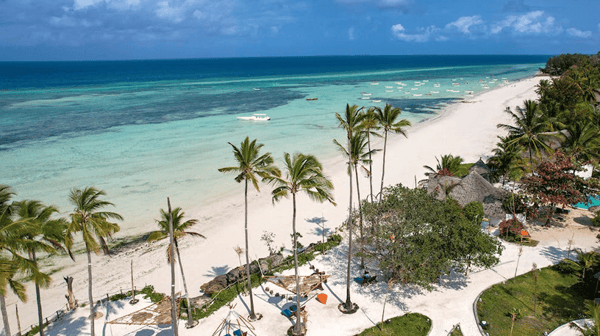
Kendwa Beach rests on Zanzibar Island. The beach is known far and wide because it is gorgeous. The sand on the beach is...

3.06.2025
23 Min Read
Kendwa Beach rests on Zanzibar Island. The beach is known far and wide because it is gorgeous. The...
Find Out Which Safari Tour Is Right For You
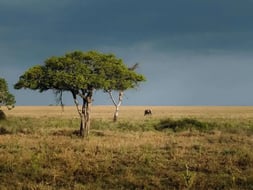
Want to combine Mahale chimpanzee trekking with a visit to Tanzania’s other iconic parks, lakes, mountains, or beaches? Take a short quiz to see which spots we recommend.
More Tanzania Destinations To Visit
This is a park



Gombe...
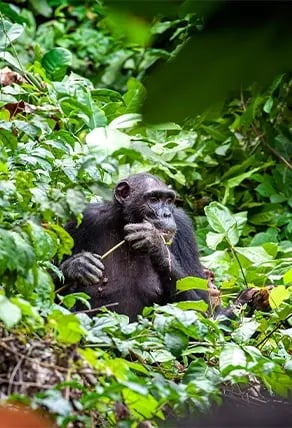
Just north of Mahale along Lake Tanganyika, Gombe offers another intimate chimpanzee trekking experience in a similarly...
This is a park


Katavi...
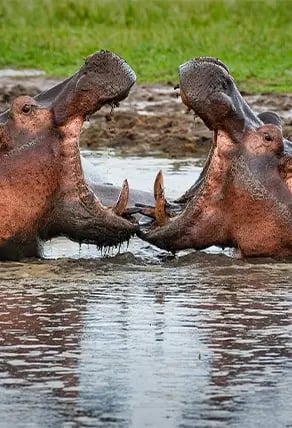
Often paired with Mahale for an off-the-beaten-path safari, Katavi delivers vast plains, dramatic predator-prey...
This is a park
-svg.svg)


Ngorongoro...
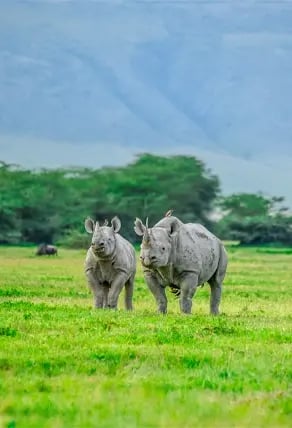
A stark contrast to Mahale’s secluded rainforest, Ngorongoro offers dramatic volcanic scenery and one of Africa’s most...
This is a park



Serengeti...
While Mahale is known for close-up primate encounters, the Serengeti showcases sweeping savannas and the iconic Great...