

.svg "Style-Guide (1)")


.svg)


Kendwa Beach rests on Zanzibar Island. The beach is known far and wide because it is gorgeous. The...






Lake Eyasi
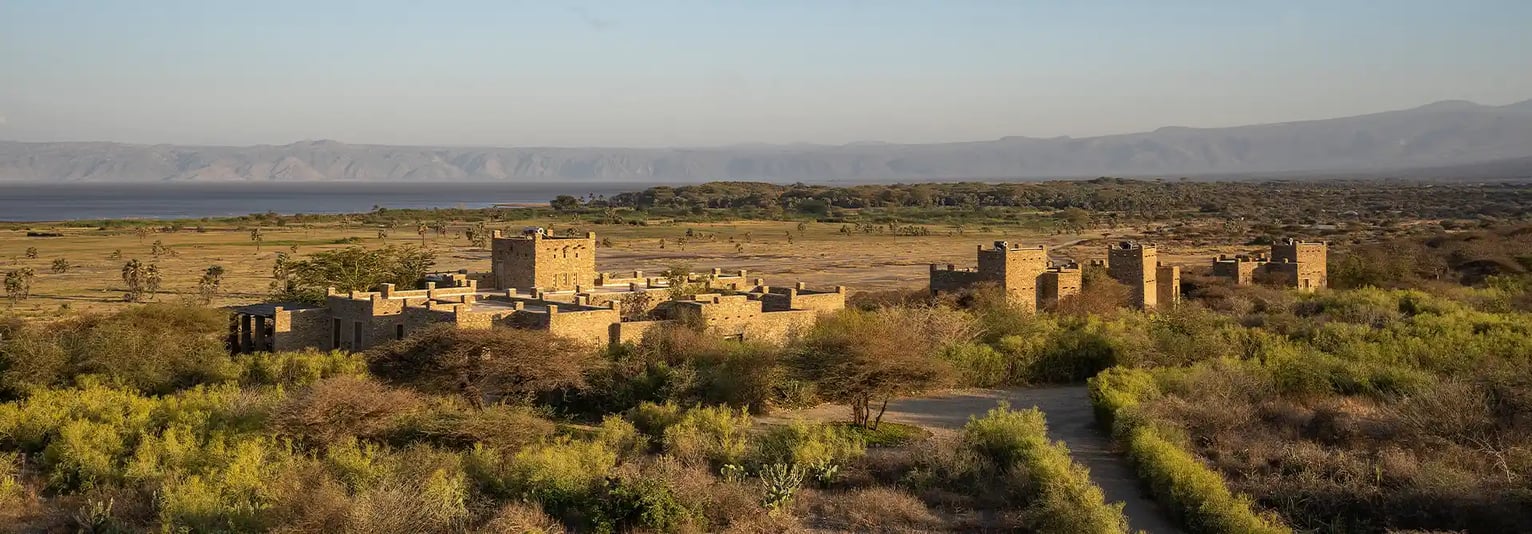
At the ancient and spectacular Lake Eyasi, Tanzania visitors have the opportunity to experience a blend of raw nature and historic culture like no other.

Endorsed by ATTA

Featured in National Geographic

BBC Wildlife

Rated Excellent by Trip Advisor
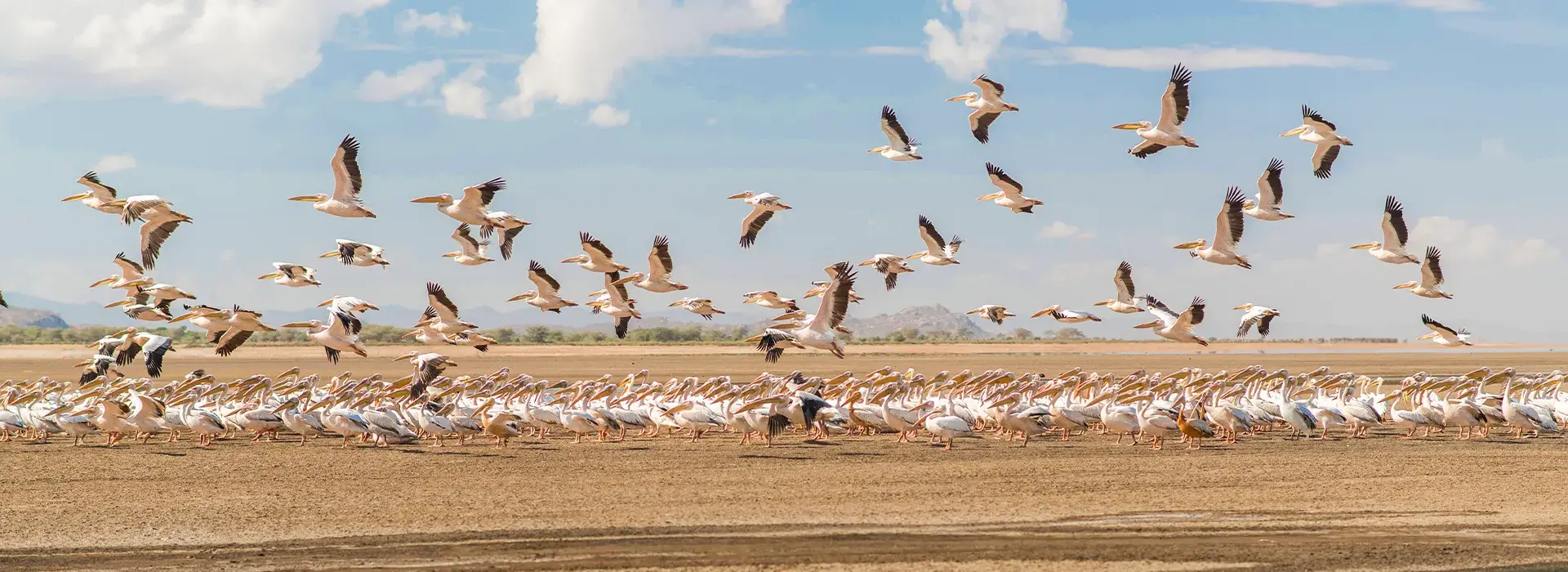
Lake Eyasi
At the ancient and spectacular Lake Eyasi, Tanzania visitors have the opportunity to experience a blend of raw nature and historic culture like no other.
Endorsed by ATTA
Featured in National Geographic
BBC Wildlife
Rated Excellent by Trip Advisor
Things To Do
Lake Eyasi, Tanzania, blends cultural, natural, and outdoor experiences. This remote destination invites travelers to explore its diverse landscapes, connect with local communities, and witness a way of life shaped by the land.


Nature Walks
Explore the rugged beauty of Lake Eyasi on foot, following trails along the escarpment and through acacia woodlands. Walks offer a chance to spot local wildlife, learn about native plants, and take in breathtaking views of the Rift...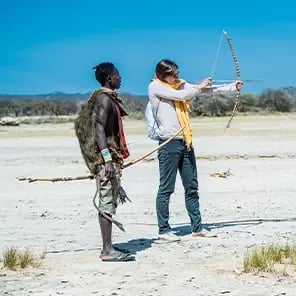
Meet the Hadzabe Tribe
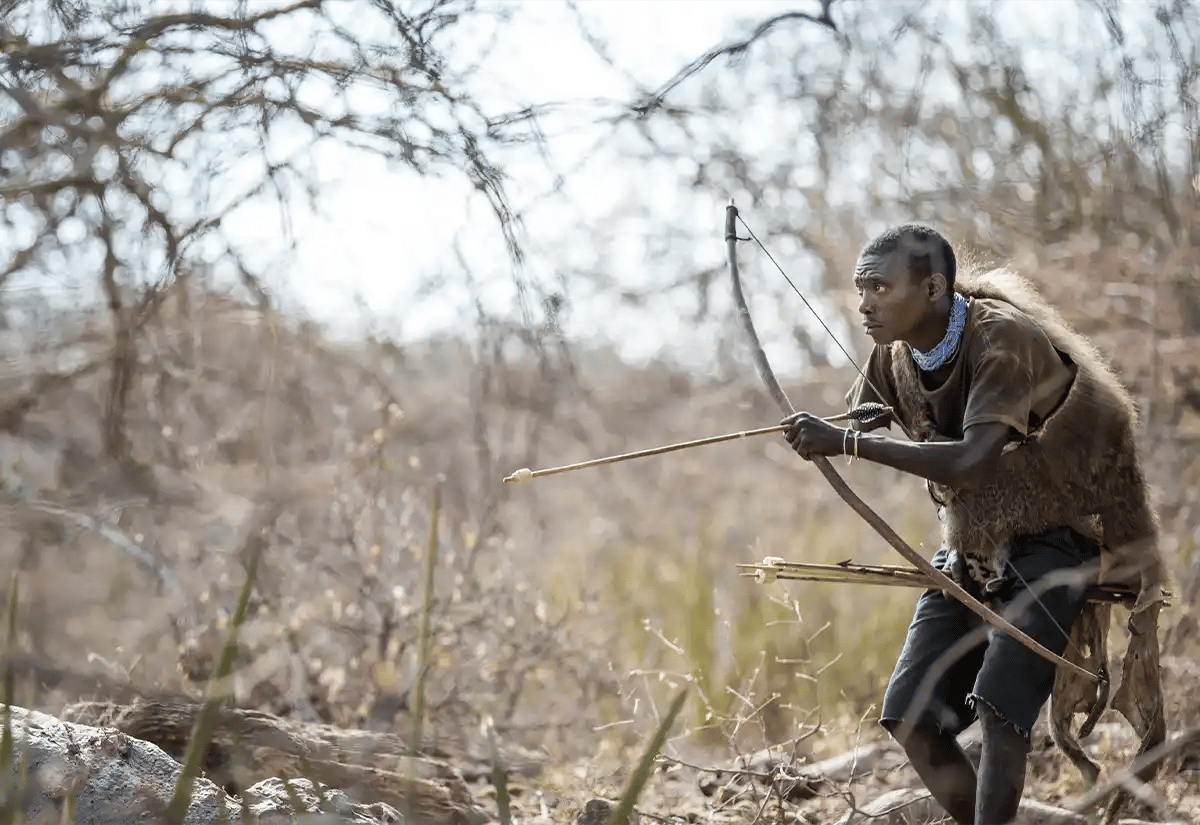
Engage in a cultural exchange by spending time with the indigenous Hadzabe people, one of the last hunter-gatherer tribes in the world. Join a hunting trip and immerse yourself in their unique way of life, witnessing their...
Visit the Datoga Tribe
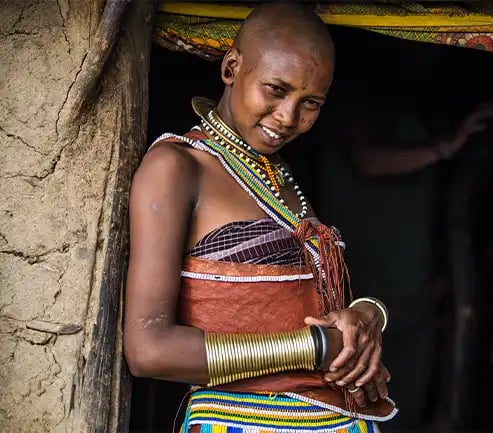
Deepen your cultural knowledge by visiting the nearby Datoga community. Engage with the women in the village and learn about their traditional crafting techniques like beading or pottery-making, and try your hand at...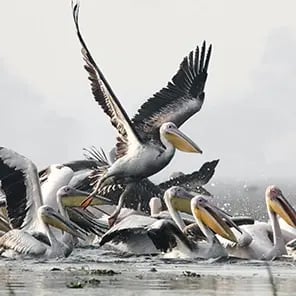
Birdwatching
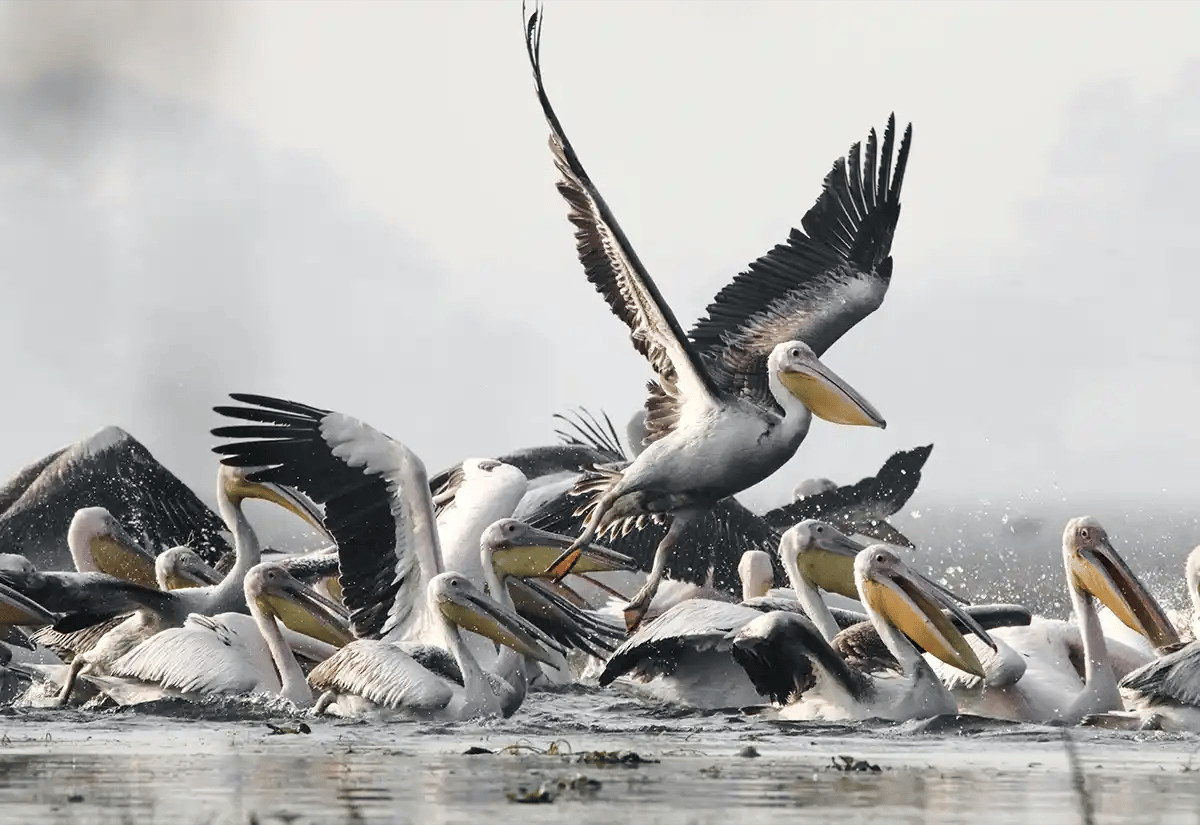
During the wet season, Lake Eyasi transforms into a birdwatcher’s paradise. Flamingos, pelicans, storks, and countless other migratory species flock to its shores, offering a spectacular sight for nature lovers and photographers.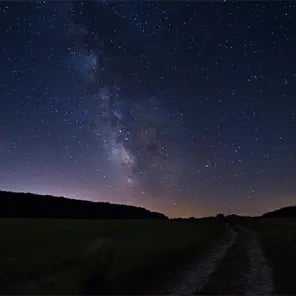
Stargazing
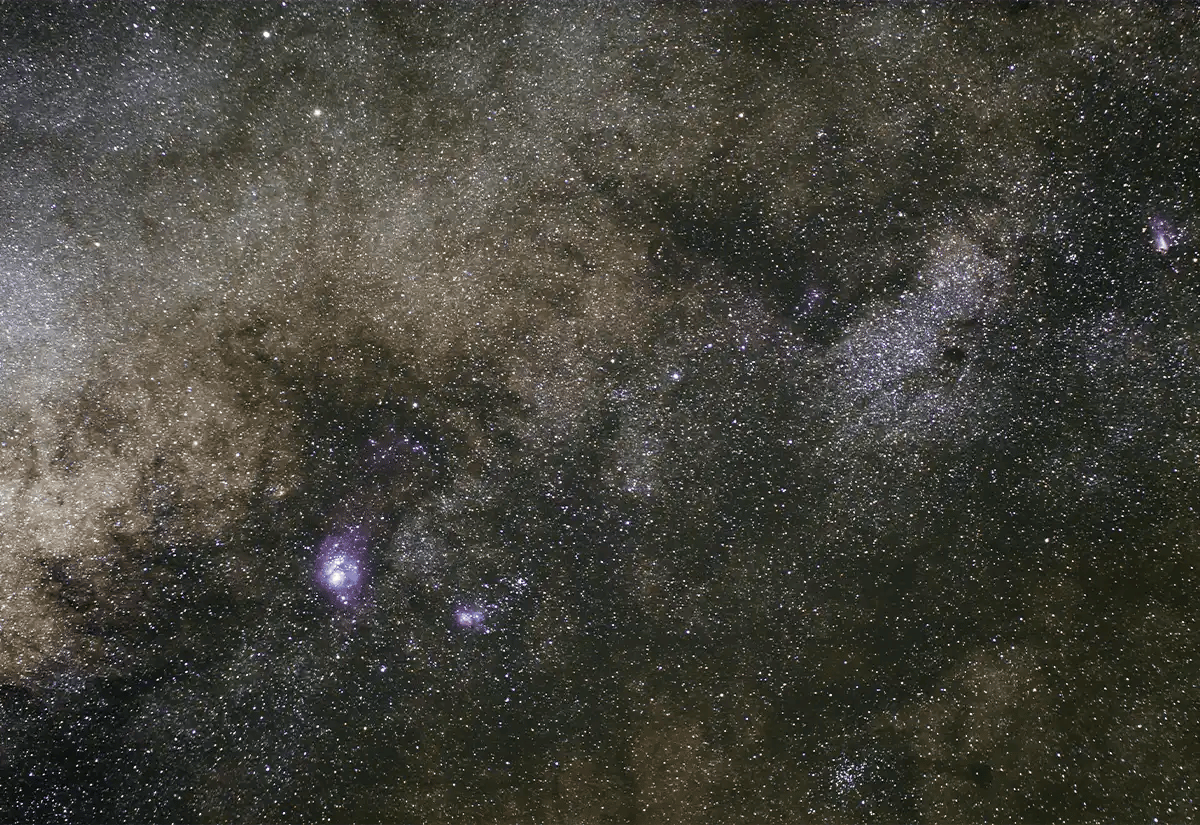
With little light pollution, Lake Eyasi offers incredible night skies. Gaze at the Milky Way stretching across the Rift Valley, watch for shooting stars, and experience the peaceful solitude of the African wilderness under a blanket...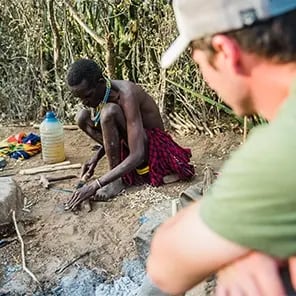
Blacksmith
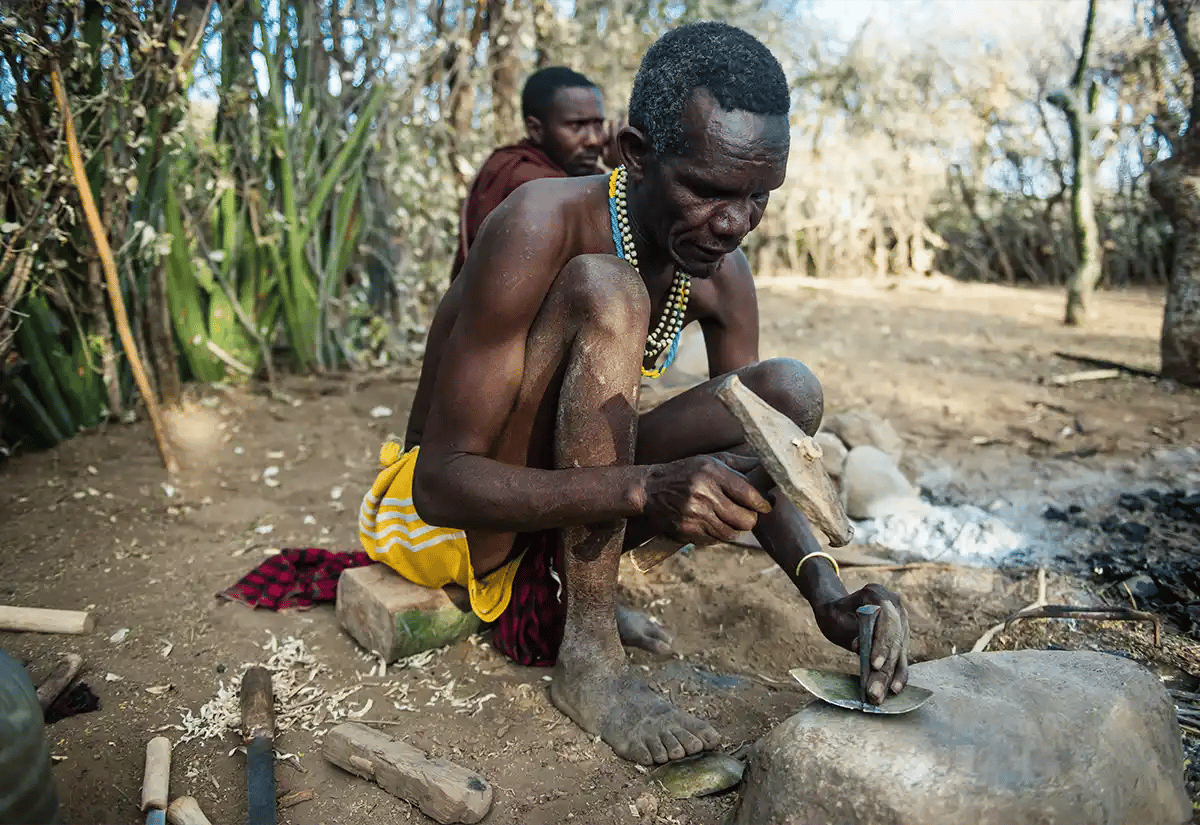
See another side of the Datoga people and witness their centuries-old blacksmithing tradition. Using hand-powered bellows and scrap metal, they craft tools, weapons, and intricate jewelry with remarkable skill. Watch the forging...Things To Do
Lake Eyasi, Tanzania, blends cultural, natural, and outdoor experiences. This remote destination invites travelers to explore its diverse landscapes, connect with local communities, and witness a way of life shaped by the land.
Nature Walks
Explore the rugged beauty of Lake Eyasi on foot, following trails along the escarpment and through acacia woodlands. Walks offer a chance to spot local wildlife, learn about native plants, and take in breathtaking views of the Rift Valley.
Meet the Hadzabe Tribe
Engage in a cultural exchange by spending time with the indigenous Hadzabe people, one of the last hunter-gatherer tribes in the world. Join a hunting trip and immerse yourself in their unique way of life, witnessing their...
Visit the Datoga Tribe
Deepen your cultural knowledge by visiting the nearby Datoga community. Engage with the women in the village and learn about their traditional crafting techniques like beading or pottery-making, and try your hand at molding clay.
Birdwatching
During the wet season, Lake Eyasi transforms into a birdwatcher’s paradise. Flamingos, pelicans, storks, and countless other migratory species flock to its shores, offering a spectacular sight for nature lovers and photographers.
Stargazing
With little light pollution, Lake Eyasi offers incredible night skies. Gaze at the Milky Way stretching across the Rift Valley, watch for shooting stars, and experience the peaceful solitude of the African wilderness under a blanket of stars.
Blacksmith
See another side of the Datoga people and witness their centuries-old blacksmithing tradition. Using hand-powered bellows and scrap metal, they craft tools, weapons, and intricate jewelry with remarkable skill. Watch the forging process up...When To Go to Lake Eyasi
Because changing seasons create an ever-shifting landscape, the best time to visit Lake Eyasi depends on what you’re looking for. During the dry season, the lake recedes, revealing salt flats and concentrating wildlife around remaining water sources. The long and short rain seasons breathe life into the area, attracting migratory birds. All year long, you can feel the rhythm of the land and the deep connection between people and nature in this fascinating place.
average
good
best
.svg)
Jan
Feb

Mar
Apr
May
.svg)
Jun
Jul
Aug
Sep
Oct
.svg)
Nov
Dec
Jan
Feb
Mar
Apr
May
Jun
Jul
Aug
Sep
Oct
Nov
Dec
Lake Eyasi in January: Peak Birdwatching & Verdant Landscapes
Green Season
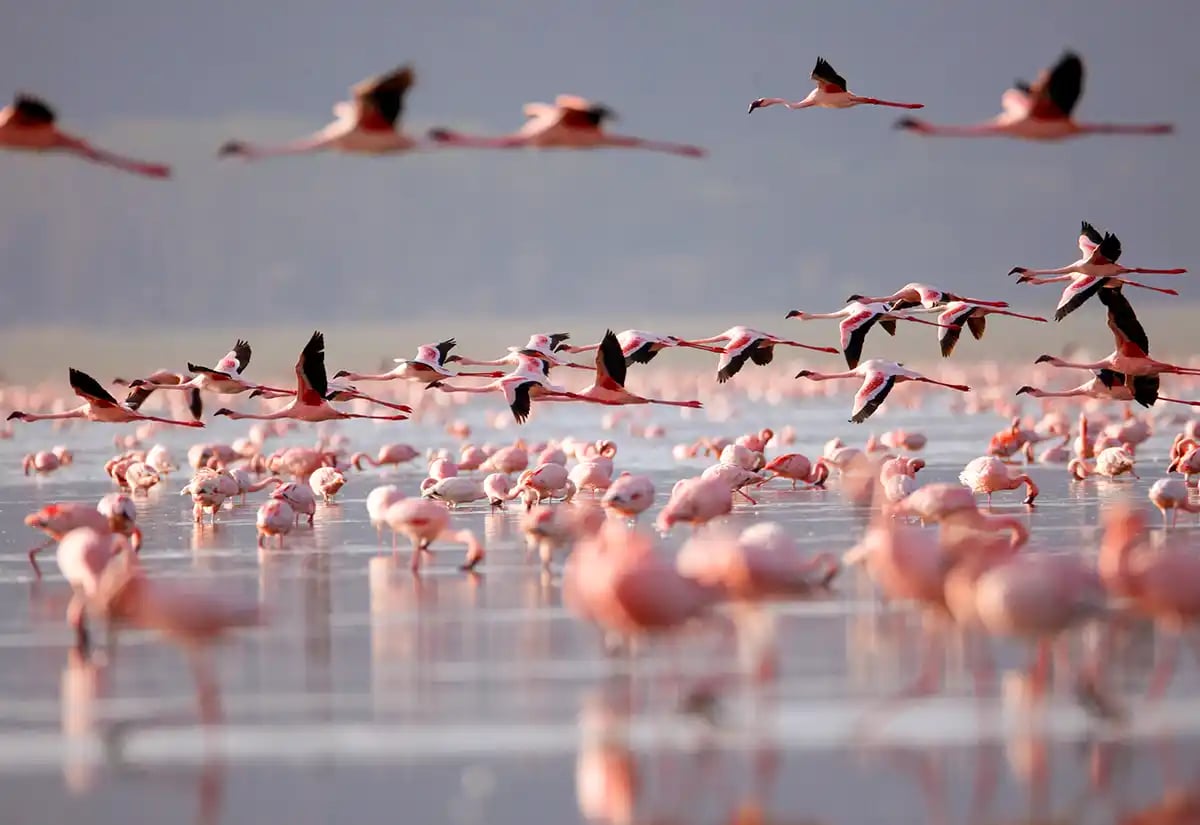
January is one of the most visually striking times to visit Lake Eyasi, as seasonal rain continues to transform the lake into a thriving wetland. Water levels are high, drawing large flocks of flamingos, pelicans, and storks that wade through the shallows. The surrounding Rift Valley landscapes are at their greenest, making this a fantastic time for photography and nature walks.
The Hadzabe hunter-gatherers take advantage of the abundance of wild fruits and honey, sometimes guiding visitors through their seasonal gathering routines. While wildlife is not as concentrated here as in the nearby Serengeti, smaller creatures like terrapins, amphibians, and insects flourish after rain, contributing to a lively ecosystem. The downside? Some roads can become muddy and slippery, slowing the pace of travel.

+
Lake Eyasi in February: Dramatic Skies & Seasonal Transitions
Green Season
February continues the lush, green season, but with a subtle shift—rain showers start to decrease, and the lake slowly begins its retreat from its fullest point. The sky is often filled with striking cloud formations, creating colorful sunrises and sunsets over the water. This is still a fantastic time for birdwatching, as water birds remain active, but some migratory species will begin departing by the month's end.
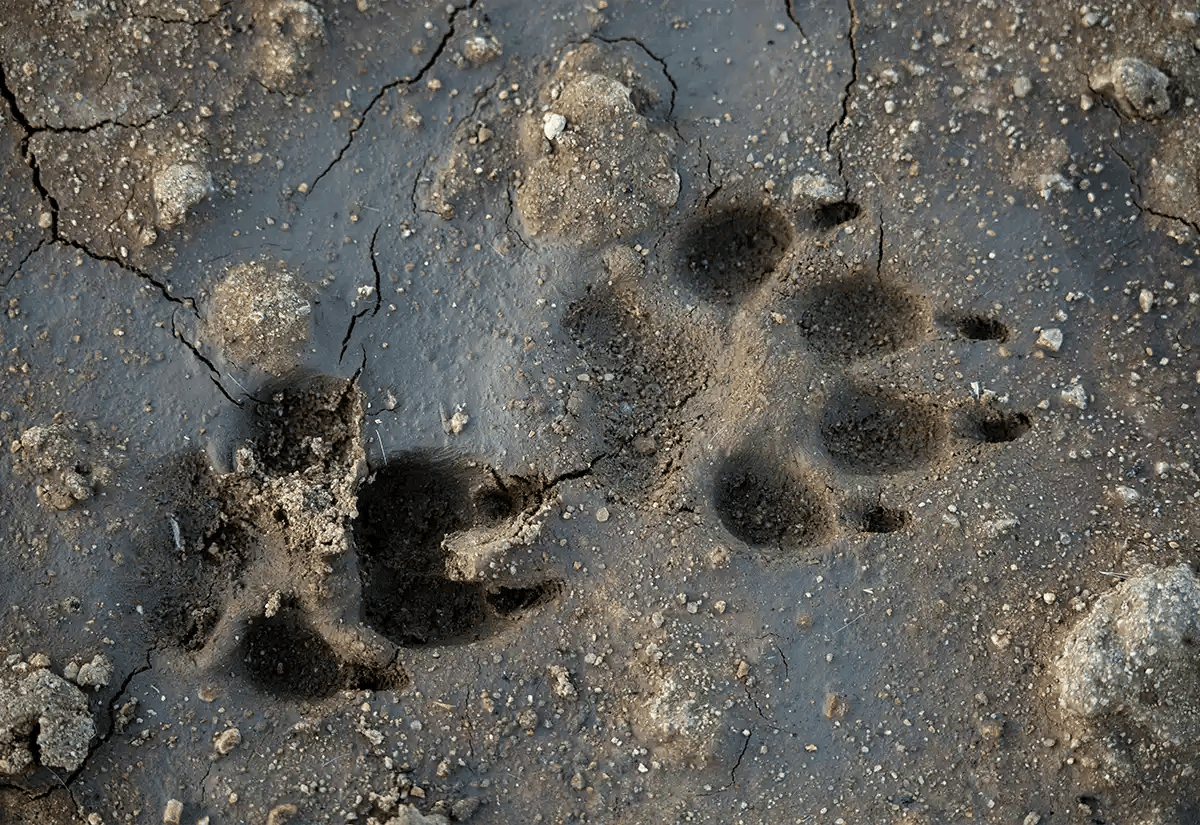
On cooler mornings, visitors can track fresh animal prints left in the soft, rain-dampened earth—evidence of nocturnal wildlife like genets and aardvarks. The Hadzabe are often more active in hunting now that certain dry-season prey, like guinea fowl, become more available. Fewer travelers venture to Lake Eyasi in February, making it ideal for those who appreciate solitude and cultural immersion.
+
Lake Eyasi in March: The Wild Flourishes
Green Season
March’s occasional rain storms keep Lake Eyasi’s waters high and the surrounding landscape buzzing with life. The air is thick with the sounds of frogs, crickets, and bird calls as the ecosystem reaches its most vibrant point. The lake remains a hub for flamingos, pelicans, and spoonbills, making this a prime time for birdwatchers and photographers.
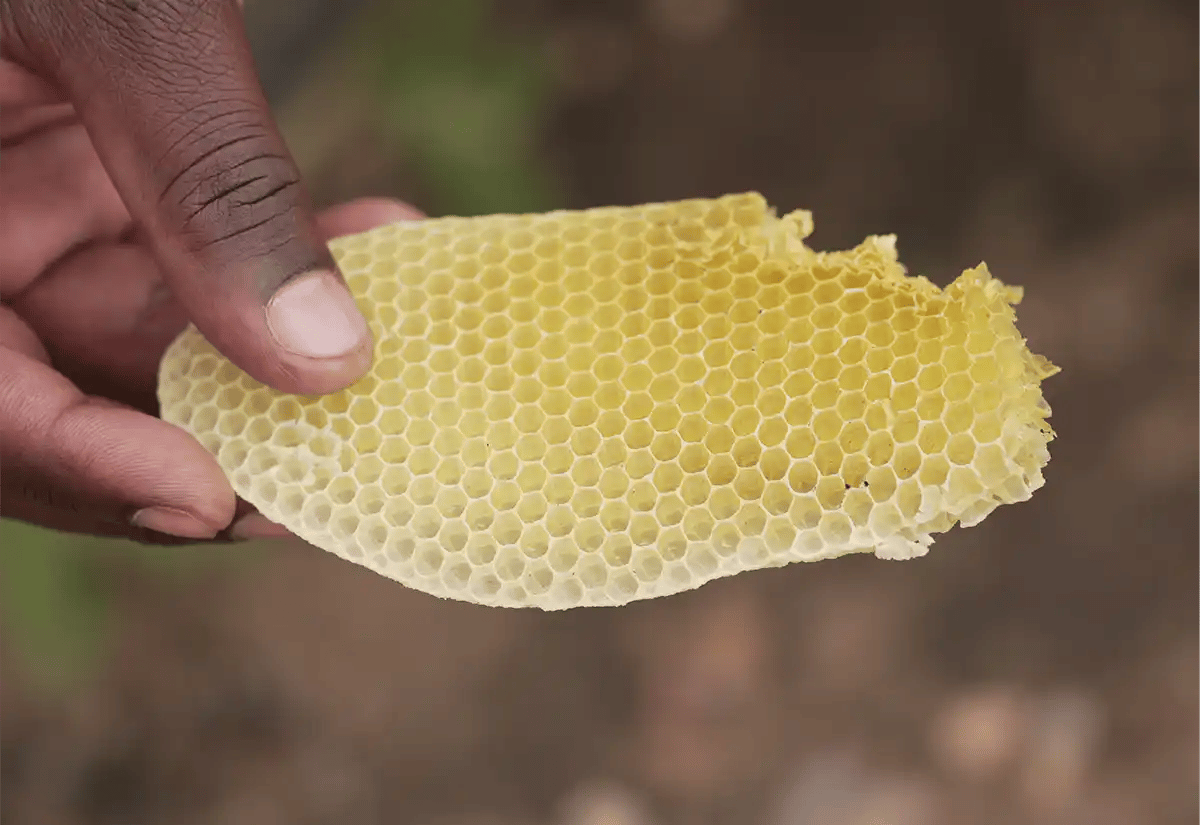
The Hadzabe and Datoga communities continue to adapt their daily routines to the season. The Hadzabe focus more on gathering wild berries and honey, and visitors may even have the chance to witness traditional honey-harvesting techniques, where they use smoke to calm bees before collecting the golden nectar. The mild mornings and afternoon cloudscapes make nature walks particularly rewarding, though travelers should be prepared for occasional muddy trails.
+
Lake Eyasi in April: Heavy Rain Leads to Refreshing Wilderness
Long Rain Season
April is the rainiest month at Lake Eyasi, making it a time of renewal and fresh scenery. The Great Rift Valley escarpment is cloaked in mist, and the lake swells to one of its largest seasonal sizes, attracting high numbers of water birds and fish-feeding waders. Thriving vegetation draws antelope, primates, and smaller nocturnal creatures, which you might spot on nature walks.
Traveling during this time can be challenging as flooding may cause some roads to become impassable. Accommodations often experience fewer visitors, but for those willing to embrace the adventure, April offers a uniquely peaceful and immersive experience. It brings storm-lit landscapes, earthy scents, and a true sense of remoteness. Cultural visits remain possible, and the Hadzabe are often eager to share their rainy-season survival strategies, including tracking animals in soft mud and foraging for tubers and medicinal plants. This month is truly a time of raw beauty,...
+
Lake Eyasi in May: A Time of Transition & Hidden Beauty
Long Rain Season
May marks the transition from the wet to the dry season, bringing clearer skies and a gradual receding of Lake Eyasi’s waters. The landscape remains vibrant, and less rain makes travel easier yet still adventurous on some muddy trails. The lake remains full, with flamingos and pelicans lingering before many migrate elsewhere.
The Hadzabe and Datoga continue their seasonal routines, adapting to the changing landscape. With the rain fading, the Hadzabe begin preparing for more hunting excursions, taking advantage of drier conditions that make tracking game easier. Meanwhile, the Datoga blacksmiths work steadily, crafting tools and jewelry using their traditional metal-forging skills. Visitors in May get to witness both the lingering effects of the wet season and the first signs of the drier months ahead, offering a glimpse into the natural cycles of Lake Eyasi.
+
Lake Eyasi in June: Clear Skies Mean Ideal Travel Conditions
Dry Season
June signals the start of the dry season, with blue skies, cooler temperatures, and superior travel conditions. The landscape, though still green from the recent rain, begins its gradual shift to a more arid environment, especially in the open plains. This is a perfect time for nature walks, as trails are now dry and easier to navigate, allowing visitors to explore the Rift Valley escarpment and acacia woodlands with stunning panoramic views.
Wildlife movements become more noticeable as animals adjust to the drier conditions. The lake, still holding water from the wet season, remains a critical refuge for birds and smaller wildlife, making it an excellent time for spotting baboons, vervet monkeys, and nocturnal species. The Hadzabe have become more active in their hunting, demonstrating tracking techniques that have been passed down for generations. June is also one of the best times for stargazing, as the night skies are clear and unpolluted,...
+
Lake Eyasi in July: Crisp Air & Unique Cultural Experiences
Dry Season
July brings cool, dry weather to Lake Eyasi, making it one of the most comfortable months to visit. Mornings are crisp, and afternoons are pleasantly warm, with little to no rainfall. The landscape, while beginning to dry out, still retains patches of greenery, especially near the lake and along the escarpment. The shrinking water levels concentrate birdlife around the remaining pools, creating top-notch birdwatching opportunities.
Culturally, this is an ideal time to engage with the Hadzabe and Datoga tribes. The Hadzabe hunters, now fully adapted to the dry season, venture deeper into the bush in search of game, showcasing their expert tracking and survival skills. The Datoga blacksmiths remain busy, forging tools and decorative pieces from scrap metal. With clear skies and fewer insects, July is also one of the best months for stargazing, offering unobstructed views of the Milky Way.
+
Lake Eyasi in August: Dry Season Brings Wildlife Activity
Dry Season
August is one of the driest months, with Lake Eyasi’s waters continuing to shrink, leaving behind salt flats and small pools where birds and wildlife gather. The surrounding terrain becomes dustier and more arid, which creates beautiful contrasts between the golden grasslands and the blue sky. The Rift Valley views are especially breathtaking in the early morning, as soft light casts long shadows over the escarpment.
The Hadzabe hunt small game and gather tubers, while the Datoga continue their craftsmanship, often selling beautifully handcrafted jewelry and tools. With cool nights and warm days, this is also a great time for nature walks, as the dry trails make hiking easier. The low humidity and clear conditions make August another prime month for stargazing, offering visitors a perfect mix of cultural experiences, natural beauty, and peaceful solitude.

+
Lake Eyasi in September: Golden Landscapes & Peak Hunting Season
Dry Season
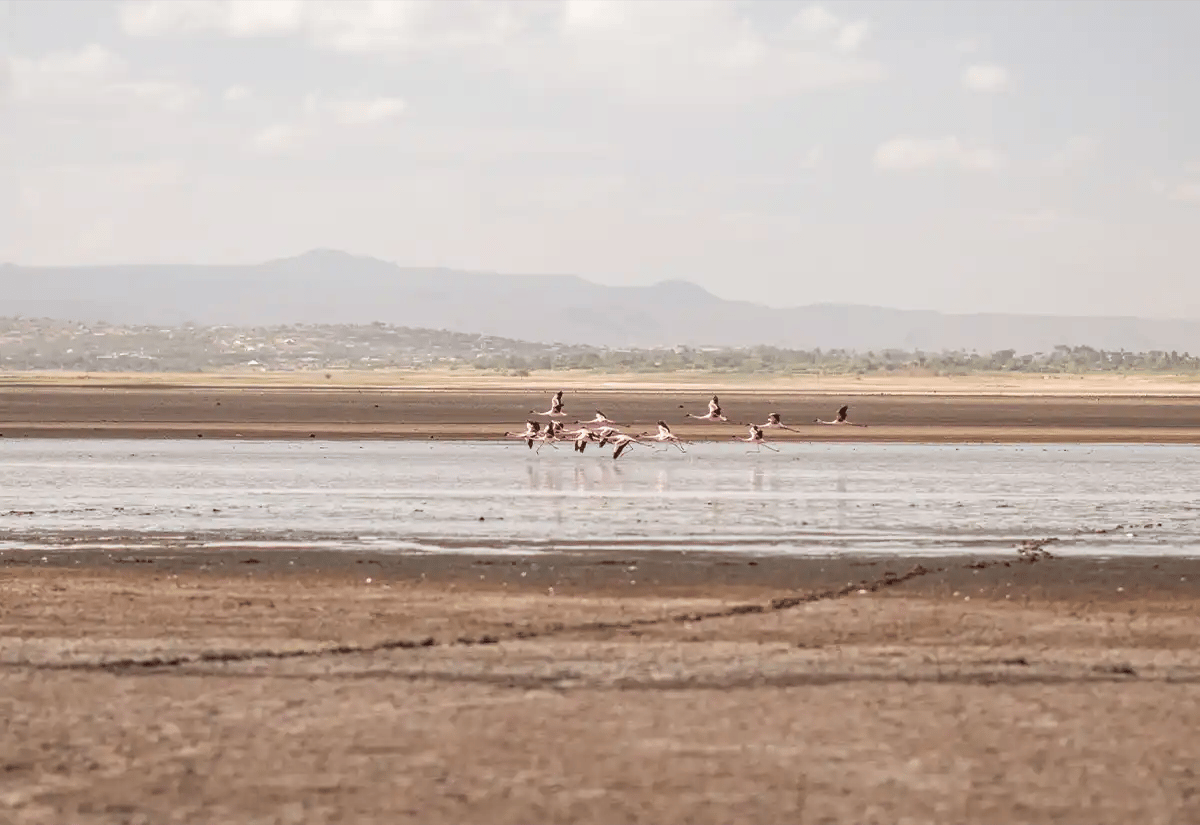
September marks the height of the dry season, with Lake Eyasi’s waters at their lowest levels. The exposed lakebed creates a vast, otherworldly landscape of cracked earth and shimmering salt flats while the surrounding vegetation turns golden under the strong sun. This is a fascinating time to see how the region’s wildlife and people adapt to extreme dryness.
For the Hadzabe, September is peak hunting season. With less water and sparse vegetation, animals are easier to track, making this the best time to observe their expert survival skills in action. Visitors may have the opportunity to join a hunting expedition, learning how the Hadzabe move silently through the bush and use bows and poisoned arrows with incredible precision. The Datoga blacksmiths trade tools and handmade jewelry with neighboring communities. With clear skies and virtually no rain, September is also one of the sunniest months, perfect for photography and long walks.
+
Lake Eyasi in October: Heat Rises & Wildlife Gathers
Dry Season
October is one of the hottest months at Lake Eyasi, with daytime temperatures climbing and the landscape at its most arid before the short rain arrives. The lake, now a series of small pools, becomes a critical water source for birds and wildlife. This makes it one of the best times to see animal interactions up close. Dusty winds occasionally sweep through the valley, adding a wild beauty to the scenery.
The Hadzabe continue their hunting expeditions, often rising before dawn to avoid the peak heat. The Datoga, ever resourceful, focus on trading and metalwork, adapting their schedules to the shifting climate. Nocturnal animals become more active in the cooler evening hours, and the clear, dry conditions still make for brilliant starry nights. The sky comes alive in a way that feels truly untouched by modern civilization. By the end of October, the air grows heavy with the promise of rain, signaling an upcoming shift in the landscape.
+
Lake Eyasi in November: Rain Reawakens the Landscape
Short Rain Season
November marks the arrival of the short rain, bringing a palpable transformation to Lake Eyasi’s dry, dusty plains. The first showers break the intense heat, softening the cracked earth and triggering the early stages of regeneration. While the lake remains mostly dry at the beginning of the month, seasonal pools start to refill, attracting the first waves of migratory birds back to the area.
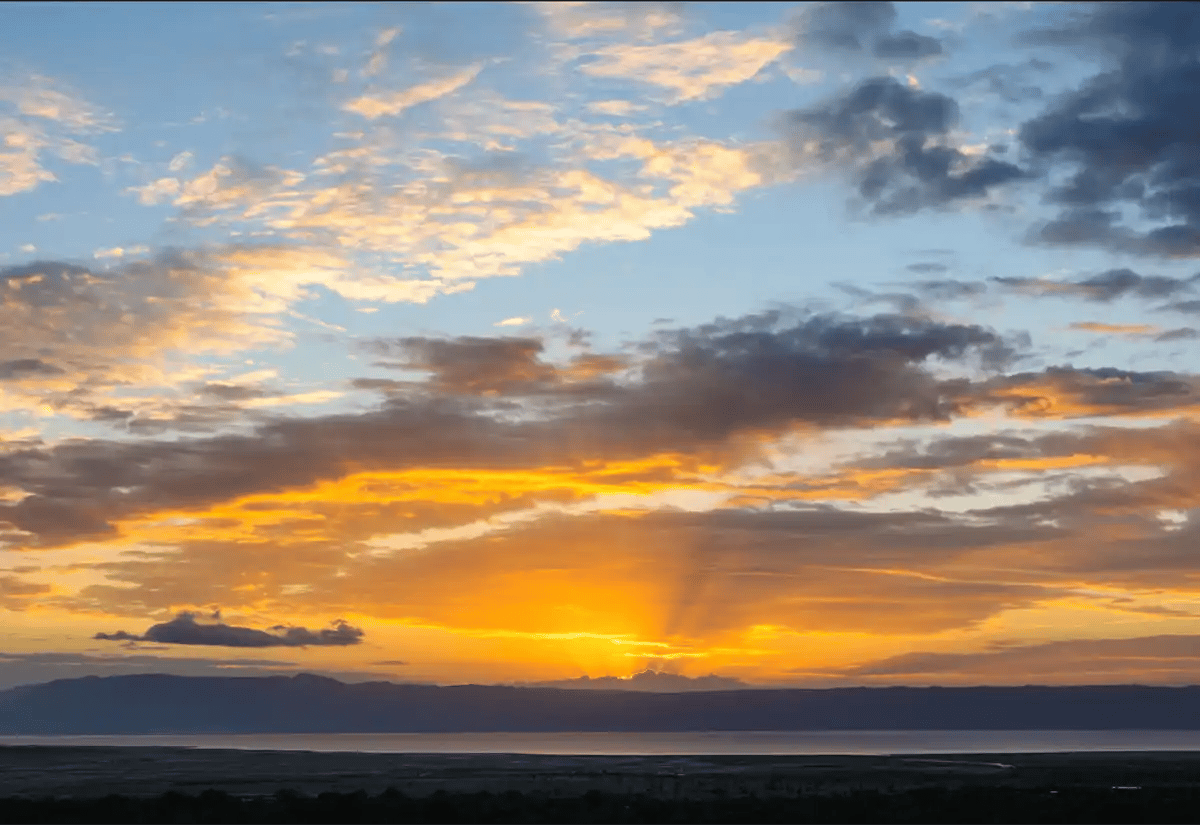
This seasonal shift also affects the Hadzabe and Datoga communities. The Hadzabe begin to adjust their hunting strategies, incorporating more foraged food like wild berries and tubers, which start sprouting after rain. Meanwhile, the Datoga take advantage of the softened ground to expand their farmlands and prepare for planting. With fewer tourists visiting, November offers a quieter, more intimate experience, where visitors can witness the land coming back to life. Short but intense rain showers are common, often followed by breathtaking sunsets, making...
+
Lake Eyasi in December: Lively Scenery As Wildlife Returns
Short Rain Season
By December, the short rain has breathed new life into the region, with fresh green grass carpeting the plains and Lake Eyasi slowly refilling. The scenery is beautifully lush, and while rain continues intermittently, it usually comes in short bursts, leaving plenty of time for exploration and cultural visits.
Birdwatchers will find Lake Eyasi’s shores teeming with activity, as flamingos, pelicans, and other water birds return in large numbers. With more water and fresh vegetation, wildlife sightings increase, particularly for primates and smaller mammals. The Hadzabe and Datoga remain active, adapting to the changing conditions—hunting trips become more sporadic, and foraging plays a bigger role in their daily lives. December’s cooler mornings and vivid post-rain sunsets make it an especially scenic time to visit, offering a mix of refreshing landscapes, wildlife encounters, and cultural immersion to end the year on a high note.
+
Lake Eyasi in January: Peak Birdwatching & Verdant Landscapes
Green Season
January is one of the most visually striking times to visit Lake Eyasi, as seasonal rain continues to transform the lake into a thriving wetland. Water levels are high, drawing large flocks of flamingos, pelicans, and storks that wade through the shallows. The surrounding Rift Valley landscapes are at their greenest, making this a fantastic time for photography and nature walks.
The Hadzabe hunter-gatherers take advantage of the abundance of wild fruits and honey, sometimes guiding visitors through their seasonal gathering routines. While wildlife is not as concentrated here as in the nearby Serengeti, smaller creatures like terrapins, amphibians, and insects flourish after rain, contributing to a lively ecosystem. The downside? Some roads can become muddy and slippery, slowing the pace of travel.
Lake Eyasi in February: Dramatic Skies & Seasonal Transitions
Green Season
February continues the lush, green season, but with a subtle shift—rain showers start to decrease, and the lake slowly begins its retreat from its fullest point. The sky is often filled with striking cloud formations, creating colorful sunrises and sunsets over the water. This is still a fantastic time for birdwatching, as water birds remain active, but some migratory species will begin departing by the month's end.
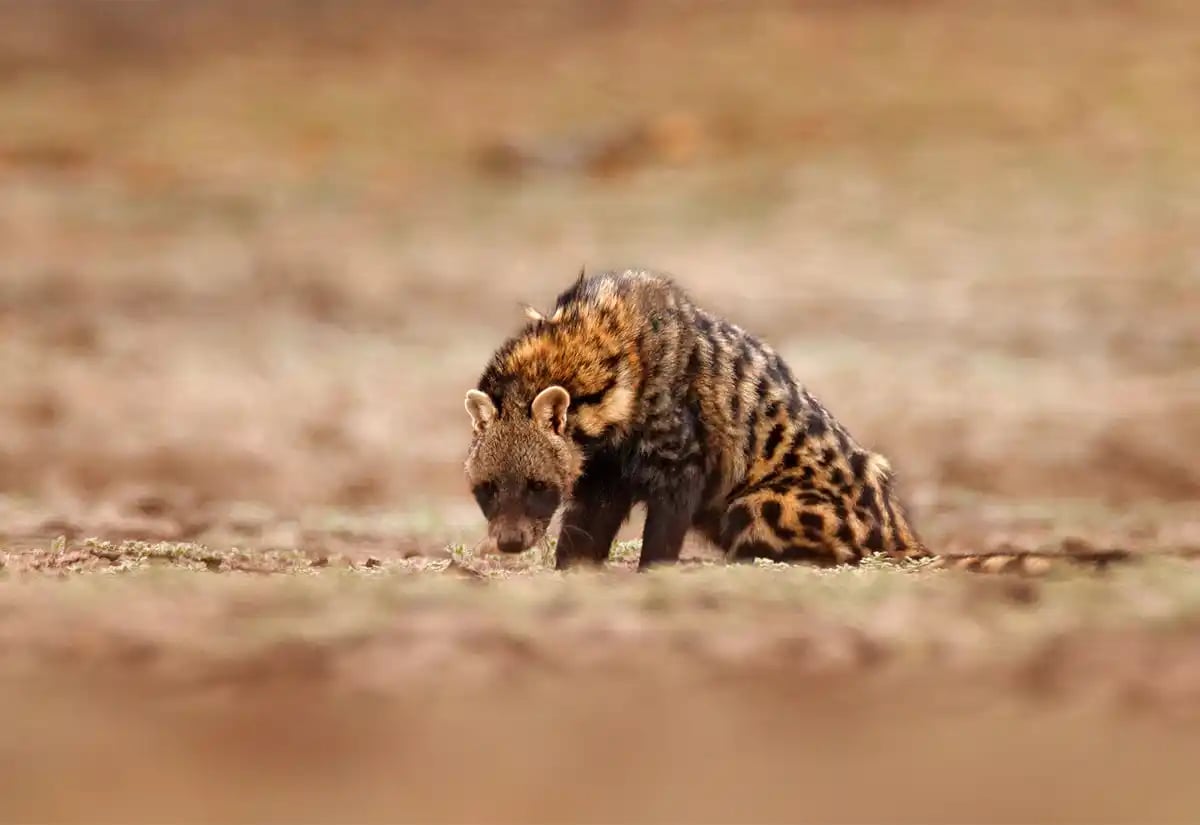
On cooler mornings, visitors can track fresh animal prints left in the soft, rain-dampened earth—evidence of nocturnal wildlife like genets and aardvarks. The Hadzabe are often more active in hunting now that certain dry-season prey, like guinea fowl, become more available. Fewer travelers venture to Lake Eyasi in February, making it ideal for those who appreciate solitude and cultural immersion.
Lake Eyasi in March: The Wild Flourishes
Green Season
March’s occasional rain storms keep Lake Eyasi’s waters high and the surrounding landscape buzzing with life. The air is thick with the sounds of frogs, crickets, and bird calls as the ecosystem reaches its most vibrant point. The lake remains a hub for flamingos, pelicans, and spoonbills, making this a prime time for birdwatchers and photographers.
The Hadzabe and Datoga communities continue to adapt their daily routines to the season. The Hadzabe focus more on gathering wild berries and honey, and visitors may even have the chance to witness traditional honey-harvesting techniques, where they use smoke to calm bees before collecting the golden nectar. The mild mornings and afternoon cloudscapes make nature walks particularly rewarding, though travelers should be prepared for occasional muddy trails.
Lake Eyasi in April: Heavy Rain Leads to Refreshing Wilderness
Long Rain Season
April is the rainiest month at Lake Eyasi, making it a time of renewal and fresh scenery. The Great Rift Valley escarpment is cloaked in mist, and the lake swells to one of its largest seasonal sizes, attracting high numbers of water birds and fish-feeding waders. Thriving vegetation draws antelope, primates, and smaller nocturnal creatures, which you might spot on nature walks.
Traveling during this time can be challenging as flooding may cause some roads to become impassable. Accommodations often experience fewer visitors, but for those willing to embrace the adventure, April offers a uniquely peaceful and immersive experience. It brings storm-lit landscapes, earthy scents, and a true sense of remoteness. Cultural visits remain possible, and the Hadzabe are often eager to share their rainy-season survival strategies, including tracking animals in soft mud and foraging for tubers and medicinal plants. This month is truly a time of raw beauty,...
Lake Eyasi in May: A Time of Transition & Hidden Beauty
Long Rain Season
May marks the transition from the wet to the dry season, bringing clearer skies and a gradual receding of Lake Eyasi’s waters. The landscape remains vibrant, and less rain makes travel easier yet still adventurous on some muddy trails. The lake remains full, with flamingos and pelicans lingering before many migrate elsewhere.
The Hadzabe and Datoga continue their seasonal routines, adapting to the changing landscape. With the rain fading, the Hadzabe begin preparing for more hunting excursions, taking advantage of drier conditions that make tracking game easier. Meanwhile, the Datoga blacksmiths work steadily, crafting tools and jewelry using their traditional metal-forging skills. Visitors in May get to witness both the lingering effects of the wet season and the first signs of the drier months ahead, offering a glimpse into the natural cycles of Lake Eyasi.
Lake Eyasi in June: Clear Skies Mean Ideal Travel Conditions
Dry Season
June signals the start of the dry season, with blue skies, cooler temperatures, and superior travel conditions. The landscape, though still green from the recent rain, begins its gradual shift to a more arid environment, especially in the open plains. This is a perfect time for nature walks, as trails are now dry and easier to navigate, allowing visitors to explore the Rift Valley escarpment and acacia woodlands with stunning panoramic views.
Wildlife movements become more noticeable as animals adjust to the drier conditions. The lake, still holding water from the wet season, remains a critical refuge for birds and smaller wildlife, making it an excellent time for spotting baboons, vervet monkeys, and nocturnal species. The Hadzabe have become more active in their hunting, demonstrating tracking techniques that have been passed down for generations. June is also one of the best times for stargazing, as the night skies are clear and unpolluted,...
Lake Eyasi in July: Crisp Air & Unique Cultural Experiences
Dry Season
July brings cool, dry weather to Lake Eyasi, making it one of the most comfortable months to visit. Mornings are crisp, and afternoons are pleasantly warm, with little to no rainfall. The landscape, while beginning to dry out, still retains patches of greenery, especially near the lake and along the escarpment. The shrinking water levels concentrate birdlife around the remaining pools, creating top-notch birdwatching opportunities.
Culturally, this is an ideal time to engage with the Hadzabe and Datoga tribes. The Hadzabe hunters, now fully adapted to the dry season, venture deeper into the bush in search of game, showcasing their expert tracking and survival skills. The Datoga blacksmiths remain busy, forging tools and decorative pieces from scrap metal. With clear skies and fewer insects, July is also one of the best months for stargazing, offering unobstructed views of the Milky Way.
Lake Eyasi in August: Dry Season Brings Wildlife Activity
Dry Season
August is one of the driest months, with Lake Eyasi’s waters continuing to shrink, leaving behind salt flats and small pools where birds and wildlife gather. The surrounding terrain becomes dustier and more arid, which creates beautiful contrasts between the golden grasslands and the blue sky. The Rift Valley views are especially breathtaking in the early morning, as soft light casts long shadows over the escarpment.
The Hadzabe hunt small game and gather tubers, while the Datoga continue their craftsmanship, often selling beautifully handcrafted jewelry and tools. With cool nights and warm days, this is also a great time for nature walks, as the dry trails make hiking easier. The low humidity and clear conditions make August another prime month for stargazing, offering visitors a perfect mix of cultural experiences, natural beauty, and peaceful solitude.
Lake Eyasi in September: Golden Landscapes & Peak Hunting Season
Dry Season
September marks the height of the dry season, with Lake Eyasi’s waters at their lowest levels. The exposed lakebed creates a vast, otherworldly landscape of cracked earth and shimmering salt flats while the surrounding vegetation turns golden under the strong sun. This is a fascinating time to see how the region’s wildlife and people adapt to extreme dryness.
For the Hadzabe, September is peak hunting season. With less water and sparse vegetation, animals are easier to track, making this the best time to observe their expert survival skills in action. Visitors may have the opportunity to join a hunting expedition, learning how the Hadzabe move silently through the bush and use bows and poisoned arrows with incredible precision. The Datoga blacksmiths trade tools and handmade jewelry with neighboring communities. With clear skies and virtually no rain, September is also one of the sunniest months, perfect for photography and long walks.
Lake Eyasi in October: Heat Rises & Wildlife Gathers
Dry Season
October is one of the hottest months at Lake Eyasi, with daytime temperatures climbing and the landscape at its most arid before the short rain arrives. The lake, now a series of small pools, becomes a critical water source for birds and wildlife. This makes it one of the best times to see animal interactions up close. Dusty winds occasionally sweep through the valley, adding a wild beauty to the scenery.
The Hadzabe continue their hunting expeditions, often rising before dawn to avoid the peak heat. The Datoga, ever resourceful, focus on trading and metalwork, adapting their schedules to the shifting climate. Nocturnal animals become more active in the cooler evening hours, and the clear, dry conditions still make for brilliant starry nights. The sky comes alive in a way that feels truly untouched by modern civilization. By the end of October, the air grows heavy with the promise of rain, signaling an upcoming shift in the landscape.
Lake Eyasi in November: Rain Reawakens the Landscape
Short Rain Season
November marks the arrival of the short rain, bringing a palpable transformation to Lake Eyasi’s dry, dusty plains. The first showers break the intense heat, softening the cracked earth and triggering the early stages of regeneration. While the lake remains mostly dry at the beginning of the month, seasonal pools start to refill, attracting the first waves of migratory birds back to the area.
This seasonal shift also affects the Hadzabe and Datoga communities. The Hadzabe begin to adjust their hunting strategies, incorporating more foraged food like wild berries and tubers, which start sprouting after rain. Meanwhile, the Datoga take advantage of the softened ground to expand their farmlands and prepare for planting. With fewer tourists visiting, November offers a quieter, more intimate experience, where visitors can witness the land coming back to life. Short but intense rain showers are common, often followed by breathtaking sunsets, making...
Lake Eyasi in December: Lively Scenery As Wildlife Returns
Short Rain Season
By December, the short rain has breathed new life into the region, with fresh green grass carpeting the plains and Lake Eyasi slowly refilling. The scenery is beautifully lush, and while rain continues intermittently, it usually comes in short bursts, leaving plenty of time for exploration and cultural visits.
Birdwatchers will find Lake Eyasi’s shores teeming with activity, as flamingos, pelicans, and other water birds return in large numbers. With more water and fresh vegetation, wildlife sightings increase, particularly for primates and smaller mammals. The Hadzabe and Datoga remain active, adapting to the changing conditions—hunting trips become more sporadic, and foraging plays a bigger role in their daily lives. December’s cooler mornings and vivid post-rain sunsets make it an especially scenic time to visit, offering a mix of refreshing landscapes, wildlife encounters, and cultural immersion to end the year on a high note.
+
+
+
+
+
+
+
+
+
+
+
+

Lake Eyasi Wildlife
The dynamic ecosystem of the Lake Eyasi region is shaped by its seasonal lake, wooded savannah, and rocky escarpments. Wildlife here is well adapted to the arid environment, and visitors can observe the incredible resilience of species that thrive in this remote, untamed landscape.
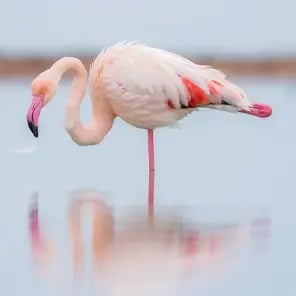
Flamingos
These elegant birds gather at Lake Eyasi during the wet season, feeding in its alkaline waters and creating a vibrant pink spectacle.
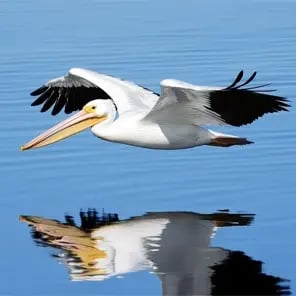
Pelicans
Large and graceful, pelicans thrive in Lake Eyasi’s seasonal waters, using their distinctive beaks to scoop up fish.
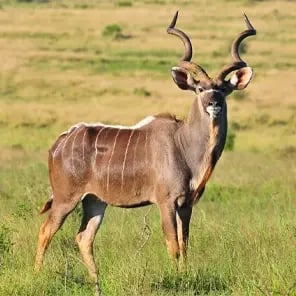
Greater Kudu
These elusive antelope roam the woodlands near Lake Eyasi, blending into the landscape with their striped coats and spiraled horns.
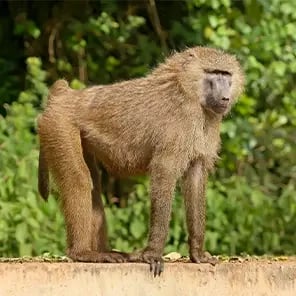
Olive Baboons
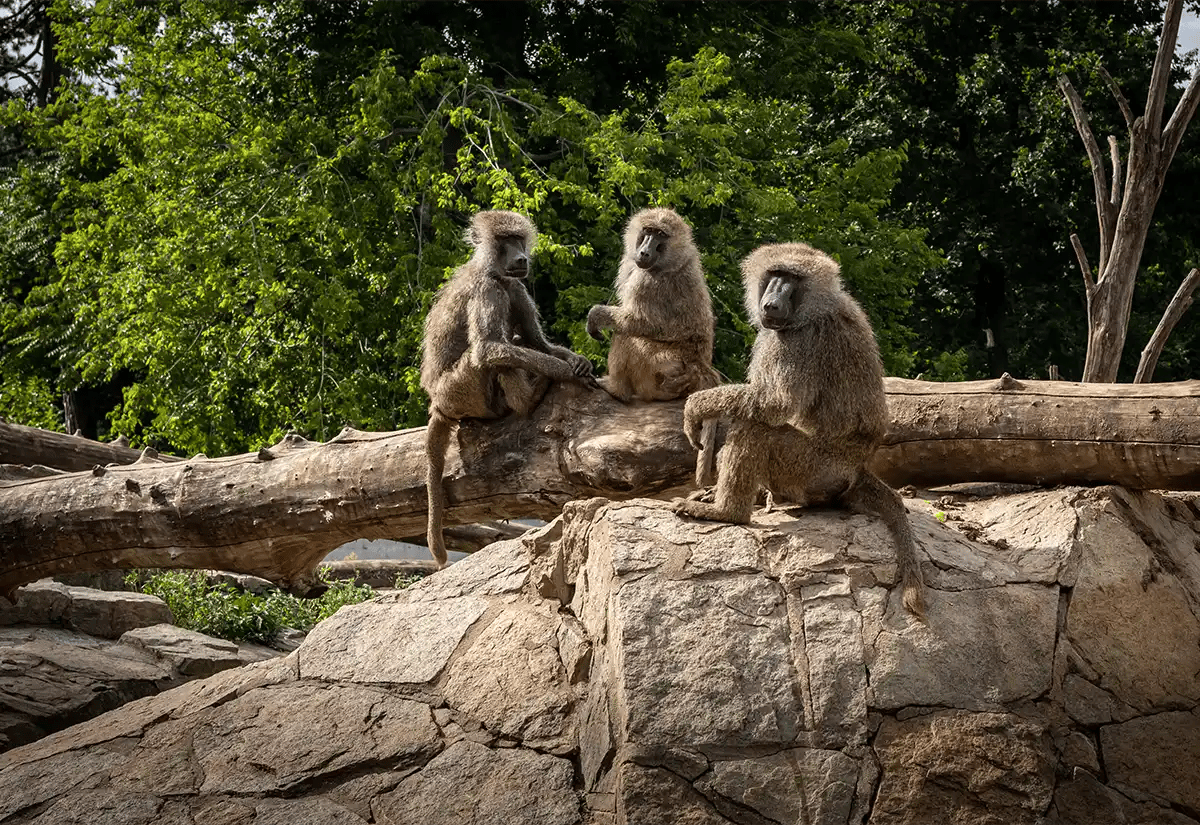
Highly social and intelligent, these primates can be seen in troops along Lake Eyasi, foraging and interacting in dynamic groups.
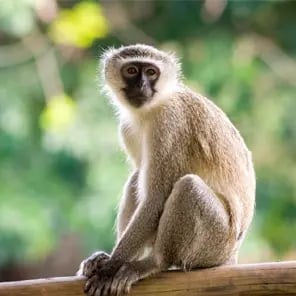
Vervet Monkeys
Playful and agile, vervet monkeys inhabit the acacia forests around Lake Eyasi, often spotted leaping between branches.
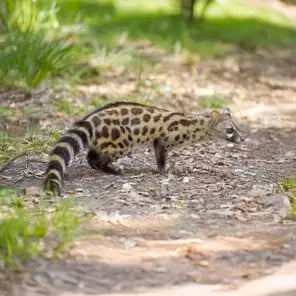
Genets
Genets are small, nocturnal, and elusive cat-like mammals that emerge after dark, navigating Lake Eyasi’s rocky terrain with stealth.
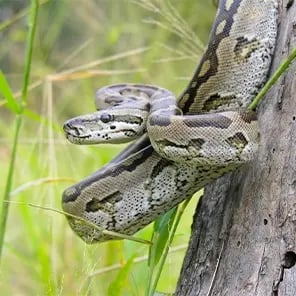
African Rock Python
One of Africa’s largest snakes, this powerful constrictor thrives in Lake Eyasi’s varied habitats, often near water.
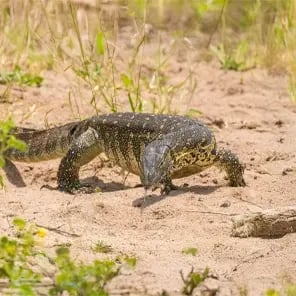
Monitor Lizards
These large, prehistoric-looking reptiles patrol Lake Eyasi’s shores, hunting small prey and basking in the sun.
Flamingos
These elegant birds gather at Lake Eyasi during the wet season, feeding in its alkaline waters and creating a vibrant pink spectacle.
Pelicans
Large and graceful, pelicans thrive in Lake Eyasi’s seasonal waters, using their distinctive beaks to scoop up fish.
Greater Kudu
These elusive antelope roam the woodlands near Lake Eyasi, blending into the landscape with their striped coats and spiraled horns.
Olive Baboons
Highly social and intelligent, these primates can be seen in troops along Lake Eyasi, foraging and interacting in dynamic groups.
Vervet Monkeys
Playful and agile, vervet monkeys inhabit the acacia forests around Lake Eyasi, often spotted leaping between branches.
Genets
Genets are small, nocturnal, and elusive cat-like mammals that emerge after dark, navigating Lake Eyasi’s rocky terrain with stealth.
African Rock Python
One of Africa’s largest snakes, this powerful constrictor thrives in Lake Eyasi’s varied habitats, often near water.
Monitor Lizards
These large, prehistoric-looking reptiles patrol Lake Eyasi’s shores, hunting small prey and basking in the sun.


Tanzania Tours for Everyone
Most Popular
.png?width=296&height=70&name=Pattern%20(2).png)
$1,350 (2pax) USD
12 Days Serengeti Lions and Wildebeest Migration Safari

120 people viewing now
Best Seller
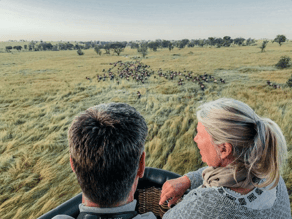
$3,001 (2pax) USD
Days Serengeti Lions and Wildebeest Migration Safari
99 people viewing now
Most Popular
$1,400 (2pax) USD
A Days Serengeti Lions and Wildebeest Migration Safari
59 people viewing now
Most Popular
$1,350 (2pax) USD
12 Days Serengeti Lions and Wildebeest Migration Safari
109 people viewing now
Best Seller
$3,001 (2pax) USD
Days Serengeti Lions and Wildebeest Migration Safari
23 people viewing now
Most Popular
$1,400 (2pax) USD
A Days Serengeti Lions and Wildebeest Migration Safari
60 people viewing now
Most Popular
$1,350 (2pax) USD
12 Days Serengeti Lions and Wildebeest Migration Safari
112 people viewing now
Best Seller
$3,001 (2pax) USD
Days Serengeti Lions and Wildebeest Migration Safari
110 people viewing now
Best Seller
$3,001 (2pax) USD
Days Serengeti Lions and Wildebeest Migration Safari
97 people viewing now
Best Seller
$3,001 (2pax) USD
Days Serengeti Lions and Wildebeest Migration Safari
21 people viewing now
Best Seller
$3,001 (2pax) USD
Days Serengeti Lions and Wildebeest Migration Safari
91 people viewing now
Most Popular
$1,400 (2pax) USD
A Days Serengeti Lions and Wildebeest Migration Safari
27 people viewing now
Explore more of Tanzania’s Northern Circuit with a custom safari itinerary from Serengeti to Lake Eyasi.

Most Popular
$1,350 (2pax) USD
12 Days Serengeti Lions and Wildebeest Migration Safari
85 people viewing now
Best Seller
$3,001 (2pax) USD
Days Serengeti Lions and Wildebeest Migration Safari
105 people viewing now
Most Popular
$1,400 (2pax) USD
A Days Serengeti Lions and Wildebeest Migration Safari
60 people viewing now
Most Popular
$1,350 (2pax) USD
12 Days Serengeti Lions and Wildebeest Migration Safari
110 people viewing now
Best Seller
$3,001 (2pax) USD
Days Serengeti Lions and Wildebeest Migration Safari
24 people viewing now
Most Popular
$1,400 (2pax) USD
A Days Serengeti Lions and Wildebeest Migration Safari
65 people viewing now
Most Popular
$1,350 (2pax) USD
12 Days Serengeti Lions and Wildebeest Migration Safari
40 people viewing now
Best Seller
$3,001 (2pax) USD
Days Serengeti Lions and Wildebeest Migration Safari
41 people viewing now
Best Seller
$3,001 (2pax) USD
Days Serengeti Lions and Wildebeest Migration Safari
92 people viewing now
Best Seller
$3,001 (2pax) USD
Days Serengeti Lions and Wildebeest Migration Safari
84 people viewing now
Best Seller
$3,001 (2pax) USD
Days Serengeti Lions and Wildebeest Migration Safari
73 people viewing now
Most Popular
$1,400 (2pax) USD
A Days Serengeti Lions and Wildebeest Migration Safari
110 people viewing now
Explore more of Tanzania’s Northern Circuit with a custom safari itinerary from Serengeti to Lake Eyasi.
Frequently Asked Questions

Still have questions?
Contact Us, we are more than happy to help!
Where is Lake Eyasi located?
Lake Eyasi is in northern Tanzania, southwest of the Ngorongoro Conservation Area and near the eastern edge of the Great Rift Valley. To better understand its location, checking a Lake Eyasi Tanzania map can help visualize its position relative to major safari destinations.
How do you get to Lake Eyasi?
The easiest way to reach Lake Eyasi is by road from Karatu or Arusha. It’s about a 1.5-hour drive from Karatu and around 5 hours from Arusha, making it a great addition to a northern Tanzania safari.
Is Lake Eyasi worth visiting?
Absolutely! Unlike Tanzania’s famous safari parks, Lake Eyasi offers an exceptional mix of cultural encounters and stunning landscapes. Travelers can meet the Hadzabe and Datoga tribes, explore the Rift Valley scenery, and enjoy peaceful nature walks.
What cultural experiences can I have at Lake Eyasi?
Visitors can spend time with the Hadzabe hunter-gatherers, joining them on a morning hunt, or visit the Datoga people, known for their traditional blacksmithing and cattle herding.
When is the best time to visit Lake Eyasi?
The dry season (June to October) offers easier access and cultural experiences, while the wet season (November to May) brings dramatic landscapes and exceptional birdwatching.
Can I visit Lake Eyasi as a day trip?
Yes, it’s possible to take a day trip from Karatu, but an overnight stay allows for a more immersive experience, including early morning cultural visits and awe-inspiring sunset views.
What kind of accommodation is available at Lake Eyasi?
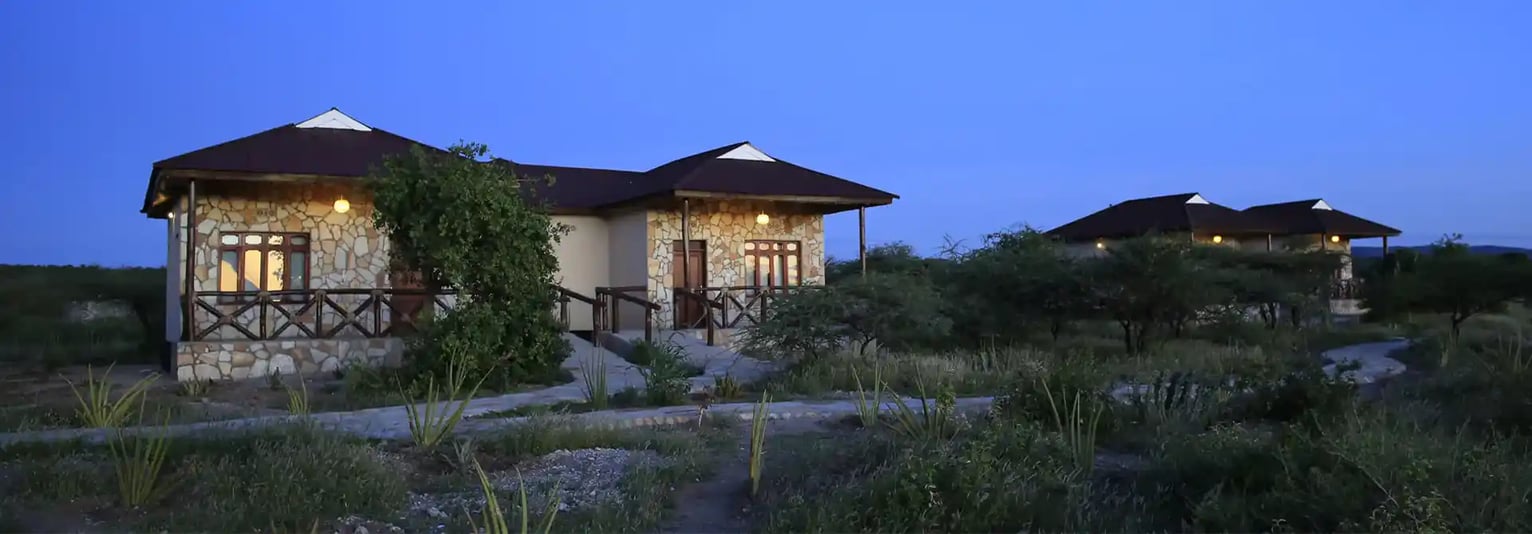
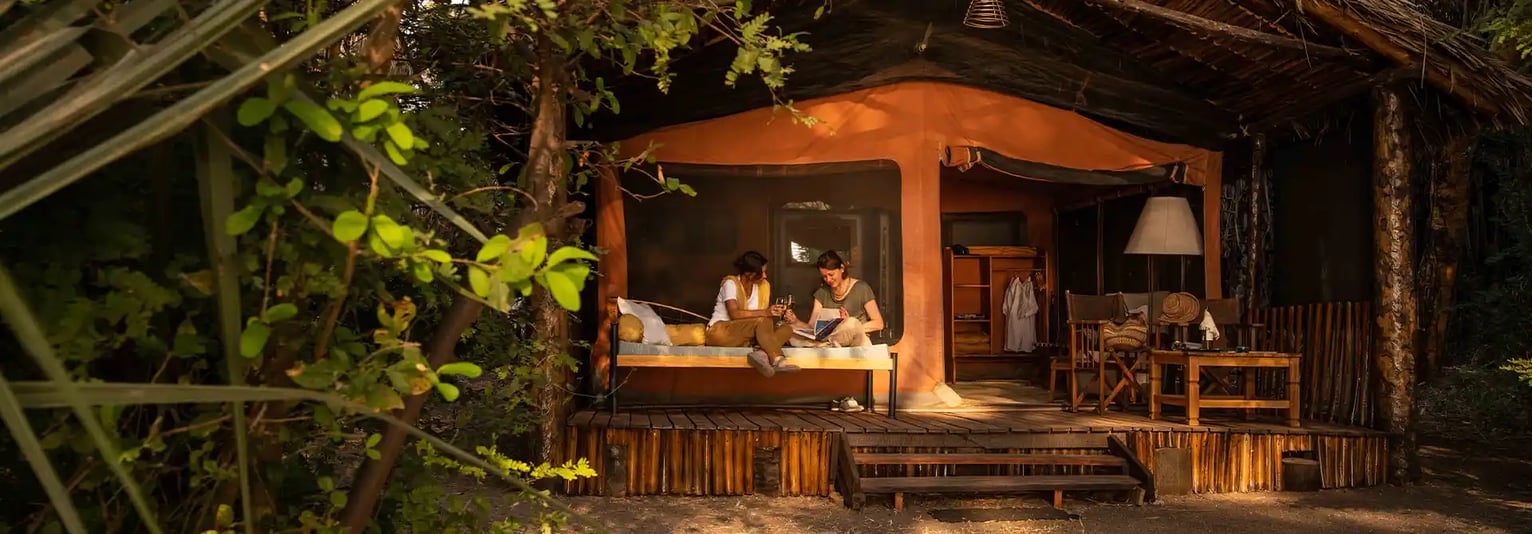
There are a few lodges and tented camps near the lake, offering a mix of mid-range and comfortable accommodations with scenic views and cultural experiences.
Is Lake Eyasi part of a typical Tanzania safari itinerary?
While not always included in classic safaris, Lake Eyasi is a great cultural add-on to a northern Tanzania itinerary, especially before or after visiting the Ngorongoro Crater.
What animals are in Lake Eyasi?
While it’s not a safari destination, Lake Eyasi is home to baboons, vervet monkeys, antelope, and nocturnal wildlife. In the wet season, the lake attracts flamingos, pelicans, and other migratory birds.
What is Lake Eyasi famous for?
Lake Eyasi is best known for its rich cultural heritage and otherworldly landscapes. It is home to the Hadzabe and Datoga tribes, offering visitors a rare chance to experience traditional hunter-gatherer and blacksmithing lifestyles. The lake’s seasonal waters attract flamingos and other birdlife, and its location in the Great Rift Valley provides breathtaking views, opportunities for nature walks, and cultural exploration.
Still have questions?
Contact Us, we are more than happy to help!
Explore Our Latest Articles
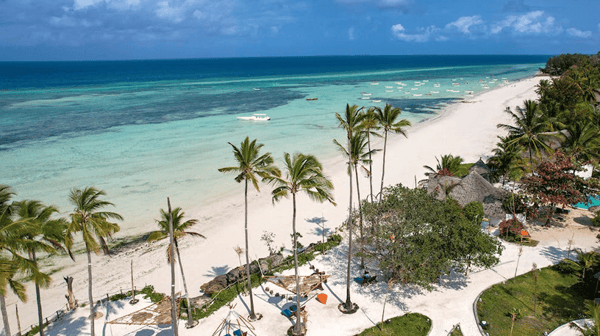
3.06.2025
23 Min Read
Kendwa Beach rests on Zanzibar Island. The beach is known far and wide because it is gorgeous. The sand on the beach is...

3.06.2025
23 Min Read
Kendwa Beach rests on Zanzibar Island. The beach is known far and wide because it is gorgeous. The...
Find Out Which Safari Tour Is Right For You
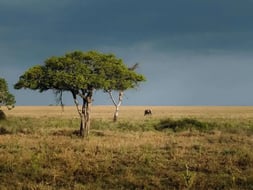
Zoom out on a Lake Eyasi Tanzania map and discover a region full of safari adventures. Easy Travel is here to help you find the right safari tour for you.
More Tanzania Destinations To Visit
This is a park



Lake Natron
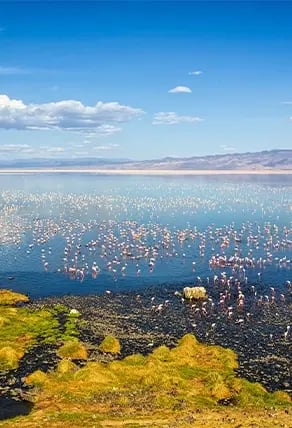
Known for its striking red waters, Lake Natron lies north of Lake Eyasi, attracting flamingos and offering surreal,...
This is a park


Lake Manyara
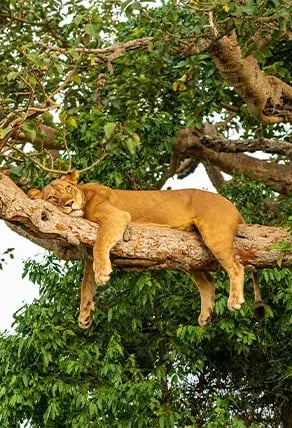
A wildlife haven near Lake Eyasi, Manyara is famous for tree-climbing lions, flamingos, and diverse birdlife.
This is a park
-svg.svg)
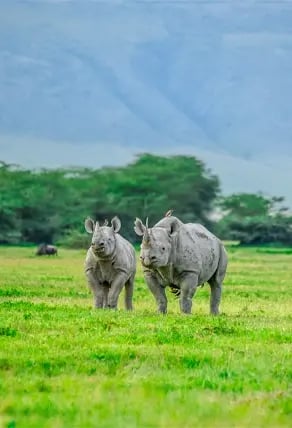


Ngorongoro...
A UNESCO-listed volcanic crater near Lake Eyasi that is home to rich wildlife, Maasai culture, and incredible scenery.
This is a park

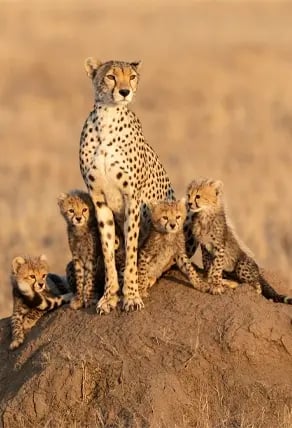


Serengeti...
North of Lake Eyasi, Tanzania’s iconic safari destination is known for the Great Migration and big cats.