

.svg "Style-Guide (1)")


.svg)


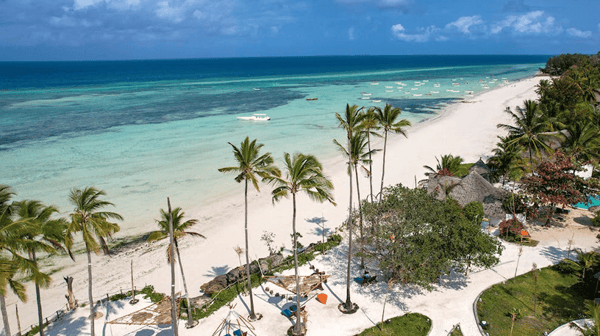
Kendwa Beach rests on Zanzibar Island. The beach is known far and wide because it is gorgeous. The...






Lake Natron
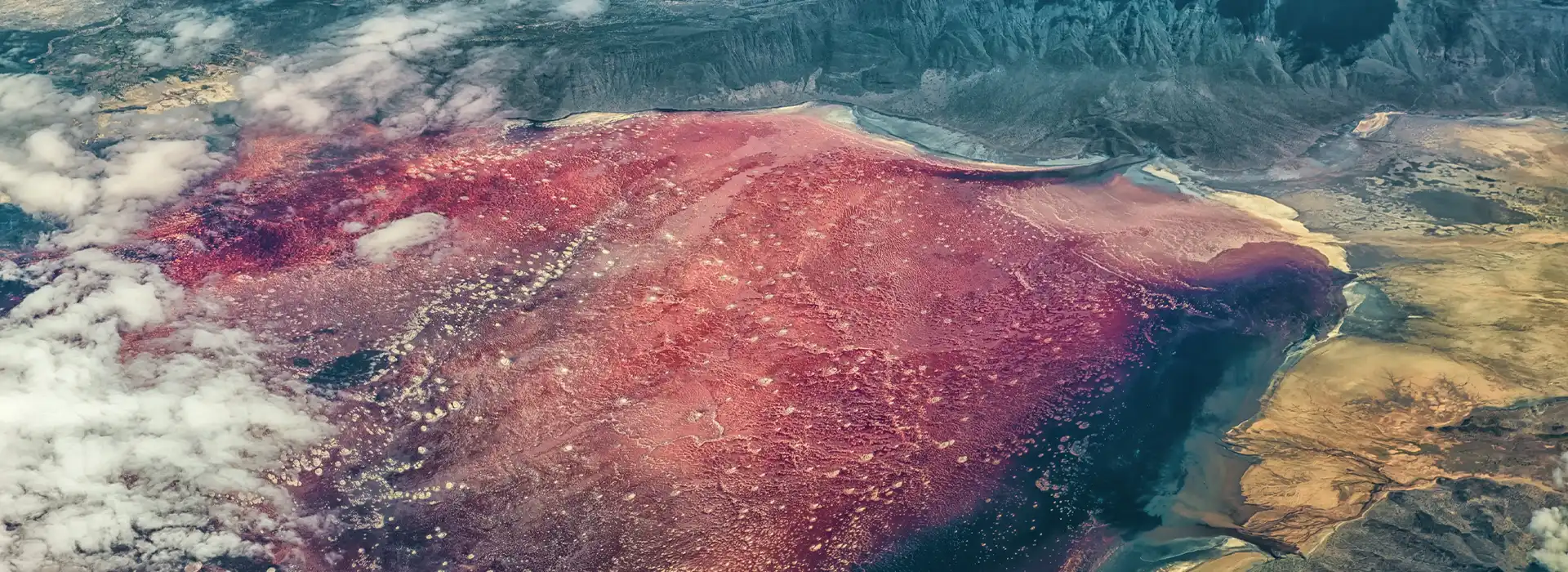
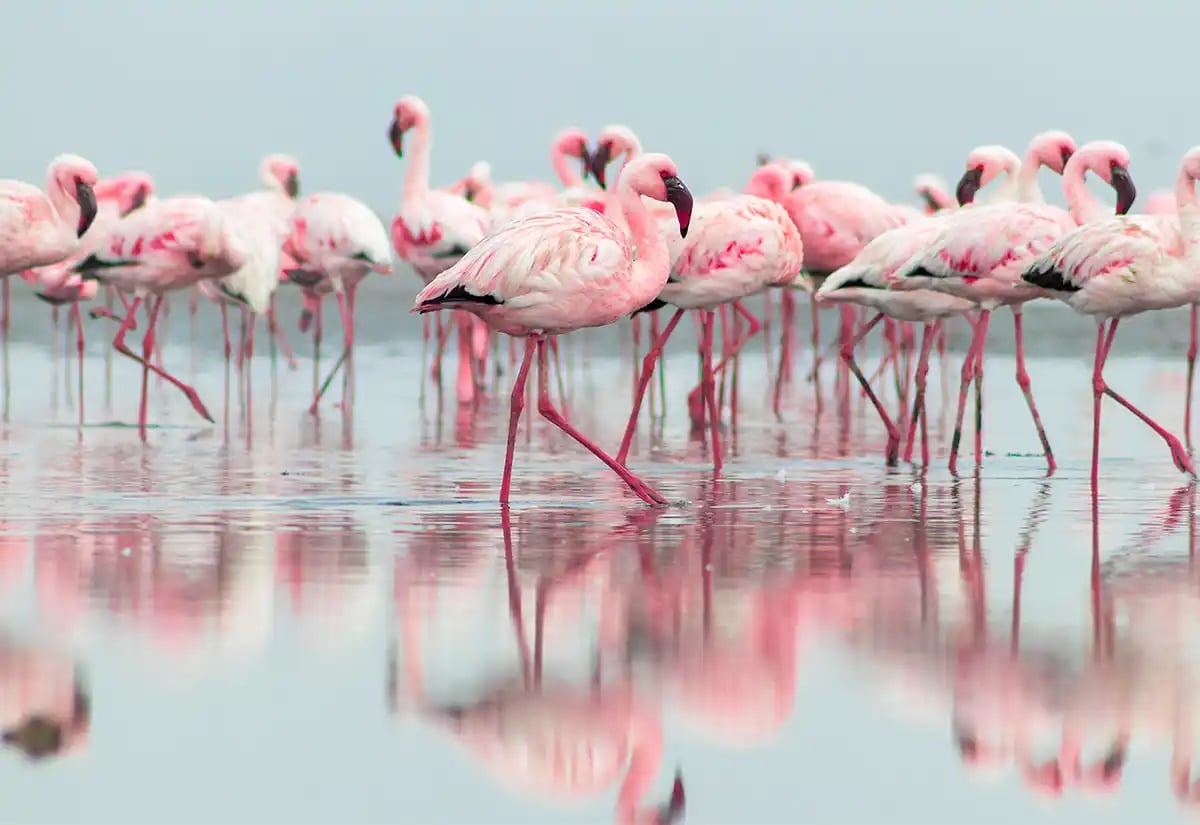
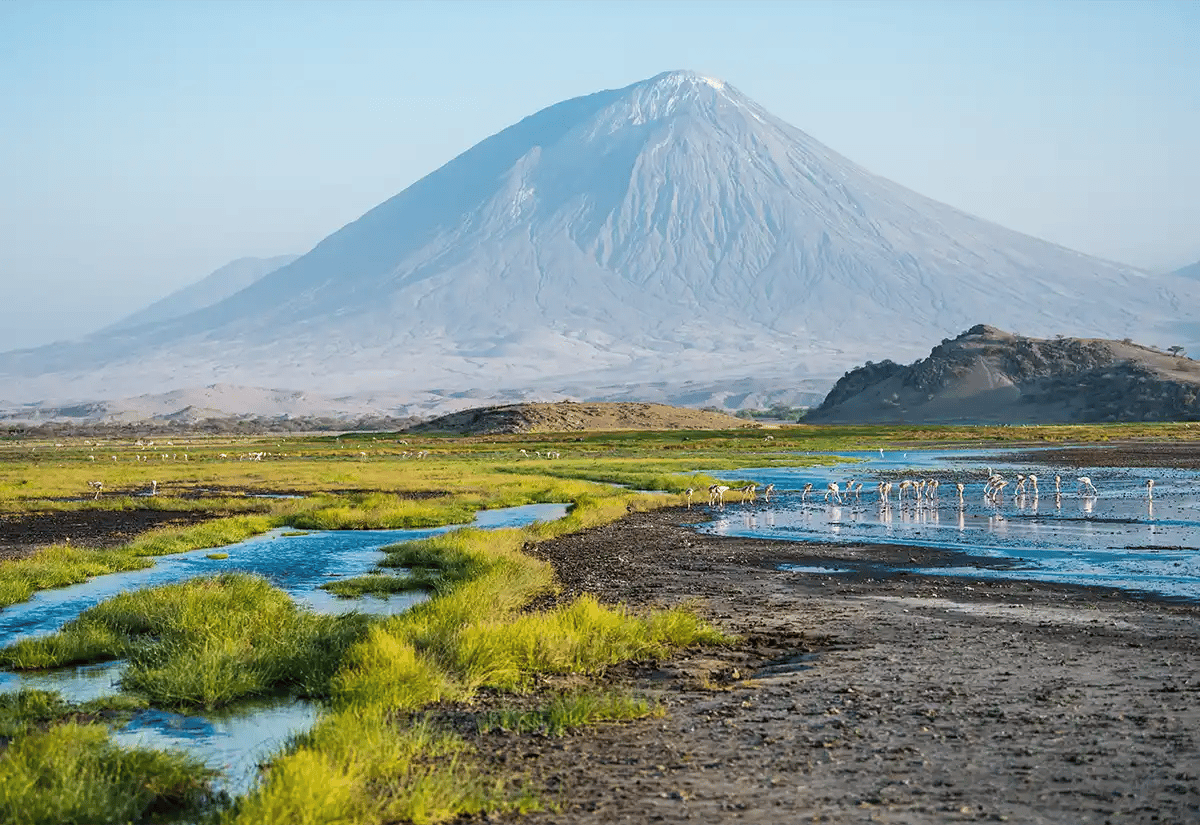
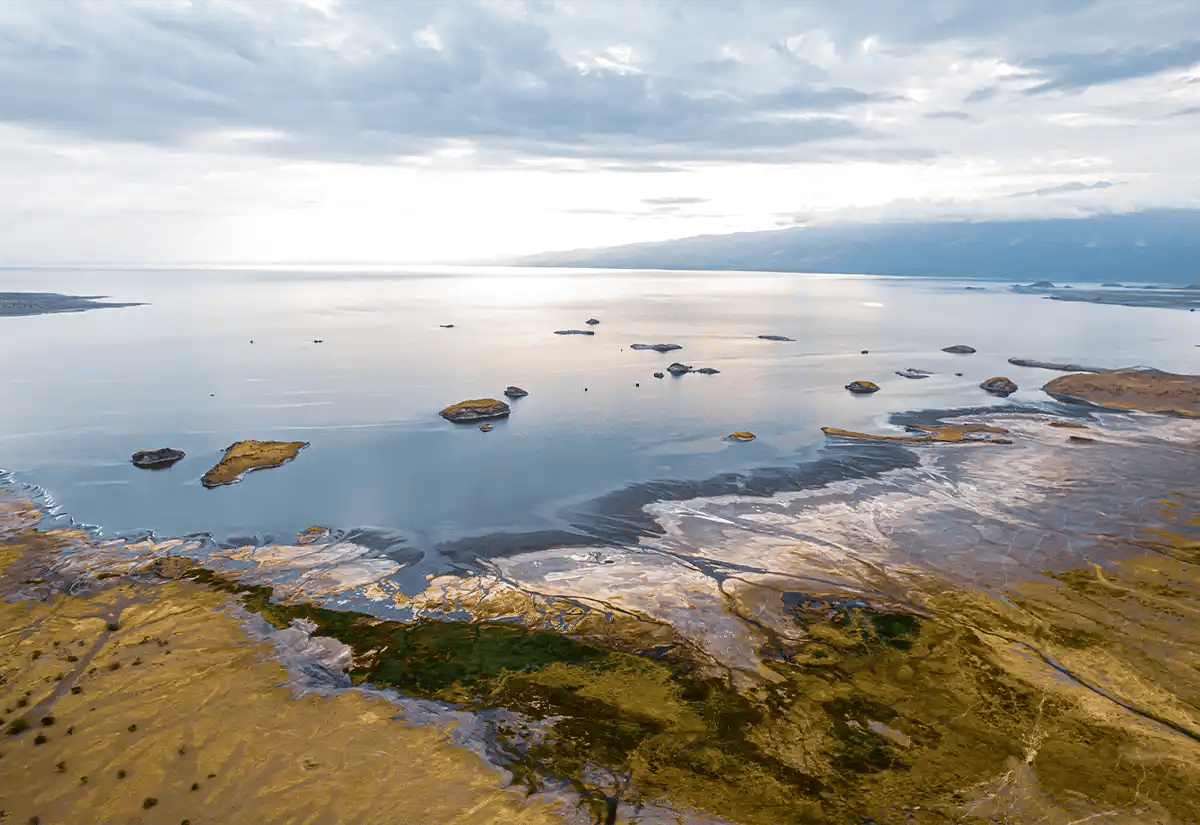
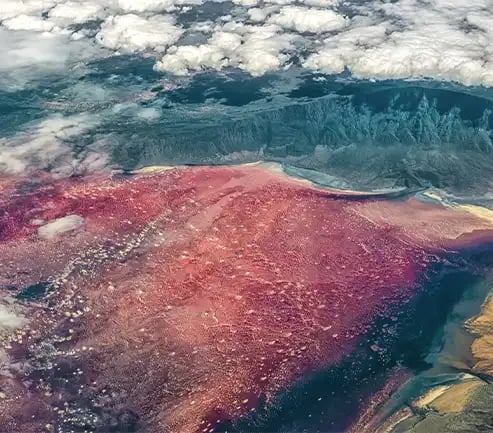
Steam rises off mirror-flat waters, tinted crimson by salt-loving algae. Flamingos tiptoe across the shallows, and the Ol Doinyo Lengai volcano looms in the distance. Welcome to Lake Natron, where the landscapes feel like another planet—untamed, untouched, and waiting to be explored.

Endorsed by ATTA

Featured in National Geographic

BBC Wildlife

Rated Excellent by Trip Advisor
Lake Natron
Steam rises off mirror-flat waters, tinted crimson by salt-loving algae. Flamingos tiptoe across the shallows, and the Ol Doinyo Lengai volcano looms in the distance. Welcome to Lake Natron, where the landscapes feel like another planet—untamed, untouched, and waiting to be explored.
Endorsed by ATTA
Featured in National Geographic
BBC Wildlife
Rated Excellent by Trip Advisor
Things To Do: Lake Natron Activities
Despite its remote location, Lake Natron offers a surprisingly diverse range of activities for travelers. From active adventures to more laid-back explorations, this region invites you to slow down, take it all in, and discover a side of Tanzania that few others get to see.


Hiking and Trekking
Challenge yourself with scenic treks around volcanic terrain, salt flats, and ancient lava flows. Hikes here are as rewarding as they are rugged, offering epic views and a deep sense of connection to the land.
Cultural Activities
Spend time with the local Maasai community to learn about their way of life, traditions, and stories. Cultural visits add depth and meaning to your journey, offering authentic, respectful exchanges.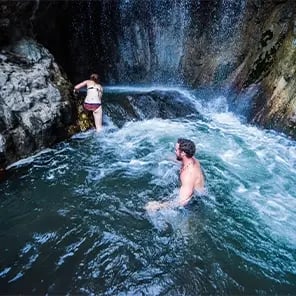
Waterfalls
Tucked into the rocky landscape are the cool and refreshing Engare Sero Waterfalls—a natural oasis perfect for swimming or simply relaxing after a long hike. These hidden gems are a favorite among visitors to Lake Natron.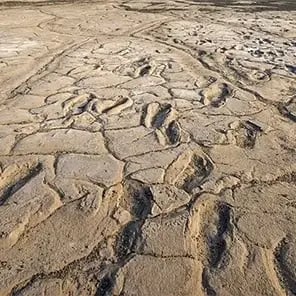
Historical Sites
Explore nearby areas rich with history, including hominin footprints believed to be over 100,000 years old. These sites offer a fascinating glimpse into the deep human past of the Rift Valley.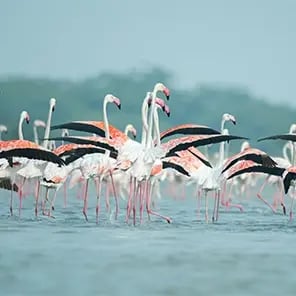
Birdwatching
Bird lovers will be in paradise, especially during Lake Natron’s flamingo season. The lake hosts hundreds of thousands of lesser flamingos, along with other rare and migratory bird species.
Stargazing
With minimal light pollution and expansive night skies, Lake Natron is an ideal spot for stargazing. Watch the Milky Way unfold above you in breathtaking clarity for a truly magical experience.Things To Do: Lake Natron Activities
Despite its remote location, Lake Natron offers a surprisingly diverse range of activities for travelers. From active adventures to more laid-back explorations, this region invites you to slow down, take it all in, and discover a side of Tanzania that few others get to see.
Hiking and Trekking
Challenge yourself with scenic treks around volcanic terrain, salt flats, and ancient lava flows. Hikes here are as rewarding as they are rugged, offering epic views and a deep sense of connection to the land.
Cultural Activities
Spend time with the local Maasai community to learn about their way of life, traditions, and stories. Cultural visits add depth and meaning to your journey, offering authentic, respectful exchanges.
Waterfalls
Tucked into the rocky landscape are the cool and refreshing Engare Sero Waterfalls—a natural oasis perfect for swimming or simply relaxing after a long hike. These hidden gems are a favorite among visitors to Lake Natron.
Historical Sites
Explore nearby areas rich with history, including hominin footprints believed to be over 100,000 years old. These sites offer a fascinating glimpse into the deep human past of the Rift Valley.
Birdwatching
Bird lovers will be in paradise, especially during Lake Natron’s flamingo season. The lake hosts hundreds of thousands of lesser flamingos, along with other rare and migratory bird species.
Stargazing
With minimal light pollution and expansive night skies, Lake Natron is an ideal spot for stargazing. Watch the Milky Way unfold above you in breathtaking clarity for a truly magical experience.The Best Time to Visit Lake Natron
While Lake Natron offers visitors something to discover all year round, the best time to visit is during the dry season from June to October, when roads are more accessible and wildlife is easier to spot. This is also the peak of the flamingo breeding season, making it an ideal time for birdwatchers and photographers.
average
good
best
.svg)
Jan
Feb

Mar
Apr
May
.svg)
Jun
Jul
Aug
Sep
Oct
.svg)
Nov
Dec
Jan
Feb
Mar
Apr
May
Jun
Jul
Aug
Sep
Oct
Nov
Dec
Lake Natron in January: Lush Landscapes and Low Crowds
Green Season
January at Lake Natron brings the tail end of the short rain, leaving the landscape refreshingly green and dotted with seasonal wildflowers. The air is warm and humid, with electrifying skies and occasional afternoon showers that add an ethereal feel to the already surreal scenery.
Fewer travelers venture here this time of year, so it's ideal for those seeking solitude and the quiet of nature. Flamingos are present, and the combination of light and water levels makes for spectacular opportunities to take Lake Natron photos. Hiking can be muddy but rewarding, and the softened terrain adds a peacefulness to walks through the lake’s edge and surrounding plains.

+
Lake Natron in February: Green Views and Active Birdlife
Green Season
In February, the rain lightens, but the landscape remains vibrant, with cooler mornings and warm, cloud-brushed afternoons. Lake Natron flamingos continue to gather along the shores, and bird activity is high, with many species nesting or feeding in the shallows. It’s a great month for cultural visits to nearby Maasai villages, where the surrounding greenery enhances the views of their traditional homesteads.
Tourism remains light, offering a quiet, immersive experience. Stargazing is hit or miss depending on cloud cover, but the air feels alive—filled with birdsong, breeze, and the distant rumble of Ol Doinyo Lengai.
+
Lake Natron in March: Stormy Skies and Wildlife on the Move
Green Season
March marks the beginning of the long rainy season, and Lake Natron transforms into a canvas of color and motion. Grasses grow tall and golden-green across the plains, dotted with desert date trees and spindly acacias shimmering in the breeze. The lake itself swells slightly, and the mineral-rich waters become more vibrant, deepening into hues of crimson and violet under stormy skies.
While the flamingos remain a constant presence, other Lake Natron birds like avocets, stilts, and plovers, are easier to spot during this season. Insects like dragonflies and butterflies become more active, adding movement and flashes of color along streambeds and reeds. Travel can be more challenging due to slick roads, but for photographers and nature lovers, the drama of the season is worth it.
+
Lake Natron in April: Peak Rain and Vibrant Wilderness
Long Rain Season
April is the wettest month around Lake Natron, and the landscape is in full, wild bloom. Pools of rainwater mirror the heavy skies, and thick clouds hang low over the Rift Valley escarpments. The plains surrounding the lake are alive with life—zebras graze on fresh grasses, dik-diks dart between clumps of euphorbia, and small amphibians emerge to take advantage of the moisture. It’s also mating season for many birds, and the air is filled with their calls.
Swarms of midges and mosquitoes appear in greater numbers, especially near standing water, so good insect protection is essential. Most travelers avoid Lake Natron in April due to poor road conditions, but the rewards are solitude and an untamed landscape at its peak.
+
Lake Natron in May: Flamingo Chicks and Fresh Horizons
Long Rain Season
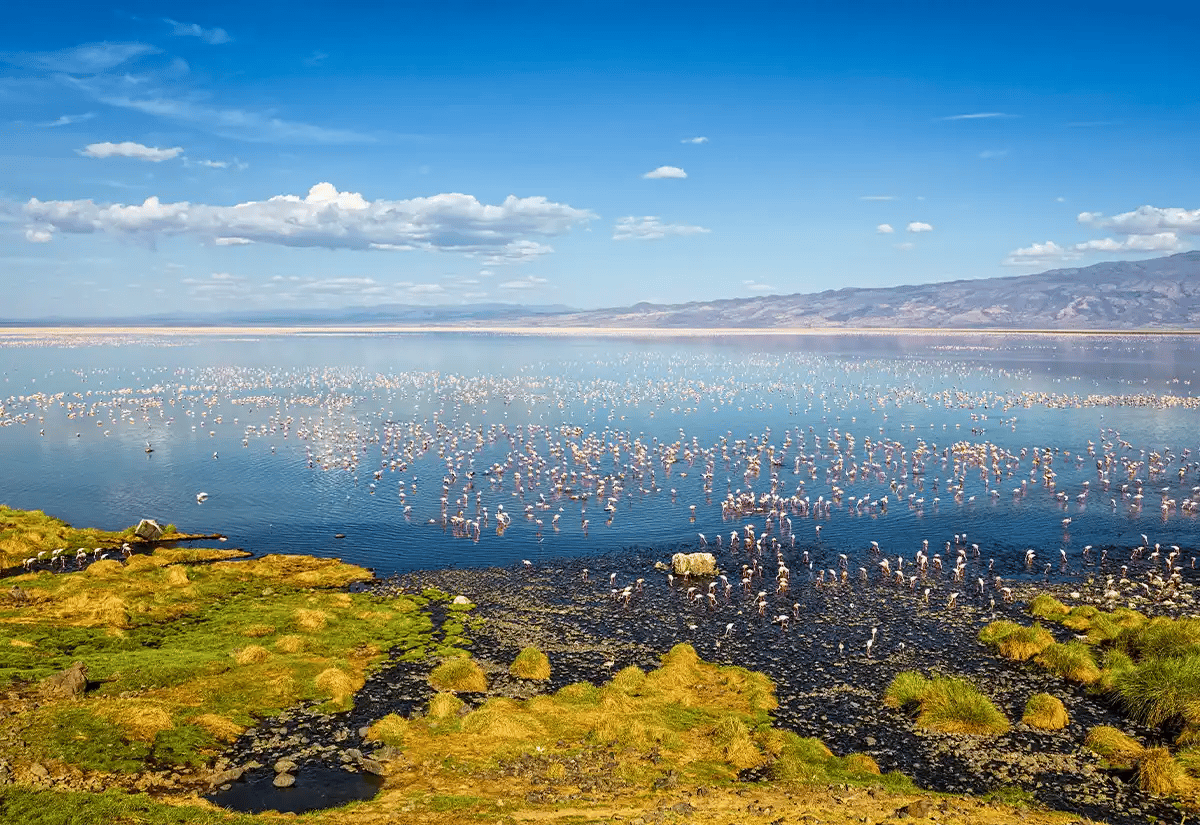
As the long rain tapers off, May ushers in a gentle transition from deep green to golden dry season hues. The grasses begin to fade, but wildflowers—like desert roses and tiny, resilient blooms tucked into rocky crevices—still linger. The skies clear more frequently, offering contrasts between the deep blue above and the reflective, mineral-rich waters below.
Flamingos continue nesting, their chicks beginning to appear in fluffy gray clusters along the soda flats. You may also spot jackals slinking through the brush or Grant’s gazelles browsing near acacia groves. Tourist traffic remains low, making this an ideal shoulder season month for travelers who want clearer views with fewer crowds.
+
Lake Natron in June: Clear Skies and Prime Trekking
Dry Season
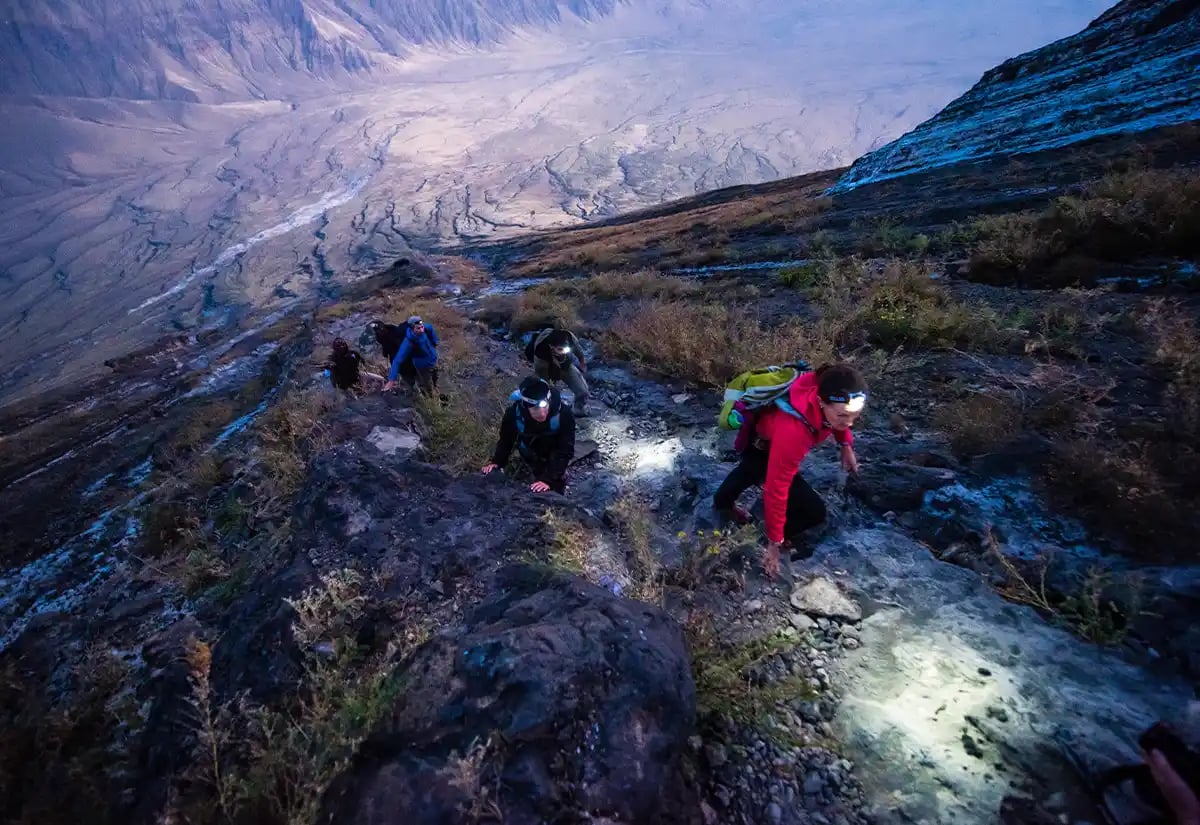
June marks the official start of the dry season, and Lake Natron begins to settle into its signature stark beauty. The surrounding terrain turns ochre and dusty, with brittle grasses and exposed salt flats giving the landscape a moon-like quality. The air is cooler and crisper, especially in the mornings, and stargazing conditions vastly improve with clear night skies.
Lake Natron flamingos still flock in large numbers, and other animals—like wildebeest, zebras, and even shy aardwolves—become easier to spot as vegetation thins. With roads now mostly dry and passable, June offers some of the best trekking conditions of the year, especially for those eyeing an ascent of Ol Doinyo Lengai.
+
Lake Natron in July: Stark Beauty and Wildlife Encounters
Dry Season
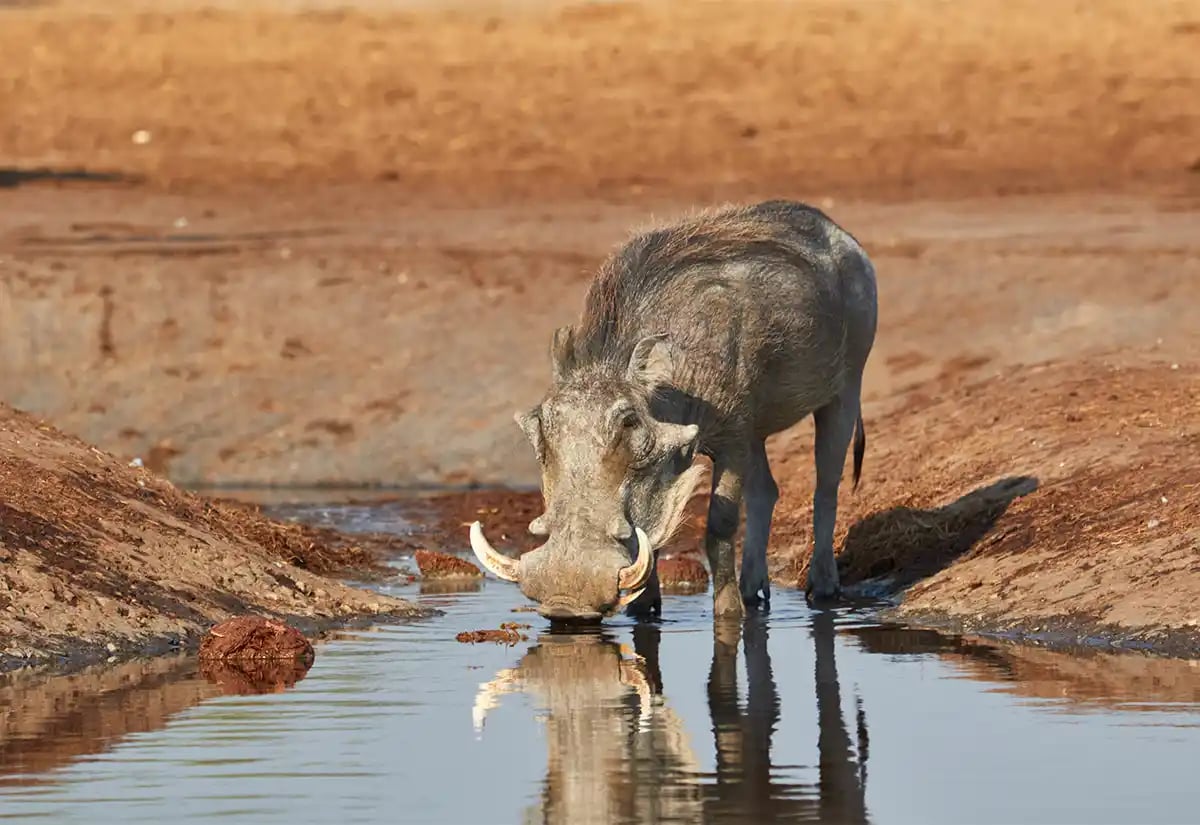
July is the peak dry season at Lake Natron, and the landscape feels vast, sun-bleached, and elemental. Cracks form in the salt-crusted flats, creating vivid patterns underfoot, while mirages shimmer across the horizon. Wildlife is more concentrated around the few remaining water sources—expect to see zebras, giraffes, and even hyenas patrolling in the cooler hours. Flamingo chicks begin to grow, taking on a pink tinge as they wade farther from nesting sites.
The vegetation is sparse but hardy: Low succulents, thorny shrubs, and solitary baobabs dot the plains. Days are warm and breezy, nights are cool and ideal for sleeping under canvas, and the skies are crystal clear—perfect for both photography and stargazing.
+
Lake Natron in August: Flamingos, Raptors, and Dry Season Treks
Dry Season
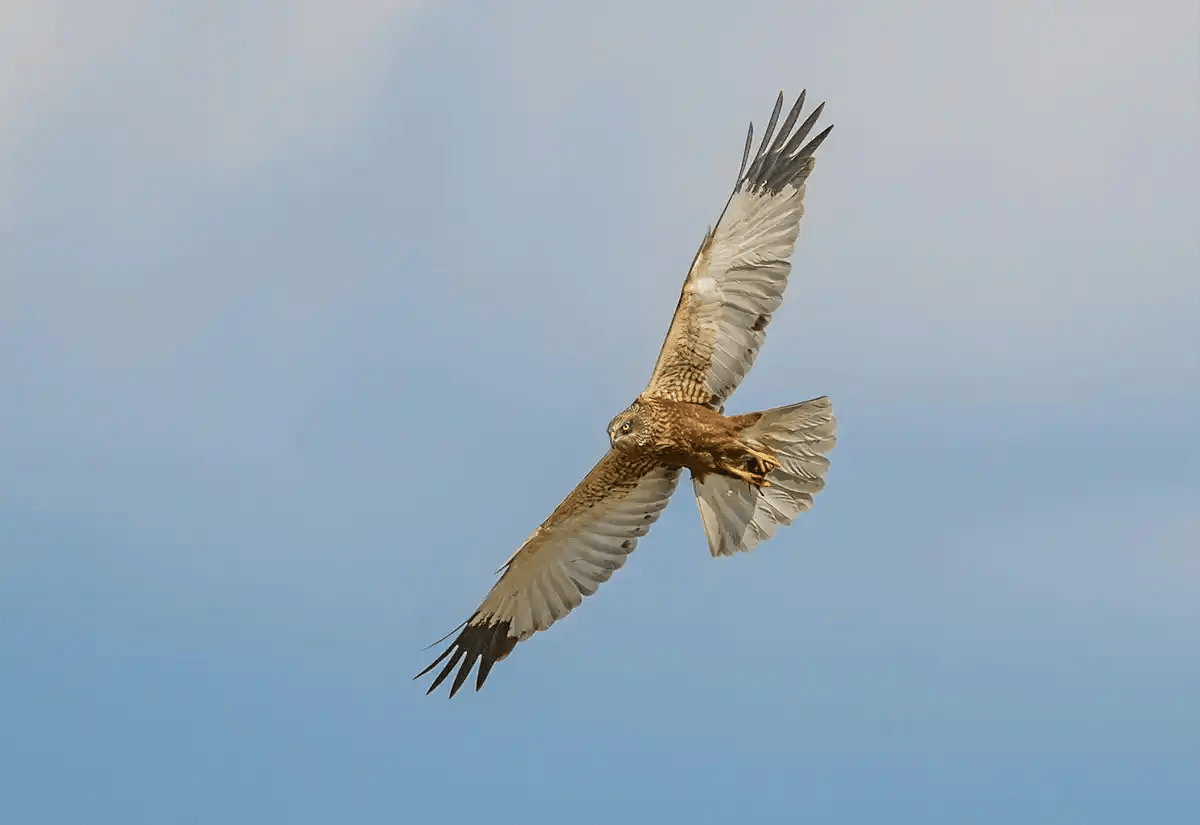
August continues the dry season with warm days, chilly mornings, and an almost uninterrupted stretch of blue sky. The lake’s red hue deepens as evaporation intensifies, concentrating the salt and microorganisms in the water. Lesser flamingos are still abundant, but now you’ll also notice more raptors overhead—like kestrels and augurs—taking advantage of easier hunting. Ground squirrels and rock hyraxes scurry across sun-warmed boulders while ostriches strut in the open plains.
This is also prime time for longer hikes and treks, as the trails are dry ,and visibility is excellent. Tourist numbers rise, especially among those combining a Lake Natron safari with visits to Serengeti or Ngorongoro, so booking in advance is wise.
+
Lake Natron in September: Peak Wildlife and Stunning Sunsets
Dry Season
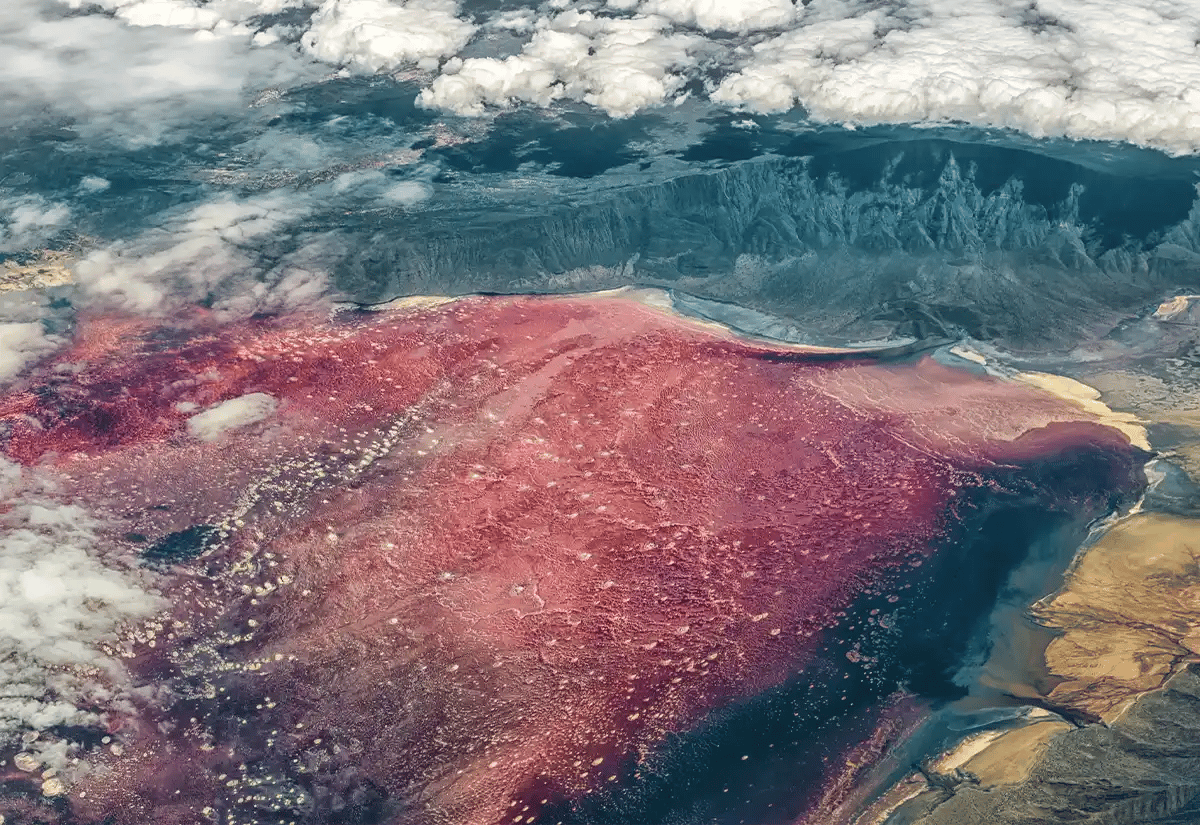
September is one of the best months to visit Lake Natron. The dry season is still in full swing, and the region’s surreal, sunbaked beauty is on full display. The lake’s shoreline shimmers in deep reds and silvers, and flamingo activity peaks as juveniles begin to take flight. With water sources scarce, wildlife gathers in more concentrated areas—perfect for sightings of zebras, gazelles, and even the occasional golden jackal.
Acacia trees shed their leaves, and dust devils swirl across the plains in the heat of the afternoon. In the evenings, temperatures drop, and the night sky explodes with stars—this is stargazing at its finest. It’s a popular month, so expect more travelers, especially on guided treks and cultural excursions.
+
Lake Natron in October: Dramatic Landscapes and Crisp Nights
Dry Season
By October, the landscape around Lake Natron is at its most parched. The alkaline crust along the lake’s edge hardens into a mosaic of pale grays and reds, while the surrounding hills seem to glow at sunset. Wildlife sightings remain excellent, and the drier terrain means easier access to remote areas—ideal for adventurous hikes and overnight Lake Natron volcano climbs.
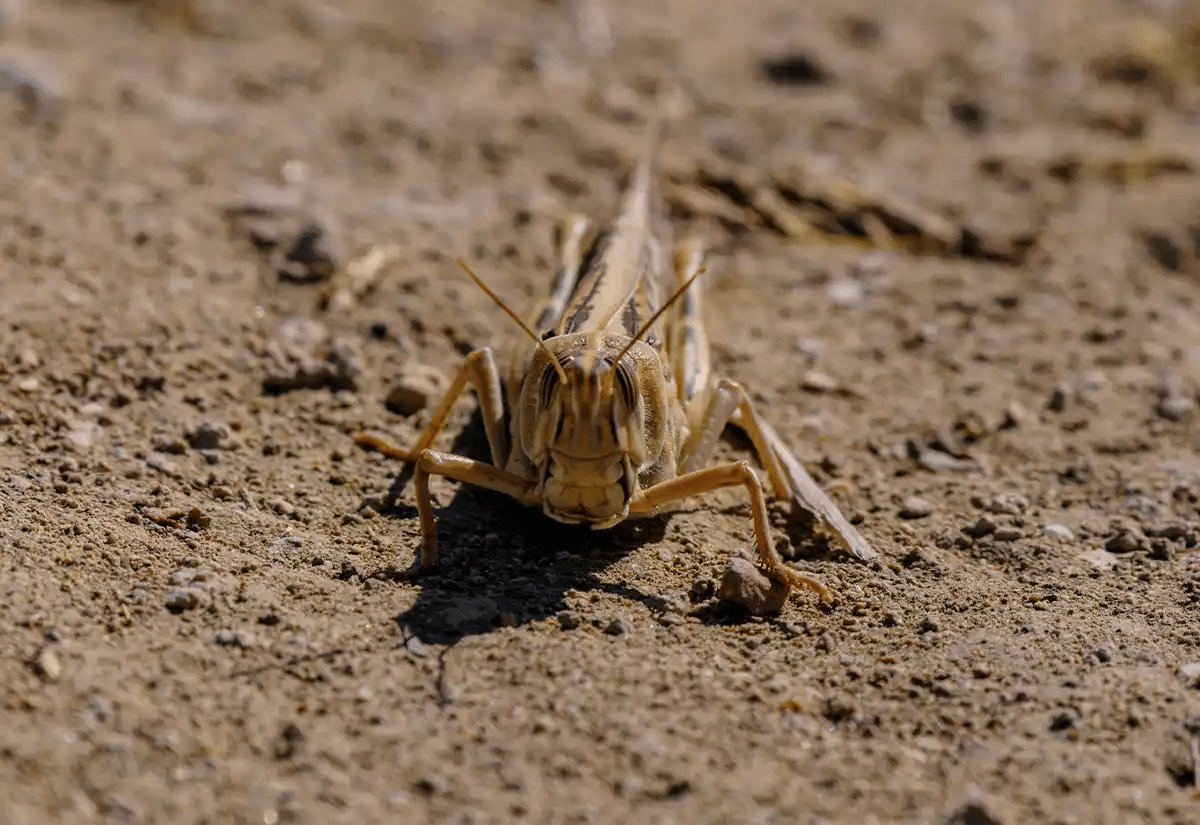
Insects like locusts and beetles become more active with the build-up of atmospheric pressure as the short rain approaches. Birdlife remains impressive, and flamingos often linger late into the season if rain is delayed. It’s hot and dusty, but also incredibly rewarding for those craving a wild, elemental travel experience.
+
Lake Natron in November: First Rain and Fresh Energy
Short Rain Season
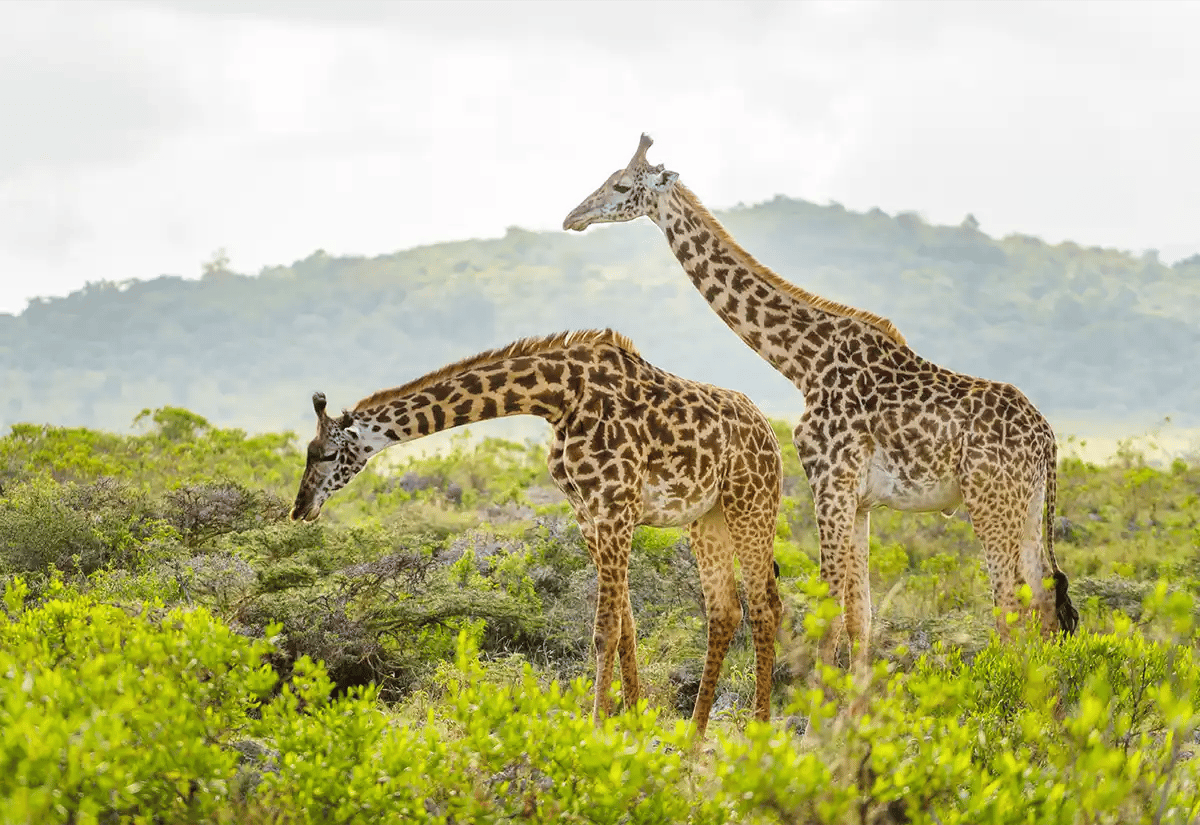
November signals the start of the short rain, and the parched landscape around Lake Natron begins to stir back to life. Pockets of green emerge almost overnight, drawing in herbivores like wildebeest and giraffes, followed by predators taking advantage of the renewed activity.
Rain showers tend to be brief and intense, with thunder rolling across the valley and vivid sunsets painting the sky. Flamingo numbers may decrease slightly as breeding season winds down, but birdwatching remains rich, especially with migratory species arriving. Travel becomes a bit more unpredictable due to muddy roads, but for those seeking a softer, moodier version of Natron, November delivers.
+
Lake Natron in December: Young Wildlife and Quiet Explorations
Short Rain Season
December is a month of contrasts at Lake Natron—lush new growth carpets parts of the plains while the lake’s eerie red waters remain stark and otherworldly. The rain continues ,but storms are generally moderate, turning the region into a patchwork of green and rust.
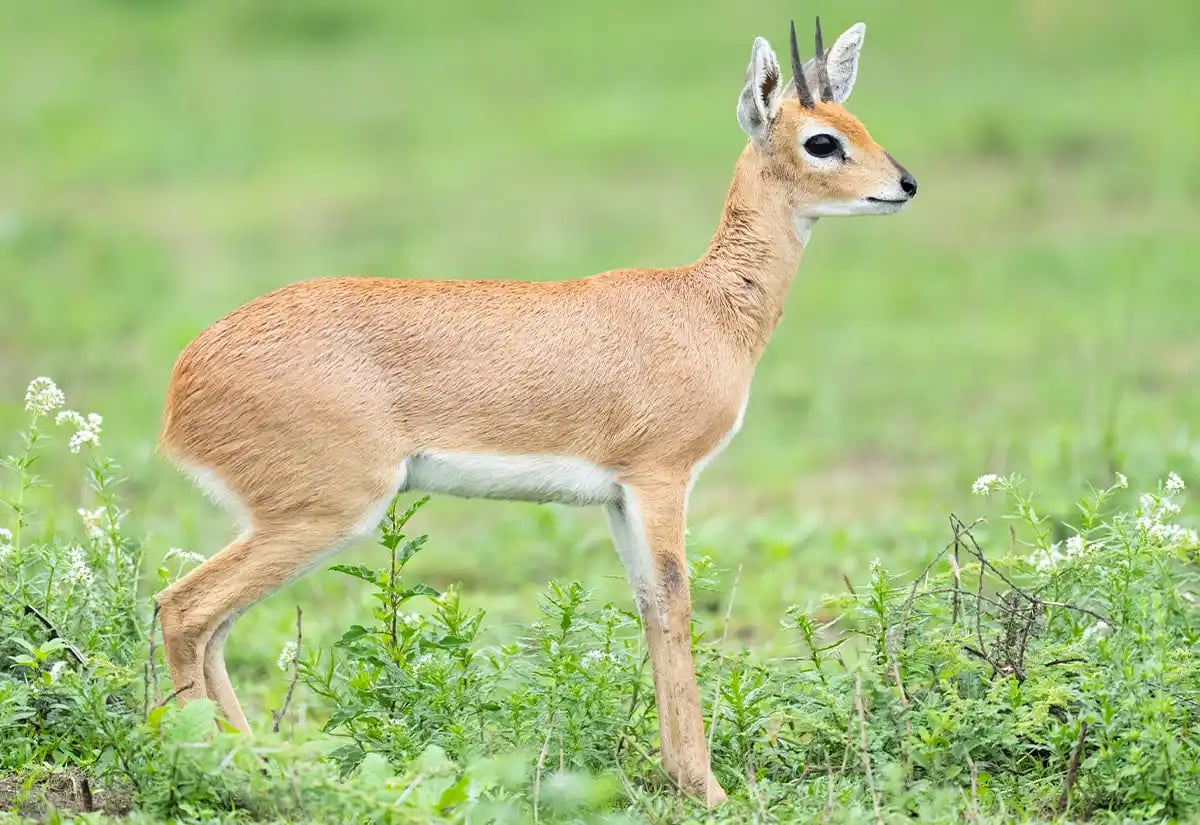
Young animals appear across the landscape, from newborn antelope tottering through the grass to fledgling birds testing their wings. Butterflies and other insects are abundant, adding splashes of color and motion to the air. With fewer visitors during the holidays, it’s a surprisingly peaceful time to explore, especially for travelers drawn to raw nature, wide-open spaces, and the beauty of the off-season.
+
Lake Natron in January: Lush Landscapes and Low Crowds
Green Season
January at Lake Natron brings the tail end of the short rain, leaving the landscape refreshingly green and dotted with seasonal wildflowers. The air is warm and humid, with electrifying skies and occasional afternoon showers that add an ethereal feel to the already surreal scenery.
Fewer travelers venture here this time of year, so it's ideal for those seeking solitude and the quiet of nature. Flamingos are present, and the combination of light and water levels makes for spectacular opportunities to take Lake Natron photos. Hiking can be muddy but rewarding, and the softened terrain adds a peacefulness to walks through the lake’s edge and surrounding plains.
Lake Natron in February: Green Views and Active Birdlife
Green Season
In February, the rain lightens, but the landscape remains vibrant, with cooler mornings and warm, cloud-brushed afternoons. Lake Natron flamingos continue to gather along the shores, and bird activity is high, with many species nesting or feeding in the shallows. It’s a great month for cultural visits to nearby Maasai villages, where the surrounding greenery enhances the views of their traditional homesteads.
Tourism remains light, offering a quiet, immersive experience. Stargazing is hit or miss depending on cloud cover, but the air feels alive—filled with birdsong, breeze, and the distant rumble of Ol Doinyo Lengai.
Lake Natron in March: Stormy Skies and Wildlife on the Move
Green Season
March marks the beginning of the long rainy season, and Lake Natron transforms into a canvas of color and motion. Grasses grow tall and golden-green across the plains, dotted with desert date trees and spindly acacias shimmering in the breeze. The lake itself swells slightly, and the mineral-rich waters become more vibrant, deepening into hues of crimson and violet under stormy skies.
While the flamingos remain a constant presence, other Lake Natron birds like avocets, stilts, and plovers, are easier to spot during this season. Insects like dragonflies and butterflies become more active, adding movement and flashes of color along streambeds and reeds. Travel can be more challenging due to slick roads, but for photographers and nature lovers, the drama of the season is worth it.
Lake Natron in April: Peak Rain and Vibrant Wilderness
Long Rain Season
April is the wettest month around Lake Natron, and the landscape is in full, wild bloom. Pools of rainwater mirror the heavy skies, and thick clouds hang low over the Rift Valley escarpments. The plains surrounding the lake are alive with life—zebras graze on fresh grasses, dik-diks dart between clumps of euphorbia, and small amphibians emerge to take advantage of the moisture. It’s also mating season for many birds, and the air is filled with their calls.
Swarms of midges and mosquitoes appear in greater numbers, especially near standing water, so good insect protection is essential. Most travelers avoid Lake Natron in April due to poor road conditions, but the rewards are solitude and an untamed landscape at its peak.
Lake Natron in May: Flamingo Chicks and Fresh Horizons
Long Rain Season
As the long rain tapers off, May ushers in a gentle transition from deep green to golden dry season hues. The grasses begin to fade, but wildflowers—like desert roses and tiny, resilient blooms tucked into rocky crevices—still linger. The skies clear more frequently, offering contrasts between the deep blue above and the reflective, mineral-rich waters below.
Flamingos continue nesting, their chicks beginning to appear in fluffy gray clusters along the soda flats. You may also spot jackals slinking through the brush or Grant’s gazelles browsing near acacia groves. Tourist traffic remains low, making this an ideal shoulder season month for travelers who want clearer views with fewer crowds.
Lake Natron in June: Clear Skies and Prime Trekking
Dry Season
June marks the official start of the dry season, and Lake Natron begins to settle into its signature stark beauty. The surrounding terrain turns ochre and dusty, with brittle grasses and exposed salt flats giving the landscape a moon-like quality. The air is cooler and crisper, especially in the mornings, and stargazing conditions vastly improve with clear night skies.
Lake Natron flamingos still flock in large numbers, and other animals—like wildebeest, zebras, and even shy aardwolves—become easier to spot as vegetation thins. With roads now mostly dry and passable, June offers some of the best trekking conditions of the year, especially for those eyeing an ascent of Ol Doinyo Lengai.
Lake Natron in July: Stark Beauty and Wildlife Encounters
Dry Season
July is the peak dry season at Lake Natron, and the landscape feels vast, sun-bleached, and elemental. Cracks form in the salt-crusted flats, creating vivid patterns underfoot, while mirages shimmer across the horizon. Wildlife is more concentrated around the few remaining water sources—expect to see zebras, giraffes, and even hyenas patrolling in the cooler hours. Flamingo chicks begin to grow, taking on a pink tinge as they wade farther from nesting sites.
The vegetation is sparse but hardy: Low succulents, thorny shrubs, and solitary baobabs dot the plains. Days are warm and breezy, nights are cool and ideal for sleeping under canvas, and the skies are crystal clear—perfect for both photography and stargazing.
Lake Natron in August: Flamingos, Raptors, and Dry Season Treks
Dry Season
August continues the dry season with warm days, chilly mornings, and an almost uninterrupted stretch of blue sky. The lake’s red hue deepens as evaporation intensifies, concentrating the salt and microorganisms in the water. Lesser flamingos are still abundant, but now you’ll also notice more raptors overhead—like kestrels and augurs—taking advantage of easier hunting. Ground squirrels and rock hyraxes scurry across sun-warmed boulders while ostriches strut in the open plains.
This is also prime time for longer hikes and treks, as the trails are dry ,and visibility is excellent. Tourist numbers rise, especially among those combining a Lake Natron safari with visits to Serengeti or Ngorongoro, so booking in advance is wise.
Lake Natron in September: Peak Wildlife and Stunning Sunsets
Dry Season
September is one of the best months to visit Lake Natron. The dry season is still in full swing, and the region’s surreal, sunbaked beauty is on full display. The lake’s shoreline shimmers in deep reds and silvers, and flamingo activity peaks as juveniles begin to take flight. With water sources scarce, wildlife gathers in more concentrated areas—perfect for sightings of zebras, gazelles, and even the occasional golden jackal.
Acacia trees shed their leaves, and dust devils swirl across the plains in the heat of the afternoon. In the evenings, temperatures drop, and the night sky explodes with stars—this is stargazing at its finest. It’s a popular month, so expect more travelers, especially on guided treks and cultural excursions.
Lake Natron in October: Dramatic Landscapes and Crisp Nights
Dry Season
By October, the landscape around Lake Natron is at its most parched. The alkaline crust along the lake’s edge hardens into a mosaic of pale grays and reds, while the surrounding hills seem to glow at sunset. Wildlife sightings remain excellent, and the drier terrain means easier access to remote areas—ideal for adventurous hikes and overnight Lake Natron volcano climbs.
Insects like locusts and beetles become more active with the build-up of atmospheric pressure as the short rain approaches. Birdlife remains impressive, and flamingos often linger late into the season if rain is delayed. It’s hot and dusty, but also incredibly rewarding for those craving a wild, elemental travel experience.
Lake Natron in November: First Rain and Fresh Energy
Short Rain Season
November signals the start of the short rain, and the parched landscape around Lake Natron begins to stir back to life. Pockets of green emerge almost overnight, drawing in herbivores like wildebeest and giraffes, followed by predators taking advantage of the renewed activity.
Rain showers tend to be brief and intense, with thunder rolling across the valley and vivid sunsets painting the sky. Flamingo numbers may decrease slightly as breeding season winds down, but birdwatching remains rich, especially with migratory species arriving. Travel becomes a bit more unpredictable due to muddy roads, but for those seeking a softer, moodier version of Natron, November delivers.
Lake Natron in December: Young Wildlife and Quiet Explorations
Short Rain Season
December is a month of contrasts at Lake Natron—lush new growth carpets parts of the plains while the lake’s eerie red waters remain stark and otherworldly. The rain continues ,but storms are generally moderate, turning the region into a patchwork of green and rust.
Young animals appear across the landscape, from newborn antelope tottering through the grass to fledgling birds testing their wings. Butterflies and other insects are abundant, adding splashes of color and motion to the air. With fewer visitors during the holidays, it’s a surprisingly peaceful time to explore, especially for travelers drawn to raw nature, wide-open spaces, and the beauty of the off-season.
+
+
+
+
+
+
+
+
+
+
+
+

Lake Natron Animals
Lake Natron’s mix of alkaline wetlands, grasslands, and arid plains create a variety of habitats that support both rare birdlife and classic East African wildlife. The region’s remote, untamed character makes wildlife encounters feel intimate and offers a different kind of safari experience.
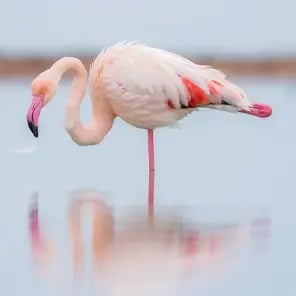
Lesser Flamingos
These elegant birds flock to Lake Natron in the thousands, nesting along the salty shores during breeding season.
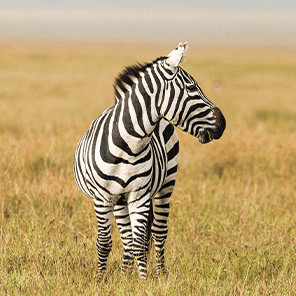
Zebras
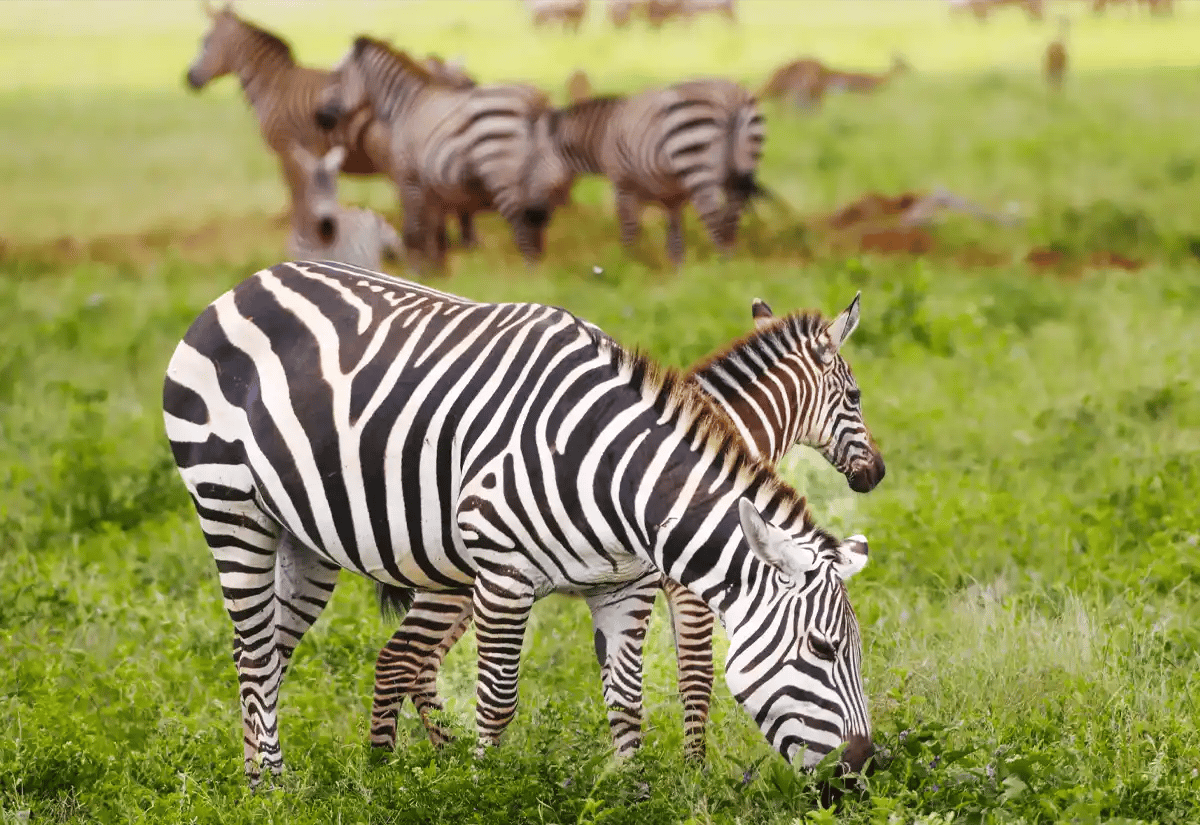
Often seen grazing near the lake’s edge, zebras thrive in the open grasslands that surround Lake Natron.
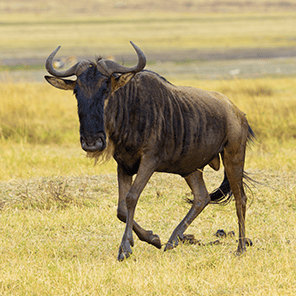
Wildebeest
Wildebeest migrate through the area in search of water and grazing, often traveling in dramatic, dusty herds.

Giraffes
Giraffes roam the nearby savannah, their long necks rising above the acacia trees as they feed and wander.
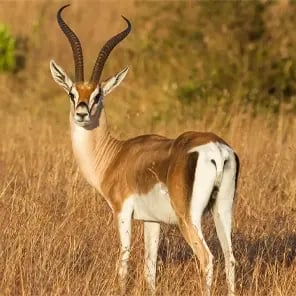
Grant’s Gazelles
These sleek antelope can be spotted in the dry plains, where their agility and speed help them evade predators.
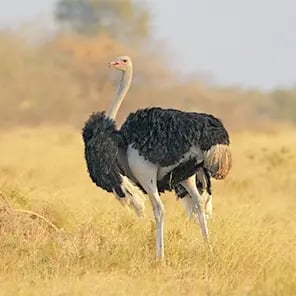
Ostriches
The world’s largest birds are found striding across the open terrain, often in pairs or small groups.
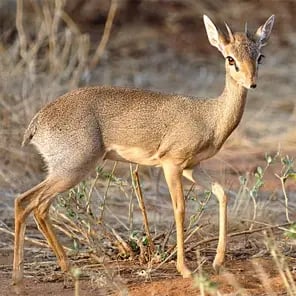
Dik-diks
Tiny and shy, dik-diks dart through the underbrush—blink and you might miss these miniature antelope.
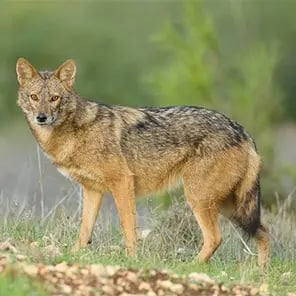
Jackals
Often heard before they’re seen, jackals move through the area at dawn and dusk, always alert and opportunistic.
Lesser Flamingos
These elegant birds flock to Lake Natron in the thousands, nesting along the salty shores during breeding season.
Zebras
Often seen grazing near the lake’s edge, zebras thrive in the open grasslands that surround Lake Natron.
Wildebeest
Wildebeest migrate through the area in search of water and grazing, often traveling in dramatic, dusty herds.
Giraffes
Giraffes roam the nearby savannah, their long necks rising above the acacia trees as they feed and wander.
Grant’s Gazelles
These sleek antelope can be spotted in the dry plains, where their agility and speed help them evade predators.
Ostriches
The world’s largest birds are found striding across the open terrain, often in pairs or small groups.
Dik-diks
Tiny and shy, dik-diks dart through the underbrush—blink and you might miss these miniature antelope.
Jackals
Often heard before they’re seen, jackals move through the area at dawn and dusk, always alert and opportunistic.
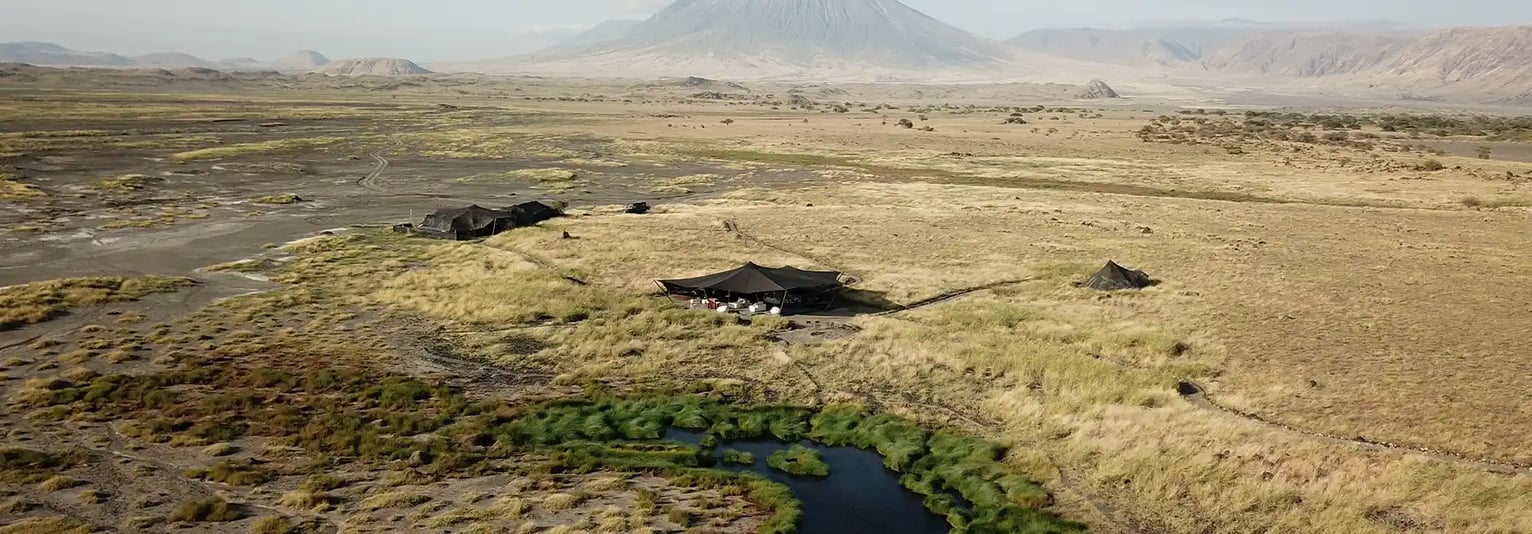
Lake Natron Accommodations
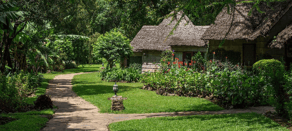
The Lake Natron Camp and Lake Natron Tented Camp each offer guests comfortable, spacious safari tents surrounded by incredible scenery—perfect home bases for your adventures.

Lake Natron Camp
Lake Natron Camp.


Lake Natron Safari Tours
Most Popular

.png?width=296&height=70&name=Pattern%20(2).png)
$1,350 (2pax) USD
12 Days Serengeti Lions and Wildebeest Migration Safari

83 people viewing now
Best Seller

$3,001 (2pax) USD
Days Serengeti Lions and Wildebeest Migration Safari
71 people viewing now
Most Popular
$1,400 (2pax) USD
A Days Serengeti Lions and Wildebeest Migration Safari
26 people viewing now
Most Popular
$1,350 (2pax) USD
12 Days Serengeti Lions and Wildebeest Migration Safari
99 people viewing now
Best Seller
$3,001 (2pax) USD
Days Serengeti Lions and Wildebeest Migration Safari
99 people viewing now
Most Popular
$1,400 (2pax) USD
A Days Serengeti Lions and Wildebeest Migration Safari
49 people viewing now
Most Popular
$1,350 (2pax) USD
12 Days Serengeti Lions and Wildebeest Migration Safari
51 people viewing now
Best Seller
$3,001 (2pax) USD
Days Serengeti Lions and Wildebeest Migration Safari
72 people viewing now
Best Seller
$3,001 (2pax) USD
Days Serengeti Lions and Wildebeest Migration Safari
97 people viewing now
Best Seller
$3,001 (2pax) USD
Days Serengeti Lions and Wildebeest Migration Safari
41 people viewing now
Best Seller
$3,001 (2pax) USD
Days Serengeti Lions and Wildebeest Migration Safari
84 people viewing now
Most Popular
$1,400 (2pax) USD
A Days Serengeti Lions and Wildebeest Migration Safari
51 people viewing now
Whatever is on your list of top Tanzania to-dos or African safari must-sees, we’ll make it happen.

Most Popular
$1,350 (2pax) USD
12 Days Serengeti Lions and Wildebeest Migration Safari
113 people viewing now
Best Seller
$3,001 (2pax) USD
Days Serengeti Lions and Wildebeest Migration Safari
48 people viewing now
Most Popular
$1,400 (2pax) USD
A Days Serengeti Lions and Wildebeest Migration Safari
45 people viewing now
Most Popular
$1,350 (2pax) USD
12 Days Serengeti Lions and Wildebeest Migration Safari
96 people viewing now
Best Seller
$3,001 (2pax) USD
Days Serengeti Lions and Wildebeest Migration Safari
81 people viewing now
Most Popular
$1,400 (2pax) USD
A Days Serengeti Lions and Wildebeest Migration Safari
115 people viewing now
Most Popular
$1,350 (2pax) USD
12 Days Serengeti Lions and Wildebeest Migration Safari
41 people viewing now
Best Seller
$3,001 (2pax) USD
Days Serengeti Lions and Wildebeest Migration Safari
26 people viewing now
Best Seller
$3,001 (2pax) USD
Days Serengeti Lions and Wildebeest Migration Safari
101 people viewing now
Best Seller
$3,001 (2pax) USD
Days Serengeti Lions and Wildebeest Migration Safari
25 people viewing now
Best Seller
$3,001 (2pax) USD
Days Serengeti Lions and Wildebeest Migration Safari
119 people viewing now
Most Popular
$1,400 (2pax) USD
A Days Serengeti Lions and Wildebeest Migration Safari
58 people viewing now
Whatever is on your list of top Tanzania to-dos or African safari must-sees, we’ll make it happen.
Frequently Asked Questions

Still have questions?
Contact Us, we are more than happy to help!
Where is Lake Natron located?
Lake Natron is located in northern Tanzania, near the border with Kenya, in the Monduli District of the Arusha Region. It's part of the East African Rift Valley and lies at the foot of the active Ol Doinyo Lengai volcano.
Why is Lake Natron red?
The lake’s striking red and pink hues come from salt-loving microorganisms and algae that thrive in its highly alkaline waters. This phenomenon makes Lake Natron Africa one of the most unique natural wonders in the region.
Can you swim in Lake Natron?
Swimming in Lake Natron itself is not recommended due to its extreme alkalinity and high temperatures. However, nearby natural springs and waterfalls offer safe, refreshing spots for Lake Natron swimming.
Is it true that Lake Natron turns animals to stone?
No! This myth stems from the lake’s extreme conditions—Lake Natron pH levels can reach as high as 10.5, and its waters are rich in salt and minerals. While the lake doesn’t actually petrify animals, the combination of high alkalinity and heat can preserve carcasses in a hardened, mummified state. Despite this harsh environment, some wildlife—like specially adapted Lake Natron fish—still manage to survive here.
How do I get to Lake Natron from Arusha?
The route from Arusha to Lake Natron takes about 6–7 hours by 4x4 vehicle, passing through scenic and remote terrain. If you aren’t sure how to get to Lake Natron, it’s best to travel with a knowledgeable guide as part of a Lake Natron tour or safari.
Are there accommodations near Lake Natron?
Yes! Travelers can choose from a variety of Lake Natron accommodations, including tented camps, safari lodges, and eco-friendly stays like Lake Natron Camp Tanzania or Lake Natron River Camp.
Is a Lake Natron visit safe?
Yes, Lake Natron Tanzania Africa is safe to visit with a reputable tour operator, such as Easy Travel. The area is remote and rugged, so traveling with an experienced guide is key to a safe and enjoyable experience.
What makes a Lake Natron safari tour unique?
Lake Natron is one of the world’s most alkaline lakes and the single most important breeding site for lesser flamingos. Combined with its volcanic backdrop and surreal landscape, a Lake Natron visit is unlike any other destination in East Africa.
When is the best time to visit Lake Natron?
The dry season from June to October is ideal, especially if you want to witness the spectacular Lake Natron flamingo season. Roads are more accessible, and wildlife viewing is at its best during this time.
Can you climb the volcano near Lake Natron?
Yes, adventurous travelers can climb Ol Doinyo Lengai, the active volcano overlooking Lake Natron Tanzania. Known as the "Mountain of God" by the Maasai, this challenging overnight trek rewards hikers with sunrise views over the Rift Valley and the shimmering lake below.
Still have questions?
Contact Us, we are more than happy to help!
Explore Our Latest Articles
3.06.2025
23 Min Read
Kendwa Beach rests on Zanzibar Island. The beach is known far and wide because it is gorgeous. The sand on the beach is...

3.06.2025
23 Min Read
Kendwa Beach rests on Zanzibar Island. The beach is known far and wide because it is gorgeous. The...
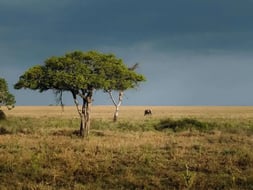
Find Out Which Safari Tour Is Right For You
Want to combine your Lake Natron safari with a visit to Tanzania’s other iconic parks, lakes, mountains, or beaches? Take a short quiz to see which spots we recommend.
More Tanzania Destinations To Visit
This is a park




Tarangire...
Just a few hours south of Lake Natron, Tarangire is known for its large elephant herds and iconic baobab trees, making...
This is a park



Lake Eyasi
Southwest of Lake Natron, Lake Eyasi offers rich cultural experiences with the Hadzabe and Datoga tribes and pairs well...
This is a park
-svg.svg)


Ngorongoro...
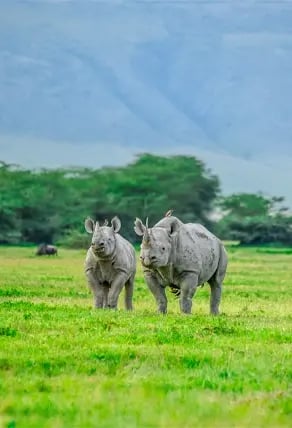
A scenic drive from Lake Natron, the Ngorongoro Crater and Conservation Area is a must-see natural wonder where you can...
This is a park




Serengeti...
Northwest of Lake Natron, the Serengeti offers the classic safari experience and pairs perfectly with Natron for a...