

.svg "Style-Guide (1)")


.svg)


Kendwa Beach rests on Zanzibar Island. The beach is known far and wide because it is gorgeous. The...






Mt. Kilimanjaro National Park
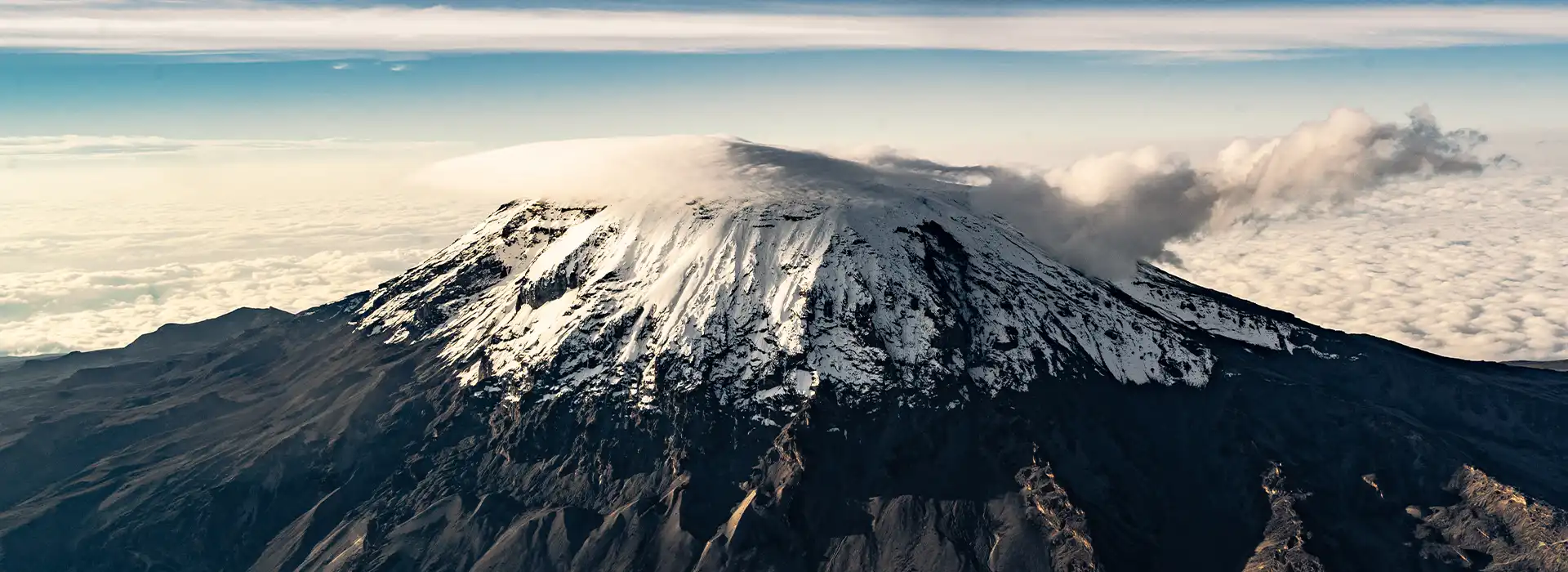
Located in northern Tanzania, Mount Kilimanjaro is the African continent’s tallest peak. Surrounding this natural wonder is the 650 square kilometer Kilimanjaro National Park, a diverse region of plains, forests, lakes—and much more to discover.

Endorsed by ATTA

Featured in National Geographic

BBC Wildlife

Rated Excellent by Trip Advisor
Mt. Kilimanjaro National Park
Located in northern Tanzania, Mount Kilimanjaro is the African continent’s tallest peak. Surrounding this natural wonder is the 650 square kilometer Kilimanjaro National Park, a diverse region of plains, forests, lakes—and much more to discover.
Endorsed by ATTA
Featured in National Geographic
BBC Wildlife
Rated Excellent by Trip Advisor
Things To Do in Kilimanjaro National Park
While climbing Mount Kilimanjaro may be the park’s main attraction, you’ll find there’s plenty more to do on the ground—from hiking to the Chala Crater lake to embarking on game drives and more.

Walking Safaris & Nature Walks
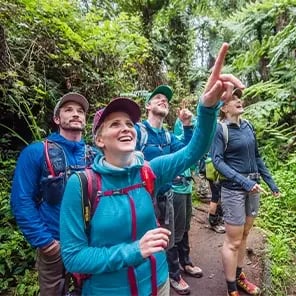
Trek through lush rainforests, spot colobus monkeys, and learn about the region’s diverse flora and fauna. Walking safaris around the park offer a unique, off-the-beaten-path adventure.
Cultural Activities
Immerse yourself in the traditions of the Chagga people, the indigenous community living on Kilimanjaro’s slopes. Visit local farms, sample traditional mbege (banana beer), explore underground caves once used for protection,...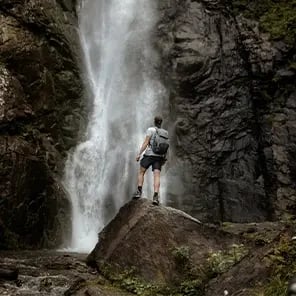
Waterfalls
Hidden within Kilimanjaro’s foothills are spectacular waterfalls like Materuni and Ndoro, where crystal-clear water cascades into refreshing pools. Surrounded by vegetation, these scenic spots are perfect for a short hike, a picnic,...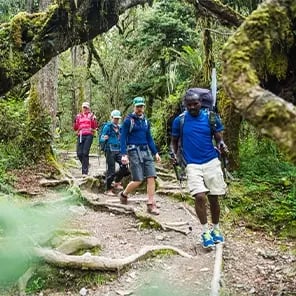
Day Tours
For those short on time, Kilimanjaro day tours offer an exciting glimpse of the mountain without a full ascent. Hike through rainforest trails, spot wildlife, and enjoy breathtaking viewpoints while soaking in the magic of Africa’s...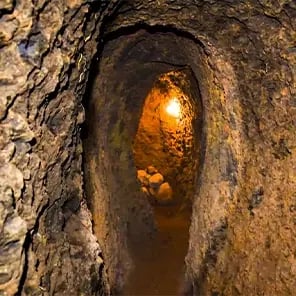
Historical Sites
Step back in time at the Chagga Caves, once used as shelters during tribal conflicts, or explore the Old Moshi town, where remnants of German colonial rule still stand. These sites offer a fascinating look into the area’s...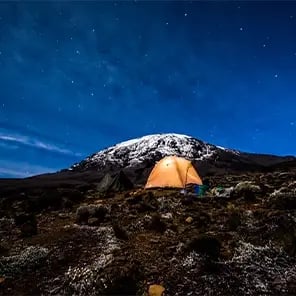
Stargazing
Far from city lights, Kilimanjaro offers some of Tanzania’s best stargazing. On clear nights, trekkers on the mountain are treated to dazzling views of the Milky Way, while those in lower elevations can enjoy guided astronomy...Things To Do in Kilimanjaro National Park
While climbing Mount Kilimanjaro may be the park’s main attraction, you’ll find there’s plenty more to do on the ground—from hiking to the Chala Crater lake to embarking on game drives and more.
Walking Safaris & Nature Walks
Trek through lush rainforests, spot colobus monkeys, and learn about the region’s diverse flora and fauna. Walking safaris around the park offer a unique, off-the-beaten-path adventure.
Cultural Activities
Immerse yourself in the traditions of the Chagga people, the indigenous community living on Kilimanjaro’s slopes. Visit local farms, sample traditional mbege (banana beer), explore underground caves once used for protection, and hear...
Waterfalls
Hidden within Kilimanjaro’s foothills are spectacular waterfalls like Materuni and Ndoro, where crystal-clear water cascades into refreshing pools. Surrounded by vegetation, these scenic spots are perfect for a short hike, a picnic, or even an...
Day Tours
For those short on time, Kilimanjaro day tours offer an exciting glimpse of the mountain without a full ascent. Hike through rainforest trails, spot wildlife, and enjoy breathtaking viewpoints while soaking in the magic of Africa’s highest peak.
Historical Sites
Step back in time at the Chagga Caves, once used as shelters during tribal conflicts, or explore the Old Moshi town, where remnants of German colonial rule still stand. These sites offer a fascinating look into the area’s layered history...
Stargazing
Far from city lights, Kilimanjaro offers some of Tanzania’s best stargazing. On clear nights, trekkers on the mountain are treated to dazzling views of the Milky Way, while those in lower elevations can enjoy guided astronomy experiences under...When To Go
While Kilimanjaro National Park is worth a visit any time of year, understanding when to climb Mount Kilimanjaro for the best conditions can make a big difference in the success of your trek.
average
good
best
.svg)
Jan
Feb

Mar
Apr
May
.svg)
Jun
Jul
Aug
Sep
Oct
.svg)
Nov
Dec
Jan
Feb
Mar
Apr
May
Jun
Jul
Aug
Sep
Oct
Nov
Dec
Climbing Kilimanjaro in January: A Bright Start to the Year in Kilimanjaro National Park
Green Season
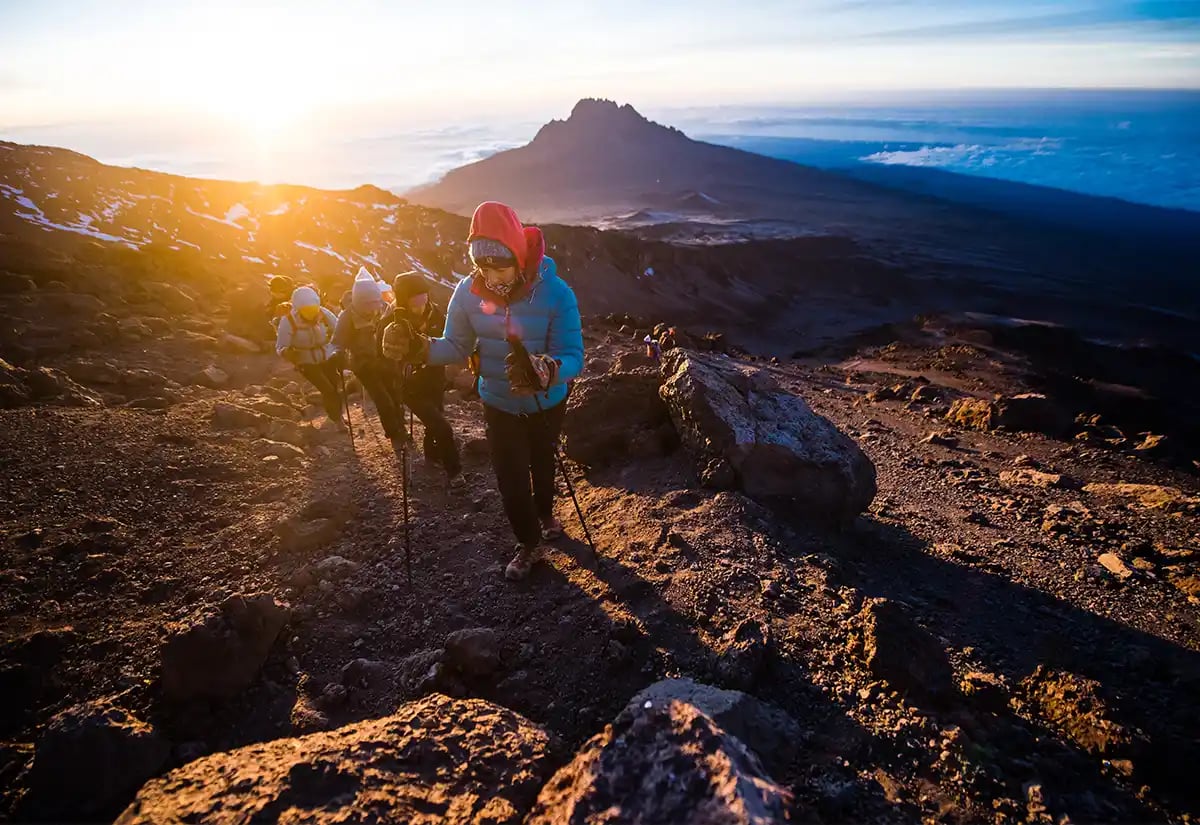
January is one of the best months to visit Kilimanjaro National Park, offering warm temperatures, clear skies, and dry conditions. This is peak season for trekkers, creating a lively atmosphere on the mountain. Climbers enjoy excellent visibility, especially in the mornings, with panoramic views stretching across the plains of Tanzania.
Beyond the climb, the rainforest zone is thriving, with active wildlife such as monkeys and vibrant birdlife. Lower slopes and foothills are ideal for nature walks and cultural visits, as the Chagga villages bustle with harvest activities. The dry conditions make waterfall hikes especially rewarding, as trails remain accessible without heavy mud. Evenings are crisp, perfect for stargazing, with clear skies revealing stunning constellations.

+
Climbing Kilimanjaro in February: Prime Conditions for Adventure
Green Season
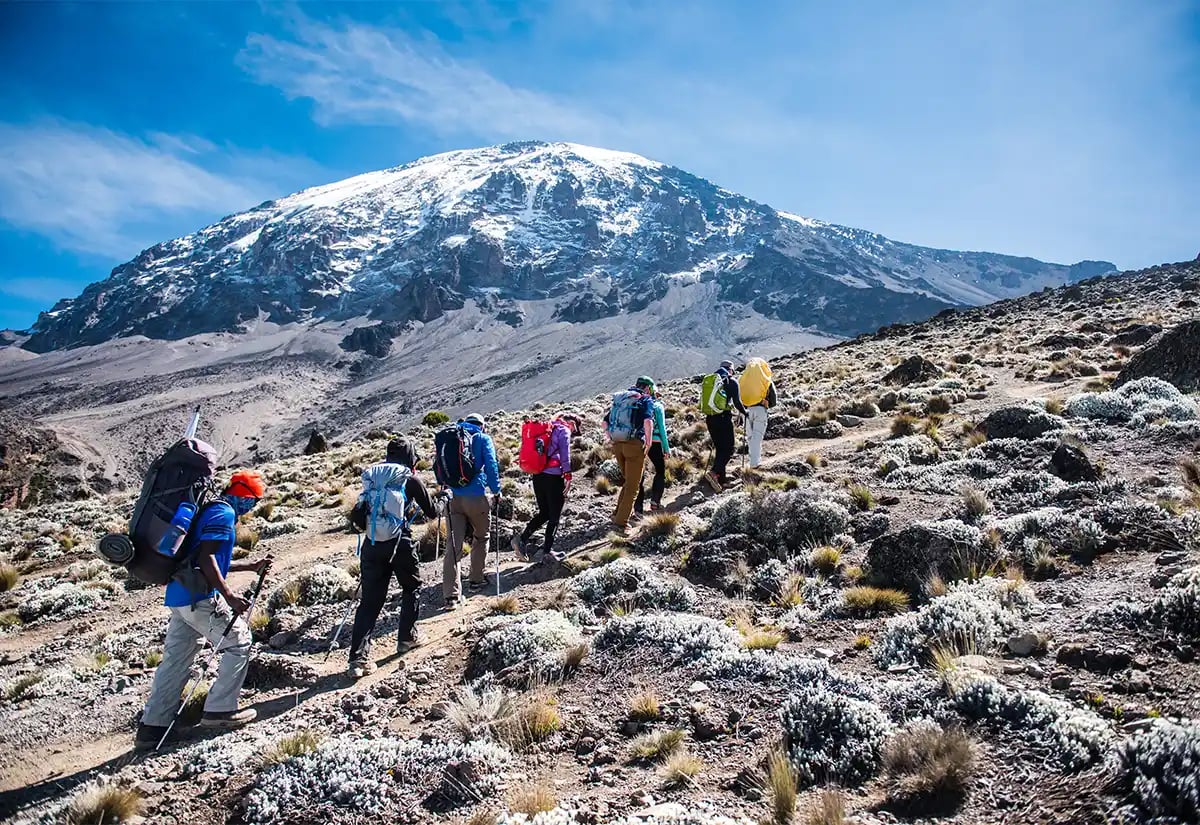
February continues ideal weather conditions in Kilimanjaro National Park, making it one of the most popular months for both trekking and wildlife viewing. The skies remain mostly clear, with warm days and cool nights, offering excellent visibility for those on the mountain and in the surrounding park.
The drier conditions allow for easier exploration of forest trails, where travelers may spot monkeys and a variety of bird species. The lower slopes and foothills remain vibrant, benefiting from the short rain of late last year. With minimal rainfall, February is also one of the best times to witness Kilimanjaro’s glaciers glistening under bright sunshine.
While it’s a high-traffic month for climbers, those exploring the park at lower elevations will find peaceful pockets of nature, ideal for quiet reflection and scenic photography.
+
Climbing Kilimanjaro in March: A Transition to the Rainy Season
Green Season
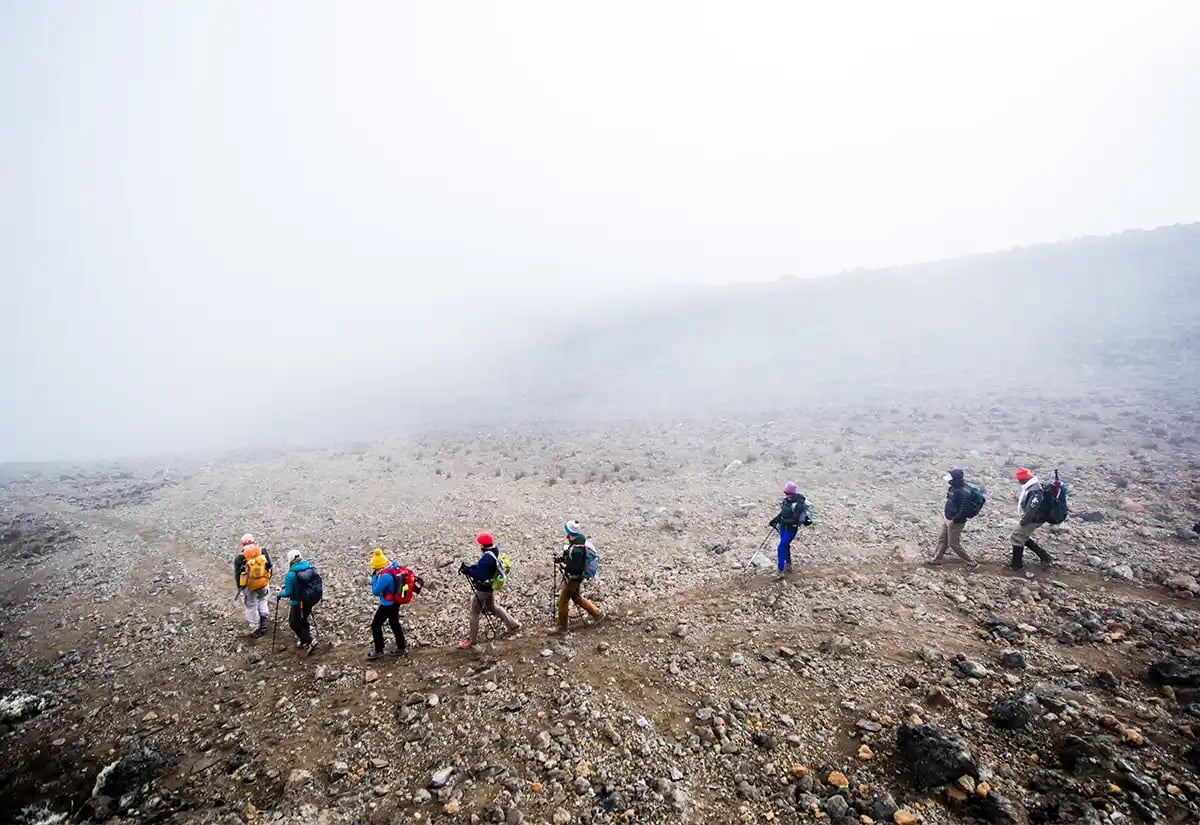
March marks the shift from the dry season to the long rain, bringing changing conditions across Kilimanjaro National Park. Early in the month, trekking remains viable, though cloud cover begins to increase, particularly in the afternoons. By mid-to-late March, heavier rainfall makes trails wet and muddy, challenging both climbers and hikers in the forested areas.
The rainforest zone becomes even more vibrant, as moisture supports rich plant growth and an increase in animal activity. Birdwatching is particularly rewarding, with species taking advantage of the seasonal abundance. Higher up, snowfall may begin accumulating on Kilimanjaro’s summit, adding to its striking appearance.
While March is less crowded, travelers should prepare for variable weather and occasional storms. Those looking for solitude and don’t mind a bit of rain will find Kilimanjaro’s landscapes at their most dramatic during this seasonal shift.
+
Climbing Kilimanjaro in April: The Rainy Season in Full Swing
Long Rain Season
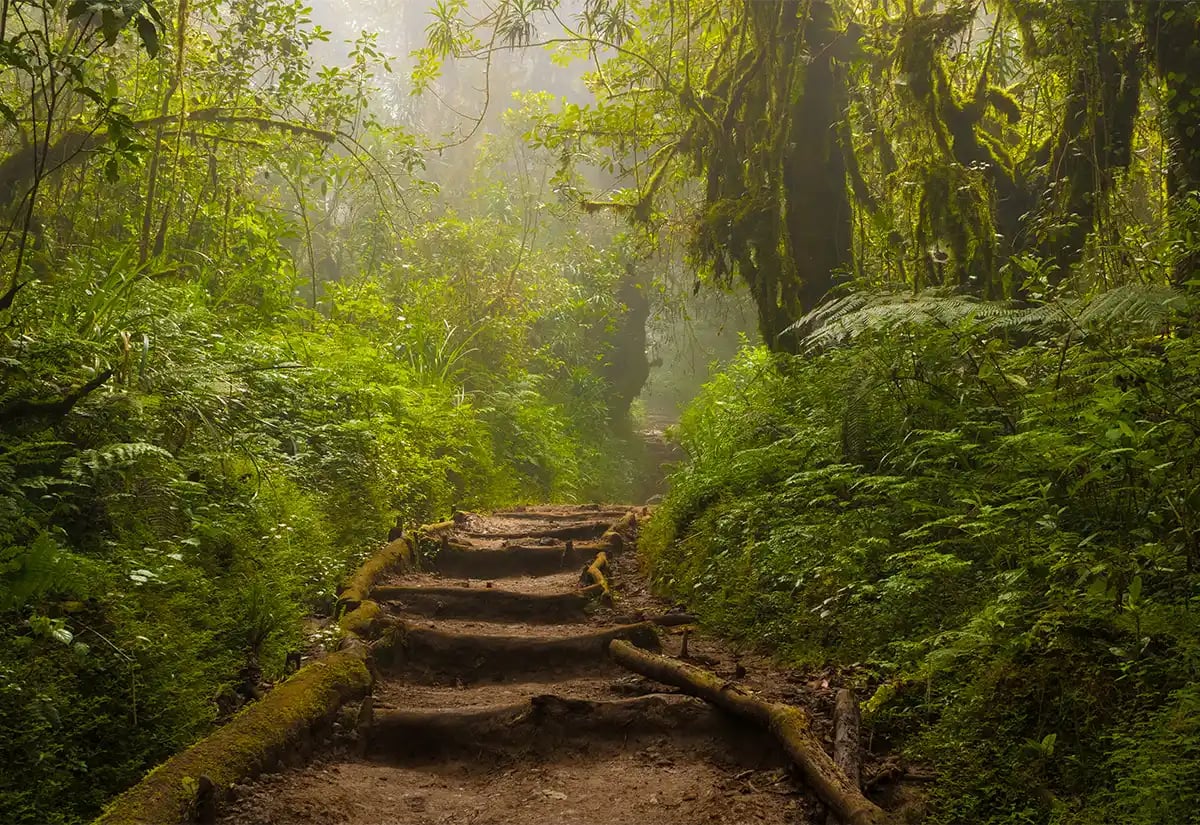
April brings the long rain, making it one of the least favorable months for trekking Kilimanjaro, but a fascinating time for those interested in the park’s lush ecosystems. Heavy rainfall transforms the rainforest zone into a misty, green paradise, with thick cloud cover settling over the mountain. The trails become muddy and slippery, making hiking more challenging, and summit views are often obscured.
Wildlife thrives in these conditions, with forest animals like monkeys and small antelope becoming more active. Fewer visitors mean a rare chance to experience Kilimanjaro in near solitude, with only the sounds of nature filling the air. Waterfalls are at their most powerful, creating spectacular sights for those willing to brave the rain. While the weather isn’t ideal for climbing, it offers a unique opportunity to see the park’s vibrant flora and seasonal transformation.
+
Climbing Kilimanjaro in May: A Quiet and Rain-Soaked Wilderness
Long Rain Season
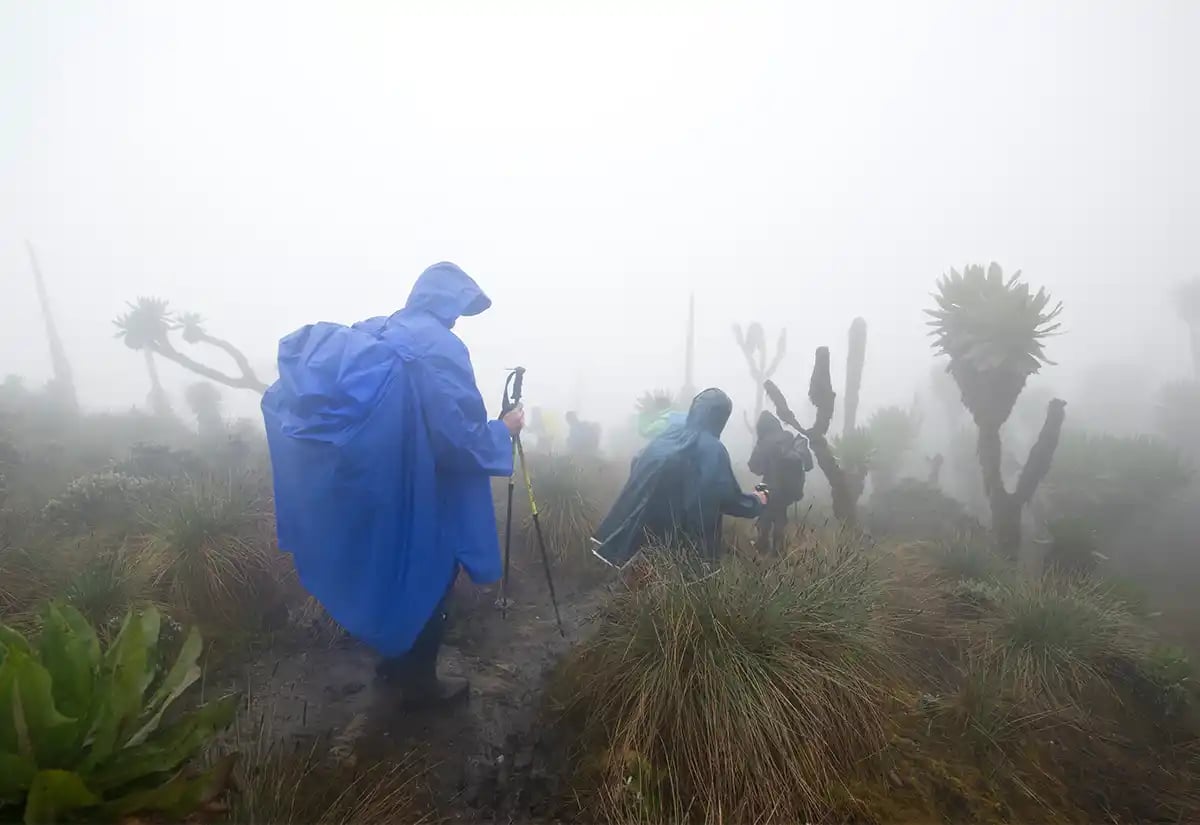
May continues the long rainy season, keeping visitor numbers at their lowest. The rainforest remains thick with moisture, making it an excellent month for botany enthusiasts and birdwatchers. The rain fuels incredible plant growth, with wildflowers blooming and rare bird species taking advantage of the seasonal abundance.
Higher elevations see frequent snowfall, and the trails remain muddy and difficult. Trekking is possible for those seeking solitude and adventure, but climbers must be prepared for wet conditions, cold nights, and limited visibility. The misty landscapes create an eerie beauty, and the lack of crowds makes for a peaceful, immersive experience.
For most visitors, waiting until June, when the dry season returns, is a better option. But for those looking to experience Kilimanjaro National Park in its most untouched and wild state, May offers a rare and intimate encounter with nature.
+
Climbing Kilimanjaro in June: The Start of the Dry Season
Dry Season
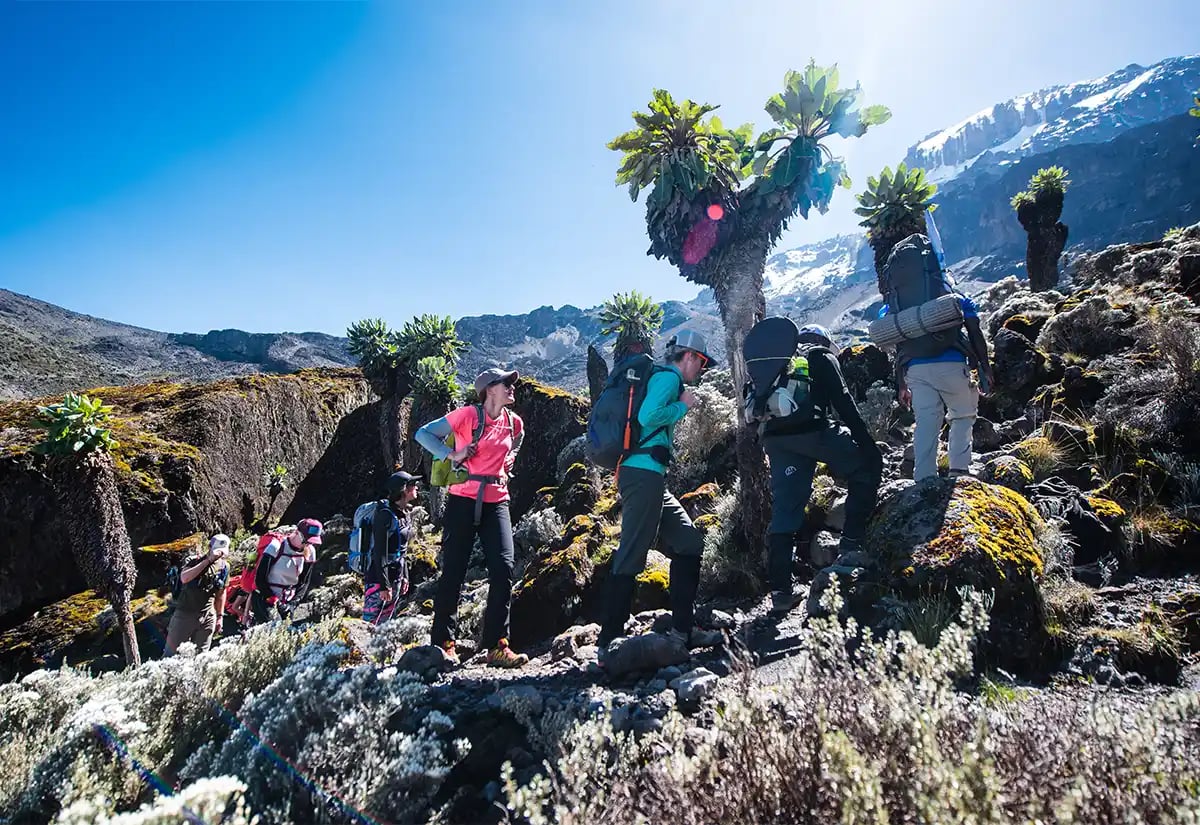
June marks the transition from the long rain to the dry season, bringing clearer skies and cooler temperatures to Kilimanjaro National Park. While the rainforest may still hold some residual moisture, the higher trails begin to dry out, making trekking conditions much more favorable than in previous months. This is the start of peak climbing season, but it’s still less crowded than July and August.
For visitors staying at lower elevations, wildlife viewing improves as animals emerge after the heavy rain. The fresh greenery from the wet season remains, creating a stunning contrast against Kilimanjaro’s snow-capped peak. Cool evenings and crisp air make for excellent stargazing, with some of the clearest night skies of the year. June is an ideal time for those looking to experience the beauty of Kilimanjaro with fewer crowds, whether trekking or exploring the park’s diverse landscapes.
+
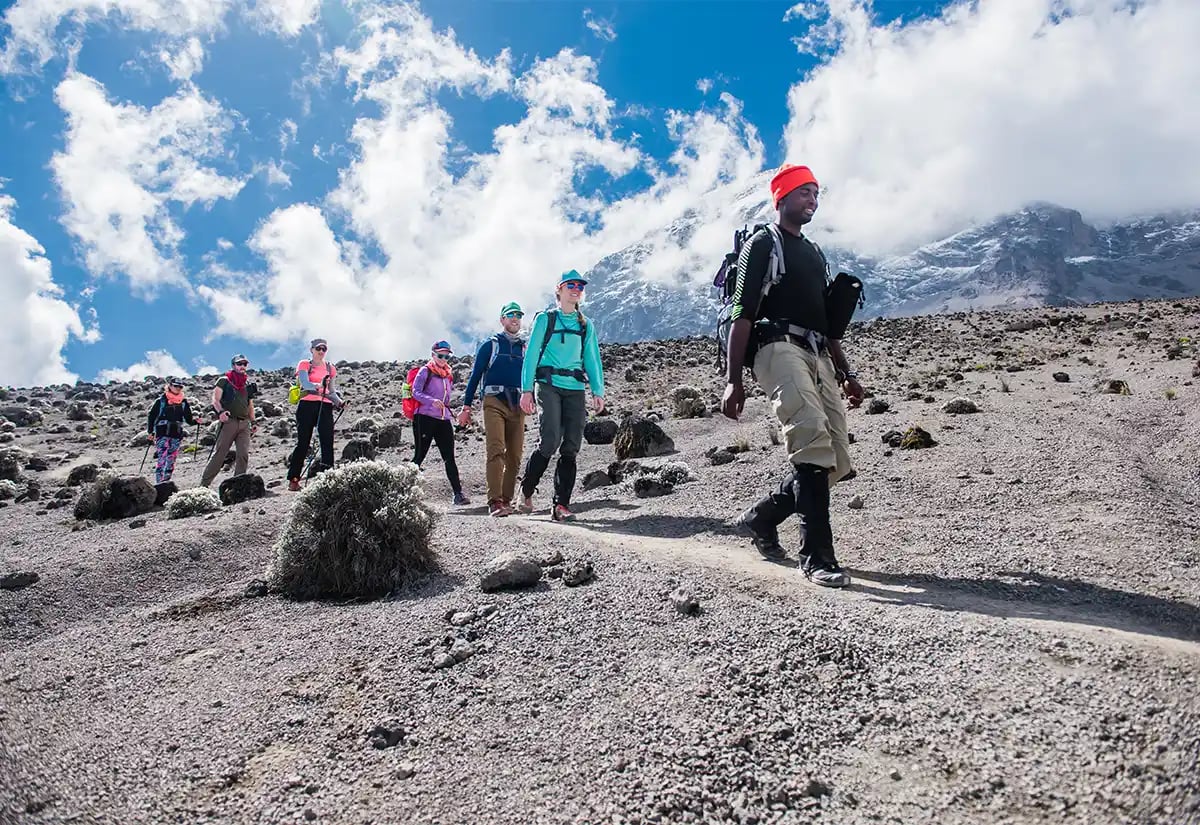
Climbing Kilimanjaro in July: Peak Season and Perfect Conditions
Dry Season
July is a great time to visit Kilimanjaro, offering dry, stable weather and exceptional visibility. With little to no rainfall, trails remain firm, making it a great time for both climbing and lower-altitude hikes. The skies are typically crystal clear, providing breathtaking panoramic views from the foothills all the way to the summit.
However, with ideal conditions comes higher visitor numbers, making it one of the busiest months on the mountain. While climbers will find a lively atmosphere at campsites, those exploring the lower regions of the park can still find quiet moments in nature, especially on forest trails. Nights at higher elevations are particularly cold, so proper layering is essential for trekkers. The consistent weather and incredible scenery make July a fantastic choice for experiencing Kilimanjaro at its best.
+
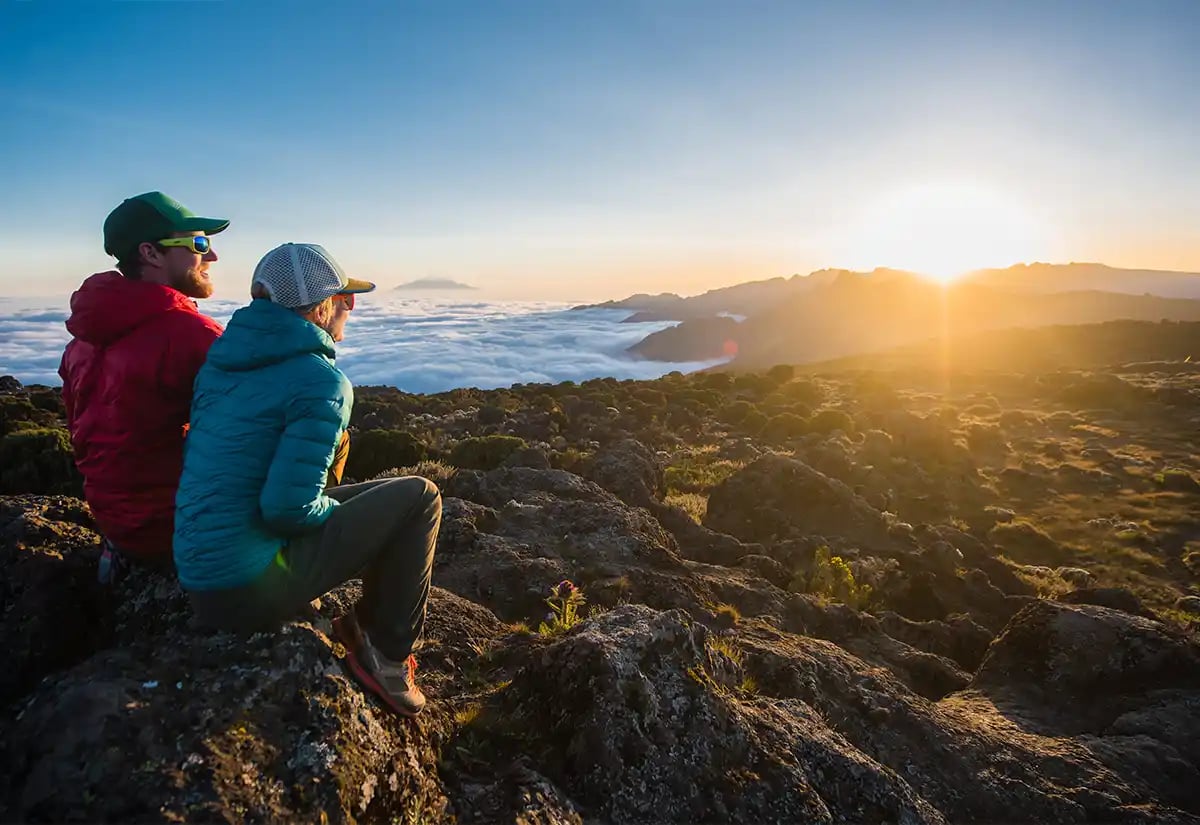
Climbing Kilimanjaro in August: Dry, Cold, and Stunningly Clear
Dry Season
August is one of the most popular months to visit Kilimanjaro National Park, with dry, sunny days and excellent visibility. The mountain’s trails remain in prime condition, making this a peak season for climbers. The clear skies provide incredible views of the surrounding savanna and distant peaks, making the trek especially scenic.
At lower elevations, the cool, dry air makes for comfortable hiking, while the rainforest remains active with wildlife, including monkeys and various bird species. However, August is also one of the coldest months, especially at higher altitudes, where nighttime temperatures can drop well below freezing.
For those who enjoy a social trekking experience, August offers a lively atmosphere with climbers from around the world. Despite the crowds, the stable weather and stunning scenery make this one of the best months to visit Kilimanjaro.
+
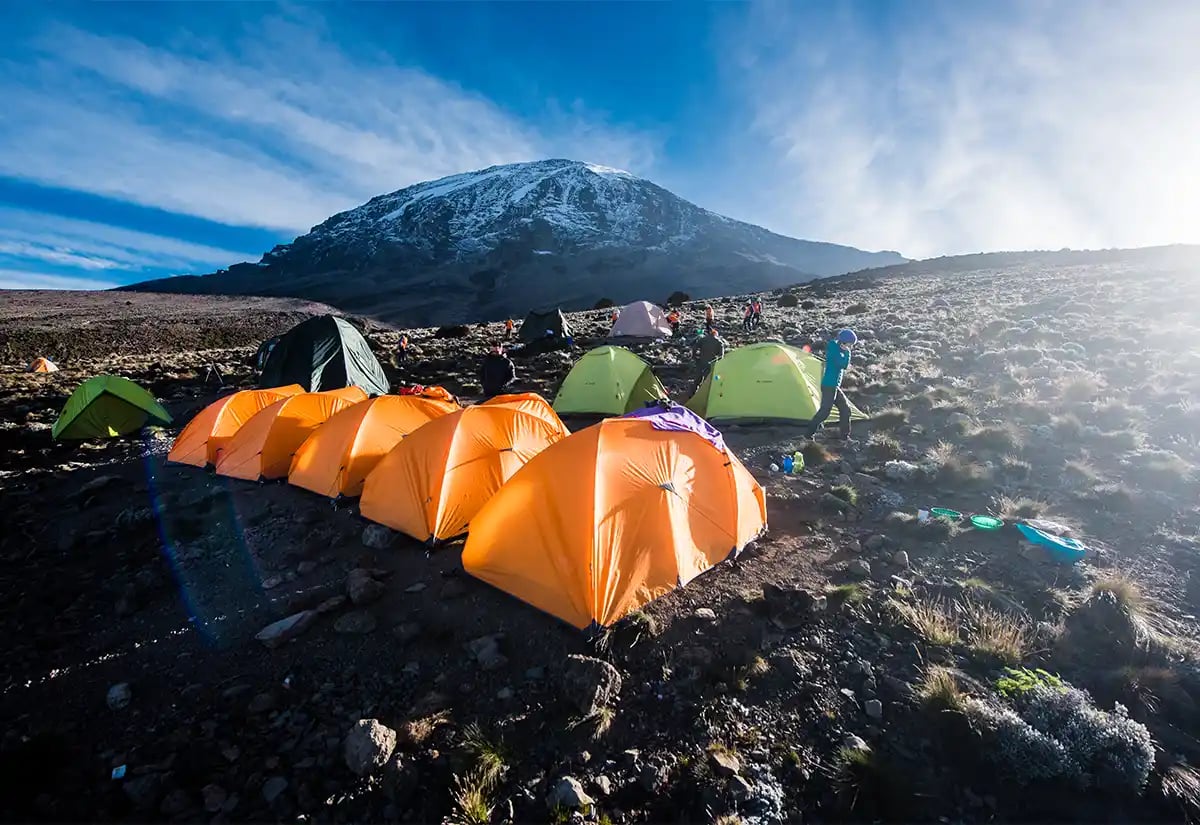
Climbing Kilimanjaro in September: Great Weather with Fewer Crowds
Dry Season
September continues ideal trekking conditions, and with slightly fewer visitors than July and August, it’s a great month for those who prefer a less crowded experience. Clear skies, mild daytime temperatures, and dry trails create excellent conditions for both climbers and visitors exploring the park’s lower regions.
The rainforest remains vibrant, with wildlife still active after the earlier rainy season. The drier conditions also make it easier to spot birds and small mammals moving through the trees. At higher elevations, temperatures remain cold at night, but the stable weather increases summit success rates. September is an excellent balance of good weather, great visibility, and moderate crowds, making it a fantastic month to experience Kilimanjaro’s diverse landscapes.
+
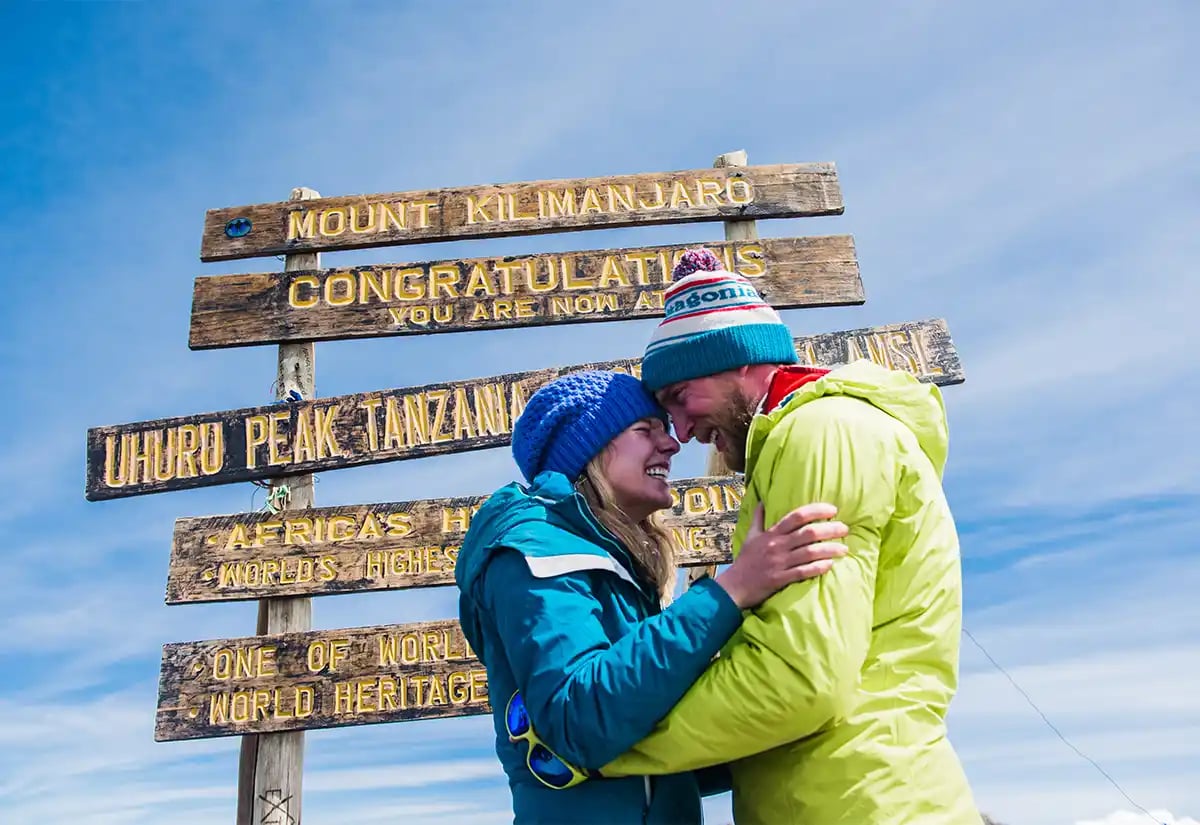
Climbing Kilimanjaro in October: The Last of the Dry Season
Dry Season
October offers good trekking conditions as it marks the end of the dry season, with clear skies and comfortable temperatures during the day. While early October feels much like September, humidity begins to increase later in the month, bringing a higher chance of occasional light rain, particularly in the rainforest zone.
The trails remain mostly dry, making it a good time for both trekking and lower-altitude hikes. The crowds start to thin out, offering a more peaceful experience compared to the peak months of July, August, and September. Wildlife sightings in the forest areas remain frequent, as the animals are still active before the rains return.
For those seeking favorable conditions with fewer climbers, early to mid-October is a great time to visit Kilimanjaro National Park. Late October, however, may see increased cloud cover as the short rainy season approaches.
+
Climbing Kilimanjaro in November: The Short Rainy Season Begins
Short Rain Season
November brings the short rainy season, making it one of the least popular months for trekking. Frequent rain showers create wet and muddy trails, particularly in the lower rainforest zone. The summit remains cold and often covered in clouds, reducing visibility for those attempting the climb.
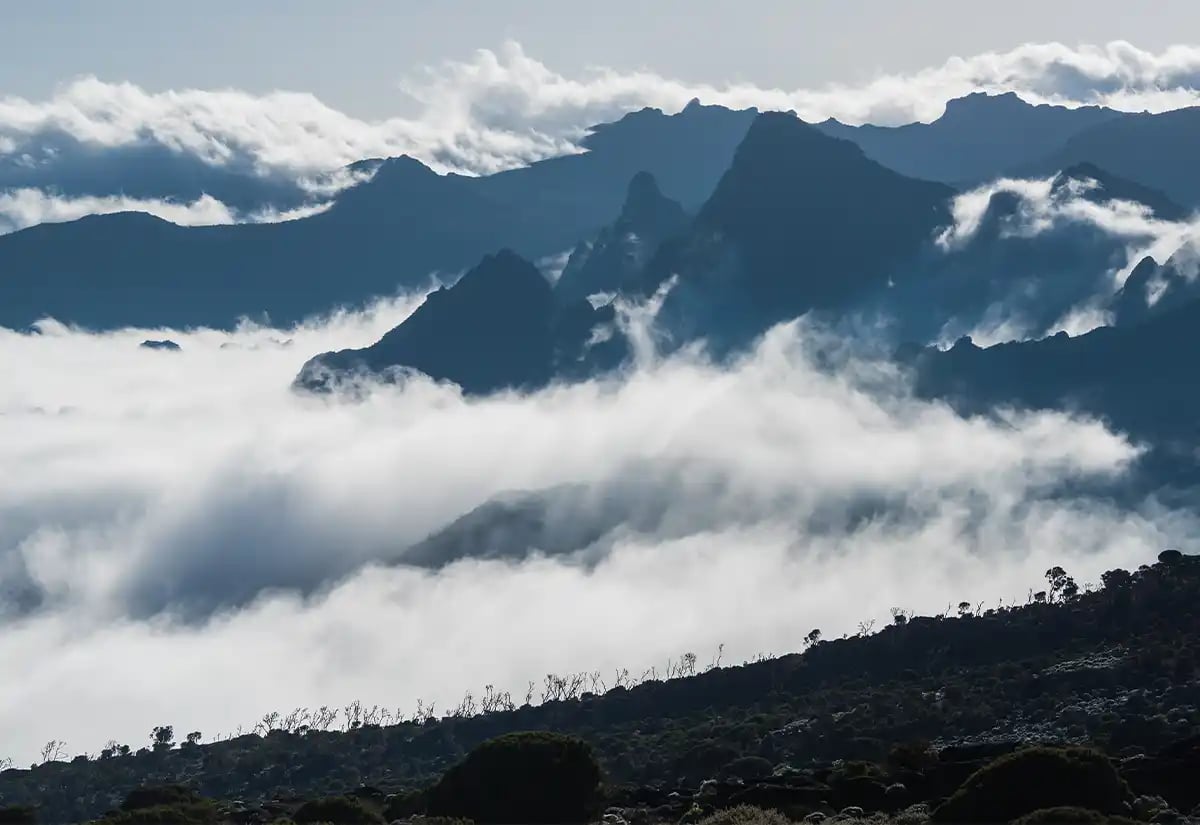
However, for nature lovers, Kilimanjaro’s lower slopes are alive with renewed plant growth and vibrant birdlife. The waterfalls become more impressive, and the forest feels especially tranquil, with far fewer visitors. While trekking can be more challenging due to slippery conditions, those looking for solitude and a unique, misty atmosphere may still find November appealing. For most travelers, waiting until December or January for drier conditions is the better option.
+
Climbing Kilimanjaro in December: A Transition Back to Dry Conditions
Short Rain Season
December is a transitional month, starting with lingering short rain and becoming drier toward the end of the month. Early December can still bring muddy trails and cloudy skies, but by mid-to-late month, conditions begin to stabilize, making it a popular time for visitors.
With the holiday season, Kilimanjaro National Park sees an increase in travelers, particularly those looking for a unique way to end the year with a climb. The forests remain lush from the rains, creating an excellent environment for birdwatching and nature walks. At higher elevations, light snowfall on the summit adds to the mountain’s dramatic beauty.
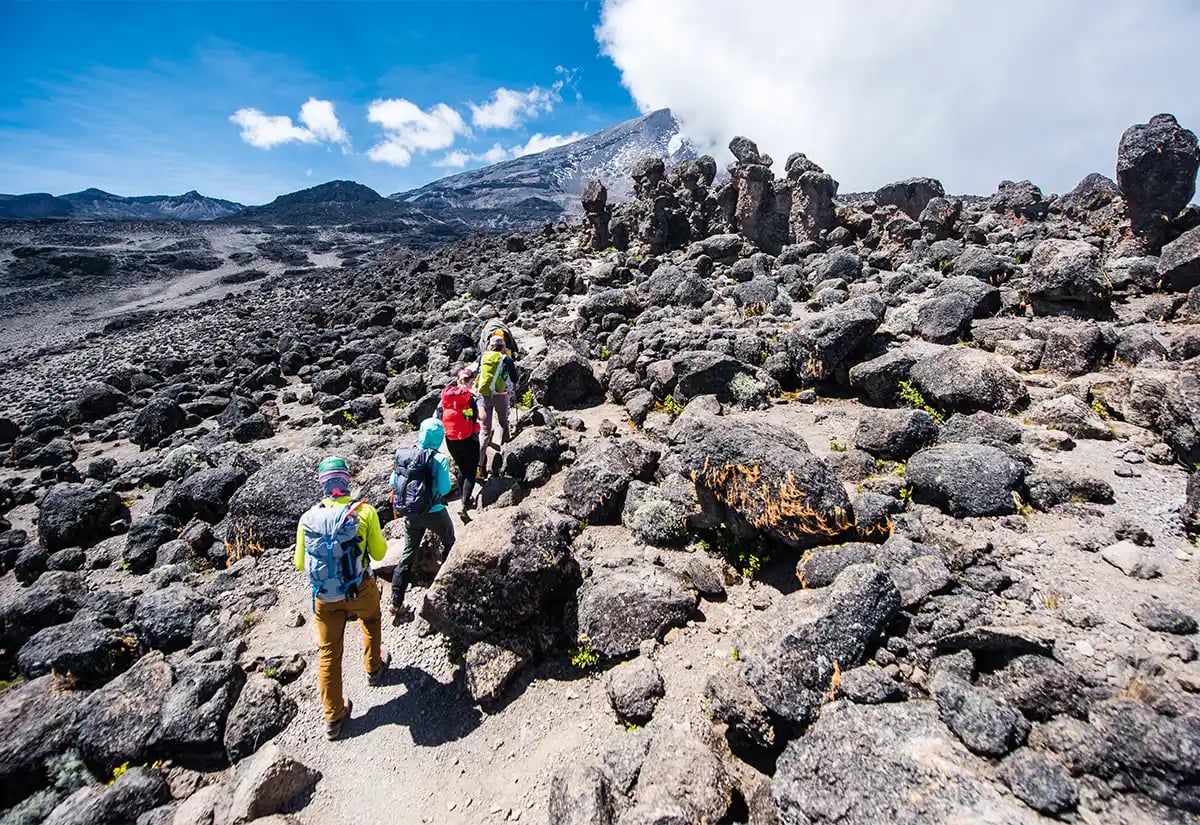
For those looking to trek Kilimanjaro in December, late in the month is one of the best times, with clear skies, dry trails, and a festive energy among climbers. Booking in advance is recommended, as the Christmas and New Year period attracts large numbers of adventurers.
+
Climbing Kilimanjaro in January: A Bright Start to the Year in Kilimanjaro National Park
Green Season
January is one of the best months to visit Kilimanjaro National Park, offering warm temperatures, clear skies, and dry conditions. This is peak season for trekkers, creating a lively atmosphere on the mountain. Climbers enjoy excellent visibility, especially in the mornings, with panoramic views stretching across the plains of Tanzania.
Beyond the climb, the rainforest zone is thriving, with active wildlife such as monkeys and vibrant birdlife. Lower slopes and foothills are ideal for nature walks and cultural visits, as the Chagga villages bustle with harvest activities. The dry conditions make waterfall hikes especially rewarding, as trails remain accessible without heavy mud. Evenings are crisp, perfect for stargazing, with clear skies revealing stunning constellations.
Climbing Kilimanjaro in February: Prime Conditions for Adventure
Green Season
February continues ideal weather conditions in Kilimanjaro National Park, making it one of the most popular months for both trekking and wildlife viewing. The skies remain mostly clear, with warm days and cool nights, offering excellent visibility for those on the mountain and in the surrounding park.
The drier conditions allow for easier exploration of forest trails, where travelers may spot monkeys and a variety of bird species. The lower slopes and foothills remain vibrant, benefiting from the short rain of late last year. With minimal rainfall, February is also one of the best times to witness Kilimanjaro’s glaciers glistening under bright sunshine.
While it’s a high-traffic month for climbers, those exploring the park at lower elevations will find peaceful pockets of nature, ideal for quiet reflection and scenic photography.
Climbing Kilimanjaro in March: A Transition to the Rainy Season
Green Season
March marks the shift from the dry season to the long rain, bringing changing conditions across Kilimanjaro National Park. Early in the month, trekking remains viable, though cloud cover begins to increase, particularly in the afternoons. By mid-to-late March, heavier rainfall makes trails wet and muddy, challenging both climbers and hikers in the forested areas.
The rainforest zone becomes even more vibrant, as moisture supports rich plant growth and an increase in animal activity. Birdwatching is particularly rewarding, with species taking advantage of the seasonal abundance. Higher up, snowfall may begin accumulating on Kilimanjaro’s summit, adding to its striking appearance.
While March is less crowded, travelers should prepare for variable weather and occasional storms. Those looking for solitude and don’t mind a bit of rain will find Kilimanjaro’s landscapes at their most dramatic during this seasonal shift.
Climbing Kilimanjaro in April: The Rainy Season in Full Swing
Long Rain Season
April brings the long rain, making it one of the least favorable months for trekking Kilimanjaro, but a fascinating time for those interested in the park’s lush ecosystems. Heavy rainfall transforms the rainforest zone into a misty, green paradise, with thick cloud cover settling over the mountain. The trails become muddy and slippery, making hiking more challenging, and summit views are often obscured.
Wildlife thrives in these conditions, with forest animals like monkeys and small antelope becoming more active. Fewer visitors mean a rare chance to experience Kilimanjaro in near solitude, with only the sounds of nature filling the air. Waterfalls are at their most powerful, creating spectacular sights for those willing to brave the rain. While the weather isn’t ideal for climbing, it offers a unique opportunity to see the park’s vibrant flora and seasonal transformation.
Climbing Kilimanjaro in May: A Quiet and Rain-Soaked Wilderness
Long Rain Season
May continues the long rainy season, keeping visitor numbers at their lowest. The rainforest remains thick with moisture, making it an excellent month for botany enthusiasts and birdwatchers. The rain fuels incredible plant growth, with wildflowers blooming and rare bird species taking advantage of the seasonal abundance.
Higher elevations see frequent snowfall, and the trails remain muddy and difficult. Trekking is possible for those seeking solitude and adventure, but climbers must be prepared for wet conditions, cold nights, and limited visibility. The misty landscapes create an eerie beauty, and the lack of crowds makes for a peaceful, immersive experience.
For most visitors, waiting until June, when the dry season returns, is a better option. But for those looking to experience Kilimanjaro National Park in its most untouched and wild state, May offers a rare and intimate encounter with nature.
Climbing Kilimanjaro in June: The Start of the Dry Season
Dry Season
June marks the transition from the long rain to the dry season, bringing clearer skies and cooler temperatures to Kilimanjaro National Park. While the rainforest may still hold some residual moisture, the higher trails begin to dry out, making trekking conditions much more favorable than in previous months. This is the start of peak climbing season, but it’s still less crowded than July and August.
For visitors staying at lower elevations, wildlife viewing improves as animals emerge after the heavy rain. The fresh greenery from the wet season remains, creating a stunning contrast against Kilimanjaro’s snow-capped peak. Cool evenings and crisp air make for excellent stargazing, with some of the clearest night skies of the year. June is an ideal time for those looking to experience the beauty of Kilimanjaro with fewer crowds, whether trekking or exploring the park’s diverse landscapes.
Climbing Kilimanjaro in July: Peak Season and Perfect Conditions
Dry Season
July is a great time to visit Kilimanjaro, offering dry, stable weather and exceptional visibility. With little to no rainfall, trails remain firm, making it a great time for both climbing and lower-altitude hikes. The skies are typically crystal clear, providing breathtaking panoramic views from the foothills all the way to the summit.
However, with ideal conditions comes higher visitor numbers, making it one of the busiest months on the mountain. While climbers will find a lively atmosphere at campsites, those exploring the lower regions of the park can still find quiet moments in nature, especially on forest trails. Nights at higher elevations are particularly cold, so proper layering is essential for trekkers. The consistent weather and incredible scenery make July a fantastic choice for experiencing Kilimanjaro at its best.
Climbing Kilimanjaro in August: Dry, Cold, and Stunningly Clear
Dry Season
August is one of the most popular months to visit Kilimanjaro National Park, with dry, sunny days and excellent visibility. The mountain’s trails remain in prime condition, making this a peak season for climbers. The clear skies provide incredible views of the surrounding savanna and distant peaks, making the trek especially scenic.
At lower elevations, the cool, dry air makes for comfortable hiking, while the rainforest remains active with wildlife, including monkeys and various bird species. However, August is also one of the coldest months, especially at higher altitudes, where nighttime temperatures can drop well below freezing.
For those who enjoy a social trekking experience, August offers a lively atmosphere with climbers from around the world. Despite the crowds, the stable weather and stunning scenery make this one of the best months to visit Kilimanjaro.
Climbing Kilimanjaro in September: Great Weather with Fewer Crowds
Dry Season
September continues ideal trekking conditions, and with slightly fewer visitors than July and August, it’s a great month for those who prefer a less crowded experience. Clear skies, mild daytime temperatures, and dry trails create excellent conditions for both climbers and visitors exploring the park’s lower regions.
The rainforest remains vibrant, with wildlife still active after the earlier rainy season. The drier conditions also make it easier to spot birds and small mammals moving through the trees. At higher elevations, temperatures remain cold at night, but the stable weather increases summit success rates. September is an excellent balance of good weather, great visibility, and moderate crowds, making it a fantastic month to experience Kilimanjaro’s diverse landscapes.
Climbing Kilimanjaro in October: The Last of the Dry Season
Dry Season
October offers good trekking conditions as it marks the end of the dry season, with clear skies and comfortable temperatures during the day. While early October feels much like September, humidity begins to increase later in the month, bringing a higher chance of occasional light rain, particularly in the rainforest zone.
The trails remain mostly dry, making it a good time for both trekking and lower-altitude hikes. The crowds start to thin out, offering a more peaceful experience compared to the peak months of July, August, and September. Wildlife sightings in the forest areas remain frequent, as the animals are still active before the rains return.
For those seeking favorable conditions with fewer climbers, early to mid-October is a great time to visit Kilimanjaro National Park. Late October, however, may see increased cloud cover as the short rainy season approaches.
Climbing Kilimanjaro in November: The Short Rainy Season Begins
Short Rain Season
November brings the short rainy season, making it one of the least popular months for trekking. Frequent rain showers create wet and muddy trails, particularly in the lower rainforest zone. The summit remains cold and often covered in clouds, reducing visibility for those attempting the climb.
However, for nature lovers, Kilimanjaro’s lower slopes are alive with renewed plant growth and vibrant birdlife. The waterfalls become more impressive, and the forest feels especially tranquil, with far fewer visitors. While trekking can be more challenging due to slippery conditions, those looking for solitude and a unique, misty atmosphere may still find November appealing. For most travelers, waiting until December or January for drier conditions is the better option.
Climbing Kilimanjaro in December: A Transition Back to Dry Conditions
Short Rain Season
December is a transitional month, starting with lingering short rain and becoming drier toward the end of the month. Early December can still bring muddy trails and cloudy skies, but by mid-to-late month, conditions begin to stabilize, making it a popular time for visitors.
With the holiday season, Kilimanjaro National Park sees an increase in travelers, particularly those looking for a unique way to end the year with a climb. The forests remain lush from the rains, creating an excellent environment for birdwatching and nature walks. At higher elevations, light snowfall on the summit adds to the mountain’s dramatic beauty.
For those looking to trek Kilimanjaro in December, late in the month is one of the best times, with clear skies, dry trails, and a festive energy among climbers. Booking in advance is recommended, as the Christmas and New Year period attracts large numbers of adventurers.
+
+
+
+
+
+
+
+
+
+
+
+

Mt. Kilimanjaro Animals and Wildlife
With its multitude of ecosystems and habitats, Kilimanjaro National Park is home to a vast range of wildlife. While exploring the park, you may encounter species adapted to the mountain’s changing climates, from the vibrant life of the lower forests to the hardy creatures that roam the higher altitudes.
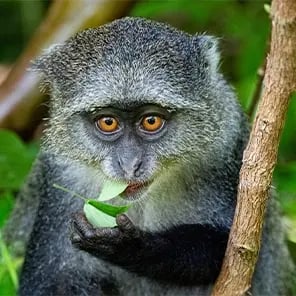
Blue Monkeys
These agile primates thrive in Kilimanjaro’s forests, leaping through treetops with their striking blue-gray fur and long tails.
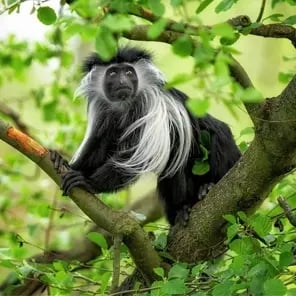
Colobus Monkeys
With their dramatic black-and-white fur and flowing tails, colobus monkeys move gracefully through the treetops, rarely touching the ground.
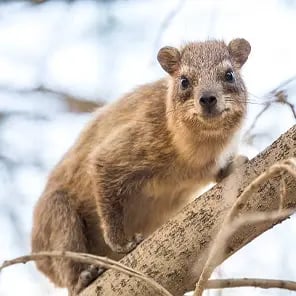
Tree Hyrax
Though small, these nocturnal creatures are surprisingly vocal, often heard calling from the treetops where they rest during the day.
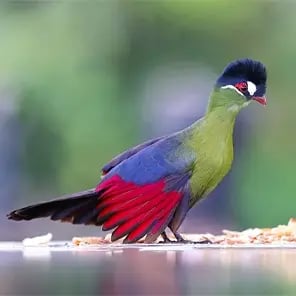
Hartlaub's Turaco
This vibrant bird, with its striking green and crimson plumage, flits through the forest canopy and fills the air with melodic calls.
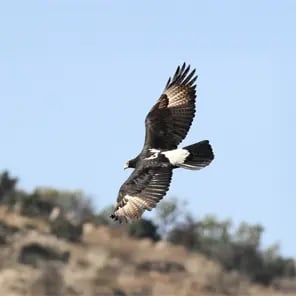
Verreaux’s Eagle
A powerful predator, this eagle soars over Kilimanjaro’s slopes, scanning for prey with its sharp talons and keen eyesight.
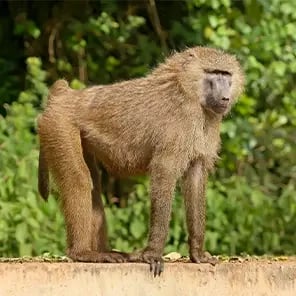
Baboons
Typically in groups, these intelligent and social primates forage through the lower forests, displaying their expressive behavior.
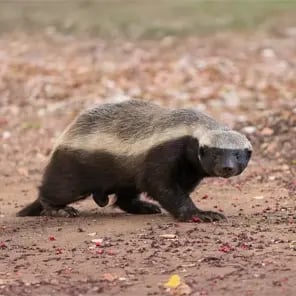
Honey Badgers
Fearless and tough, honey badgers prowl the park in search of food, known for their resilience and ability to take on predators.
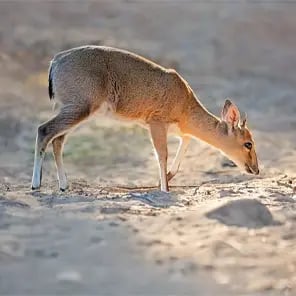
Duikers
These shy, small antelope dart through dense undergrowth, using their agility and speed to navigate Kilimanjaro’s lower forests.
Blue Monkeys
These agile primates thrive in Kilimanjaro’s forests, leaping through treetops with their striking blue-gray fur and long tails.
Colobus Monkeys
With their dramatic black-and-white fur and flowing tails, colobus monkeys move gracefully through the treetops, rarely touching the ground.
Tree Hyrax
Though small, these nocturnal creatures are surprisingly vocal, often heard calling from the treetops where they rest during the day.
Hartlaub's Turaco
This vibrant bird, with its striking green and crimson plumage, flits through the forest canopy and fills the air with melodic calls.
Verreaux’s Eagle
A powerful predator, this eagle soars over Kilimanjaro’s slopes, scanning for prey with its sharp talons and keen eyesight.
Baboons
Typically in groups, these intelligent and social primates forage through the lower forests, displaying their expressive behavior.
Honey Badgers
Fearless and tough, honey badgers prowl the park in search of food, known for their resilience and ability to take on predators.
Duikers
These shy, small antelope dart through dense undergrowth, using their agility and speed to navigate Kilimanjaro’s lower forests.
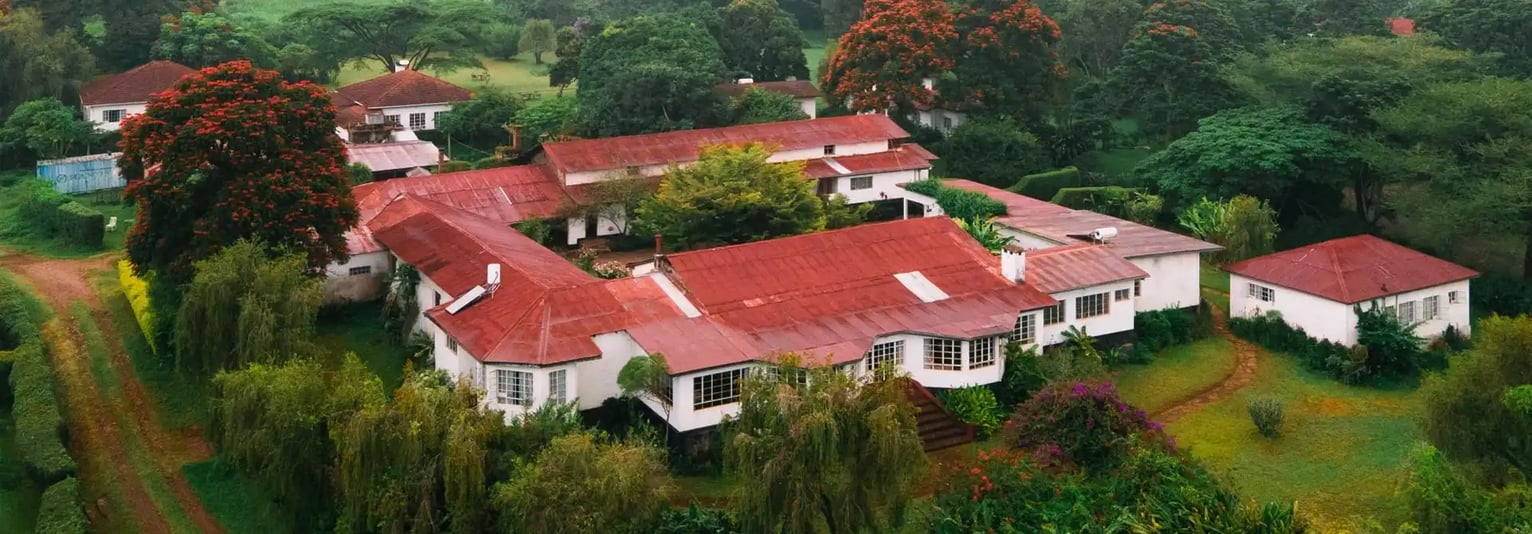
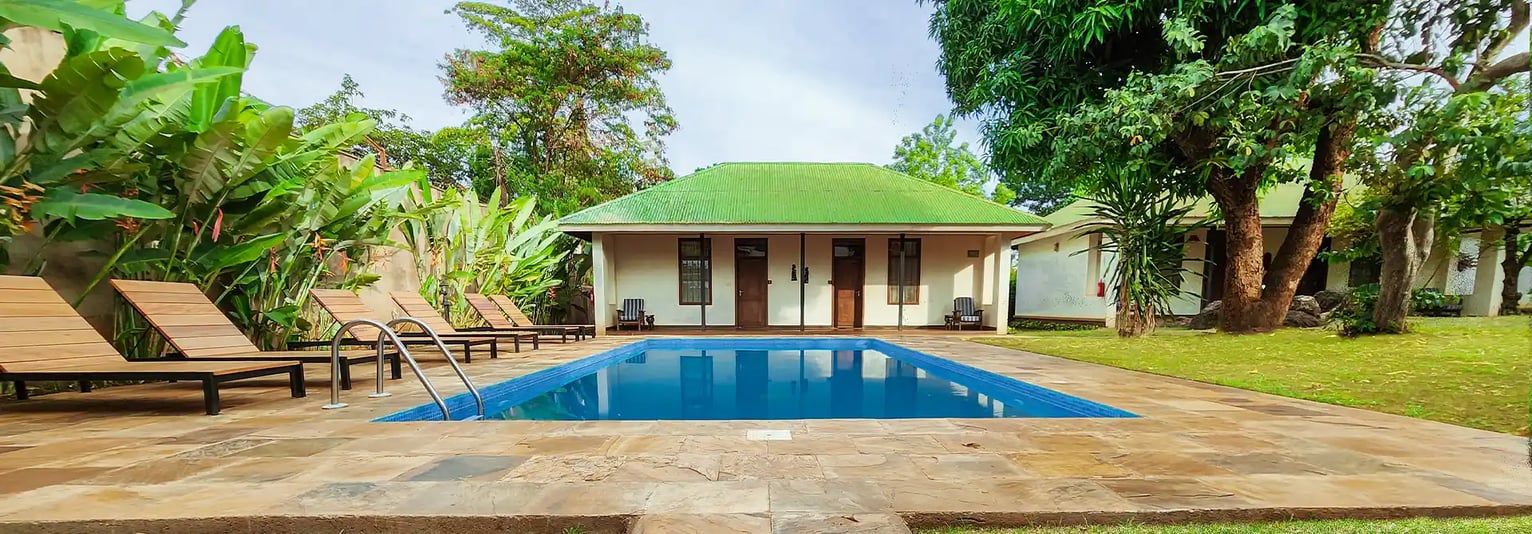
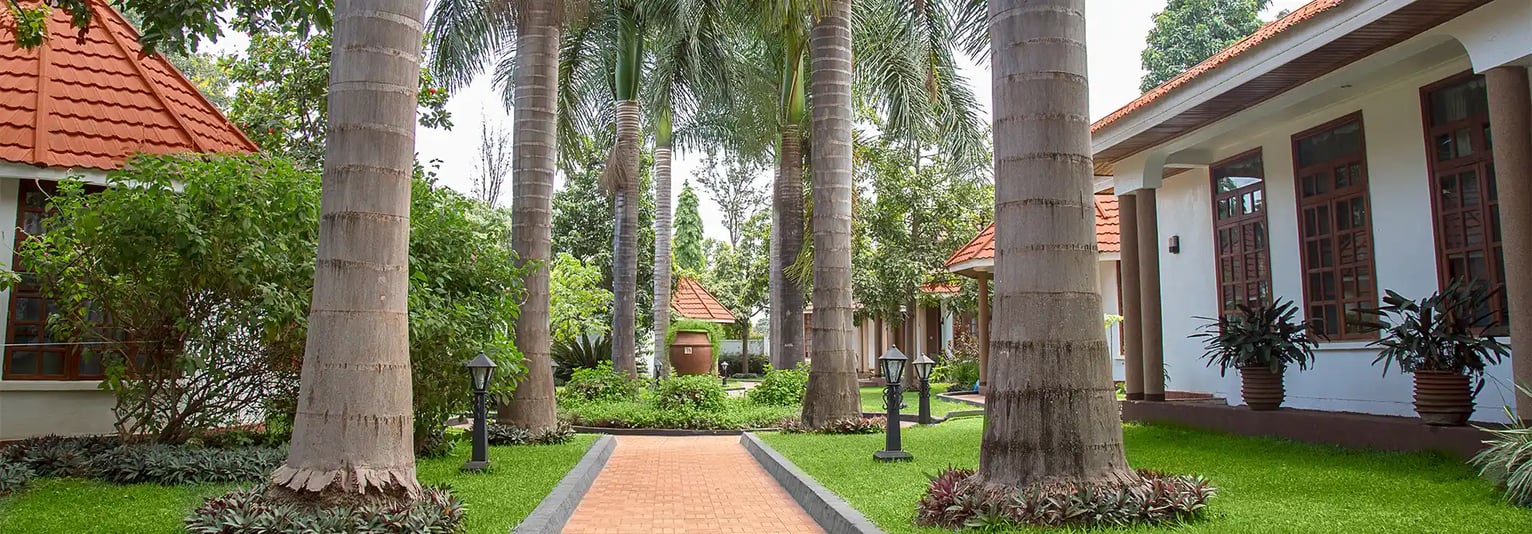
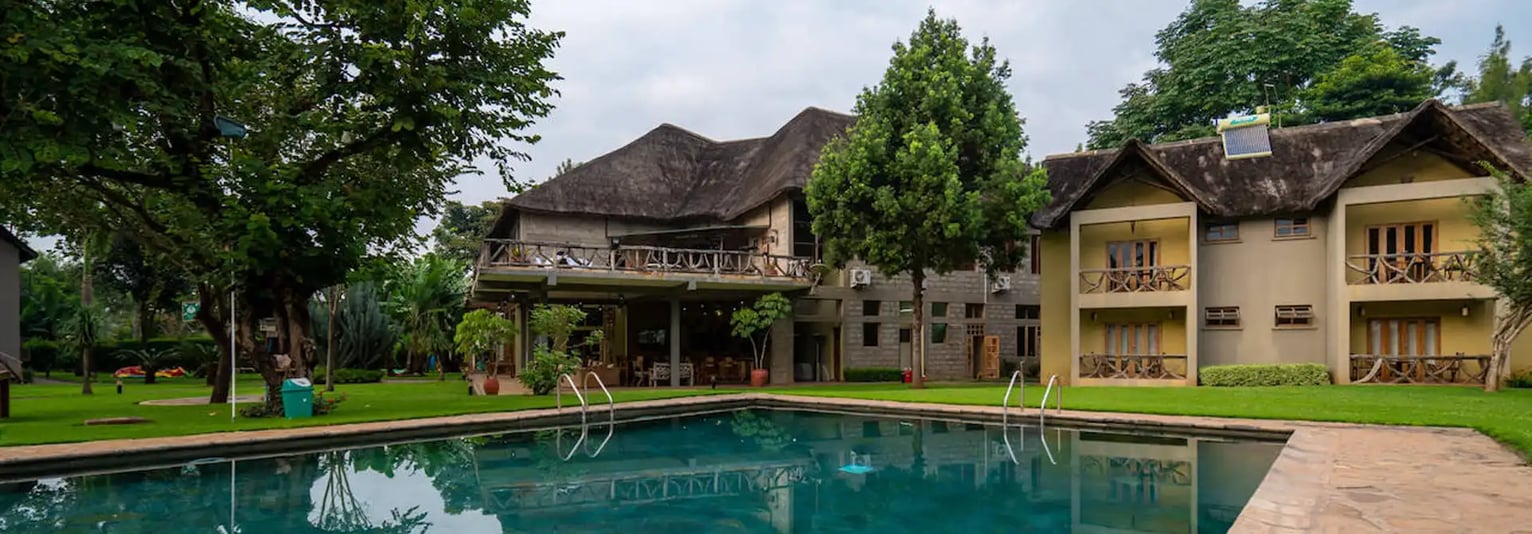
Featured Accommodations Near Kilimanjaro National Park
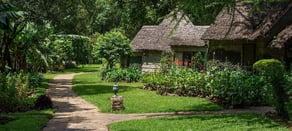
Whether you’re gearing up for climbing Mount Kilimanjaro, resting after your trek, or simply enjoying the incredible national park, you’ll find many vacation-worthy accommodations nearby.


Kilimanjaro Tours and Treks for Everyone
Most Popular
.png?width=296&height=70&name=Pattern%20(2).png)
$1,350 (2pax) USD
12 Days Serengeti Lions and Wildebeest Migration Safari

95 people viewing now
Best Seller
$3,001 (2pax) USD
Days Serengeti Lions and Wildebeest Migration Safari
39 people viewing now
Most Popular
$1,400 (2pax) USD
A Days Serengeti Lions and Wildebeest Migration Safari
93 people viewing now
Most Popular
$1,350 (2pax) USD
12 Days Serengeti Lions and Wildebeest Migration Safari
112 people viewing now
Best Seller
$3,001 (2pax) USD
Days Serengeti Lions and Wildebeest Migration Safari
91 people viewing now
Most Popular
$1,400 (2pax) USD
A Days Serengeti Lions and Wildebeest Migration Safari
85 people viewing now
Most Popular
$1,350 (2pax) USD
12 Days Serengeti Lions and Wildebeest Migration Safari
92 people viewing now
Best Seller
$3,001 (2pax) USD
Days Serengeti Lions and Wildebeest Migration Safari
77 people viewing now
Best Seller
$3,001 (2pax) USD
Days Serengeti Lions and Wildebeest Migration Safari
98 people viewing now
Best Seller
$3,001 (2pax) USD
Days Serengeti Lions and Wildebeest Migration Safari
96 people viewing now
Best Seller
$3,001 (2pax) USD
Days Serengeti Lions and Wildebeest Migration Safari
15 people viewing now
Most Popular
$1,400 (2pax) USD
A Days Serengeti Lions and Wildebeest Migration Safari
67 people viewing now
We’re here to help you reach the peak —no matter which route you take.

Most Popular
$1,350 (2pax) USD
12 Days Serengeti Lions and Wildebeest Migration Safari
97 people viewing now
Best Seller
$3,001 (2pax) USD
Days Serengeti Lions and Wildebeest Migration Safari
87 people viewing now
Most Popular
$1,400 (2pax) USD
A Days Serengeti Lions and Wildebeest Migration Safari
23 people viewing now
Most Popular
$1,350 (2pax) USD
12 Days Serengeti Lions and Wildebeest Migration Safari
29 people viewing now
Best Seller
$3,001 (2pax) USD
Days Serengeti Lions and Wildebeest Migration Safari
44 people viewing now
Most Popular
$1,400 (2pax) USD
A Days Serengeti Lions and Wildebeest Migration Safari
52 people viewing now
Most Popular
$1,350 (2pax) USD
12 Days Serengeti Lions and Wildebeest Migration Safari
69 people viewing now
Best Seller
$3,001 (2pax) USD
Days Serengeti Lions and Wildebeest Migration Safari
89 people viewing now
Best Seller
$3,001 (2pax) USD
Days Serengeti Lions and Wildebeest Migration Safari
28 people viewing now
Best Seller
$3,001 (2pax) USD
Days Serengeti Lions and Wildebeest Migration Safari
65 people viewing now
Best Seller
$3,001 (2pax) USD
Days Serengeti Lions and Wildebeest Migration Safari
30 people viewing now
Most Popular
$1,400 (2pax) USD
A Days Serengeti Lions and Wildebeest Migration Safari
30 people viewing now
We’re here to help you reach the peak —no matter which route you take.
Frequently Asked Questions

Still have questions?
Contact Us, we are more than happy to help!
How difficult is it to climb Mount Kilimanjaro?
Climbing Mount Kilimanjaro is a physical challenge but it doesn’t require technical mountaineering skills. The main difficulty comes from the high altitude, which can lead to altitude sickness if climbers don’t properly acclimate. Choosing a longer route improves success rates by allowing for gradual acclimatization.
How much does it cost to climb Mount Kilimanjaro?
The average cost to climb Mount Kilimanjaro varies depending on the route, length of the trek, and level of service. Prices generally range from $2,000 to $6,000 per person, covering park fees, guides, porters, food, and accommodation.
Can you climb Mount Kilimanjaro without a guide?
No, climbing Mount Kilimanjaro without a guide is not allowed. Tanzanian regulations require all trekkers to be accompanied by licensed guides and porters for safety, conservation, and logistical support.
What is the best company to climb Mount Kilimanjaro with?
The best company depends on your budget, preferences, and safety priorities. Look for operators with experienced guides, strong safety records, quality equipment, and ethical porter treatment for the best experience. At Easy Travel, we are KPAP-certified and have been making successful summits happen for 40 years with highly trained and WFR-certified guides, top-rated gear, and a primary focus on safety.
Where is Mount Kilimanjaro in Tanzania?
Mount Kilimanjaro is located in northern Tanzania, near the town of Moshi, close to the Kenyan border. Mount Kilimanjaro National Park is about a one-hour drive from Kilimanjaro International Airport (JRO).
How long does it take to climb Mount Kilimanjaro?
The trek typically takes between 5 to 9 days, depending on the route. Longer routes like Lemosho and Northern Circuit allow for better acclimatization, increasing the chance of reaching the summit successfully.
Should I go to Mount Kilimanjaro National Park if I’m not trekking the mountain?
Absolutely! The park offers more than just climbing Mount Kilimanjaro. You can explore its diverse wildlife, scenic landscapes, cultural experiences, and day hikes that showcase the beauty of the region.
Are there things to do in Kilimanjaro National Park?
Yes! Visitors can enjoy walking safaris, wildlife viewing, cultural visits with the Chagga people, waterfall explorations, historical site visits, and more. The park is rich in natural beauty and adventure beyond the summit trek.
What is the best time to climb Mount Kilimanjaro?
The best time to climb Mount Kilimanjaro is during the dry seasons: January to early March and June to October. These months offer the best weather conditions, clearer views, and a more comfortable trekking experience.
What gear do I need for climbing Mount Kilimanjaro?
Essential gear includes layered clothing for varying temperatures, sturdy hiking boots, a warm sleeping bag, trekking poles, and high-altitude essentials like gloves and headlamps. A reliable outfitter will provide a full packing list to ensure you’re well-prepared.
Still have questions?
Contact Us, we are more than happy to help!
Explore Our Latest Articles
3.06.2025
23 Min Read
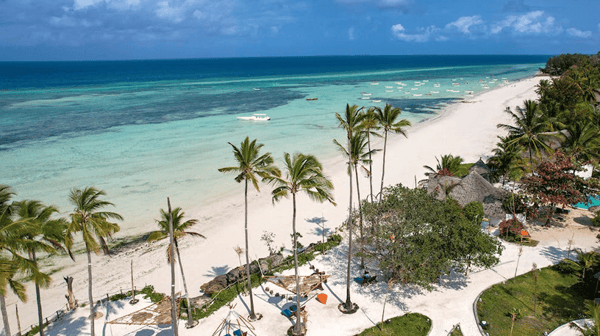
Kendwa Beach rests on Zanzibar Island. The beach is known far and wide because it is gorgeous. The sand on the beach is...

3.06.2025
23 Min Read
Kendwa Beach rests on Zanzibar Island. The beach is known far and wide because it is gorgeous. The...
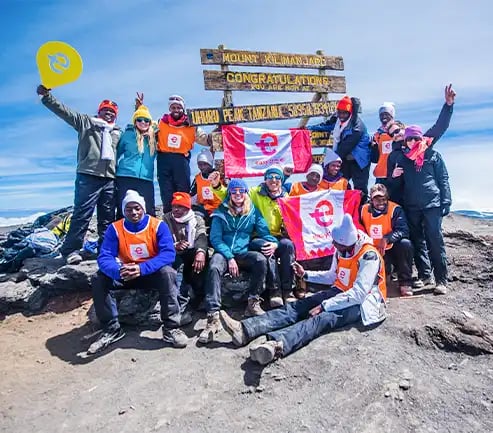
Find Out Which Safari Tour Is Right For You
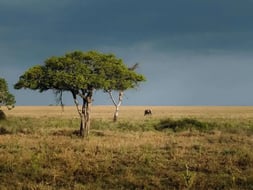
Turn your Kili climb into the ultimate Tanzania adventure when you combine it with a traditional safari. Take our quiz and find the right package for you!
More Tanzania Destinations To Explore
This is a park

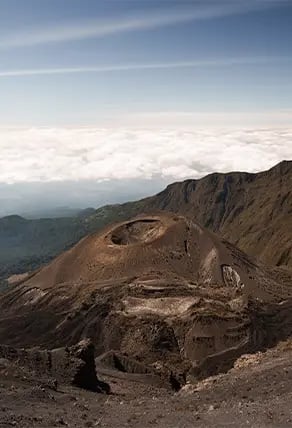


Mount Meru
A stunning prelude to Kilimanjaro, Mount Meru offers a scenic, less-crowded trek with diverse wildlife and dramatic...
This is a park
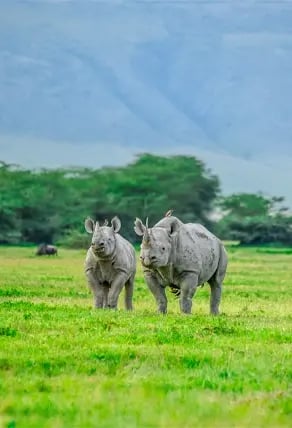


Ngorongoro
A perfect post-Kilimanjaro safari, Ngorongoro Crater is a wildlife haven, home to the Big Five in a breathtaking...
This is a park
-svg.svg)
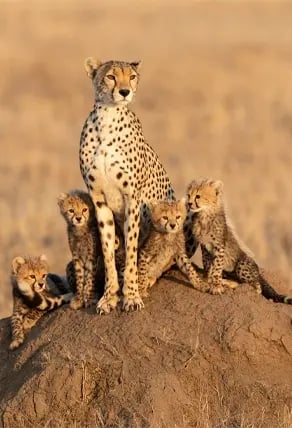


Serengeti...
A world-famous safari destination, best known for the Great Migration, abundant wildlife, and endless golden plains.
This is a park

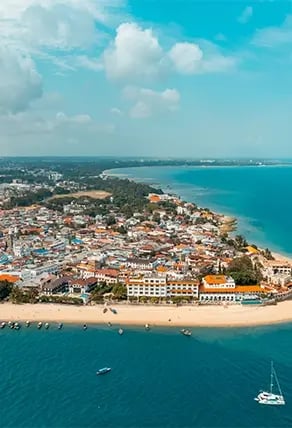


Zanzibar
A tropical paradise with white-sand beaches, vibrant culture, and historic Stone Town—perfect for relaxation and...