

.svg "Style-Guide (1)")


.svg)


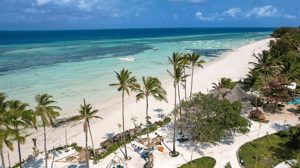
Kendwa Beach rests on Zanzibar Island. The beach is known far and wide because it is gorgeous. The...






Mount Meru
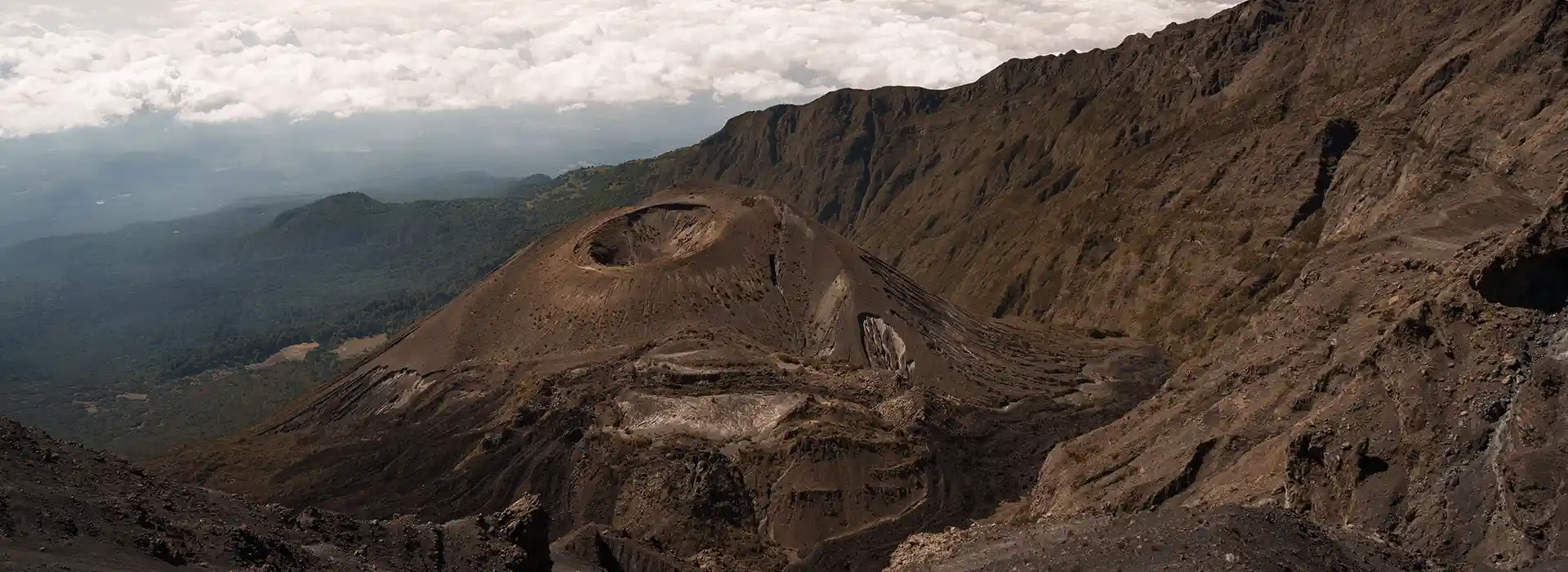
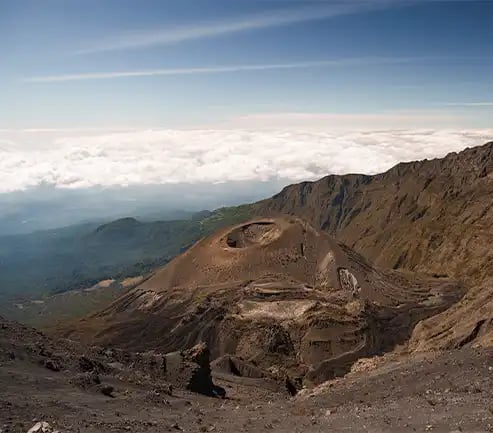
Step onto the slopes of Mount Meru and enter a world of shifting landscapes, where giraffes graze beneath ancient fig trees and crater ridgelines slice through the clouds. Located in Arusha National Park, this stratovolcano offers one of Tanzania’s most rewarding treks.

Endorsed by ATTA

Featured in National Geographic

BBC Wildlife

Rated Excellent by Trip Advisor
Mount Meru
Step onto the slopes of Mount Meru and enter a world of shifting landscapes, where giraffes graze beneath ancient fig trees and crater ridgelines slice through the clouds. Located in Arusha National Park, this stratovolcano offers one of Tanzania’s most rewarding treks.
Endorsed by ATTA
Featured in National Geographic
BBC Wildlife
Rated Excellent by Trip Advisor
Things To Do In Mount Meru
Whether you’re embarking on a multi-day trek or spending time exploring Arusha National Park, there’s no shortage of things to do in and around Mount Meru. This volcanic gem offers an immersive experience filled with natural wonders—from scenic trails and cascading waterfalls to close encounters with wildlife. It’s ideal for nature lovers, photographers, and adventure seekers alike.

Hiking and Trekking
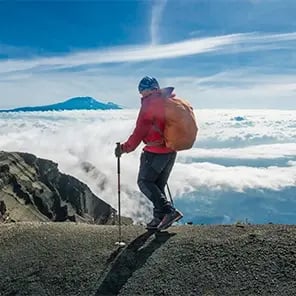
Trek to the summit of Mount Meru through forests, alpine meadows, and crater ridges. The 3–4-day climb is rewarding, offering solitude, breathtaking views, and the perfect acclimatization for Kilimanjaro.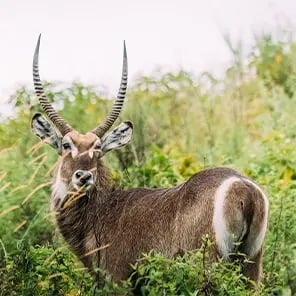
Wildlife
Mount Meru is home to giraffes, zebras, buffalo, and monkeys, often spotted during the early stages of the hike. It’s one of the few treks where you can see big game animals in the wild as you climb.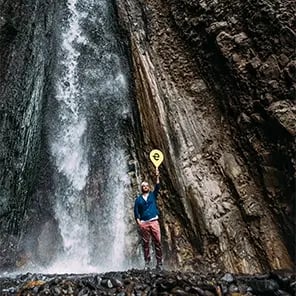
Waterfalls
Discover hidden gems like Tululusia Waterfall, a lush and peaceful spot tucked within Arusha National Park. These cascading falls are perfect for a picnic break or a photo-worthy detour on a nature walk.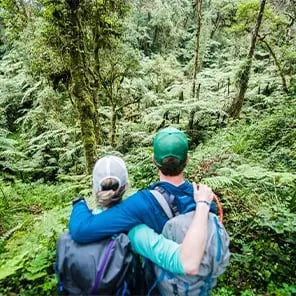
Walking Safari & Nature Walks
Get up close and personal with Tanzania’s wilderness on a walking safari. With a ranger as your guide, you’ll explore the lower slopes of Mount Meru, spotting wildlife and learning about local flora.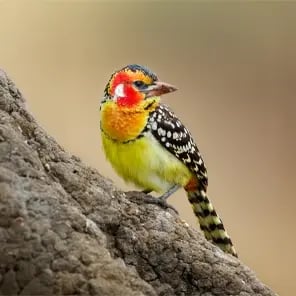
Birdwatching
Over 400 species of birds have been recorded in the area, making Mount Meru an exciting escape for birdwatchers. Look out for hornbills, turacos, and colorful bee-eaters along the trail and near forested slopes.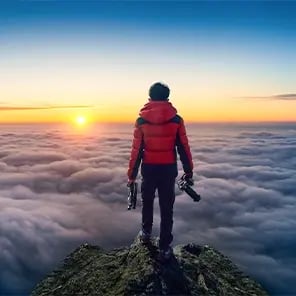
Summit Sunrises
Reaching the summit rewards trekkers with jaw-dropping views of Mount Meru’s crater, the Rift Valley, and even Mount Kilimanjaro on clear mornings. Sunrise at Socialist Peak is an unforgettable moment above the clouds.Things To Do In Mount Meru
Whether you’re embarking on a multi-day trek or spending time exploring Arusha National Park, there’s no shortage of things to do in and around Mount Meru. This volcanic gem offers an immersive experience filled with natural wonders—from scenic trails and cascading waterfalls to close encounters with wildlife. It’s ideal for nature lovers, photographers, and adventure seekers alike.
Hiking and Trekking
Trek to the summit of Mount Meru through forests, alpine meadows, and crater ridges. The 3–4-day climb is rewarding, offering solitude, breathtaking views, and the perfect acclimatization for Kilimanjaro.
Wildlife
Mount Meru is home to giraffes, zebras, buffalo, and monkeys, often spotted during the early stages of the hike. It’s one of the few treks where you can see big game animals in the wild as you climb.
Waterfalls
Discover hidden gems like Tululusia Waterfall, a lush and peaceful spot tucked within Arusha National Park. These cascading falls are perfect for a picnic break or a photo-worthy detour on a nature walk.
Walking Safari & Nature Walks
Get up close and personal with Tanzania’s wilderness on a walking safari. With a ranger as your guide, you’ll explore the lower slopes of Mount Meru, spotting wildlife and learning about local flora.
Birdwatching
Over 400 species of birds have been recorded in the area, making Mount Meru an exciting escape for birdwatchers. Look out for hornbills, turacos, and colorful bee-eaters along the trail and near forested slopes.
Summit Sunrises
Reaching the summit rewards trekkers with jaw-dropping views of Mount Meru’s crater, the Rift Valley, and even Mount Kilimanjaro on clear mornings. Sunrise at Socialist Peak is an unforgettable moment above the clouds.The Best Time to Climb Mount Meru
The best time to climb Mount Meru is during the dry seasons—June to early October and January to mid-March—when trail conditions are stable, skies are clear, and summit views are at their best. These months also offer excellent opportunities for wildlife sightings and a more comfortable, gratifying trekking experience.
average
good
best
.svg)
Jan
Feb

Mar
Apr
May
.svg)
Jun
Jul
Aug
Sep
Oct
.svg)
Nov
Dec
Jan
Feb
Mar
Apr
May
Jun
Jul
Aug
Sep
Oct
Nov
Dec
Mount Meru in January: Clear Skies & Wildlife on the Move
Green Season
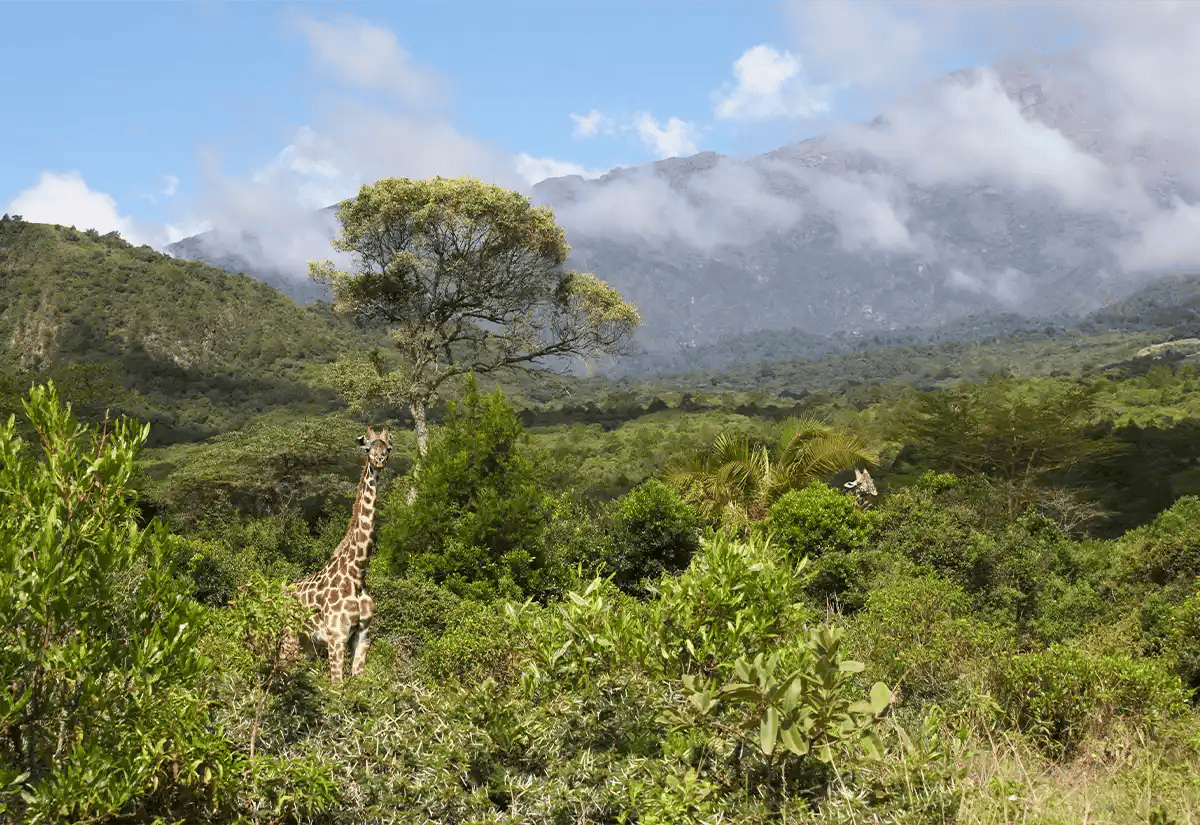
January on Mount Meru opens with crisp air and open skies—conditions that make every step of the trek feel cinematic. The short rain of November and December have left the lower slopes of Arusha National Park green and buzzing with life, while the drier weather makes trail conditions excellent. Colobus monkeys leap between trees, and giraffes wander across open glades near the Momella Gate.
The summit views are often spectacular, especially at dawn when the horizon glows orange behind distant Mount Kilimanjaro. Bird activity is high after the rain, making this an excellent time for spotting everything from sunbirds to turacos along the forest paths. With moderate visitor numbers, January strikes a balance between optimal trekking conditions and a peaceful, immersive experience on the mountain.

+
Mount Meru in February: Forest Canopies, Soft Light, & Quiet Trails
Green Season
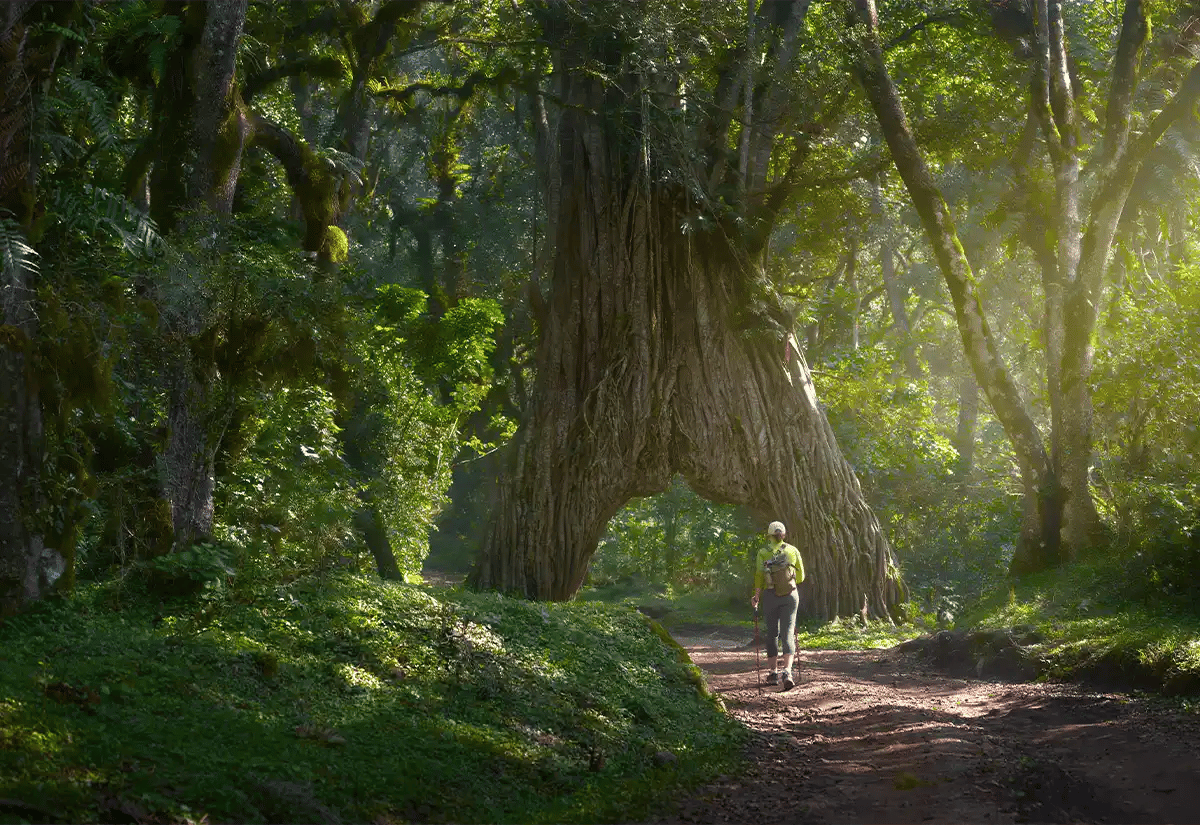
February brings the tail end of the short dry season, with lingering greenery and golden light filtering through the canopy. The mornings are cool and refreshing—perfect for a steady ascent through Meru’s varied ecological zones, from lowland savanna to moss-draped montane forest. The chance of rainfall is low, making for reliable trail conditions and excellent summit visibility. Wildlife sightings remain strong, particularly in the forested lower altitudes, where blue monkeys and bushbucks are often seen near camp.
With fewer climbers than in peak season, February offers solitude for those seeking a more personal connection with the mountain. It’s also a wonderful time for photographers, as soft light and occasional mist create dramatic, moody backdrops along the crater ridgeline.
+
Mount Meru in March: Rain Returns & the Mountain Breathes Green
Green Season
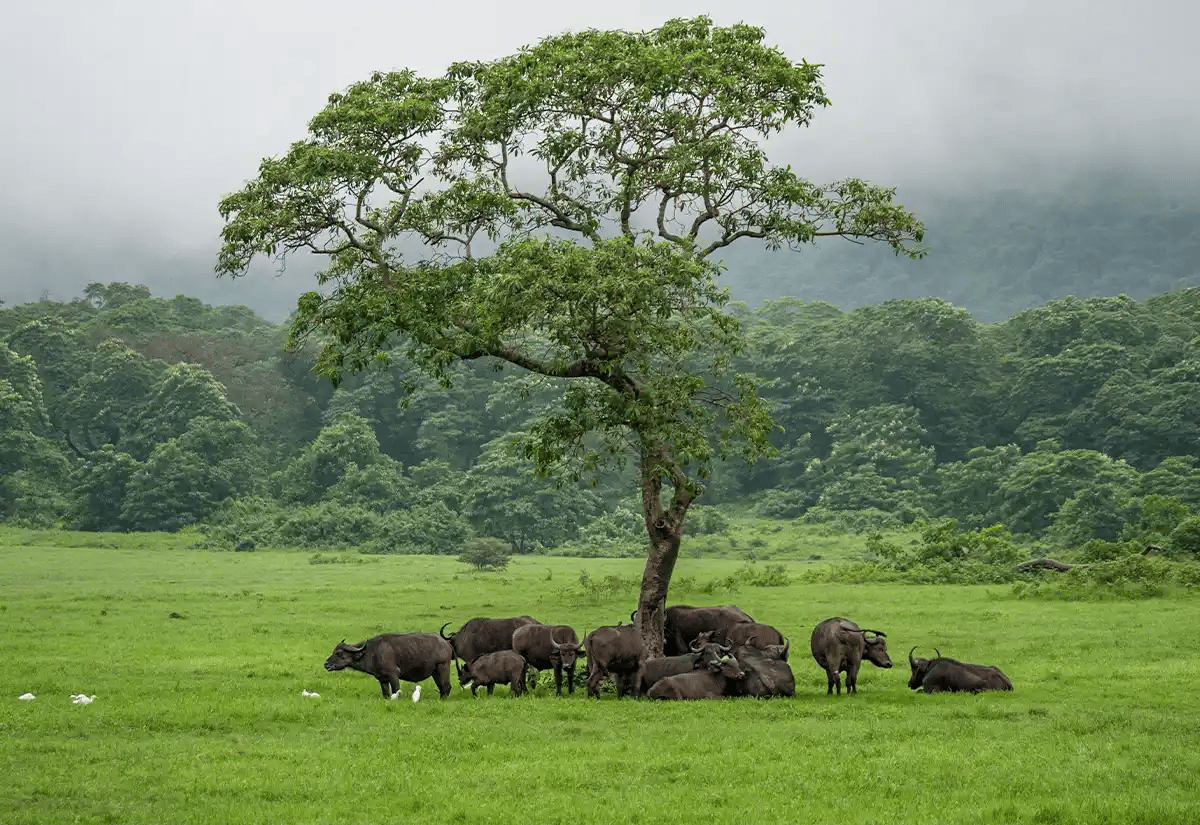
March marks the arrival of the long rain, and with it, a noticeable shift in Mount Meru’s mood. Daily showers—often short and dramatic—breathe new life into the mountain’s ecosystems. Ferns unfurl along the trail edges, fungi bloom in unexpected colors, and the forest canopy echoes with frogs, insects, and birdsong. While visibility at the summit can be unpredictable, the tradeoff is a trail wrapped in vibrant greens and fewer fellow trekkers.
Wildlife becomes more elusive but equally rewarding—giraffes and buffalo are still seen at lower elevations, though their movements respond to the shifting rhythms of the season. Slippery paths and misty air challenge the prepared hiker, but for those willing to embrace a wilder, moodier version of the mountain, March offers a more intimate and elemental experience of Meru’s beauty.
+
Mount Meru in April: Mist, Mud & a Mountain Reclaimed by Rain
Long Rain Season
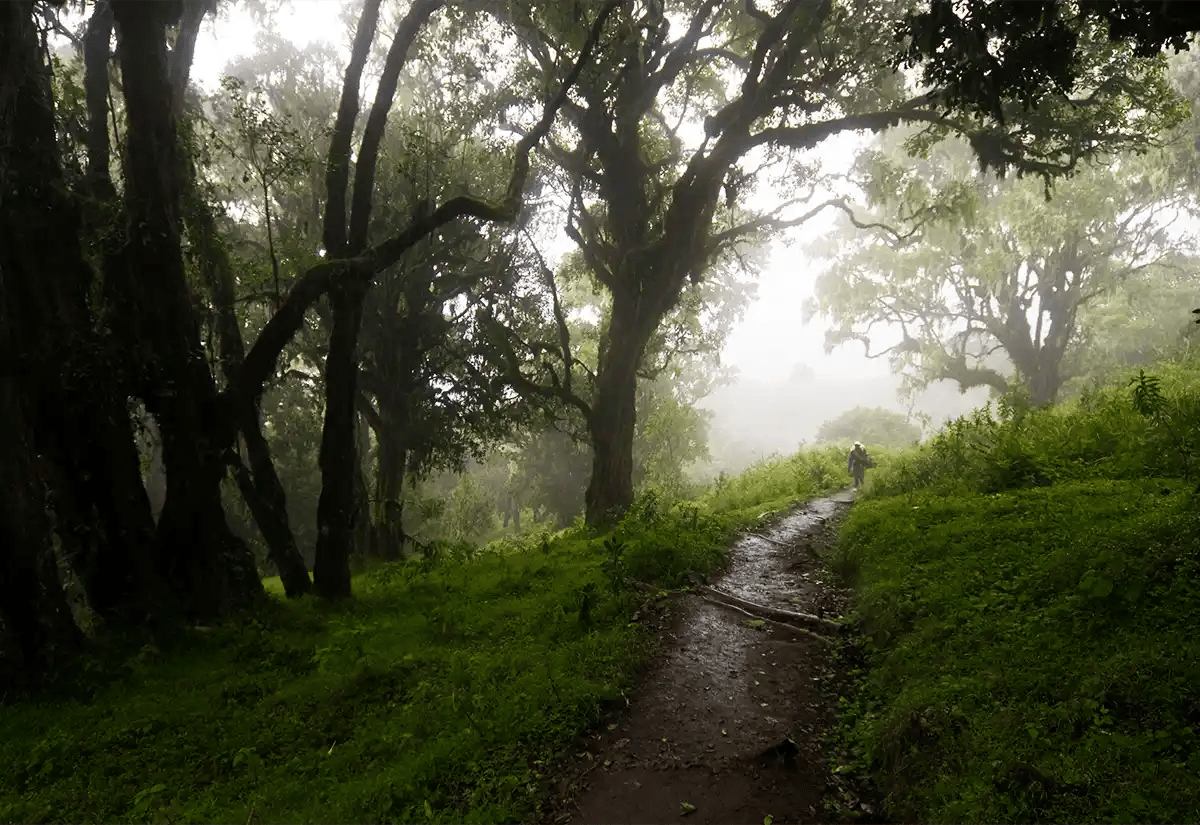
April is the wettest month on Mount Meru, and the mountain fully yields to the rain. Trails can become rivers of red mud, and cloud banks often roll in to shroud the crater walls in ghostly silence. This is not the time for pristine summit views, but instead, April reveals a side of the mountain few get to see.
The forest breathes heavily, drenched and alive with earthy scents and the dripping percussion of water on leaves. Monkeys linger in the trees, water birds thrive near flooded clearings, and the landscape seems to shimmer with life beneath the surface. Visitor numbers drop significantly, giving the few who venture here an unparalleled sense of solitude. It’s a month for slow treks, for noticing the smallest details, and for connecting with a wilder, rain-soaked Meru.
+
Mount Meru in May: A Quiet, Emerald Escape
Long Rain Season
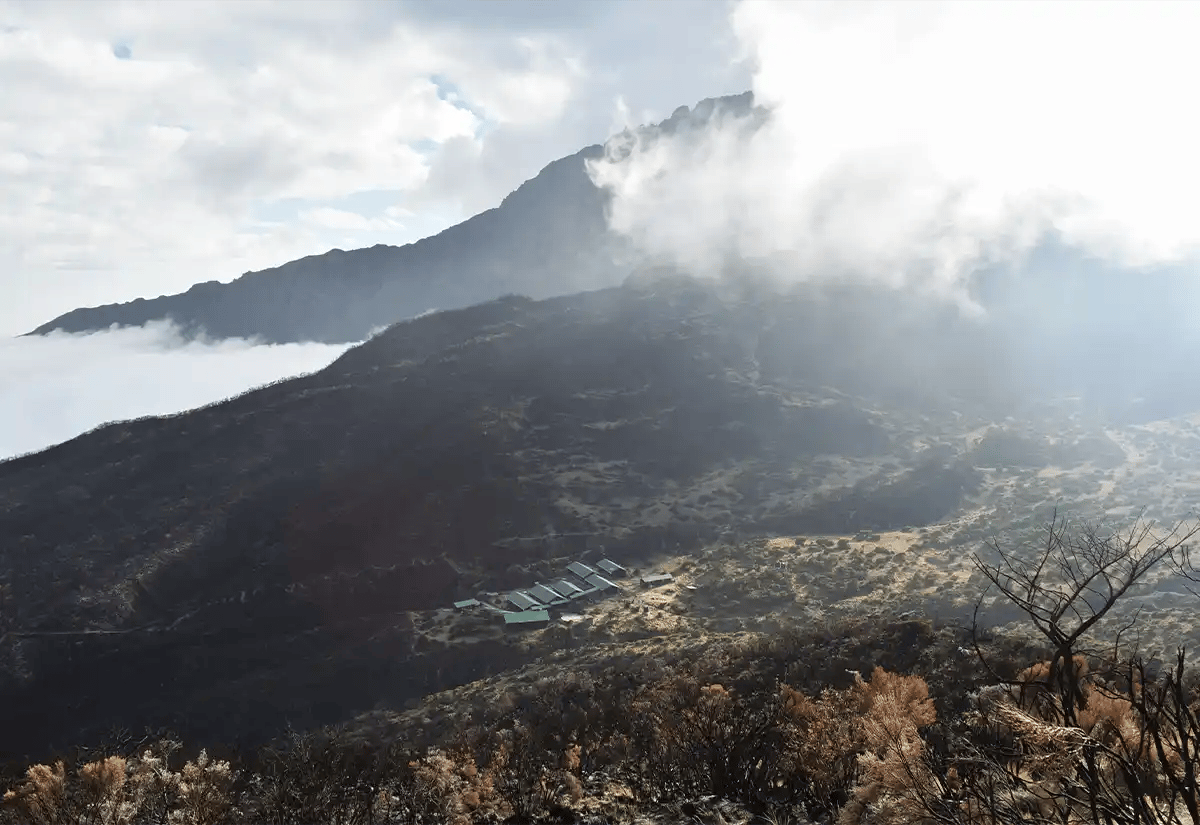
May brings the final weeks of the long rain, and Mount Meru is at its most saturated and serene. The trails are slick and can often be challenging, with thick vegetation brushing your legs and mist rising from the forest floor. But this is also when the mountain feels most untouched—an emerald world pulsing with moisture and birdsong.
The rainforest teems with activity: Turacos call from treetops, duikers move silently through the undergrowth, and mosses carpet everything in sight. Mount Meru summit attempts may be hindered by poor visibility or trail closures, but the lower slopes are a dream for nature lovers and solitude seekers. With virtually no crowds, May offers a rare opportunity to experience Meru as a living, breathing ecosystem—with every footstep echoing in a rainforest that feels like it belongs, almost entirely, to you.
+
Mount Meru in June: A New Season Begins
Dry Season
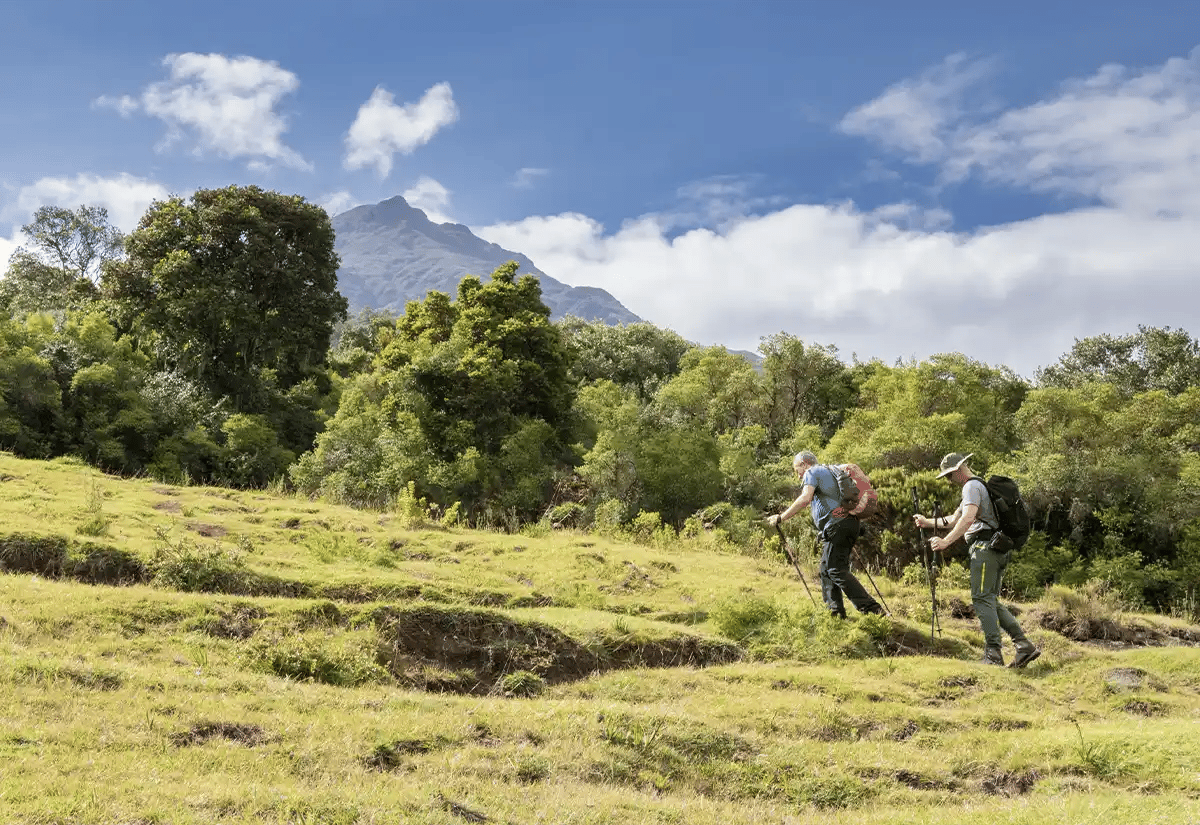
By June, the rain has finally retreated, and Mount Meru begins to dry out. The landscape is still lush, but the air is clearer. As the trails become more stable underfoot, this month offers some of the year’s best hiking conditions. Early mornings bring crisp air and golden light, while evenings settle into soft, cool stillness.
Wildlife is more visible again, especially in the park’s open grasslands, where giraffes, buffalo, and even elephants may appear in the distance. Birdwatchers are treated to an array of species, and photographers will appreciate the post-rain clarity that stretches from the forest canopy to the crater rim. June marks the start of high season, but crowds are still light, making it an excellent time for travelers looking for that sweet spot between comfort, beauty, and quiet adventure.
+
Mount Meru in July: Peak Clarity & Trailside Encounters
Dry Season
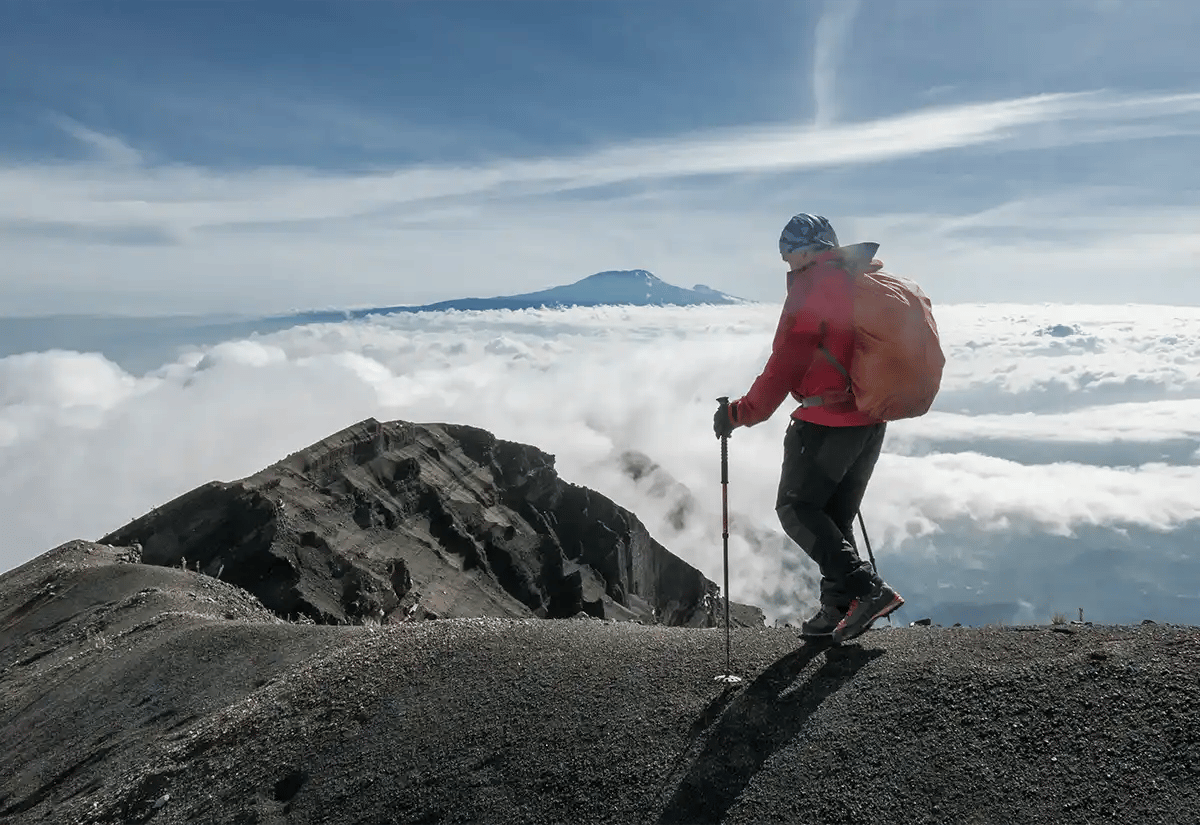
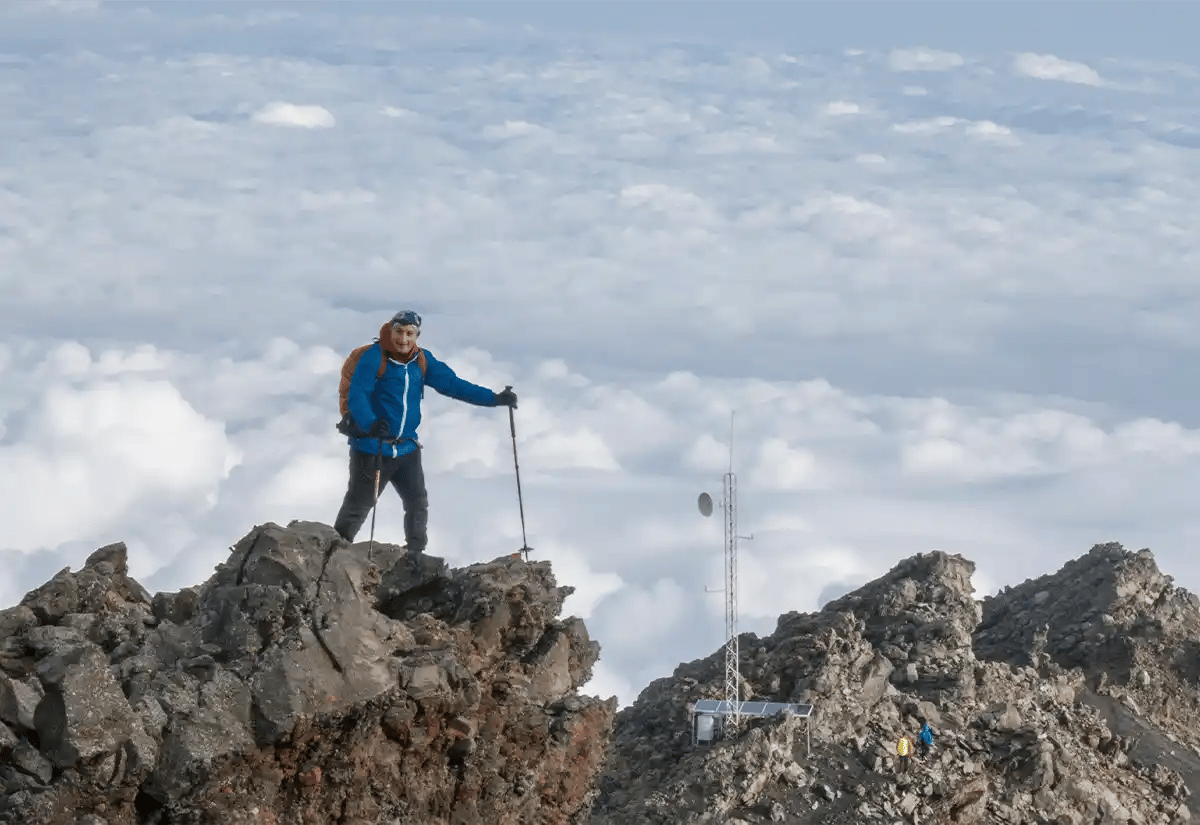
July is one of the best months to hike Mount Meru. The long dry season is fully underway, bringing crisp, cool mornings, sun-drenched afternoons, and remarkably clear skies. The conditions are prime for hiking and summit views as the crater ridgeline often appears razor-sharp against the sky. On clear mornings, the distant silhouette of Mount Kilimanjaro is visible in stunning detail.
Wildlife is active and visible, particularly in the open grasslands near the base, where herds of buffalo, giraffes, and warthogs move through the early light. The air carries the scent of dust and dry grasses, and each step on the trail feels like progress toward something epic. With more travelers arriving, the trail is livelier but not overcrowded. It’s perfect for those seeking a connection with fellow adventurers and the mountain itself.
+
Mount Meru in August: Golden Light & High Season Energy
Dry Season
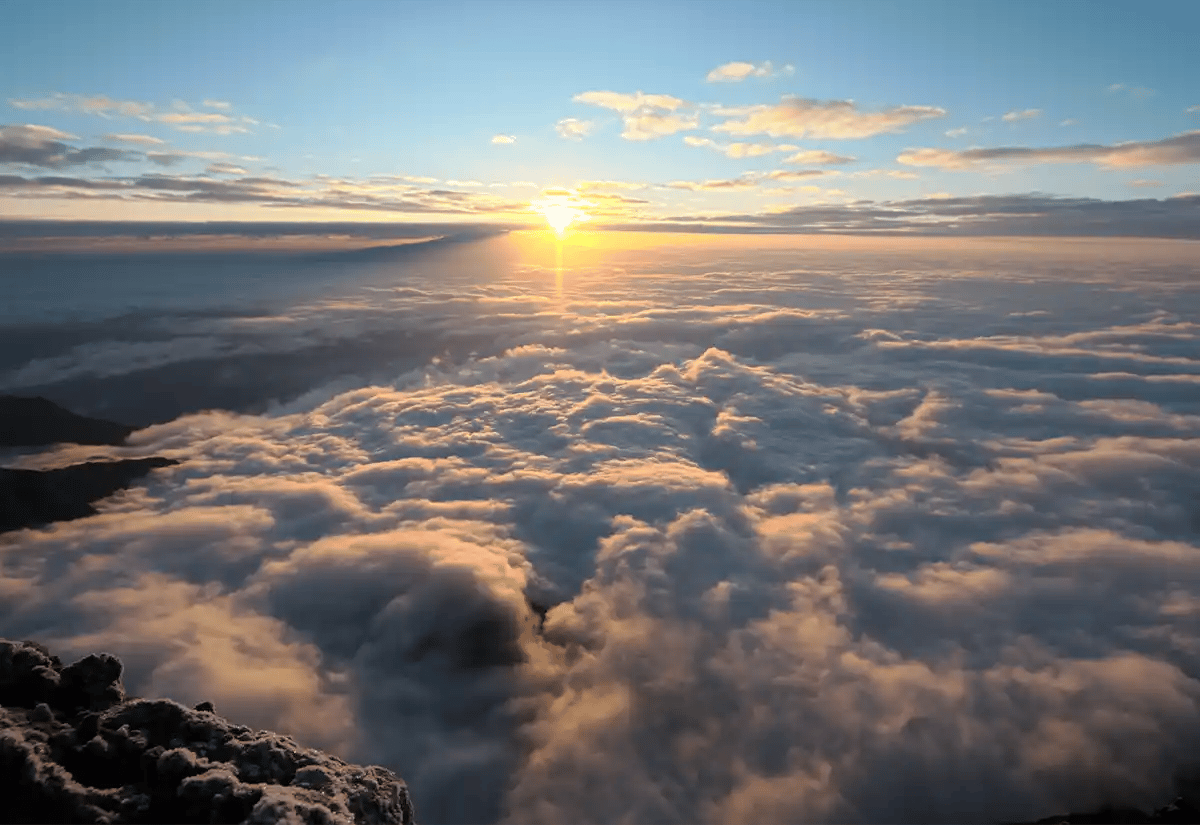
August brings golden, late-dry-season light that filters through Meru’s forest canopy and paints the savannah below in warm hues. It’s a high season month, and the mountain sees more foot traffic, but with it comes a sense of shared purpose and excitement. Trail conditions remain excellent, with cool nights, mild daytime temperatures, and very little rain.
Wildlife sightings continue to impress, especially in the lower zones of Arusha National Park, where animals gather at shrinking water sources. Up higher, hikers enjoy wide-open views from the crater rim, especially at sunrise, when Socialist Peak glows in orange and pink. For families, photographers, and those who thrive on energy and community, August delivers the quintessential Mount Meru experience: vivid, vibrant, and unforgettable.
+
Mount Meru in September: Still Skies & A Mountain in Balance
Dry Season
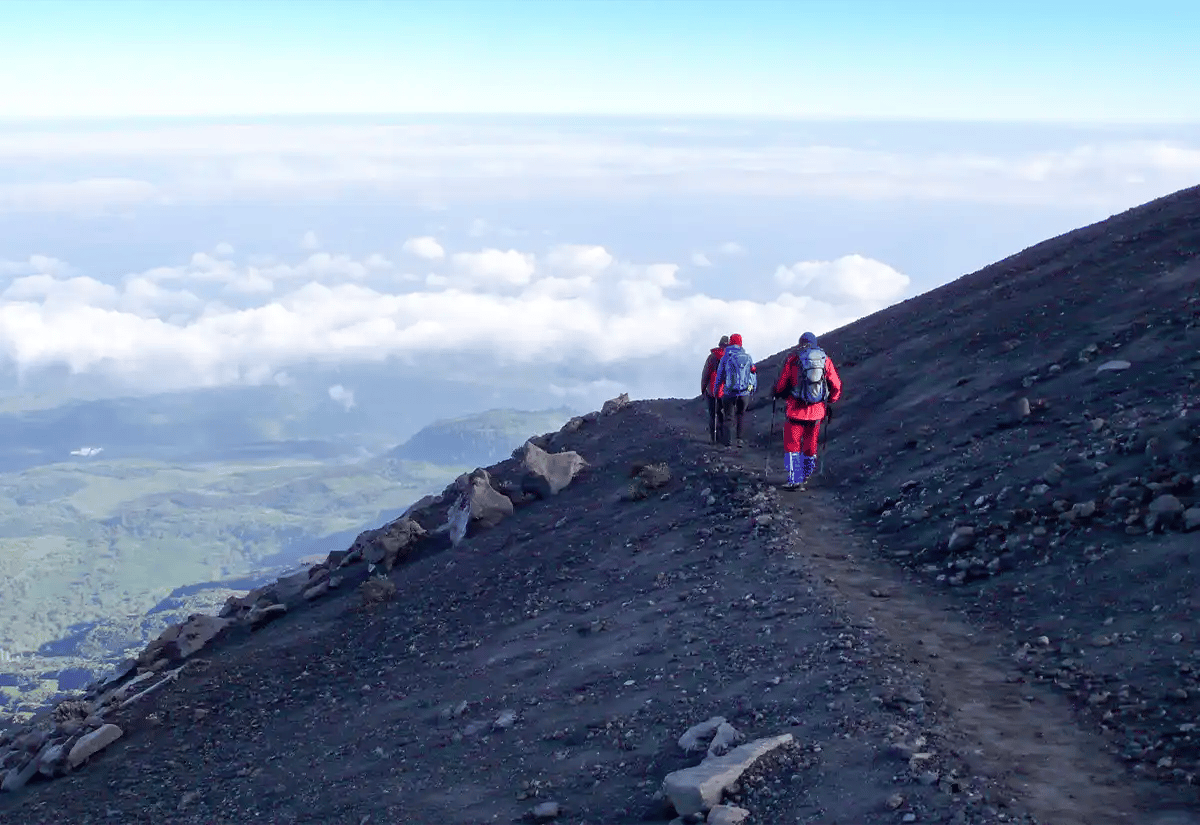
September offers a near-perfect blend of dry-season stability and post-peak tranquility. The sky is clear, but the high-season crowds begin to thin, creating a quieter and more contemplative feeling on the trails. The mountain’s landscapes—dusted with golden grasses and patches of forest shade—seem suspended in harmony. Trekking conditions are excellent, with comfortable daytime temperatures and cool, starlit nights at camp.
Wildlife sightings remain strong, especially early in the morning when the park’s plains and forest edges come alive. From the dramatic ascent along the crater rim to the slow, scenic descent, every part of the journey feels crisp and well-defined. For travelers seeking a peaceful yet visually stunning trek, September is one of Mount Meru’s most ideal months.
+
Mount Meru in October: The Last Breath of the Dry Season
Dry Season
October is the final act of the long dry season, and the mountain carries a quiet anticipation. The landscape is parched but beautiful. Sun-bleached grasses sway in the wind, and dusty paths wind through woodlands alive with late-season bird calls. Skies begin to shift as clouds gather in the afternoons, hinting at the rain to come. For trekkers, this is still a wonderful time to summit, with generally stable conditions and far fewer hikers on the trail.
Animals begin adjusting their movements, and sightings of elephants and antelope near waterholes are more common as they search for the last of the season’s moisture. October offers a reflective, transitional version of Mount Meru—less crowded, less green, but quietly powerful in its simplicity and stillness.
+
Mount Meru in November: Rain Awakens the Forest
Short Rain Season
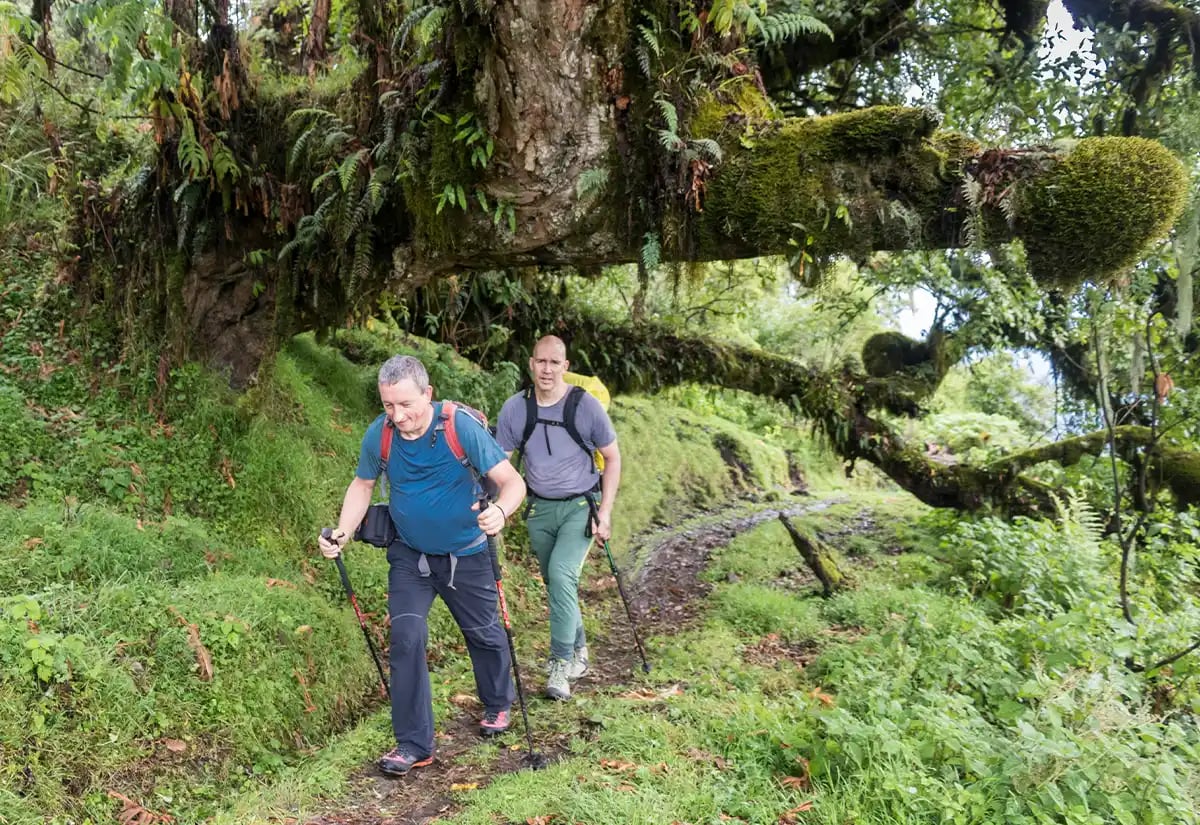
November ushers in the short rainy season, bringing cooler air, misty mornings, and a sudden resurgence of green across Mount Meru’s slopes. The forest floor softens, mosses thicken on tree trunks, and waterfalls begin to swell with fresh runoff. While daily showers can make trails muddy, they also refresh the mountain, filling the air with the earthy scent of rain-soaked soil and forest bloom.
Wildlife responds in kind—monkeys are more vocal, birds burst into song, and insects hum in every direction. Though fewer travelers take to the mountain this time of year, those who do are rewarded with solitude, rich sensory detail, and the feeling of walking through a living, breathing ecosystem in transition.
+
Mount Meru in December: Fresh Green Trails & Festive Energy
Short Rain Season
December arrives with a renewed sense of vibrancy. The short rain tapers off, leaving behind refreshed trails and lush, green landscapes that shimmer under Tanzania’s summer sun. Wildlife sightings are rewarding in the lower elevations of Arusha National Park, and the cloud-dappled skies make for especially photogenic vistas. Daytime temperatures rise slightly, and festive energy builds as the holiday season approaches, drawing more travelers to the mountain.
It’s a dynamic month: Forest paths are alive with color and movement, yet the crater ridgeline still offers crisp air and moments of breathtaking stillness. For those looking to end the year with adventure, December delivers one of Mount Meru’s most colorful and spirited windows.
+
Mount Meru in January: Clear Skies & Wildlife on the Move
Green Season
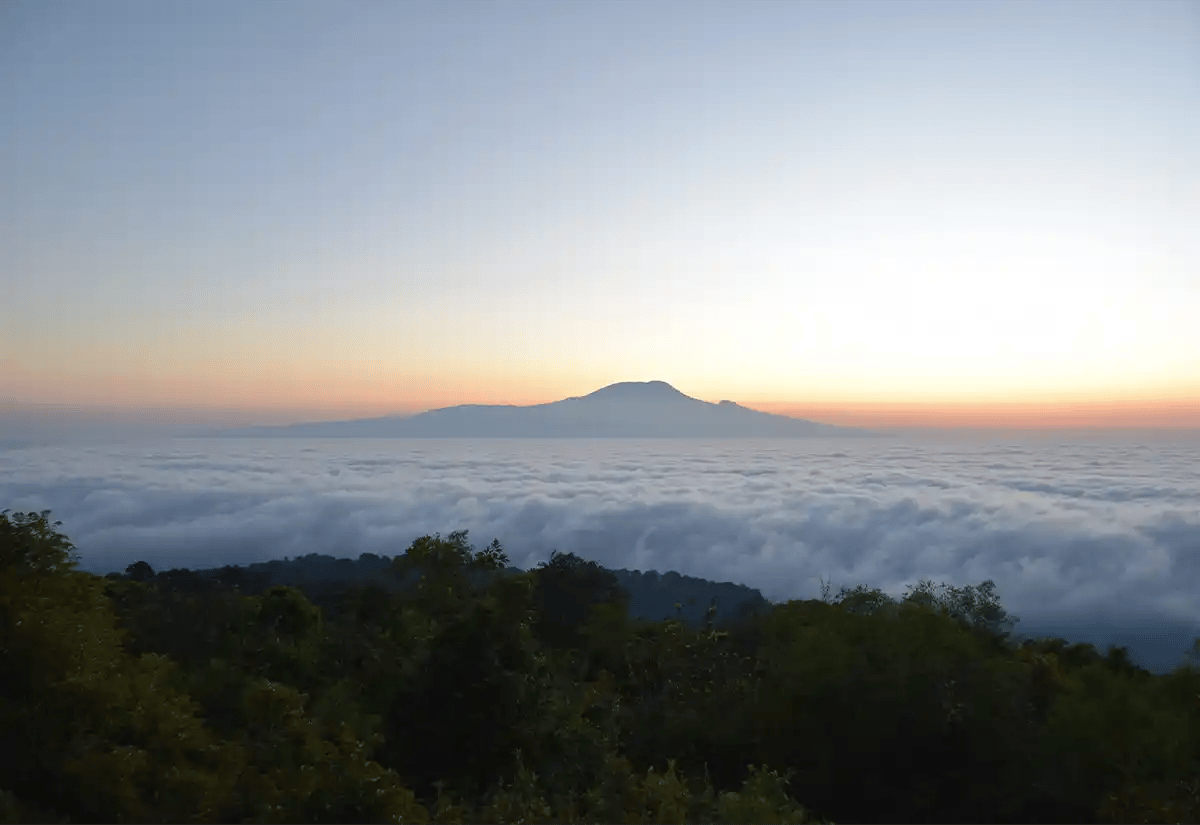
January on Mount Meru opens with crisp air and open skies—conditions that make every step of the trek feel cinematic. The short rain of November and December have left the lower slopes of Arusha National Park green and buzzing with life, while the drier weather makes trail conditions excellent. Colobus monkeys leap between trees, and giraffes wander across open glades near the Momella Gate.
The summit views are often spectacular, especially at dawn when the horizon glows orange behind distant Mount Kilimanjaro. Bird activity is high after the rain, making this an excellent time for spotting everything from sunbirds to turacos along the forest paths. With moderate visitor numbers, January strikes a balance between optimal trekking conditions and a peaceful, immersive experience on the mountain.
Mount Meru in February: Forest Canopies, Soft Light, & Quiet Trails
Green Season
February brings the tail end of the short dry season, with lingering greenery and golden light filtering through the canopy. The mornings are cool and refreshing—perfect for a steady ascent through Meru’s varied ecological zones, from lowland savanna to moss-draped montane forest. The chance of rainfall is low, making for reliable trail conditions and excellent summit visibility. Wildlife sightings remain strong, particularly in the forested lower altitudes, where blue monkeys and bushbucks are often seen near camp.
With fewer climbers than in peak season, February offers solitude for those seeking a more personal connection with the mountain. It’s also a wonderful time for photographers, as soft light and occasional mist create dramatic, moody backdrops along the crater ridgeline.
Mount Meru in March: Rain Returns & the Mountain Breathes Green
Green Season
March marks the arrival of the long rain, and with it, a noticeable shift in Mount Meru’s mood. Daily showers—often short and dramatic—breathe new life into the mountain’s ecosystems. Ferns unfurl along the trail edges, fungi bloom in unexpected colors, and the forest canopy echoes with frogs, insects, and birdsong. While visibility at the summit can be unpredictable, the tradeoff is a trail wrapped in vibrant greens and fewer fellow trekkers.
Wildlife becomes more elusive but equally rewarding—giraffes and buffalo are still seen at lower elevations, though their movements respond to the shifting rhythms of the season. Slippery paths and misty air challenge the prepared hiker, but for those willing to embrace a wilder, moodier version of the mountain, March offers a more intimate and elemental experience of Meru’s beauty.
Mount Meru in April: Mist, Mud & a Mountain Reclaimed by Rain
Long Rain Season
April is the wettest month on Mount Meru, and the mountain fully yields to the rain. Trails can become rivers of red mud, and cloud banks often roll in to shroud the crater walls in ghostly silence. This is not the time for pristine summit views, but instead, April reveals a side of the mountain few get to see.
The forest breathes heavily, drenched and alive with earthy scents and the dripping percussion of water on leaves. Monkeys linger in the trees, water birds thrive near flooded clearings, and the landscape seems to shimmer with life beneath the surface. Visitor numbers drop significantly, giving the few who venture here an unparalleled sense of solitude. It’s a month for slow treks, for noticing the smallest details, and for connecting with a wilder, rain-soaked Meru.
Mount Meru in May: A Quiet, Emerald Escape
Long Rain Season
May brings the final weeks of the long rain, and Mount Meru is at its most saturated and serene. The trails are slick and can often be challenging, with thick vegetation brushing your legs and mist rising from the forest floor. But this is also when the mountain feels most untouched—an emerald world pulsing with moisture and birdsong.
The rainforest teems with activity: Turacos call from treetops, duikers move silently through the undergrowth, and mosses carpet everything in sight. Mount Meru summit attempts may be hindered by poor visibility or trail closures, but the lower slopes are a dream for nature lovers and solitude seekers. With virtually no crowds, May offers a rare opportunity to experience Meru as a living, breathing ecosystem—with every footstep echoing in a rainforest that feels like it belongs, almost entirely, to you.
Mount Meru in June: A New Season Begins
Dry Season
By June, the rain has finally retreated, and Mount Meru begins to dry out. The landscape is still lush, but the air is clearer. As the trails become more stable underfoot, this month offers some of the year’s best hiking conditions. Early mornings bring crisp air and golden light, while evenings settle into soft, cool stillness.
Wildlife is more visible again, especially in the park’s open grasslands, where giraffes, buffalo, and even elephants may appear in the distance. Birdwatchers are treated to an array of species, and photographers will appreciate the post-rain clarity that stretches from the forest canopy to the crater rim. June marks the start of high season, but crowds are still light, making it an excellent time for travelers looking for that sweet spot between comfort, beauty, and quiet adventure.
Mount Meru in July: Peak Clarity & Trailside Encounters
Dry Season
July is one of the best months to hike Mount Meru. The long dry season is fully underway, bringing crisp, cool mornings, sun-drenched afternoons, and remarkably clear skies. The conditions are prime for hiking and summit views as the crater ridgeline often appears razor-sharp against the sky. On clear mornings, the distant silhouette of Mount Kilimanjaro is visible in stunning detail.
Wildlife is active and visible, particularly in the open grasslands near the base, where herds of buffalo, giraffes, and warthogs move through the early light. The air carries the scent of dust and dry grasses, and each step on the trail feels like progress toward something epic. With more travelers arriving, the trail is livelier but not overcrowded. It’s perfect for those seeking a connection with fellow adventurers and the mountain itself.
Mount Meru in August: Golden Light & High Season Energy
Dry Season
August brings golden, late-dry-season light that filters through Meru’s forest canopy and paints the savannah below in warm hues. It’s a high season month, and the mountain sees more foot traffic, but with it comes a sense of shared purpose and excitement. Trail conditions remain excellent, with cool nights, mild daytime temperatures, and very little rain.
Wildlife sightings continue to impress, especially in the lower zones of Arusha National Park, where animals gather at shrinking water sources. Up higher, hikers enjoy wide-open views from the crater rim, especially at sunrise, when Socialist Peak glows in orange and pink. For families, photographers, and those who thrive on energy and community, August delivers the quintessential Mount Meru experience: vivid, vibrant, and unforgettable.
Mount Meru in September: Still Skies & A Mountain in Balance
Dry Season
September offers a near-perfect blend of dry-season stability and post-peak tranquility. The sky is clear, but the high-season crowds begin to thin, creating a quieter and more contemplative feeling on the trails. The mountain’s landscapes—dusted with golden grasses and patches of forest shade—seem suspended in harmony. Trekking conditions are excellent, with comfortable daytime temperatures and cool, starlit nights at camp.
Wildlife sightings remain strong, especially early in the morning when the park’s plains and forest edges come alive. From the dramatic ascent along the crater rim to the slow, scenic descent, every part of the journey feels crisp and well-defined. For travelers seeking a peaceful yet visually stunning trek, September is one of Mount Meru’s most ideal months.
Mount Meru in October: The Last Breath of the Dry Season
Dry Season
October is the final act of the long dry season, and the mountain carries a quiet anticipation. The landscape is parched but beautiful. Sun-bleached grasses sway in the wind, and dusty paths wind through woodlands alive with late-season bird calls. Skies begin to shift as clouds gather in the afternoons, hinting at the rain to come. For trekkers, this is still a wonderful time to summit, with generally stable conditions and far fewer hikers on the trail.
Animals begin adjusting their movements, and sightings of elephants and antelope near waterholes are more common as they search for the last of the season’s moisture. October offers a reflective, transitional version of Mount Meru—less crowded, less green, but quietly powerful in its simplicity and stillness.
Mount Meru in November: Rain Awakens the Forest
Short Rain Season
November ushers in the short rainy season, bringing cooler air, misty mornings, and a sudden resurgence of green across Mount Meru’s slopes. The forest floor softens, mosses thicken on tree trunks, and waterfalls begin to swell with fresh runoff. While daily showers can make trails muddy, they also refresh the mountain, filling the air with the earthy scent of rain-soaked soil and forest bloom.
Wildlife responds in kind—monkeys are more vocal, birds burst into song, and insects hum in every direction. Though fewer travelers take to the mountain this time of year, those who do are rewarded with solitude, rich sensory detail, and the feeling of walking through a living, breathing ecosystem in transition.
Mount Meru in December: Fresh Green Trails & Festive Energy
Short Rain Season
December arrives with a renewed sense of vibrancy. The short rain tapers off, leaving behind refreshed trails and lush, green landscapes that shimmer under Tanzania’s summer sun. Wildlife sightings are rewarding in the lower elevations of Arusha National Park, and the cloud-dappled skies make for especially photogenic vistas. Daytime temperatures rise slightly, and festive energy builds as the holiday season approaches, drawing more travelers to the mountain.
It’s a dynamic month: Forest paths are alive with color and movement, yet the crater ridgeline still offers crisp air and moments of breathtaking stillness. For those looking to end the year with adventure, December delivers one of Mount Meru’s most colorful and spirited windows.
+
+
+
+
+
+
+
+
+
+
+
+

Mount Meru Wildlife
Mount Meru’s diverse habitats—ranging from dense montane forests to open grasslands and alpine heath—create the perfect environment for an incredible array of wildlife. As you ascend the mountain or explore nearby areas, expect a dynamic, ever-changing backdrop where wild animals roam freely.
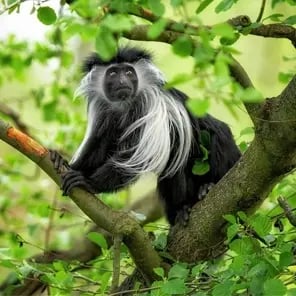
Colobus Monkeys
With their striking black-and-white coats, colobus monkeys are a common sight swinging through forest canopies.
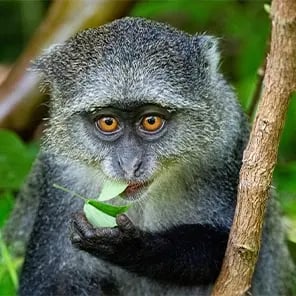
Blue Monkeys
Often curious and playful, blue monkeys are tree-dwellers known for their expressive faces and soft blue-grey fur.
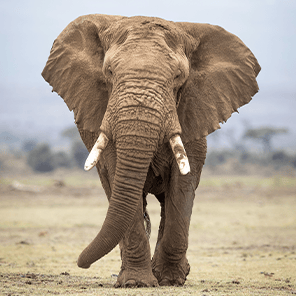
Elephants
Majestic and powerful, elephants occasionally wander the lower slopes and forested areas near Mount Meru.
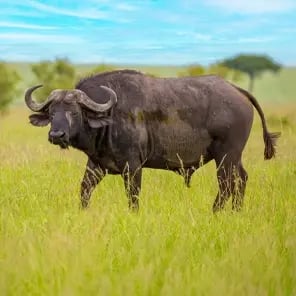
Buffalo
These large, stocky grazers often travel in herds and are frequently seen in open clearings and grassland zones.
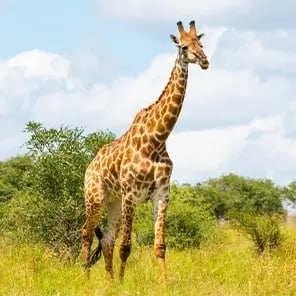
Giraffes
Graceful and towering, giraffes roam the savannah near the base of Mount Meru, browsing treetops for leafy snacks.
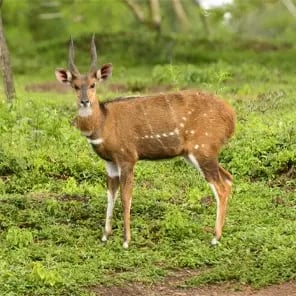
Bushbucks
Shy and solitary, bushbucks are small antelope that quietly move through the forest undergrowth and thickets.
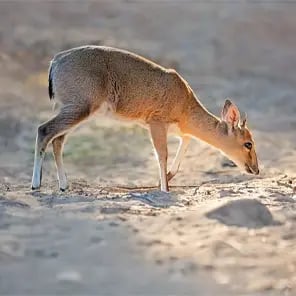
Duikers
These tiny, elusive antelope dart through dense brush and are most often spotted along quieter forest trails.
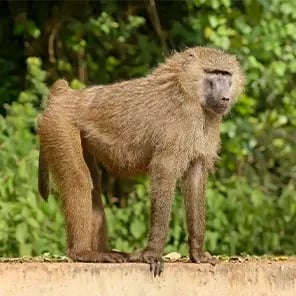
Baboons
Highly social and vocal, baboons travel in troops and can be seen foraging on the ground or resting in trees.
Colobus Monkeys
With their striking black-and-white coats, colobus monkeys are a common sight swinging through forest canopies.
Blue Monkeys
Often curious and playful, blue monkeys are tree-dwellers known for their expressive faces and soft blue-grey fur.
Elephants
Majestic and powerful, elephants occasionally wander the lower slopes and forested areas near Mount Meru.
Buffalo
These large, stocky grazers often travel in herds and are frequently seen in open clearings and grassland zones.
Giraffes
Graceful and towering, giraffes roam the savannah near the base of Mount Meru, browsing treetops for leafy snacks.
Bushbucks
Shy and solitary, bushbucks are small antelope that quietly move through the forest undergrowth and thickets.
Duikers
These tiny, elusive antelope dart through dense brush and are most often spotted along quieter forest trails.
Baboons
Highly social and vocal, baboons travel in troops and can be seen foraging on the ground or resting in trees.
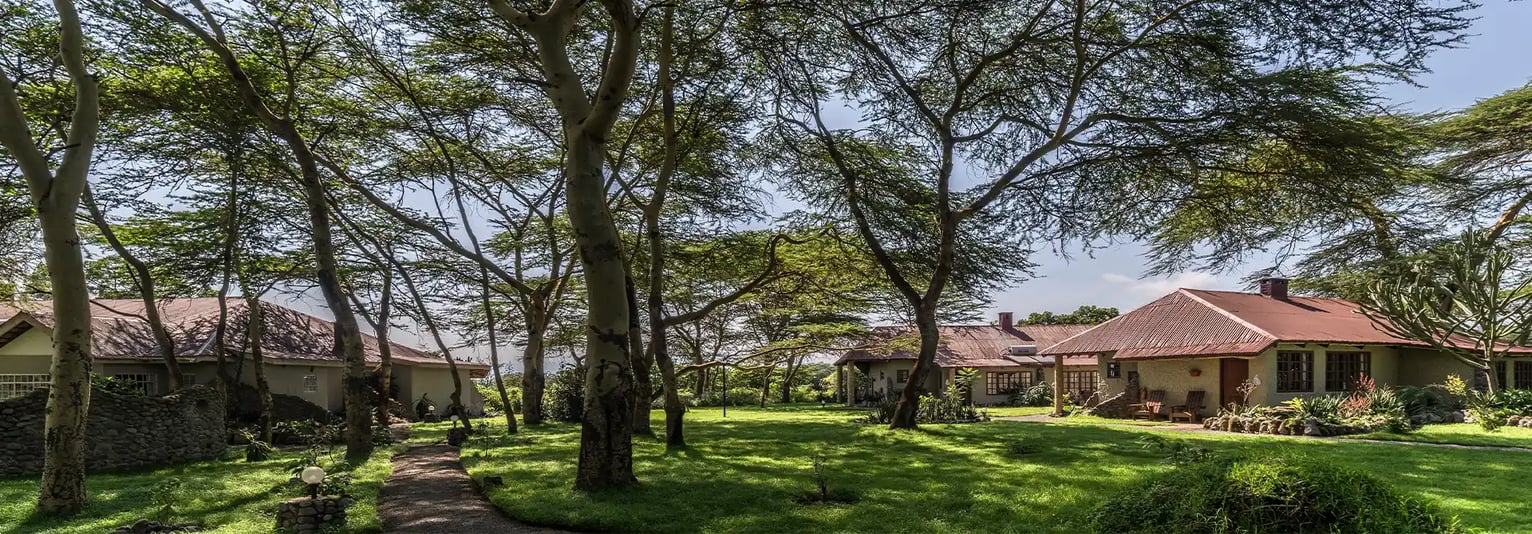
Mount Meru Hotels & Arusha Accommodations
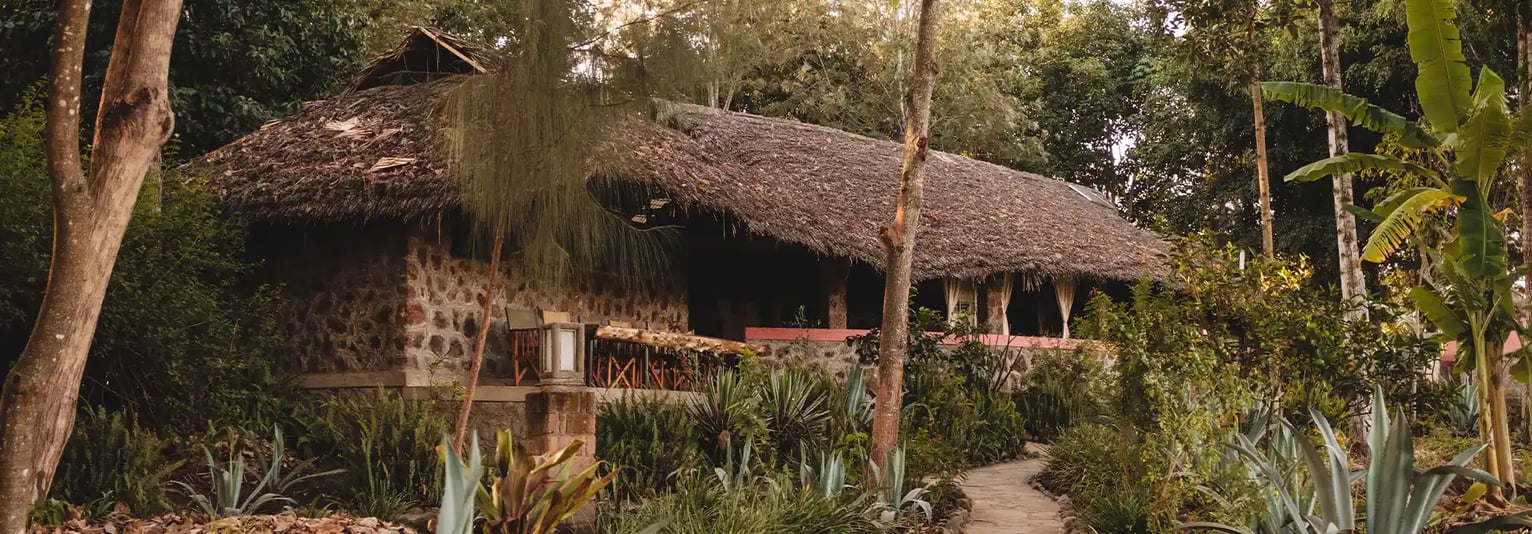
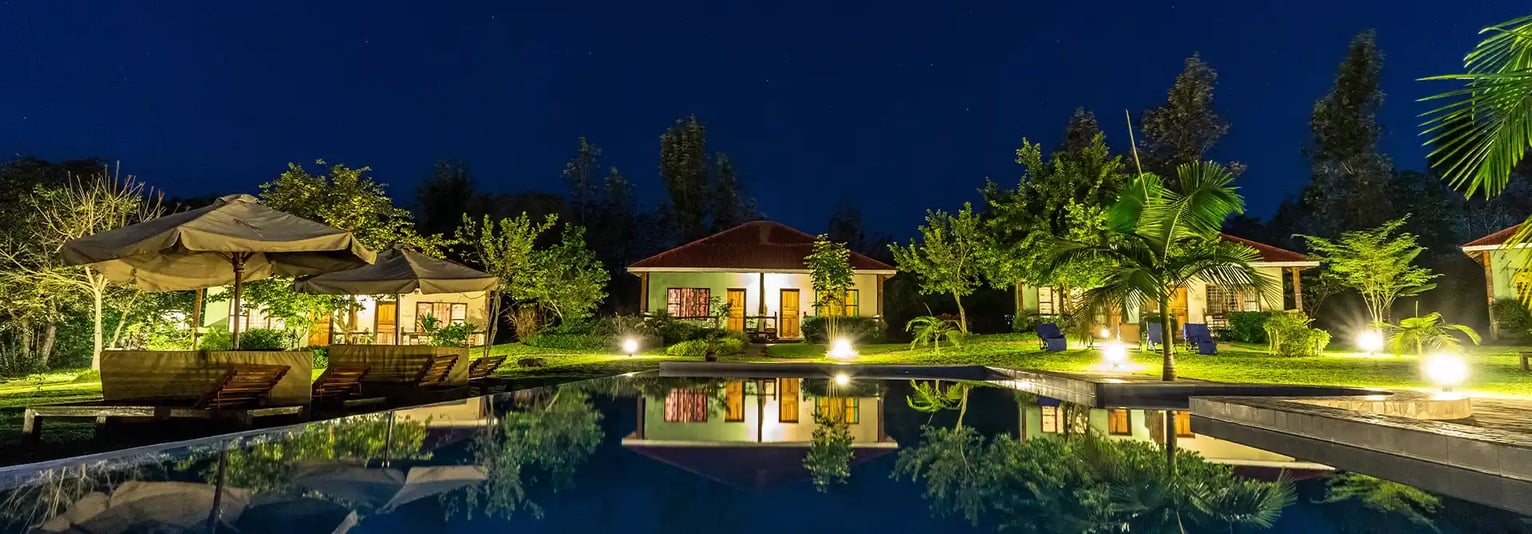
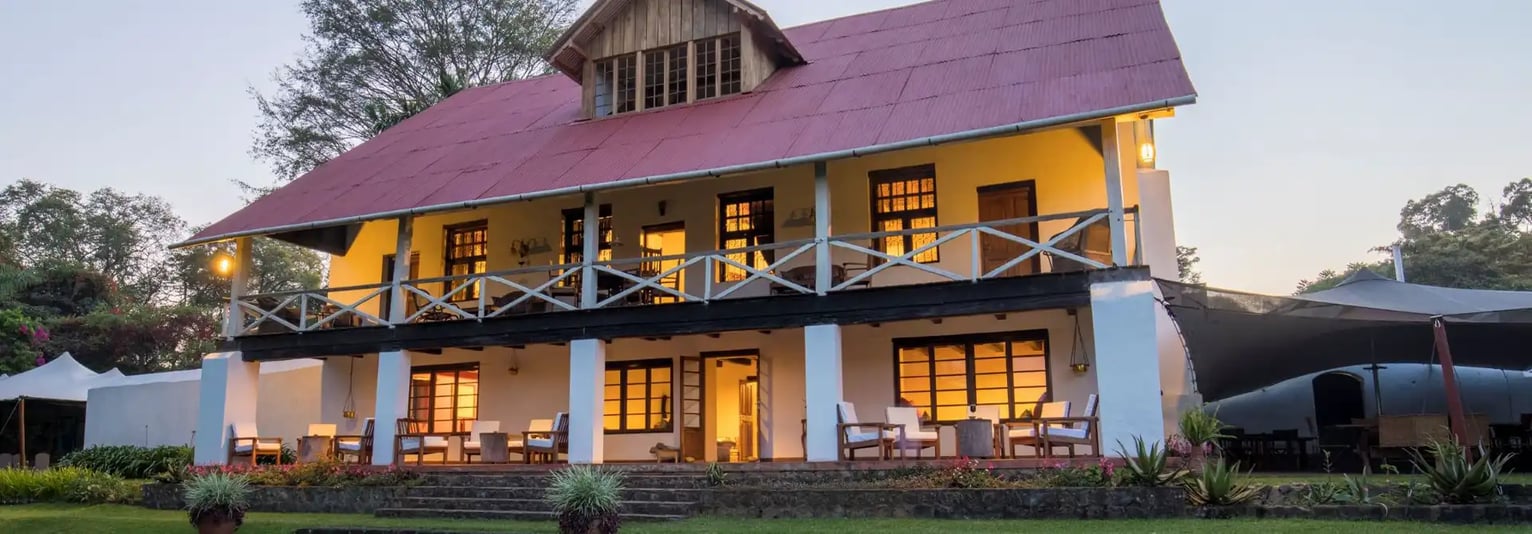
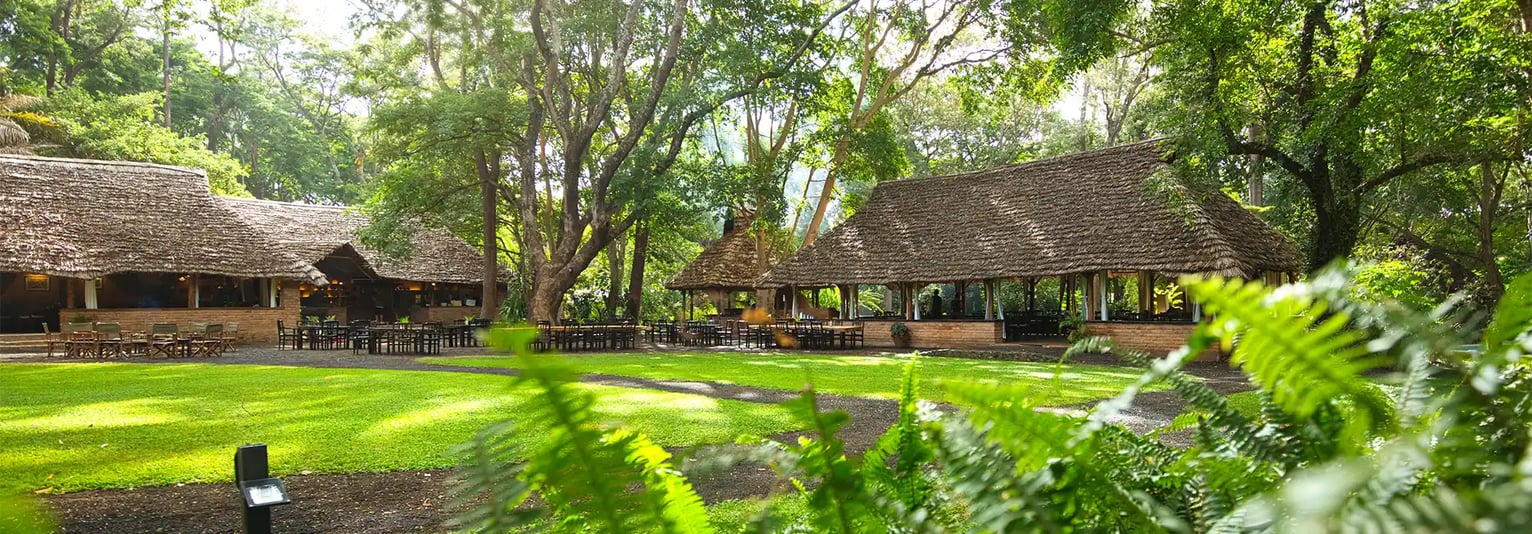
Take in stunning views and prepare for a Mount Meru climb at one of the amazing hotels or game lodges around Arusha, Tanzania.

Hatari Lodge
Hatari Lodge is.

Kiboko Lodge
Kiboko Lodge,.

African View Lodge
The African View Lodge,.

Ngare Sero...

Rivertrees Country...


Find Your Mount Meru Climb
Most Popular
.png?width=296&height=70&name=Pattern%20(2).png)
$1,350 (2pax) USD
12 Days Serengeti Lions and Wildebeest Migration Safari

77 people viewing now
Best Seller
$3,001 (2pax) USD
Days Serengeti Lions and Wildebeest Migration Safari
22 people viewing now
Most Popular
$1,400 (2pax) USD
A Days Serengeti Lions and Wildebeest Migration Safari
110 people viewing now
Most Popular
$1,350 (2pax) USD
12 Days Serengeti Lions and Wildebeest Migration Safari
43 people viewing now
Best Seller
$3,001 (2pax) USD
Days Serengeti Lions and Wildebeest Migration Safari
16 people viewing now
Most Popular
$1,400 (2pax) USD
A Days Serengeti Lions and Wildebeest Migration Safari
32 people viewing now
Most Popular
$1,350 (2pax) USD
12 Days Serengeti Lions and Wildebeest Migration Safari
65 people viewing now
Best Seller
$3,001 (2pax) USD
Days Serengeti Lions and Wildebeest Migration Safari
28 people viewing now
Best Seller
$3,001 (2pax) USD
Days Serengeti Lions and Wildebeest Migration Safari
58 people viewing now
Best Seller
$3,001 (2pax) USD
Days Serengeti Lions and Wildebeest Migration Safari
49 people viewing now
Best Seller
$3,001 (2pax) USD
Days Serengeti Lions and Wildebeest Migration Safari
23 people viewing now
Most Popular
$1,400 (2pax) USD
A Days Serengeti Lions and Wildebeest Migration Safari
62 people viewing now
Get ready to reach the summit on the ultimate 3 or 4 day Mount Meru climbing adventure.

Most Popular
$1,350 (2pax) USD
12 Days Serengeti Lions and Wildebeest Migration Safari
25 people viewing now
Best Seller
$3,001 (2pax) USD
Days Serengeti Lions and Wildebeest Migration Safari
56 people viewing now
Most Popular
$1,400 (2pax) USD
A Days Serengeti Lions and Wildebeest Migration Safari
38 people viewing now
Most Popular
$1,350 (2pax) USD
12 Days Serengeti Lions and Wildebeest Migration Safari
65 people viewing now
Best Seller
$3,001 (2pax) USD
Days Serengeti Lions and Wildebeest Migration Safari
98 people viewing now
Most Popular
$1,400 (2pax) USD
A Days Serengeti Lions and Wildebeest Migration Safari
93 people viewing now
Most Popular
$1,350 (2pax) USD
12 Days Serengeti Lions and Wildebeest Migration Safari
101 people viewing now
Best Seller
$3,001 (2pax) USD
Days Serengeti Lions and Wildebeest Migration Safari
45 people viewing now
Best Seller
$3,001 (2pax) USD
Days Serengeti Lions and Wildebeest Migration Safari
76 people viewing now
Best Seller
$3,001 (2pax) USD
Days Serengeti Lions and Wildebeest Migration Safari
69 people viewing now
Best Seller
$3,001 (2pax) USD
Days Serengeti Lions and Wildebeest Migration Safari
103 people viewing now
Most Popular
$1,400 (2pax) USD
A Days Serengeti Lions and Wildebeest Migration Safari
62 people viewing now
Get ready to reach the summit on the ultimate 3 or 4 day Mount Meru climbing adventure.
Frequently Asked Questions

Still have questions?
Contact Us, we are more than happy to help!
How difficult is the Mount Meru climb?
Climbing Mount Meru, Tanzania, is a moderately challenging trek that requires good physical fitness, but it's very achievable with the right preparation and pace.
How many days does it take to climb Mount Meru?
Most itineraries take 3 to 4 days for a Mount Meru climb, which allows for proper acclimatization and a satisfying experience on the trail.
Do I need to acclimatize before climbing Mount Meru?
While Meru is often used to acclimatize before Kilimanjaro, the climb itself ascends quickly—so proper pacing and hydration are important.
What’s the best time of year to climb Mount Meru?
The best times are during the dry seasons: from June to October and from December to early March.
Will I see wildlife on the Mount Meru trek?
Yes! The lower slopes pass through wildlife-rich areas of Arusha National Park, and it’s common to see giraffes, monkeys, buffalo, and more.
Is a guide required to climb Mount Meru?
Yes, all treks must be accompanied by a certified park ranger and a professional guide—something Easy Travel arranges for every trip.
What kind of accommodations are available during the trek?
Mount Meru has designated mountain huts at each camp, offering basic shelter and a comfortable place to rest each night.
What should I pack for Mount Meru?
You’ll need layered clothing, sturdy hiking boots, a daypack, and essentials like a headlamp, rain gear, and a refillable water bottle. Easy Travel provides a full packing list.
Is Mount Meru a good alternative to Kilimanjaro?
Absolutely. Mount Meru offers stunning views, varied terrain, and fewer crowds—making it a great option for trekkers seeking a quieter, scenic climb.
Can I combine Mount Meru with a safari or Kilimanjaro climb?
Yes! Many travelers choose to combine Mount Meru with a Northern Circuit safari or a Kilimanjaro expedition. Easy Travel can help customize your perfect itinerary.
Still have questions?
Contact Us, we are more than happy to help!
Explore Our Latest Articles
3.06.2025
23 Min Read
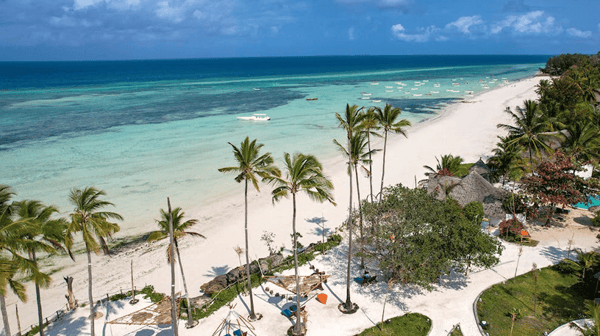
Kendwa Beach rests on Zanzibar Island. The beach is known far and wide because it is gorgeous. The sand on the beach is...

3.06.2025
23 Min Read
Kendwa Beach rests on Zanzibar Island. The beach is known far and wide because it is gorgeous. The...
Find Out Which Safari Tour Is Right For You
Want to combine your Mount Meru hike with a classic safari at one of Tanzania’s iconic parks? Take a short quiz to see which destination we recommend.
More Tanzania Destinations to Visit
This is a park



Mount...
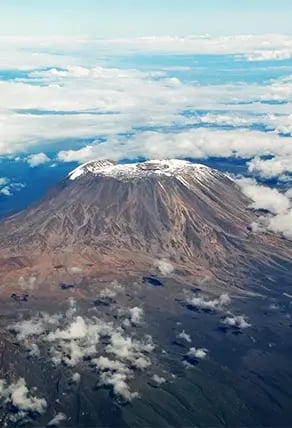
Just east of Mount Meru, Mount Kilimanjaro is Africa’s tallest peak and a bucket-list climb for adventurers seeking the...
This is a park
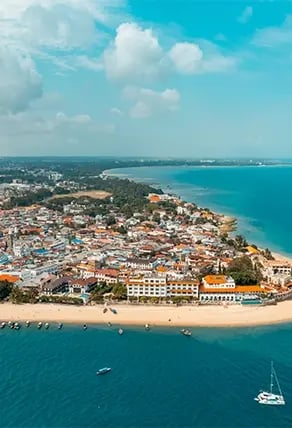


Zanzibar
After your trek, unwind on the white-sand beaches of Zanzibar, where rich Swahili culture and turquoise waters create...
This is a park
-svg.svg)
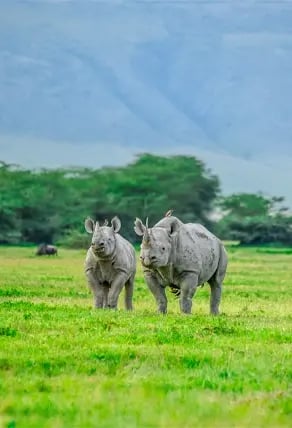


Ngorongoro...
A short journey from Mount Meru, the Ngorongoro Crater offers a spectacular natural amphitheater teeming with wildlife...
This is a park

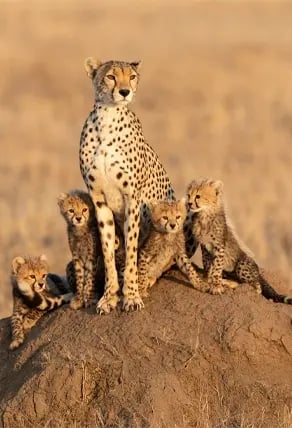


Serengeti...
Combine your Meru adventure with a safari in the legendary Serengeti, home to the Great Migration and some of Africa’s...