

.svg "Style-Guide (1)")


.svg)


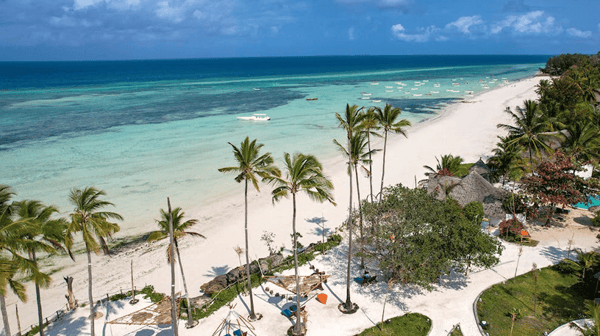
Kendwa Beach rests on Zanzibar Island. The beach is known far and wide because it is gorgeous. The...






Tarangire National Park
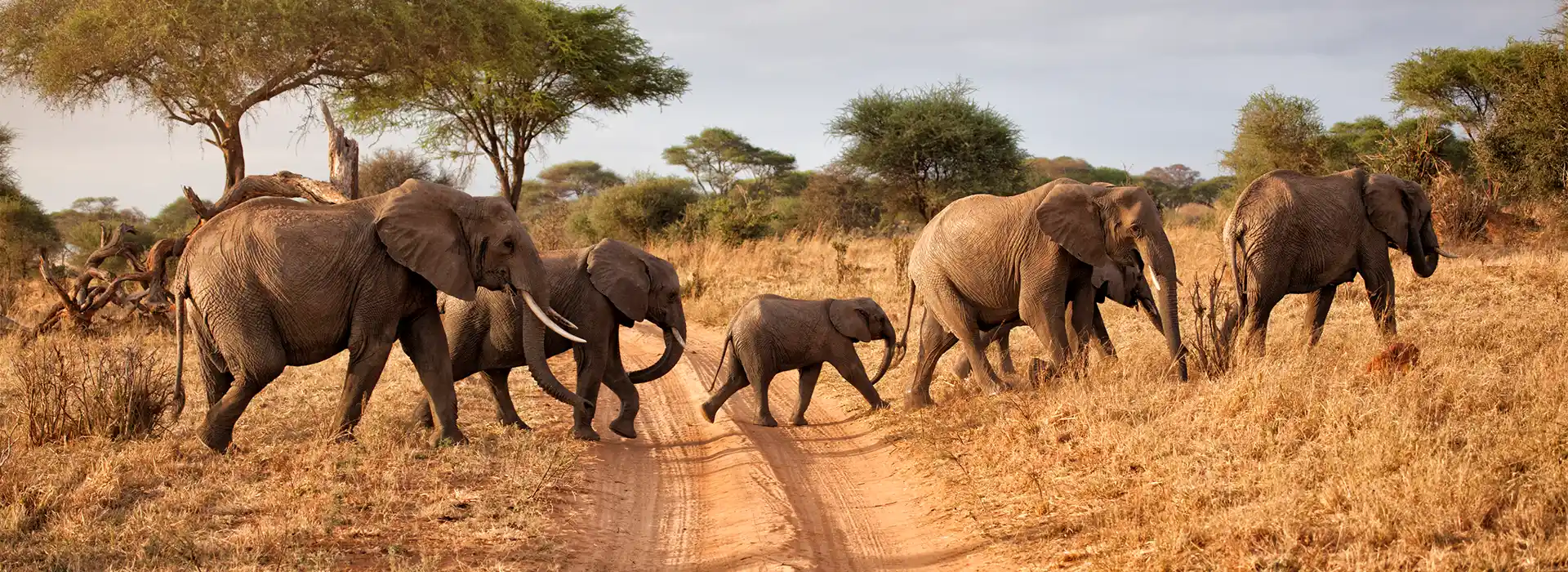
Step into Tarangire National Park, part of Tanzania’s Northern Circuit, where silence is broken by the low rumble of elephants and golden light spills across endless plains. Here, the peaceful atmosphere and dramatic landscapes set the stage for a safari that’s both intimate and inspiring.

Endorsed by ATTA

Featured in National Geographic

BBC Wildlife

Rated Excellent by Trip Advisor
Tarangire National Park
Step into Tarangire National Park, part of Tanzania’s Northern Circuit, where silence is broken by the low rumble of elephants and golden light spills across endless plains. Here, the peaceful atmosphere and dramatic landscapes set the stage for a safari that’s both intimate and inspiring.
Endorsed by ATTA
Featured in National Geographic
BBC Wildlife
Rated Excellent by Trip Advisor
Experience Baobabs, Balloon Safaris, and Bird Watching in Tarangire
Tarangire National Park is one of northern Tanzania’s most spectacular safari destinations, known for its striking landscapes and seasonal wildlife movements. Just 118 kilometers (about a two-hour drive) from Arusha, the park spans more than 2,800 square kilometers, making it the sixth largest in the country. Despite its size, it often feels more intimate than neighboring reserves, offering travelers a quieter safari experience.
The Tarangire River, which runs through the park, becomes a vital water source during the dry season. This draws large herds of elephants—sometimes among the biggest concentrations in East Africa—as well as buffalo, zebra, wildebeest, and an impressive variety of predators. Over 550 bird species have been recorded here, making Tarangire one of the top birding spots in Tanzania.
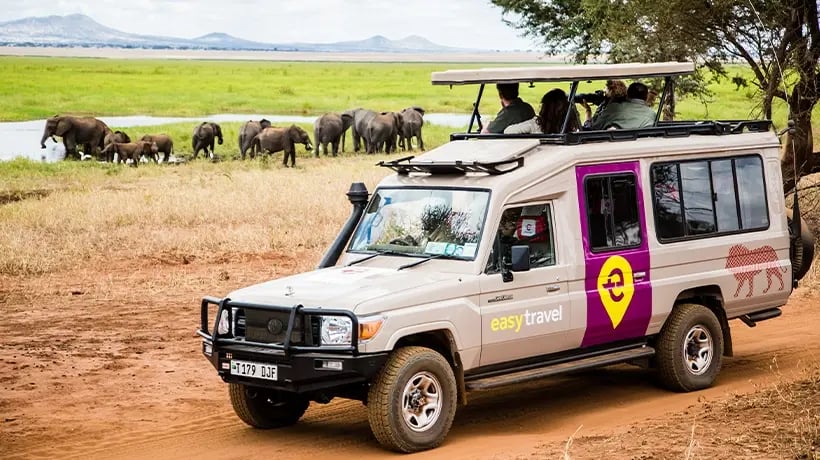
The scenery is equally distinctive. Expansive savannahs dotted with giant baobab trees, seasonal swamps, and gently rolling hills create a unique backdrop for game drives and photography. Whether you visit as a day trip or combine Tarangire with longer itineraries through the Northern Circuit, this park provides a balance of excellent wildlife viewing and beautiful landscapes. It won’t take long to see why Tarangire is a favorite safari destination along many travelers’ journeys.
Why Travelers Love Tarangire National Park
Travelers love a Tarangire National Park safari because it feels both accessible and wonderfully unspoiled. The park’s wide-open landscapes punctuated with baobabs give it a character all its own, while seasonal migrations draw in wildlife in impressive numbers. Visitors often remark on the sense of space and calm compared to busier parks, making game drives here especially rewarding. With the variety of Tarangire safari lodges and camps—ranging from simple to luxury—this park also fits seamlessly into both short and extended holiday itineraries.
Things To Do in Tarangire National Park
From safaris experienced at new heights to reflective moments in nature, Tarangire National Park offers activities that let you see the park from different perspectives—all while connecting more deeply with its landscapes and wildlife.

Balloon Safari
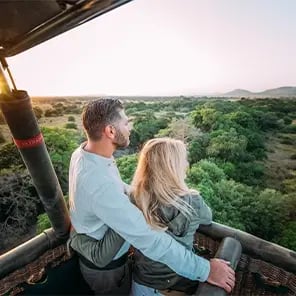
Take to the skies at sunrise on a Tarangire balloon safari, watching elephants, giraffes, and more from above. The sweeping views of baobabs and savannahs as you gently float through the air make this an unforgettable way to experience the park.
Night Game Drives
Discover Tarangire after dark with a guided night drive—an adventure few safari parks in Tanzania allow. Spot nocturnal animals like civets, genets, porcupines, and even elusive predators on the move.
Bush Meals
Enjoy breakfast, lunch, or dinner set in the wild, surrounded by the sounds of nature. A bush meal combines excellent food with the unforgettable atmosphere of dining under trees or beneath the stars.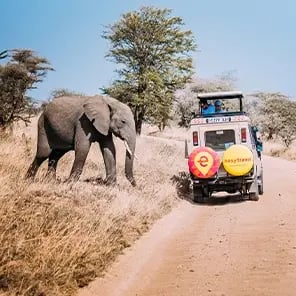
Day Tours
Tarangire is an easy addition to northern Tanzania itineraries. Day tours offer a chance to explore its wildlife-rich river valleys and scenic landscapes, perfect for travelers short on time but eager for a full safari feel.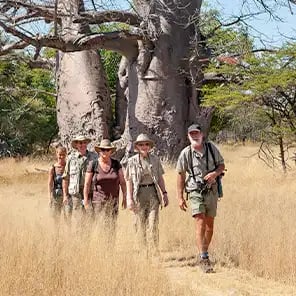
Walking Safari & Nature Walks
Step out of the vehicle on a walking safari in Tarangire National Park. Expert guides will lead you along the trails, revealing tracks, plants, and birds often missed on game drives.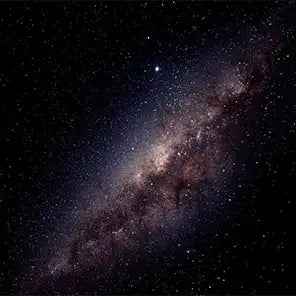
Game Drive
Don’t miss your chance to embark on the classic safari experience. Guided by local experts, game drives are both thrilling and an excellent opportunity to learn about the nature, habitats, and wildlife of this fantastic African park.Things To Do in Tarangire National Park
From safaris experienced at new heights to reflective moments in nature, Tarangire National Park offers activities that let you see the park from different perspectives—all while connecting more deeply with its landscapes and wildlife.
Balloon Safari
Take to the skies at sunrise on a Tarangire balloon safari, watching elephants, giraffes, and more from above. The sweeping views of baobabs and savannahs as you gently float through the air make this an unforgettable way to experience the park.
Night Game Drives
Discover Tarangire after dark with a guided night drive—an adventure few safari parks in Tanzania allow. Spot nocturnal animals like civets, genets, porcupines, and even elusive predators on the move.
Bush Meals
Enjoy breakfast, lunch, or dinner set in the wild, surrounded by the sounds of nature. A bush meal combines excellent food with the unforgettable atmosphere of dining under trees or beneath the stars.
Day Tours
Tarangire is an easy addition to northern Tanzania itineraries. Day tours offer a chance to explore its wildlife-rich river valleys and scenic landscapes, perfect for travelers short on time but eager for a full safari feel.
Walking Safari & Nature Walks
Step out of the vehicle on a walking safari in Tarangire National Park. Expert guides will lead you along the trails, revealing tracks, plants, and birds often missed on game drives.
Game Drive
Don’t miss your chance to embark on the classic safari experience. Guided by local experts, game drives are both thrilling and an excellent opportunity to learn about the nature, habitats, and wildlife of this fantastic African park.The Best Time to Visit Tarangire National Park
The best time to visit Tarangire National Park depends on what you’re hoping to see. The dry season (June–October) delivers the most dramatic wildlife concentrations, while the green season (November–May) offers vibrant scenery, birdwatching, and fewer crowds.
average
good
best
.svg)
Jan
Feb

Mar
Apr
May
.svg)
Jun
Jul
Aug
Sep
Oct
.svg)
Nov
Dec
Jan
Feb
Mar
Apr
May
Jun
Jul
Aug
Sep
Oct
Nov
Dec
Tarangire in January: Green and quiet
Rainy Season
January is part of the short rainy season, when brief showers refresh the park and turn the landscapes a brilliant green. The grasses are taller, and while game can be a little harder to spot in the thick vegetation, the scenery feels alive and vibrant. This is a rewarding time for birdwatchers, as migratory species are present in abundance, adding flashes of color and sound to the bush.
Elephant families are still commonly seen near the Tarangire River, though some animals begin dispersing into surrounding areas where food is more plentiful. Fewer tourists travel at this time, so visitors can expect a quieter safari experience and enjoy camps and lodges with a more peaceful atmosphere.
.webp?width=1200&height=825&name=January%20(2).webp)

+
Tarangire in February: Vibrant and scenic
Sunny
February continues the green season, with warm daytime temperatures and scattered afternoon storms. The park’s wetlands and swamps are at their fullest, supporting rich birdlife and lush grazing grounds for antelope, buffalo, and zebra. While the massive dry-season herds are absent, the variety of resident wildlife ensures memorable sightings, especially of elephants, giraffes, and predators adapted to hunting in denser cover. Photographers find this month especially rewarding thanks to dramatic skies, vibrant greenery, and fewer vehicles in the park. It’s also a great time for those seeking value, as Tarangire safari lodge rates are often lower in the off-peak season.
.webp?width=1200&height=825&name=February%20(2).webp)
+
Tarangire in March: Start of the long rain
Rainy Season
March marks the start of the long rain, with heavier showers that gradually build throughout the month. The landscape is at its most lush, with wildflowers adding bursts of color across the plains. While some wildlife disperses into the wider ecosystem, resident species like giraffes, elephants, and buffalo remain in good numbers.
The rain creates moody skies that photographers love, but storms can also make roads muddy and more difficult to navigate. Visitor numbers drop significantly, meaning travelers who come at this time enjoy a very private safari atmosphere.
.webp?width=1200&height=825&name=March%20(2).webp)
+
Tarangire in April: Wettest month of the year
Rainy Season
April is the wettest month in Tarangire, with steady rainfall transforming the park into a green haven. Wildlife is more scattered, but the sheer beauty of the environment is a draw for travelers seeking a different perspective. Birdwatching is outstanding, with migratory species lingering before returning north.
Lodges tend to be quieter, and many offer excellent value, making this month ideal for budget-conscious travelers who don’t mind the rain. For photographers, dramatic cloudscapes and misty mornings create opportunities for striking images.
.webp?width=1200&height=825&name=April%20(2).webp)
+
Tarangire in May: Serenity in the green season
Rainy Season
Rain continues into May, though showers begin to taper toward the end of the month. The park remains green and full of life, with herds of grazers thriving on the fresh vegetation.
While this is not the peak time for big concentrations of game, it is a beautiful time for those who prefer serenity and the chance to see the park at its most vibrant. Roads may still be muddy, so 4x4 vehicles are essential. With very few visitors, Tarangire feels like a private wilderness, offering a different kind of safari magic.
.webp?width=1200&height=825&name=May%20(2).webp)
+
Tarangire in June: Dry season begins
Rainy Season
By June the rain eases, ushering in the start of the dry season. Grass levels drop and water sources shrink, making wildlife easier to spot as animals begin gathering near the Tarangire River. Elephants become more prominent again, and predators take advantage of the conditions.
The weather is cooler and less humid, offering very comfortable safari conditions. Visitor numbers start to rise as the season begins, but the park remains quieter than the Serengeti or Ngorongoro, making June an excellent time to visit.
.webp?width=1200&height=825&name=June%20(2).webp)
+
Tarangire in July: Clear skies and big herds
Sunny
July brings clear skies, cooler nights, and excellent game viewing as the dry season strengthens. Large herds of elephants, buffalo, and zebras concentrate around the river and remaining swamps, creating exciting predator-prey dynamics. Vegetation thins, so wildlife sightings become more consistent.
Tourist numbers increase, but Tarangire’s vast size means it rarely feels crowded. This is also a good month to combine a Tarangire safari with nearby destinations, as road conditions are excellent and connections to Ngorongoro and Serengeti are straightforward.
.webp?width=1200&height=825&name=July%20(2).webp)
+
Tarangire in August: Peak safari conditions
Sunny
August is one of the best months for safari in Tarangire. Water is scarce, drawing thousands of animals to the Tarangire River, creating some of the most dramatic elephant gatherings in East Africa. Lions, leopards, and cheetahs are active, taking advantage of the concentration of prey.
The dry, sunny weather makes for perfect game drive conditions. This is peak tourist season, especially in the Northern Circuit, so early bookings for Tarangire safari lodges are recommended.
.webp?width=1200&height=825&name=August%20(2).webp)
+
Tarangire in September: Wildlife at its best
Sunny
Wildlife viewing remains exceptional in September, with large herds still clustering around permanent water sources. Elephant sightings are at their peak, often with hundreds seen in a single day.
The landscape is dry and dusty, giving the park a golden-brown hue that contrasts beautifully with the silhouettes of baobab trees. With peak season continuing, safari lodges and camps may be busier, but the atmosphere remains calmer than in Tanzania’s more famous parks.
.webp?width=1200&height=825&name=September%20(2).webp)
+
Tarangire in October: End of the dry season
Rainy Season
October is the tail end of the dry season, with some of the most reliable wildlife encounters of the year. The river is the park’s lifeline, attracting everything from elephants and giraffes to lions and leopards. Temperatures climb, and the landscape is at its driest, which heightens the drama of the wildlife concentrations. Visitor numbers are still high, but by late October the first short rains may arrive, refreshing the air and beginning the transition toward the green season.
.webp?width=1200&height=825&name=October%20(2).webp)
+
Tarangire in November: Short rain arrives
Rainy Season
November sees the start of the short rain, bringing quick but refreshing showers that green the plains. Wildlife disperses slightly, but game viewing is still excellent, with many resident animals visible year-round. Birding improves dramatically as migratory species arrive, making this a particularly rewarding month for enthusiasts. With fewer tourists and more moderate lodge rates, November offers a great balance of good sightings and value.
.webp?width=1200&height=825&name=November%20(2).webp)
+
Tarangire in December: Festive and refreshing
Rainy Season
December continues the short rainy season, though showers are often lighter and more sporadic than earlier months. The park feels renewed, with greenery spreading across the plains and wildlife in healthy condition. Elephants remain a highlight, and predators are active, making for rewarding game drives.
Visitor numbers rise again during the holiday season, so Tarangire safari lodge availability can be limited—early planning is advised. For those combining Tarangire with Serengeti or Ngorongoro, December makes for a wonderfully diverse safari experience.
.webp?width=1200&height=825&name=December%20(2).webp)
+
Tarangire in January: Green and quiet
Rainy Season
January is part of the short rainy season, when brief showers refresh the park and turn the landscapes a brilliant green. The grasses are taller, and while game can be a little harder to spot in the thick vegetation, the scenery feels alive and vibrant. This is a rewarding time for birdwatchers, as migratory species are present in abundance, adding flashes of color and sound to the bush.
Elephant families are still commonly seen near the Tarangire River, though some animals begin dispersing into surrounding areas where food is more plentiful. Fewer tourists travel at this time, so visitors can expect a quieter safari experience and enjoy camps and lodges with a more peaceful atmosphere.
Tarangire in February: Vibrant and scenic
Sunny
February continues the green season, with warm daytime temperatures and scattered afternoon storms. The park’s wetlands and swamps are at their fullest, supporting rich birdlife and lush grazing grounds for antelope, buffalo, and zebra. While the massive dry-season herds are absent, the variety of resident wildlife ensures memorable sightings, especially of elephants, giraffes, and predators adapted to hunting in denser cover. Photographers find this month especially rewarding thanks to dramatic skies, vibrant greenery, and fewer vehicles in the park. It’s also a great time for those seeking value, as Tarangire safari lodge rates are often lower in the off-peak season.
Tarangire in March: Start of the long rain
Rainy Season
March marks the start of the long rain, with heavier showers that gradually build throughout the month. The landscape is at its most lush, with wildflowers adding bursts of color across the plains. While some wildlife disperses into the wider ecosystem, resident species like giraffes, elephants, and buffalo remain in good numbers.
The rain creates moody skies that photographers love, but storms can also make roads muddy and more difficult to navigate. Visitor numbers drop significantly, meaning travelers who come at this time enjoy a very private safari atmosphere.
Tarangire in April: Wettest month of the year
Rainy Season
April is the wettest month in Tarangire, with steady rainfall transforming the park into a green haven. Wildlife is more scattered, but the sheer beauty of the environment is a draw for travelers seeking a different perspective. Birdwatching is outstanding, with migratory species lingering before returning north.
Lodges tend to be quieter, and many offer excellent value, making this month ideal for budget-conscious travelers who don’t mind the rain. For photographers, dramatic cloudscapes and misty mornings create opportunities for striking images.
Tarangire in May: Serenity in the green season
Rainy Season
Rain continues into May, though showers begin to taper toward the end of the month. The park remains green and full of life, with herds of grazers thriving on the fresh vegetation.
While this is not the peak time for big concentrations of game, it is a beautiful time for those who prefer serenity and the chance to see the park at its most vibrant. Roads may still be muddy, so 4x4 vehicles are essential. With very few visitors, Tarangire feels like a private wilderness, offering a different kind of safari magic.
Tarangire in June: Dry season begins
Rainy Season
By June the rain eases, ushering in the start of the dry season. Grass levels drop and water sources shrink, making wildlife easier to spot as animals begin gathering near the Tarangire River. Elephants become more prominent again, and predators take advantage of the conditions.
The weather is cooler and less humid, offering very comfortable safari conditions. Visitor numbers start to rise as the season begins, but the park remains quieter than the Serengeti or Ngorongoro, making June an excellent time to visit.
Tarangire in July: Clear skies and big herds
Sunny
July brings clear skies, cooler nights, and excellent game viewing as the dry season strengthens. Large herds of elephants, buffalo, and zebras concentrate around the river and remaining swamps, creating exciting predator-prey dynamics. Vegetation thins, so wildlife sightings become more consistent.
Tourist numbers increase, but Tarangire’s vast size means it rarely feels crowded. This is also a good month to combine a Tarangire safari with nearby destinations, as road conditions are excellent and connections to Ngorongoro and Serengeti are straightforward.
Tarangire in August: Peak safari conditions
Sunny
August is one of the best months for safari in Tarangire. Water is scarce, drawing thousands of animals to the Tarangire River, creating some of the most dramatic elephant gatherings in East Africa. Lions, leopards, and cheetahs are active, taking advantage of the concentration of prey.
The dry, sunny weather makes for perfect game drive conditions. This is peak tourist season, especially in the Northern Circuit, so early bookings for Tarangire safari lodges are recommended.
Tarangire in September: Wildlife at its best
Sunny
Wildlife viewing remains exceptional in September, with large herds still clustering around permanent water sources. Elephant sightings are at their peak, often with hundreds seen in a single day.
The landscape is dry and dusty, giving the park a golden-brown hue that contrasts beautifully with the silhouettes of baobab trees. With peak season continuing, safari lodges and camps may be busier, but the atmosphere remains calmer than in Tanzania’s more famous parks.
Tarangire in October: End of the dry season
Rainy Season
October is the tail end of the dry season, with some of the most reliable wildlife encounters of the year. The river is the park’s lifeline, attracting everything from elephants and giraffes to lions and leopards. Temperatures climb, and the landscape is at its driest, which heightens the drama of the wildlife concentrations. Visitor numbers are still high, but by late October the first short rains may arrive, refreshing the air and beginning the transition toward the green season.
Tarangire in November: Short rain arrives
Rainy Season
November sees the start of the short rain, bringing quick but refreshing showers that green the plains. Wildlife disperses slightly, but game viewing is still excellent, with many resident animals visible year-round. Birding improves dramatically as migratory species arrive, making this a particularly rewarding month for enthusiasts. With fewer tourists and more moderate lodge rates, November offers a great balance of good sightings and value.
Tarangire in December: Festive and refreshing
Rainy Season
December continues the short rainy season, though showers are often lighter and more sporadic than earlier months. The park feels renewed, with greenery spreading across the plains and wildlife in healthy condition. Elephants remain a highlight, and predators are active, making for rewarding game drives.
Visitor numbers rise again during the holiday season, so Tarangire safari lodge availability can be limited—early planning is advised. For those combining Tarangire with Serengeti or Ngorongoro, December makes for a wonderfully diverse safari experience.
+
+
+
+
+
+
+
+
+
+
+
+

Wildlife in Tarangire National Park
Tarangire’s mix of savannahs, river valleys, and seasonal swamps creates rich habitats that support incredible biodiversity year-round.
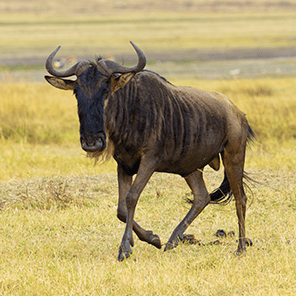
Wildebeest
During seasonal migrations, you can spot wildebeest gathering in large herds across Tarangire’s open plains.
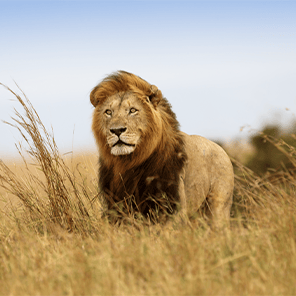
Lions
Tarangire’s lions thrive in the grasslands, often seen resting beneath shade or watching over prey.
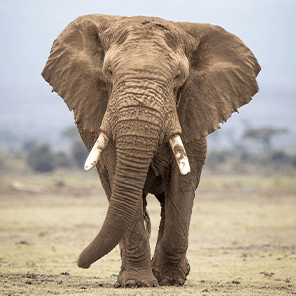
Elephants
Tarangire is known for huge herds, with elephants roaming the park’s riverbanks and forests in remarkable numbers.
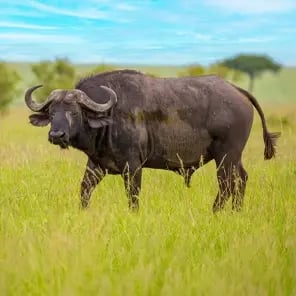
African Buffalo
Strong and resilient, buffalo move in large groups, grazing across Tarangire’s grassy terrain.
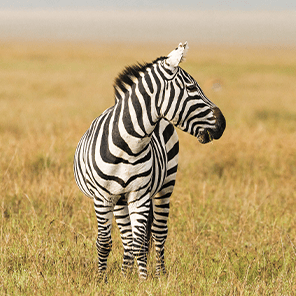
Zebras
Spotting a zebra while on a Tarangire safari adds striking patterns to the landscape, mingling with other grazers along the plains.
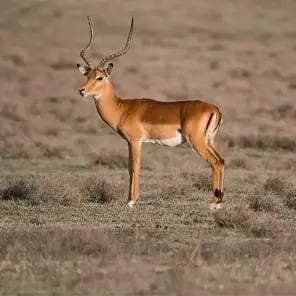
Impalas
Graceful and alert, impalas are a common sight, leaping through Tarangire’s bush and woodlands.
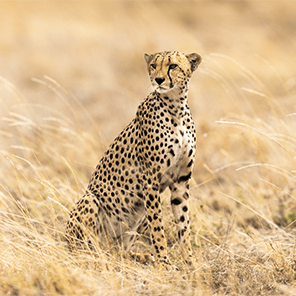
Cheetahs
Fast and elusive, cheetahs are best spotted in Tarangire’s open plains where they hunt.
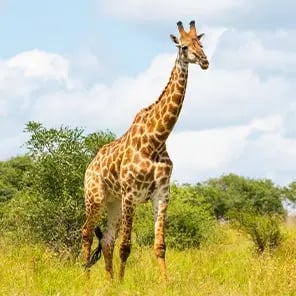
Giraffes
Elegant giraffes browse treetops, especially among Tarangire’s iconic baobabs and acacias.
Wildebeest
During seasonal migrations, you can spot wildebeest gathering in large herds across Tarangire’s open plains.
Lions
Tarangire’s lions thrive in the grasslands, often seen resting beneath shade or watching over prey.
Elephants
Tarangire is known for huge herds, with elephants roaming the park’s riverbanks and forests in remarkable numbers.
African Buffalo
Strong and resilient, buffalo move in large groups, grazing across Tarangire’s grassy terrain.
Zebras
Spotting a zebra while on a Tarangire safari adds striking patterns to the landscape, mingling with other grazers along the plains.
Impalas
Graceful and alert, impalas are a common sight, leaping through Tarangire’s bush and woodlands.
Cheetahs
Fast and elusive, cheetahs are best spotted in Tarangire’s open plains where they hunt.
Giraffes
Elegant giraffes browse treetops, especially among Tarangire’s iconic baobabs and acacias.
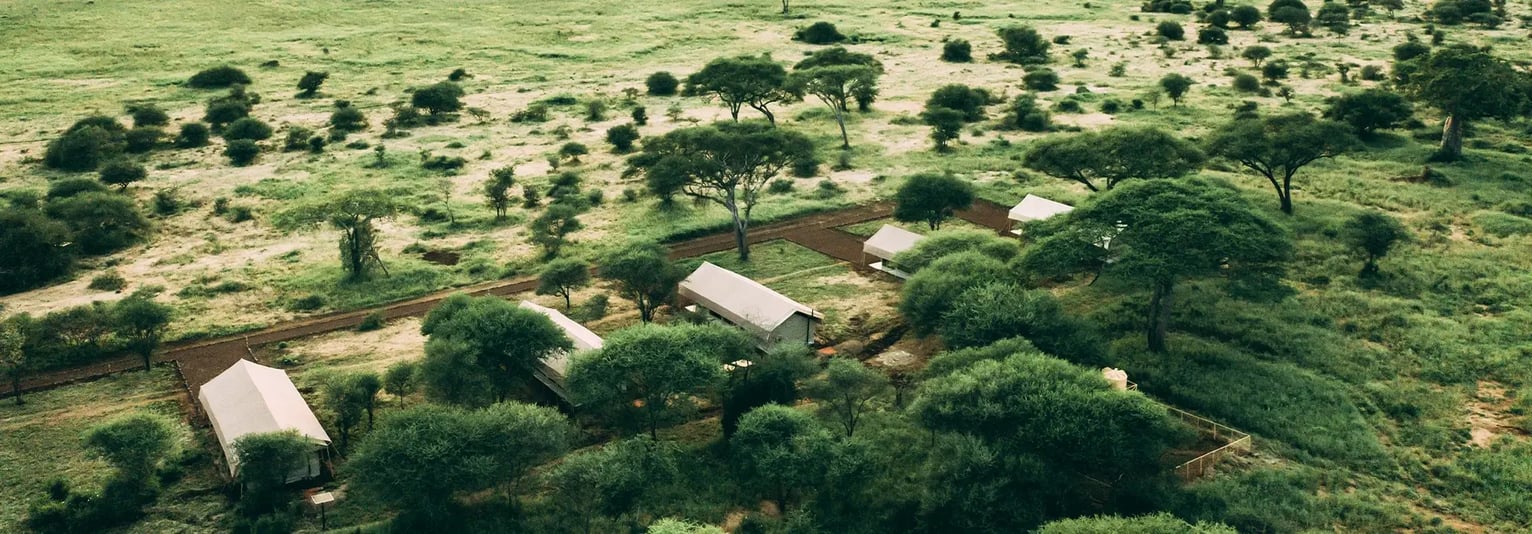
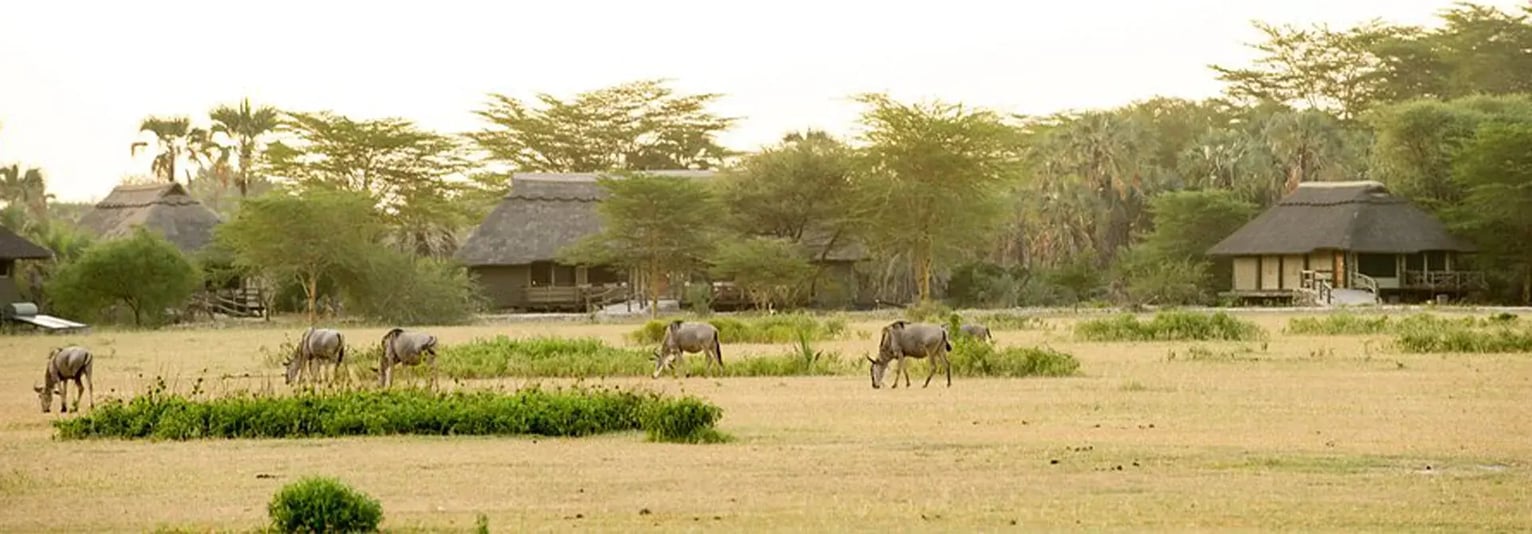
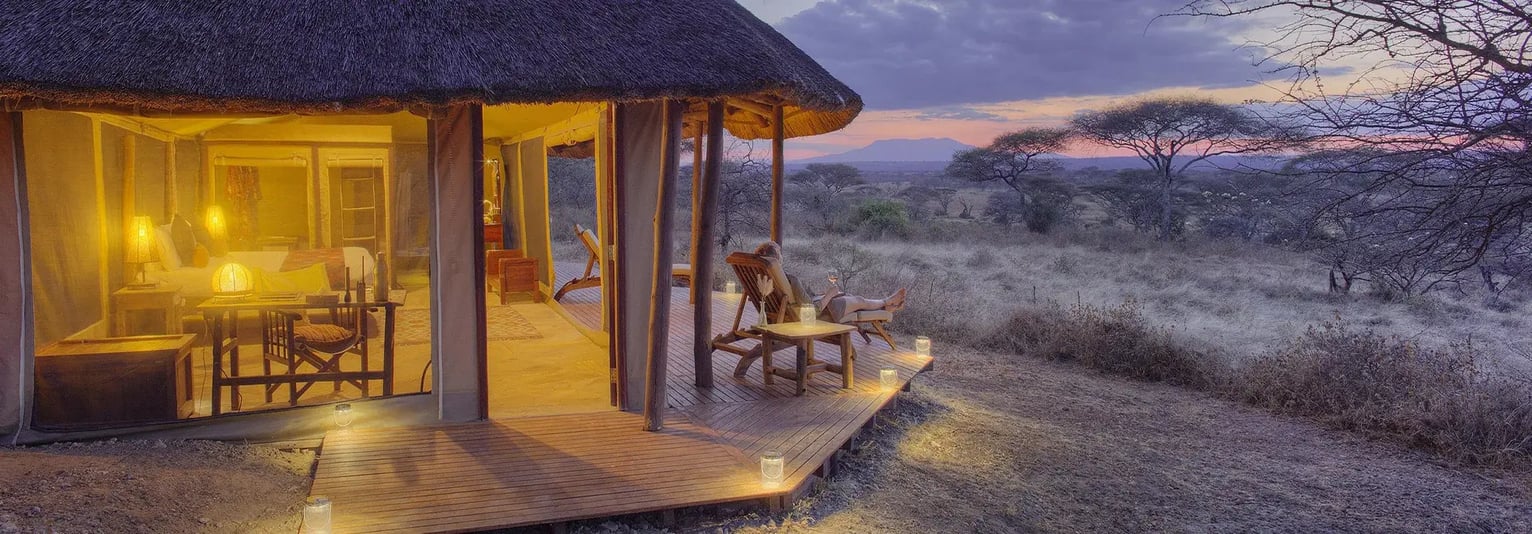
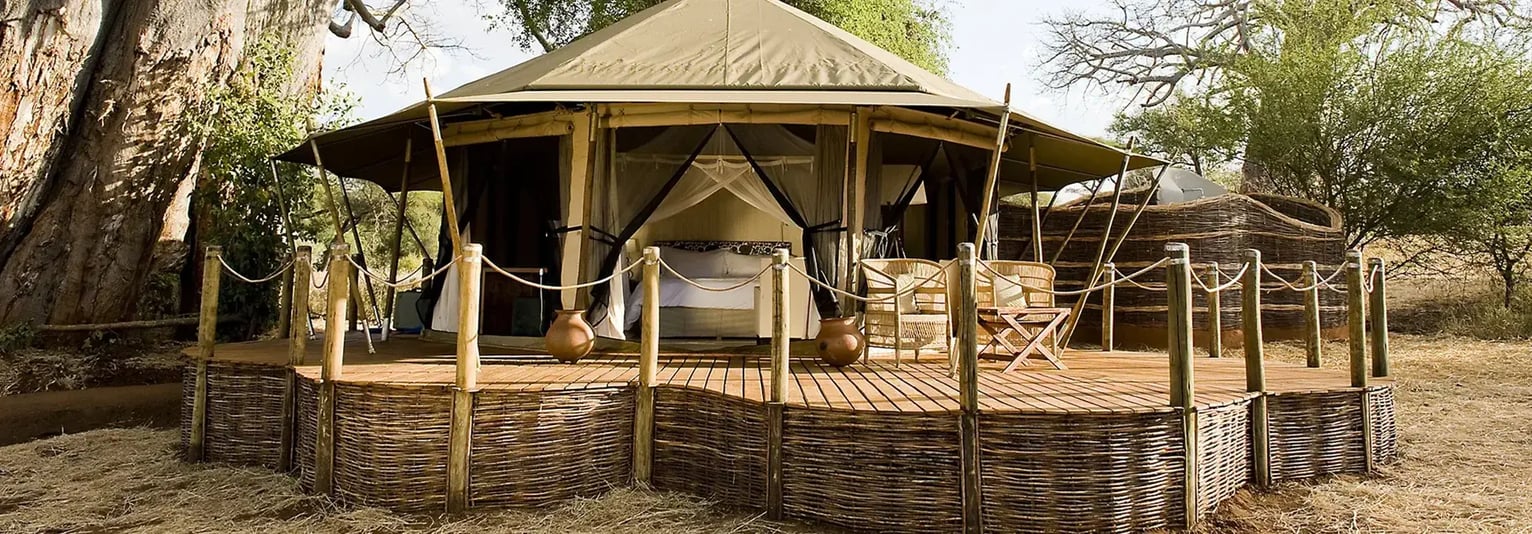
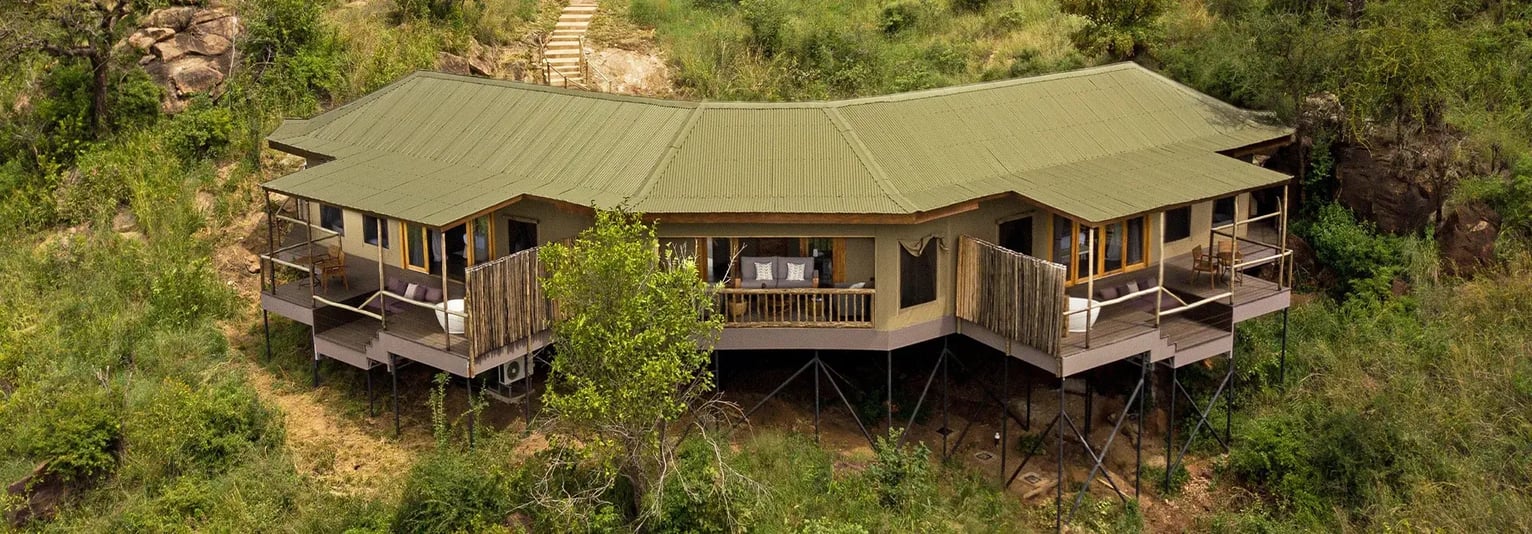
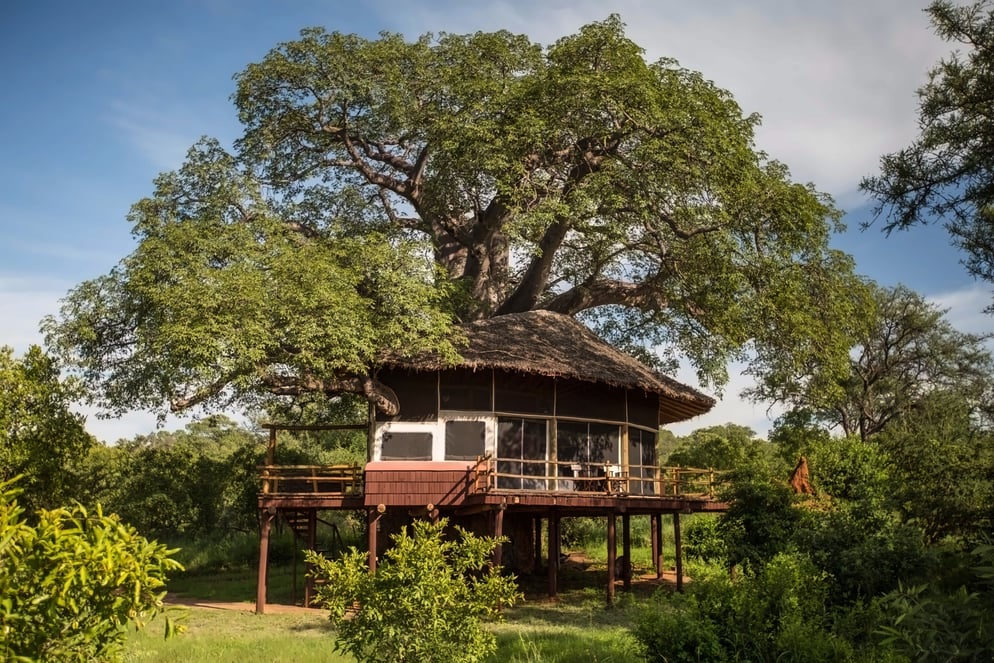
Tarangire National Park Accommodation
From luxury Tanzania safari resorts to budget-friendly safari camps, you’ll find a variety of Tarangire accommodation options to choose from.

Tarangire Tortilis...

Maramboi Tented...

Olivers Camp

Sanctuary Swala...

Lemala Mpingo Ridge

Tarangire Treetops


More Tanzania Safaris and Zanzibar Holidays
Most Popular
.png?width=296&height=70&name=Pattern%20(2).png)
$1,350 (2pax) USD
12 Days Serengeti Lions and Wildebeest Migration Safari

103 people viewing now
Best Seller
$3,001 (2pax) USD
Days Serengeti Lions and Wildebeest Migration Safari
36 people viewing now
Most Popular
$1,400 (2pax) USD
A Days Serengeti Lions and Wildebeest Migration Safari
115 people viewing now
Most Popular
$1,350 (2pax) USD
12 Days Serengeti Lions and Wildebeest Migration Safari
93 people viewing now
Best Seller
$3,001 (2pax) USD
Days Serengeti Lions and Wildebeest Migration Safari
54 people viewing now
Most Popular
$1,400 (2pax) USD
A Days Serengeti Lions and Wildebeest Migration Safari
120 people viewing now
Most Popular
$1,350 (2pax) USD
12 Days Serengeti Lions and Wildebeest Migration Safari
112 people viewing now
Best Seller
$3,001 (2pax) USD
Days Serengeti Lions and Wildebeest Migration Safari
111 people viewing now
Best Seller
$3,001 (2pax) USD
Days Serengeti Lions and Wildebeest Migration Safari
39 people viewing now
Best Seller
$3,001 (2pax) USD
Days Serengeti Lions and Wildebeest Migration Safari
54 people viewing now
Best Seller
$3,001 (2pax) USD
Days Serengeti Lions and Wildebeest Migration Safari
2 people viewing now
Most Popular
$1,400 (2pax) USD
A Days Serengeti Lions and Wildebeest Migration Safari
83 people viewing now
Whatever is on your list of top Tanzania to-dos or African safari must-sees, we’ll make it happen.

Most Popular
$1,350 (2pax) USD
12 Days Serengeti Lions and Wildebeest Migration Safari
99 people viewing now
Best Seller
$3,001 (2pax) USD
Days Serengeti Lions and Wildebeest Migration Safari
97 people viewing now
Most Popular
$1,400 (2pax) USD
A Days Serengeti Lions and Wildebeest Migration Safari
102 people viewing now
Most Popular
$1,350 (2pax) USD
12 Days Serengeti Lions and Wildebeest Migration Safari
20 people viewing now
Best Seller
$3,001 (2pax) USD
Days Serengeti Lions and Wildebeest Migration Safari
35 people viewing now
Most Popular
$1,400 (2pax) USD
A Days Serengeti Lions and Wildebeest Migration Safari
95 people viewing now
Most Popular
$1,350 (2pax) USD
12 Days Serengeti Lions and Wildebeest Migration Safari
54 people viewing now
Best Seller
$3,001 (2pax) USD
Days Serengeti Lions and Wildebeest Migration Safari
74 people viewing now
Best Seller
$3,001 (2pax) USD
Days Serengeti Lions and Wildebeest Migration Safari
102 people viewing now
Best Seller
$3,001 (2pax) USD
Days Serengeti Lions and Wildebeest Migration Safari
32 people viewing now
Best Seller
$3,001 (2pax) USD
Days Serengeti Lions and Wildebeest Migration Safari
95 people viewing now
Most Popular
$1,400 (2pax) USD
A Days Serengeti Lions and Wildebeest Migration Safari
111 people viewing now
Whatever is on your list of top Tanzania to-dos or African safari must-sees, we’ll make it happen.
FAQs

Still have questions?
Contact Us, we are more than happy to help!
How big is Tarangire National Park?
Tarangire National Park covers about 2,850 square kilometers, making it the sixth-largest park in Tanzania. Its vast mix of river valleys, woodlands, and open plains creates rich habitats for incredible wildlife.
Where is Tarangire in Tanzania?
Located in northern Tanzania, Tarangire sits about two hours’ drive southwest of Arusha. Its location makes it easy to include on safari itineraries with the Serengeti and Ngorongoro Crater.
What are typical Tarangire safari lodge rates?
Rates for Tarangire safari lodges vary widely depending on style and season. Budget-friendly tented camps may start around $150 per night, while luxury lodges can range from $500 and up, offering premium comfort and service.
What is a Tarangire walking safari like?
A walking safari in Tarangire National Park is a chance to leave the vehicle behind and explore on foot with an expert guide. You’ll learn about animal tracks, plants, and the smaller details that bring the ecosystem to life.
How much time should I spend in Tarangire National Park?
Many travelers spend 2–3 days in Tarangire, which allows time to explore different areas, embark on various activities, and enjoy time at a classic Tanzania safari lodge. The park also works well as part of a 3-day Tarangire, Ngorongoro, and Manyara safari itinerary.
What makes Tarangire National Park special?
Tarangire is famous for its large elephant herds, striking baobab trees, and rich birdlife. Compared to other northern parks, it often feels quieter, offering a more relaxed safari experience.
When is the best time to visit Tarangire?
The best time to visit is during the dry season (June–October), when animals gather along the river. Green season safaris (November–May) are equally rewarding for scenery and birdwatching.
What kinds of accommodations are available in Tarangire?
You’ll find everything from budget camps to high-end safari lodges in Tarangire National Park. Options like Tarangire safari lodges or tented camps allow travelers to match their budget and comfort level. Easy Travel stays up-to-date on Tarangire safari lodge reviews to ensure we offer top-rated accommodations at a variety of price points.
Can Tarangire be visited as a day trip?
Yes, many travelers enjoy a Tarangire day tour from Arusha or as part of a longer northern circuit safari. While a day gives a taste of the park, an overnight stay at one of the Tarangire safari lodges or tented camps offers a fuller experience.
Is Tarangire good for birdwatching?
Absolutely—over 550 bird species have been recorded here, making it one of Tanzania’s top birding destinations. From raptors to colorful migratory species, birdlife is a highlight year-round.
Still have questions?
Contact Us, we are more than happy to help!
Explore Our Latest Articles
3.06.2025
23 Min Read
Kendwa Beach rests on Zanzibar Island. The beach is known far and wide because it is gorgeous. The sand on the beach is...

3.06.2025
23 Min Read
Kendwa Beach rests on Zanzibar Island. The beach is known far and wide because it is gorgeous. The...
Find Out Which Safari Tour Is Right For You
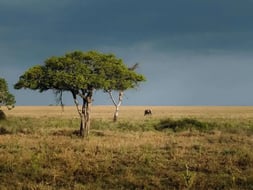
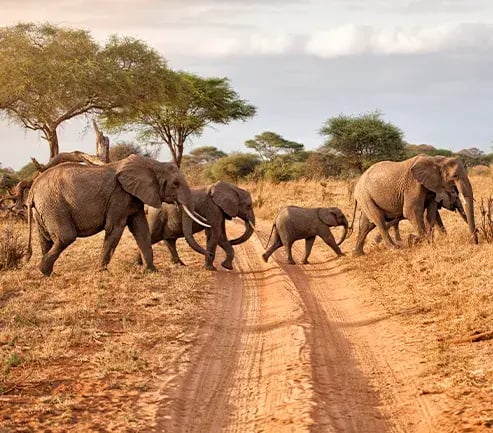
Want to pair your Tarangire National Park safari with a visit to Tanzania’s other iconic parks, lakes, mountains, or beaches? Take a short quiz to see which spots we recommend.
More Tanzania Destinations To Visit
This is a park

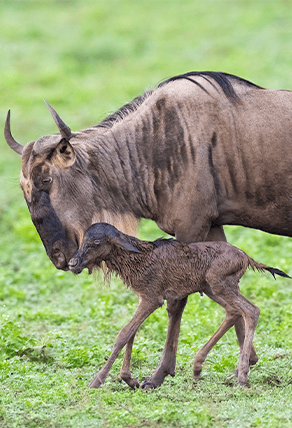


Ndutu
Pair a visit to Tarangire with Ndutu for seasonal calving spectacles and predator action in the southern Serengeti...
This is a park
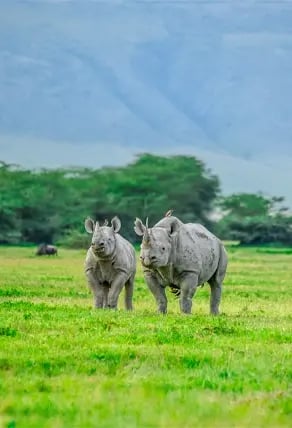


Ngorongoro...
From Tarangire, continue to the Ngorongoro Crater to explore a dramatic volcanic caldera teeming with diverse wildlife.
This is a park
-svg.svg)
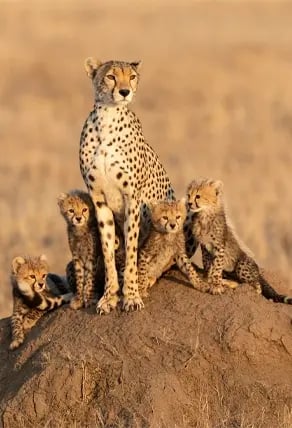


Serengeti...
Combine Tarangire with the Serengeti to experience both vast elephant herds and the legendary Great Migration.
This is a park

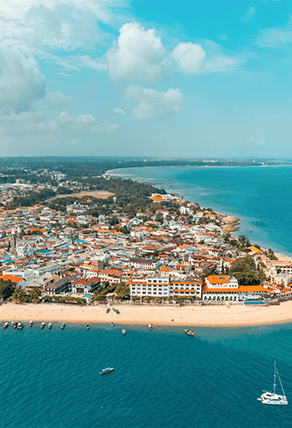


Zanzibar
After your Tarangire safari, unwind on Zanzibar’s beaches, blending adventure with coastal relaxation and culture.