

.svg "Style-Guide (1)")


.svg)


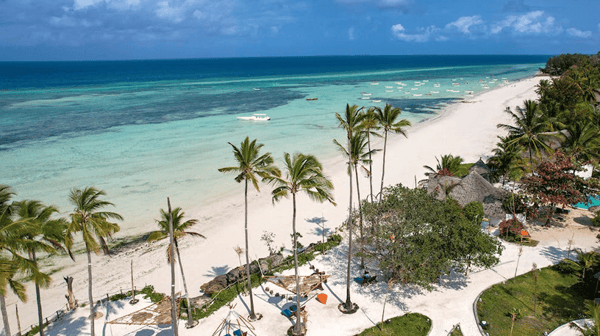
Kendwa Beach rests on Zanzibar Island. The beach is known far and wide because it is gorgeous. The...






Lake Manyara National Park
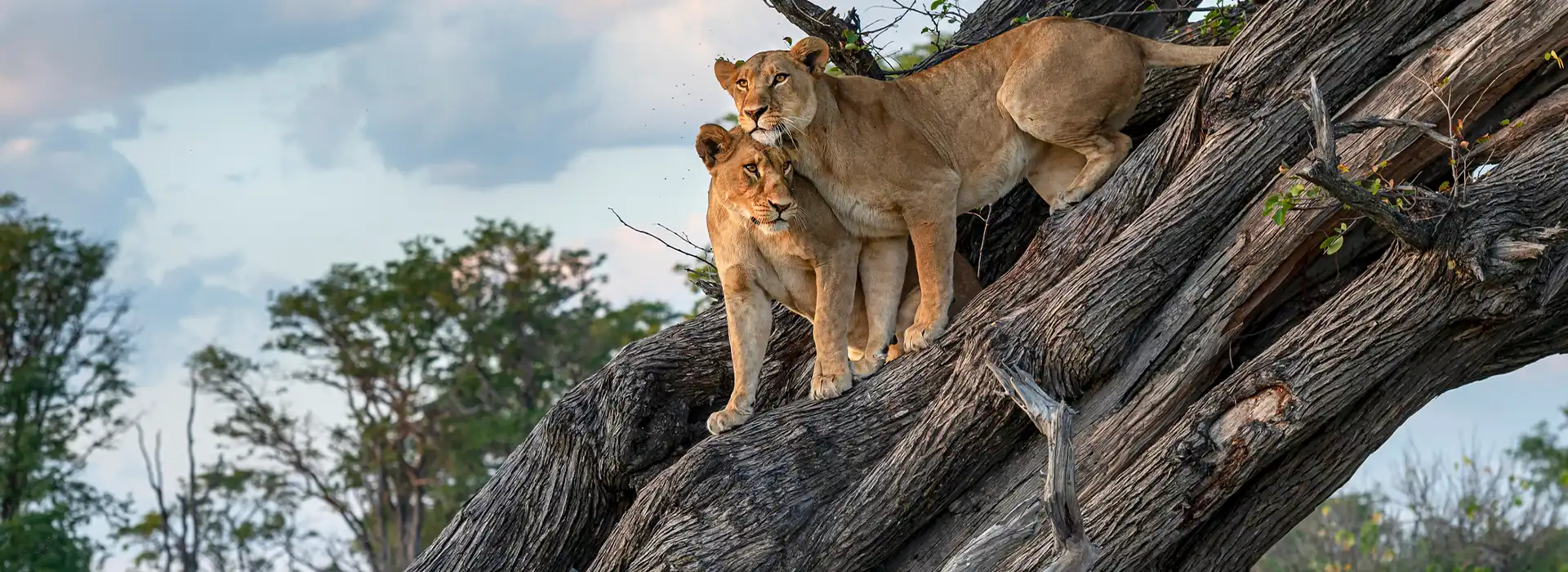
Beneath the dramatic cliffs of Tanzania’s Great Rift Valley, Lake Manyara National Park is a place of unexpected beauty and unforgettable wildlife. From its shimmering alkaline lake to lush forests and open savannah, this compact park offers a safari experience that surprises at every turn. Whether you're here for the tree-climbing lions or the flamingo-filled shoreline, Lake Manyara is where nature puts on a show.

Endorsed by ATTA

Featured in National Geographic

BBC Wildlife

Rated Excellent by Trip Advisor
Lake Manyara National Park
Beneath the dramatic cliffs of Tanzania’s Great Rift Valley, Lake Manyara National Park is a place of unexpected beauty and unforgettable wildlife. From its shimmering alkaline lake to lush forests and open savannah, this compact park offers a safari experience that surprises at every turn. Whether you're here for the tree-climbing lions or the flamingo-filled shoreline, Lake Manyara is where nature puts on a show.
Endorsed by ATTA
Featured in National Geographic
BBC Wildlife
Rated Excellent by Trip Advisor
Things To Do in Lake Manyara
From thrilling wildlife encounters to serene forest strolls, Lake Manyara National Park offers a wide variety of activities and excursions. Whether you're seeking adventure or a deeper connection with nature, every type of traveler will find something enjoyable to do.

Canopy Tree Walks
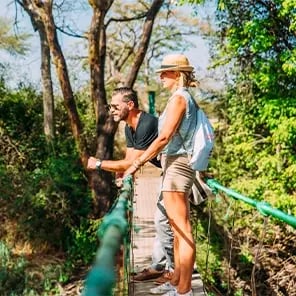
Experience the forest from new heights on the Lake Manyara treetop walkway. Suspended bridges guide you through the canopy, offering breathtaking views and up-close encounters with birds and monkeys.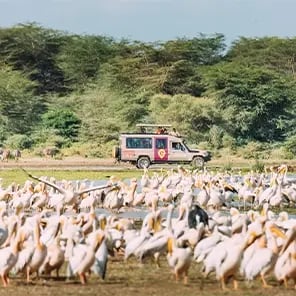
Birdwatching
Home to over 400 species, Lake Manyara is a paradise for bird enthusiasts. Spot pelicans, storks, hornbills, and seasonal flocks of flamingos during the flamingo season in Lake Manyara, turning the lake pink.
Bush Meals
Enjoy a delicious, freshly prepared meal right in the heart of the wild. Bush meals in Lake Manyara offer unforgettable dining surrounded by nature, perfect for a fun family picnic lunch or romantic sunset dinner.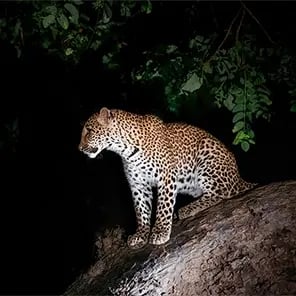
Night Game Drives
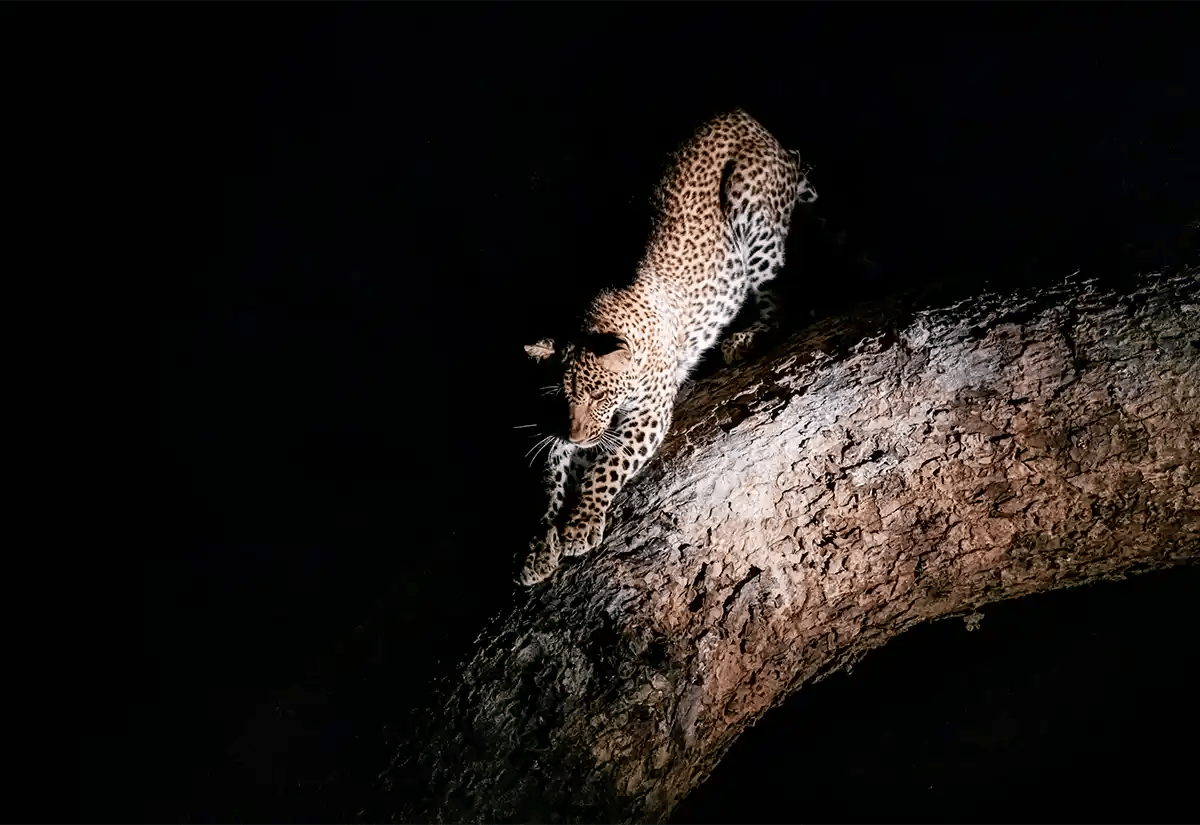
After dark, the park comes alive with nocturnal wildlife. A night game drive in Lake Manyara gives you the rare chance to see animals like bush babies, genets, and elusive leopards under a starlit sky.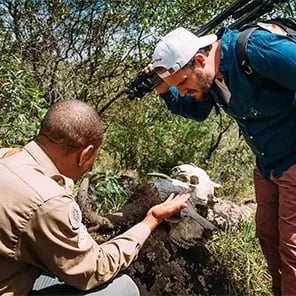
Walking Safari & Nature Walks
Slow your pace and get closer to the land on a walking safari. Led by knowledgeable guides, you’ll explore the park’s varied ecosystems on foot and learn about the plants, tracks, and smaller creatures often missed...
Cultural Activities
Immerse yourself in the Maasai culture with a visit to nearby villages. Learn traditional dances, explore local markets, or join a cooking class to experience the rich culture of the Maasai and other local communities.Things To Do in Lake Manyara
From thrilling wildlife encounters to serene forest strolls, Lake Manyara National Park offers a wide variety of activities and excursions. Whether you're seeking adventure or a deeper connection with nature, every type of traveler will find something enjoyable to do.
Canopy Tree Walks
Experience the forest from new heights on the Lake Manyara treetop walkway. Suspended bridges guide you through the canopy, offering breathtaking views and up-close encounters with birds and monkeys.
Birdwatching
Home to over 400 species, Lake Manyara is a paradise for bird enthusiasts. Spot pelicans, storks, hornbills, and seasonal flocks of flamingos during the flamingo season in Lake Manyara, turning the lake pink.
Bush Meals
Enjoy a delicious, freshly prepared meal right in the heart of the wild. Bush meals in Lake Manyara offer unforgettable dining surrounded by nature, perfect for a fun family picnic lunch or romantic sunset dinner.
Night Game Drives
After dark, the park comes alive with nocturnal wildlife. A night game drive in Lake Manyara gives you the rare chance to see animals like bush babies, genets, and elusive leopards under a starlit sky.
Walking Safari & Nature Walks
Slow your pace and get closer to the land on a walking safari. Led by knowledgeable guides, you’ll explore the park’s varied ecosystems on foot and learn about the plants, tracks, and smaller creatures often missed by...
Cultural Activities
Immerse yourself in the Maasai culture with a visit to nearby villages. Learn traditional dances, explore local markets, or join a cooking class to experience the rich culture of the Maasai and other local communities.The Best Time to Visit Lake Manyara National Park
The best time to visit Lake Manyara National Park is during the dry season when wildlife is easier to spot around water sources and road conditions are ideal for game drives. For bird lovers and flamingo sightings, the wetter months from November to June offer vibrant scenery and excellent birdwatching.
average
good
best
.svg)
Jan
Feb

Mar
Apr
May
.svg)
Jun
Jul
Aug
Sep
Oct
.svg)
Nov
Dec
Jan
Feb
Mar
Apr
May
Jun
Jul
Aug
Sep
Oct
Nov
Dec
Lake Manyara in January: A beautiful month for photography and game drives
Rainy Season
January falls within the short dry season, offering clear skies, warm temperatures, and excellent visibility for game viewing. The landscape is still green from the recent rain storms, making the park especially scenic. Wildlife congregates around permanent water sources, increasing the chances of spotting elephants, giraffes, and buffalo near the lake.
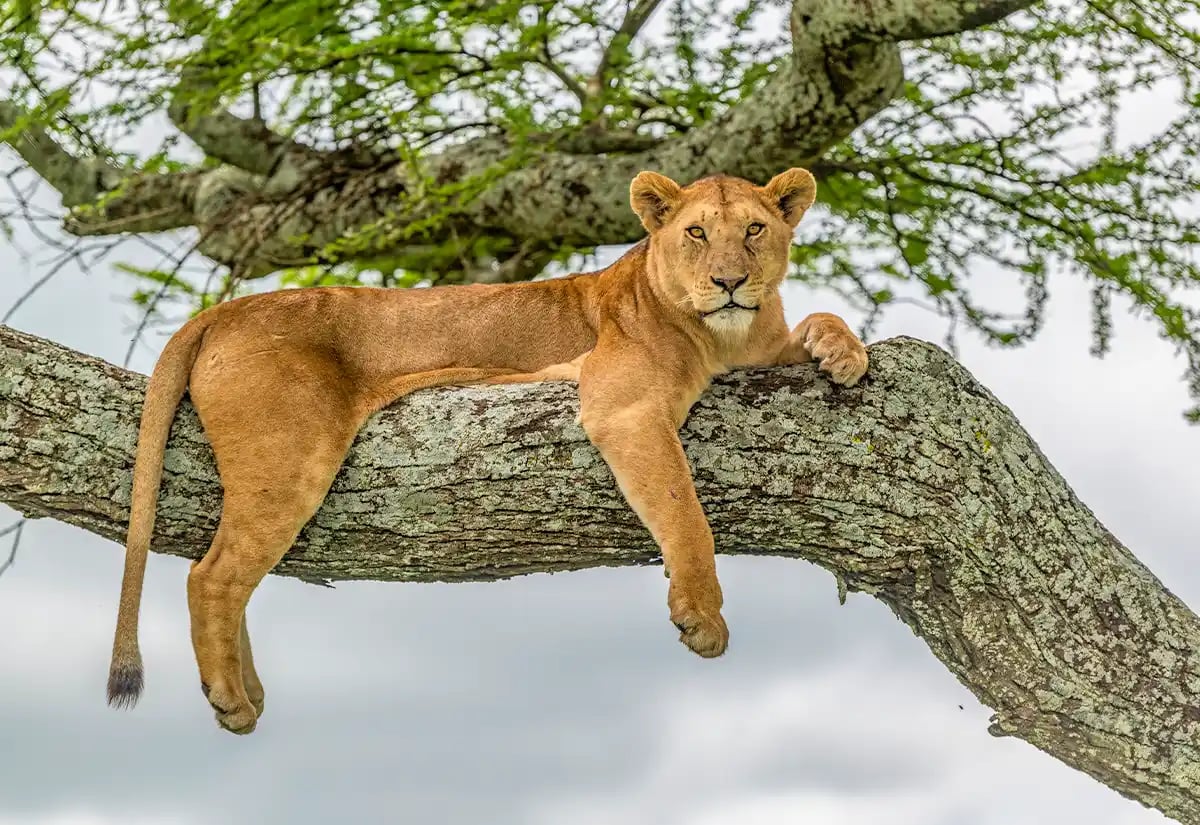
Birding is exceptional this time of year, with migratory species joining the resident birds—ideal for those seeking to take in the diversity of Lake Manyara birds. It’s also a great time to see the park's famous tree-climbing lions resting in the acacia trees. With fewer crowds than peak season, January offers a quieter, immersive safari experience.

+
Lake Manyara in February: Dry, sunny days ideal for the treetop walkway
Sunny
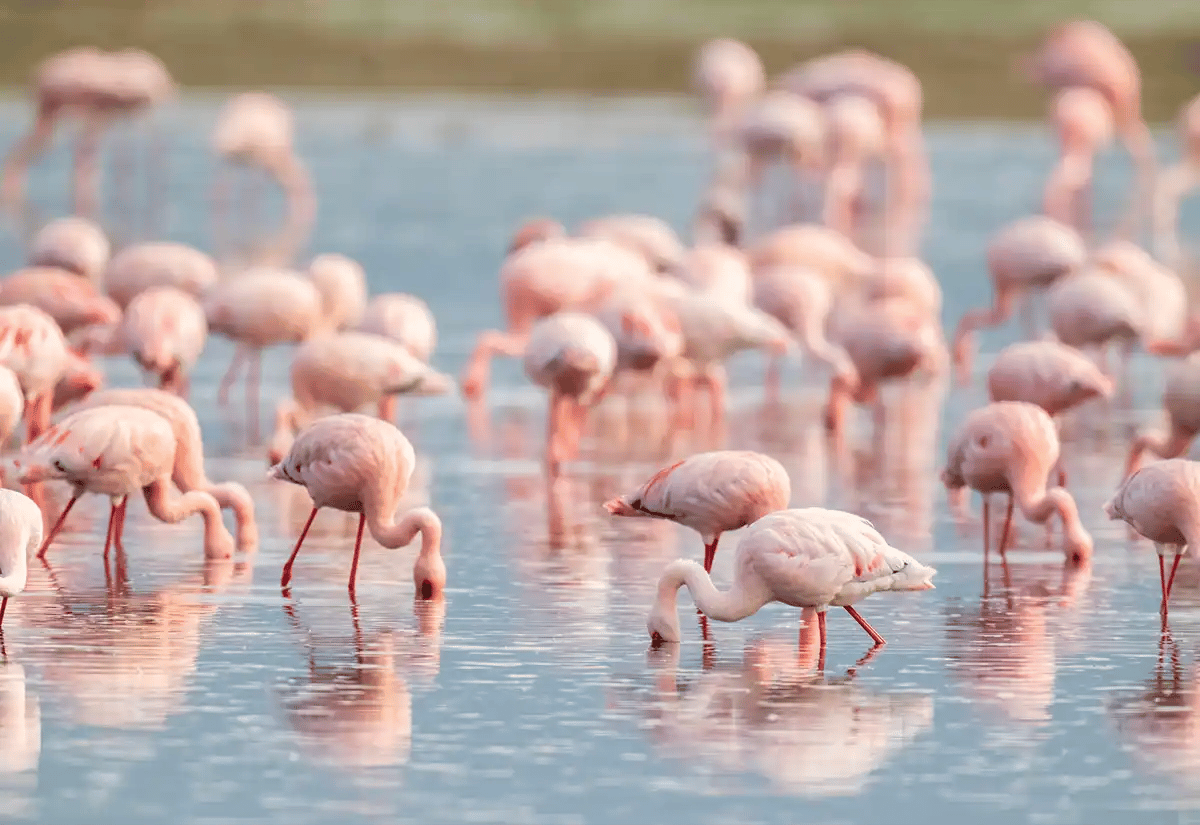
February continues the dry and sunny conditions, making it another excellent month for wildlife viewing. Large herds of herbivores like impala and zebra are easier to spot as vegetation thins slightly. The flamingos often begin to return in greater numbers, kicking off the famous flamingo season in Lake Manyara, though their presence varies with water levels.
With the warm weather and good road conditions, this is a great month for outdoor activities like the Lake Manyara treetop walkway and even bush meals with sweeping Rift Valley views. February also sees low to moderate tourist numbers, so travelers can enjoy the park’s beauty without heavy crowds.
+
Lake Manyara in March: Lush and quiet with excellent birdlife
Rainy Season
March marks the beginning of the long rainy season, bringing dramatic afternoon showers and cooler temperatures. The park transforms into a lush, green paradise, and the lake begins to swell with fresh rainwater—an inviting sign for the return of thousands of flamingos. Birding remains exceptional, with both migratory and resident species thriving in the vibrant wetlands.
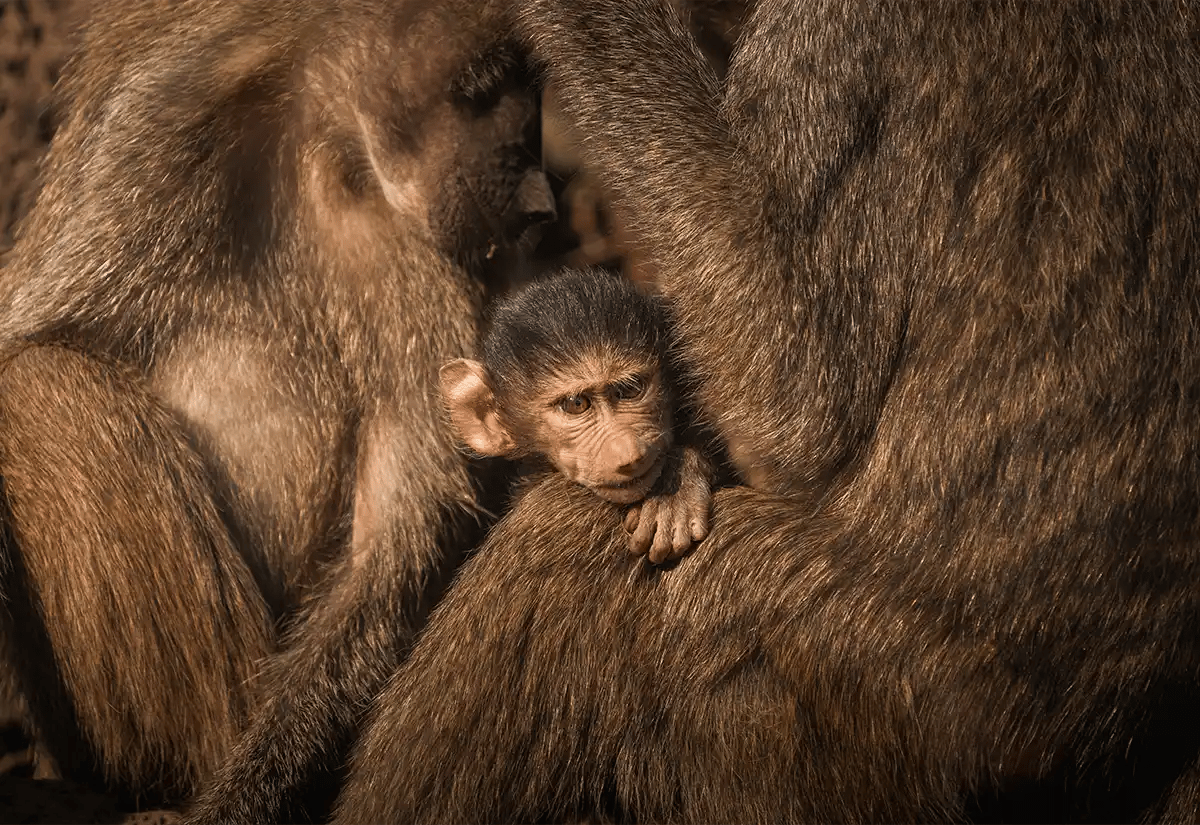
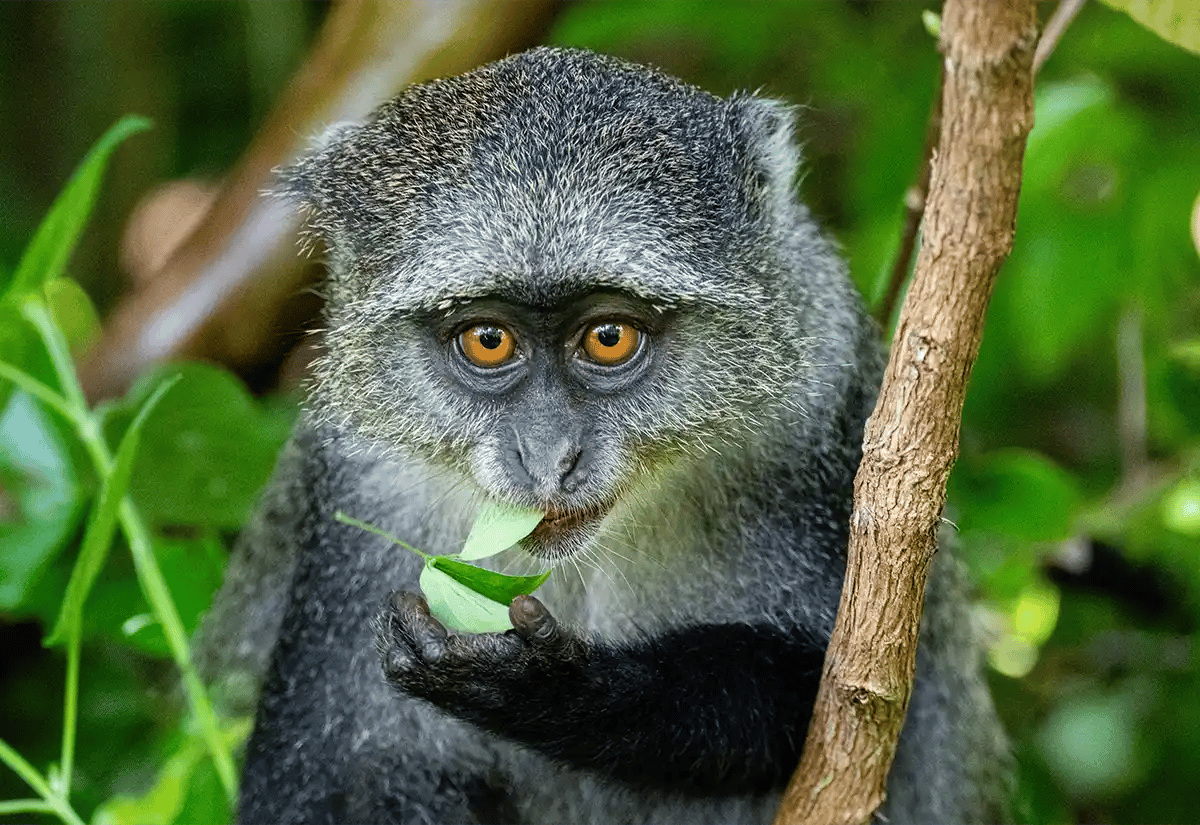
While some animals retreat deeper into the bush, sightings of baboons, blue monkeys, and elephants are still common. Trails may be muddier, but this is a beautiful time for photography and a peaceful visit with few other tourists. Lodge rates are often lower, making March ideal for travelers seeking beauty and solitude.
+
Lake Manyara in April: Peak flamingo season as the lake fills
Rainy Season
April is the wettest month in Lake Manyara, with heavy rain feeding the lake and bringing the landscape to its greenest. It’s not the best time for traditional game drives, as some areas may be inaccessible due to flooding or slippery roads, but the park’s birdlife is at its peak.
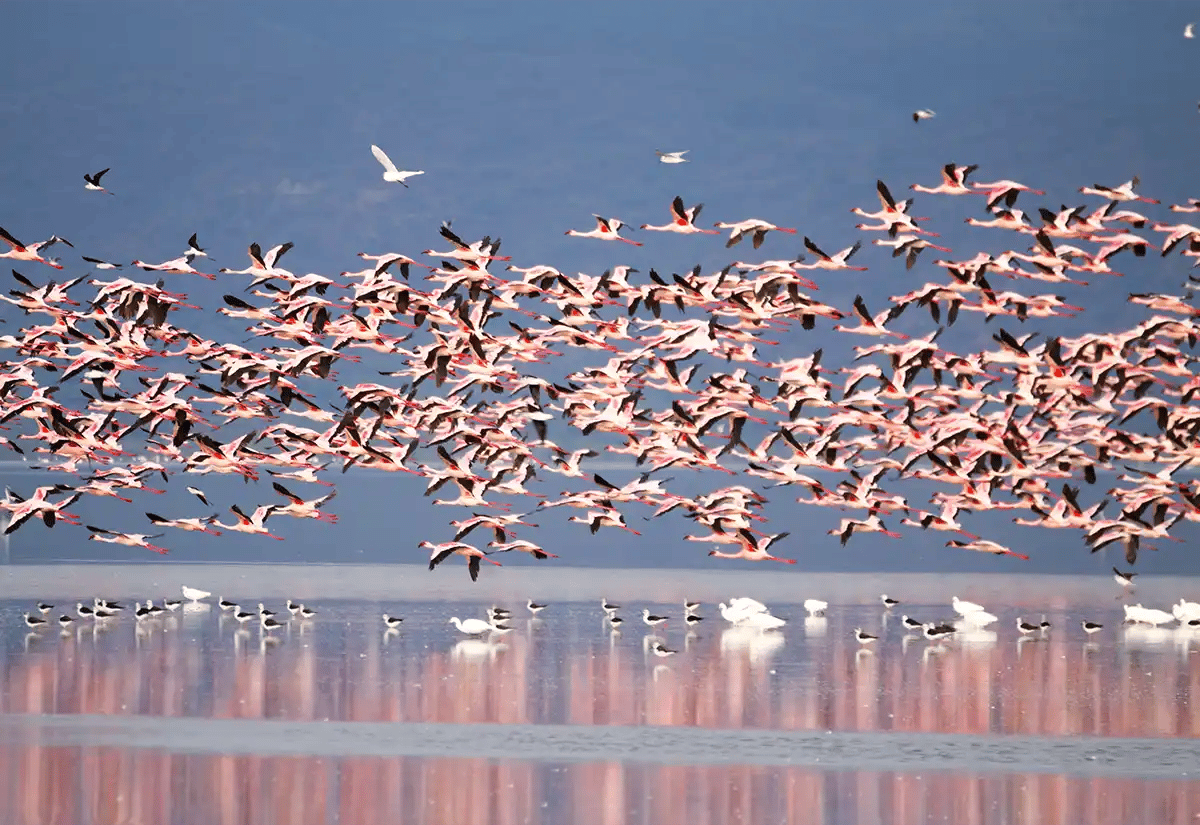
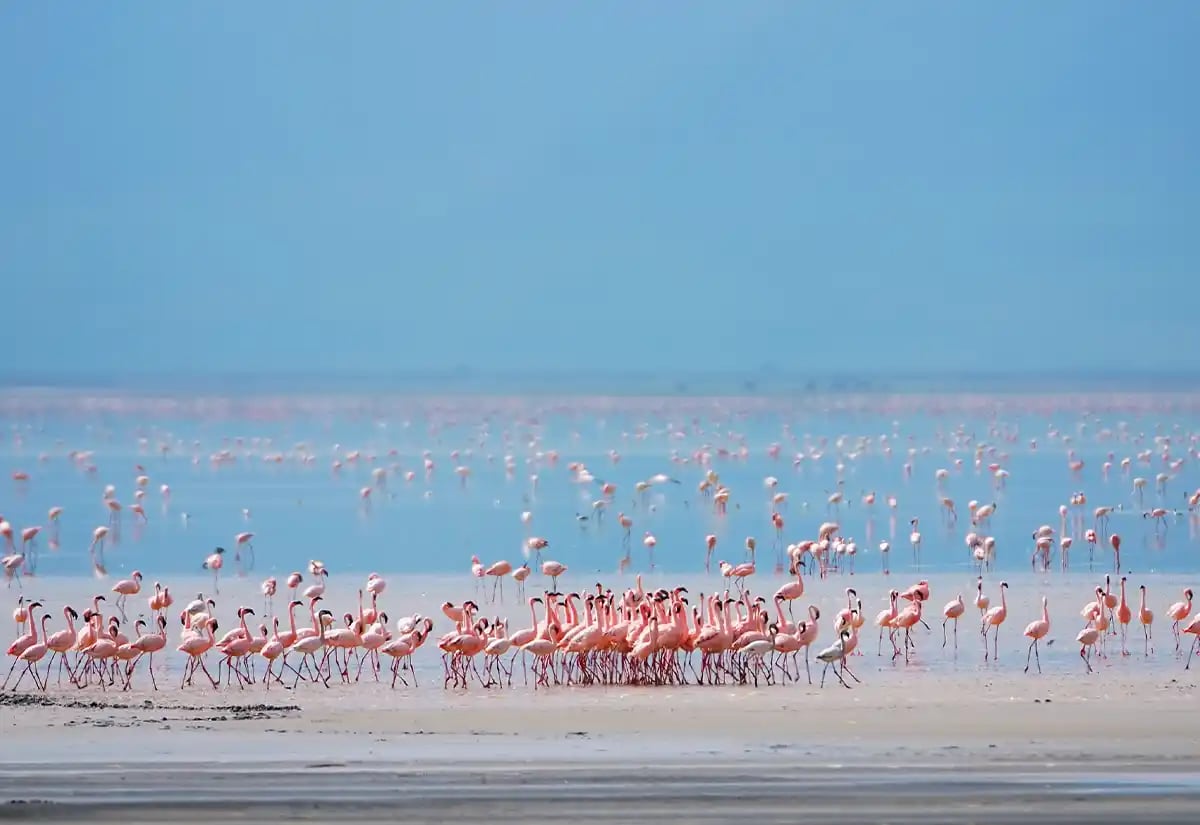
This is a prime time to witness the full spectacle of the Lake Manyara flamingo season, as large flocks wade through the shallows in brilliant pink displays. Wildlife may be harder to spot in the thick foliage, but nature lovers and photographers will find April enchanting. Few visitors venture here this month, so it’s perfect for a quiet, off-the-beaten-path escape.
+
Lake Manyara in May: Green, uncrowded, and great for birdwatching
Rainy Season
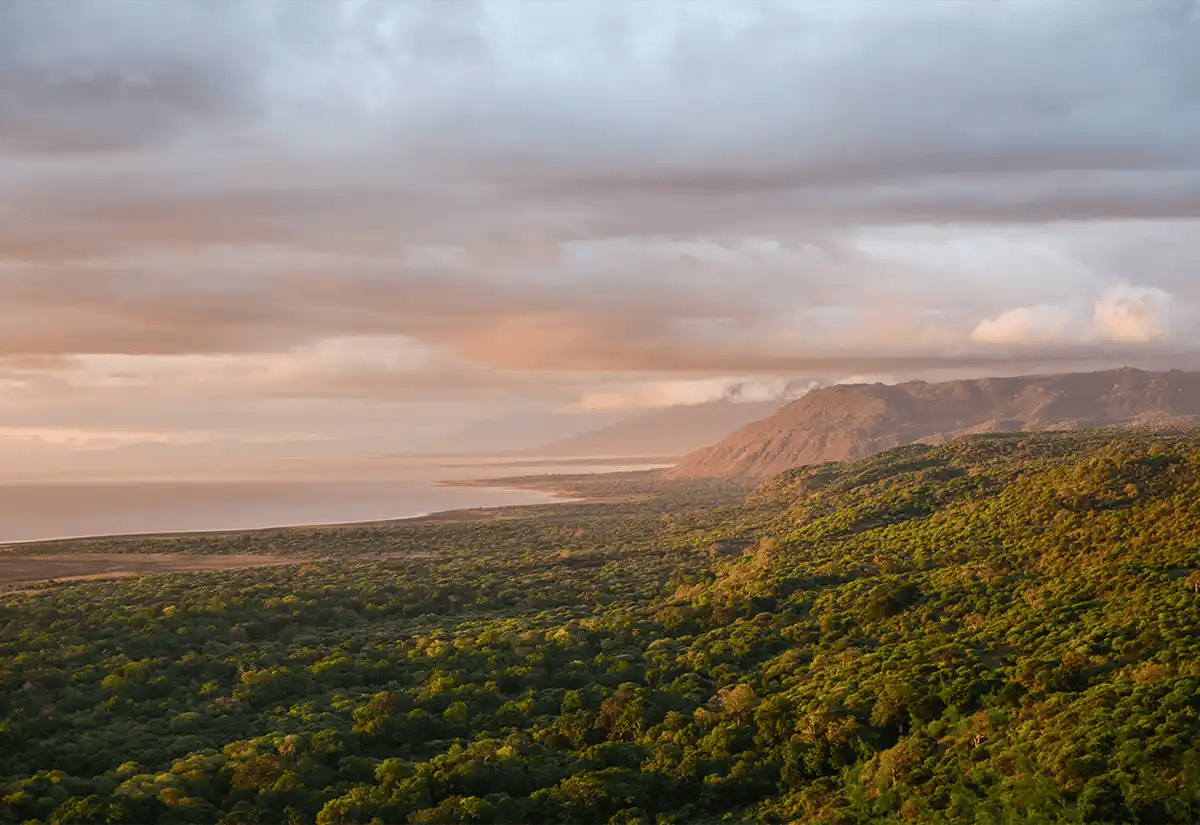
May signals the tail end of the long rain, with showers gradually becoming lighter and less frequent as the month progresses. The park remains vividly green, with dramatic skies and moody landscapes that make for incredible photography. Flamingos are still present along the lakeshore, and the birding is excellent throughout the park’s forests and floodplains.
While wildlife sightings may still be a bit more challenging due to thick vegetation, the peace and exclusivity of the park in May are unmatched. Fewer tourists mean better deals on Lake Manyara accommodations, making this a great option for adventurous travelers or honeymooners seeking privacy and beauty.
+
Lake Manyara in June: Start of dry season with strong wildlife sightings
Rainy Season
June ushers in the start of the dry season and is considered one of the best times to visit Lake Manyara. Skies are mostly clear, roads are dry, and animals begin to gather more reliably around water sources, improving visibility. The park’s famous tree-climbing lions are often easier to spot in the acacia trees, while elephants, giraffes, and buffalo are regularly seen grazing in open areas.
It’s a fantastic month for combining game drives with walking safaris or the Lake Manyara treetop walkway, thanks to comfortable temperatures and minimal rainfall. As safari season begins to ramp up, you’ll start to see more visitors, but crowds remain moderate.
+
Lake Manyara in July: Prime safari conditions and cool mornings
Sunny
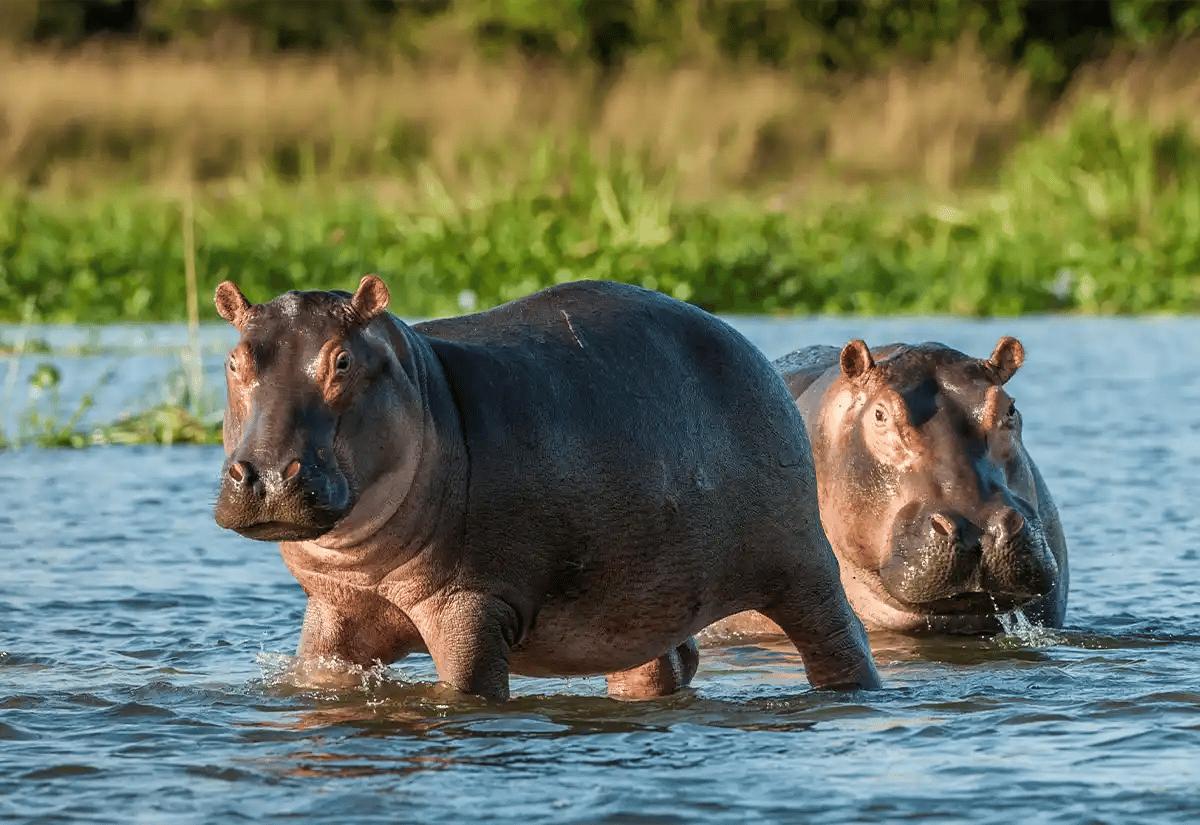
July is the ultimate dry season in Lake Manyara, with cool mornings, warm days, and virtually no rainfall—ideal conditions for safari. The landscape is drier and more open, making it easier to spot wildlife like elephants, hippos, impalas, and even leopards.
The lake may begin to recede slightly, but water levels still support flocks of flamingos and an incredible variety of birds. Thinner foliage makes it easier to spot the park’s elusive tree-climbing lions. July is also one of the most popular months for Tanzania travel, so expect more visitors and book your Lake Manyara National Park accommodation in advance.
+
Lake Manyara in August: Consistent wildlife and perfect weather
Sunny
August continues the dry season trend, with crisp mornings and long, sunny days. Wildlife sightings are consistent and rewarding, as animals concentrate near the lake and other reliable water sources. Flamingos may shift slightly based on lake conditions, but the birdlife remains spectacular.
With dry roads and comfortable weather, it’s a great month to enjoy night game drives and walking safaris, adding variety to your wildlife experiences. As a top month for international travelers, August can be busy, but Lake Manyara’s compact size means you can still enjoy an intimate safari—especially with early morning or late afternoon excursions.
+
Lake Manyara in September: Excellent animal viewing near water sources
Sunny
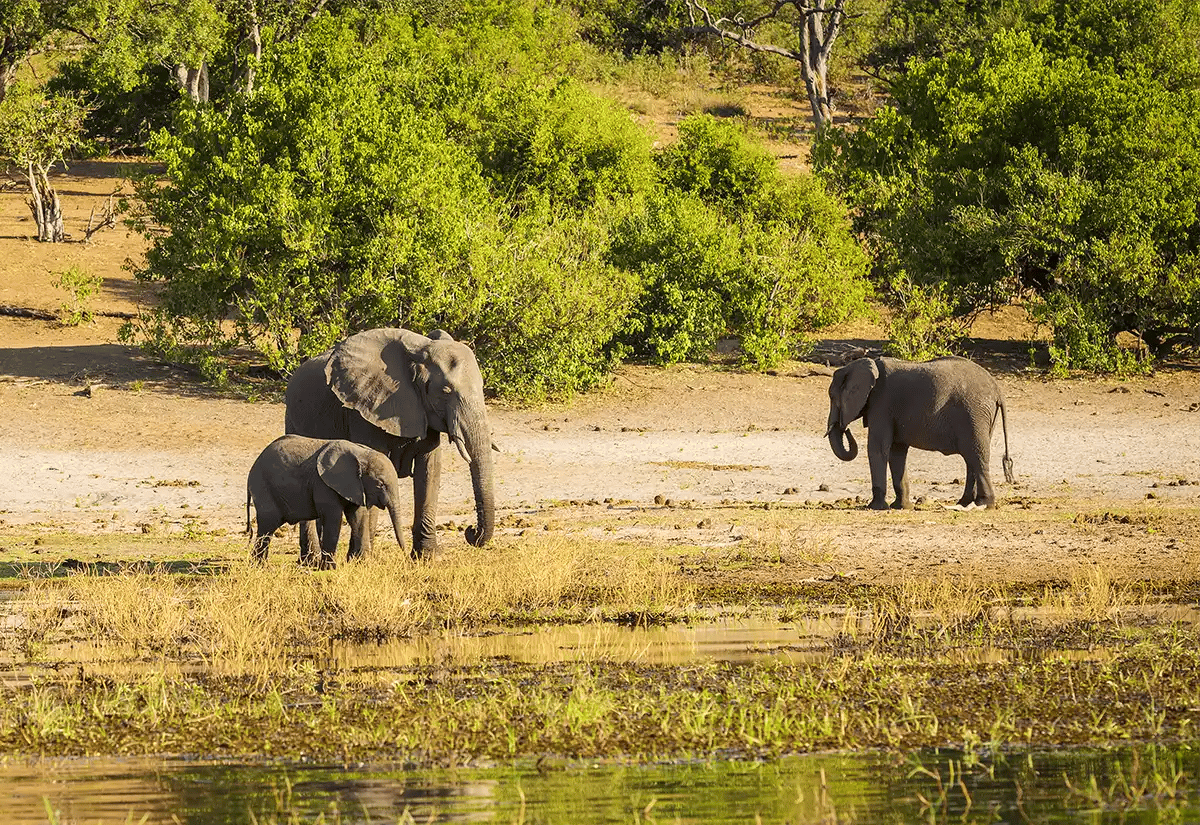
September is one of the driest and most rewarding months for a Lake Manyara safari. With vegetation sparse and animals drawn to the lake’s edge, game viewing is at its best. Elephants, buffalo, giraffes, and antelope are frequently spotted in the open, and the tree-climbing lions are often seen lounging in the trees. Although the lake’s water levels may be lower, birdlife is still abundant, with raptors and waterbirds active around the wetlands.
With warm, sunny days and cool nights, it’s a perfect time to enjoy bush meals, walking safaris, or the scenic treetop walkway. September also marks the end of peak season, so it’s slightly less crowded than July or August.
+
Lake Manyara in October: Flamingos return as rain begins
Rainy Season
October is a transitional month, with the dry season winding down and short rain on the horizon. Wildlife viewing remains excellent, as animals are still concentrated in the drier areas and are easier to spot. Flamingos may start to return in larger numbers as water levels begin to rise slightly, making this a good time for bird lovers to catch the early signs of the Lake Manyara flamingo season.
Temperatures begin to climb, but conditions are still ideal for game drives and outdoor activities. With fewer tourists than the mid-year peak, October offers a great balance of wildlife, comfort, and tranquility.
+
Lake Manyara in November: Birdlife thrives in the fresh, green landscape
Rainy Season
November marks the arrival of the short rain, bringing welcome relief to the parched landscape. Afternoon showers refresh the park, turning the plains green and rejuvenating wildlife activity. Flamingos begin to arrive in larger numbers, drawn by the rising water levels—an early glimpse of the full Lake Manyara flamingo season.
Birdwatchers will be thrilled with the return of migratory species, and the lush backdrop makes for stunning photography. While some days may be wet, the rain is usually short-lived and the park remains accessible. With fewer crowds and lower accommodation rates, November is ideal for travelers looking to avoid the peak season rush.
+
Lake Manyara in December: Scenic, festive, and full of flamingos
Rainy Season
December brings more consistent rain and a vibrant transformation across Lake Manyara National Park. The park is at its most scenic, with lush vegetation, dramatic cloudscapes, and flourishing birdlife. This is a magical time for photographers, especially with the increasing numbers of flamingos along the lakeshore and the dramatic contrast of green landscapes.
Wildlife may be more dispersed, but sightings of elephants, baboons, and blue monkeys are still common. Holiday travelers begin arriving mid-month, so early December offers a quieter atmosphere. It’s a lovely time to combine a safari with festive bush meals and a relaxing extension to Zanzibar or the coast.
+
Lake Manyara in January: A beautiful month for photography and game drives
Rainy Season
January falls within the short dry season, offering clear skies, warm temperatures, and excellent visibility for game viewing. The landscape is still green from the recent rain storms, making the park especially scenic. Wildlife congregates around permanent water sources, increasing the chances of spotting elephants, giraffes, and buffalo near the lake.
Birding is exceptional this time of year, with migratory species joining the resident birds—ideal for those seeking to take in the diversity of Lake Manyara birds. It’s also a great time to see the park's famous tree-climbing lions resting in the acacia trees. With fewer crowds than peak season, January offers a quieter, immersive safari experience.
Lake Manyara in February: Dry, sunny days ideal for the treetop walkway
Sunny
February continues the dry and sunny conditions, making it another excellent month for wildlife viewing. Large herds of herbivores like impala and zebra are easier to spot as vegetation thins slightly. The flamingos often begin to return in greater numbers, kicking off the famous flamingo season in Lake Manyara, though their presence varies with water levels.
With the warm weather and good road conditions, this is a great month for outdoor activities like the Lake Manyara treetop walkway and even bush meals with sweeping Rift Valley views. February also sees low to moderate tourist numbers, so travelers can enjoy the park’s beauty without heavy crowds.
Lake Manyara in March: Lush and quiet with excellent birdlife
Rainy Season
March marks the beginning of the long rainy season, bringing dramatic afternoon showers and cooler temperatures. The park transforms into a lush, green paradise, and the lake begins to swell with fresh rainwater—an inviting sign for the return of thousands of flamingos. Birding remains exceptional, with both migratory and resident species thriving in the vibrant wetlands.
While some animals retreat deeper into the bush, sightings of baboons, blue monkeys, and elephants are still common. Trails may be muddier, but this is a beautiful time for photography and a peaceful visit with few other tourists. Lodge rates are often lower, making March ideal for travelers seeking beauty and solitude.
Lake Manyara in April: Peak flamingo season as the lake fills
Rainy Season
April is the wettest month in Lake Manyara, with heavy rain feeding the lake and bringing the landscape to its greenest. It’s not the best time for traditional game drives, as some areas may be inaccessible due to flooding or slippery roads, but the park’s birdlife is at its peak.
This is a prime time to witness the full spectacle of the Lake Manyara flamingo season, as large flocks wade through the shallows in brilliant pink displays. Wildlife may be harder to spot in the thick foliage, but nature lovers and photographers will find April enchanting. Few visitors venture here this month, so it’s perfect for a quiet, off-the-beaten-path escape.
Lake Manyara in May: Green, uncrowded, and great for birdwatching
Rainy Season
May signals the tail end of the long rain, with showers gradually becoming lighter and less frequent as the month progresses. The park remains vividly green, with dramatic skies and moody landscapes that make for incredible photography. Flamingos are still present along the lakeshore, and the birding is excellent throughout the park’s forests and floodplains.
While wildlife sightings may still be a bit more challenging due to thick vegetation, the peace and exclusivity of the park in May are unmatched. Fewer tourists mean better deals on Lake Manyara accommodations, making this a great option for adventurous travelers or honeymooners seeking privacy and beauty.
Lake Manyara in June: Start of dry season with strong wildlife sightings
Rainy Season
June ushers in the start of the dry season and is considered one of the best times to visit Lake Manyara. Skies are mostly clear, roads are dry, and animals begin to gather more reliably around water sources, improving visibility. The park’s famous tree-climbing lions are often easier to spot in the acacia trees, while elephants, giraffes, and buffalo are regularly seen grazing in open areas.
It’s a fantastic month for combining game drives with walking safaris or the Lake Manyara treetop walkway, thanks to comfortable temperatures and minimal rainfall. As safari season begins to ramp up, you’ll start to see more visitors, but crowds remain moderate.
Lake Manyara in July: Prime safari conditions and cool mornings
Sunny
July is the ultimate dry season in Lake Manyara, with cool mornings, warm days, and virtually no rainfall—ideal conditions for safari. The landscape is drier and more open, making it easier to spot wildlife like elephants, hippos, impalas, and even leopards.
The lake may begin to recede slightly, but water levels still support flocks of flamingos and an incredible variety of birds. Thinner foliage makes it easier to spot the park’s elusive tree-climbing lions. July is also one of the most popular months for Tanzania travel, so expect more visitors and book your Lake Manyara National Park accommodation in advance.
Lake Manyara in August: Consistent wildlife and perfect weather
Sunny
August continues the dry season trend, with crisp mornings and long, sunny days. Wildlife sightings are consistent and rewarding, as animals concentrate near the lake and other reliable water sources. Flamingos may shift slightly based on lake conditions, but the birdlife remains spectacular.
With dry roads and comfortable weather, it’s a great month to enjoy night game drives and walking safaris, adding variety to your wildlife experiences. As a top month for international travelers, August can be busy, but Lake Manyara’s compact size means you can still enjoy an intimate safari—especially with early morning or late afternoon excursions.
Lake Manyara in September: Excellent animal viewing near water sources
Sunny
September is one of the driest and most rewarding months for a Lake Manyara safari. With vegetation sparse and animals drawn to the lake’s edge, game viewing is at its best. Elephants, buffalo, giraffes, and antelope are frequently spotted in the open, and the tree-climbing lions are often seen lounging in the trees. Although the lake’s water levels may be lower, birdlife is still abundant, with raptors and waterbirds active around the wetlands.
With warm, sunny days and cool nights, it’s a perfect time to enjoy bush meals, walking safaris, or the scenic treetop walkway. September also marks the end of peak season, so it’s slightly less crowded than July or August.
Lake Manyara in October: Flamingos return as rain begins
Rainy Season
October is a transitional month, with the dry season winding down and short rain on the horizon. Wildlife viewing remains excellent, as animals are still concentrated in the drier areas and are easier to spot. Flamingos may start to return in larger numbers as water levels begin to rise slightly, making this a good time for bird lovers to catch the early signs of the Lake Manyara flamingo season.
Temperatures begin to climb, but conditions are still ideal for game drives and outdoor activities. With fewer tourists than the mid-year peak, October offers a great balance of wildlife, comfort, and tranquility.
Lake Manyara in November: Birdlife thrives in the fresh, green landscape
Rainy Season
November marks the arrival of the short rain, bringing welcome relief to the parched landscape. Afternoon showers refresh the park, turning the plains green and rejuvenating wildlife activity. Flamingos begin to arrive in larger numbers, drawn by the rising water levels—an early glimpse of the full Lake Manyara flamingo season.
Birdwatchers will be thrilled with the return of migratory species, and the lush backdrop makes for stunning photography. While some days may be wet, the rain is usually short-lived and the park remains accessible. With fewer crowds and lower accommodation rates, November is ideal for travelers looking to avoid the peak season rush.
Lake Manyara in December: Scenic, festive, and full of flamingos
Rainy Season
December brings more consistent rain and a vibrant transformation across Lake Manyara National Park. The park is at its most scenic, with lush vegetation, dramatic cloudscapes, and flourishing birdlife. This is a magical time for photographers, especially with the increasing numbers of flamingos along the lakeshore and the dramatic contrast of green landscapes.
Wildlife may be more dispersed, but sightings of elephants, baboons, and blue monkeys are still common. Holiday travelers begin arriving mid-month, so early December offers a quieter atmosphere. It’s a lovely time to combine a safari with festive bush meals and a relaxing extension to Zanzibar or the coast.
+
+
+
+
+
+
+
+
+
+
+
+

Lake Manyara Wildlife
With lush groundwater forests, open plains, and lakefront wetlands, Lake Manyara National Park provides rich, varied habitats that support an impressive range of wildlife.
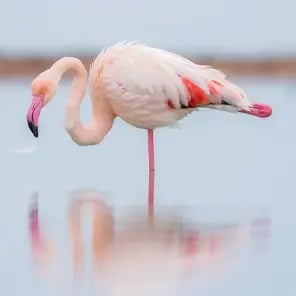
Flamingos
During Lake Manyara’s flamingo season, you can expect to see huge flocks gathering and coloring the lake pink.
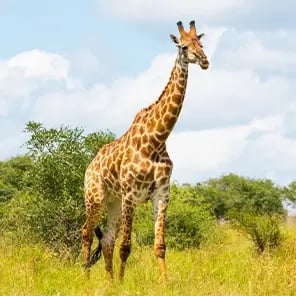
Giraffes
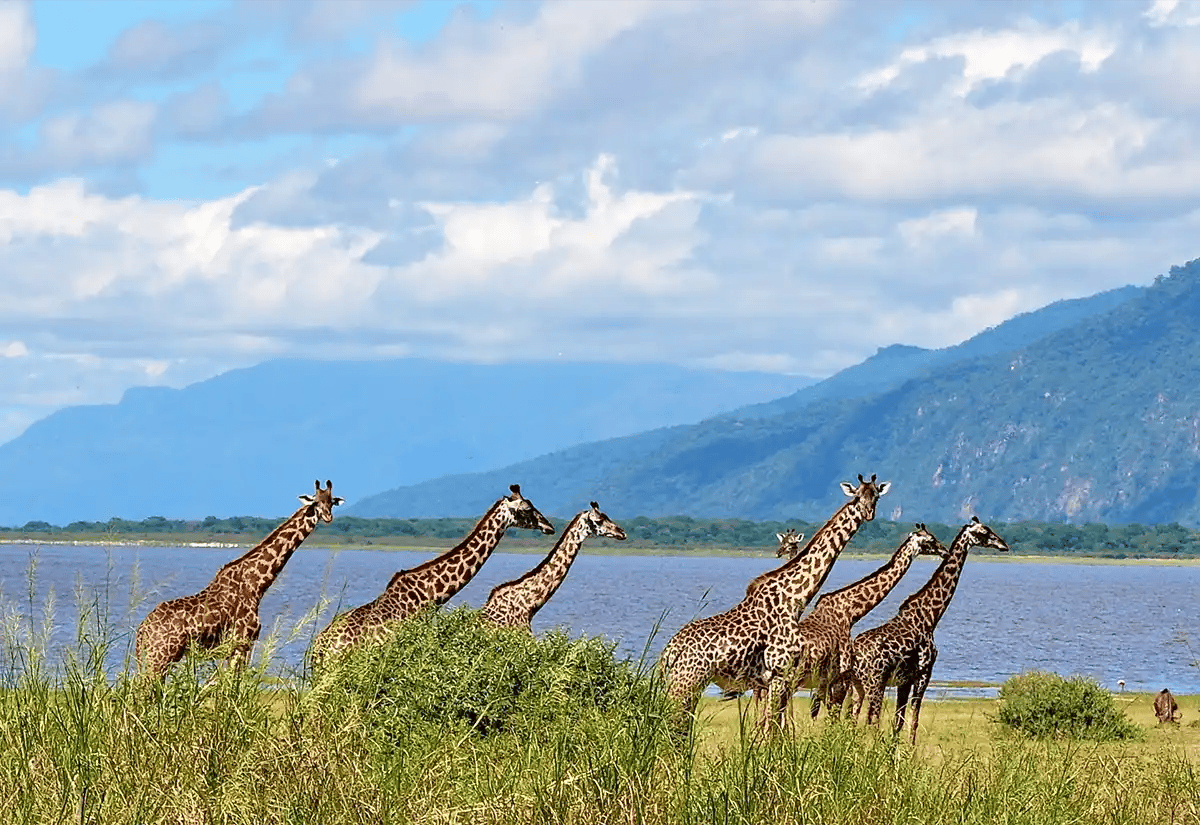
Graceful and towering, giraffes glide across the savannah, nibbling treetops as they roam in small herds.
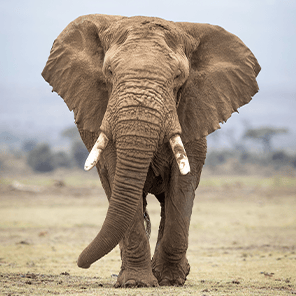
Elephants
Lake Manyara’s forests offer a peaceful haven for elephants, often seen moving through the trees or near the lake.
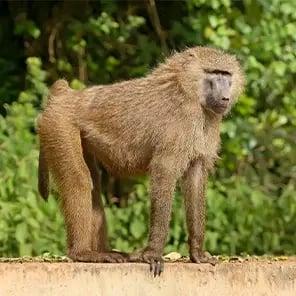
Baboons
Known for large, social troops, baboons are a common and entertaining sight across the park’s diverse terrain.
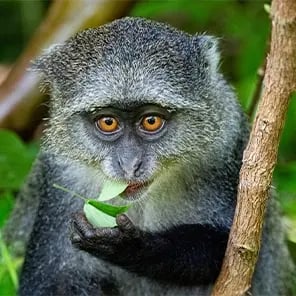
Blue Monkeys
Often spotted in forested areas, these playful primates leap through trees with incredible agility and speed.
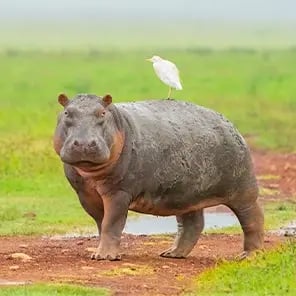
Hippos
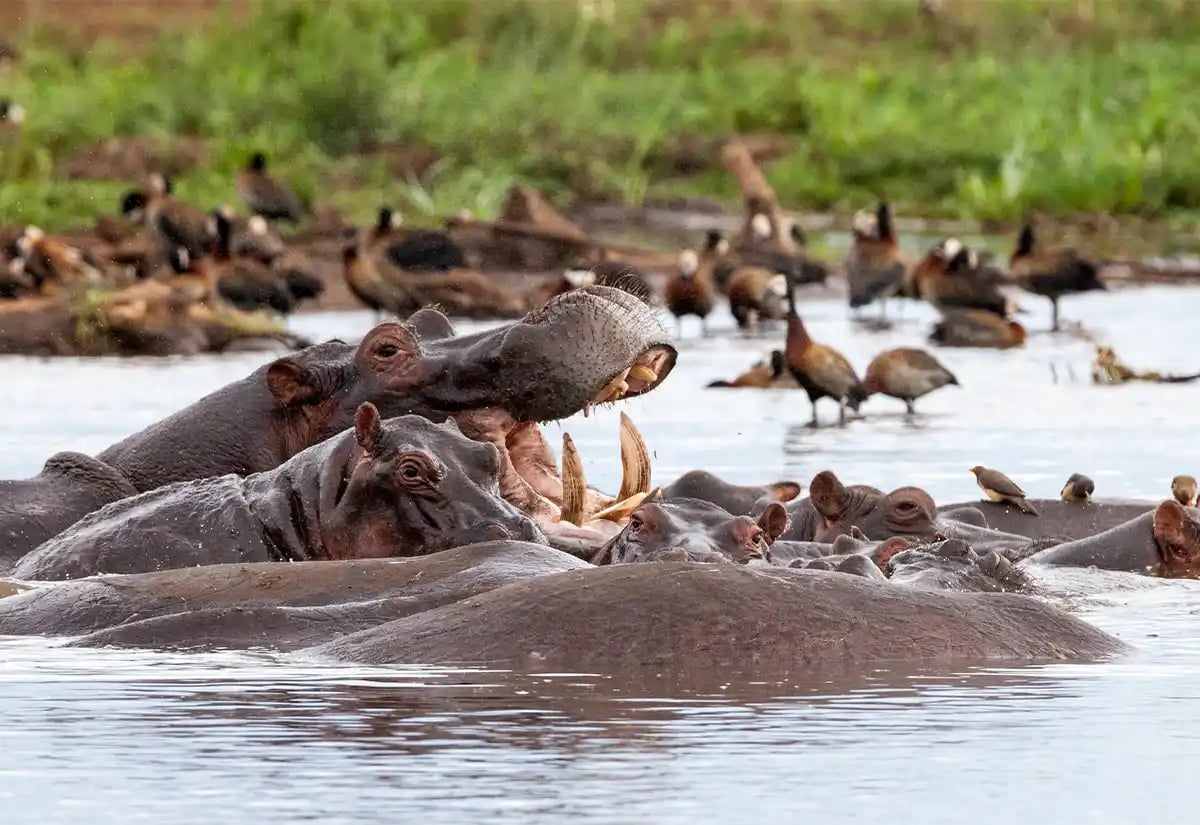
Hippos wallow in the park’s pools and rivers, emerging at dusk to graze—an unforgettable sight on a night game drive.
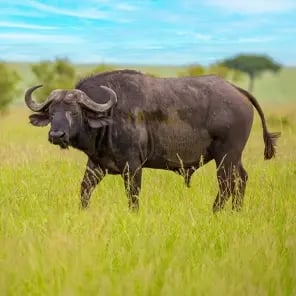
Buffalo
Massive and powerful, buffalo roam the grasslands in groups, often found near the water’s edge or in open clearings.
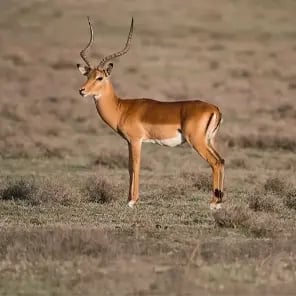
Impala
These elegant antelope move in large herds, quick and alert, perfectly adapted to the park’s woodlands and plains.
Flamingos
During Lake Manyara’s flamingo season, you can expect to see huge flocks gathering and coloring the lake pink.
Giraffes
Graceful and towering, giraffes glide across the savannah, nibbling treetops as they roam in small herds.
Elephants
Lake Manyara’s forests offer a peaceful haven for elephants, often seen moving through the trees or near the lake.
Baboons
Known for large, social troops, baboons are a common and entertaining sight across the park’s diverse terrain.
Blue Monkeys
Often spotted in forested areas, these playful primates leap through trees with incredible agility and speed.
Hippos
Hippos wallow in the park’s pools and rivers, emerging at dusk to graze—an unforgettable sight on a night game drive.
Buffalo
Massive and powerful, buffalo roam the grasslands in groups, often found near the water’s edge or in open clearings.
Impala
These elegant antelope move in large herds, quick and alert, perfectly adapted to the park’s woodlands and plains.
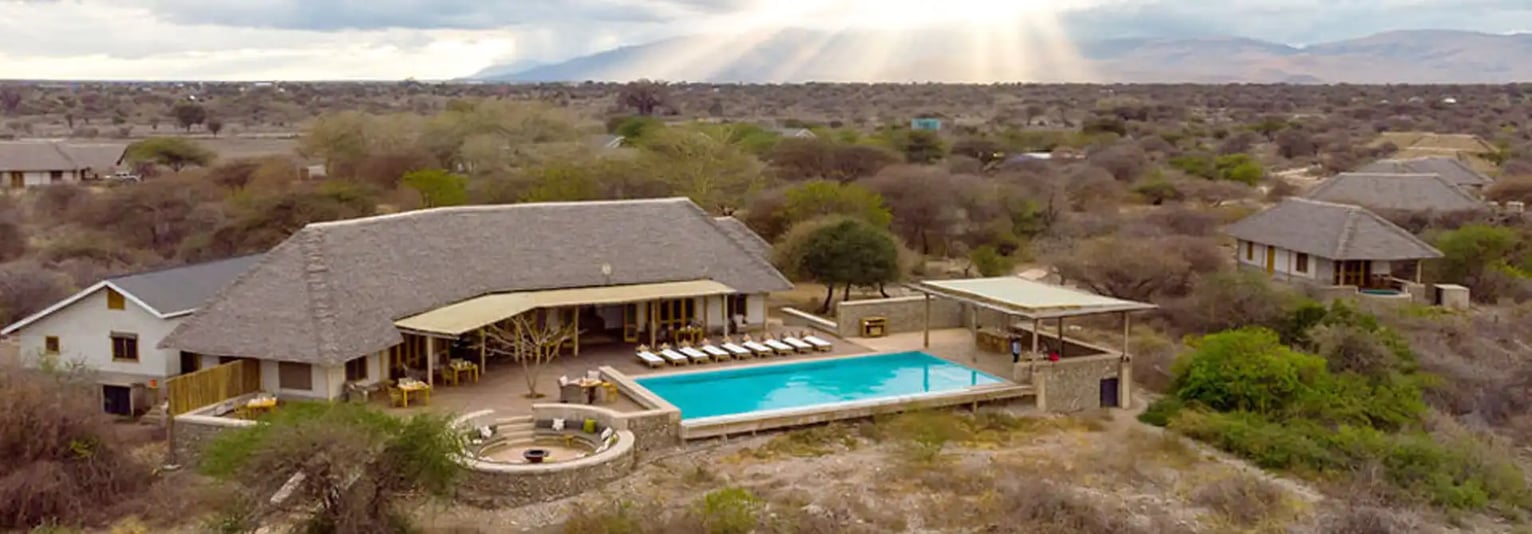
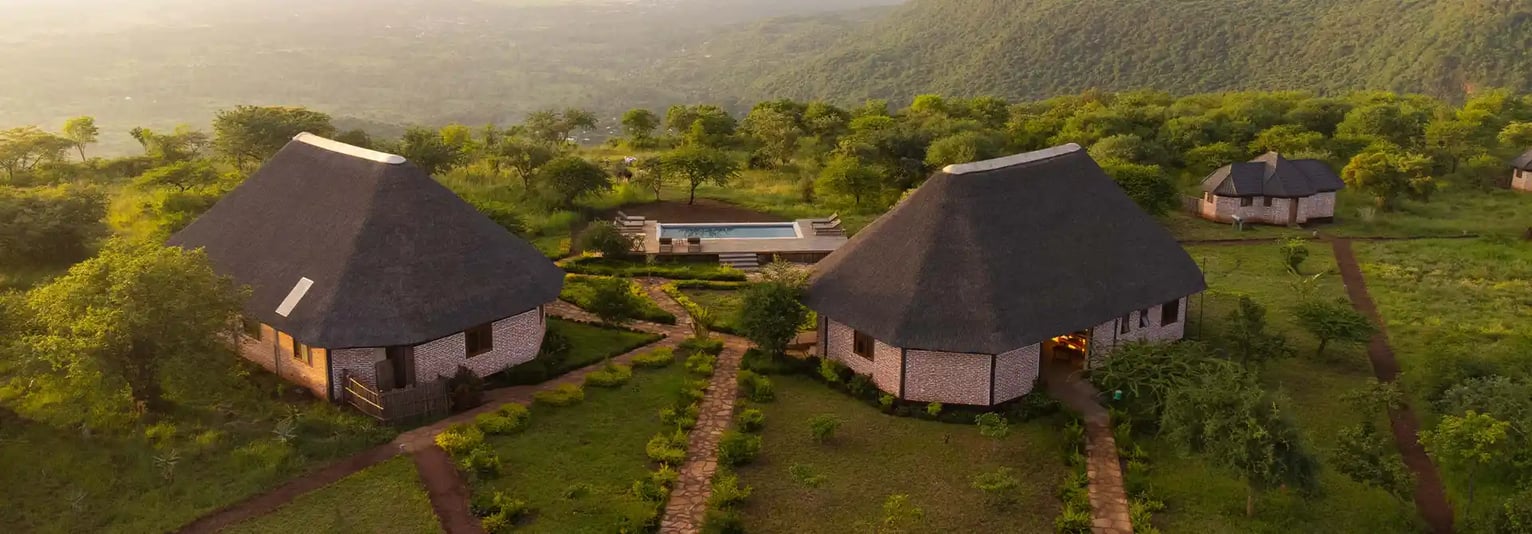
Lake Manyara Accommodations
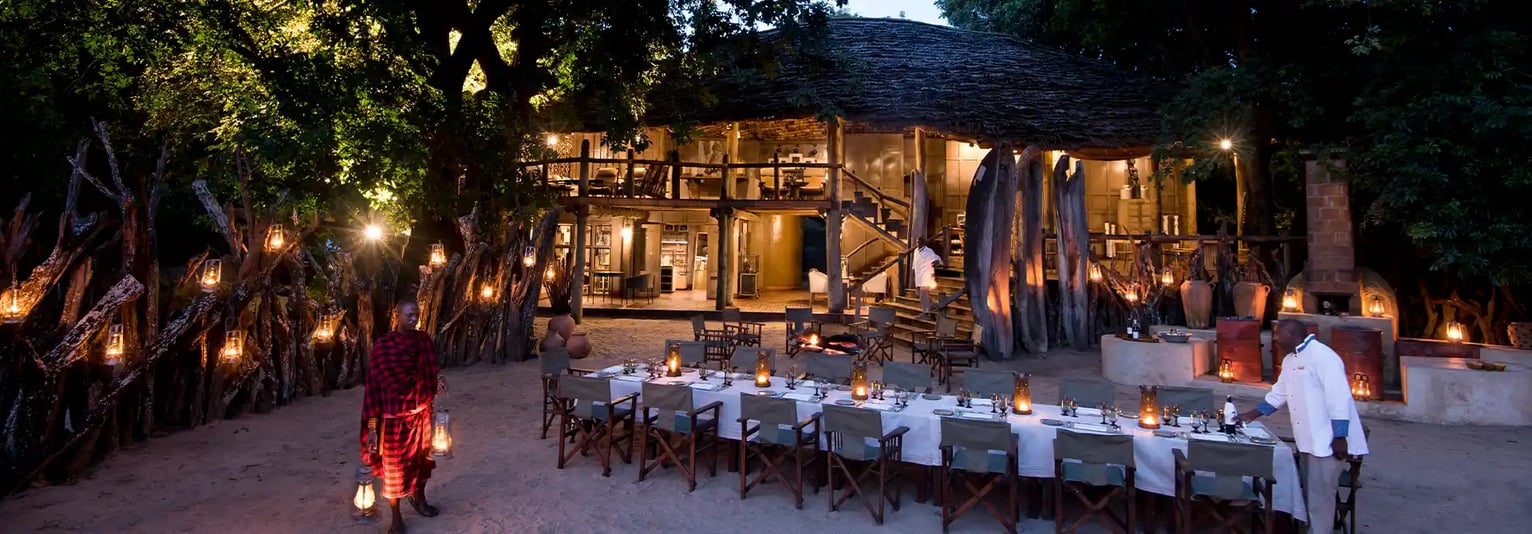
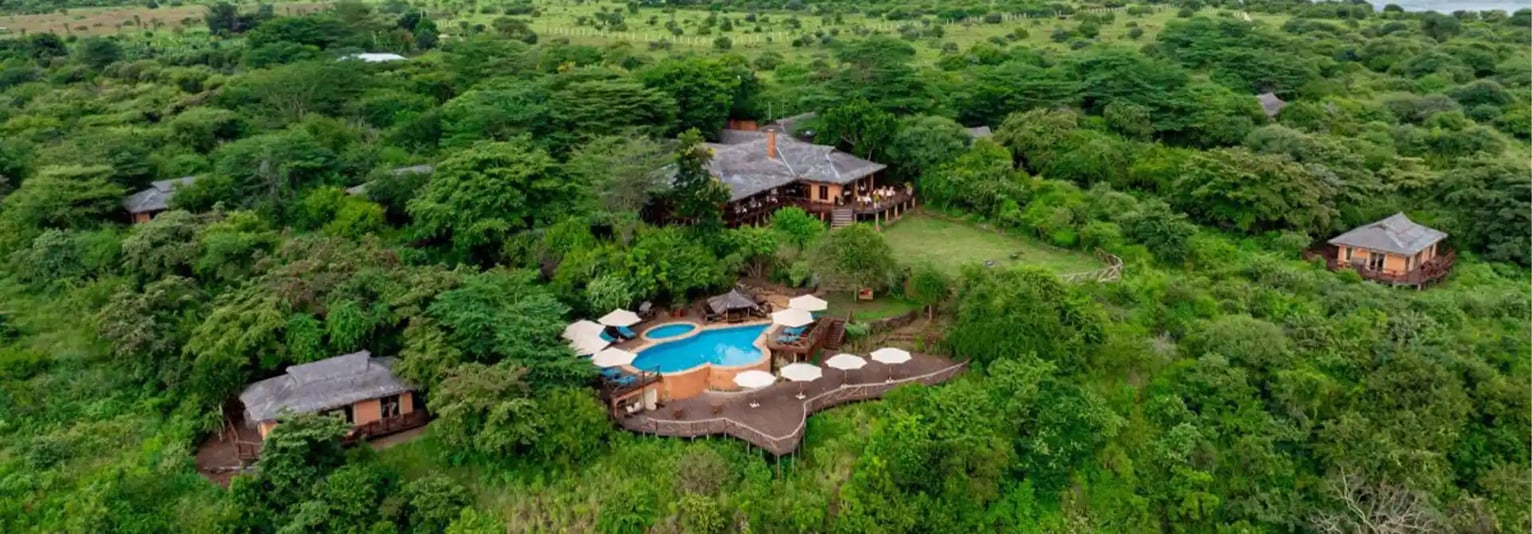
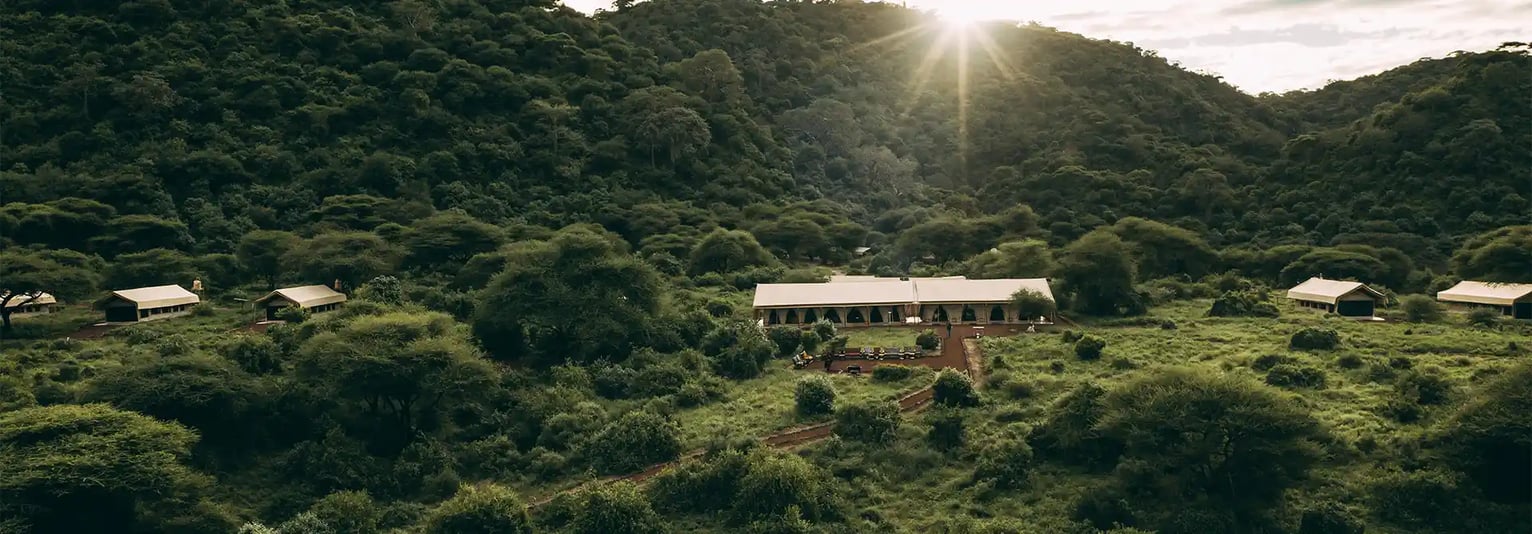
From luxury wildlife lodges to scenic tented stays, Lake Manyara National Park hotel and lodge options offer comfort in the heart of nature.

Lake Manyara Tree...

Escarpment Luxury...

Lake Manyara...

Manyara's Secret

Mandhari Lodge


Lake Manyara and Tanzania Safaris
Most Popular
.png?width=296&height=70&name=Pattern%20(2).png)
$1,350 (2pax) USD
12 Days Serengeti Lions and Wildebeest Migration Safari

98 people viewing now
Best Seller
$3,001 (2pax) USD
Days Serengeti Lions and Wildebeest Migration Safari
118 people viewing now
Most Popular
$1,400 (2pax) USD
A Days Serengeti Lions and Wildebeest Migration Safari
21 people viewing now
Most Popular
$1,350 (2pax) USD
12 Days Serengeti Lions and Wildebeest Migration Safari
97 people viewing now
Best Seller
$3,001 (2pax) USD
Days Serengeti Lions and Wildebeest Migration Safari
54 people viewing now
Most Popular
$1,400 (2pax) USD
A Days Serengeti Lions and Wildebeest Migration Safari
93 people viewing now
Most Popular
$1,350 (2pax) USD
12 Days Serengeti Lions and Wildebeest Migration Safari
78 people viewing now
Best Seller
$3,001 (2pax) USD
Days Serengeti Lions and Wildebeest Migration Safari
10 people viewing now
Best Seller
$3,001 (2pax) USD
Days Serengeti Lions and Wildebeest Migration Safari
48 people viewing now
Best Seller
$3,001 (2pax) USD
Days Serengeti Lions and Wildebeest Migration Safari
116 people viewing now
Best Seller
$3,001 (2pax) USD
Days Serengeti Lions and Wildebeest Migration Safari
90 people viewing now
Most Popular
$1,400 (2pax) USD
A Days Serengeti Lions and Wildebeest Migration Safari
41 people viewing now
Whatever your dream safari looks like, we’re here to make it happen. From Lake Manyara and beyond, let’s start building your itinerary.

Most Popular
$1,350 (2pax) USD
12 Days Serengeti Lions and Wildebeest Migration Safari
25 people viewing now
Best Seller
$3,001 (2pax) USD
Days Serengeti Lions and Wildebeest Migration Safari
113 people viewing now
Most Popular
$1,400 (2pax) USD
A Days Serengeti Lions and Wildebeest Migration Safari
96 people viewing now
Most Popular
$1,350 (2pax) USD
12 Days Serengeti Lions and Wildebeest Migration Safari
77 people viewing now
Best Seller
$3,001 (2pax) USD
Days Serengeti Lions and Wildebeest Migration Safari
78 people viewing now
Most Popular
$1,400 (2pax) USD
A Days Serengeti Lions and Wildebeest Migration Safari
97 people viewing now
Most Popular
$1,350 (2pax) USD
12 Days Serengeti Lions and Wildebeest Migration Safari
104 people viewing now
Best Seller
$3,001 (2pax) USD
Days Serengeti Lions and Wildebeest Migration Safari
119 people viewing now
Best Seller
$3,001 (2pax) USD
Days Serengeti Lions and Wildebeest Migration Safari
69 people viewing now
Best Seller
$3,001 (2pax) USD
Days Serengeti Lions and Wildebeest Migration Safari
49 people viewing now
Best Seller
$3,001 (2pax) USD
Days Serengeti Lions and Wildebeest Migration Safari
36 people viewing now
Most Popular
$1,400 (2pax) USD
A Days Serengeti Lions and Wildebeest Migration Safari
42 people viewing now
Whatever your dream safari looks like, we’re here to make it happen. From Lake Manyara and beyond, let’s start building your itinerary.
Frequently Asked Questions

Still have questions?
Contact Us, we are more than happy to help!
Where is Lake Manyara National Park?
Lake Manyara National Park is in northern Tanzania, nestled at the base of the Great Rift Valley escarpment. It lies about 126 km from Arusha and is easily accessible by road or flight via the Lake Manyara airstrip. The park is often included in northern circuit itineraries alongside Ngorongoro Crater and Serengeti.
Is there a Lake Manyara National Park entrance fee?
Yes, there is a Lake Manyara National Park entrance fee charged by Tanzania National Parks (TANAPA). Fees vary depending on nationality and age, with discounted rates for children. Your Easy Travel consultant will include park fees in your safari package or advise on the current rates.
The funds collected are vital for conservation efforts, park maintenance, and supporting local community projects. Fees are reinvested to ensure the park’s ecological integrity and facilitate wildlife research.
What is the Lake Manyara Treetop Walkway?
The Lake Manyara treetop walkway is a 370-meter suspended bridge walk through the forest canopy. It’s one of the longest of its kind in East Africa and offers a unique, bird’s-eye view of the lush forest and its wildlife—including monkeys, butterflies, and birds.
What is the best time to visit Lake Manyara?
The best time to visit Lake Manyara National Park depends on your interests. For dry-season game viewing, visit between June and October. If you want to see flamingos in large numbers, the flamingo season in Lake Manyara generally occurs during the wet months from November to June, when the lake fills with water.
What are Lake Manyara’s tree-climbing lions?
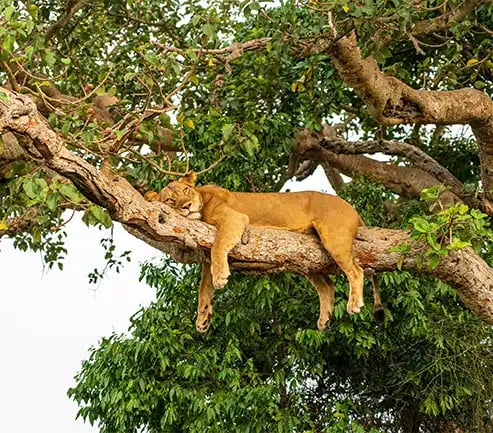
Tree-climbing lions in Lake Manyara are one of the park’s most unique attractions. While most lions stay on the ground, Manyara’s lions often rest in acacia trees—a rare and fascinating behavior that’s puzzled researchers and delights visitors. Sightings are more likely during the dry season when the park’s vegetation is less dense.
Where should I stay when visiting Lake Manyara?
There are many Lake Manyara accommodation options, from luxury tented camps and eco-lodges to mid-range hotels. Some are located inside the park, while others are nearby with easy access.
What birds can I see in Lake Manyara?
Lake Manyara birds are incredibly diverse, with hundreds of recorded species. You can spot flamingos, pelicans, hornbills, storks, kingfishers, and raptors. The lake’s wetlands and forests make it one of the best birding spots in Tanzania.
Can I do a walking safari or night game drive in Lake Manyara?
Yes! You can enjoy walking safaris in Lake Manyara, led by guides who teach you about tracks, plants, and smaller animals. Unlike many other national parks in Tanzania, Lake Manyara National Park offers the unique experience of night game drives. They offer a rare chance to see nocturnal species like bush babies, genets, and possibly leopards. It’s important to arrange these drives as part of your visit since private vehicles are not allowed for night safaris.
How many days should I spend in Lake Manyara National Park?
A one to two-day stay is usually sufficient to explore Lake Manyara National Park, given its relatively small size. This allows visitors to enjoy a full-day game drive, observe the flamingos, and potentially see the tree-climbing lions and other bird and mammal species. Extending your stay another day can add depth to your visit, providing more time for cultural experiences, canopy walks, and leisure to enjoy the tranquil surroundings.
Is Lake Manyara National Park suitable for a family safari?
Lake Manyara National Park is an excellent spot for a family safari due to its compact size and the variety of wildlife and activities suitable for all ages. Children can marvel at flamingos, watch troops of baboons, and learn about the ecosystem through guided nature walks. The park’s proximity to Arusha and other Northern Circuit attractions makes it a convenient stop for families exploring Tanzania. Special family-friendly accommodations also ensure a comfortable and memorable stay.
Still have questions?
Contact Us, we are more than happy to help!
Explore Our Latest Articles
3.06.2025
23 Min Read
Kendwa Beach rests on Zanzibar Island. The beach is known far and wide because it is gorgeous. The sand on the beach is...

3.06.2025
23 Min Read
Kendwa Beach rests on Zanzibar Island. The beach is known far and wide because it is gorgeous. The...
Find Out Which Safari Tour Is Right For You
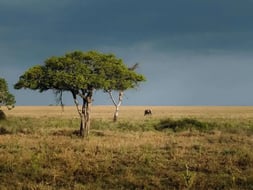
Want to combine your Lake Manyara safari with a visit to Tanzania’s other iconic parks, lakes, mountains, or beaches? Take a short quiz to see which spots we recommend.
More Tanzania Destinations To Visit
This is a park

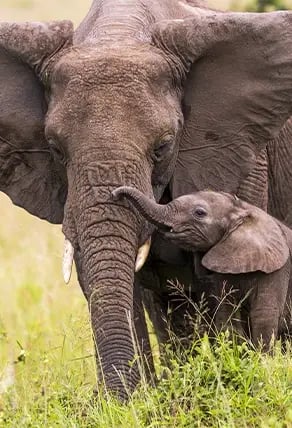


Tarangire...
Just a short drive from Lake Manyara, Tarangire National Park is known for elephants, baobabs, and seasonal game...
This is a park
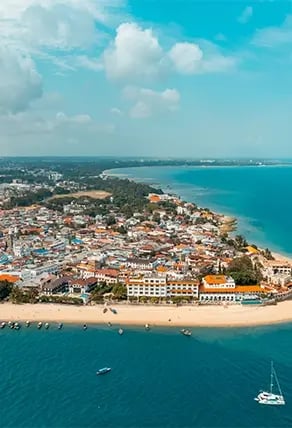


Zanzibar
After your Lake Manyara safari, unwind in Zanzibar—a tropical island paradise with white sand beaches and rich culture.
This is a park
-svg.svg)
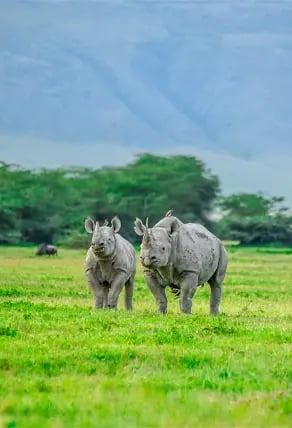


Ngorongoro
A UNESCO-listed volcanic crater near Lake Manyara that is home to rich wildlife, Maasai culture, and incredible scenery.
This is a park



Serengeti...
North of Lake Manyara, Tanzania’s iconic safari destination is known for the Great Migration and big cats.