

.svg "Style-Guide (1)")


.svg)


Kendwa Beach rests on Zanzibar Island. The beach is known far and wide because it is gorgeous. The...






Arusha National Park
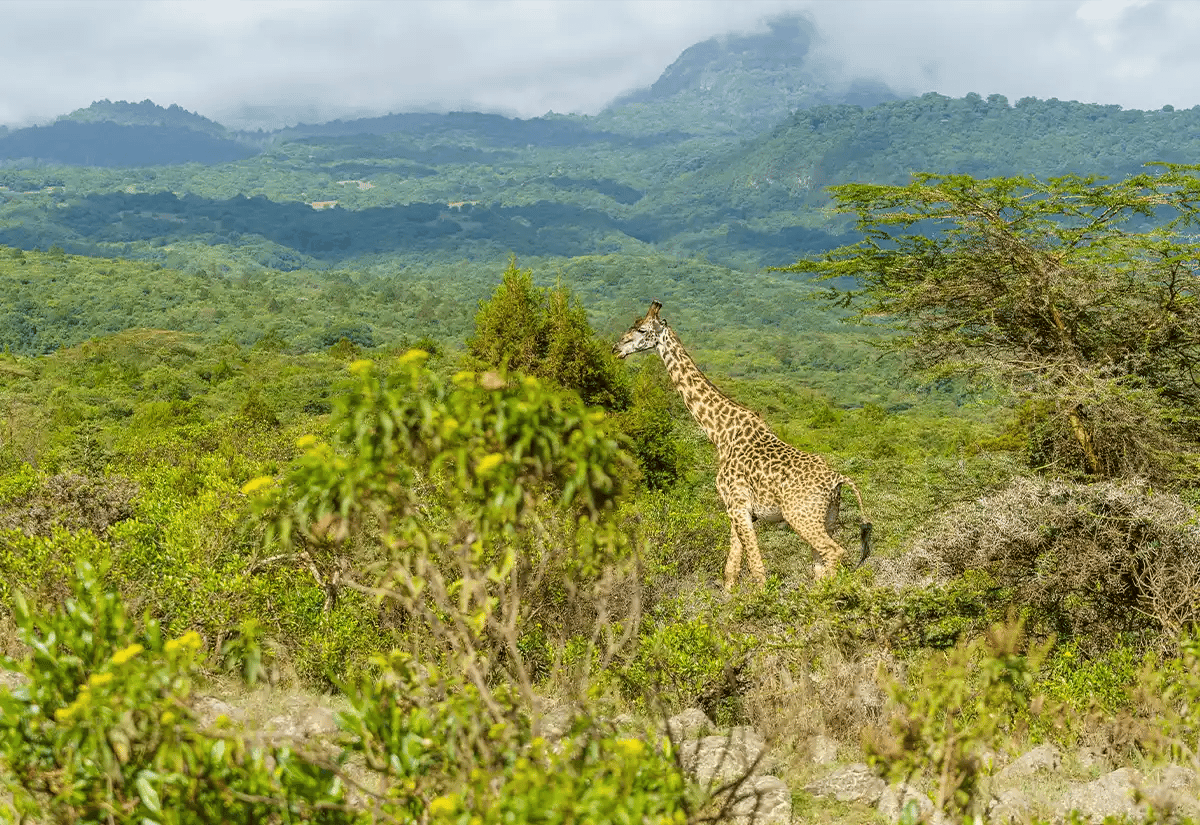
Arusha National Park, Tanzania, is just a one hour drive from Arusha town and Moshi. Home to Mount Meru and the country’s largest giraffe population, it’s a uniquely enticing safari location.

Endorsed by ATTA

Featured in National Geographic

BBC Wildlife

Rated Excellent by Trip Advisor
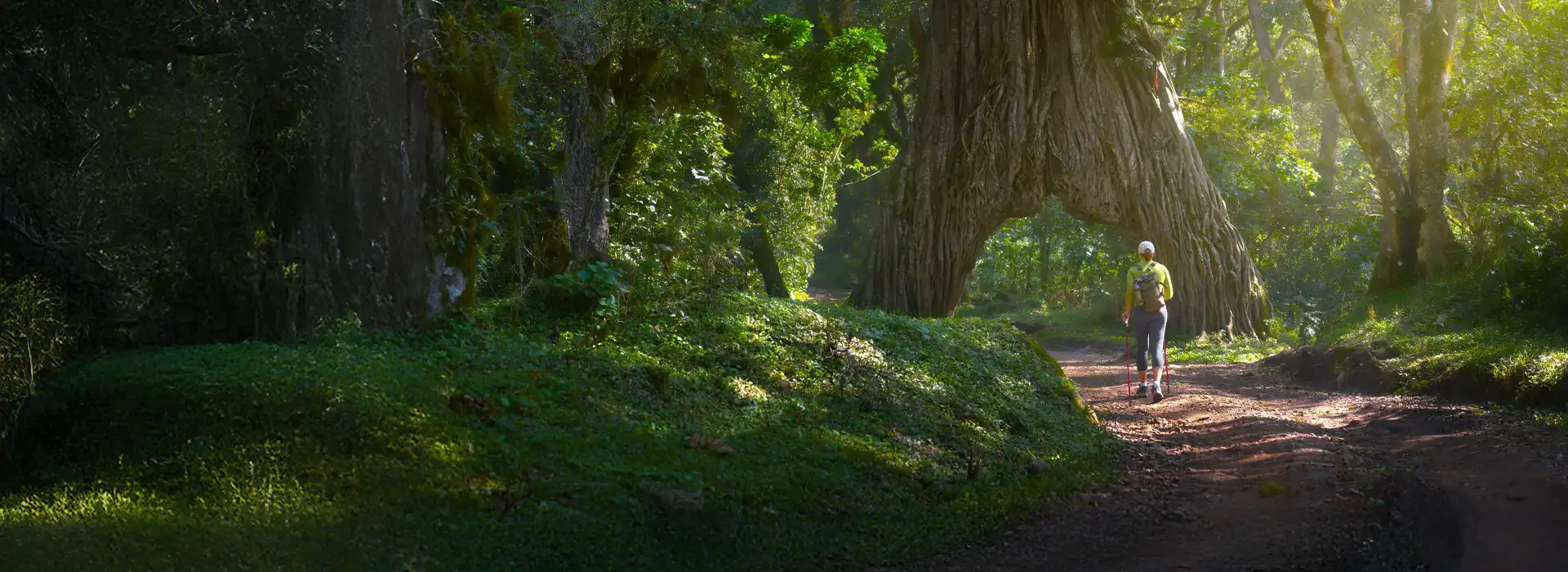
Arusha National Park
Arusha National Park, Tanzania, is just a one hour drive from Arusha town and Moshi. Home to Mount Meru and the country’s largest giraffe population, it’s a uniquely enticing safari location.
Endorsed by ATTA
Featured in National Geographic
BBC Wildlife
Rated Excellent by Trip Advisor
Arusha National Park Tour Activities
From classic walking safaris to out-of-the-ordinary canoe excursions, Arusha National Park offers experiences for all travelers.
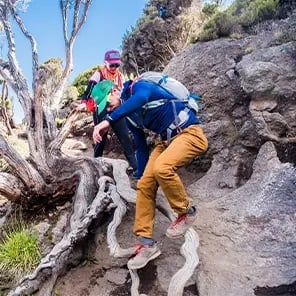

Hiking & Trekking
Explore scenic trails through lush forests, volcanic craters, and breathtaking mountain vistas. Trek to the summit of Mount Meru for an adventure that rewards you with stunning views—perfect for nature lovers and thrill-seekers...
Canoeing & Kayaking
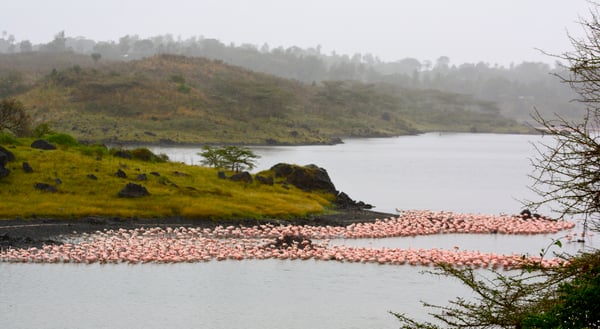
Take advantage of the only canoeing safaris found in the Northern Circuit and paddle across the tranquil Momella Lakes. Glide past graceful flamingos, spot hippos, and soak in the serenity of Arusha National Park from a...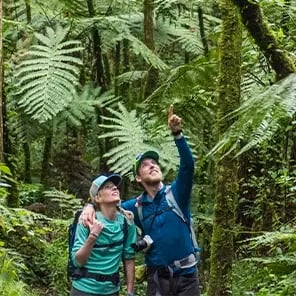
Walking Safari & Nature Walks
Step into the wild on an Arusha National Park walking safari or guided nature walk. Immerse yourself in the sights, sounds, and scents of the bush, encountering giraffes, zebras, and other wildlife up close in their...
Cultural Activities
Connect with local traditions by visiting nearby Maasai villages and learning about Tanzania’s rich heritage. Engage with the warm, vibrant culture through storytelling, crafts, and traditional dances for a truly immersive...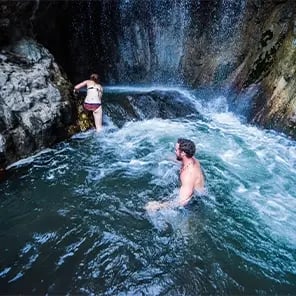
Waterfalls
If you want to see a stunning waterfall, Arusha National Park is a great spot to visit. Marvel at the beauty of cascading waterfalls as these serene oases offer perfect spots for relaxation, photography, and a refreshing retreat into...
Cycling
Pedal through scenic landscapes on a thrilling cycling tour. Ride past open savannahs, forests, and crater edges while spotting wildlife along the way. It’s a perfect activity for adventurers and eco-tourism enthusiasts.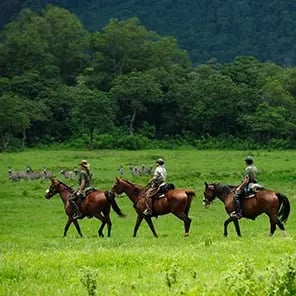
Horse Riding
Experience the thrill of exploring the park on horseback. Traverse diverse terrains and enjoy close encounters with wildlife, all while soaking in the beauty of Arusha National Park.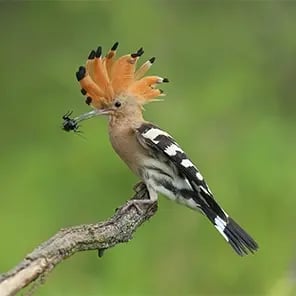
Birdwatching
The birds of Arusha National Park make it a birder’s paradise with over 400 bird species, including pink flamingos, fish eagles, and turacos. The park’s diverse habitats offer endless opportunities to spot exotic and colorful birds...Arusha National Park Tour Activities
From classic walking safaris to out-of-the-ordinary canoe excursions, Arusha National Park offers experiences for all travelers.
Hiking & Trekking
Explore scenic trails through lush forests, volcanic craters, and breathtaking mountain vistas. Trek to the summit of Mount Meru for an adventure that rewards you with stunning views—perfect for nature lovers and thrill-seekers alike.
Canoeing & Kayaking
Take advantage of the only canoeing safaris found in the Northern Circuit and paddle across the tranquil Momella Lakes. Glide past graceful flamingos, spot hippos, and soak in the serenity of Arusha National Park from a water-level...
Walking Safari & Nature Walks
Step into the wild on an Arusha National Park walking safari or guided nature walk. Immerse yourself in the sights, sounds, and scents of the bush, encountering giraffes, zebras, and other wildlife up close in their natural...
Cultural Activities
Connect with local traditions by visiting nearby Maasai villages and learning about Tanzania’s rich heritage. Engage with the warm, vibrant culture through storytelling, crafts, and traditional dances for a truly immersive experience.
Waterfalls
If you want to see a stunning waterfall, Arusha National Park is a great spot to visit. Marvel at the beauty of cascading waterfalls as these serene oases offer perfect spots for relaxation, photography, and a refreshing retreat into nature.
Cycling
Pedal through scenic landscapes on a thrilling cycling tour. Ride past open savannahs, forests, and crater edges while spotting wildlife along the way. It’s a perfect activity for adventurers and eco-tourism enthusiasts.
Horse Riding
Experience the thrill of exploring the park on horseback. Traverse diverse terrains and enjoy close encounters with wildlife, all while soaking in the beauty of Arusha National Park.
Birdwatching
The birds of Arusha National Park make it a birder’s paradise with over 400 bird species, including pink flamingos, fish eagles, and turacos. The park’s diverse habitats offer endless opportunities to spot exotic and colorful birds in their...When To Go
In Tanzania, each season brings new opportunities for wildlife viewing, a variety of activities, and scenes to take in. When it comes to the best time to visit Arusha National Park, it’s all about what you hope to see and do on your tour.
average
good
best
.svg)
Jan
Feb

Mar
Apr
May
.svg)
Jun
Jul
Aug
Sep
Oct
.svg)
Nov
Dec
Jan
Feb
Mar
Apr
May
Jun
Jul
Aug
Sep
Oct
Nov
Dec
Exploring Arusha National Park in January: The Start of the Green Season
Rainy Season
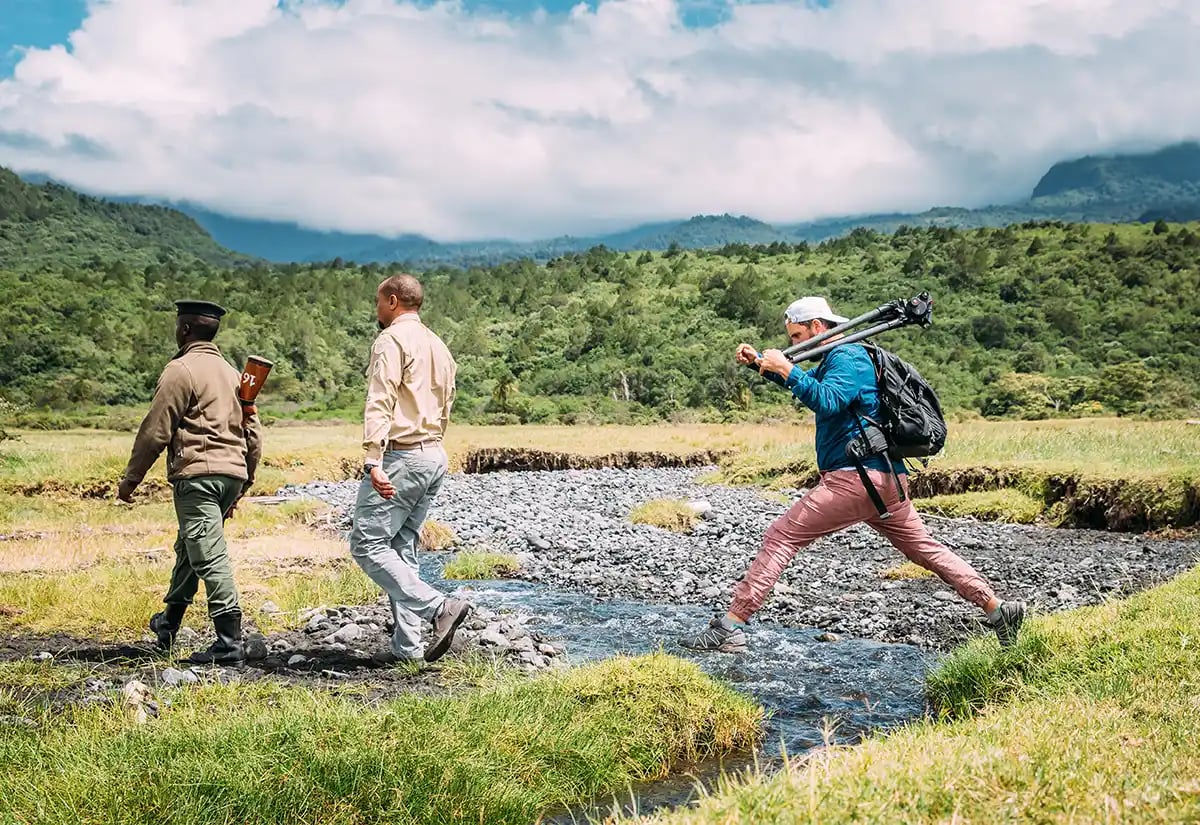
January ushers in a warm, dry spell in Arusha National Park, perfect for exploring its diverse landscapes and wildlife. Temperatures hover around 29°C (84°F) during the day, with cool nights offering a pleasant respite. Game drives and walking safaris are particularly rewarding as wildlife is active, and clear skies reveal breathtaking views of Mount Meru and sometimes Mount Kilimanjaro.
The park's vibrant greenery, a result of the recent short rains, provides a stunning backdrop for photography. Birdwatchers will enjoy spotting resident species in the park's lush forests and around the Momella Lakes. With moderate tourism levels, January offers a tranquil safari experience without crowds, making it an ideal time for nature lovers and adventurers alike.

+
Exploring Arusha National Park in February: A Green Paradise
Sunny
February continues the dry season, providing excellent conditions for exploring Arusha National Park’s remarkable biodiversity. Daytime temperatures remain warm, averaging around 29°C (84°F), making early morning and late afternoon safaris particularly enjoyable.
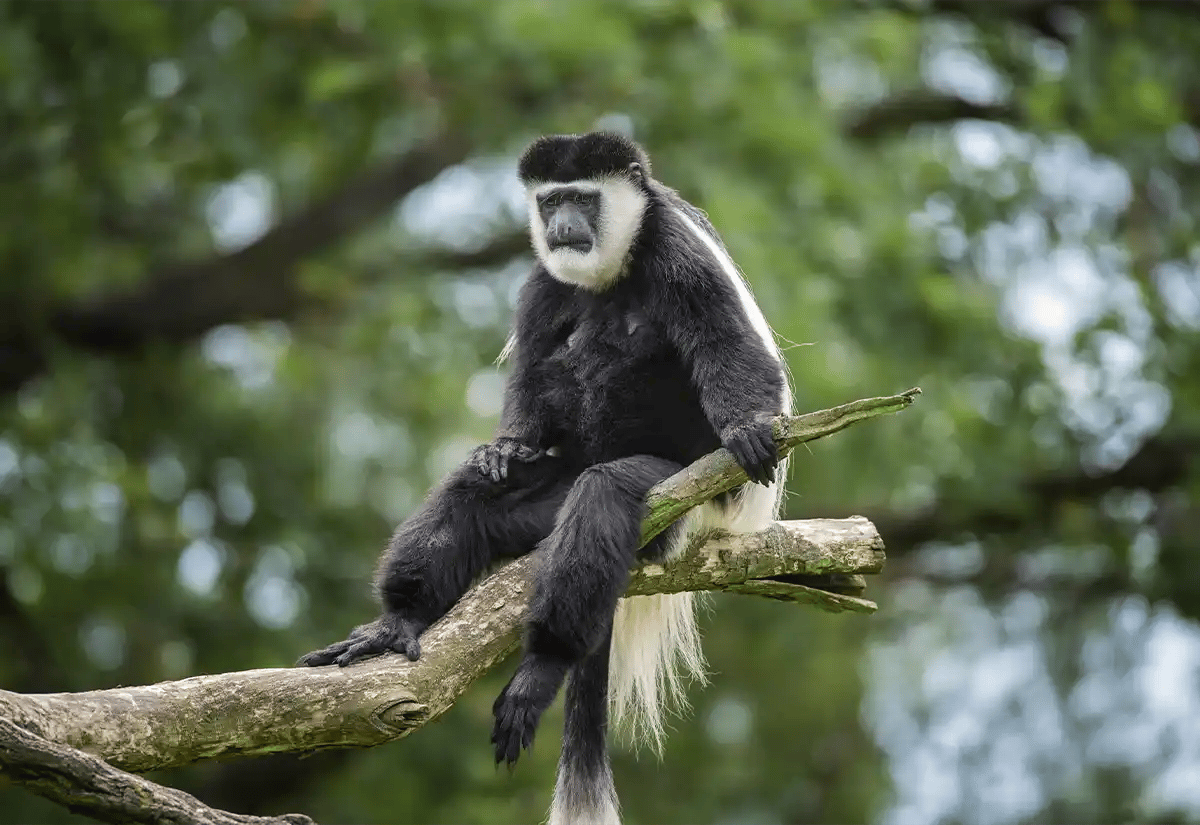
Wildlife is abundant, with giraffes, zebras, and antelope roaming the open savannahs. Plus, the park’s forests come alive with black-and-white colobus monkeys. Birdwatchers will delight in vibrant activity around the Momella Lakes, where flamingos and other waterbirds thrive. February’s clear skies also allow for spectacular views of Mount Meru and nearby Kilimanjaro, enhancing the park’s scenic appeal. With manageable visitor numbers, February provides an intimate and immersive experience, ideal for those seeking a peaceful yet adventure-filled safari.
+
Exploring Arusha National Park in March: The Peak of the Green Season
Rainy Season
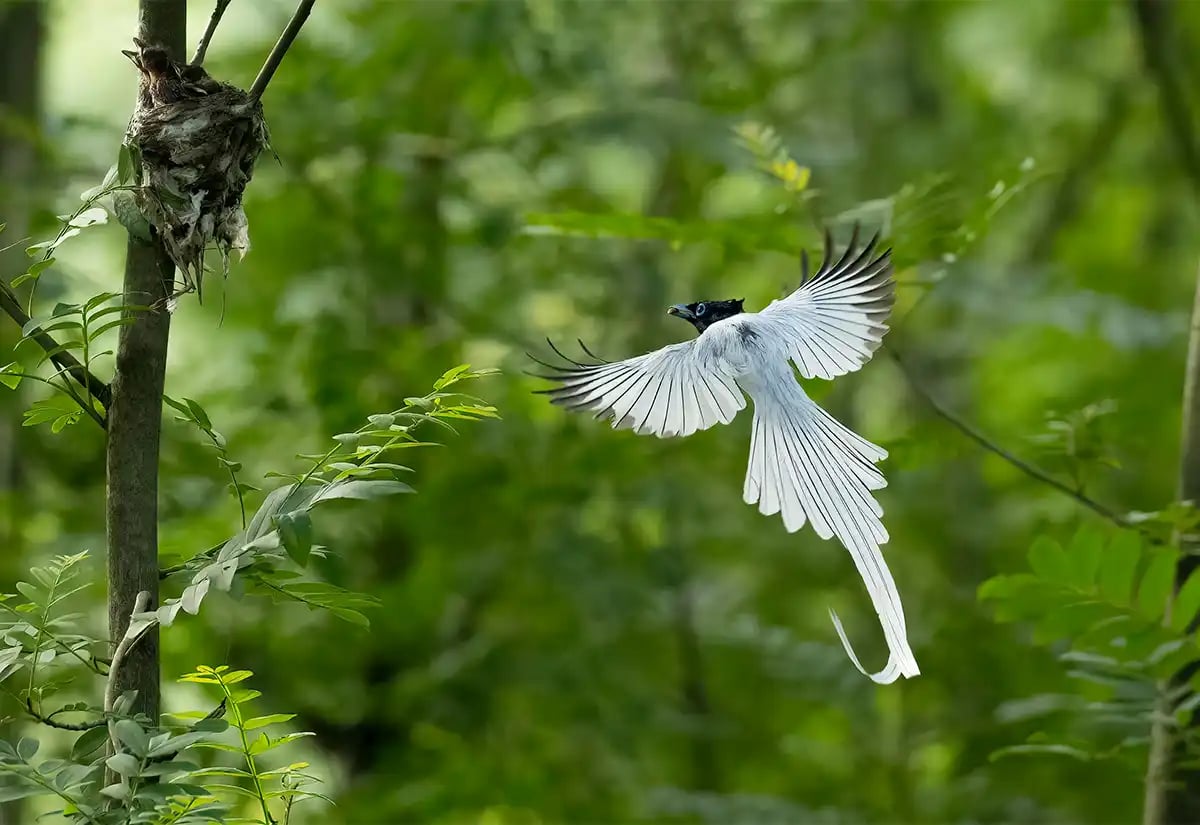
March marks the turn from the dry, green season to the long rainy season with occasional downpours transforming the landscape into a lush, green haven. Temperatures remain warm, averaging 27°C (81°F) during the day, with cool, refreshing evenings. While rainfall can make some areas muddy, it also brings the park’s vegetation to life, creating a stunning backdrop for photography and wildlife viewing.
Fewer tourists visit during this period, offering a quieter, more intimate safari experience. Game drives and nature walks remain possible between showers, with opportunities to spot giraffes, buffalo, and colobus monkeys. Birdwatching is particularly rewarding as migratory birds arrive to join the resident species, adding even more color and variety to the park’s vibrant avian population.
+
Exploring Arusha National Park in April: The Long Rain Season’s Beauty
Rainy Season
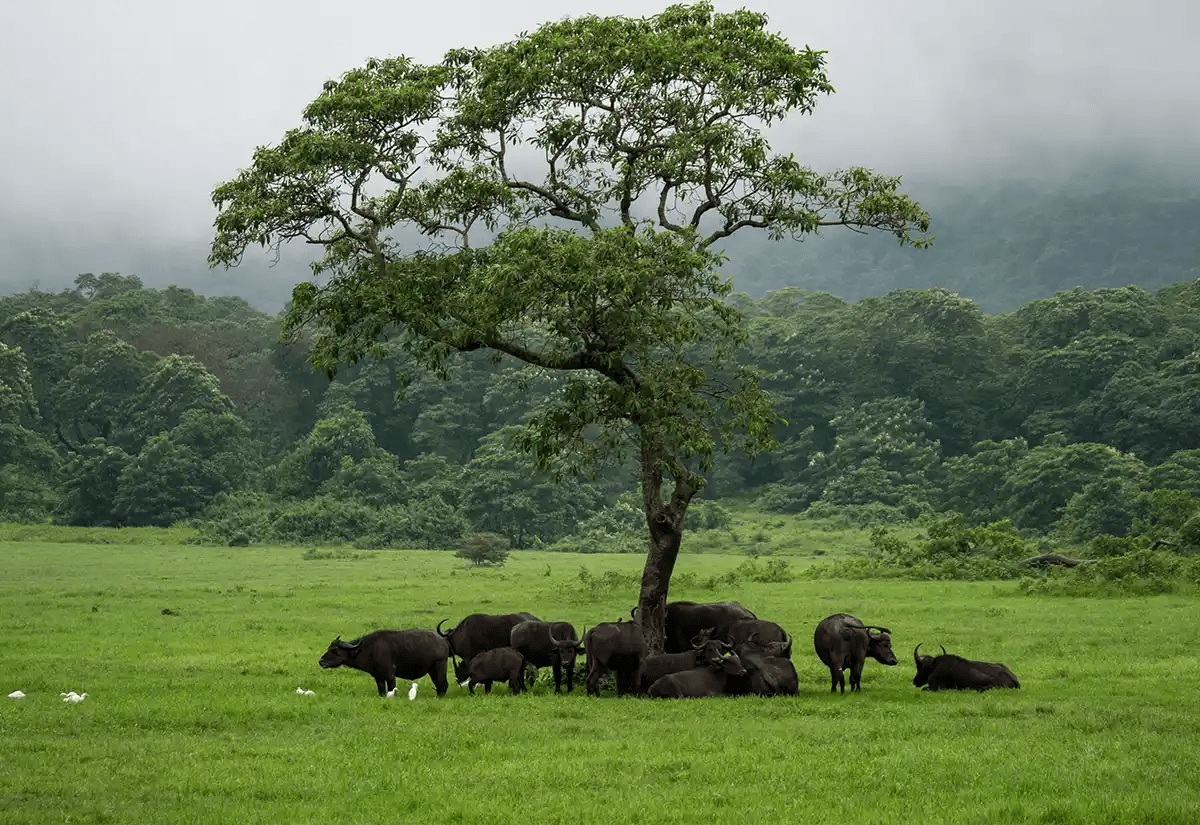
April is the wettest month in Arusha National Park, with frequent rains enhancing its beauty and serenity. The park’s vegetation thrives, creating lush forests and verdant grasslands that are home to abundant wildlife. Daytime temperatures average 26°C (79°F), providing comfortable conditions for exploring during drier intervals.
Although game drives may be limited by muddy tracks, the park’s quieter atmosphere allows for a more exclusive experience. Bird enthusiasts will find April exceptional, with migratory species still present alongside residents like flamingos and turacos. This is also a great time to enjoy the park’s waterfalls, which are at their most spectacular thanks to the rain. Despite the wetter conditions, April’s tranquil environment and vibrant landscapes make it a special month for travelers seeking peace and natural beauty.
+
Exploring Arusha National Park in May: A Verdant Retreat in the Long Rains
Rainy Season
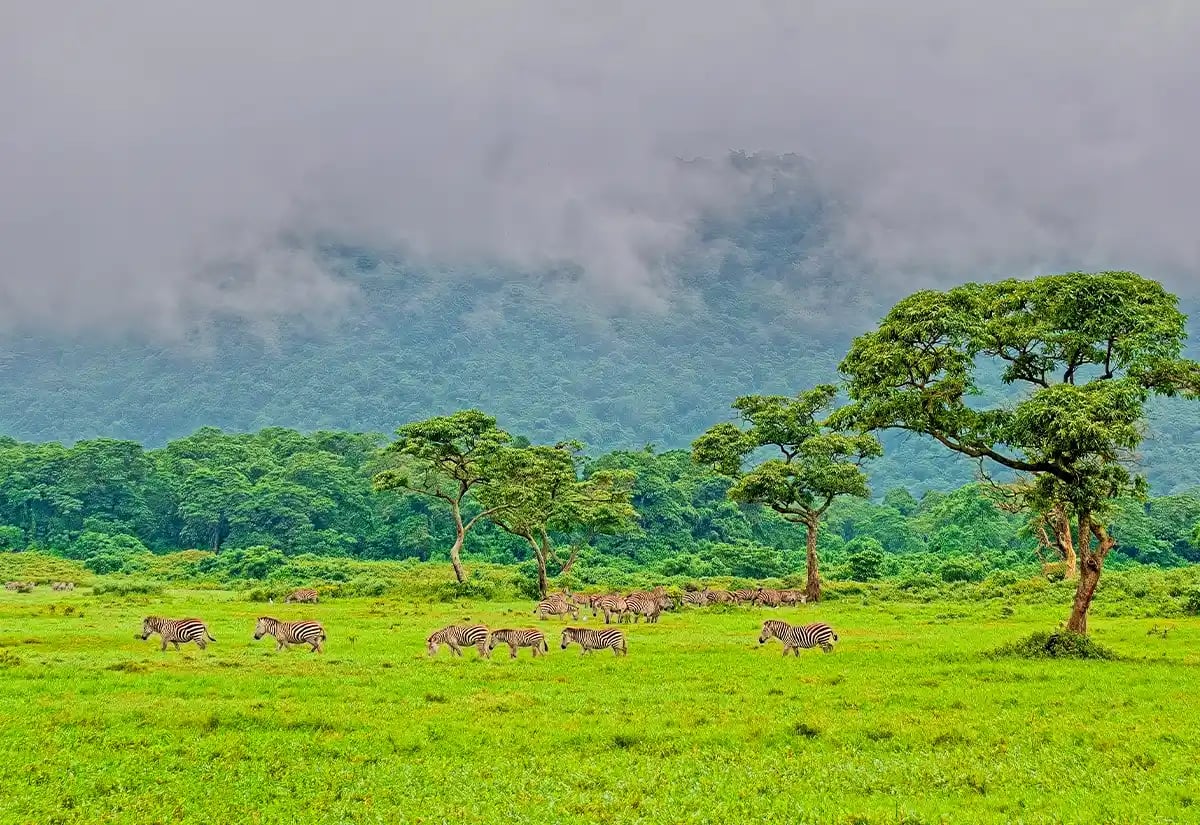
May signals the end of the long rainy season in Arusha National Park, leaving the landscape bright and vibrant. Daytime temperatures average 25°C (77°F), with cooler, comfortable evenings. As the rains subside, wildlife becomes more active, making it an excellent time for game drives and walking safaris.
The park’s greenery is at its peak, providing a stunning backdrop for photography and wildlife sightings. Birdwatchers will continue to enjoy the presence of migratory birds alongside resident species. With fewer visitors, May offers a serene safari experience where you can fully immerse yourself in the park’s natural beauty. The waterfalls are still flowing strongly, making them a must-visit for anyone seeking peaceful, picturesque spots.
+
Exploring Arusha National Park in June: Welcoming the Serene Dry Season
Rainy Season
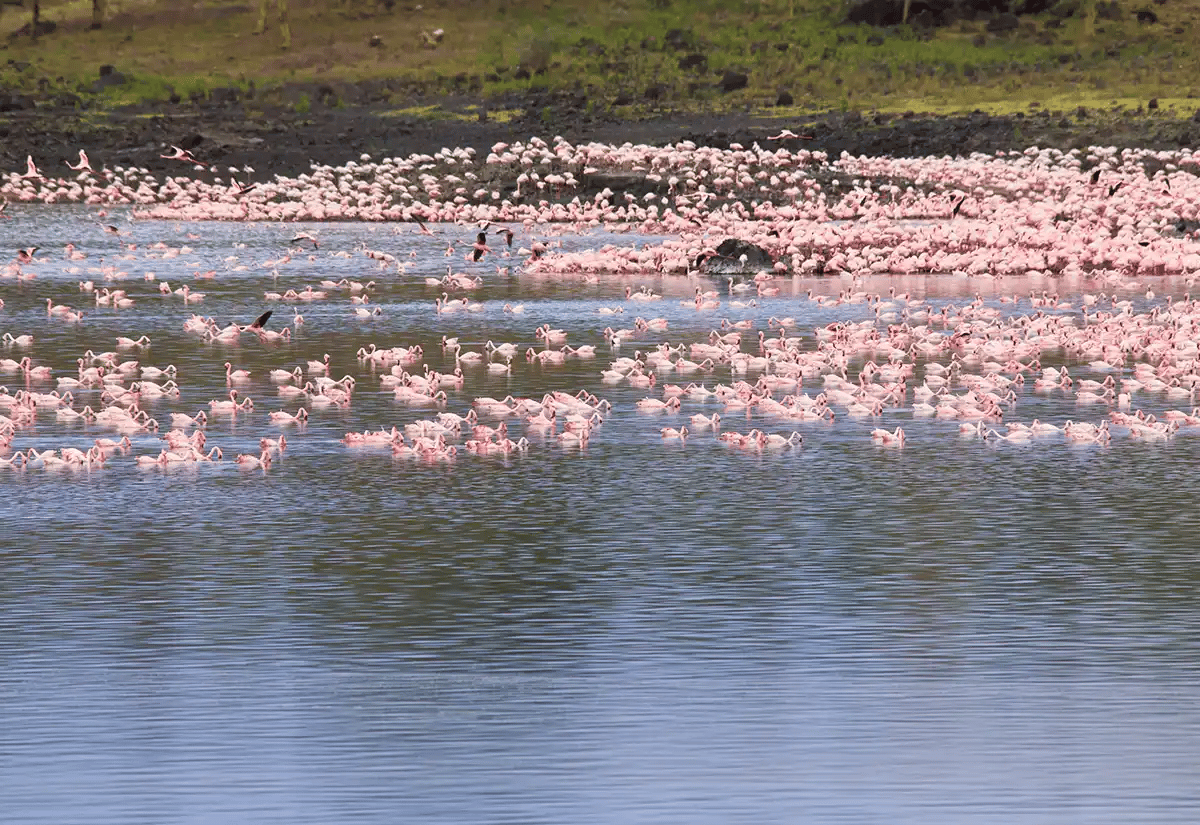
June marks the start of the dry season, with clear skies and mild temperatures averaging around 23°C (73°F) during the day. The park’s landscapes begin to transition as grasslands dry out and wildlife becomes more concentrated near water sources.
This is a prime time for game drives, as animals like giraffes, zebras, and buffalo are easier to spot. June is also ideal for walking safaris, offering up-close encounters with the park’s diverse flora and fauna. The Momella Lakes remain a hotspot for birdwatching, with vibrant flamingos and other species on display. Visitor numbers begin to rise slightly, but the park still feels peaceful, making June a fantastic time to explore Arusha National Park’s stunning scenery and abundant wildlife.
+
Exploring Arusha National Park in July: A Cool Escape in the Dry Season
Sunny
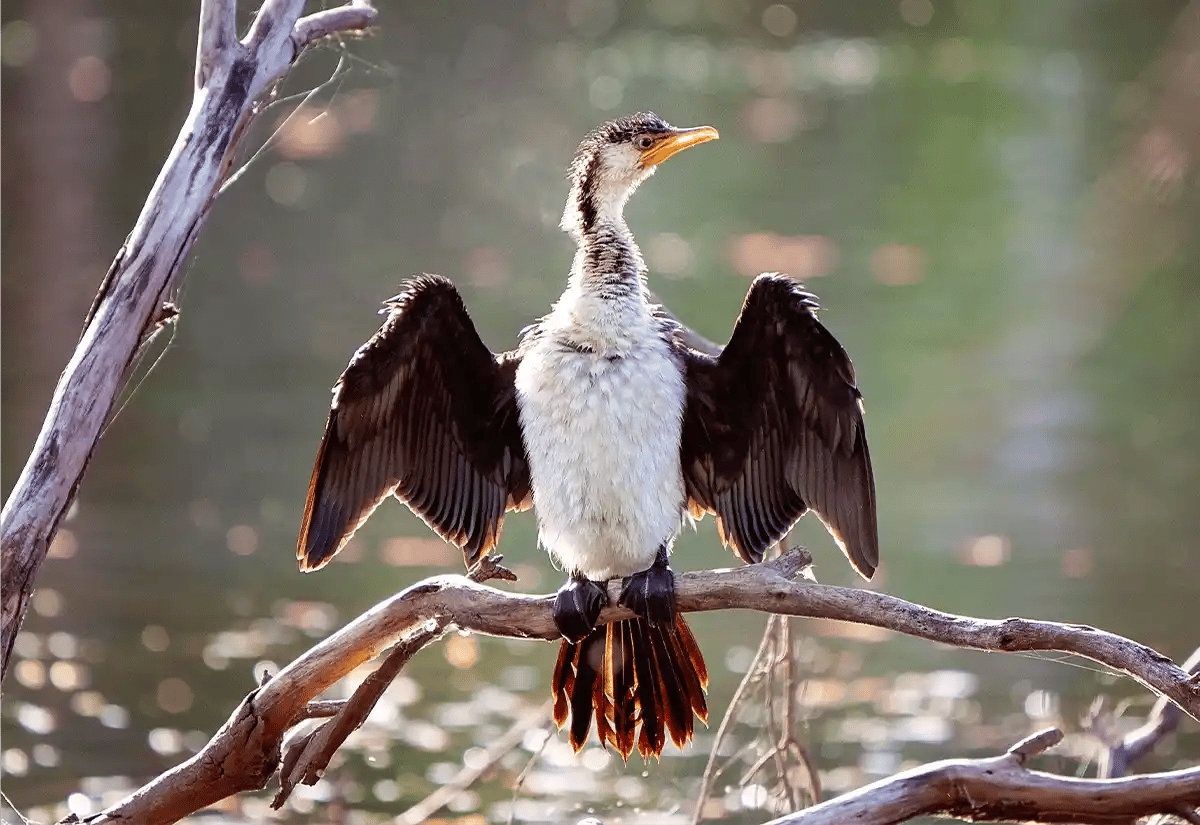
July is a prime time to visit Arusha National Park, as the dry season is in full swing. Daytime temperatures are comfortably mild, averaging 22°C (72°F), with crisp, cool evenings perfect for relaxing after a day of adventure. Visitor numbers increase slightly, but the park retains its tranquil charm.
Wildlife viewing is exceptional during this month, as animals congregate around water sources, making game drives particularly rewarding. The park’s open savannahs and lush forests are ideal for spotting giraffes, zebras, buffalo, and even colobus monkeys. Birdwatchers will enjoy vibrant activity around the Momella Lakes, which remain a favorite for flamingos and waterbirds.
+
Exploring Arusha National Park in August: Perfect Days in the Dry Season
Sunny
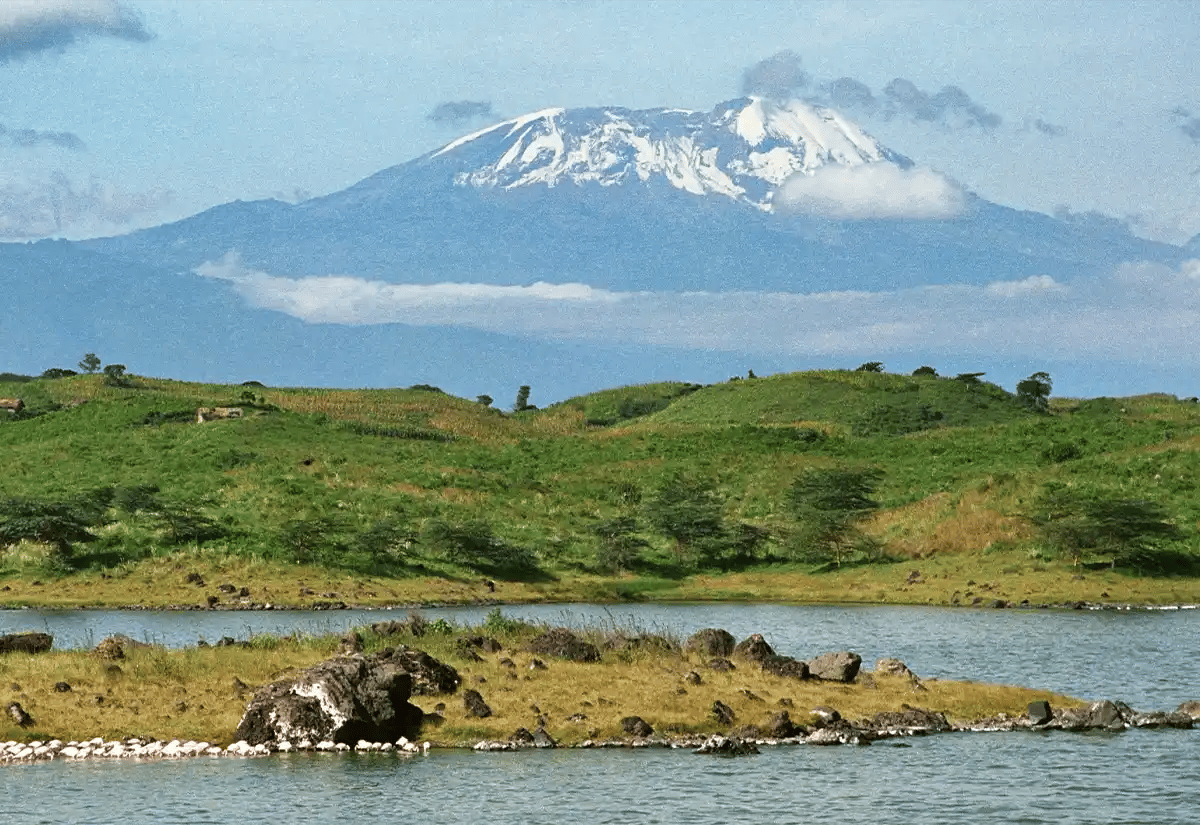
August continues the dry season, offering excellent conditions for safaris and outdoor activities. With temperatures averaging 22°C (72°F) during the day, it’s a comfortable time to explore the park’s stunning terrains. Wildlife viewing remains superb, as animals are more visible in the drier landscape and gather at remaining water sources. Walking safaris and canoeing on the Momella Lakes are highlights, providing unique perspectives of the park’s abundant wildlife and natural beauty. The clear skies also offer breathtaking views of Mount Meru and Kilimanjaro.
August sees more tourists due to peak travel season, but the park’s smaller size and serene atmosphere ensure an intimate and rewarding safari experience. This is an ideal month for a day trip or extended visit to take in all of Arusha National Park.
+
Exploring Arusha National Park in September: Dry Season Adventures
Sunny
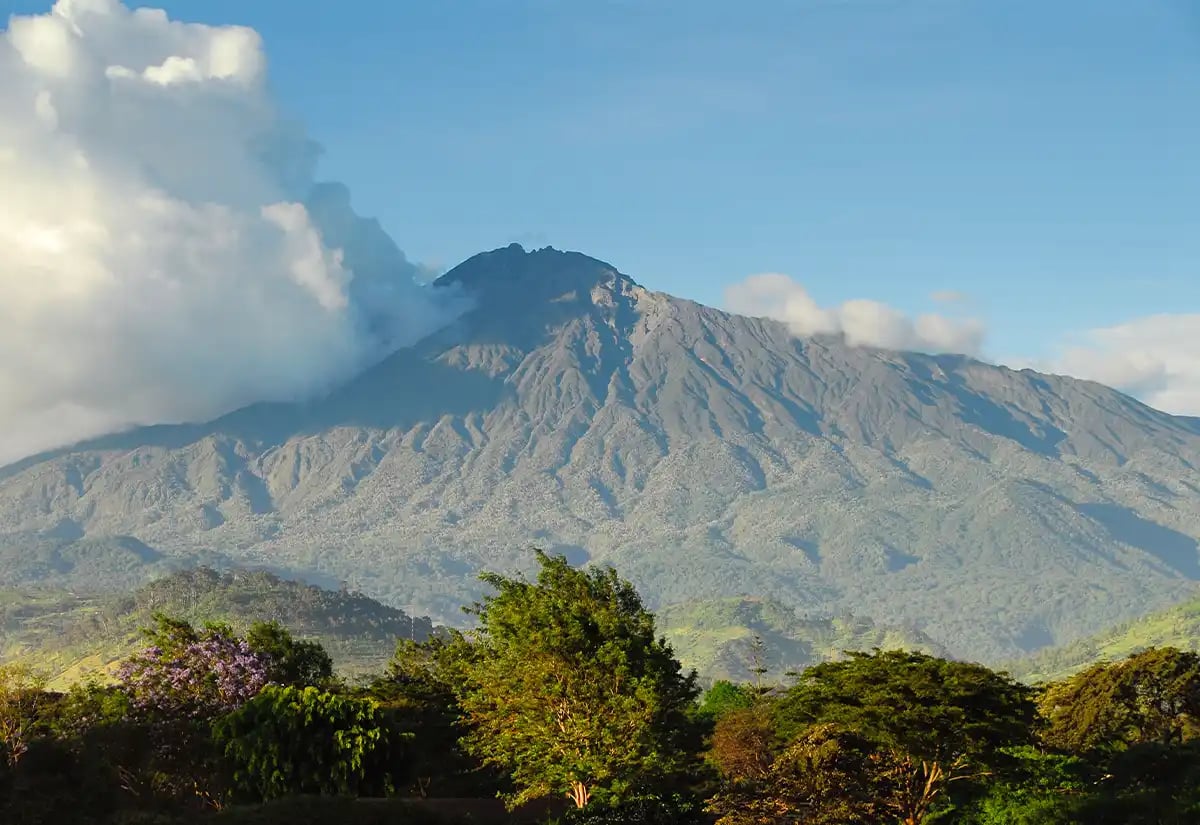
September offers ideal safari conditions in Arusha National Park as the dry season continues. With daytime temperatures averaging 24°C (75°F) and minimal rainfall, it’s a comfortable month for exploring the park’s diverse landscapes. Wildlife viewing is at its peak, with animals like giraffes, zebras, and buffalo frequently seen near water sources.
Birdwatchers will enjoy vibrant activity at the Momella Lakes, where flamingos and other waterbirds remain a highlight. Walking safaris and game drives provide up-close encounters with the park’s incredible biodiversity. September also brings clear skies, perfect for capturing stunning views of Mount Meru and Mount Kilimanjaro. Although it’s a popular time for travelers, the park’s tranquil atmosphere ensures you’ll still enjoy each moment.
+
Exploring Arusha National Park in October: Wrapping Up the Dry Season
Rainy Season
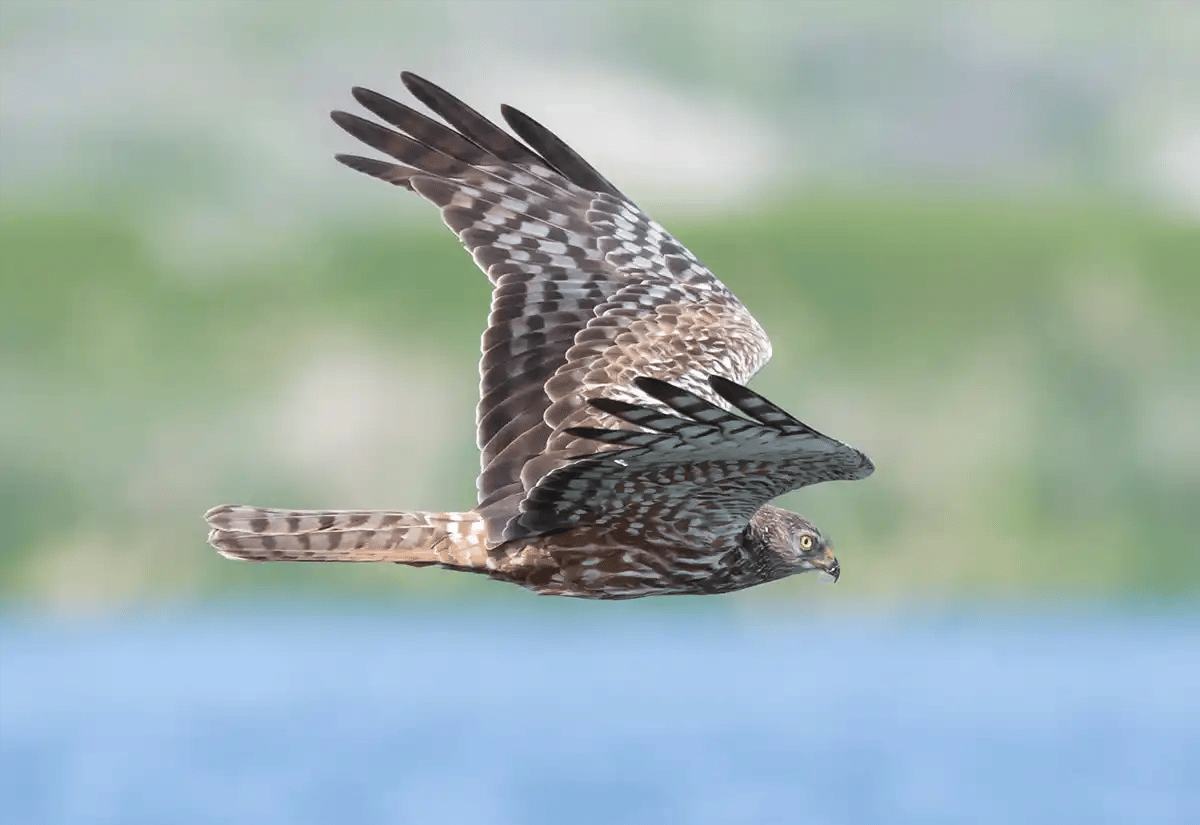
October marks the transition from the dry season to the short rains, offering a unique blend of dry landscapes and the first signs of greenery returning. Temperatures remain warm, averaging 25°C (77°F), with occasional light showers refreshing the park. Visitor numbers taper off slightly toward the end of the month, making October a peaceful time to experience the beauty and serenity of Arusha National Park.
Wildlife is still abundant, and game drives provide excellent opportunities to spot giraffes, zebras, and other iconic species. Birdwatching becomes even more exciting as migratory species begin to arrive, adding to the park’s vibrant avian diversity. The waterfalls, rejuvenated by the early rains, are a stunning sight, making them a must-visit.
+
Exploring Arusha National Park in November: The Return of the Short Rains
Rainy Season
November brings the short rainy season to Arusha National Park, refreshing its landscapes and creating a lush, green paradise. Daytime temperatures average a comfortable 25°C (77°F), with light, intermittent rains that rarely disrupt activities. This month is perfect for photographers, as the vibrant greenery and dramatic skies create stunning backdrops.
Wildlife remains abundant, with excellent opportunities to spot giraffes, zebras, and even elusive bushbucks. Birdwatchers will find November particularly exciting, as migratory species join the park’s resident birds, making the Momella Lakes a hotspot for avian activity. Visitor numbers are lower during this period, making for a peaceful and intimate safari experience.
+
Exploring Arusha National Park in December: A Revival with Short Rains
Rainy Season
December is a magical time to visit Arusha National Park as the short rains taper off, leaving the park’s landscapes lush and vibrant. Temperatures remain warm, averaging 27°C (81°F), making outdoor activities enjoyable. Wildlife viewing is excellent, with animals active and easy to spot against the verdant backdrop. December is also a great month for walking safaris and canoeing on the Momella Lakes, offering unique perspectives of the park’s abundant flora and fauna. Birdwatchers can enjoy a mix of resident and migratory species in full display.
The festive season brings slightly higher visitor numbers, but the park still offers a lovely and peaceful experience. Whether it’s spotting wildlife, enjoying the rejuvenated scenery, or simply soaking in the serenity, December in Arusha National Park offers a perfect blend of adventure and relaxation.

+
Exploring Arusha National Park in January: The Start of the Green Season
Rainy Season
January ushers in a warm, dry spell in Arusha National Park, perfect for exploring its diverse landscapes and wildlife. Temperatures hover around 29°C (84°F) during the day, with cool nights offering a pleasant respite. Game drives and walking safaris are particularly rewarding as wildlife is active, and clear skies reveal breathtaking views of Mount Meru and sometimes Mount Kilimanjaro.
The park's vibrant greenery, a result of the recent short rains, provides a stunning backdrop for photography. Birdwatchers will enjoy spotting resident species in the park's lush forests and around the Momella Lakes. With moderate tourism levels, January offers a tranquil safari experience without crowds, making it an ideal time for nature lovers and adventurers alike.
Exploring Arusha National Park in February: A Green Paradise
Sunny
February continues the dry season, providing excellent conditions for exploring Arusha National Park’s remarkable biodiversity. Daytime temperatures remain warm, averaging around 29°C (84°F), making early morning and late afternoon safaris particularly enjoyable.
Wildlife is abundant, with giraffes, zebras, and antelope roaming the open savannahs. Plus, the park’s forests come alive with black-and-white colobus monkeys. Birdwatchers will delight in vibrant activity around the Momella Lakes, where flamingos and other waterbirds thrive. February’s clear skies also allow for spectacular views of Mount Meru and nearby Kilimanjaro, enhancing the park’s scenic appeal. With manageable visitor numbers, February provides an intimate and immersive experience, ideal for those seeking a peaceful yet adventure-filled safari.
Exploring Arusha National Park in March: The Peak of the Green Season
Rainy Season
March marks the turn from the dry, green season to the long rainy season with occasional downpours transforming the landscape into a lush, green haven. Temperatures remain warm, averaging 27°C (81°F) during the day, with cool, refreshing evenings. While rainfall can make some areas muddy, it also brings the park’s vegetation to life, creating a stunning backdrop for photography and wildlife viewing.
Fewer tourists visit during this period, offering a quieter, more intimate safari experience. Game drives and nature walks remain possible between showers, with opportunities to spot giraffes, buffalo, and colobus monkeys. Birdwatching is particularly rewarding as migratory birds arrive to join the resident species, adding even more color and variety to the park’s vibrant avian population.
Exploring Arusha National Park in April: The Long Rain Season’s Beauty
Rainy Season
April is the wettest month in Arusha National Park, with frequent rains enhancing its beauty and serenity. The park’s vegetation thrives, creating lush forests and verdant grasslands that are home to abundant wildlife. Daytime temperatures average 26°C (79°F), providing comfortable conditions for exploring during drier intervals.
Although game drives may be limited by muddy tracks, the park’s quieter atmosphere allows for a more exclusive experience. Bird enthusiasts will find April exceptional, with migratory species still present alongside residents like flamingos and turacos. This is also a great time to enjoy the park’s waterfalls, which are at their most spectacular thanks to the rain. Despite the wetter conditions, April’s tranquil environment and vibrant landscapes make it a special month for travelers seeking peace and natural beauty.
Exploring Arusha National Park in May: A Verdant Retreat in the Long Rains
Rainy Season
May signals the end of the long rainy season in Arusha National Park, leaving the landscape bright and vibrant. Daytime temperatures average 25°C (77°F), with cooler, comfortable evenings. As the rains subside, wildlife becomes more active, making it an excellent time for game drives and walking safaris.
The park’s greenery is at its peak, providing a stunning backdrop for photography and wildlife sightings. Birdwatchers will continue to enjoy the presence of migratory birds alongside resident species. With fewer visitors, May offers a serene safari experience where you can fully immerse yourself in the park’s natural beauty. The waterfalls are still flowing strongly, making them a must-visit for anyone seeking peaceful, picturesque spots.
Exploring Arusha National Park in June: Welcoming the Serene Dry Season
Rainy Season
June marks the start of the dry season, with clear skies and mild temperatures averaging around 23°C (73°F) during the day. The park’s landscapes begin to transition as grasslands dry out and wildlife becomes more concentrated near water sources.
This is a prime time for game drives, as animals like giraffes, zebras, and buffalo are easier to spot. June is also ideal for walking safaris, offering up-close encounters with the park’s diverse flora and fauna. The Momella Lakes remain a hotspot for birdwatching, with vibrant flamingos and other species on display. Visitor numbers begin to rise slightly, but the park still feels peaceful, making June a fantastic time to explore Arusha National Park’s stunning scenery and abundant wildlife.
Exploring Arusha National Park in July: A Cool Escape in the Dry Season
Sunny
July is a prime time to visit Arusha National Park, as the dry season is in full swing. Daytime temperatures are comfortably mild, averaging 22°C (72°F), with crisp, cool evenings perfect for relaxing after a day of adventure. Visitor numbers increase slightly, but the park retains its tranquil charm.
Wildlife viewing is exceptional during this month, as animals congregate around water sources, making game drives particularly rewarding. The park’s open savannahs and lush forests are ideal for spotting giraffes, zebras, buffalo, and even colobus monkeys. Birdwatchers will enjoy vibrant activity around the Momella Lakes, which remain a favorite for flamingos and waterbirds.
Exploring Arusha National Park in August: Perfect Days in the Dry Season
Sunny
August continues the dry season, offering excellent conditions for safaris and outdoor activities. With temperatures averaging 22°C (72°F) during the day, it’s a comfortable time to explore the park’s stunning terrains. Wildlife viewing remains superb, as animals are more visible in the drier landscape and gather at remaining water sources. Walking safaris and canoeing on the Momella Lakes are highlights, providing unique perspectives of the park’s abundant wildlife and natural beauty. The clear skies also offer breathtaking views of Mount Meru and Kilimanjaro.
August sees more tourists due to peak travel season, but the park’s smaller size and serene atmosphere ensure an intimate and rewarding safari experience. This is an ideal month for a day trip or extended visit to take in all of Arusha National Park.
Exploring Arusha National Park in September: Dry Season Adventures
Sunny
September offers ideal safari conditions in Arusha National Park as the dry season continues. With daytime temperatures averaging 24°C (75°F) and minimal rainfall, it’s a comfortable month for exploring the park’s diverse landscapes. Wildlife viewing is at its peak, with animals like giraffes, zebras, and buffalo frequently seen near water sources.
Birdwatchers will enjoy vibrant activity at the Momella Lakes, where flamingos and other waterbirds remain a highlight. Walking safaris and game drives provide up-close encounters with the park’s incredible biodiversity. September also brings clear skies, perfect for capturing stunning views of Mount Meru and Mount Kilimanjaro. Although it’s a popular time for travelers, the park’s tranquil atmosphere ensures you’ll still enjoy each moment.
Exploring Arusha National Park in October: Wrapping Up the Dry Season
Rainy Season
October marks the transition from the dry season to the short rains, offering a unique blend of dry landscapes and the first signs of greenery returning. Temperatures remain warm, averaging 25°C (77°F), with occasional light showers refreshing the park. Visitor numbers taper off slightly toward the end of the month, making October a peaceful time to experience the beauty and serenity of Arusha National Park.
Wildlife is still abundant, and game drives provide excellent opportunities to spot giraffes, zebras, and other iconic species. Birdwatching becomes even more exciting as migratory species begin to arrive, adding to the park’s vibrant avian diversity. The waterfalls, rejuvenated by the early rains, are a stunning sight, making them a must-visit.
Exploring Arusha National Park in November: The Return of the Short Rains
Rainy Season
November brings the short rainy season to Arusha National Park, refreshing its landscapes and creating a lush, green paradise. Daytime temperatures average a comfortable 25°C (77°F), with light, intermittent rains that rarely disrupt activities. This month is perfect for photographers, as the vibrant greenery and dramatic skies create stunning backdrops.
Wildlife remains abundant, with excellent opportunities to spot giraffes, zebras, and even elusive bushbucks. Birdwatchers will find November particularly exciting, as migratory species join the park’s resident birds, making the Momella Lakes a hotspot for avian activity. Visitor numbers are lower during this period, making for a peaceful and intimate safari experience.
Exploring Arusha National Park in December: A Revival with Short Rains
Rainy Season
December is a magical time to visit Arusha National Park as the short rains taper off, leaving the park’s landscapes lush and vibrant. Temperatures remain warm, averaging 27°C (81°F), making outdoor activities enjoyable. Wildlife viewing is excellent, with animals active and easy to spot against the verdant backdrop. December is also a great month for walking safaris and canoeing on the Momella Lakes, offering unique perspectives of the park’s abundant flora and fauna. Birdwatchers can enjoy a mix of resident and migratory species in full display.
The festive season brings slightly higher visitor numbers, but the park still offers a lovely and peaceful experience. Whether it’s spotting wildlife, enjoying the rejuvenated scenery, or simply soaking in the serenity, December in Arusha National Park offers a perfect blend of adventure and relaxation.
+
+
+
+
+
+
+
+
+
+
+
+

Arusha National Park Animals
Arusha National Park is known for its high animal concentration, making it a wonderful destination to see the variety of wildlife Tanzania has to offer.
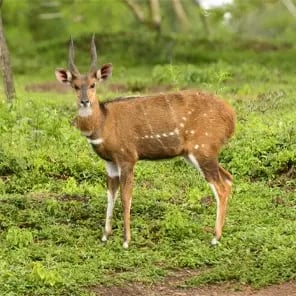
Bushbuck
Elegant and elusive antelope, bushbucks are known for their striking coats and shy behavior in forested and savannah areas.

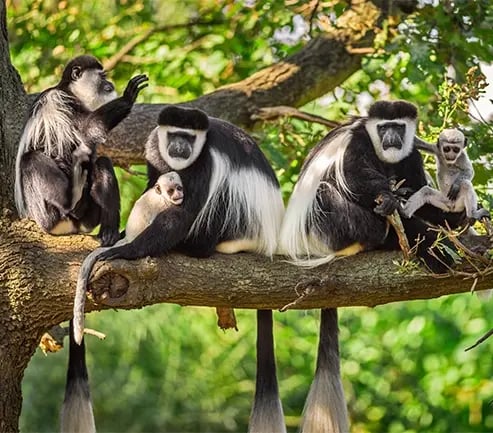
Black and White Colobus Monkeys
These striking yet gentle primates with flowing black-and-white fur leap gracefully through treetops, often seen in Arusha's montane forests.
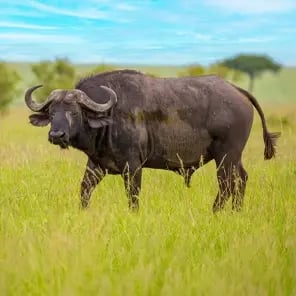
Cape Buffalo
Powerful and imposing, these iconic herbivores roam in herds, showcasing their massive horns and tough, resilient nature.
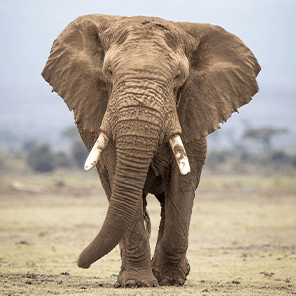
Elephant
Majestic giants of the wild, elephants roam freely, showcasing their intelligence and strength in Arusha’s diverse landscapes.
.webp?width=296&height=296&name=Giraffe%20(1).webp)
Giraffe
Graceful and towering, giraffes are iconic savannah dwellers, known for their long necks and gentle, curious demeanor.
.webp?width=296&height=296&name=Zebra%20(1).webp)
Zebra
With their black-and-white stripes, zebras are a safari favorite, often seen grazing in herds across open plains.
.webp?width=296&height=296&name=Wildebeest%20(1).webp)
Wildebeest
Famous for their annual migration, wildebeests are hardy grazers that thrive in Arusha’s grasslands and savannahs.
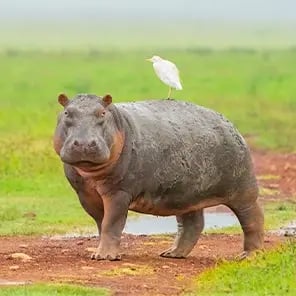
Hippo
Semi-aquatic giants, hippos spend their days submerged in water, emerging to graze under the cover of night.
Bushbuck
Elegant and elusive antelope, bushbucks are known for their striking coats and shy behavior in forested and savannah areas.
Black and White Colobus Monkeys
These striking yet gentle primates with flowing black-and-white fur leap gracefully through treetops, often seen in Arusha's montane forests.
Cape Buffalo
Powerful and imposing, these iconic herbivores roam in herds, showcasing their massive horns and tough, resilient nature.
Elephant
Majestic giants of the wild, elephants roam freely, showcasing their intelligence and strength in Arusha’s diverse landscapes.
Giraffe
Graceful and towering, giraffes are iconic savannah dwellers, known for their long necks and gentle, curious demeanor.
Zebra
With their black-and-white stripes, zebras are a safari favorite, often seen grazing in herds across open plains.
Wildebeest
Famous for their annual migration, wildebeests are hardy grazers that thrive in Arusha’s grasslands and savannahs.
Hippo
Semi-aquatic giants, hippos spend their days submerged in water, emerging to graze under the cover of night.


An Arusha National Park Tour for Everyone
Most Popular
.png?width=296&height=70&name=Pattern%20(2).png)
$1,350 (2pax) USD
12 Days Serengeti Lions and Wildebeest Migration Safari

66 people viewing now
Best Seller
$3,001 (2pax) USD
Days Serengeti Lions and Wildebeest Migration Safari
114 people viewing now
Most Popular
$1,400 (2pax) USD
A Days Serengeti Lions and Wildebeest Migration Safari
83 people viewing now
Most Popular
$1,350 (2pax) USD
12 Days Serengeti Lions and Wildebeest Migration Safari
87 people viewing now
Best Seller
$3,001 (2pax) USD
Days Serengeti Lions and Wildebeest Migration Safari
57 people viewing now
Most Popular
$1,400 (2pax) USD
A Days Serengeti Lions and Wildebeest Migration Safari
10 people viewing now
Most Popular
$1,350 (2pax) USD
12 Days Serengeti Lions and Wildebeest Migration Safari
98 people viewing now
Best Seller
$3,001 (2pax) USD
Days Serengeti Lions and Wildebeest Migration Safari
0 people viewing now
Best Seller
$3,001 (2pax) USD
Days Serengeti Lions and Wildebeest Migration Safari
76 people viewing now
Best Seller
$3,001 (2pax) USD
Days Serengeti Lions and Wildebeest Migration Safari
7 people viewing now
Best Seller
$3,001 (2pax) USD
Days Serengeti Lions and Wildebeest Migration Safari
12 people viewing now
Most Popular
$1,400 (2pax) USD
A Days Serengeti Lions and Wildebeest Migration Safari
87 people viewing now
Let’s plan your Arusha National Park day trip or safari getaway!

Most Popular
$1,350 (2pax) USD
12 Days Serengeti Lions and Wildebeest Migration Safari
53 people viewing now
Best Seller
$3,001 (2pax) USD
Days Serengeti Lions and Wildebeest Migration Safari
58 people viewing now
Most Popular
$1,400 (2pax) USD
A Days Serengeti Lions and Wildebeest Migration Safari
115 people viewing now
Most Popular
$1,350 (2pax) USD
12 Days Serengeti Lions and Wildebeest Migration Safari
20 people viewing now
Best Seller
$3,001 (2pax) USD
Days Serengeti Lions and Wildebeest Migration Safari
22 people viewing now
Most Popular
$1,400 (2pax) USD
A Days Serengeti Lions and Wildebeest Migration Safari
81 people viewing now
Most Popular
$1,350 (2pax) USD
12 Days Serengeti Lions and Wildebeest Migration Safari
93 people viewing now
Best Seller
$3,001 (2pax) USD
Days Serengeti Lions and Wildebeest Migration Safari
99 people viewing now
Best Seller
$3,001 (2pax) USD
Days Serengeti Lions and Wildebeest Migration Safari
52 people viewing now
Best Seller
$3,001 (2pax) USD
Days Serengeti Lions and Wildebeest Migration Safari
33 people viewing now
Best Seller
$3,001 (2pax) USD
Days Serengeti Lions and Wildebeest Migration Safari
101 people viewing now
Most Popular
$1,400 (2pax) USD
A Days Serengeti Lions and Wildebeest Migration Safari
67 people viewing now
Let’s plan your Arusha National Park day trip or safari getaway!
Frequently Asked Questions

Still have questions?
Contact Us, we are more than happy to help!
What makes Arusha National Park unique?
Arusha National Park stands out for its diverse landscapes, including lush forests, open savannahs, and volcanic craters. It’s one of the few parks in Tanzania where you can enjoy activities like canoeing, walking safaris, game drives, trekking Mount Meru, and exploring waterfalls.
How many lakes are in Arusha National Park?
Arusha National Park features seven Momella Lakes, known for their tranquil beauty and vibrant birdlife, including flocks of flamingos.
How can I get from Arusha to Serengeti National Park?
You can travel from Arusha to Serengeti National Park by road, which takes about 6–8 hours, or via a short domestic flight.
Is there canoeing in Arusha National Park?
Yes, canoeing is available on the serene Momella Lakes, offering a unique way to experience the park’s stunning scenery and wildlife.
What is the Arusha National Park entrance fee?
Entrance fees for Arusha National Park vary by residency status, but for non-residents, it’s approximately $59 USD per adult per day.
Is it safe in Tanzania for me to visit? Is it safe for kids and females?
Tanzania is generally safe for travelers, including families and solo female travelers. Basic safety precautions are advised, especially in cities, but popular safari areas are secure.
How can I find the best hotels in Arusha National Park?
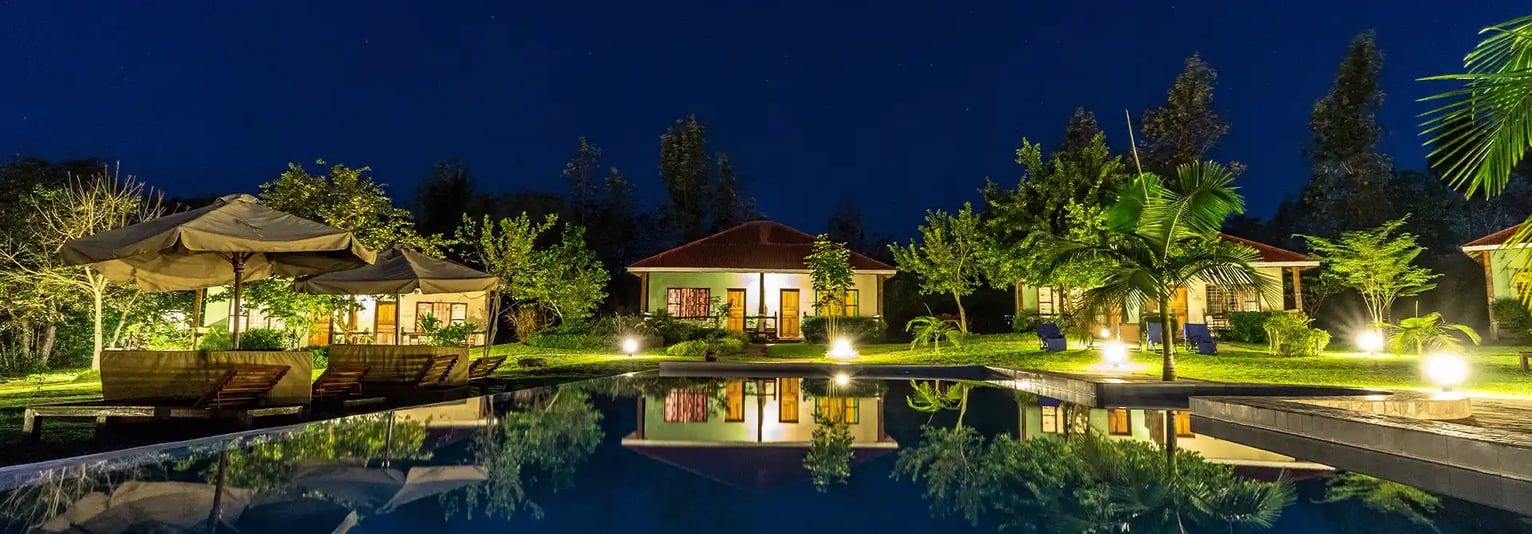
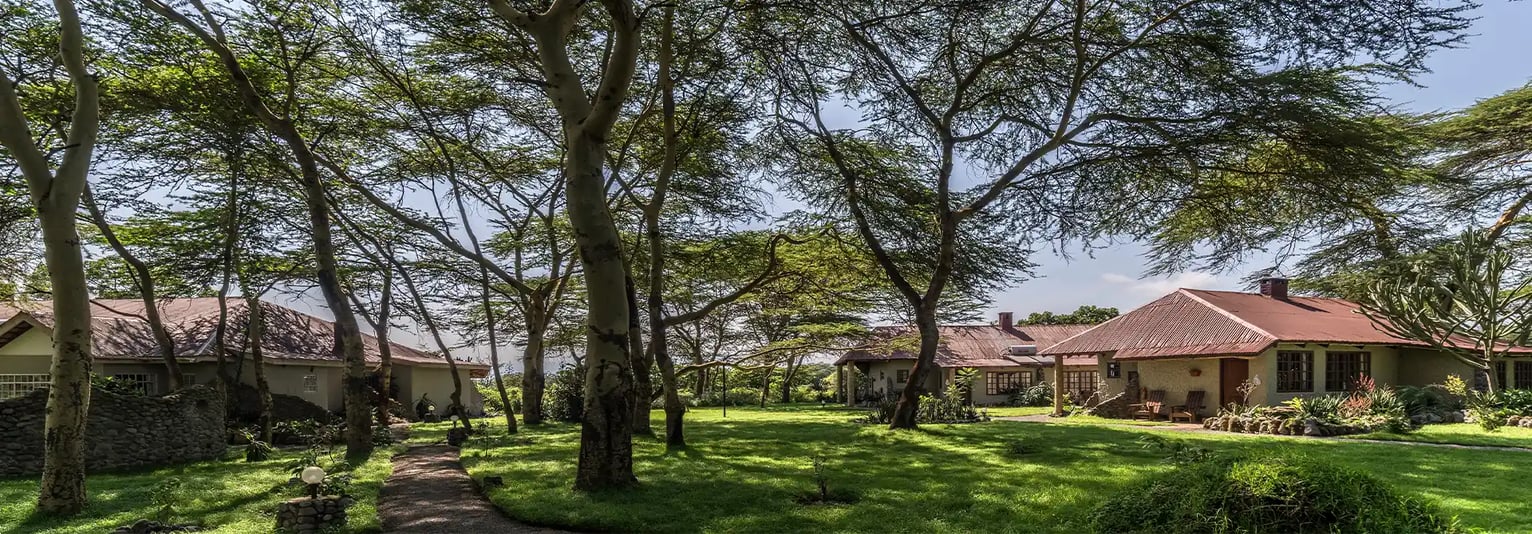
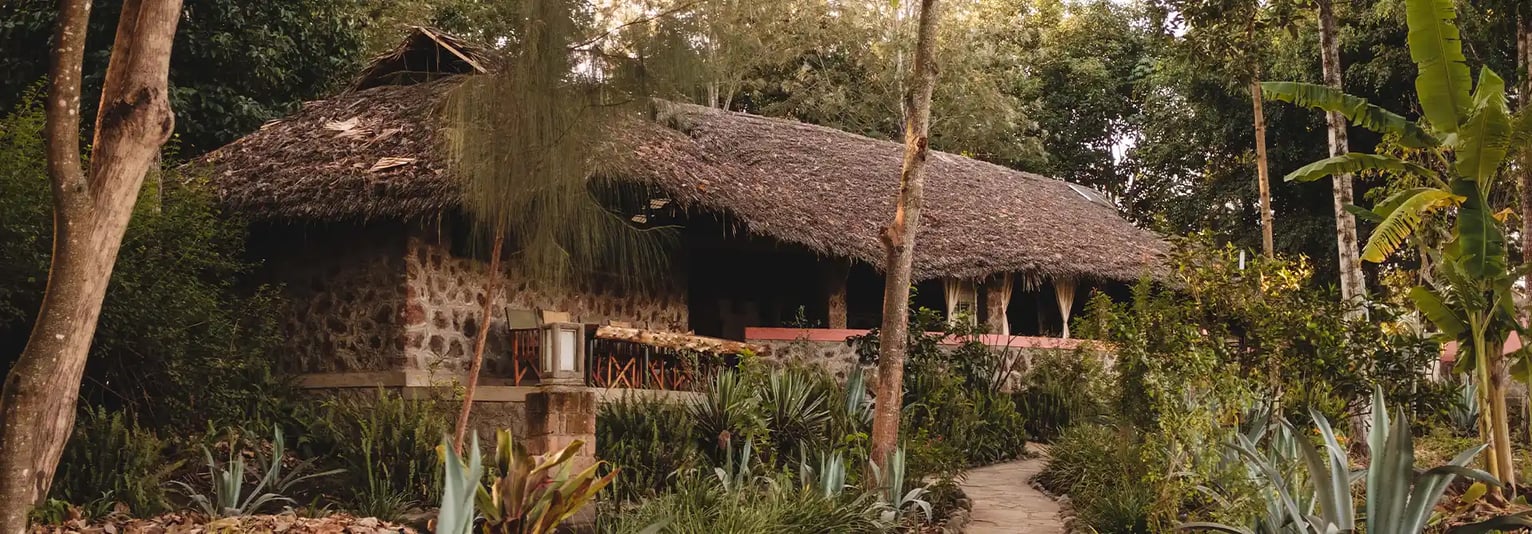
Easy Travel can help you find the best accommodations based on time of year, location, desired amenities and safari activities, and your budget.
Should I go anywhere else before or after my trip to Arusha National Park?
Many travelers combine Arusha with other destinations like Ngorongoro Crater, Zanzibar, or the Serengeti for a varied Tanzania adventure.
What language is spoken in Tanzania?
Swahili and English are Tanzania’s official languages, with English widely used in tourism and major cities.
Are Arusha safari packages all-inclusive?
Many of Easy Travel’s Arusha safari packages are all-inclusive, covering transportation, meals, lodging, and game drives, though options vary by package.
Still have questions?
Contact Us, we are more than happy to help!
Explore More About Arusha National Park, Tanzania
02.10.2026
10 Min Read
Nestled at the base of the majestic Mount Meru, Arusha National Park stands as a hidden gem among Africa’s renowned...

02.10.2026
10 Min Read
Nestled at the base of the majestic Mount Meru, Arusha National Park stands as a hidden gem among...
Explore Our Latest Articles

3.06.2025
23 Min Read
Kendwa Beach rests on Zanzibar Island. The beach is known far and wide because it is gorgeous. The sand on the beach is...

3.06.2025
23 Min Read
Kendwa Beach rests on Zanzibar Island. The beach is known far and wide because it is gorgeous. The...
Download This Guide Now! It’s All About Serengeti.
Lorem ipsum dolor sit amet, consectetur adipiscing elit, sed do eiusmod tempor incididunt ut labore et dolore magna aliqua.
Other Locations You Might Like
This is a park

.webp?width=292&height=428&name=Tarangire%20National%20Park%20(1).webp)


Tarangire
Famous for its giant baobabs and large elephant herds, Tarangire is a hidden gem. Plus, the distance from Arusha to...
This is a park
.webp?width=292&height=428&name=Serengeti%20National%20Park%20(2).webp)


Serengeti
orld-renowned for its Great Migration, the Serengeti offers iconic savannahs teeming with animal encounters for an...
This is a park
-svg.svg)
.webp?width=292&height=428&name=Ngorongoro%20(1).webp)


Ngorongoro
A UNESCO site with a stunning crater, home to diverse wildlife and spectacular views of Tanzania’s natural beauty.
This is a park

.webp?width=292&height=428&name=Zanzibar%20(3).webp)


Zanzibar
A tropical paradise with white sandy beaches and turquoise waters, it’s a perfect complement to an Arusha safari.