

.svg "Style-Guide (1)")


.svg)


Kendwa Beach rests on Zanzibar Island. The beach is known far and wide because it is gorgeous. The...






Ndutu
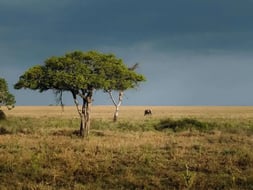
In the heart of northern Tanzania, Ndutu is where open plains meet woodlands and seasonal lakes, creating a landscape alive with wildlife and natural drama. Here, the Great Migration pauses for calving season, where predators lurk in golden grasses, and where each day on safari promises unforgettable moments surrounded by pure nature.
.webp?width=120&height=80&name=ATTA%20(1).webp)
Endorsed by ATTA
.webp?width=120&height=80&name=Natgeo%20(1).webp)
Featured in National Geographic
.webp?width=120&height=80&name=BBC%20Wildlife%20(1).webp)
BBC Wildlife
.webp?width=120&height=80&name=Tripadvisor%20(1).webp)
Rated Excellent by Trip Advisor
Ndutu
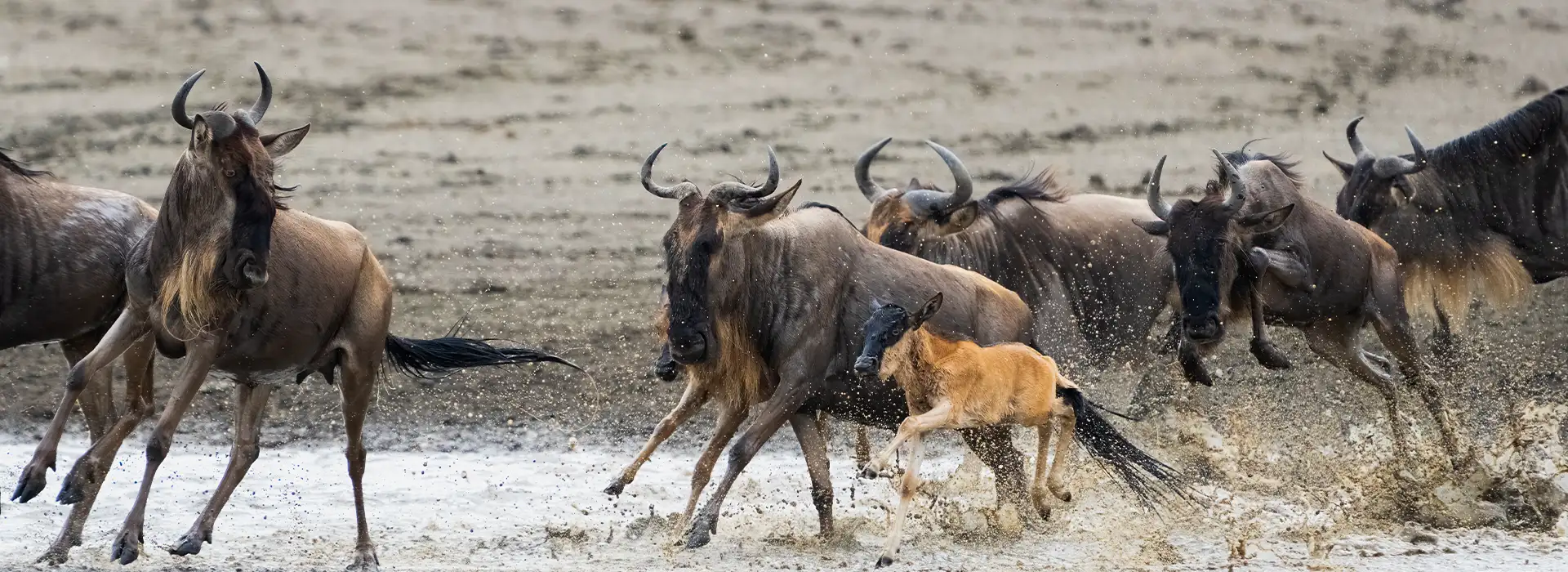
In the heart of northern Tanzania, Ndutu is where open plains meet woodlands and seasonal lakes, creating a landscape alive with wildlife and natural drama. Here, the Great Migration pauses for calving season, where predators lurk in golden grasses, and where each day on safari promises unforgettable moments surrounded by pure nature.
Endorsed by ATTA
Featured in National Geographic
BBC Wildlife
Rated Excellent by Trip Advisor
Dramatic, Dynamic, and Diverse: Welcome to Ndutu
Ndutu sits at the intersection of two of Tanzania’s most iconic landscapes: the southern Serengeti and the Ngorongoro Conservation Area. This unique position makes it a critical part of the ecosystem that supports the Great Migration, one of the world’s greatest wildlife spectacles. Between December and March, Ndutu’s expansive grasslands become a vital nursery for hundreds of thousands of wildebeest, zebra, and gazelle. This calving season draws predators in search of opportunity, making it one of the most dynamic times of year for wildlife viewing.
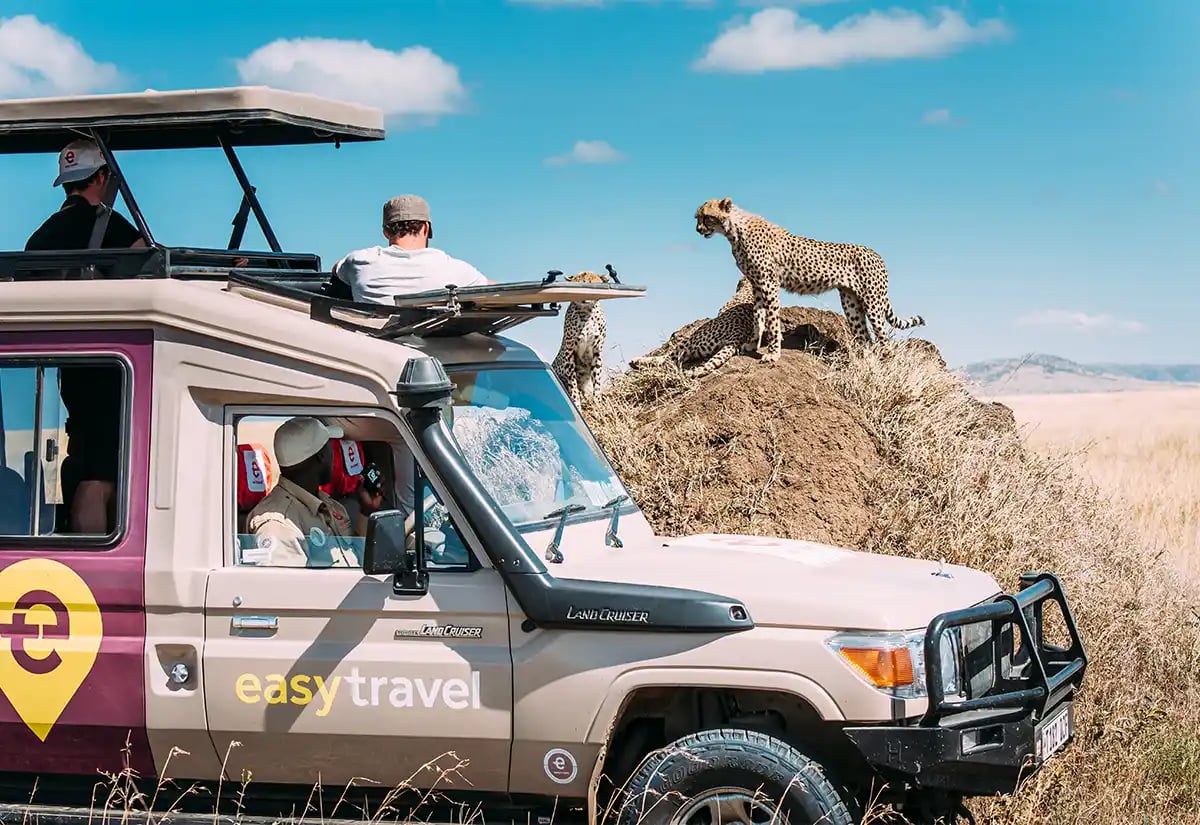
But Ndutu’s appeal stretches beyond the migration. Its mix of acacia woodland, open plains, and seasonal soda lakes like Lake Ndutu and Lake Masek creates habitats for a remarkable diversity of species year-round, from resident lions and cheetahs to flamingos and giraffes. Game drives here offer a rare freedom: off-road driving is allowed, enabling travelers to follow wildlife more closely and experience a deeper connection to the land.
.webp?width=820&height=460&name=Overview%20(1).webp)
Quietly renowned among safari guides and photographers, Ndutu offers something that’s increasingly rare—space, time, and proximity to nature’s raw moments. For travelers looking to understand the rhythms of the Serengeti ecosystem, there are few places more rewarding.
Why Travelers Love Visiting Ndutu
Travelers are drawn to Ndutu for its incredible concentration of wildlife, especially during the Great Migration’s calving season. The ability to drive off-road also sets Ndutu apart, offering closer, more flexible encounters with animals than in many other parks. Beyond the migration, the area’s varied landscapes mean there’s always something new to explore, with diverse wildlife year-round. Fewer vehicles make for an intimate Ndutu safari atmosphere, delivering a quiet, unhurried experience that feels personal and rewarding.
Things To Do in Ndutu
Ndutu offers a range of experiences that bring you closer to the region’s landscapes and wildlife. Whether you’re witnessing the migration from the sky or leisurely exploring on foot, the region offers plenty of opportunities to expand your perspective.
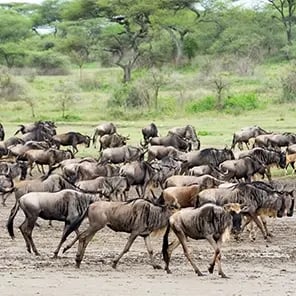

The Great Wildebeest Migration
Witness one of nature’s most awe-inspiring events as thousands of wildebeest, zebra, and gazelle gather to give birth, attracting predators and offering unmatched opportunities for dramatic wildlife sightings..webp?width=296&height=296&name=Balloon%20Safari%20(1).webp)
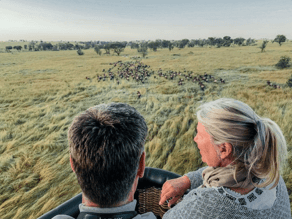
Balloon Safari
Soar over Ndutu’s open plains at sunrise for a bird’s-eye view of the landscape and wildlife. A hot air balloon safari offers a peaceful yet thrilling perspective on this remarkable ecosystem.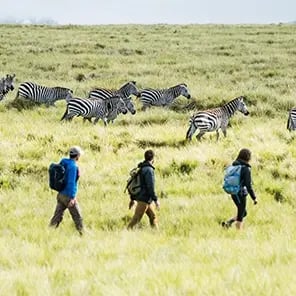
Walking Safari & Nature Walks
Explore Ndutu’s quieter corners on foot with an expert guide. These walks focus on tracks, plants, birds, and smaller wildlife, offering a slower, more detailed understanding of the environment..webp?width=296&height=296&name=Bush%20Meals%20(1).webp)
Bush Meals
Enjoy a freshly prepared breakfast or lunch set up in the heart of the wilderness. Dining outdoors with views of Ndutu’s sweeping landscapes and passing wildlife is a true safari highlight.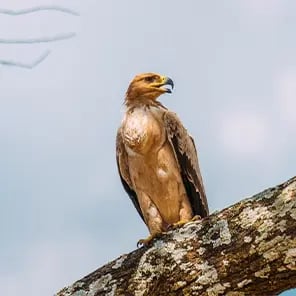
Bird Watching
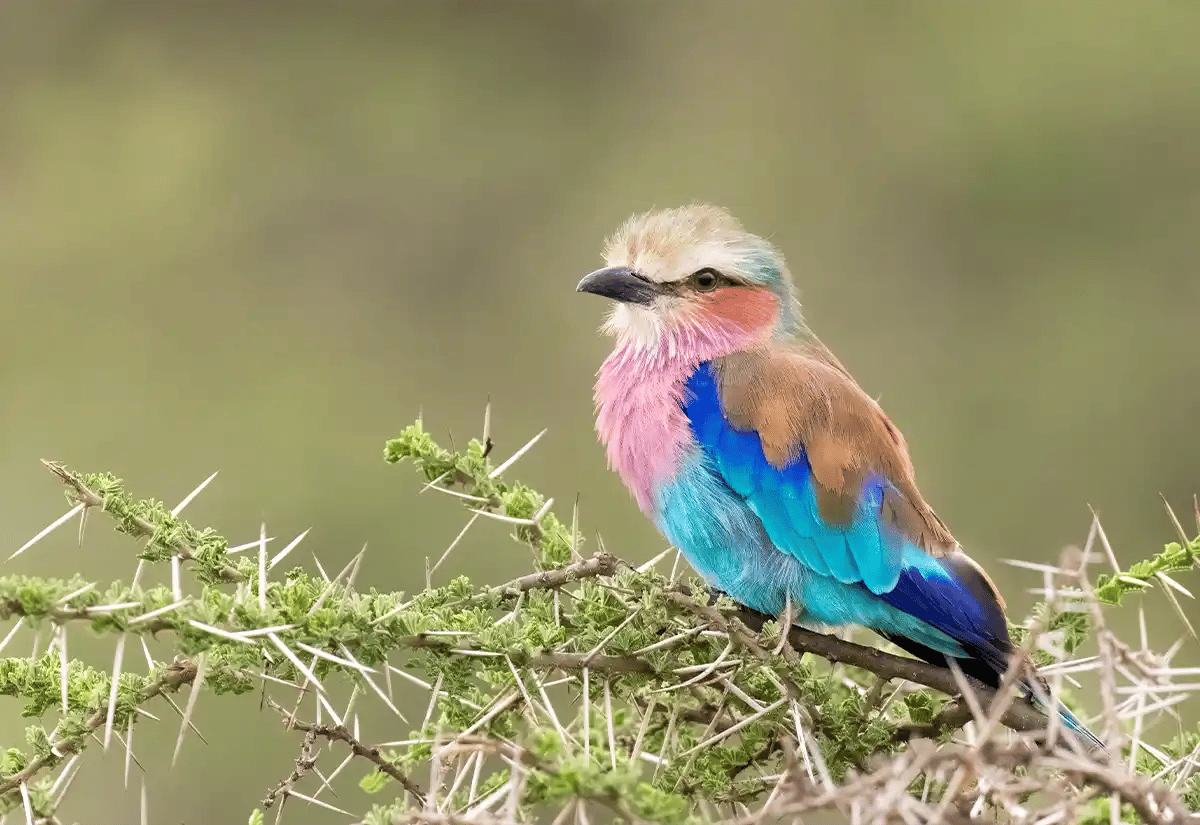
With its mix of lakes, woodland, and grassland, Ndutu is home to hundreds of bird species, including flamingos, raptors, and colorful migrants—making birding here rewarding year-round.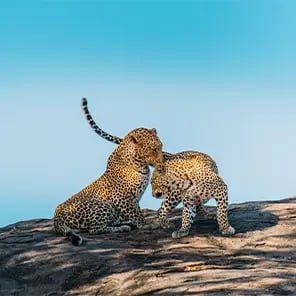
Wildlife
Beyond the migration, Ndutu offers excellent sightings of lions, cheetahs, leopards, giraffes, elephants, and more. The diversity of habitats means every game drive brings something new.Things To Do in Ndutu
Ndutu offers a range of experiences that bring you closer to the region’s landscapes and wildlife. Whether you’re witnessing the migration from the sky or leisurely exploring on foot, the region offers plenty of opportunities to expand your perspective.
The Great Wildebeest Migration
Witness one of nature’s most awe-inspiring events as thousands of wildebeest, zebra, and gazelle gather to give birth, attracting predators and offering unmatched opportunities for dramatic wildlife sightings.
Balloon Safari
Soar over Ndutu’s open plains at sunrise for a bird’s-eye view of the landscape and wildlife. A hot air balloon safari offers a peaceful yet thrilling perspective on this remarkable ecosystem.
Walking Safari & Nature Walks
Explore Ndutu’s quieter corners on foot with an expert guide. These walks focus on tracks, plants, birds, and smaller wildlife, offering a slower, more detailed understanding of the environment.
Bush Meals
Enjoy a freshly prepared breakfast or lunch set up in the heart of the wilderness. Dining outdoors with views of Ndutu’s sweeping landscapes and passing wildlife is a true safari highlight.
Bird Watching
With its mix of lakes, woodland, and grassland, Ndutu is home to hundreds of bird species, including flamingos, raptors, and colorful migrants—making birding here rewarding year-round.
Wildlife
Beyond the migration, Ndutu offers excellent sightings of lions, cheetahs, leopards, giraffes, elephants, and more. The diversity of habitats means every game drive brings something new.The Best Time to Visit Ndutu
The best time to visit Ndutu is between December and March, when the Great Migration herds arrive to give birth and predators are highly active. This period offers the most dramatic wildlife encounters, but each month brings its own unique highlights. Explore our monthly guide to find the right time for you!
average
good
best
.svg)
Jan
Feb

Mar
Apr
May
.svg)
Jun
Jul
Aug
Sep
Oct
.svg)
Nov
Dec
Jan
Feb
Mar
Apr
May
Jun
Jul
Aug
Sep
Oct
Nov
Dec
Ndutu in January: Calving Season Begins
Rainy Season
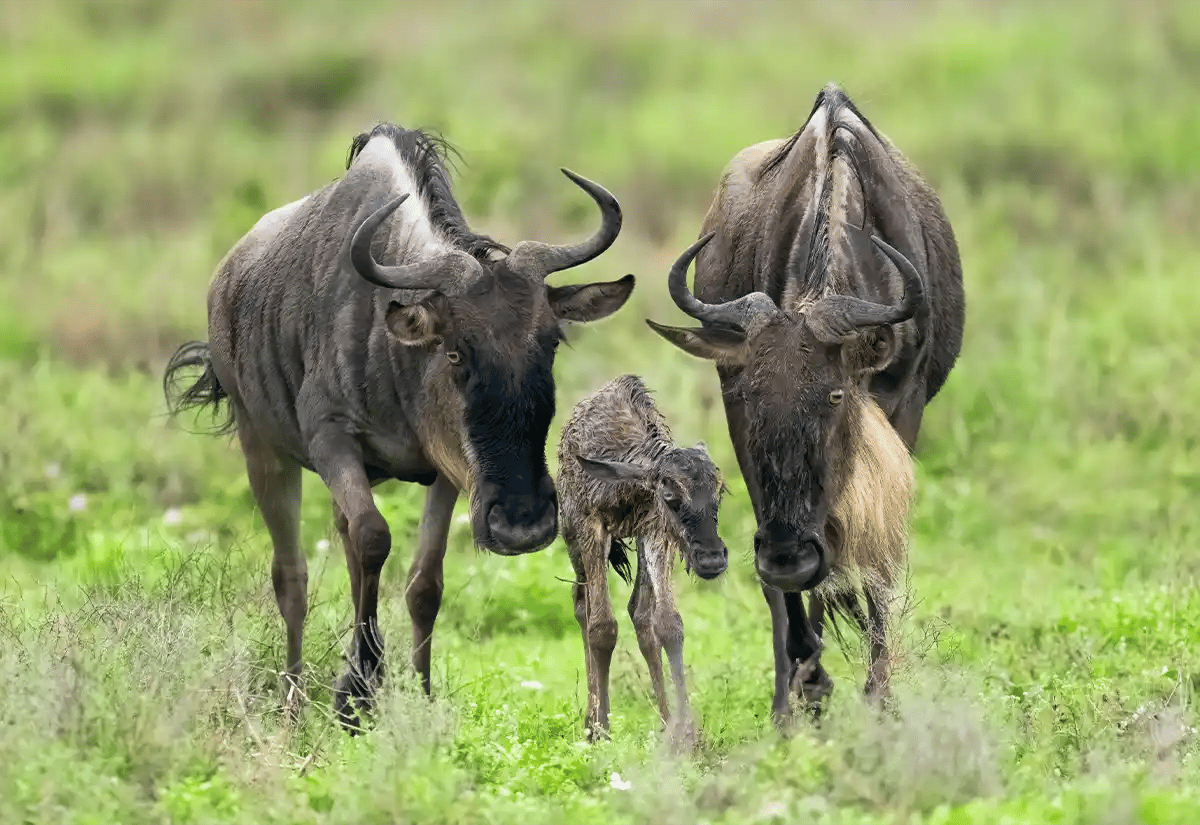
January marks the height of the green season in Ndutu, when short grass plains stretch wide and open, dotted with herds of wildebeest, zebras, and gazelles. This is the start of the calving season for the Great Migration, drawing thousands of pregnant wildebeest to these fertile plains to give birth. Alongside the newborns come predators—expect to see lions, hyenas, and cheetahs on the hunt.
With landscapes at their most vibrant, photographic opportunities are exceptional. The weather is warm, with occasional rain showers that keep the plains green and lush. Visitor numbers start to increase, especially among wildlife photographers and migration enthusiasts.

+
Ndutu in February: Peak of the Great Migration’s Calving Season
Sunny
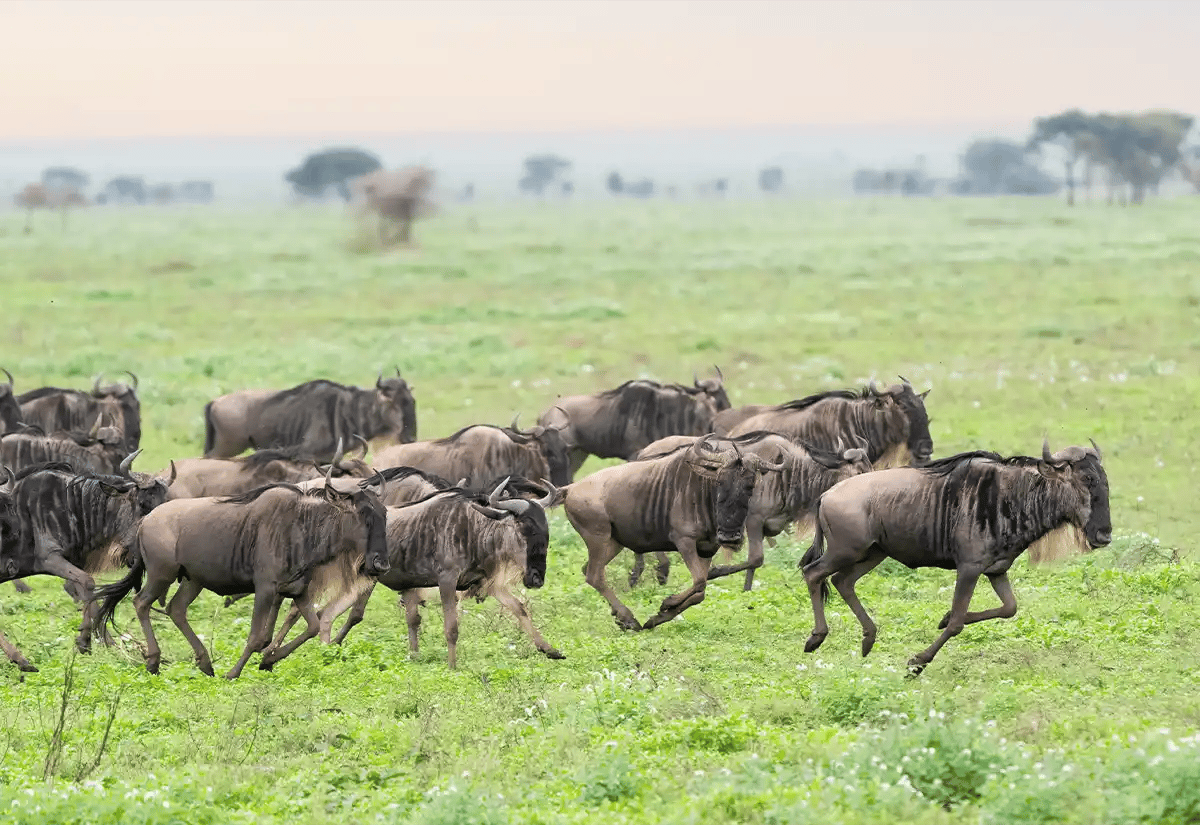
February is often considered the prime month for visiting Ndutu. The calving season is in full swing, and travelers have front-row seats to dramatic predator-prey interactions as newborn wildebeest take their first steps. The landscape remains green and alive with activity, from stalking lions to protective mother herds. Off-road driving allows visitors to follow the action closely, making it one of the most rewarding months for a Ndutu safari.
Birdlife is also at its peak with migratory species present. Temperatures are warm but comfortable, with sporadic rains that rarely disrupt game drives. Camps and Ndutu lodges fill early, so advance booking is recommended.
+
Ndutu in March: Herds, Active Predators, and Lush Landscapes
Rainy Season
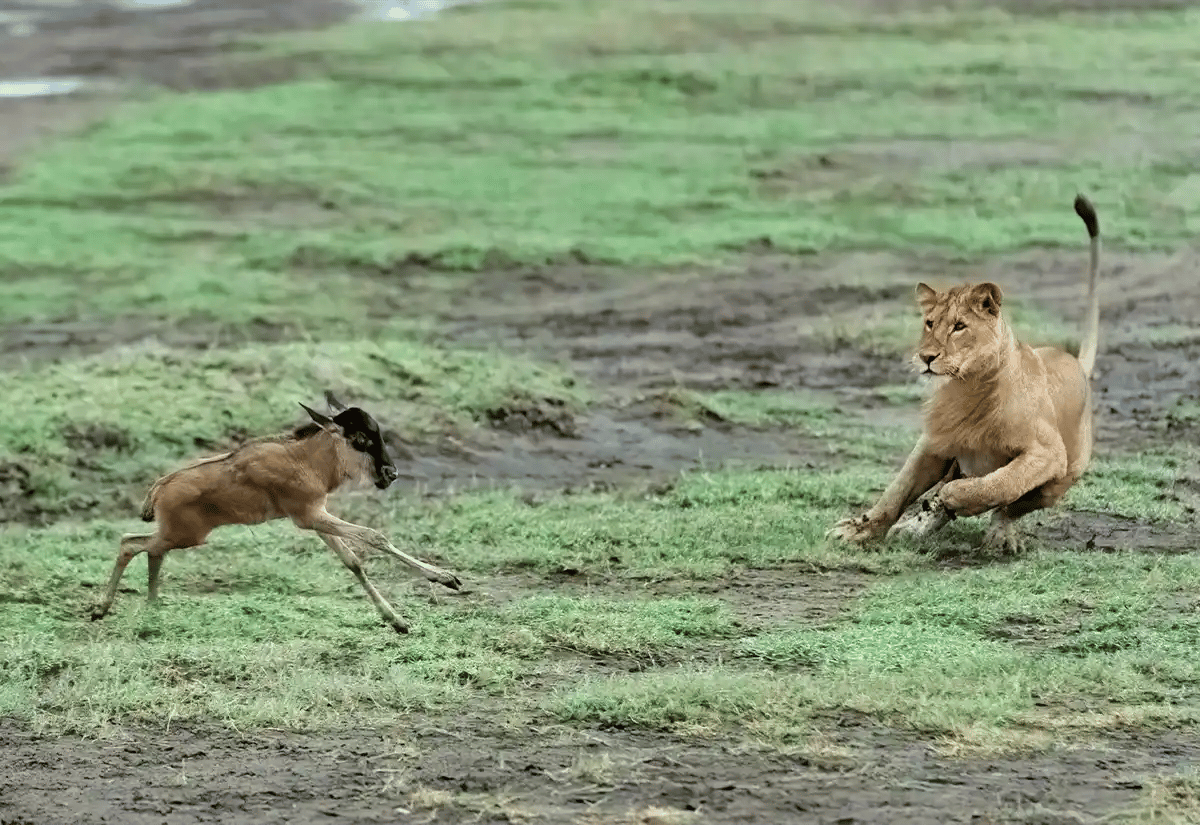
March signals the tail end of the calving season in Ndutu. While many young wildebeest are now a few weeks old and stronger, predators remain active, taking advantage of lingering opportunities. The vast herds begin to show signs of movement as they prepare to follow the rains northward, but large concentrations of animals are still found across the Ndutu plains. Landscapes remain green and scenic, perfect for photography. Migratory birds are still present, adding to the diversity of sightings. March often brings more frequent rainfall, typically in short, heavy bursts rather than all-day storms. Visitor numbers taper off slightly compared to January and February, offering a quieter experience without sacrificing wildlife quality.
+
Ndutu in April: Quiet Plains, Resident Wildlife, and Green Scenery
Rainy Season
April marks the transition into the long rainy season across northern Tanzania, including Ndutu. By this point, the Great Migration herds have largely begun their move north into the central Serengeti, leaving Ndutu quieter and greener. Wildlife sightings become less predictable, but resident species—lions, giraffes, hyenas, and elephants—remain in the area.
Roads can be muddy, but lodges may offer off-season rates, making for excellent value with fewer tourists. For travelers seeking solitude, dramatic landscapes, and the chance to see big cats without the crowds, April has its rewards. Birdwatchers also enjoy this month as migratory species prepare to depart.
+
Ndutu in May: Peaceful Safari Experiences
Rainy Season
May is the heart of the long rain in Ndutu, and by now the vast herds of the Great Migration have fully moved north into the Serengeti’s central regions. Ndutu itself becomes very quiet, with minimal tourist activity. The landscape is at its most dramatic—lush, green, and dotted with seasonal wildflowers under heavy skies.
While wildlife is less concentrated, resident predators and plains game remain, offering peaceful and often private sightings for the few visitors who venture here. Birdlife continues to impress, with wetlands and lakes full of activity. This is a month best suited to those who prioritize seclusion and scenery over volume of sightings.
+
Ndutu in June: Start of the Dry Season and Solitude in the Wild
Rainy Season
June begins the dry season across northern Tanzania. In Ndutu, this is a quieter period as the Great Migration has moved well beyond the area, leaving behind a landscape beginning to dry out. Water sources like Lake Ndutu and Lake Masek still attract resident wildlife, including elephants, giraffes, and big cats, but animal densities are far lower than in the green season.
With cooler, drier weather and fewer visitors, June appeals to those seeking a peaceful, slower-paced experience with plenty of open space. Many travelers pair a short stay in Ndutu with time in the western Serengeti, where migration herds are now gathered.
+
Ndutu in July: Dry Plains, Big Cats, and Tranquil Safaris
Sunny
July is firmly within the dry season, and Ndutu becomes notably quieter both in terms of wildlife and visitors. The migration herds are far to the north by now, and much of the game viewing shifts to resident species around permanent water sources. The landscape transitions to dry, golden grasslands with clearer skies and cooler temperatures, especially in the mornings and evenings.
Fewer travelers venture to Ndutu during this time, making it ideal for those looking for solitude and scenic beauty without the crowds. Many visitors choose to combine Ndutu with time in the central or northern Serengeti, where the migration crossings are starting.
+
Ndutu in August: Stark Beauty, Resident Wildlife, and Clear Skies
Sunny
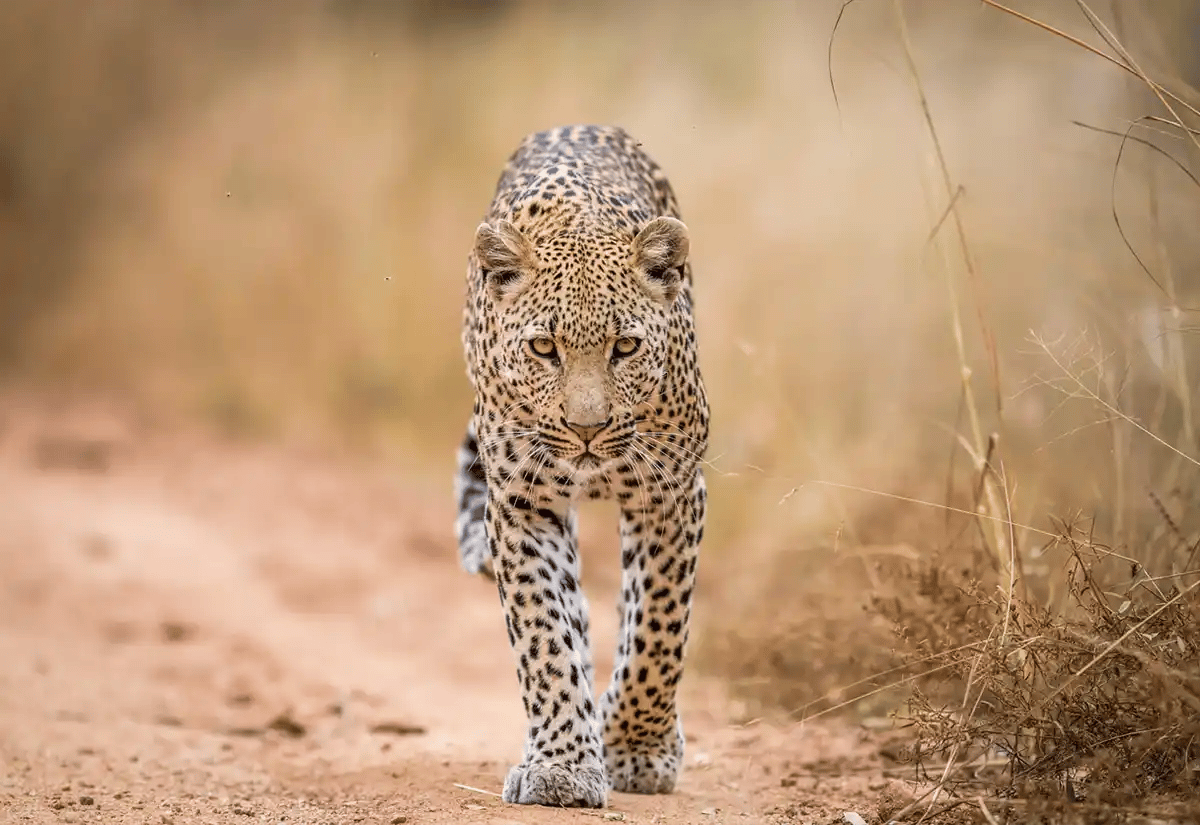
August continues the dry season pattern in Ndutu. With sparse vegetation and minimal water, wildlife becomes more scattered, and sightings less concentrated than during the wetter months. However, predators like lions and leopards remain present, and the landscape—though drier—is still strikingly beautiful with its expansive views and iconic acacia trees.
Skies are typically cloudless, and temperatures remain cool and pleasant. Few tourists visit Ndutu specifically in August, but those who do can enjoy peaceful game drives without any competition for sightings. This is also a good time to focus on photography, capturing the stark beauty of the dry season.
+
Ndutu in September: Dry Season’s End and Serene Game Drives
Sunny
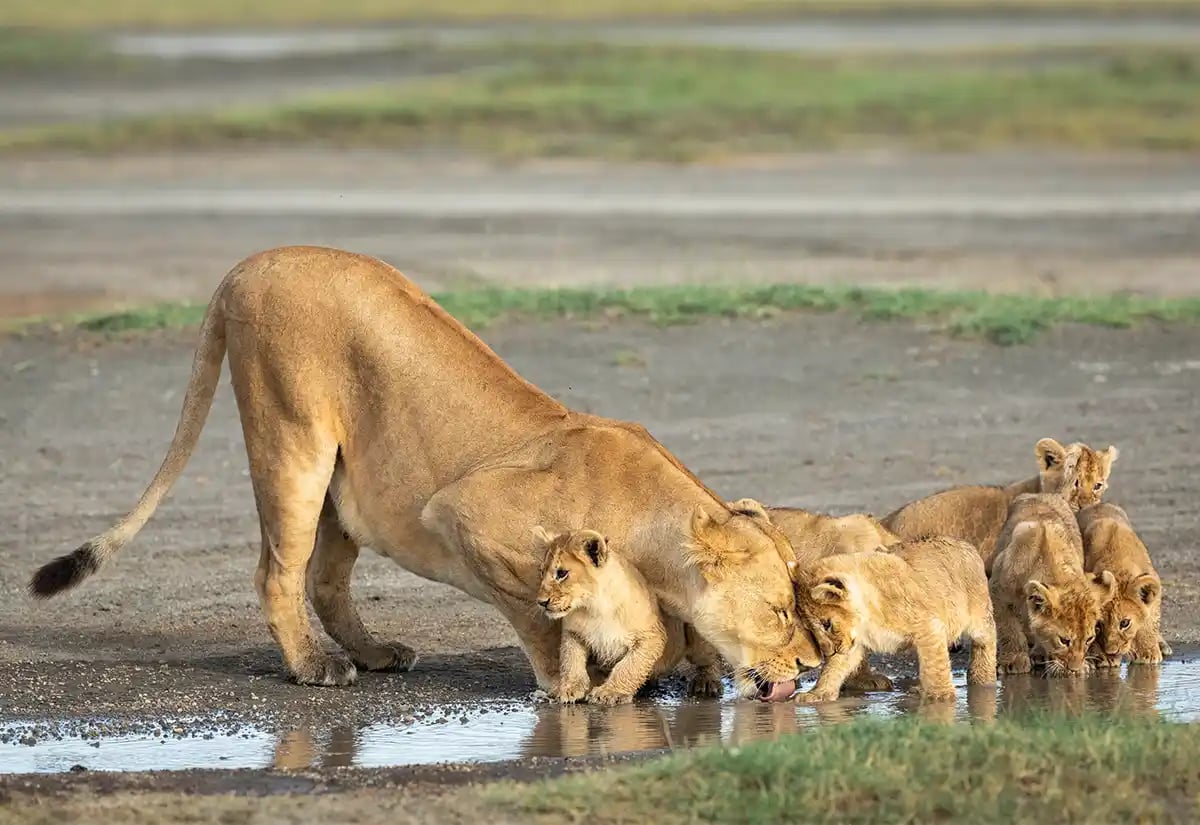
September is among the driest months in Ndutu, with much of the landscape reduced to sunbaked plains and sparse water sources. While the Great Migration remains far to the north, Ndutu’s resident wildlife—particularly predators like lions and leopards—can still be found around lakes and wooded areas.
Game viewing is quieter and more sporadic compared to the peak months, but the clear skies and warm days make for beautiful, dust-hued photography. Visitor numbers remain low, making this a peaceful time to visit for those prioritizing solitude over volume of sightings. Many travelers pair a short stay in Ndutu with more active safari regions like the northern Serengeti.
+
Ndutu in October: Landscapes in Transition and Growing Birdlife
Rainy Season
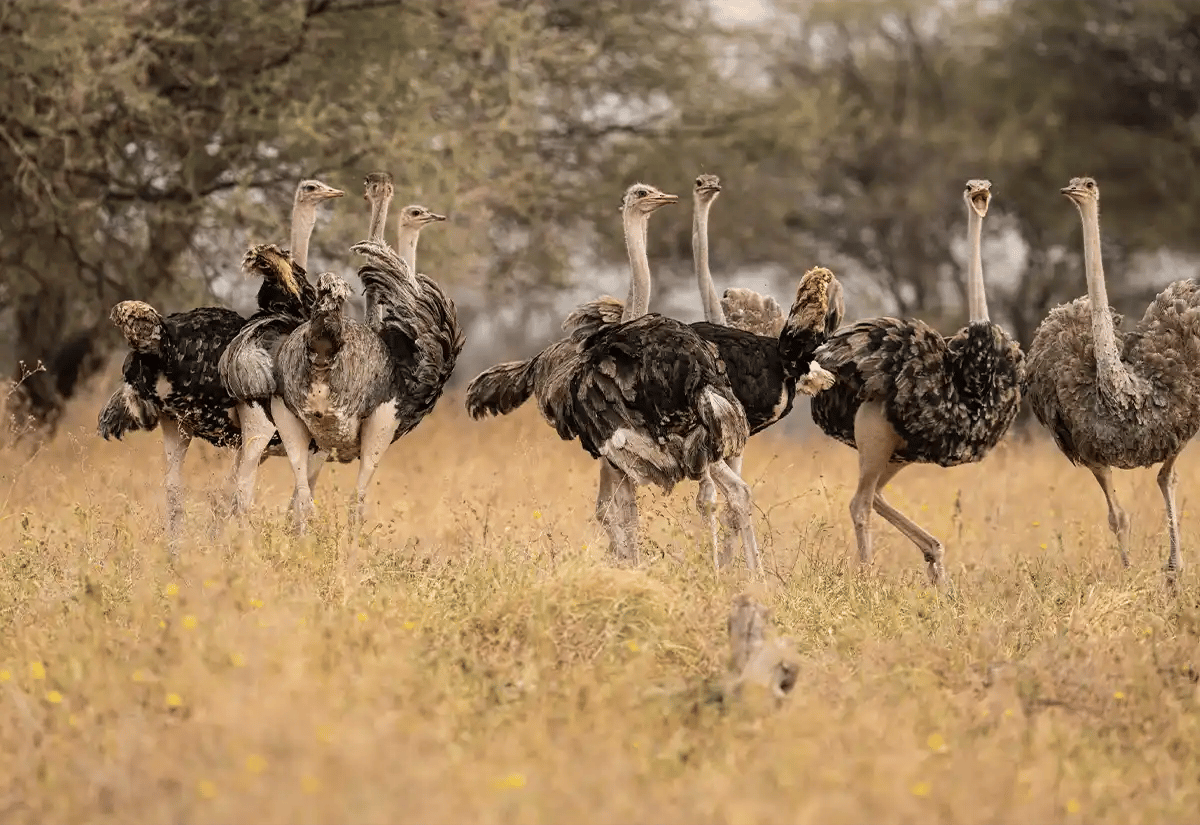
October is a transitional month as Ndutu begins to shift from the dry season toward the short rainy season, which usually arrives later in the month. Wildlife sightings remain modest, but the first hints of green start to return to the landscape, and animals begin moving in anticipation of new grazing opportunities.
While not a peak safari month for Ndutu, this is a quiet time for those who prefer fewer vehicles and a more reflective safari experience. Temperatures rise during the day but remain comfortable overall. As the rains approach, birdlife begins to pick up again, and the changing colors make the landscape more photogenic.
+
Ndutu in November: Short Rains Bring Greenery and Returning Herds
Rainy Season
November typically brings the arrival of the short rains to Ndutu, transforming the dry, dusty plains into fresh green grasslands almost overnight. This change signals the early return of the Great Migration herds to the southern Serengeti and Ndutu region, following the promise of new grazing.
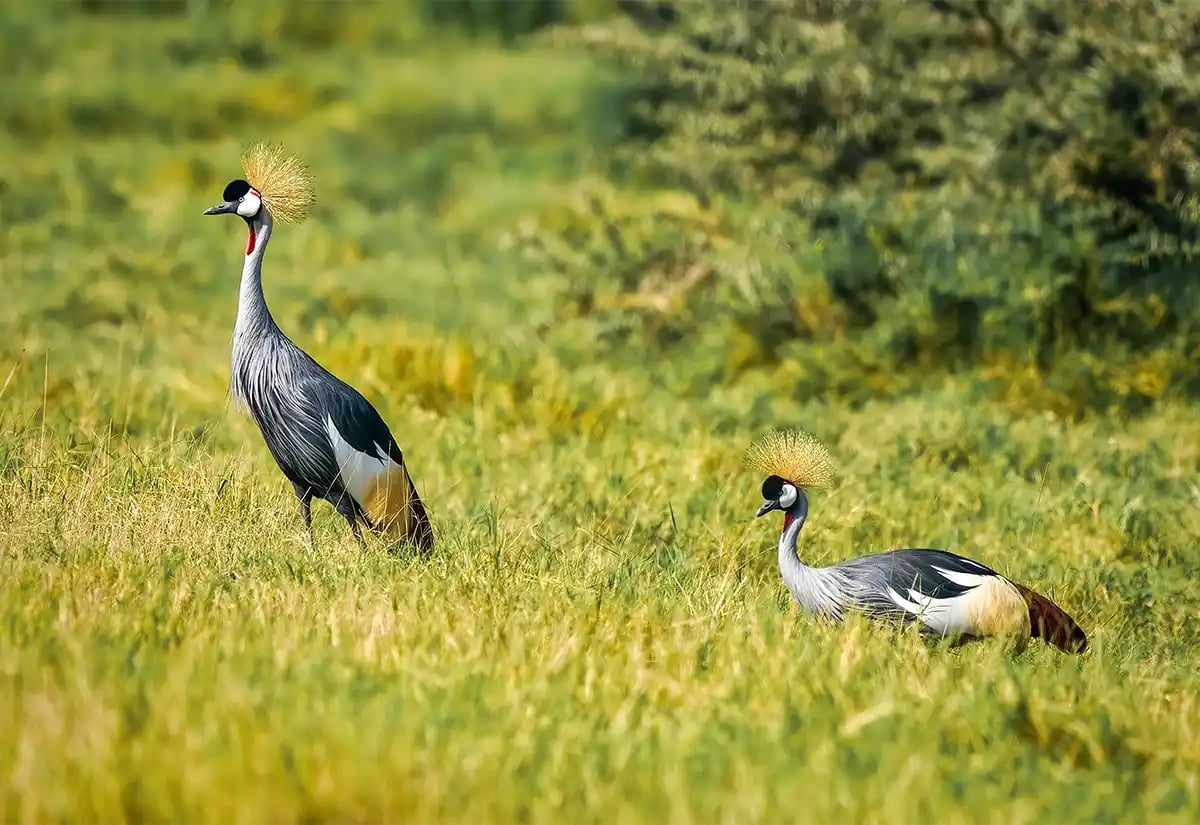
Wildlife activity starts to build again, with resident predators staying close to the growing herds. Birdlife also flourishes as migratory species return. While some rains can make roads muddy, showers are often short and dramatic, clearing quickly for stunning skies and excellent photography. Visitor numbers begin to pick up as travelers anticipate the migration season ahead.
+
Ndutu in December: The Great Migration Returns to Green Plains
Rainy Season
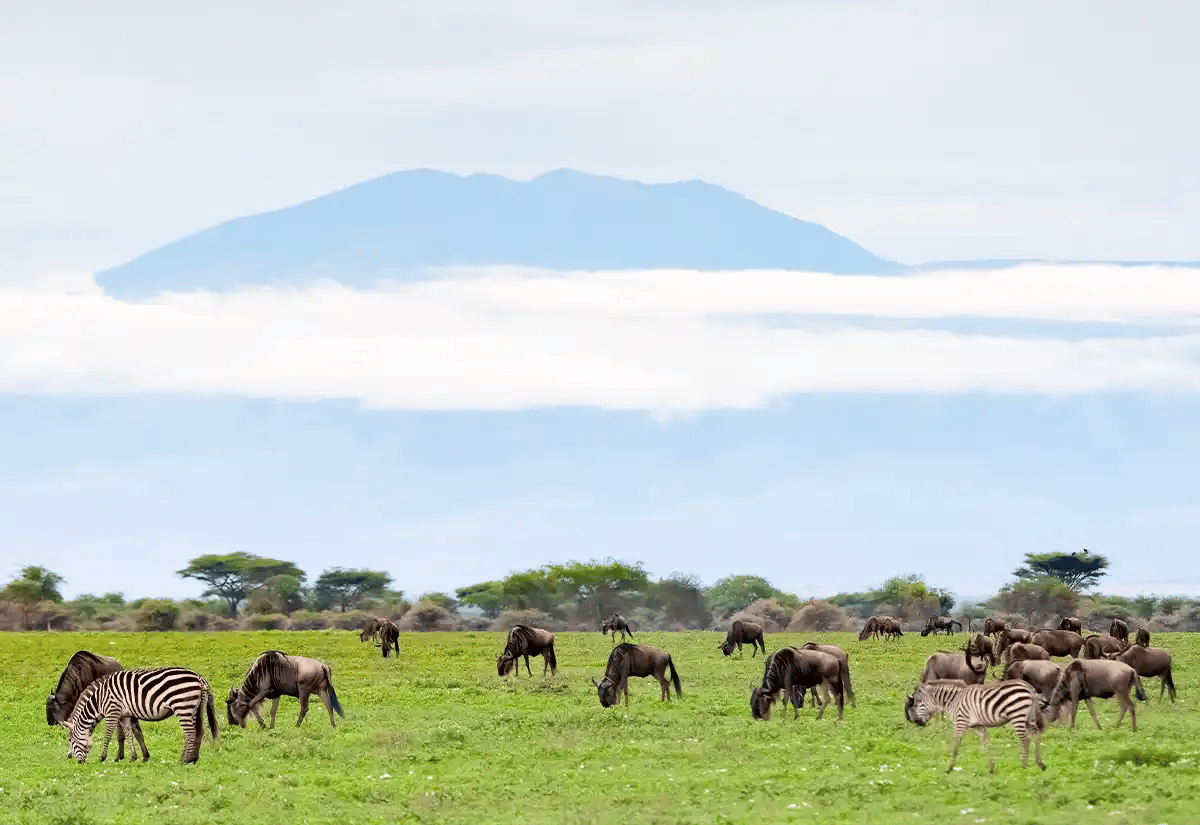
The start of the migration season begins in earnest for Ndutu in December, as large herds of wildebeest, zebras, and gazelles settle on the nutrient-rich plains. The landscape is green, vibrant, and full of life, making it a wonderful time for wildlife viewing and photography.
Predators become increasingly active with the arrival of so many prey animals, setting the stage for the drama of the months ahead. The weather remains warm with occasional rains, but conditions are generally favorable for game drives. As the holiday season approaches, Ndutu grows more popular with travelers looking to experience the early stages of the Great Migration.
+
Ndutu in January: Calving Season Begins
Rainy Season
January marks the height of the green season in Ndutu, when short grass plains stretch wide and open, dotted with herds of wildebeest, zebras, and gazelles. This is the start of the calving season for the Great Migration, drawing thousands of pregnant wildebeest to these fertile plains to give birth. Alongside the newborns come predators—expect to see lions, hyenas, and cheetahs on the hunt.
With landscapes at their most vibrant, photographic opportunities are exceptional. The weather is warm, with occasional rain showers that keep the plains green and lush. Visitor numbers start to increase, especially among wildlife photographers and migration enthusiasts.
Ndutu in February: Peak of the Great Migration’s Calving Season
Sunny
February is often considered the prime month for visiting Ndutu. The calving season is in full swing, and travelers have front-row seats to dramatic predator-prey interactions as newborn wildebeest take their first steps. The landscape remains green and alive with activity, from stalking lions to protective mother herds. Off-road driving allows visitors to follow the action closely, making it one of the most rewarding months for a Ndutu safari.
Birdlife is also at its peak with migratory species present. Temperatures are warm but comfortable, with sporadic rains that rarely disrupt game drives. Camps and Ndutu lodges fill early, so advance booking is recommended.
Ndutu in March: Herds, Active Predators, and Lush Landscapes
Rainy Season
March signals the tail end of the calving season in Ndutu. While many young wildebeest are now a few weeks old and stronger, predators remain active, taking advantage of lingering opportunities. The vast herds begin to show signs of movement as they prepare to follow the rains northward, but large concentrations of animals are still found across the Ndutu plains. Landscapes remain green and scenic, perfect for photography. Migratory birds are still present, adding to the diversity of sightings. March often brings more frequent rainfall, typically in short, heavy bursts rather than all-day storms. Visitor numbers taper off slightly compared to January and February, offering a quieter experience without sacrificing wildlife quality.
Ndutu in April: Quiet Plains, Resident Wildlife, and Green Scenery
Rainy Season
April marks the transition into the long rainy season across northern Tanzania, including Ndutu. By this point, the Great Migration herds have largely begun their move north into the central Serengeti, leaving Ndutu quieter and greener. Wildlife sightings become less predictable, but resident species—lions, giraffes, hyenas, and elephants—remain in the area.
Roads can be muddy, but lodges may offer off-season rates, making for excellent value with fewer tourists. For travelers seeking solitude, dramatic landscapes, and the chance to see big cats without the crowds, April has its rewards. Birdwatchers also enjoy this month as migratory species prepare to depart.
Ndutu in May: Peaceful Safari Experiences
Rainy Season
May is the heart of the long rain in Ndutu, and by now the vast herds of the Great Migration have fully moved north into the Serengeti’s central regions. Ndutu itself becomes very quiet, with minimal tourist activity. The landscape is at its most dramatic—lush, green, and dotted with seasonal wildflowers under heavy skies.
While wildlife is less concentrated, resident predators and plains game remain, offering peaceful and often private sightings for the few visitors who venture here. Birdlife continues to impress, with wetlands and lakes full of activity. This is a month best suited to those who prioritize seclusion and scenery over volume of sightings.
Ndutu in June: Start of the Dry Season and Solitude in the Wild
Rainy Season
June begins the dry season across northern Tanzania. In Ndutu, this is a quieter period as the Great Migration has moved well beyond the area, leaving behind a landscape beginning to dry out. Water sources like Lake Ndutu and Lake Masek still attract resident wildlife, including elephants, giraffes, and big cats, but animal densities are far lower than in the green season.
With cooler, drier weather and fewer visitors, June appeals to those seeking a peaceful, slower-paced experience with plenty of open space. Many travelers pair a short stay in Ndutu with time in the western Serengeti, where migration herds are now gathered.
Ndutu in July: Dry Plains, Big Cats, and Tranquil Safaris
Sunny
July is firmly within the dry season, and Ndutu becomes notably quieter both in terms of wildlife and visitors. The migration herds are far to the north by now, and much of the game viewing shifts to resident species around permanent water sources. The landscape transitions to dry, golden grasslands with clearer skies and cooler temperatures, especially in the mornings and evenings.
Fewer travelers venture to Ndutu during this time, making it ideal for those looking for solitude and scenic beauty without the crowds. Many visitors choose to combine Ndutu with time in the central or northern Serengeti, where the migration crossings are starting.
Ndutu in August: Stark Beauty, Resident Wildlife, and Clear Skies
Sunny
August continues the dry season pattern in Ndutu. With sparse vegetation and minimal water, wildlife becomes more scattered, and sightings less concentrated than during the wetter months. However, predators like lions and leopards remain present, and the landscape—though drier—is still strikingly beautiful with its expansive views and iconic acacia trees.
Skies are typically cloudless, and temperatures remain cool and pleasant. Few tourists visit Ndutu specifically in August, but those who do can enjoy peaceful game drives without any competition for sightings. This is also a good time to focus on photography, capturing the stark beauty of the dry season.
Ndutu in September: Dry Season’s End and Serene Game Drives
Sunny
September is among the driest months in Ndutu, with much of the landscape reduced to sunbaked plains and sparse water sources. While the Great Migration remains far to the north, Ndutu’s resident wildlife—particularly predators like lions and leopards—can still be found around lakes and wooded areas.
Game viewing is quieter and more sporadic compared to the peak months, but the clear skies and warm days make for beautiful, dust-hued photography. Visitor numbers remain low, making this a peaceful time to visit for those prioritizing solitude over volume of sightings. Many travelers pair a short stay in Ndutu with more active safari regions like the northern Serengeti.
Ndutu in October: Landscapes in Transition and Growing Birdlife
Rainy Season
October is a transitional month as Ndutu begins to shift from the dry season toward the short rainy season, which usually arrives later in the month. Wildlife sightings remain modest, but the first hints of green start to return to the landscape, and animals begin moving in anticipation of new grazing opportunities.
While not a peak safari month for Ndutu, this is a quiet time for those who prefer fewer vehicles and a more reflective safari experience. Temperatures rise during the day but remain comfortable overall. As the rains approach, birdlife begins to pick up again, and the changing colors make the landscape more photogenic.
Ndutu in November: Short Rains Bring Greenery and Returning Herds
Rainy Season
November typically brings the arrival of the short rains to Ndutu, transforming the dry, dusty plains into fresh green grasslands almost overnight. This change signals the early return of the Great Migration herds to the southern Serengeti and Ndutu region, following the promise of new grazing.
Wildlife activity starts to build again, with resident predators staying close to the growing herds. Birdlife also flourishes as migratory species return. While some rains can make roads muddy, showers are often short and dramatic, clearing quickly for stunning skies and excellent photography. Visitor numbers begin to pick up as travelers anticipate the migration season ahead.
Ndutu in December: The Great Migration Returns to Green Plains
Rainy Season
The start of the migration season begins in earnest for Ndutu in December, as large herds of wildebeest, zebras, and gazelles settle on the nutrient-rich plains. The landscape is green, vibrant, and full of life, making it a wonderful time for wildlife viewing and photography.
Predators become increasingly active with the arrival of so many prey animals, setting the stage for the drama of the months ahead. The weather remains warm with occasional rains, but conditions are generally favorable for game drives. As the holiday season approaches, Ndutu grows more popular with travelers looking to experience the early stages of the Great Migration.
+
+
+
+
+
+
+
+
+
+
+
+

Wildlife in Ndutu
Ndutu offers an ever-changing wildlife experience shaped by its diverse landscapes. From open plains to woodlands to seasonal lakes, the area supports a wide variety of species, with predator and prey sharing the same untamed space.
.webp?width=296&height=296&name=Wildebeest%20(1).webp)
Wildebeest
Ndutu is famous for calving season, when vast herds gather to give birth, drawing predators and photographers alike.
.webp?width=296&height=296&name=Zebra%20(1).webp)
Zebras
Often found grazing alongside wildebeest, zebras add to Ndutu’s striking scenes of migration and life on the plains.
.webp?width=296&height=296&name=Lion%20(1).webp)
Lions
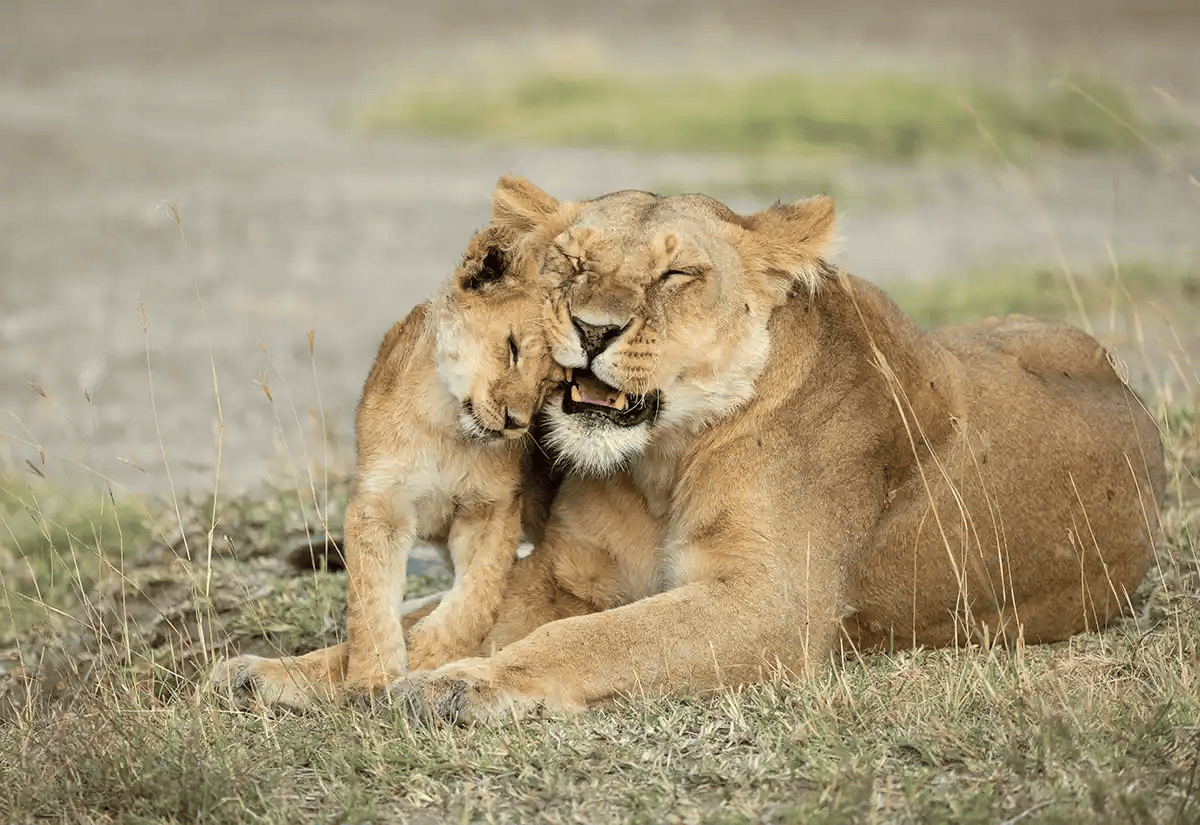
Lions thrive in Ndutu, especially during the migration when prey is abundant, offering thrilling predator sightings.
.webp?width=296&height=296&name=Cheetah%20(1).webp)
Cheetahs
These agile cats are well-adapted to Ndutu’s open grasslands, where they hunt with speed and precision.
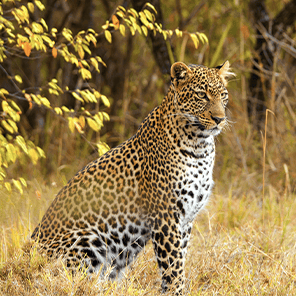
Leopards
Elusive and solitary, leopards favor Ndutu’s wooded areas, offering rare but exciting sightings for visitors.
.webp?width=296&height=296&name=Impala%20(1).webp)
Impalas
Graceful and alert, impalas are common across Ndutu’s landscapes, typically seen in herds grazing or leaping.
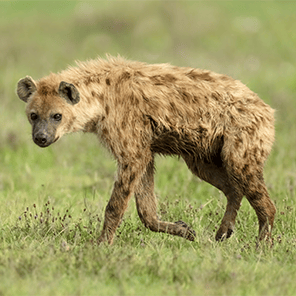
Hyenas
Spotted hyenas are a constant presence in Ndutu, known for their intelligence, teamwork, and haunting calls.
.webp?width=296&height=296&name=Giraffe%20(1).webp)
Giraffes
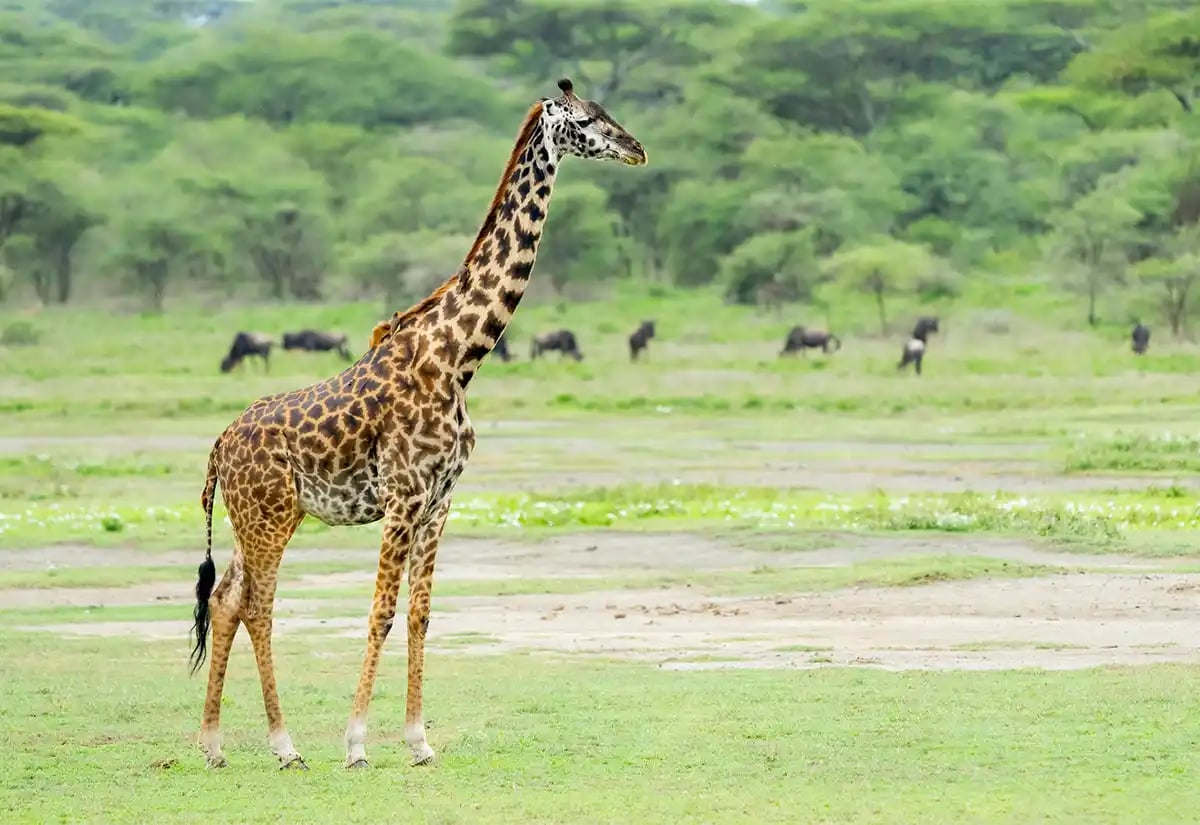
Elegant and towering, giraffes move quietly through acacia woodlands, browsing on leaves and surveying the plains.
Wildebeest
Ndutu is famous for calving season, when vast herds gather to give birth, drawing predators and photographers alike.
Zebras
Often found grazing alongside wildebeest, zebras add to Ndutu’s striking scenes of migration and life on the plains.
Lions
Lions thrive in Ndutu, especially during the migration when prey is abundant, offering thrilling predator sightings.
Cheetahs
These agile cats are well-adapted to Ndutu’s open grasslands, where they hunt with speed and precision.
Leopards
Elusive and solitary, leopards favor Ndutu’s wooded areas, offering rare but exciting sightings for visitors.
Impalas
Graceful and alert, impalas are common across Ndutu’s landscapes, typically seen in herds grazing or leaping.
Hyenas
Spotted hyenas are a constant presence in Ndutu, known for their intelligence, teamwork, and haunting calls.
Giraffes
Elegant and towering, giraffes move quietly through acacia woodlands, browsing on leaves and surveying the plains.
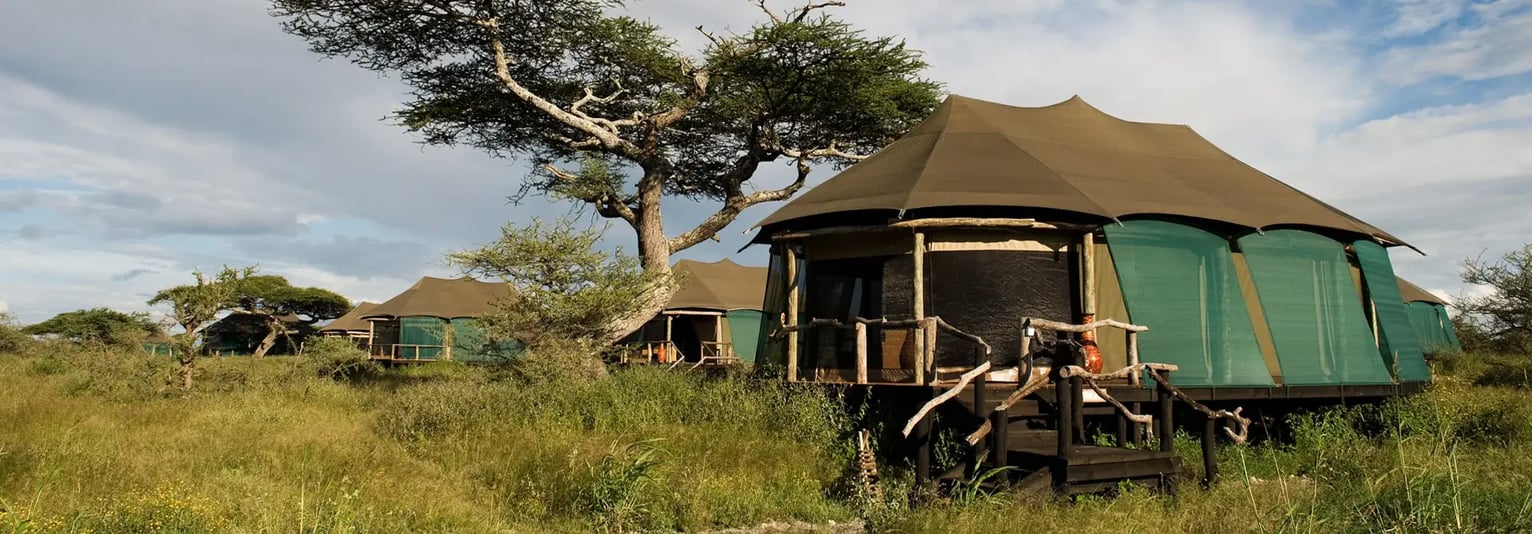
Ndutu Accommodation
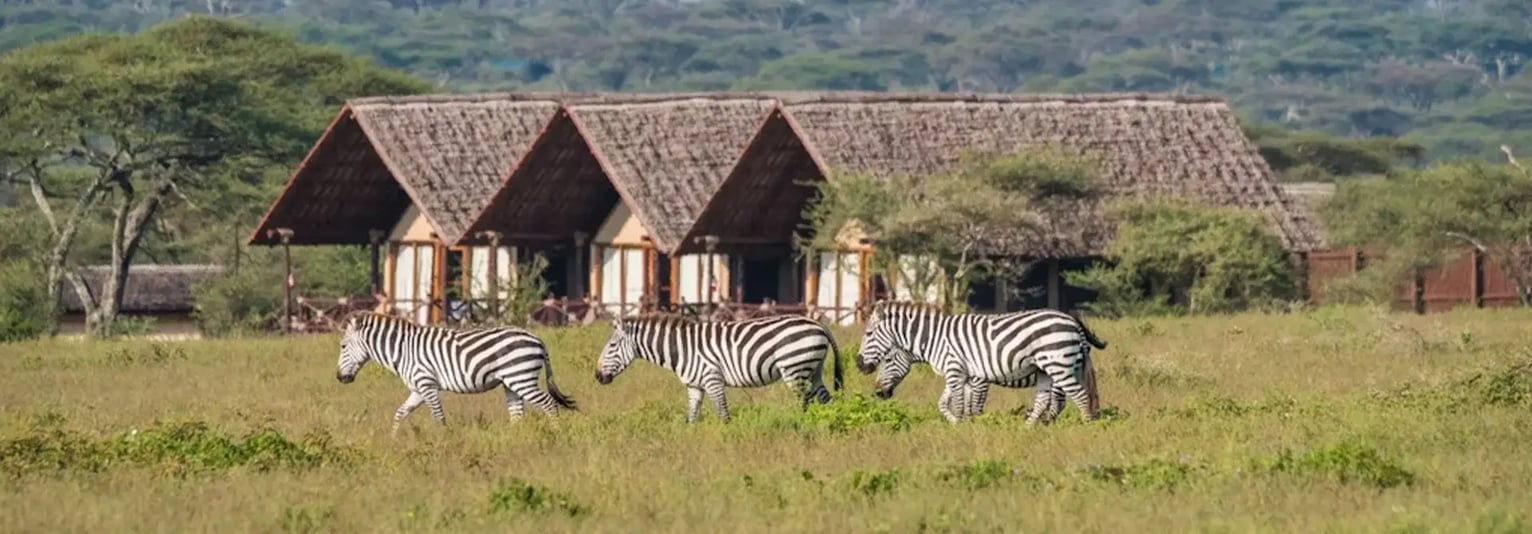
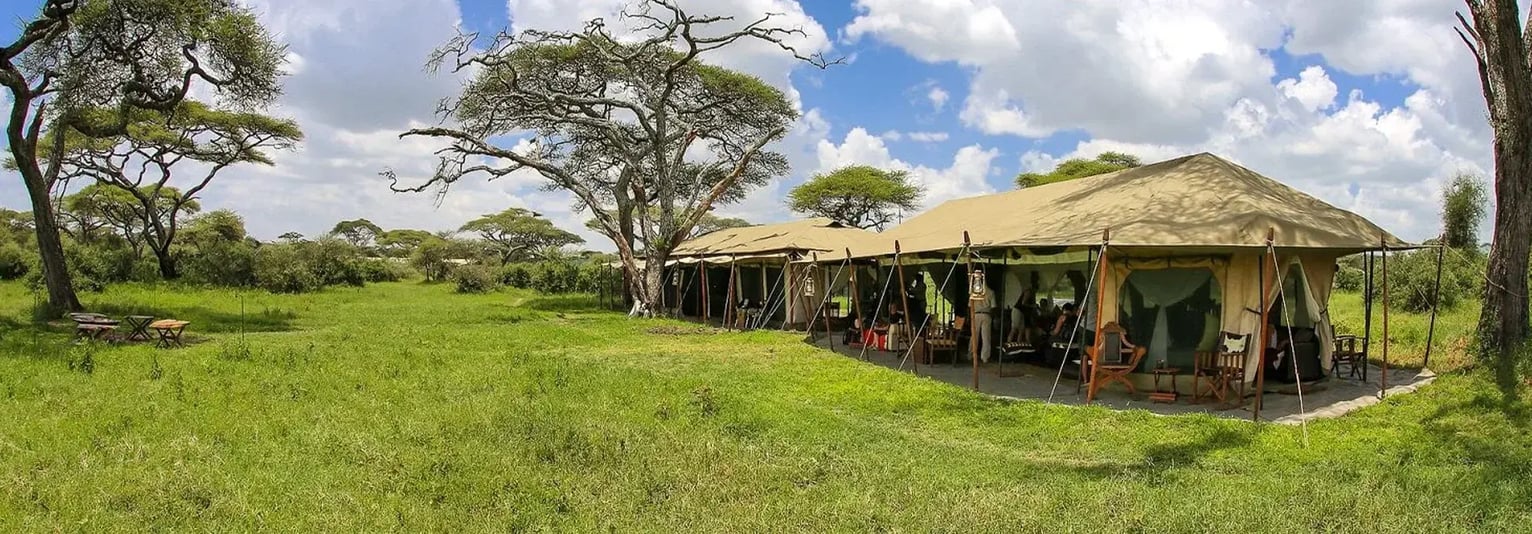
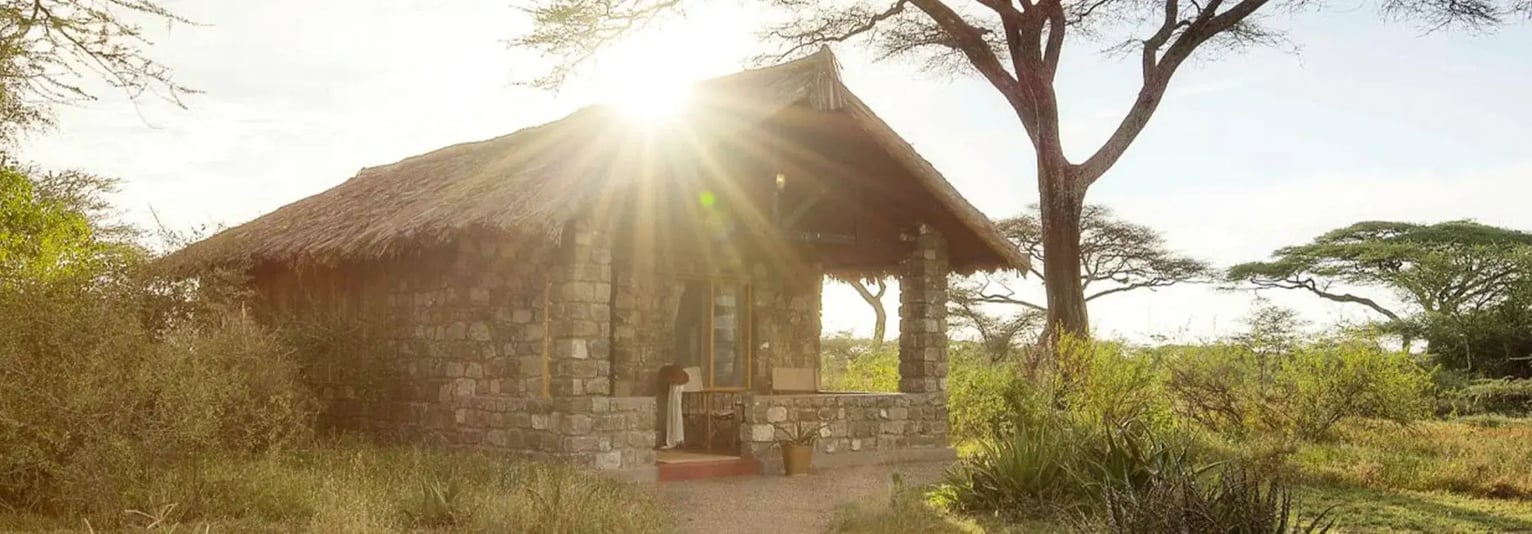
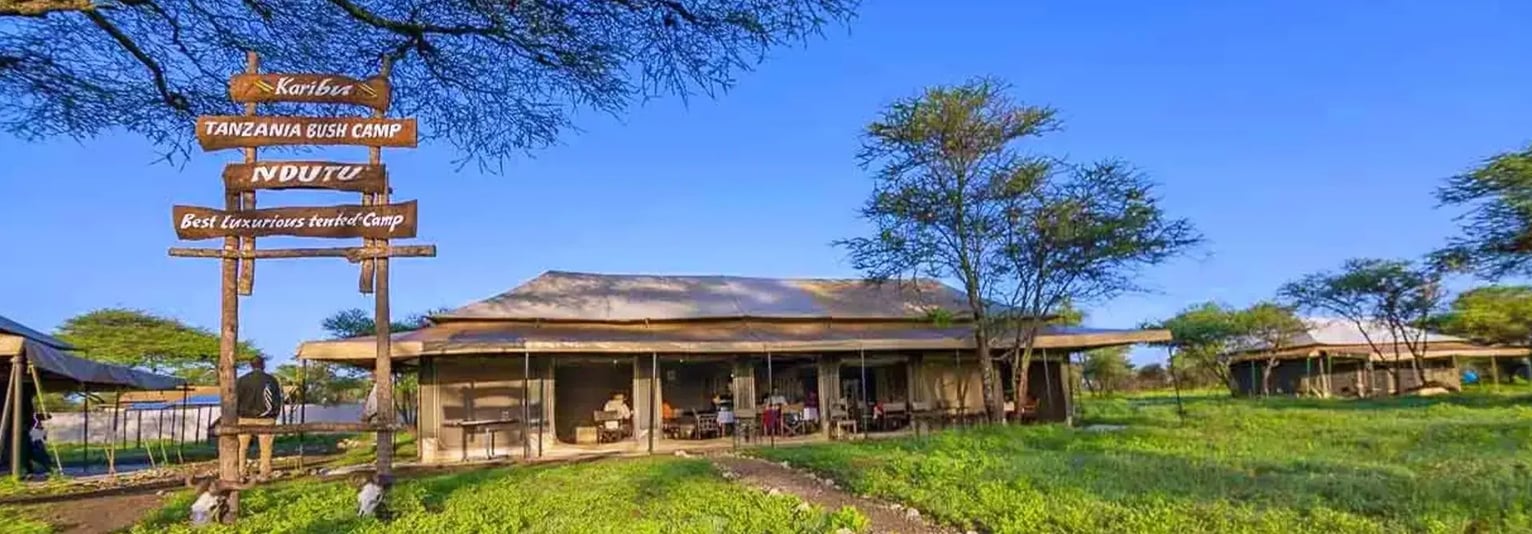
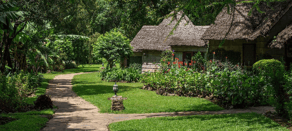
From Lake Ndutu luxury lodges to classic Tanzania bush camps, Ndutu accommodations are varied and include options for all kinds of travelers and budgets.

Lake Masek Tented...

Lake Ndutu Luxury...

Lemala Ndutu...

Ndutu Safari Lodge

Ndutu Tanzania...


More Tanzania Safaris and Zanzibar Holidays
Most Popular
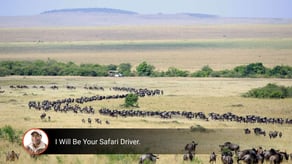
.png?width=296&height=70&name=Pattern%20(2).png)
$1,350 (2pax) USD
12 Days Serengeti Lions and Wildebeest Migration Safari

23 people viewing now
Best Seller
$3,001 (2pax) USD
Days Serengeti Lions and Wildebeest Migration Safari
15 people viewing now
Most Popular
$1,400 (2pax) USD
A Days Serengeti Lions and Wildebeest Migration Safari
60 people viewing now
Most Popular
$1,350 (2pax) USD
12 Days Serengeti Lions and Wildebeest Migration Safari
32 people viewing now
Best Seller
$3,001 (2pax) USD
Days Serengeti Lions and Wildebeest Migration Safari
83 people viewing now
Most Popular
$1,400 (2pax) USD
A Days Serengeti Lions and Wildebeest Migration Safari
89 people viewing now
Most Popular
$1,350 (2pax) USD
12 Days Serengeti Lions and Wildebeest Migration Safari
102 people viewing now
Best Seller
$3,001 (2pax) USD
Days Serengeti Lions and Wildebeest Migration Safari
54 people viewing now
Best Seller
$3,001 (2pax) USD
Days Serengeti Lions and Wildebeest Migration Safari
47 people viewing now
Best Seller
$3,001 (2pax) USD
Days Serengeti Lions and Wildebeest Migration Safari
63 people viewing now
Best Seller
$3,001 (2pax) USD
Days Serengeti Lions and Wildebeest Migration Safari
75 people viewing now
Most Popular
$1,400 (2pax) USD
A Days Serengeti Lions and Wildebeest Migration Safari
59 people viewing now
Whatever is on your list of top Tanzania to-dos or African safari must-sees, we’ll make it happen.

Most Popular
$1,350 (2pax) USD
12 Days Serengeti Lions and Wildebeest Migration Safari
57 people viewing now
Best Seller
$3,001 (2pax) USD
Days Serengeti Lions and Wildebeest Migration Safari
42 people viewing now
Most Popular
$1,400 (2pax) USD
A Days Serengeti Lions and Wildebeest Migration Safari
38 people viewing now
Most Popular
$1,350 (2pax) USD
12 Days Serengeti Lions and Wildebeest Migration Safari
96 people viewing now
Best Seller
$3,001 (2pax) USD
Days Serengeti Lions and Wildebeest Migration Safari
74 people viewing now
Most Popular
$1,400 (2pax) USD
A Days Serengeti Lions and Wildebeest Migration Safari
115 people viewing now
Most Popular
$1,350 (2pax) USD
12 Days Serengeti Lions and Wildebeest Migration Safari
57 people viewing now
Best Seller
$3,001 (2pax) USD
Days Serengeti Lions and Wildebeest Migration Safari
31 people viewing now
Best Seller
$3,001 (2pax) USD
Days Serengeti Lions and Wildebeest Migration Safari
52 people viewing now
Best Seller
$3,001 (2pax) USD
Days Serengeti Lions and Wildebeest Migration Safari
109 people viewing now
Best Seller
$3,001 (2pax) USD
Days Serengeti Lions and Wildebeest Migration Safari
72 people viewing now
Most Popular
$1,400 (2pax) USD
A Days Serengeti Lions and Wildebeest Migration Safari
110 people viewing now
Whatever is on your list of top Tanzania to-dos or African safari must-sees, we’ll make it happen.
FAQs

Still have questions?
Contact Us, we are more than happy to help!
Where is Ndutu located?
Ndutu is situated between the southern Serengeti and the Ngorongoro Conservation Area in northern Tanzania.
What is the best time to visit Ndutu?
The best time to visit is between December and March, during the Great Migration calving season, when wildlife viewing is at its peak.
What kinds of safaris are available in Ndutu?
Easy Travel offers expertly guided Ndutu safari experiences, including game drives, walking safaris, and balloon safaris.
What types of accommodation are available in Ndutu?
Ndutu offers a range of options, from Ndutu safari lodges and permanent tented camps to luxury lodges near Lake Ndutu.
Can I stay at a Ndutu safari lodge with Easy Travel?
Yes, Easy Travel partners with some of the best Ndutu safari lodges and luxury tented camps, ensuring comfort and convenience during your stay.
What wildlife can I expect to see in Ndutu?
Ndutu is known for its large herds during the migration, plus excellent predator sightings and diverse birdlife year-round.
Is off-road driving allowed on a Ndutu safari?
Yes, unlike other parks, Ndutu permits off-road driving, allowing for closer wildlife encounters during your Ndutu safari.
How do I get to Ndutu?
Most travelers fly into Arusha, with light aircraft flights available to airstrips near Ndutu lodges for easy access.
Are there luxury options for Ndutu accommodation?
Absolutely! Properties like Lake Ndutu Luxury Tented Lodge provide high-end comfort and incredible access to wildlife.
Why should I choose Easy Travel for my Ndutu safari?
Easy Travel offers expert local guides, handpicked Ndutu accommodation, and seamless logistics for a worry-free safari experience.
Still have questions?
Contact Us, we are more than happy to help!
Explore Our Latest Articles
3.06.2025
23 Min Read
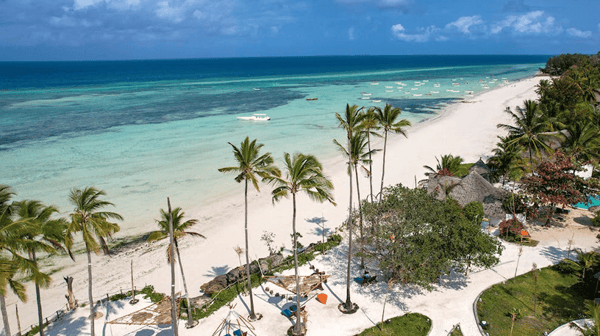
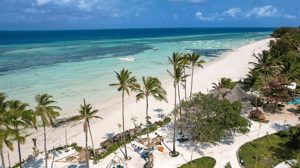
Kendwa Beach rests on Zanzibar Island. The beach is known far and wide because it is gorgeous. The sand on the beach is...

3.06.2025
23 Min Read
Kendwa Beach rests on Zanzibar Island. The beach is known far and wide because it is gorgeous. The...
.webp?width=493&height=433&name=Ndutu%20(1).webp)
Find Out Which Safari Tour Is Right For You
Want to pair your safari in the Ndutu Conservation Area with a visit to Tanzania’s other iconic parks, lakes, mountains, or beaches? Take a short quiz to see which spots we recommend.
More Tanzania Destinations To Visit
This is a park

.webp?width=292&height=428&name=Ngorongoro%20(1).webp)
.svg)
.svg)
Ngorongoro...
Easily combined with a Ndutu safari, the Ngorongoro Crater offers dramatic landscapes and dense wildlife populations in...
This is a park
.webp?width=292&height=428&name=Serengeti%20National%20Park%20(1).webp)


Serengeti...
North of Ndutu, the Serengeti is world-renowned for its endless plains, big cats, and another key stage of the Great...
This is a park
-svg.svg)
.webp?width=292&height=428&name=Tarangire%20National%20Park%20(1).webp)


Tarangire...
Tarangire is known for large elephant herds and ancient baobabs, offering a quieter safari experience that complements...
This is a park

.webp?width=292&height=428&name=Zanzibar%20(1).webp)
.svg)
.svg)
Zanzibar
After your Ndutu safari, unwind on Zanzibar’s beautiful beaches with its blend of Swahili culture, turquoise waters,...