

.svg "Style-Guide (1)")


.svg)


Kendwa Beach rests on Zanzibar Island. The beach is known far and wide because it is gorgeous. The...






Mikumi National Park
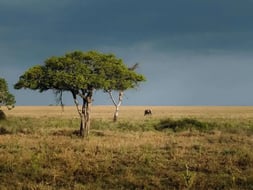
Tucked between the rolling Uluguru Mountains and the vast wilderness of southern Tanzania, Mikumi National Park offers a classic safari experience filled with sweeping savannahs, dramatic baobabs, and thriving wildlife. Its easy access from Dar es Salaam makes it perfect for both quick getaways and longer adventures.

Endorsed by ATTA

Featured in National Geographic

BBC Wildlife

Rated Excellent by Trip Advisor
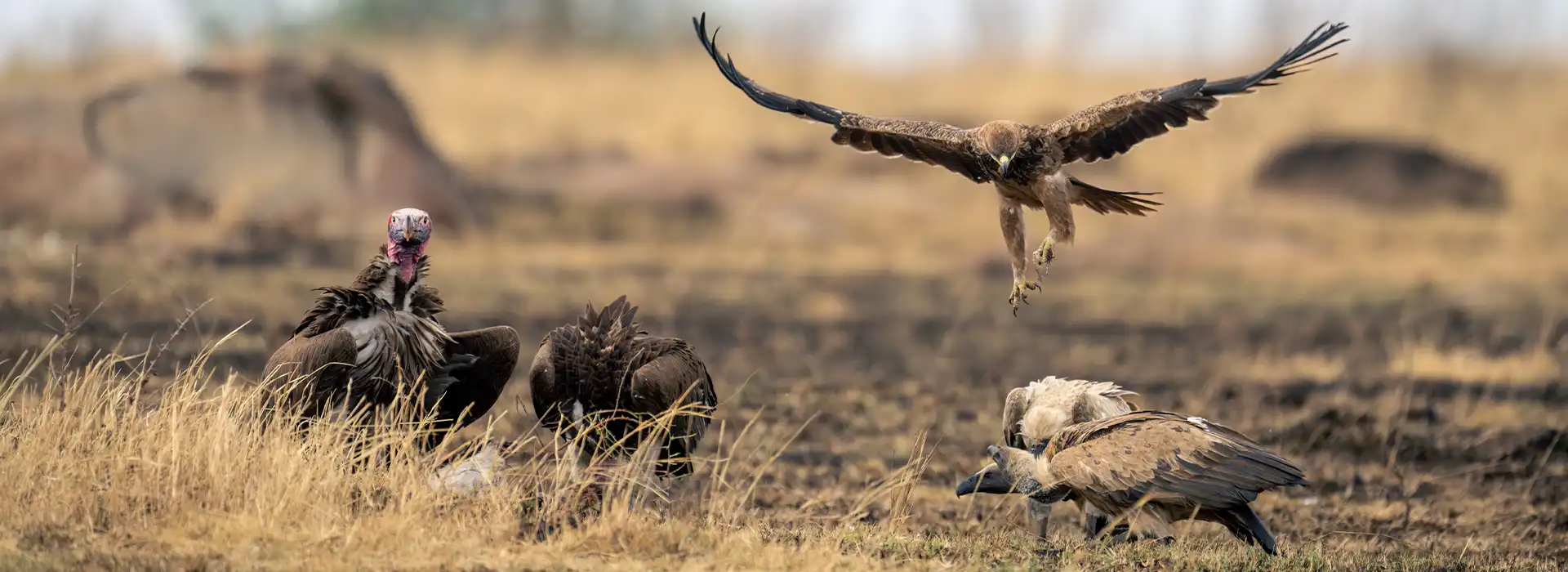
Mikumi National Park
Tucked between the rolling Uluguru Mountains and the vast wilderness of southern Tanzania, Mikumi National Park offers a classic safari experience filled with sweeping savannahs, dramatic baobabs, and thriving wildlife. Its easy access from Dar es Salaam makes it perfect for both quick getaways and longer adventures.
Endorsed by ATTA
Featured in National Geographic
BBC Wildlife
Rated Excellent by Trip Advisor
Things To Do in Mikumi National Park
Mikumi National Park offers travelers diverse ways to experience Tanzania's wildlife and landscapes beyond traditional game drives. Whether you're passionate about wildlife photography, bird watching, or conservation efforts, Mikumi has something memorable to offer everyone.


Walking Safari & Nature Walks
Experience the park on foot with guided walking safaris led by knowledgeable guides. Spot smaller wildlife, track animal footprints, and learn about native plants, creating lasting memories away from the safari...
Night Game Drives
Venture into the darkness with an exhilarating night game drive, illuminated only by spotlight. Discover the park’s nocturnal residents—including leopards, hyenas, bush babies, and genets—for a rare chance to witness wildlife...
Day Tours
Enhance your Mikumi National Park visit with an enriching day tour to nearby communities and cultural landmarks. From village experiences showcasing local traditions to visits to nearby Udzungwa Mountains and waterfalls, excursions...
Bird Watching
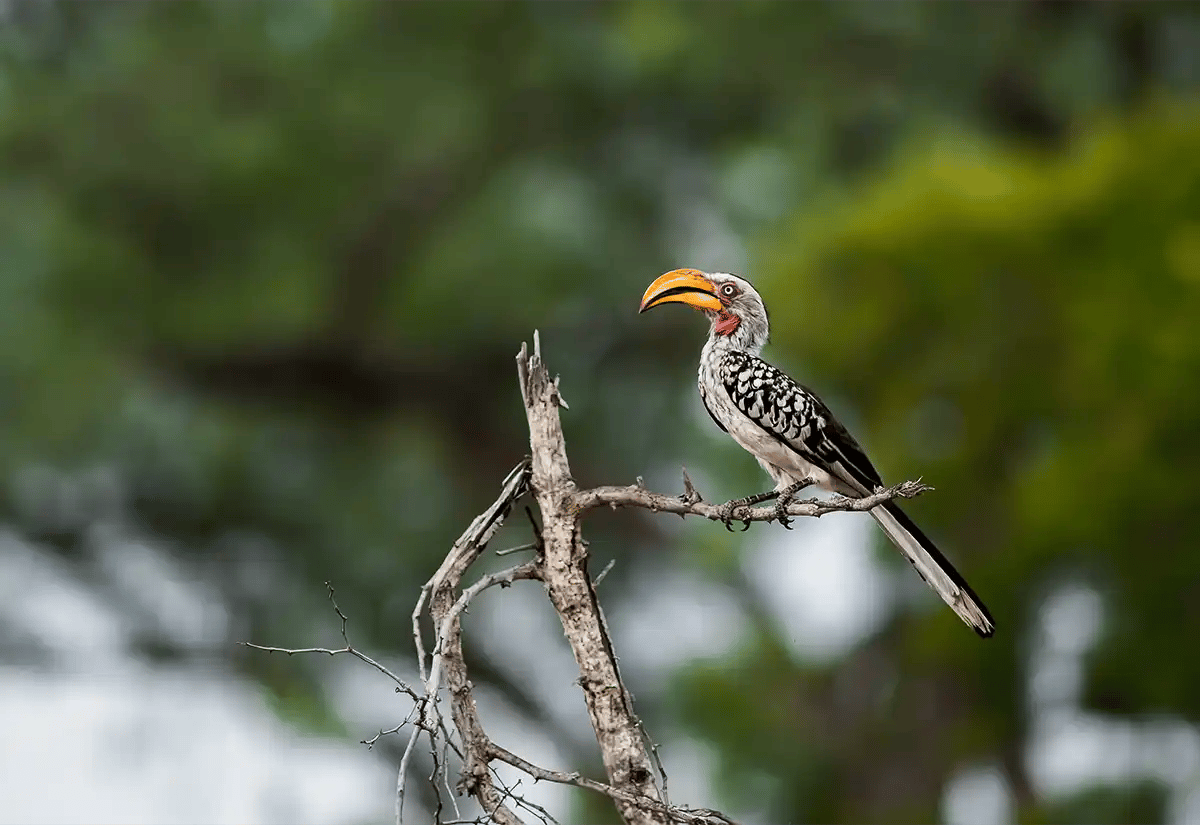
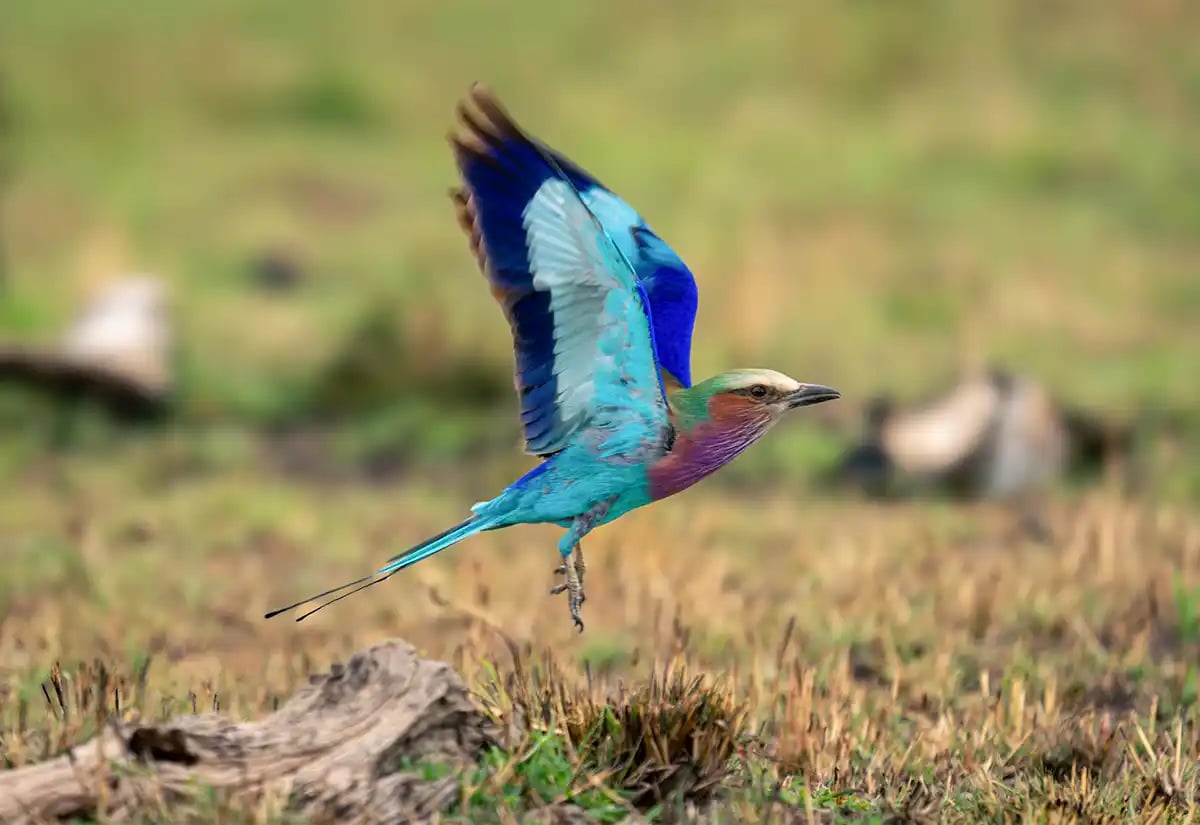
With over 400 bird species recorded, Mikumi National Park is a birdwatcher’s paradise. Spot vibrant lilac-breasted rollers, hornbills, sunbirds, and numerous raptors in habitats ranging from open savannah to riverine forests.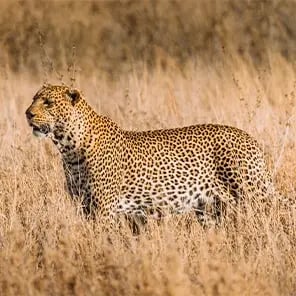
Wildlife
Mikumi National Park is renowned for its abundant wildlife viewing opportunities. Encounter elephants, giraffes, zebras, buffalo, and predators like lions and leopards across the expansive savannah, all without overwhelming crowds.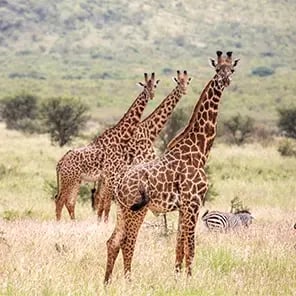
Conservation
Visiting Mikumi National Park supports vital conservation efforts aimed at protecting wildlife habitats and species. Learn firsthand about community involvement, anti-poaching initiatives, and ecological preservation projects...Things To Do in Mikumi National Park
Mikumi National Park offers travelers diverse ways to experience Tanzania's wildlife and landscapes beyond traditional game drives. Whether you're passionate about wildlife photography, bird watching, or conservation efforts, Mikumi has something memorable to offer everyone.
Walking Safari & Nature Walks
Experience the park on foot with guided walking safaris led by knowledgeable guides. Spot smaller wildlife, track animal footprints, and learn about native plants, creating lasting memories away from the safari vehicle.
Night Game Drives
Venture into the darkness with an exhilarating night game drive, illuminated only by spotlight. Discover the park’s nocturnal residents—including leopards, hyenas, bush babies, and genets—for a rare chance to witness wildlife behaviors...
Day Tours
Enhance your Mikumi National Park visit with an enriching day tour to nearby communities and cultural landmarks. From village experiences showcasing local traditions to visits to nearby Udzungwa Mountains and waterfalls, excursions like these...
Bird Watching
With over 400 bird species recorded, Mikumi National Park is a birdwatcher’s paradise. Spot vibrant lilac-breasted rollers, hornbills, sunbirds, and numerous raptors in habitats ranging from open savannah to riverine forests.
Wildlife
Mikumi National Park is renowned for its abundant wildlife viewing opportunities. Encounter elephants, giraffes, zebras, buffalo, and predators like lions and leopards across the expansive savannah, all without overwhelming crowds.
Conservation
Visiting Mikumi National Park supports vital conservation efforts aimed at protecting wildlife habitats and species. Learn firsthand about community involvement, anti-poaching initiatives, and ecological preservation projects dedicated to...The Best Time to Visit Mikumi National Park
Planning your safari to Mikumi? The best time to visit Mikumi National Park depends on what kind of experience you’re looking for: green scenes or peak wildlife sightings. No matter when you travel, you’ll find a range of comfortable Mikumi National Park lodges and accommodations to suit your stay.
average
good
best
.svg)
Jan
Feb

Mar
Apr
May
.svg)
Jun
Jul
Aug
Sep
Oct
.svg)
Nov
Dec
Jan
Feb
Mar
Apr
May
Jun
Jul
Aug
Sep
Oct
Nov
Dec
Mikumi in January: Green landscapes and newborn wildlife
Green Season
January falls within the short rainy season in Mikumi National Park, bringing bursts of afternoon rain that transform the landscape into a vibrant green. The grasses are tall, the baobabs are full of life, and young animals are abundant. This is a wonderful month for photography, with lush backdrops and dramatic skies.
While some areas may be muddy, game drives remain rewarding, with elephants, giraffes, and large buffalo herds easily seen on the Mkata River area. Birdlife is especially active now, with migratory species adding color to the park’s already rich diversity. Visitor numbers are moderate, making it a great time for those seeking a quieter safari.

+
Mikumi in February: Thriving scenery and excellent birdlife
Green Season
February continues the green season in Mikumi National Park, with landscapes still lush and alive from recent rains. Wildlife viewing remains excellent, with many animals grazing in the open and predators like lions taking advantage of the abundance of prey. The floodplains are especially scenic, and this is one of the best months for birdwatching, as migratory species are still present in large numbers.
Although there may be occasional showers, the days are typically warm and humid with clear mornings. Visitor numbers remain relatively low, offering a peaceful safari experience with plenty of opportunities for photography and uninterrupted game viewing.
+
Mikumi in March: Peak of the green season and quiet safaris
Green Season
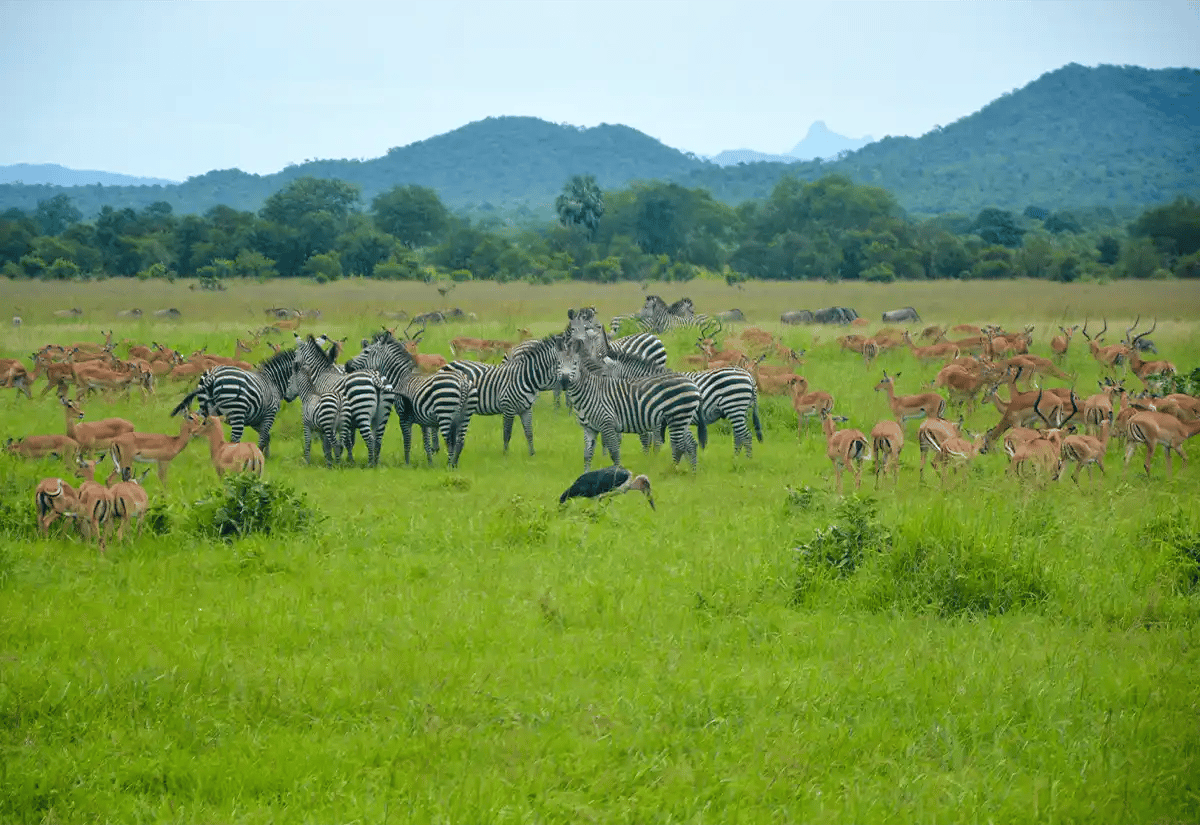
In March, Mikumi National Park transitions from the green season to the long rain with heavier and more consistent rainfall. The park’s landscapes are at their most flourishing, with vivid green grasses stretching across the plains and water sources fully replenished.
While some wildlife may be more spread out due to the abundance of water, sightings of elephants, giraffes, and antelope remain reliable, especially on the Mkata Floodplain. Predators are still active, often taking advantage of the plentiful young animals during this time. Birdlife is excellent, with both resident and migratory species filling the skies. Though rain may affect road conditions, those who visit in March will enjoy a quieter park with far fewer tourists.
+
Mikumi in April: Vibrant views and few tourists
Long Rain Season
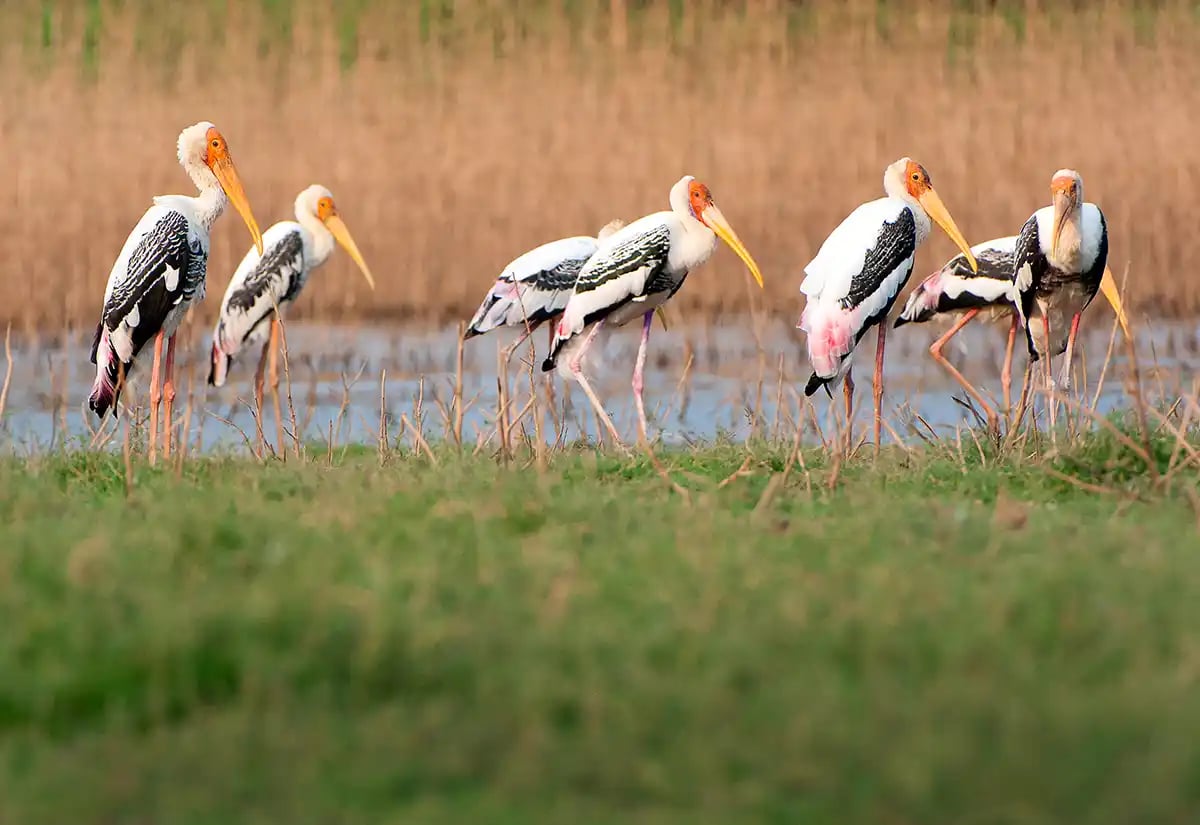
April is typically the wettest month in Mikumi National Park, with prolonged rain showers that transform the landscape into a patchwork of shimmering water and dense greenery. The heavy rains can make some roads challenging, and certain areas may become inaccessible. However, the scenery is spectacular, with dramatic skies and vibrant landscapes perfect for photography.
Wildlife is still visible, though animals are more dispersed. Birdwatching also remains a highlight thanks to the abundance of waterbirds and migratory species. This is the park’s quietest month in terms of tourism, ideal for travelers seeking solitude and serene game drives without the crowds.
+
Mikumi in May: Easing rain and peaceful wildlife viewing
Long Rain Season
May signals the tail end of the long rains in Mikumi National Park, with showers gradually becoming lighter and less frequent. The park remains beautifully green, with full rivers and thriving vegetation that create a picturesque setting for wildlife viewing. Animals start to gather more predictably as water sources begin to recede, making sightings a little easier compared to March and April.
The Mkata Floodplain is a reliable hotspot for spotting elephants, buffalo, giraffes, and predators like lions. Birdlife is still excellent, although some migratory species will soon begin their departure. Tourist numbers are very low, making May a great time for peaceful, uncrowded safaris with a good balance of scenery and wildlife.
+
Mikumi in June: Dry season begins and sightings improve
Dry Season
In June, Mikumi National Park enters the dry season, bringing cooler, drier weather and excellent safari conditions. The grasses begin to thin, making it easier to spot wildlife, and animals gradually concentrate around remaining water sources like the Mkata River. Clear skies and pleasant daytime temperatures make this an ideal time for game drives and photography.
You can expect wildlife viewing to be more predictable, with chances to spot elephants, lions, giraffes, and buffalo frequently across the plains. This is also when the park starts to welcome more visitors, as June is recognized as the beginning of the best time to visit Mikumi National Park for classic safari experiences.
+
Mikumi in July: Prime game viewing and clear skies
Dry Season
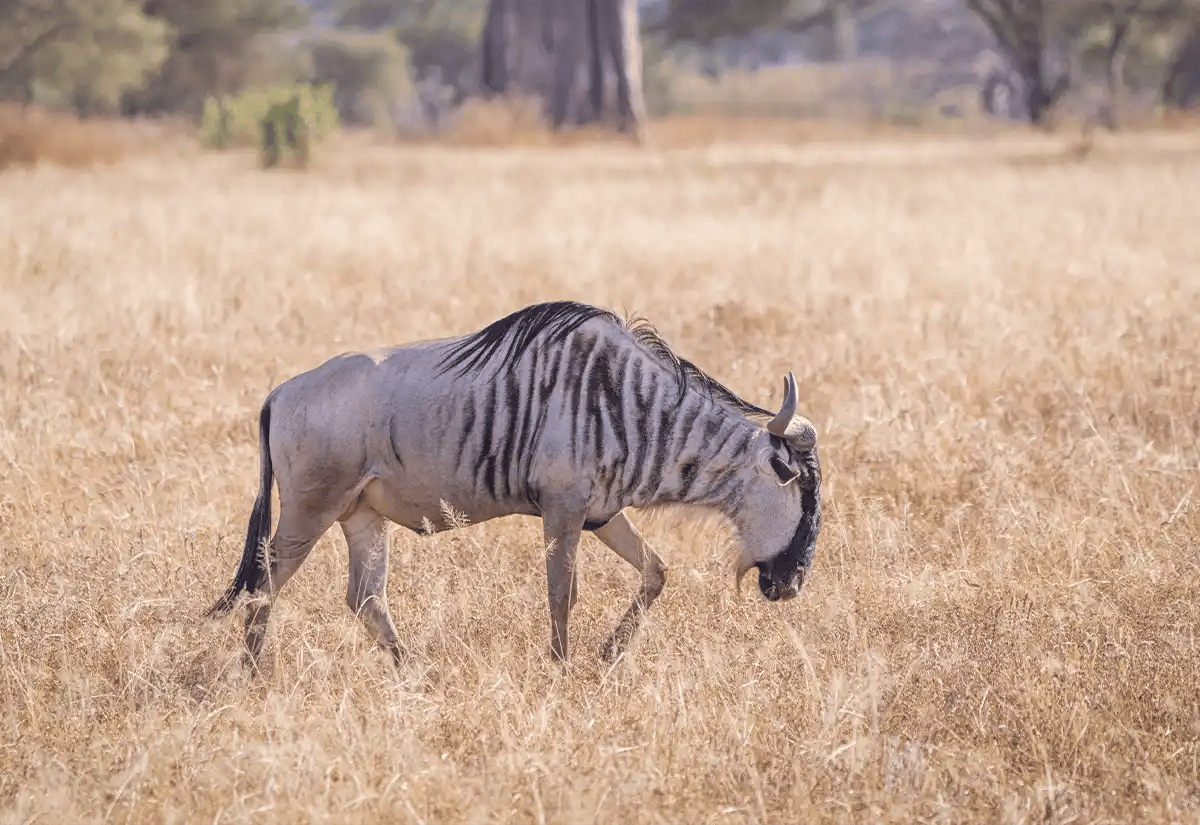
July is firmly within the dry season at Mikumi National Park, offering some of the year’s most reliable and rewarding wildlife viewing. Vegetation is now sparse, and animals gather in large numbers around water sources, particularly on the floodplains. Expect excellent opportunities to see elephants, buffalo, giraffes, lions, and other predators, as well as an abundance of plains game like zebra and wildebeest.
With cooler mornings and evenings and warm, pleasant afternoons, this is one of the most comfortable months for game drives. July is also a popular month for travelers, so expect more visitors and book accommodations early if you’re planning to visit.
+
Mikumi in August: Classic safari conditions at their best
Dry Season
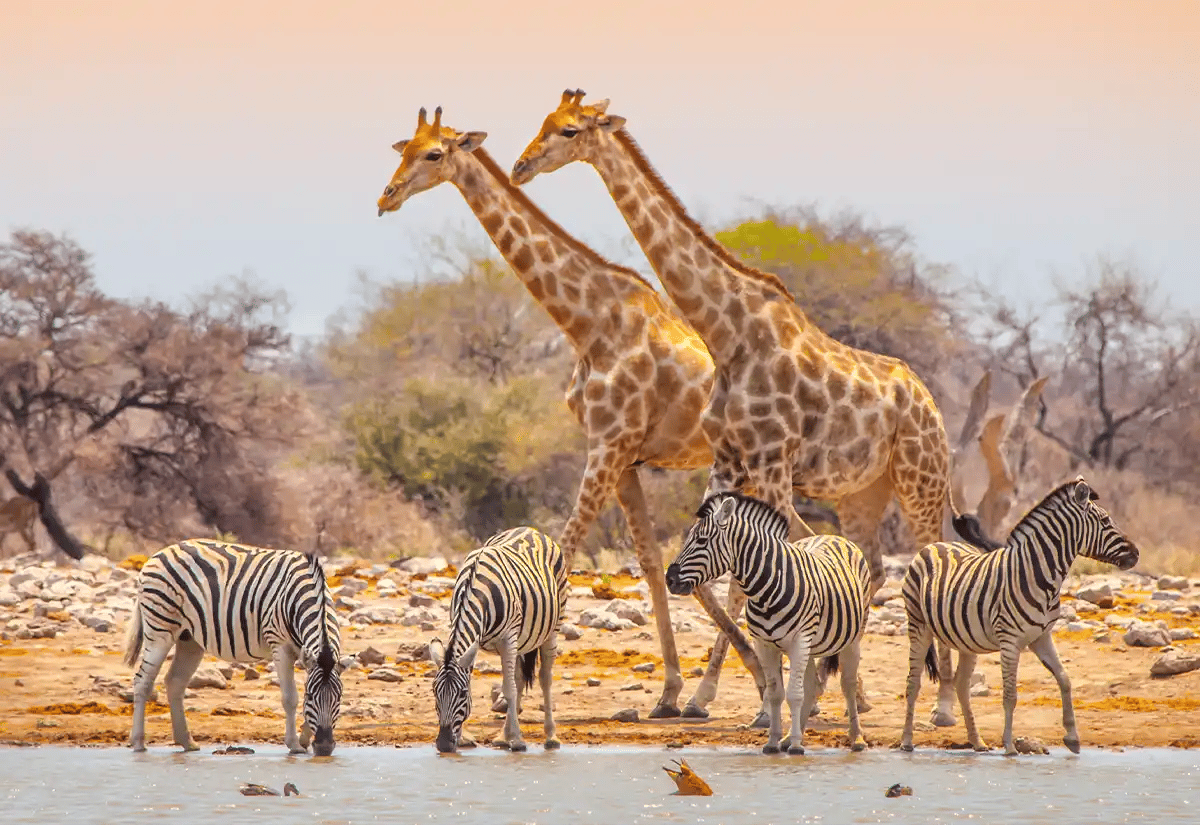
August continues the prime safari season in Mikumi National Park, with dry, sunny weather and consistent wildlife activity. Water becomes increasingly scarce, which drives animals to concentrate around remaining rivers and watering holes, making sightings frequent and dramatic.
The Mkata Floodplain is especially active, offering a high likelihood of encountering large herds and predators in action. The scenery is drier and more golden now, providing striking contrast for photographers. August is a busy time for tourism, so early planning is recommended. This month is perfect for travelers seeking classic, high-quality safari experiences with clear skies, predictable wildlife movements, and excellent guiding.
+
Mikumi in September: Wildlife abounds and the plains are golden
Dry Season
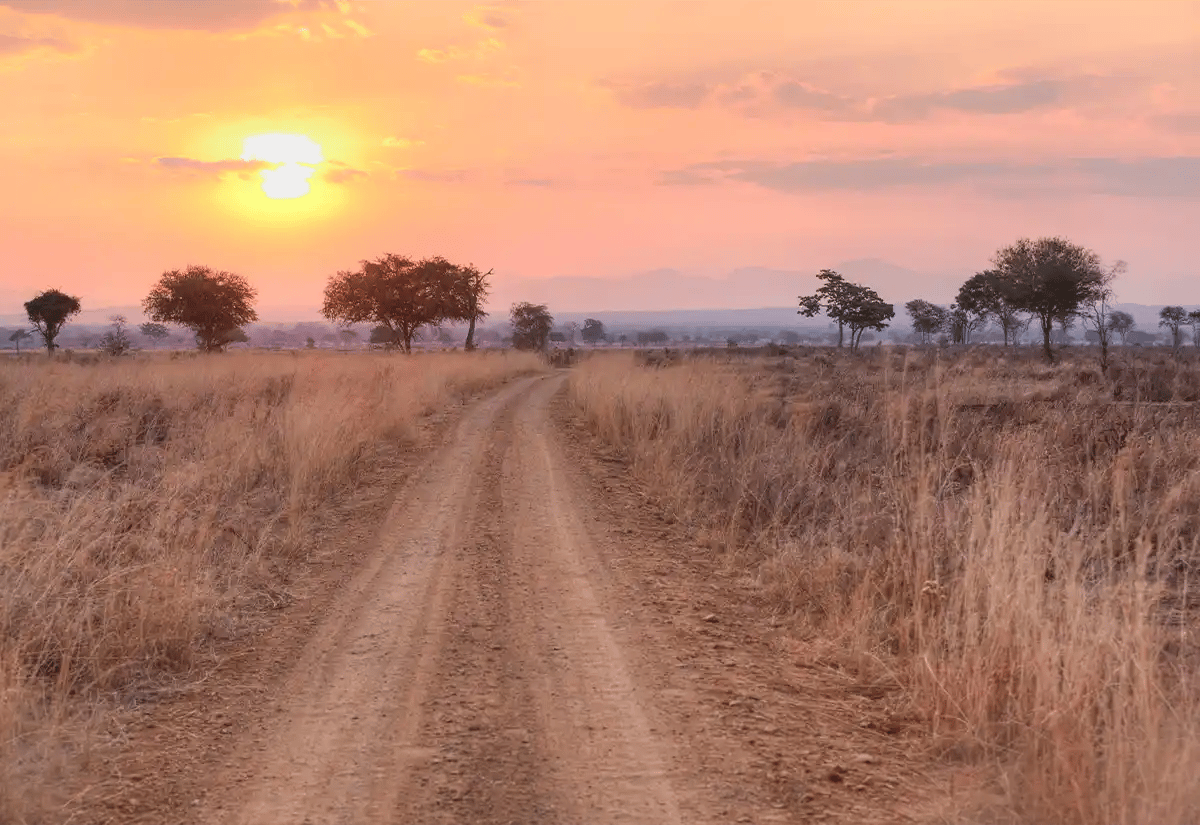
September is one of the best months to visit Mikumi National Park for clear, dry conditions and exceptional wildlife viewing. The landscape is now at its driest, with golden grasses and sparse vegetation offering unobstructed views across the plains.
Animals are heavily concentrated around the few remaining water sources, making game drives especially productive for spotting elephants, lions, buffalo, giraffes, and other key species. Predator-prey interactions are common as the wildlife gathers in tighter areas. With warm days and cooler mornings, this is an ideal time for photography and longer safari days. Visitor numbers remain high, so booking well in advance is recommended for this peak season.
+
Mikumi in October: Dramatic sightings as the dry season ends
Dry Season
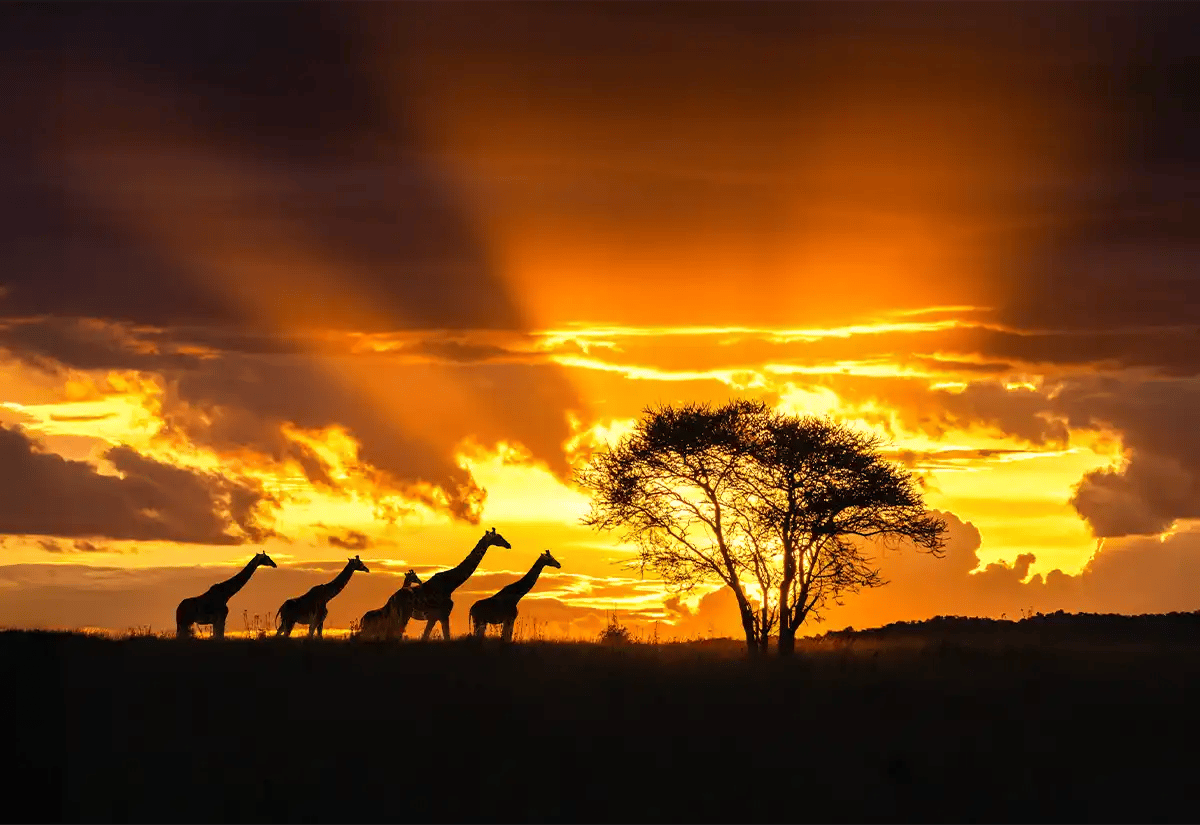
October caps off the dry season in Mikumi National Park. Temperatures climb and the landscape at its most arid. Wildlife viewing remains excellent as animals stay close to the last reliable water sources, providing some of the most concentrated and dramatic sightings of the year. Predators are especially active during this time, capitalizing on the vulnerability of prey gathering at waterholes. While the days can be quite hot, the reward is exceptional safari conditions with high visibility and abundant wildlife.
Toward the end of the month, brief, early rains may begin to fall, hinting at the coming change in seasons. Tourist numbers remain steady as many visitors take advantage of these prime conditions.
+
Mikumi in November: Rain refreshes and brings new life
Short Rain Season
November marks the start of the short rainy season in Mikumi National Park, bringing welcome relief to the dry landscape. Light rain rejuvenates the plains, fresh green grasses begin to emerge, and wildlife disperses slightly as new water sources appear. This shift creates beautiful, contrasting scenery: bright greens against lingering golden hues.
Wildlife viewing remains strong, particularly early in the month, with elephants, buffalo, and predators still active around waterholes. Birdlife can be a highlight again as migratory species start to return. With fewer tourists visiting during this transitional period, November offers a quieter, more peaceful safari experience.
+
Mikumi in December: Calm, stunning, and slightly rainy
Short Rain Season
December brings more regular rain showers, transforming Mikumi National Park into a rich, green landscape. While the rain can bring occasional challenges to road conditions, it also creates a vibrant and photogenic setting with abundant wildlife and thriving birdlife. Young animals are often seen during this time, and predators remain active as they take advantage of the calving season. Birdwatching is exceptional, with many migratory species fully returned.
Tourism picks up slightly toward the holiday season, but the park still feels tranquil compared to peak dry months. December is a beautiful time for travelers seeking greenery, new life, and varied safari experiences.
+
Mikumi in January: Green landscapes and newborn wildlife
Green Season
January falls within the short rainy season in Mikumi National Park, bringing bursts of afternoon rain that transform the landscape into a vibrant green. The grasses are tall, the baobabs are full of life, and young animals are abundant. This is a wonderful month for photography, with lush backdrops and dramatic skies.
While some areas may be muddy, game drives remain rewarding, with elephants, giraffes, and large buffalo herds easily seen on the Mkata River area. Birdlife is especially active now, with migratory species adding color to the park’s already rich diversity. Visitor numbers are moderate, making it a great time for those seeking a quieter safari.
Mikumi in February: Thriving scenery and excellent birdlife
Green Season
February continues the green season in Mikumi National Park, with landscapes still lush and alive from recent rains. Wildlife viewing remains excellent, with many animals grazing in the open and predators like lions taking advantage of the abundance of prey. The floodplains are especially scenic, and this is one of the best months for birdwatching, as migratory species are still present in large numbers.
Although there may be occasional showers, the days are typically warm and humid with clear mornings. Visitor numbers remain relatively low, offering a peaceful safari experience with plenty of opportunities for photography and uninterrupted game viewing.
Mikumi in March: Peak of the green season and quiet safaris
Green Season
In March, Mikumi National Park transitions from the green season to the long rain with heavier and more consistent rainfall. The park’s landscapes are at their most flourishing, with vivid green grasses stretching across the plains and water sources fully replenished.
While some wildlife may be more spread out due to the abundance of water, sightings of elephants, giraffes, and antelope remain reliable, especially on the Mkata Floodplain. Predators are still active, often taking advantage of the plentiful young animals during this time. Birdlife is excellent, with both resident and migratory species filling the skies. Though rain may affect road conditions, those who visit in March will enjoy a quieter park with far fewer tourists.
Mikumi in April: Vibrant views and few tourists
Long Rain Season
April is typically the wettest month in Mikumi National Park, with prolonged rain showers that transform the landscape into a patchwork of shimmering water and dense greenery. The heavy rains can make some roads challenging, and certain areas may become inaccessible. However, the scenery is spectacular, with dramatic skies and vibrant landscapes perfect for photography.
Wildlife is still visible, though animals are more dispersed. Birdwatching also remains a highlight thanks to the abundance of waterbirds and migratory species. This is the park’s quietest month in terms of tourism, ideal for travelers seeking solitude and serene game drives without the crowds.
Mikumi in May: Easing rain and peaceful wildlife viewing
Long Rain Season
May signals the tail end of the long rains in Mikumi National Park, with showers gradually becoming lighter and less frequent. The park remains beautifully green, with full rivers and thriving vegetation that create a picturesque setting for wildlife viewing. Animals start to gather more predictably as water sources begin to recede, making sightings a little easier compared to March and April.
The Mkata Floodplain is a reliable hotspot for spotting elephants, buffalo, giraffes, and predators like lions. Birdlife is still excellent, although some migratory species will soon begin their departure. Tourist numbers are very low, making May a great time for peaceful, uncrowded safaris with a good balance of scenery and wildlife.
Mikumi in June: Dry season begins and sightings improve
Dry Season
In June, Mikumi National Park enters the dry season, bringing cooler, drier weather and excellent safari conditions. The grasses begin to thin, making it easier to spot wildlife, and animals gradually concentrate around remaining water sources like the Mkata River. Clear skies and pleasant daytime temperatures make this an ideal time for game drives and photography.
You can expect wildlife viewing to be more predictable, with chances to spot elephants, lions, giraffes, and buffalo frequently across the plains. This is also when the park starts to welcome more visitors, as June is recognized as the beginning of the best time to visit Mikumi National Park for classic safari experiences.
Mikumi in July: Prime game viewing and clear skies
Dry Season
July is firmly within the dry season at Mikumi National Park, offering some of the year’s most reliable and rewarding wildlife viewing. Vegetation is now sparse, and animals gather in large numbers around water sources, particularly on the floodplains. Expect excellent opportunities to see elephants, buffalo, giraffes, lions, and other predators, as well as an abundance of plains game like zebra and wildebeest.
With cooler mornings and evenings and warm, pleasant afternoons, this is one of the most comfortable months for game drives. July is also a popular month for travelers, so expect more visitors and book accommodations early if you’re planning to visit.
Mikumi in August: Classic safari conditions at their best
Dry Season
August continues the prime safari season in Mikumi National Park, with dry, sunny weather and consistent wildlife activity. Water becomes increasingly scarce, which drives animals to concentrate around remaining rivers and watering holes, making sightings frequent and dramatic.
The Mkata Floodplain is especially active, offering a high likelihood of encountering large herds and predators in action. The scenery is drier and more golden now, providing striking contrast for photographers. August is a busy time for tourism, so early planning is recommended. This month is perfect for travelers seeking classic, high-quality safari experiences with clear skies, predictable wildlife movements, and excellent guiding.
Mikumi in September: Wildlife abounds and the plains are golden
Dry Season
September is one of the best months to visit Mikumi National Park for clear, dry conditions and exceptional wildlife viewing. The landscape is now at its driest, with golden grasses and sparse vegetation offering unobstructed views across the plains.
Animals are heavily concentrated around the few remaining water sources, making game drives especially productive for spotting elephants, lions, buffalo, giraffes, and other key species. Predator-prey interactions are common as the wildlife gathers in tighter areas. With warm days and cooler mornings, this is an ideal time for photography and longer safari days. Visitor numbers remain high, so booking well in advance is recommended for this peak season.
Mikumi in October: Dramatic sightings as the dry season ends
Dry Season
October caps off the dry season in Mikumi National Park. Temperatures climb and the landscape at its most arid. Wildlife viewing remains excellent as animals stay close to the last reliable water sources, providing some of the most concentrated and dramatic sightings of the year. Predators are especially active during this time, capitalizing on the vulnerability of prey gathering at waterholes. While the days can be quite hot, the reward is exceptional safari conditions with high visibility and abundant wildlife.
Toward the end of the month, brief, early rains may begin to fall, hinting at the coming change in seasons. Tourist numbers remain steady as many visitors take advantage of these prime conditions.
Mikumi in November: Rain refreshes and brings new life
Short Rain Season
November marks the start of the short rainy season in Mikumi National Park, bringing welcome relief to the dry landscape. Light rain rejuvenates the plains, fresh green grasses begin to emerge, and wildlife disperses slightly as new water sources appear. This shift creates beautiful, contrasting scenery: bright greens against lingering golden hues.
Wildlife viewing remains strong, particularly early in the month, with elephants, buffalo, and predators still active around waterholes. Birdlife can be a highlight again as migratory species start to return. With fewer tourists visiting during this transitional period, November offers a quieter, more peaceful safari experience.
Mikumi in December: Calm, stunning, and slightly rainy
Short Rain Season
December brings more regular rain showers, transforming Mikumi National Park into a rich, green landscape. While the rain can bring occasional challenges to road conditions, it also creates a vibrant and photogenic setting with abundant wildlife and thriving birdlife. Young animals are often seen during this time, and predators remain active as they take advantage of the calving season. Birdwatching is exceptional, with many migratory species fully returned.
Tourism picks up slightly toward the holiday season, but the park still feels tranquil compared to peak dry months. December is a beautiful time for travelers seeking greenery, new life, and varied safari experiences.
+
+
+
+
+
+
+
+
+
+
+
+

Wildlife in Mikumi National Park
With its diverse mix of open savannah, dense woodlands, and fertile wetlands, Mikumi National Park creates a thriving ecosystem that supports a remarkable variety of iconic African wildlife.
Lions
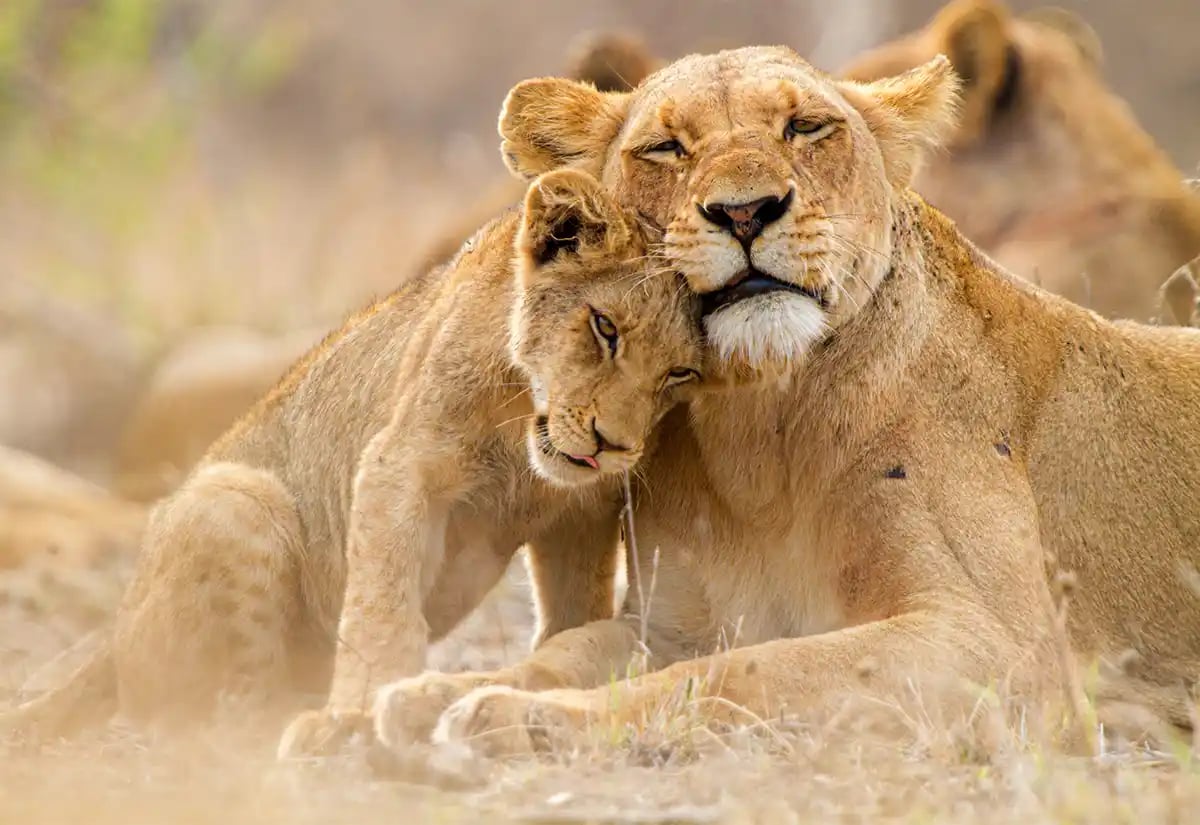
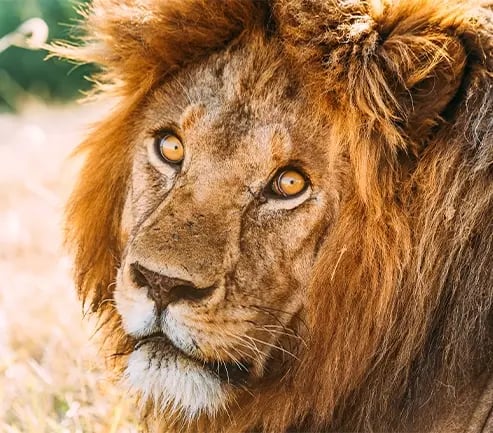
Lions roam Mikumi's open savannah, often spotted lounging or on thrilling hunts across expansive grasslands.
Elephants
Gentle yet powerful, elephants traverse the park’s varied terrain, from grassy flats to dense woodland areas.
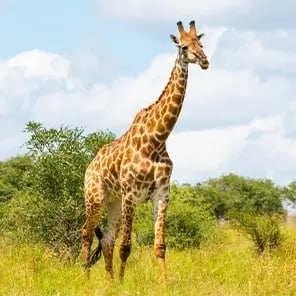
Giraffes
Graceful giraffes add elegance to Mikumi’s landscapes, nibbling leaves high in the acacia treetops.
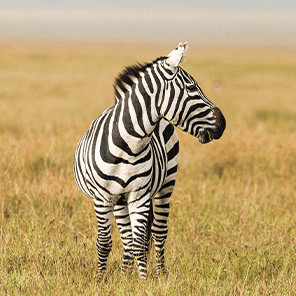
Zebras
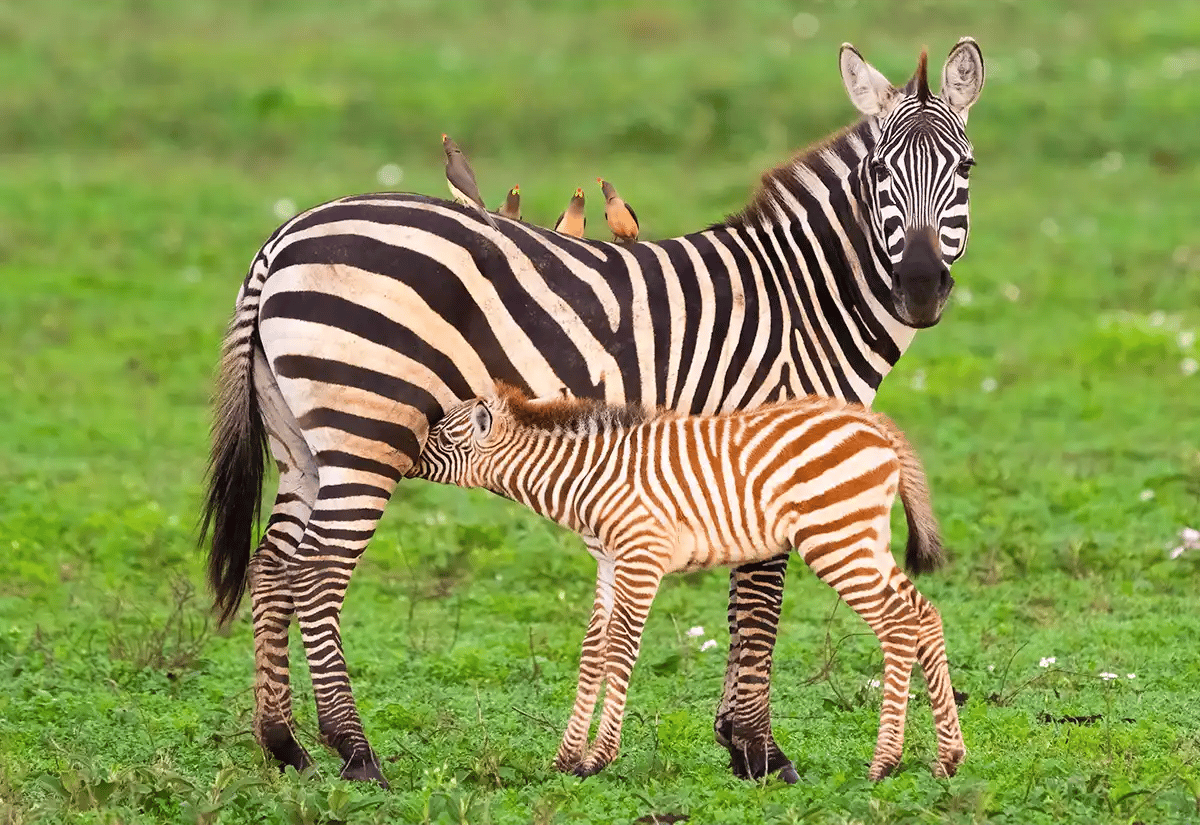
Zebras move energetically across the grasslands, their striking stripes creating vibrant patterns against the scenery.
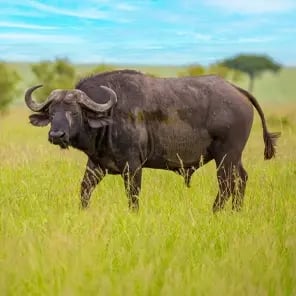
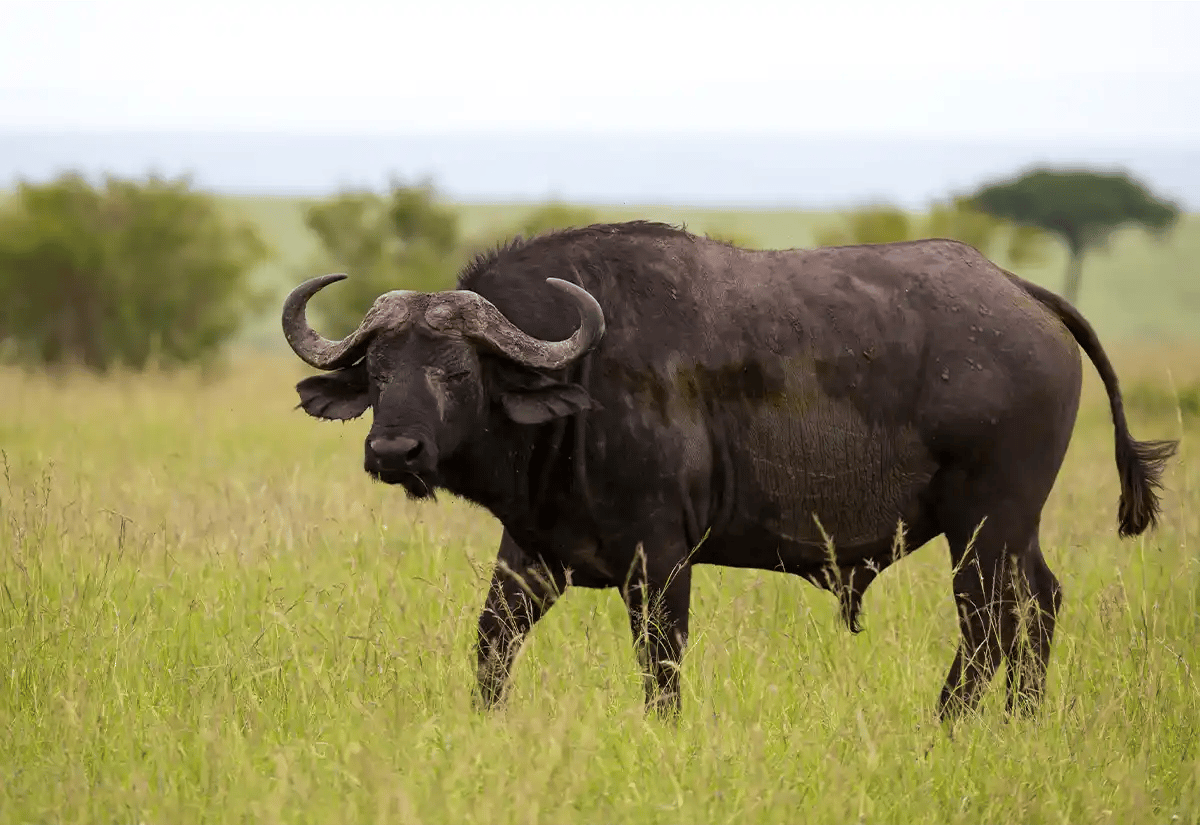
African Buffalo
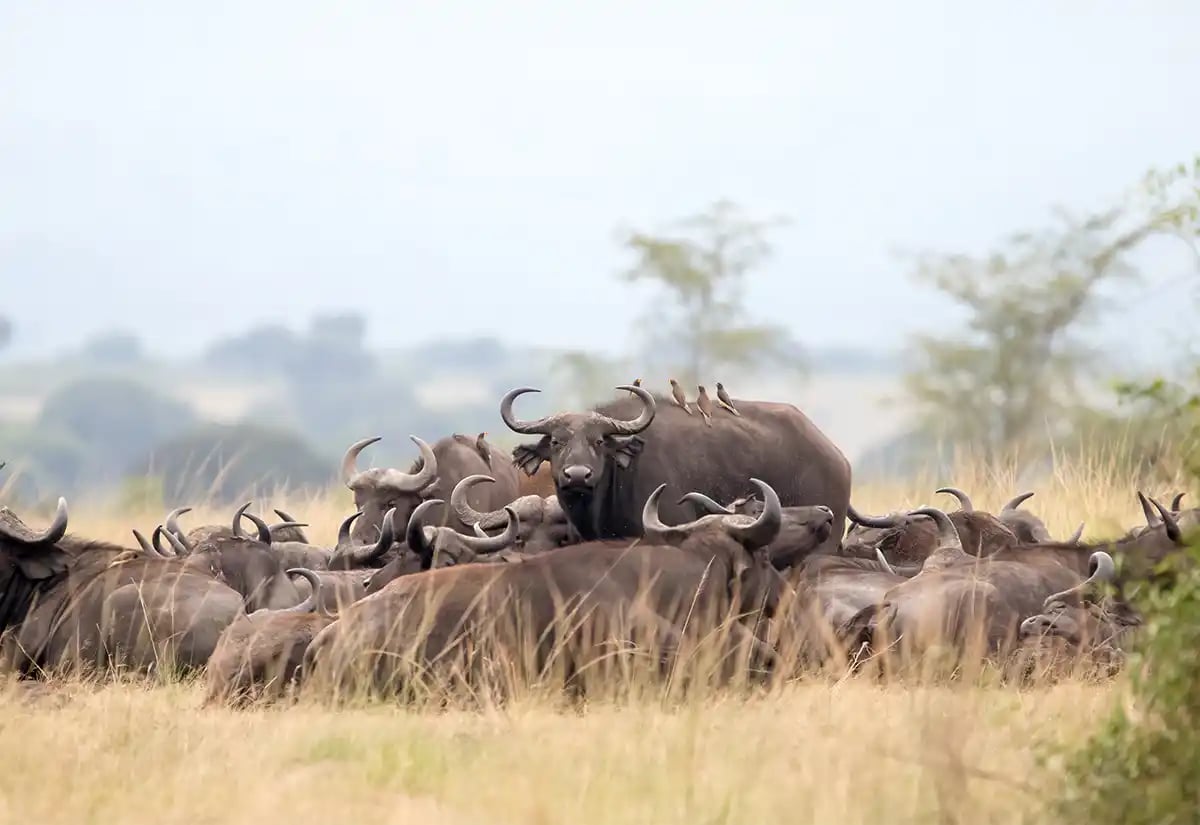
Buffalo form impressive groups, often congregating near watering holes, showcasing their strength and herd unity.
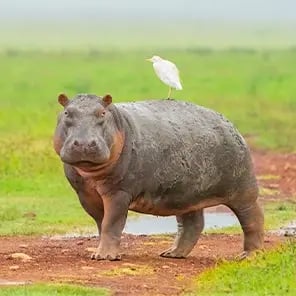
Hippos
Hippos dominate Mikumi’s waterways, lounging submerged by day and emerging onto land after sunset.
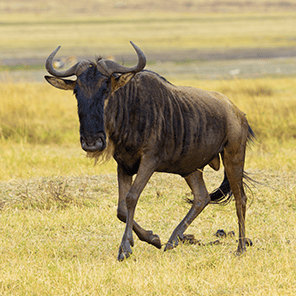
Wildebeest
Dynamic herds of wildebeest frequently migrate across plains, sparking dramatic wildlife encounters.
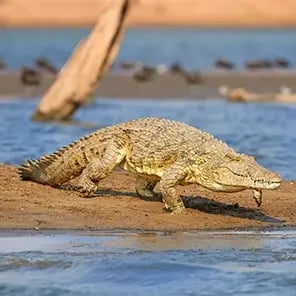
Crocodiles
Crocodiles stealthily patrol rivers, where you may spot them sunning quietly on banks or sliding silently into the water.
Lions
Lions roam Mikumi's open savannah, often spotted lounging or on thrilling hunts across expansive grasslands.
Elephants
Gentle yet powerful, elephants traverse the park’s varied terrain, from grassy flats to dense woodland areas.
Giraffes
Graceful giraffes add elegance to Mikumi’s landscapes, nibbling leaves high in the acacia treetops.
Zebras
Zebras move energetically across the grasslands, their striking stripes creating vibrant patterns against the scenery.
African Buffalo
Buffalo form impressive groups, often congregating near watering holes, showcasing their strength and herd unity.
Hippos
Hippos dominate Mikumi’s waterways, lounging submerged by day and emerging onto land after sunset.
Wildebeest
Dynamic herds of wildebeest frequently migrate across plains, sparking dramatic wildlife encounters.
Crocodiles
Crocodiles stealthily patrol rivers, where you may spot them sunning quietly on banks or sliding silently into the water.



More Tanzania Safaris and Zanzibar Holidays
Most Popular
.png?width=296&height=70&name=Pattern%20(2).png)
$1,350 (2pax) USD
12 Days Serengeti Lions and Wildebeest Migration Safari

43 people viewing now
Best Seller
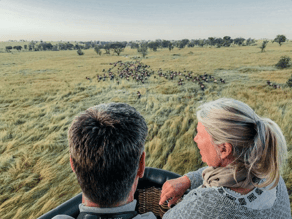
$3,001 (2pax) USD
Days Serengeti Lions and Wildebeest Migration Safari
25 people viewing now
Most Popular
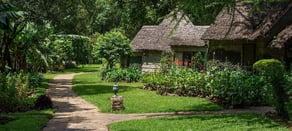
$1,400 (2pax) USD
A Days Serengeti Lions and Wildebeest Migration Safari
92 people viewing now
Most Popular
$1,350 (2pax) USD
12 Days Serengeti Lions and Wildebeest Migration Safari
39 people viewing now
Best Seller
$3,001 (2pax) USD
Days Serengeti Lions and Wildebeest Migration Safari
16 people viewing now
Most Popular
$1,400 (2pax) USD
A Days Serengeti Lions and Wildebeest Migration Safari
86 people viewing now
Most Popular
$1,350 (2pax) USD
12 Days Serengeti Lions and Wildebeest Migration Safari
12 people viewing now
Best Seller
$3,001 (2pax) USD
Days Serengeti Lions and Wildebeest Migration Safari
7 people viewing now
Best Seller
$3,001 (2pax) USD
Days Serengeti Lions and Wildebeest Migration Safari
96 people viewing now
Best Seller
$3,001 (2pax) USD
Days Serengeti Lions and Wildebeest Migration Safari
15 people viewing now
Best Seller
$3,001 (2pax) USD
Days Serengeti Lions and Wildebeest Migration Safari
76 people viewing now
Most Popular
$1,400 (2pax) USD
A Days Serengeti Lions and Wildebeest Migration Safari
15 people viewing now
Whatever is on your list of top Tanzania to-dos or African safari must-sees, we’ll make it happen.

Most Popular
$1,350 (2pax) USD
12 Days Serengeti Lions and Wildebeest Migration Safari
120 people viewing now
Best Seller
$3,001 (2pax) USD
Days Serengeti Lions and Wildebeest Migration Safari
71 people viewing now
Most Popular
$1,400 (2pax) USD
A Days Serengeti Lions and Wildebeest Migration Safari
81 people viewing now
Most Popular
$1,350 (2pax) USD
12 Days Serengeti Lions and Wildebeest Migration Safari
60 people viewing now
Best Seller
$3,001 (2pax) USD
Days Serengeti Lions and Wildebeest Migration Safari
110 people viewing now
Most Popular
$1,400 (2pax) USD
A Days Serengeti Lions and Wildebeest Migration Safari
24 people viewing now
Most Popular
$1,350 (2pax) USD
12 Days Serengeti Lions and Wildebeest Migration Safari
106 people viewing now
Best Seller
$3,001 (2pax) USD
Days Serengeti Lions and Wildebeest Migration Safari
112 people viewing now
Best Seller
$3,001 (2pax) USD
Days Serengeti Lions and Wildebeest Migration Safari
66 people viewing now
Best Seller
$3,001 (2pax) USD
Days Serengeti Lions and Wildebeest Migration Safari
46 people viewing now
Best Seller
$3,001 (2pax) USD
Days Serengeti Lions and Wildebeest Migration Safari
93 people viewing now
Most Popular
$1,400 (2pax) USD
A Days Serengeti Lions and Wildebeest Migration Safari
40 people viewing now
Whatever is on your list of top Tanzania to-dos or African safari must-sees, we’ll make it happen.
Frequently Asked Questions

Still have questions?
Contact Us, we are more than happy to help!
What is the best time to visit Mikumi National Park?
The best time to visit Mikumi National Park is during the dry season from June to October when wildlife viewing opportunities are at their peak. During the wet season, from November to May, you can enjoy equally memorable experiences in the lush landscape with migratory species of birds.
How far is Mikumi National Park from Dar es Salaam?
The distance from Dar es Salaam to Mikumi National Park is approximately 280 kilometers, which typically takes around 5-6 hours by car.
Can I do a day trip to Mikumi National Park?
Yes! Easy Travel offers convenient day trips to Mikumi National Park from Dar es Salaam, ideal for travelers with limited time. However, we recommend a stay of 2-3 nights for the ultimate Mikumi experience.
What accommodation options are available in Mikumi National Park?
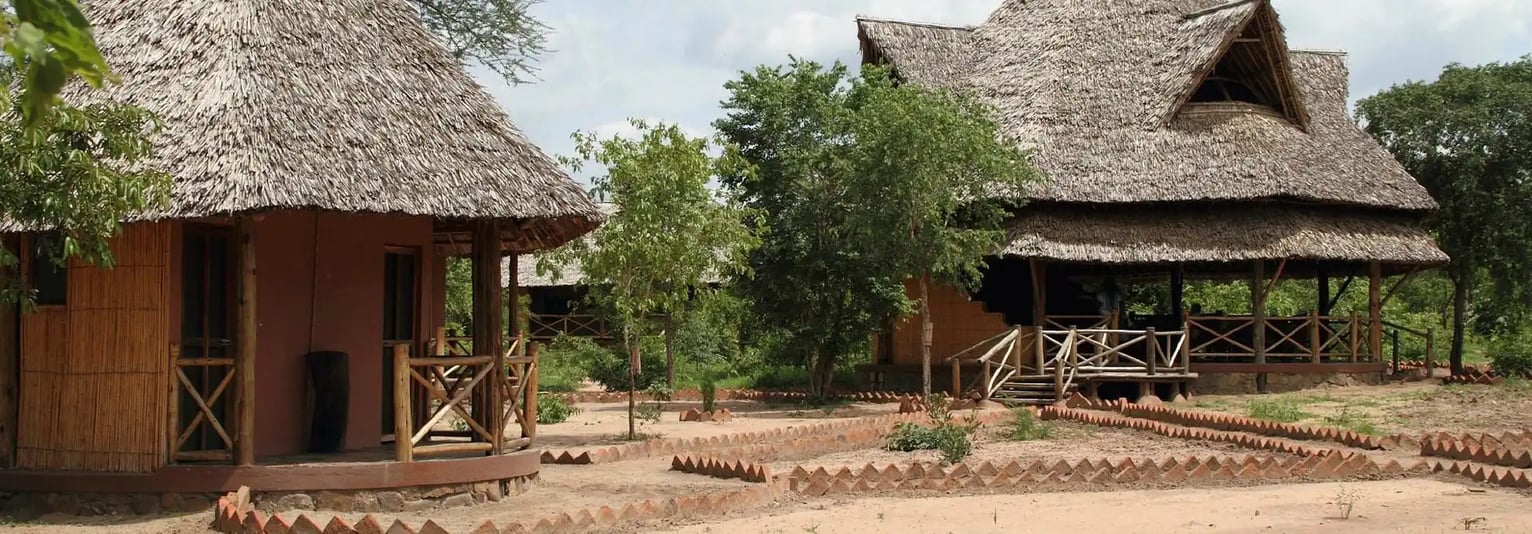
You’ll find a range of comfortable hotels and lodges near Mikumi National Park, including popular choices like Tan Swiss Lodge and tented safari camps.
Do visitors have to pay Mikumi National Park fees?
Yes, Mikumi National Park entrance fees apply and vary by visitor type. Easy Travel includes all entry fees clearly in your safari package.
What’s the weather like in Mikumi National Park?
Mikumi National Park weather is typically warm year-round, with a rainy season from November to May and a dry, sunny climate from June to October.
How can I reach Mikumi National Park from Zanzibar?
Traveling from Zanzibar to Mikumi National Park involves a short flight or ferry to Dar es Salaam, followed by a road transfer to the park.
Is Mikumi National Park suitable for families with children?
Definitely. Mikumi offers comfortable accommodation, easy wildlife viewing, and shorter game drives, making it an excellent safari option for families traveling with children.
What is the difference between Mikumi National Park and Selous Game Reserve?
Mikumi is smaller and more accessible, ideal for shorter safaris, while Selous (now Nyerere National Park) is larger, remote, and offers more extensive wilderness experiences.
Can I see the Great Migration at Mikumi National Park?
The Great Migration primarily occurs in Serengeti National Park. So while you won’t encounter this spectacle in Mikumi, the park still offers excellent wildlife viewing year-round with abundant herds and regular predator sightings.
Still have questions?
Contact Us, we are more than happy to help!
Explore Our Latest Articles
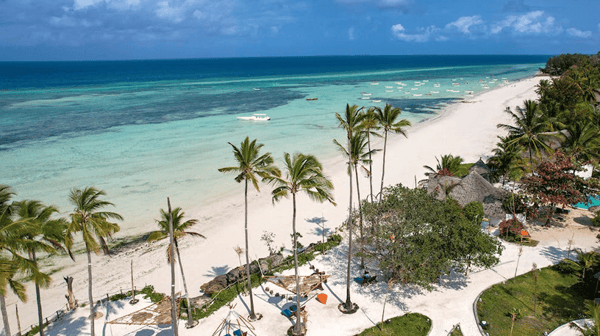
3.06.2025
23 Min Read
Kendwa Beach rests on Zanzibar Island. The beach is known far and wide because it is gorgeous. The sand on the beach is...
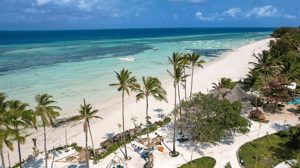

3.06.2025
23 Min Read
Kendwa Beach rests on Zanzibar Island. The beach is known far and wide because it is gorgeous. The...
Find Out Which Safari Tour Is Right For You
Want to add a Mikumi National Park day trip to your visit to Tanzania’s other iconic parks, lakes, mountains, or beaches? Take a short quiz to see which spots we recommend.
More Tanzania Destinations To Visit
This is a park

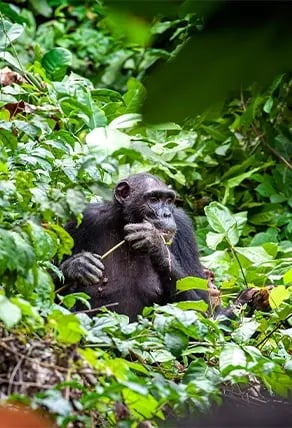


Gombe...
Pair Mikumi National Park with a primate experience in Gombe Stream National Park for the chance to track wild...
This is a park
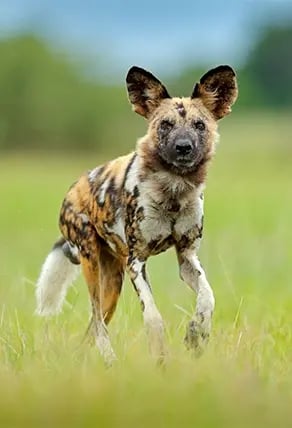


Nyerere...
Often combined with Mikumi for a longer southern circuit safari, Nyerere National Park provides a wilder, more remote...
This is a park
-svg.svg)


Ruaha...
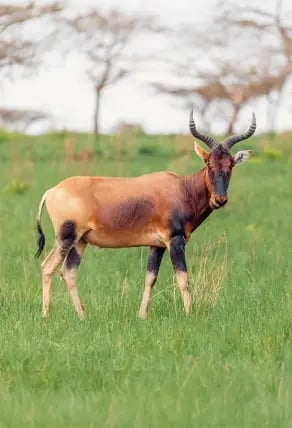
Complementing the open plains of Mikumi, Ruaha National Park offers more rugged and dramatic scenery with excellent...
This is a park



Zanzibar
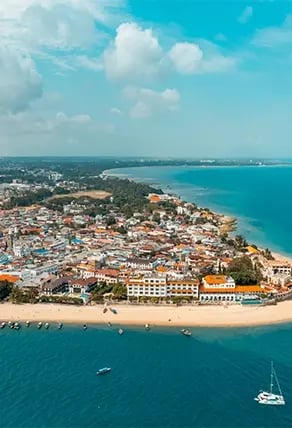
Many visitors choose to relax in Zanzibar after exploring Mikumi National Park, trading safari landscapes for...