

.svg "Style-Guide (1)")


.svg)


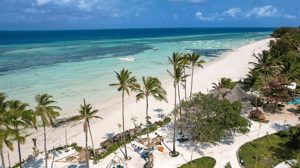
Kendwa Beach rests on Zanzibar Island. The beach is known far and wide because it is gorgeous. The...






Arusha City
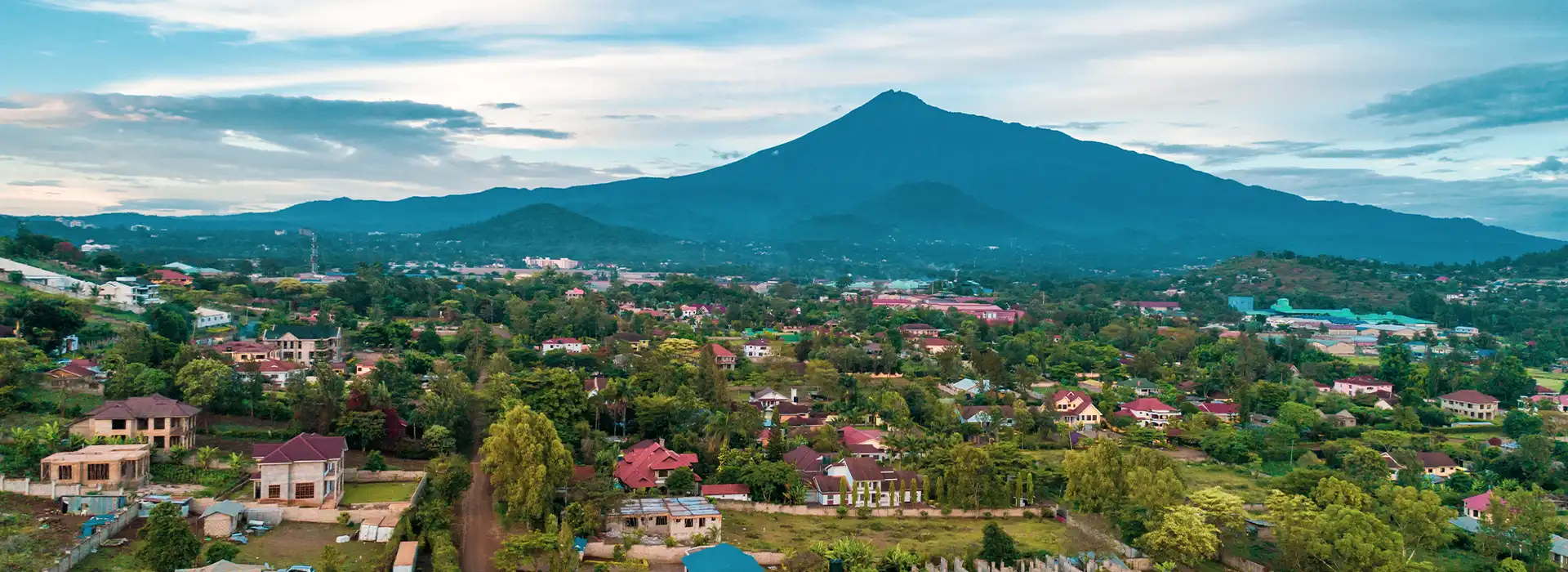
Set against a backdrop of rolling hills and distant peaks, Arusha is a dynamic city where culture and adventure collide. A hub for exploration, it’s the perfect starting point for wild safari escapes across northern Tanzania.

Endorsed by ATTA

Featured in National Geographic

BBC Wildlife

Rated Excellent by Trip Advisor
Arusha City
Set against a backdrop of rolling hills and distant peaks, Arusha is a dynamic city where culture and adventure collide. A hub for exploration, it’s the perfect starting point for wild safari escapes across northern Tanzania.
Endorsed by ATTA
Featured in National Geographic
BBC Wildlife
Rated Excellent by Trip Advisor
Things To Do in Arusha
Arusha is a city of contrasts, where urban energy blends with natural beauty. Visitors can explore bustling streets and markets, or venture to surrounding lakes, waterfalls, hot springs, and forests.


Game Drive
For a fantastic, classic safari experience, embark on a game drive in nearby Arusha National Park. Take in the stunning habitats, enjoy the exciting opportunity to see a vast array of wildlife, and enjoy spectacular views of Mount...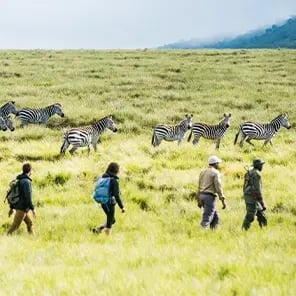
Walking Safari
Experience Tanzania’s wildlife up close on a walking safari in Arusha National Park or nearby reserves. Led by expert guides, these treks offer a thrilling chance to spot giraffes, zebras, and antelope while immersing yourself in...
Cultural Activities
Arusha is rich in culture, which visitors can experience by visiting a Maasai village, exploring local craft markets, and learning about traditional coffee farming. The Cultural Heritage Centre and Arusha Declaration Museum...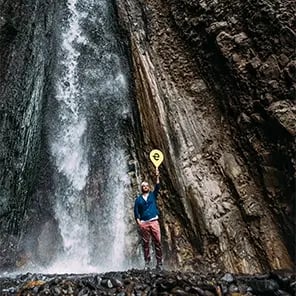
Waterfalls
Lush forest trails around Mount Meru lead to breathtaking waterfalls like Napuru and Materuni, where visitors can hike through scenic landscapes and cool off in crystal-clear pools—a perfectly refreshing escape from the city.
City & Town Tours
Explore Arusha’s bustling markets, colonial-era buildings, and lively streets on a city tour. Visit the iconic Clock Tower, shop for souvenirs at the Maasai Market, and dive into local flavors at traditional restaurants and...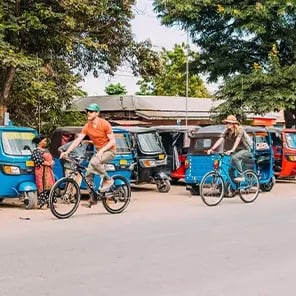
Cycling
Cycling is a fantastic way to experience the Arusha countryside, passing through coffee plantations, Maasai villages, and wildlife-rich areas. Whether on a city ride or a longer, guided journey to Lake Duluti, it’s a great way to get...Things To Do in Arusha
Arusha is a city of contrasts, where urban energy blends with natural beauty. Visitors can explore bustling streets and markets, or venture to surrounding lakes, waterfalls, hot springs, and forests.
Game Drive
For a fantastic, classic safari experience, embark on a game drive in nearby Arusha National Park. Take in the stunning habitats, enjoy the exciting opportunity to see a vast array of wildlife, and enjoy spectacular views of Mount Meru from...
Walking Safari
Experience Tanzania’s wildlife up close on a walking safari in Arusha National Park or nearby reserves. Led by expert guides, these treks offer a thrilling chance to spot giraffes, zebras, and antelope while immersing yourself in nature.
Cultural Activities
Arusha is rich in culture, which visitors can experience by visiting a Maasai village, exploring local craft markets, and learning about traditional coffee farming. The Cultural Heritage Centre and Arusha Declaration Museum provide...
Waterfalls
Lush forest trails around Mount Meru lead to breathtaking waterfalls like Napuru and Materuni, where visitors can hike through scenic landscapes and cool off in crystal-clear pools—a perfectly refreshing escape from the city.
City & Town Tours
Explore Arusha’s bustling markets, colonial-era buildings, and lively streets on a city tour. Visit the iconic Clock Tower, shop for souvenirs at the Maasai Market, and dive into local flavors at traditional restaurants and coffee houses.
Cycling
Cycling is a fantastic way to experience the Arusha countryside, passing through coffee plantations, Maasai villages, and wildlife-rich areas. Whether on a city ride or a longer, guided journey to Lake Duluti, it’s a great way to get active and...When to Go to Arusha, Tanzania
The city of Arusha is wonderful to visit any time of year. If you’re planning, however, to go on safari before or after your stay in Arusha, it’s smart to time your trip based on the experiences and sights most important to you.
average
good
best
.svg)
Jan
Feb

Mar
Apr
May
.svg)
Jun
Jul
Aug
Sep
Oct
.svg)
Nov
Dec
Jan
Feb
Mar
Apr
May
Jun
Jul
Aug
Sep
Oct
Nov
Dec
Visiting Arusha in January: Vibrant and Full of Life
Green Season
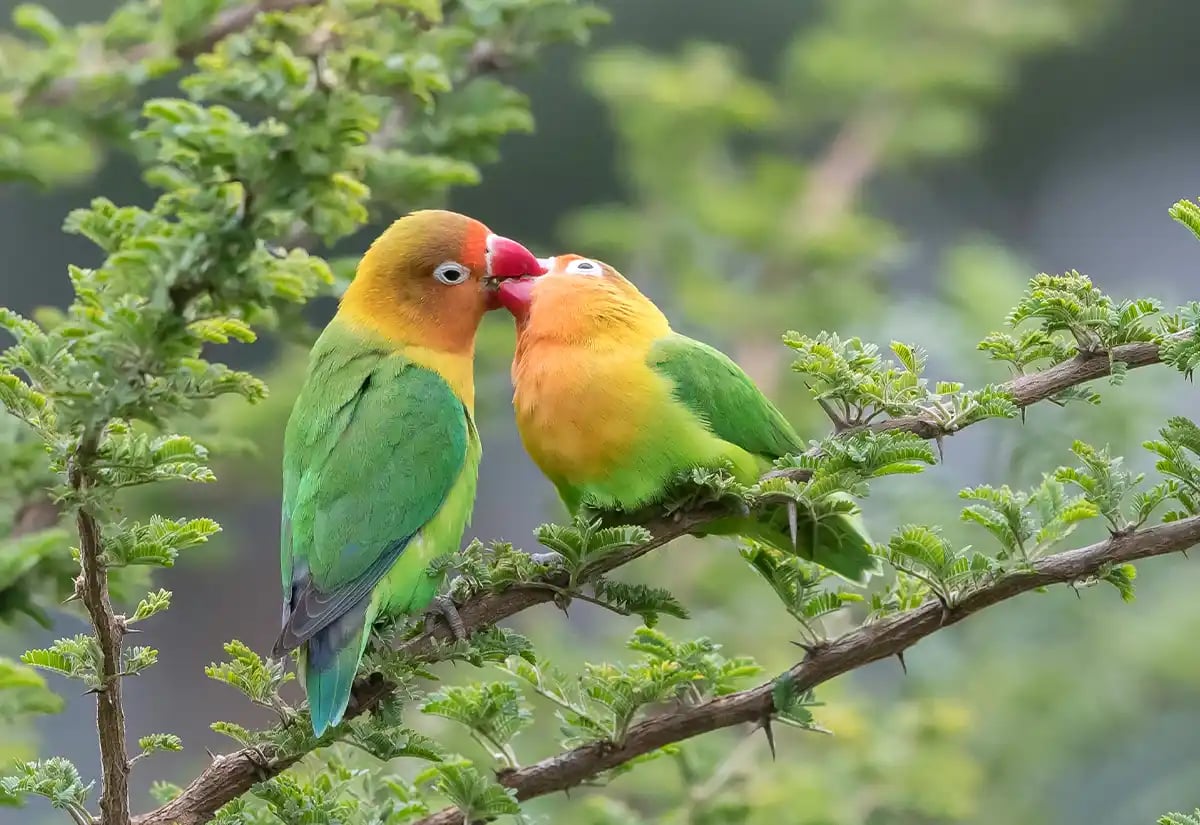
January in Arusha is part of the green season, bringing lush scenery, warm temperatures (13-28°C / 55-82°F), and occasional afternoon showers. This is a fantastic time for photography, as the landscapes are vividly green, and wildlife sightings are excellent, particularly in Arusha National Park.
Migratory birds flock to the region, making it a birdwatcher’s paradise. While safaris are popular, tourist numbers aren’t as high as compared to peak months, offering a more serene experience. This is also a great time for cultural tours—coffee farms, Maasai villages, and local markets offer authentic, immersive experiences without the crowds.

+
Visiting Arusha in February: Calving Season and Spectacular Views
Green Season
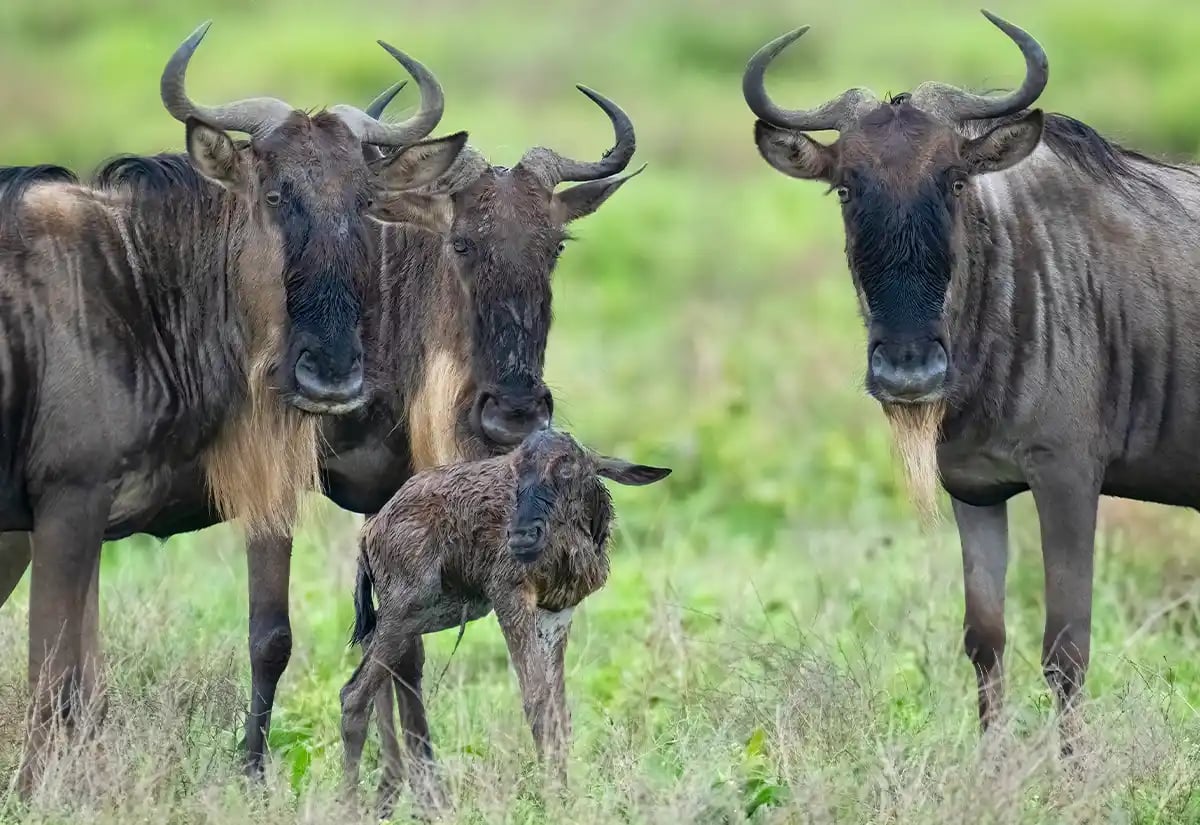
February is one of the best months for safaris, as it's calving season in the Southern Serengeti, just a short flight from Arusha. Thousands of wildebeest, zebras, and gazelles give birth. This draws in predators and makes for thrilling wildlife encounters.
The weather remains warm (14-28°C / 57-82°F), with short rains keeping the landscapes lush but not overly wet. Within Arusha, the city is vibrant with local life, and waterfalls like Napuru are at their most powerful. Hiking Mount Meru is also great this time of year, as the skies are clearer, offering stunning views of Kilimanjaro in the distance. Tourist numbers begin to increase, so booking accommodations early is advisable.
+
Visiting Arusha in March: The Long Rainy Season Begins
Green Season
March marks the beginning of the long rainy season in Arusha, with increased rainfall and humidity. Temperatures remain comfortable, ranging from 14-27°C (57-81°F), but afternoon downpours become more frequent. The city and surrounding landscapes flourish with greenery, creating breathtaking scenery for photography and nature lovers.
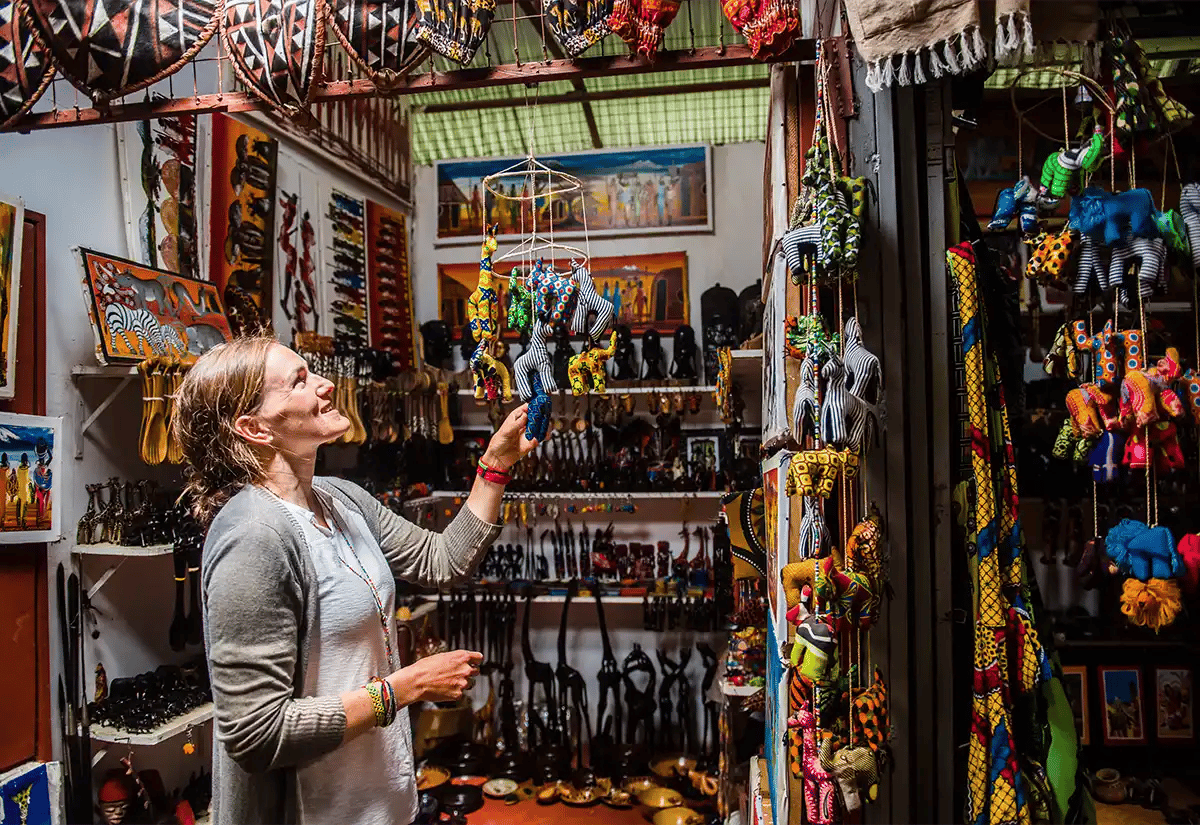
While some safari roads in the Serengeti and Ngorongoro become muddy, Arusha National Park remains a great option for wildlife spotting, particularly for giraffes, colobus monkeys, and waterbirds. Fewer tourists visit in March, making it a peaceful time for cultural experiences, market tours, and coffee plantation visits.
+
Visiting Arusha in April: Quiet, Tranquil, and Wet
Long Rain Season
April is the wettest month of the year, with frequent heavy rains, making some outdoor activities challenging. Temperatures hover around 14-26°C (57-79°F), and while mornings can be sunny, afternoons often bring downpours. This is low season for tourism, meaning discounted rates on accommodations and safaris.
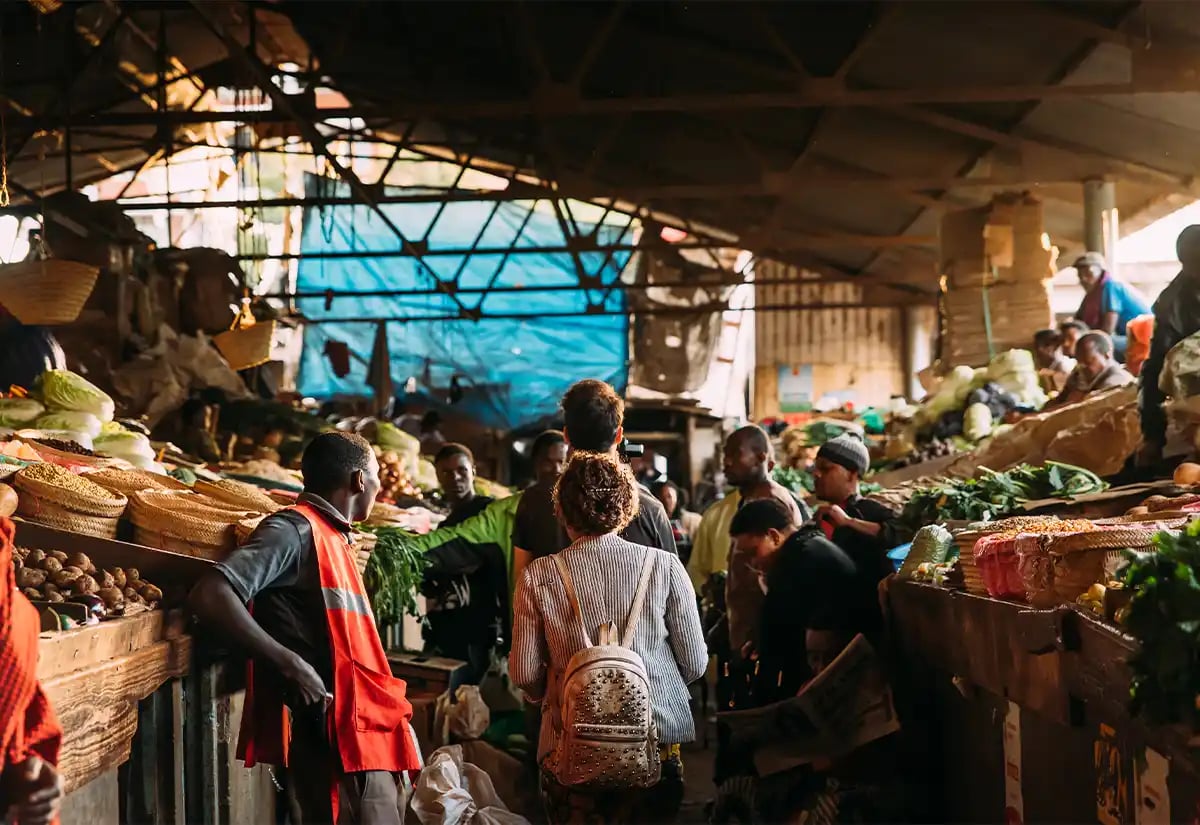
While wildlife is still present, some parks may have restricted access due to muddy conditions. However, birdwatching is exceptional this time of year, with numerous migratory and wetland species thriving in the rainy environment. For travelers who don’t mind the rain, this is a fantastic time to experience Arusha’s museums, markets, and cultural centers with minimal crowds.
+
Visiting Arusha in May: Refreshing Greenery and Fewer Tourists
Long Rain Season
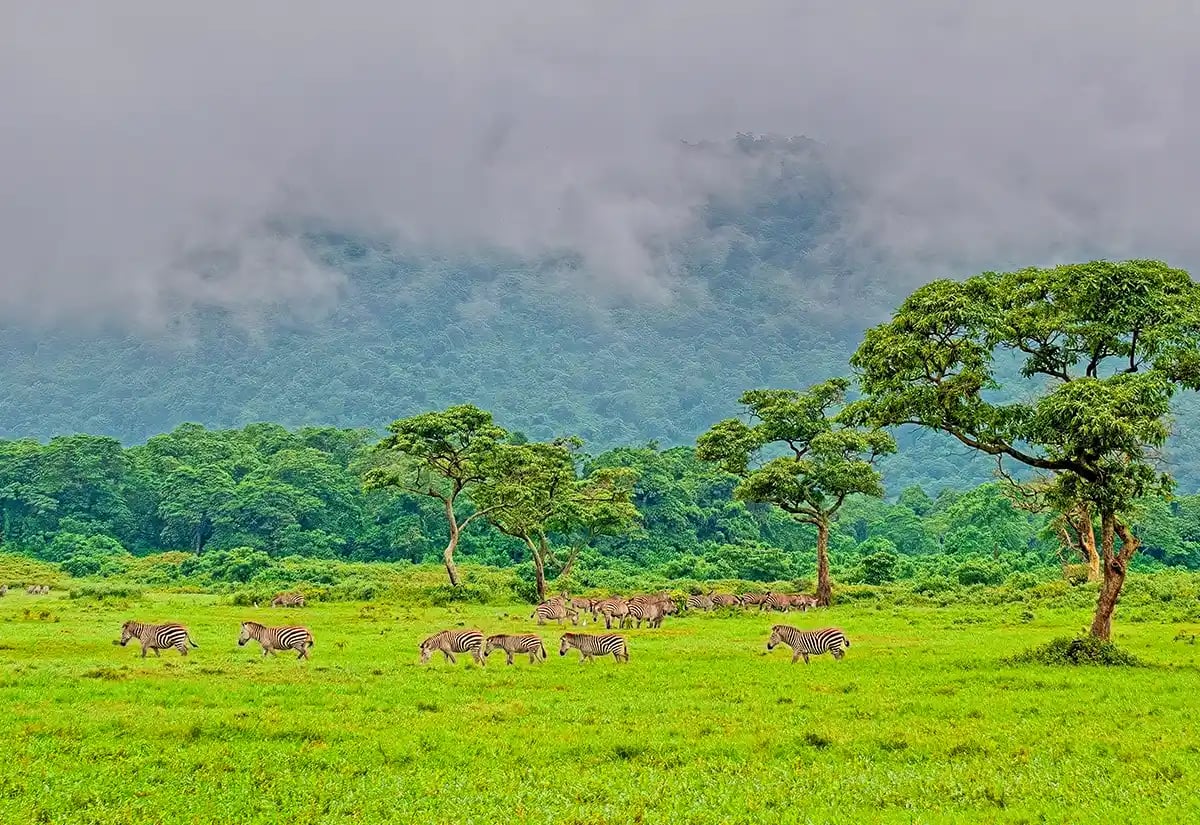
May, or the Emerald Season, marks the tail end of the long rainy season. While rainfall gradually decreases, occasional showers persist. Temperatures range from 13-25°C (55-77°F), and the air is fresh and crisp after weeks of rain. The landscapes are at their most lush, making this a beautiful time for photographers and nature lovers.
While some safari roads remain muddy, Arusha National Park is still accessible, offering blooming scenery and wildlife without the crowds. This is one of the least crowded months, meaning great deals on accommodations and a more authentic experience when visiting local markets and cultural sites.
+
Visiting Arusha in June: Prime Safari Season Starts
Dry Season
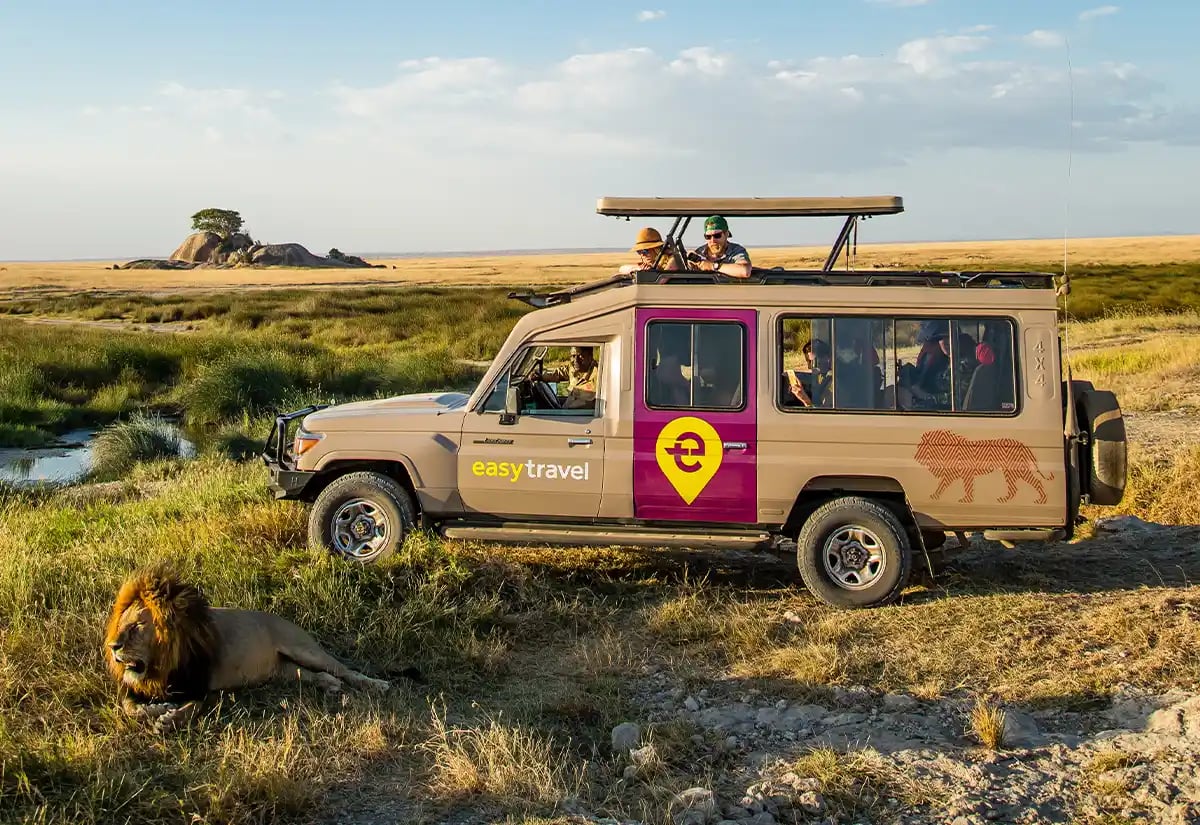
June begins the dry season, with clear skies, cooler temperatures (11-24°C / 52-75°F), and minimal rain. The greenery from the rains remains, but the ground begins to dry, which makes it easier to explore parks and natural attractions. This is a fantastic time for wildlife safaris, as animals start congregating around diminishing water sources, making sightings more predictable.
Mount Meru trekking conditions improve, offering breathtaking views of Mount Kilimanjaro. June is also the beginning of peak tourist season, so it’s a good idea to book accommodations and tours in advance to secure your spot.
+
Visiting Arusha in July: Cool Temps and Blue Skies
Dry Season
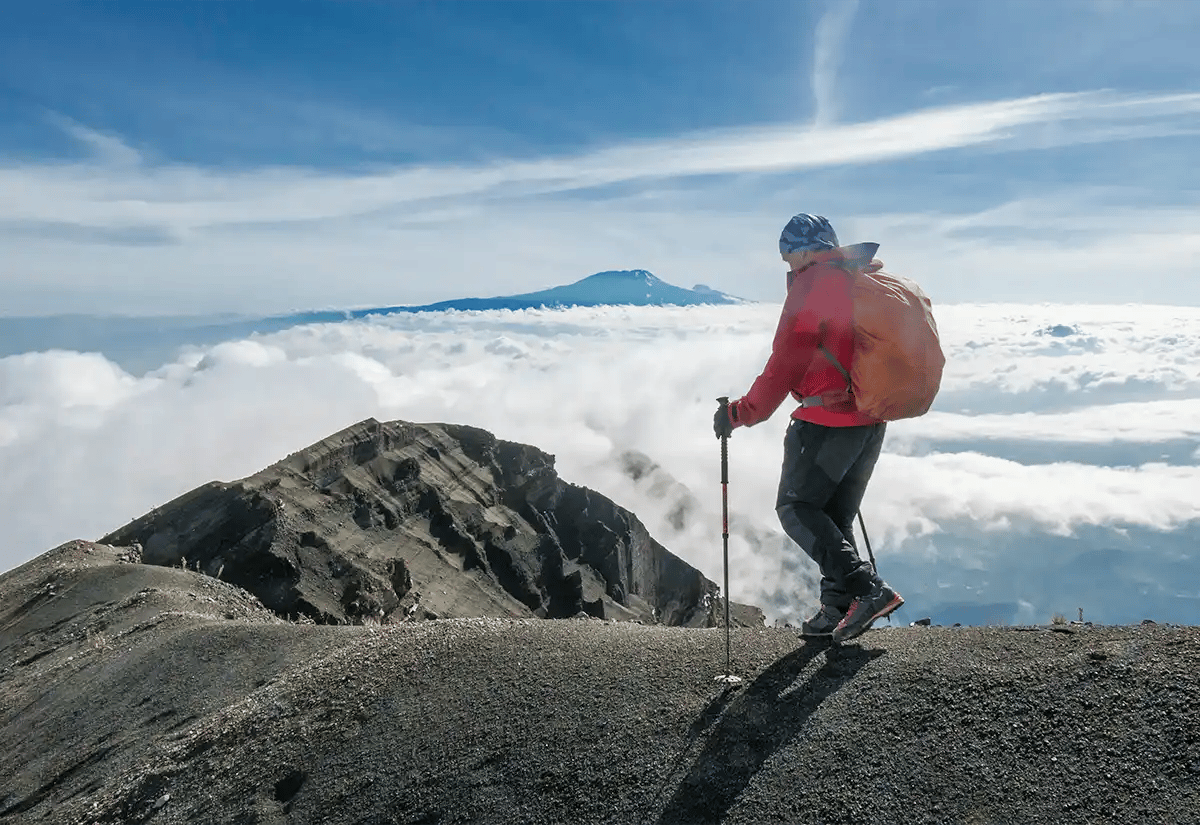
July is one of the best months to visit Arusha, as the dry season is in full swing. Clear skies, comfortable temperatures (10-23°C / 50-73°F), and excellent wildlife viewing mean that the conditions are ideal for safari. Animals gather around rivers and waterholes, making for spectacular game drives in Arusha National Park and beyond.
This is also a popular time for Mount Meru treks, as the cool, dry air provides excellent hiking conditions. In the city, markets, cultural sites, and cafes are lively with travelers. However, as it's peak season, you should book accommodations and tours well in advance to ensure you have plenty of available options.
+
Visiting Arusha in August: A Safari-Goer’s Dream
Dry Season
August continues Arusha and the Northern Circuit’s peak season, with cool mornings, warm afternoons (10-24°C / 50-75°F), and almost no rain. The city of Arusha is bustling with international travelers, creating a vibrant atmosphere in local markets and restaurants.
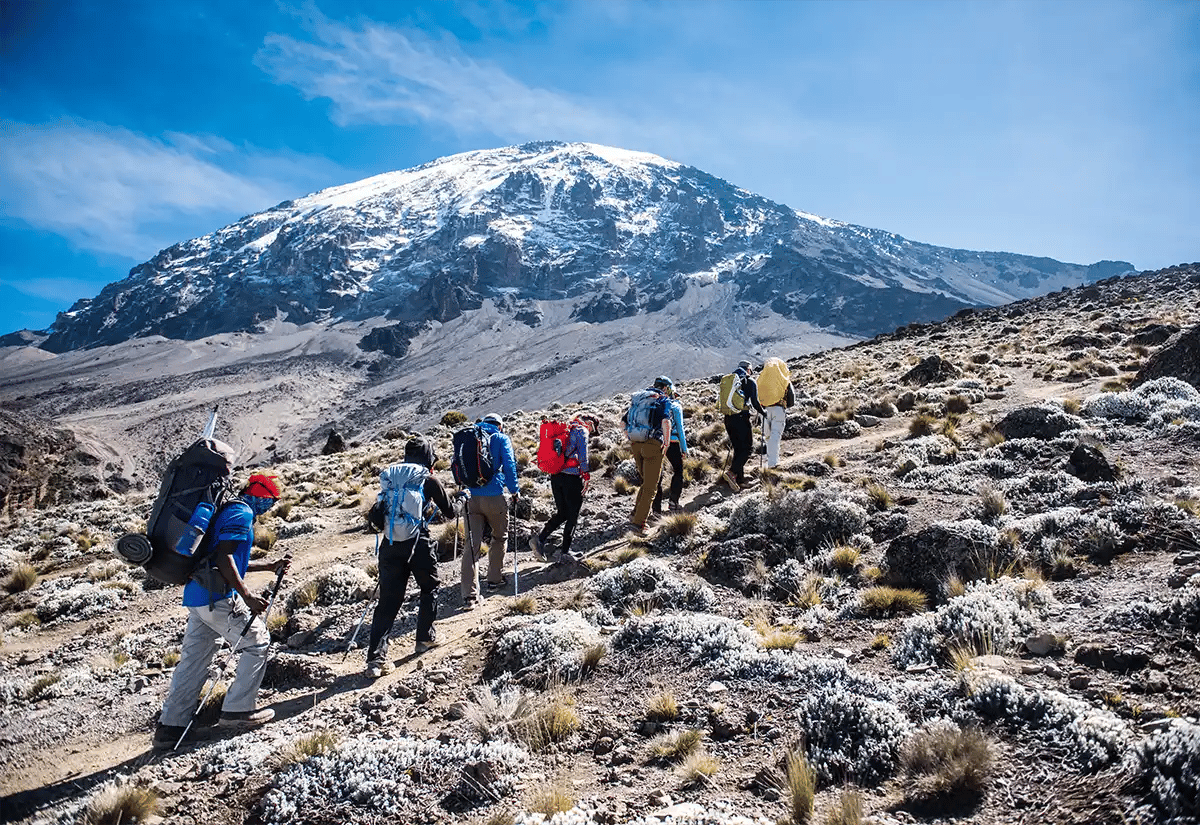
Safari-goers can expect fantastic wildlife sightings, as dry conditions force animals to gather near remaining water sources. This is also one of the best months for hiking Mount Meru, with clear views of Kilimanjaro and minimal cloud cover. Day trips to Lake Duluti, Maasai villages, and waterfalls are particularly enjoyable with the mild, dry weather. Due to high demand, it’s essential to book in advance—typically around 6 months before your trip—if you plan to visit during August.
+
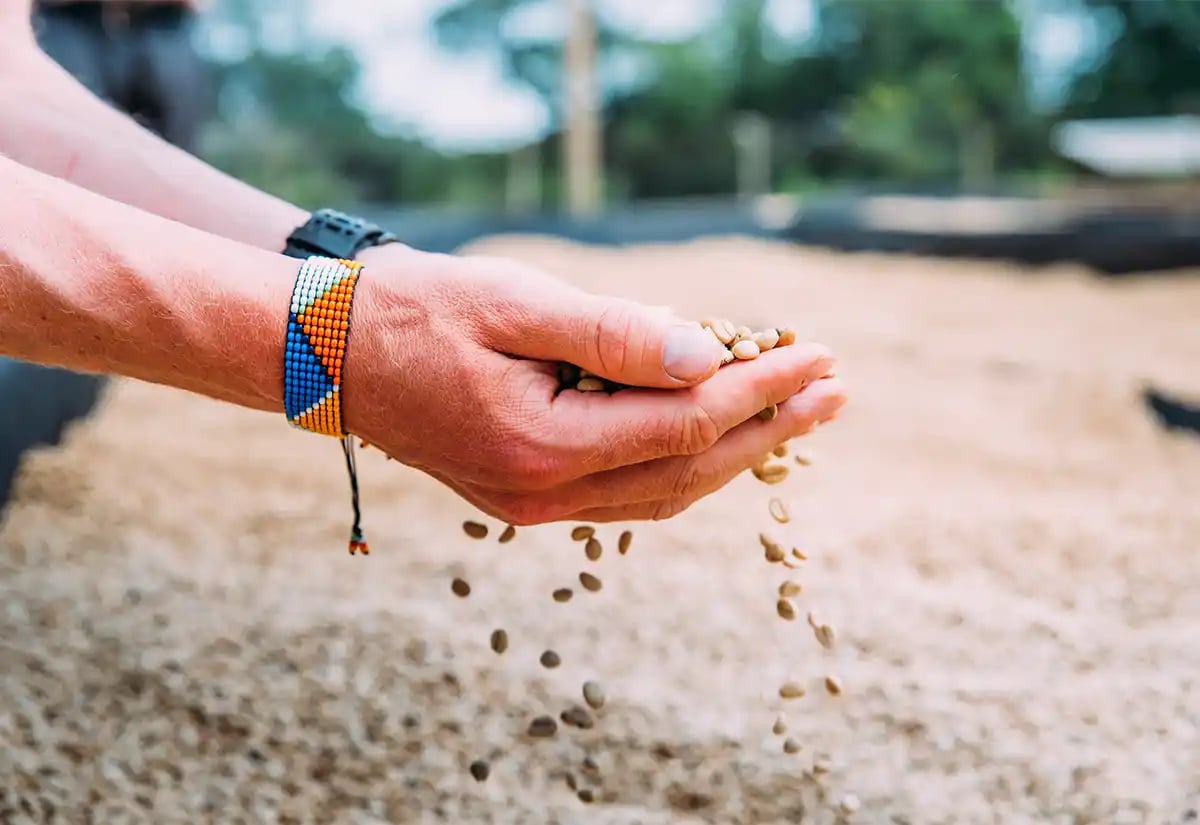
Visiting Arusha in September: A Photographer’s Paradise
Dry Season
September offers perfect safari conditions, with dry, warm days (11-26°C / 52-79°F) and clear skies. While the mornings and evenings can be chilly, the days begin to subtly heat up.
With little rainfall over the past several months, wildlife viewing is now at its peak. Animals remain concentrated around the limited water sources in Arusha National Park and beyond. The city’s markets, coffee shops, and cultural sites remain lively, yet September sees slightly fewer tourists than July and August, making it a great time to visit. Mount Meru hikes are still excellent, with clear summit views. This is also a prime month for photography, as golden light bathes the landscape, highlighting the beauty of Arusha and its surroundings.
+
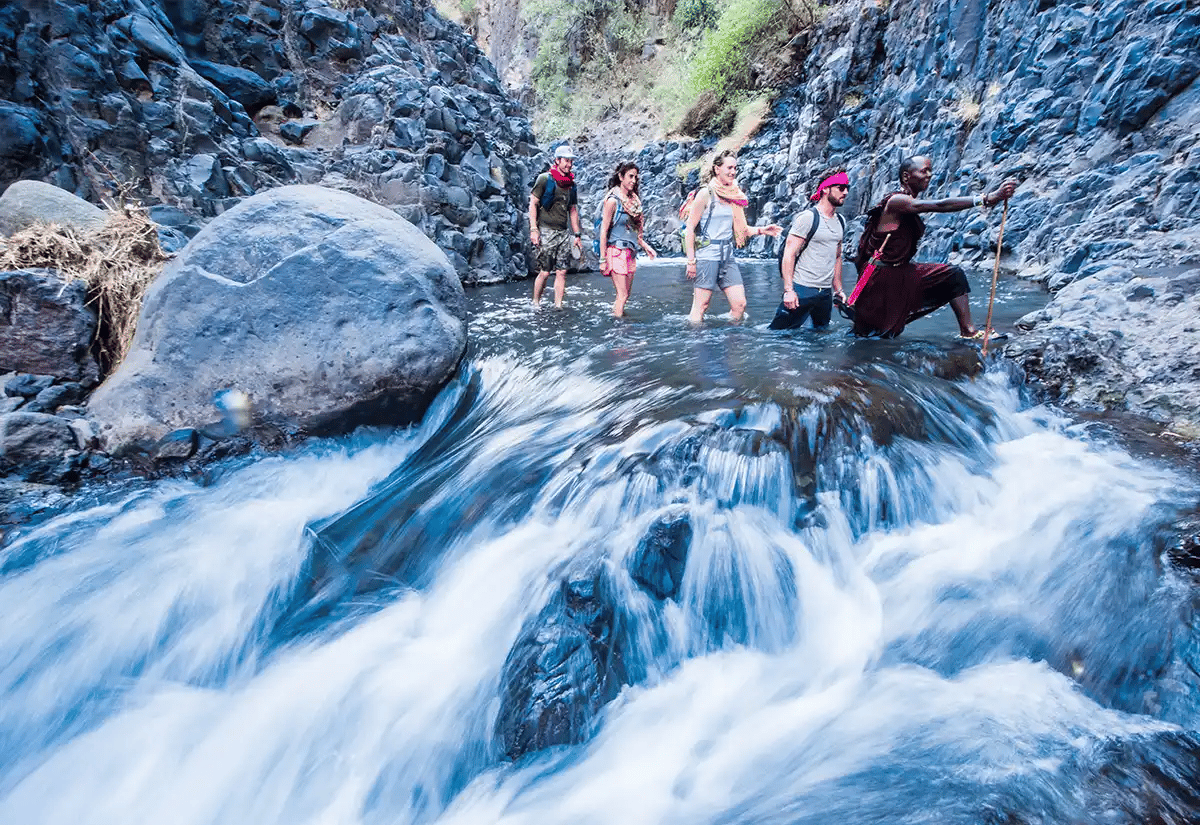
Visiting Arusha in October: The Return of the Short Rains
Dry Season
October remains mostly dry, with temperatures rising slightly (13-27°C / 55-81°F). Wildlife safaris continue to be outstanding, though some animals begin dispersing as the first light rains arrive later in the month. This is a great time to visit hot springs, lakes, and waterfalls, as they start to regain their flow.
Birdwatching improves, as migratory species begin arriving. While still a popular month, October sees fewer crowds than peak-season months, making it an excellent balance of great weather, abundant wildlife, and fewer tourists.
+
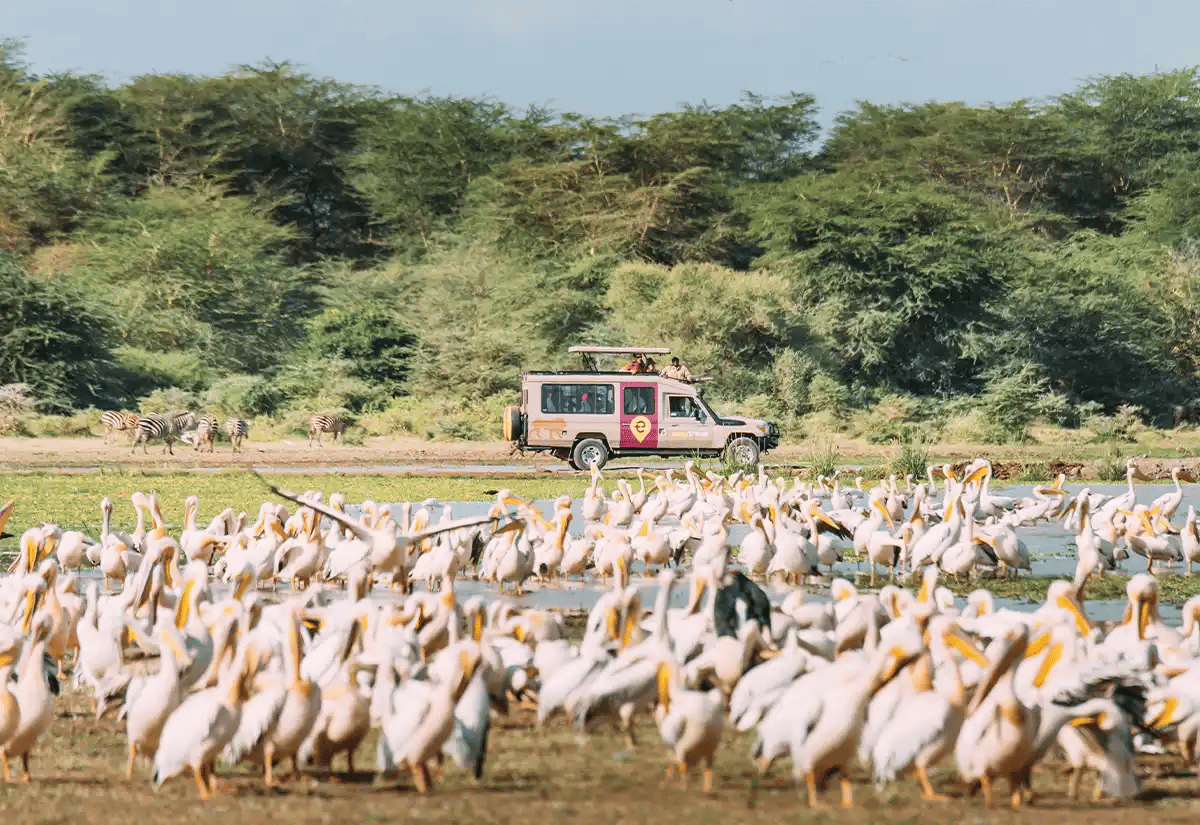
Visiting Arusha in November: A Month of Transitions
Short Rain Season
November marks the start of the short rainy season, with intermittent showers and rising humidity. Temperatures remain pleasant (14-27°C / 57-81°F), and while some rainfall occurs, it’s usually in short bursts, leaving plenty of time for exploration. The landscape begins to transform, with fresh greenery emerging, making this an excellent time for photography and birdwatching, as migratory birds arrive.
While wildlife starts to disperse with new water sources, Arusha National Park still offers fantastic sightings. Tourist numbers aren’t at their peak nor their lowest during this time, which means you may be able to score slightly discounted rates at your chosen accommodation.
+
Visiting Arusha in December: Festive and Fun Atmosphere
Short Rain Season
December in Arusha is lively and blooming, as the short rains subside and holiday travelers arrive. With temperatures ranging from 14-28°C (57-82°F), the weather is warm and comfortable, though occasional showers keep the landscape green and vibrant.
Safari experiences remain excellent, with baby animals beginning to appear, and the city comes alive with festive energy. December is a great time for hiking, market visits, and day trips to hot springs and waterfalls, as the scenery is at its most beautiful. As a popular travel time, especially in the latter half of the month, booking accommodations and tours in advance is highly recommended.

+
Visiting Arusha in January: Vibrant and Full of Life
Green Season
January in Arusha is part of the green season, bringing lush scenery, warm temperatures (13-28°C / 55-82°F), and occasional afternoon showers. This is a fantastic time for photography, as the landscapes are vividly green, and wildlife sightings are excellent, particularly in Arusha National Park.
Migratory birds flock to the region, making it a birdwatcher’s paradise. While safaris are popular, tourist numbers aren’t as high as compared to peak months, offering a more serene experience. This is also a great time for cultural tours—coffee farms, Maasai villages, and local markets offer authentic, immersive experiences without the crowds.
Visiting Arusha in February: Calving Season and Spectacular Views
Green Season
February is one of the best months for safaris, as it's calving season in the Southern Serengeti, just a short flight from Arusha. Thousands of wildebeest, zebras, and gazelles give birth. This draws in predators and makes for thrilling wildlife encounters.
The weather remains warm (14-28°C / 57-82°F), with short rains keeping the landscapes lush but not overly wet. Within Arusha, the city is vibrant with local life, and waterfalls like Napuru are at their most powerful. Hiking Mount Meru is also great this time of year, as the skies are clearer, offering stunning views of Kilimanjaro in the distance. Tourist numbers begin to increase, so booking accommodations early is advisable.
Visiting Arusha in March: The Long Rainy Season Begins
Green Season
March marks the beginning of the long rainy season in Arusha, with increased rainfall and humidity. Temperatures remain comfortable, ranging from 14-27°C (57-81°F), but afternoon downpours become more frequent. The city and surrounding landscapes flourish with greenery, creating breathtaking scenery for photography and nature lovers.
While some safari roads in the Serengeti and Ngorongoro become muddy, Arusha National Park remains a great option for wildlife spotting, particularly for giraffes, colobus monkeys, and waterbirds. Fewer tourists visit in March, making it a peaceful time for cultural experiences, market tours, and coffee plantation visits.
Visiting Arusha in April: Quiet, Tranquil, and Wet
Long Rain Season
April is the wettest month of the year, with frequent heavy rains, making some outdoor activities challenging. Temperatures hover around 14-26°C (57-79°F), and while mornings can be sunny, afternoons often bring downpours. This is low season for tourism, meaning discounted rates on accommodations and safaris.
While wildlife is still present, some parks may have restricted access due to muddy conditions. However, birdwatching is exceptional this time of year, with numerous migratory and wetland species thriving in the rainy environment. For travelers who don’t mind the rain, this is a fantastic time to experience Arusha’s museums, markets, and cultural centers with minimal crowds.
Visiting Arusha in May: Refreshing Greenery and Fewer Tourists
Long Rain Season
May, or the Emerald Season, marks the tail end of the long rainy season. While rainfall gradually decreases, occasional showers persist. Temperatures range from 13-25°C (55-77°F), and the air is fresh and crisp after weeks of rain. The landscapes are at their most lush, making this a beautiful time for photographers and nature lovers.
While some safari roads remain muddy, Arusha National Park is still accessible, offering blooming scenery and wildlife without the crowds. This is one of the least crowded months, meaning great deals on accommodations and a more authentic experience when visiting local markets and cultural sites.
Visiting Arusha in June: Prime Safari Season Starts
Dry Season
June begins the dry season, with clear skies, cooler temperatures (11-24°C / 52-75°F), and minimal rain. The greenery from the rains remains, but the ground begins to dry, which makes it easier to explore parks and natural attractions. This is a fantastic time for wildlife safaris, as animals start congregating around diminishing water sources, making sightings more predictable.
Mount Meru trekking conditions improve, offering breathtaking views of Mount Kilimanjaro. June is also the beginning of peak tourist season, so it’s a good idea to book accommodations and tours in advance to secure your spot.
Visiting Arusha in July: Cool Temps and Blue Skies
Dry Season
July is one of the best months to visit Arusha, as the dry season is in full swing. Clear skies, comfortable temperatures (10-23°C / 50-73°F), and excellent wildlife viewing mean that the conditions are ideal for safari. Animals gather around rivers and waterholes, making for spectacular game drives in Arusha National Park and beyond.
This is also a popular time for Mount Meru treks, as the cool, dry air provides excellent hiking conditions. In the city, markets, cultural sites, and cafes are lively with travelers. However, as it's peak season, you should book accommodations and tours well in advance to ensure you have plenty of available options.
Visiting Arusha in August: A Safari-Goer’s Dream
Dry Season
August continues Arusha and the Northern Circuit’s peak season, with cool mornings, warm afternoons (10-24°C / 50-75°F), and almost no rain. The city of Arusha is bustling with international travelers, creating a vibrant atmosphere in local markets and restaurants.
Safari-goers can expect fantastic wildlife sightings, as dry conditions force animals to gather near remaining water sources. This is also one of the best months for hiking Mount Meru, with clear views of Kilimanjaro and minimal cloud cover. Day trips to Lake Duluti, Maasai villages, and waterfalls are particularly enjoyable with the mild, dry weather. Due to high demand, it’s essential to book in advance—typically around 6 months before your trip—if you plan to visit during August.
Visiting Arusha in September: A Photographer’s Paradise
Dry Season
September offers perfect safari conditions, with dry, warm days (11-26°C / 52-79°F) and clear skies. While the mornings and evenings can be chilly, the days begin to subtly heat up.
With little rainfall over the past several months, wildlife viewing is now at its peak. Animals remain concentrated around the limited water sources in Arusha National Park and beyond. The city’s markets, coffee shops, and cultural sites remain lively, yet September sees slightly fewer tourists than July and August, making it a great time to visit. Mount Meru hikes are still excellent, with clear summit views. This is also a prime month for photography, as golden light bathes the landscape, highlighting the beauty of Arusha and its surroundings.
Visiting Arusha in October: The Return of the Short Rains
Dry Season
October remains mostly dry, with temperatures rising slightly (13-27°C / 55-81°F). Wildlife safaris continue to be outstanding, though some animals begin dispersing as the first light rains arrive later in the month. This is a great time to visit hot springs, lakes, and waterfalls, as they start to regain their flow.
Birdwatching improves, as migratory species begin arriving. While still a popular month, October sees fewer crowds than peak-season months, making it an excellent balance of great weather, abundant wildlife, and fewer tourists.
Visiting Arusha in November: A Month of Transitions
Short Rain Season
November marks the start of the short rainy season, with intermittent showers and rising humidity. Temperatures remain pleasant (14-27°C / 57-81°F), and while some rainfall occurs, it’s usually in short bursts, leaving plenty of time for exploration. The landscape begins to transform, with fresh greenery emerging, making this an excellent time for photography and birdwatching, as migratory birds arrive.
While wildlife starts to disperse with new water sources, Arusha National Park still offers fantastic sightings. Tourist numbers aren’t at their peak nor their lowest during this time, which means you may be able to score slightly discounted rates at your chosen accommodation.
Visiting Arusha in December: Festive and Fun Atmosphere
Short Rain Season
December in Arusha is lively and blooming, as the short rains subside and holiday travelers arrive. With temperatures ranging from 14-28°C (57-82°F), the weather is warm and comfortable, though occasional showers keep the landscape green and vibrant.
Safari experiences remain excellent, with baby animals beginning to appear, and the city comes alive with festive energy. December is a great time for hiking, market visits, and day trips to hot springs and waterfalls, as the scenery is at its most beautiful. As a popular travel time, especially in the latter half of the month, booking accommodations and tours in advance is highly recommended.
+
+
+
+
+
+
+
+
+
+
+
+

Arusha City and Nearby Wildlife
Arusha’s wildlife scene is shaped by its diverse landscapes, from flourishing forests and open savannahs to wetlands and crater lakes. Visitors can expect rich biodiversity, with wildlife thriving in and around the city’s many habitats.
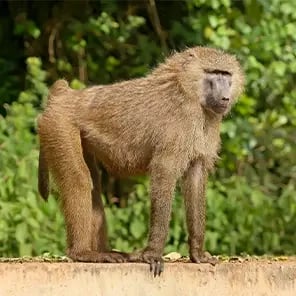
Olive Baboons
Seen in Arusha National Park, these social primates roam in large troops, foraging for fruits, seeds, and insects.

Vervet Monkeys
Playful and curious, vervet monkeys are easy to spot in trees and urban areas, known for their black faces and gray fur.
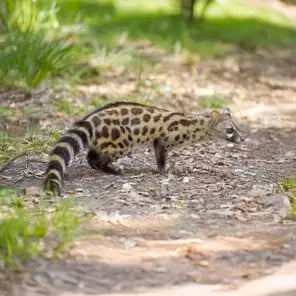
Genets
These nocturnal, cat-like mammals have spotted coats and long tails, often seen darting through trees in Arusha’s forests.
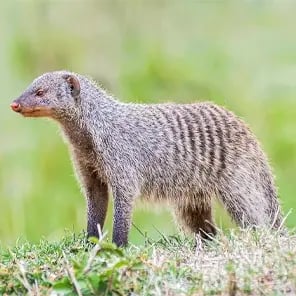
Mongoose
Small but fierce, mongooses are expert hunters, known for preying on snakes and insects in the grasslands and forests.
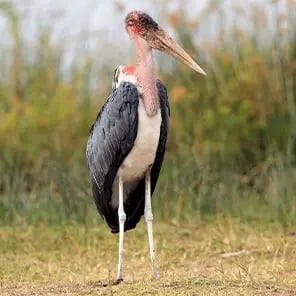
Marabou Storks
These large, bald-headed birds scavenge near water and urban areas, often seen towering over other wildlife in Arusha.
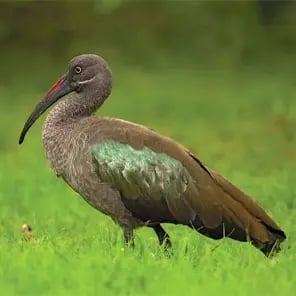
Hadada Ibis
Recognizable by their loud, raspy calls, these iridescent green and brown birds thrive near Arusha’s wetlands and gardens.
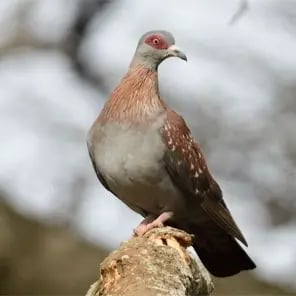
Speckled Pigeons
Often found perched on rooftops, these red-eyed pigeons with speckled wings are a common sight across Arusha’s cityscape.

House Sparrows
Small but adaptable, you may spot these birds fluttering through markets and gardens, thriving in Arusha’s urban areas.
Olive Baboons
Seen in Arusha National Park, these social primates roam in large troops, foraging for fruits, seeds, and insects.
Vervet Monkeys
Playful and curious, vervet monkeys are easy to spot in trees and urban areas, known for their black faces and gray fur.
Genets
These nocturnal, cat-like mammals have spotted coats and long tails, often seen darting through trees in Arusha’s forests.
Mongoose
Small but fierce, mongooses are expert hunters, known for preying on snakes and insects in the grasslands and forests.
Marabou Storks
These large, bald-headed birds scavenge near water and urban areas, often seen towering over other wildlife in Arusha.
Hadada Ibis
Recognizable by their loud, raspy calls, these iridescent green and brown birds thrive near Arusha’s wetlands and gardens.
Speckled Pigeons
Often found perched on rooftops, these red-eyed pigeons with speckled wings are a common sight across Arusha’s cityscape.
House Sparrows
Small but adaptable, you may spot these birds fluttering through markets and gardens, thriving in Arusha’s urban areas.
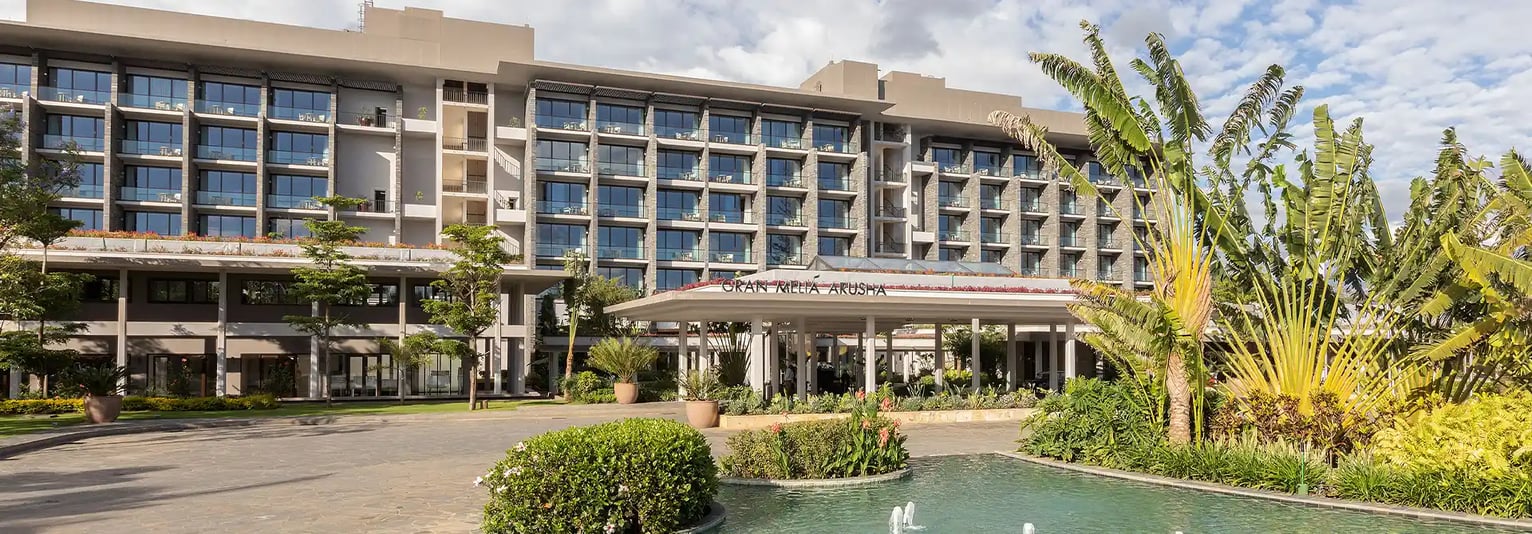
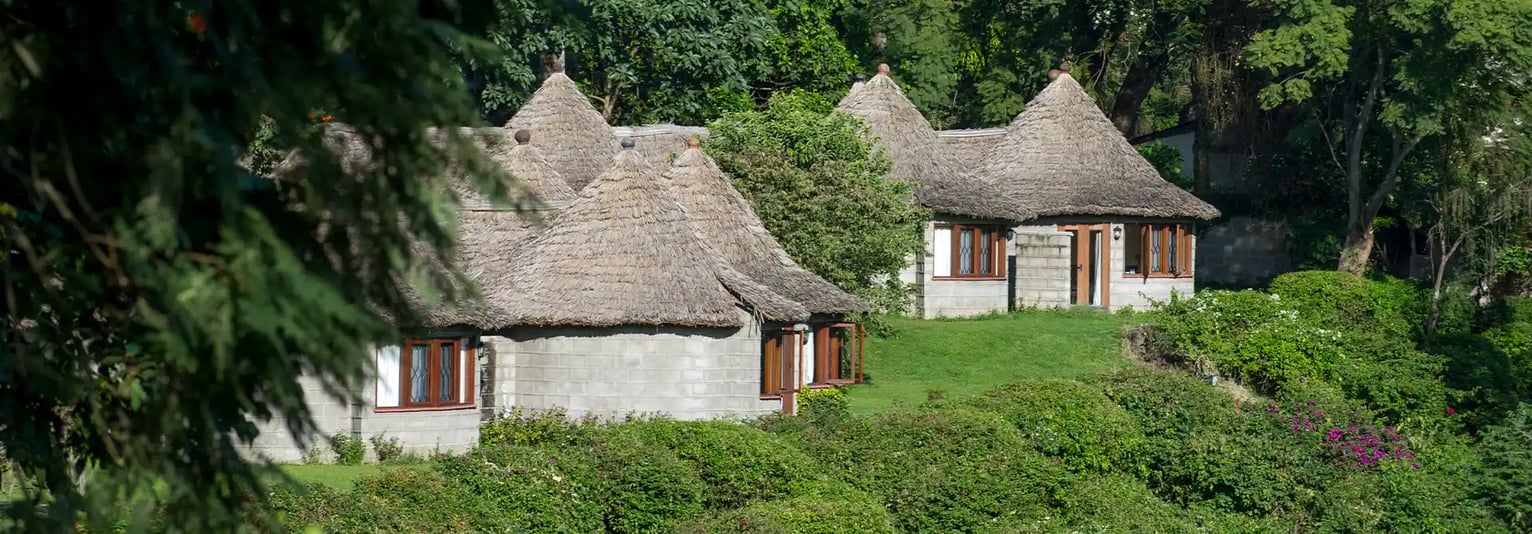
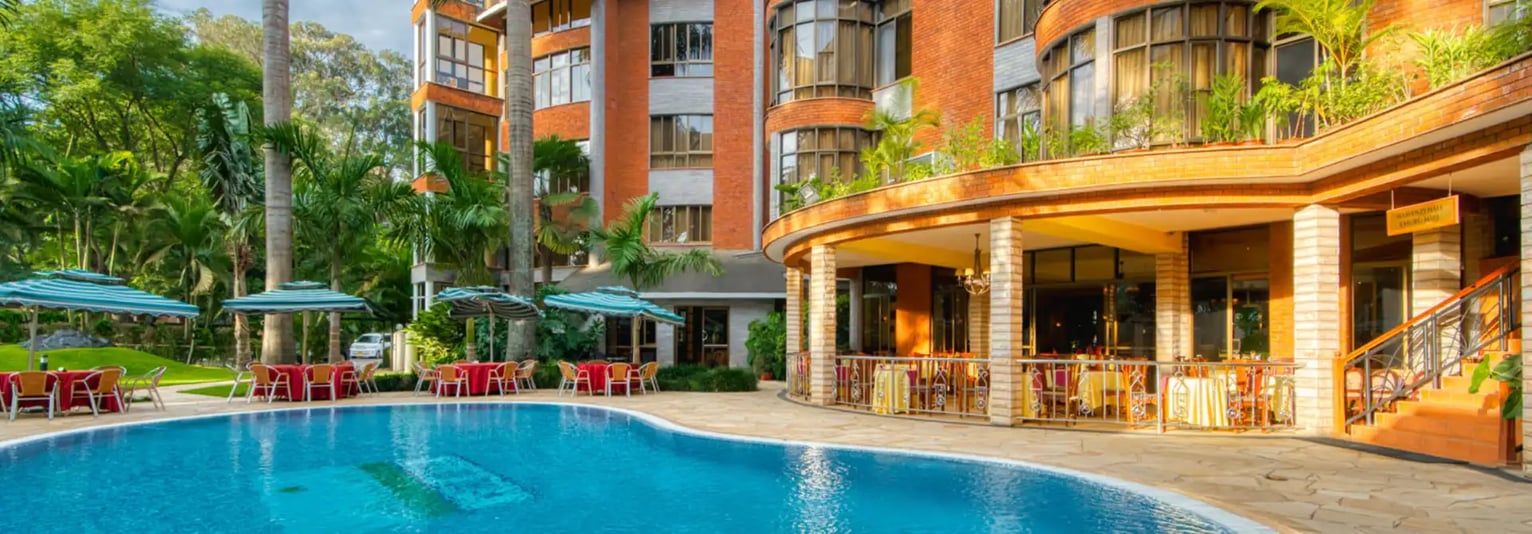
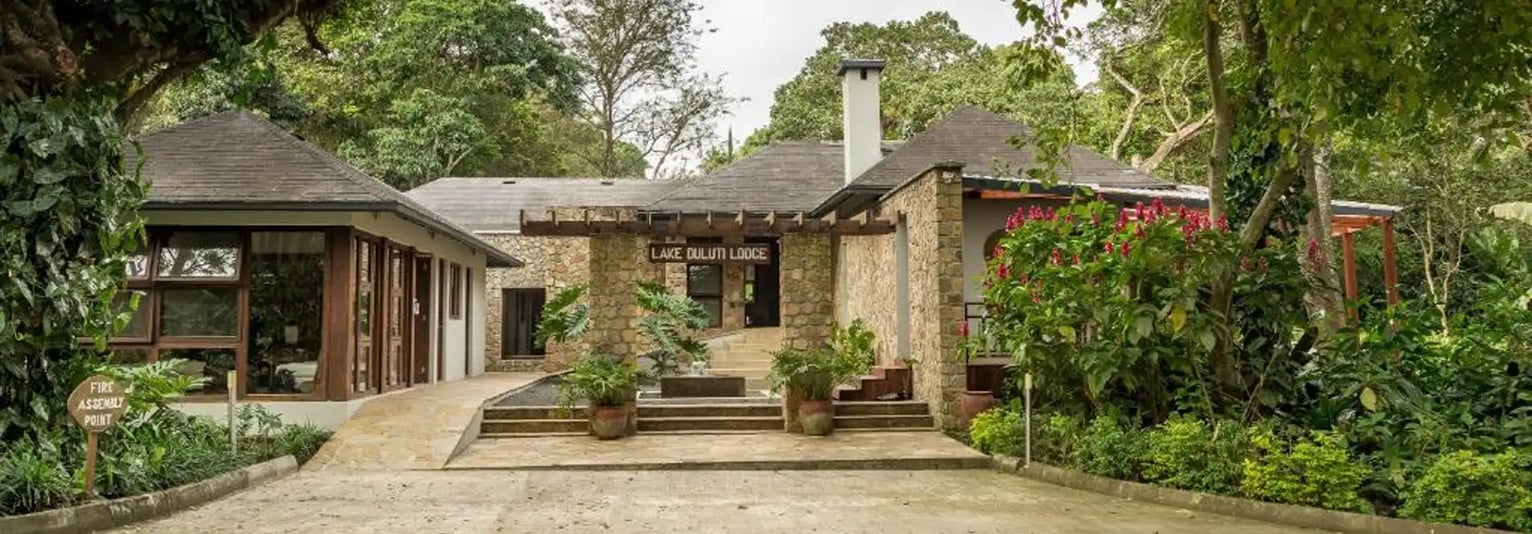
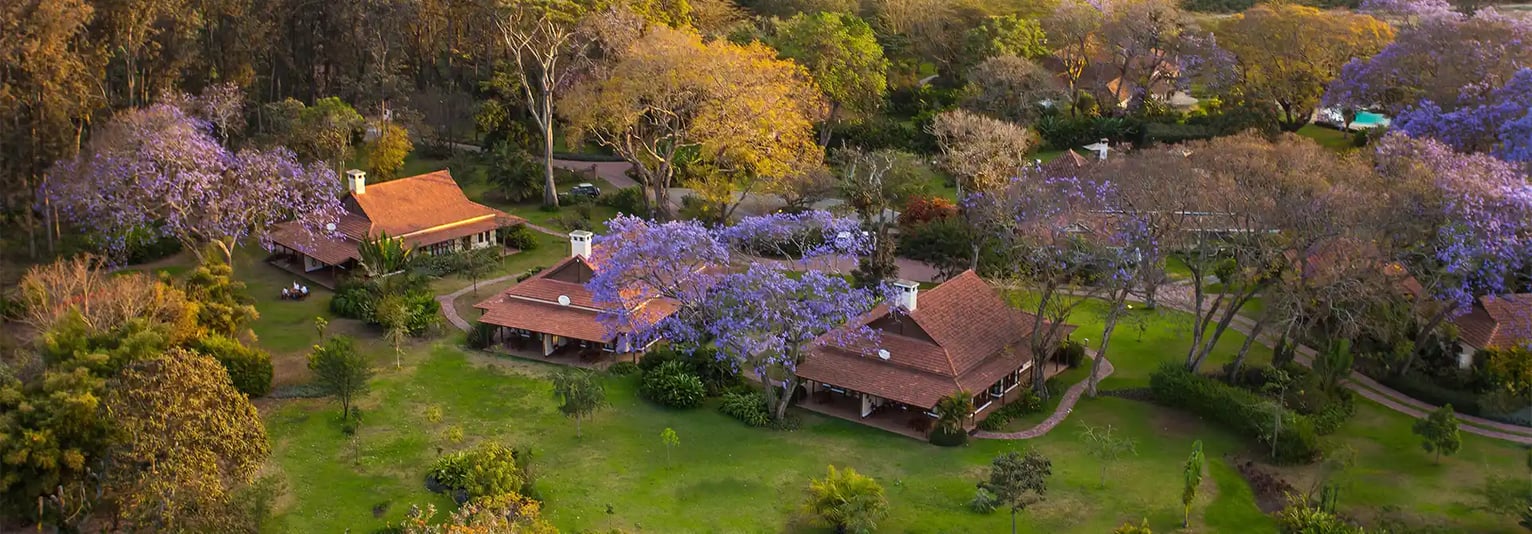
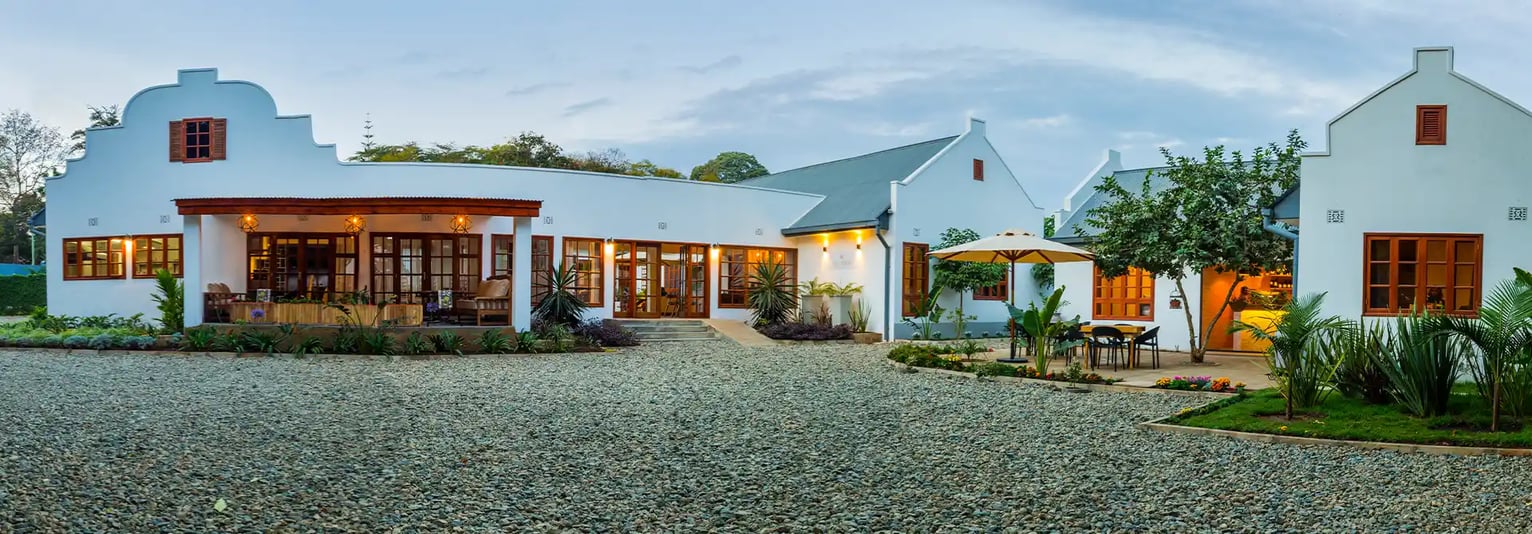
Places to Stay in Arusha
From budget-friendly lodges to comfort resorts and 5-star hotels, Arusha offers a variety of accommodation options for visitors at different price points.


Tanzania Tours from Arusha
Most Popular
.png?width=296&height=70&name=Pattern%20(2).png)
$1,350 (2pax) USD
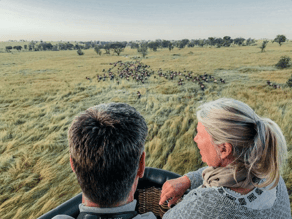
12 Days Serengeti Lions and Wildebeest Migration Safari

67 people viewing now
Best Seller
$3,001 (2pax) USD
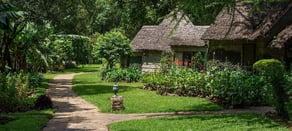
Days Serengeti Lions and Wildebeest Migration Safari
80 people viewing now
Most Popular
$1,400 (2pax) USD
A Days Serengeti Lions and Wildebeest Migration Safari
42 people viewing now
Most Popular
$1,350 (2pax) USD
12 Days Serengeti Lions and Wildebeest Migration Safari
5 people viewing now
Best Seller
$3,001 (2pax) USD
Days Serengeti Lions and Wildebeest Migration Safari
26 people viewing now
Most Popular
$1,400 (2pax) USD
A Days Serengeti Lions and Wildebeest Migration Safari
49 people viewing now
Most Popular
$1,350 (2pax) USD
12 Days Serengeti Lions and Wildebeest Migration Safari
57 people viewing now
Best Seller
$3,001 (2pax) USD
Days Serengeti Lions and Wildebeest Migration Safari
100 people viewing now
Best Seller
$3,001 (2pax) USD
Days Serengeti Lions and Wildebeest Migration Safari
81 people viewing now
Best Seller
$3,001 (2pax) USD
Days Serengeti Lions and Wildebeest Migration Safari
103 people viewing now
Best Seller
$3,001 (2pax) USD
Days Serengeti Lions and Wildebeest Migration Safari
58 people viewing now
Most Popular
$1,400 (2pax) USD
A Days Serengeti Lions and Wildebeest Migration Safari
111 people viewing now
Arusha’s location makes it the ultimate safari starting point. Contact us to curate your trip to Arusha and beyond.

Most Popular
$1,350 (2pax) USD
12 Days Serengeti Lions and Wildebeest Migration Safari
83 people viewing now
Best Seller
$3,001 (2pax) USD
Days Serengeti Lions and Wildebeest Migration Safari
33 people viewing now
Most Popular
$1,400 (2pax) USD
A Days Serengeti Lions and Wildebeest Migration Safari
34 people viewing now
Most Popular
$1,350 (2pax) USD
12 Days Serengeti Lions and Wildebeest Migration Safari
68 people viewing now
Best Seller
$3,001 (2pax) USD
Days Serengeti Lions and Wildebeest Migration Safari
80 people viewing now
Most Popular
$1,400 (2pax) USD
A Days Serengeti Lions and Wildebeest Migration Safari
85 people viewing now
Most Popular
$1,350 (2pax) USD
12 Days Serengeti Lions and Wildebeest Migration Safari
112 people viewing now
Best Seller
$3,001 (2pax) USD
Days Serengeti Lions and Wildebeest Migration Safari
108 people viewing now
Best Seller
$3,001 (2pax) USD
Days Serengeti Lions and Wildebeest Migration Safari
82 people viewing now
Best Seller
$3,001 (2pax) USD
Days Serengeti Lions and Wildebeest Migration Safari
32 people viewing now
Best Seller
$3,001 (2pax) USD
Days Serengeti Lions and Wildebeest Migration Safari
106 people viewing now
Most Popular
$1,400 (2pax) USD
A Days Serengeti Lions and Wildebeest Migration Safari
60 people viewing now
Arusha’s location makes it the ultimate safari starting point. Contact us to curate your trip to Arusha and beyond.
Frequently Asked Questions

Still have questions?
Contact Us, we are more than happy to help!
Where is Arusha in Tanzania?
Arusha is located in northern Tanzania, near the base of Mount Meru. It serves as the gateway to the Northern Safari Circuit, including Serengeti, Ngorongoro Crater, and Tarangire National Park.
What is there to do in Arusha?
Arusha offers a mix of urban and outdoor experiences, from exploring local markets and cultural sites to visiting waterfalls, hot springs, and wildlife reserves. It’s the perfect blend of city life and nature.
What is the best time to visit Arusha?
Arusha is worth visiting year-round, but the dry season (June to October) offers the best weather for safaris and outdoor adventures. The green and rainy seasons (November to May) mean lush landscapes and fewer crowds.
How many days should I spend in Arusha?
At least two to three days are ideal to explore Arusha’s markets, cultural sites, and nearby nature spots before heading on safari. More time allows for hiking, coffee tours, and day trips.
Is Arusha safe for travelers?
Yes, Arusha is generally safe for visitors. As in any city, it’s best to stay aware of your surroundings, avoid walking alone at night, and use reliable tour operators like Easy Travel for guided experiences.
How do I get to Arusha?
Most travelers fly into Kilimanjaro International Airport (JRO), about 1 hour from Arusha. There are also domestic flights to Arusha Airport (ARK), or you can arrive by road from other Tanzanian cities.
What kind of accommodation is available in Arusha?
Arusha offers a range of accommodations, from budget hostels and boutique hotels to luxury lodges and safari camps. Many hotels cater to safari travelers with pre- and post-tour stays.
Can I see wildlife in Arusha without going on a safari?
Yes! Arusha National Park, just 40 minutes from the city, offers walking safaris, canoeing, and game drives, where you can spot giraffes, zebras, buffalo, and more in a stunning natural setting.
What kind of cultural experiences can I have in Arusha?
You can visit a Maasai village, explore the Cultural Heritage Centre, take part in a coffee tour, or browse handmade crafts at the Maasai Market. Easy Travel is happy to connect you with cultural experiences, tours, and excursions while in Arusha.
What is the altitude in Arusha, Tanzania, and does it affect travelers?
Arusha sits at an altitude of approximately 1,400 meters (4,600 feet) above sea level, giving it a mild, temperate climate year-round. Most travelers do not experience altitude-related issues, but if you plan to trek Mount Meru (4,566m) or Kilimanjaro (5,895m), gradual acclimatization is recommended.
Still have questions?
Contact Us, we are more than happy to help!
More On Arusha: What to See and Things to Do
06.3.2025
23 Min Read
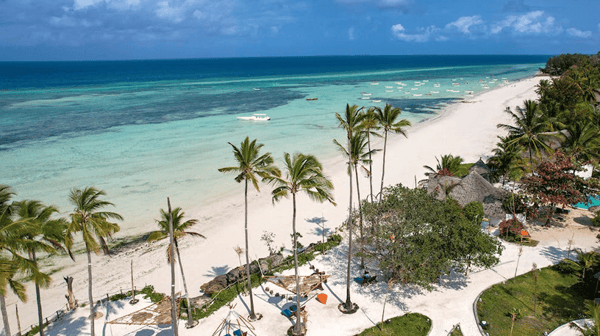
Kendwa Beach rests on Zanzibar Island. The beach is known far and wide because it is gorgeous. The sand on the beach is...
06.3.2025
23 Min Read
Kendwa Beach rests on Zanzibar Island. The beach is known far and wide because it is gorgeous. The sand on the beach is...
06.3.2025
6 Min Read
05.9.2025
2 Min Read
Lorem ipsum dolor sit amet, consectetur adipiscing elit. Integer tincidunt augue eleifend iaculis pulvinar. Nam...

06.3.2025
23 Min Read
Kendwa Beach rests on Zanzibar Island. The beach is known far and wide because it is gorgeous. The...
06.3.2025
23 Min Read
Kendwa Beach rests on Zanzibar Island. The beach is known far and wide because it is gorgeous. The...
06.3.2025
6 Min Read
05.9.2025
2 Min Read
Lorem ipsum dolor sit amet, consectetur adipiscing elit. Integer tincidunt augue eleifend iaculis...
Explore Our Latest Articles
3.06.2025
23 Min Read
Kendwa Beach rests on Zanzibar Island. The beach is known far and wide because it is gorgeous. The sand on the beach is...
3.06.2025
23 Min Read
Kendwa Beach rests on Zanzibar Island. The beach is known far and wide because it is gorgeous. The...
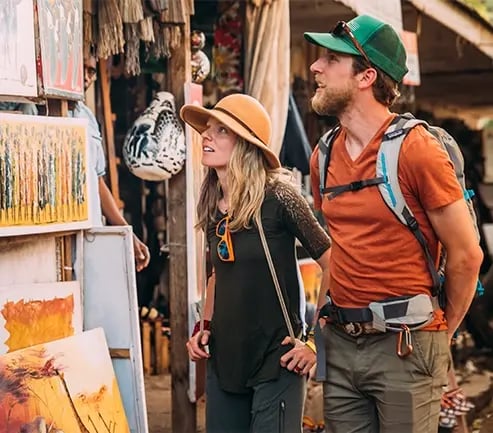
Find Out Which Safari Tour Is Right For You
After exploring the wonders of Arusha city, don’t miss your chance to go on a classic Tanzania safari. Easy Travel is here to help you find the right tour for you.
More Tanzania Destinations To Visit
This is a park

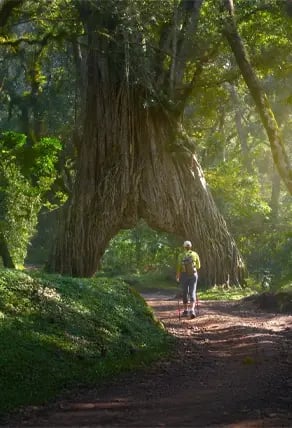


Arusha...
Just outside of the city of Arusha, this diverse park features lush forests, wildlife, and the scenic Momella Lakes.
This is a park
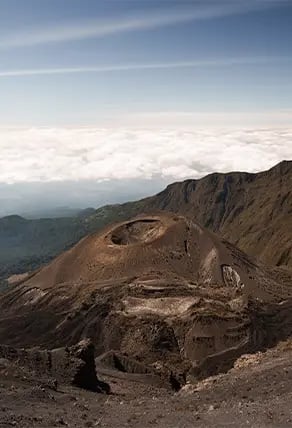


Mount Meru
Just about an hour drive from Arusha, Tanzania’s second-tallest mountain offers stunning hikes and rich wildlife.
This is a park
-svg.svg)
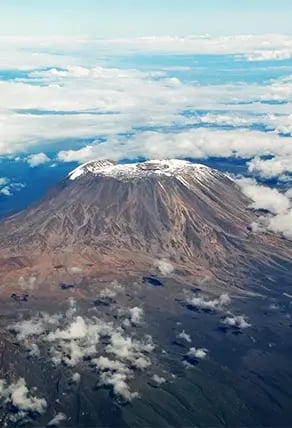

Mount...
Africa’s highest peak, Kilimanjaro offers a bucket-list climb with varied ecosystems and breathtaking panoramic views.
This is a park

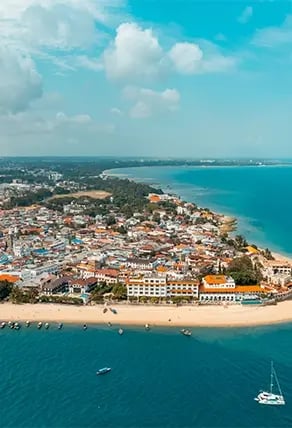


Zanzibar
A tropical paradise with white sandy beaches and turquoise waters, this coastal gem is a must-visit..