

.svg "Style-Guide (1)")


.svg)


Kendwa Beach rests on Zanzibar Island. The beach is known far and wide because it is gorgeous. The...






Ruaha National Park
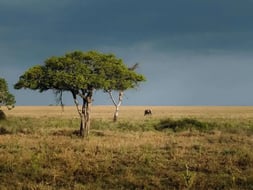
Vast, remote, and brimming with life, Ruaha National Park, Tanzania, is one of Africa’s most unspoiled safari destinations. Its scale and variety ensure no two safaris are the same—from quiet mornings along the Great Ruaha River, to sweeping views from rocky ridges, to the wide and wild plains.

Endorsed by ATTA

Featured in National Geographic

BBC Wildlife

Rated Excellent by Trip Advisor
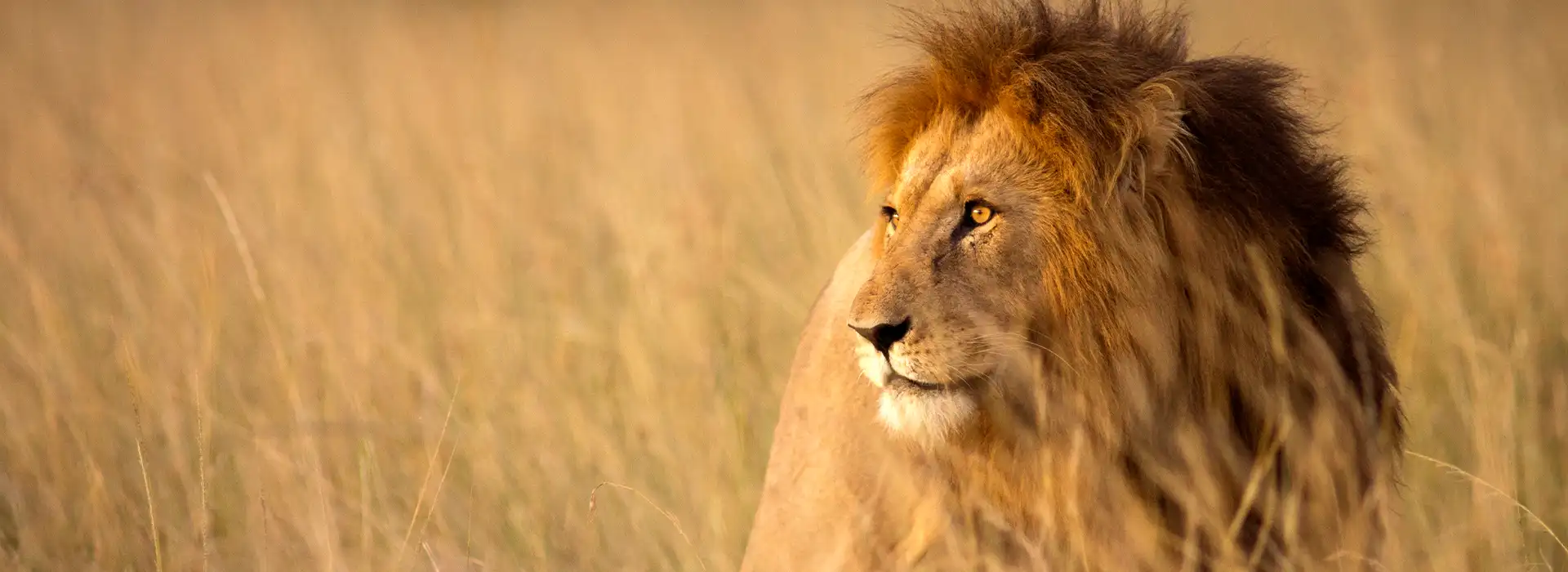
Ruaha National Park
Vast, remote, and brimming with life, Ruaha National Park, Tanzania, is one of Africa’s most unspoiled safari destinations. Its scale and variety ensure no two safaris are the same—from quiet mornings along the Great Ruaha River, to sweeping views from rocky ridges, to the wide and wild plains.
Endorsed by ATTA
Featured in National Geographic
BBC Wildlife
Rated Excellent by Trip Advisor
Inside Ruaha: Landscapes, Wildlife, and Wilderness
Located in southern Tanzania, Ruaha National Park is the country’s largest protected area, stretching across more than 20,000 square kilometers. Despite its size, the park remains one of Tanzania’s quieter safari destinations, offering travelers wide-open spaces and a chance to experience nature with fewer vehicles on the horizon.
The Great Ruaha River runs through the park, creating a vital water source that draws an exceptional variety of animal life. Ruaha is home to some of the largest herds of elephants in East Africa, impressive populations of lions and leopards, and endangered African wild dogs. The mix of habitats—ranging from open savannahs and baobab forests to riverine woodlands and rocky escarpments—supports an extraordinary diversity of species, including over 570 species of birds.
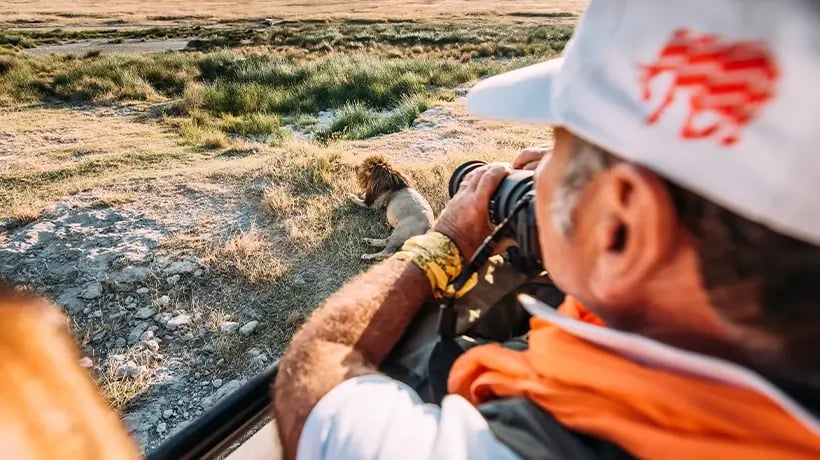
What sets a Ruaha safari apart is its sense of scale and authenticity. This is a place where East and Southern African ecosystems overlap, creating a unique blend of landscapes and game encounters. For travelers looking to step away from busier safari circuits, Ruaha offers a balance of dramatic scenery, abundant game viewing, and the quiet atmosphere of a truly wild park.
Why Travelers Love Visiting Ruaha National Park
Ruaha National Park’s rare combination of abundant wildlife and a peaceful, uncrowded atmosphere is a major draw for travelers. It’s one of the best places in Tanzania to see large elephant herds, big prides of lions, and endangered wild dogs, all against a backdrop of striking baobab trees and wide savannahs. With more than 570 bird species and a variety of diverse habitats, Ruaha offers something new to see on every game drive. Visitors love that safaris here feel personal and unhurried, with the sense of being immersed in a world far from the typical tourist trail.
Things To Do in Ruaha National Park
From classic safari game drives to adventure-forward excursions, Ruaha National Park’s vast wilderness offers no shortage of things to do, see, and experience.
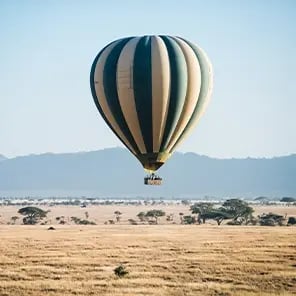

Balloon Safari
Float peacefully above the savannah at sunrise on a hot air balloon safari. Take in Ruaha’s landscapes and wildlife from an unforgettable perspective before landing for a champagne breakfast.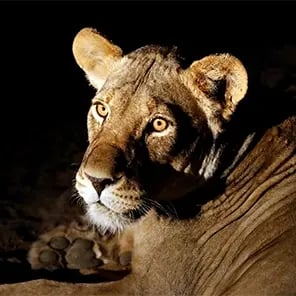
Night Game Drives
Experience the park after dark on a guided night drive. Spot nocturnal animals like civets, genets, and porcupines, while listening to the sounds of the African bush under star-filled skies.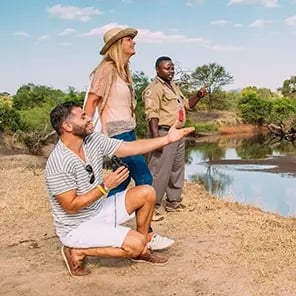
Walking Safari & Nature Walks
Step out of the vehicle and explore Ruaha on foot with an expert guide. Walking safaris reveal tracks, plants, and smaller creatures while giving you a deeper connection to the environment.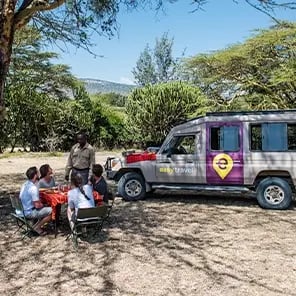
Bush Meals
Dine in the wilderness with meals set up in scenic spots along the river or beneath ancient baobab trees. A breakfast, lunch, or dinner in the bush combines great food with surroundings that appeal to the senses.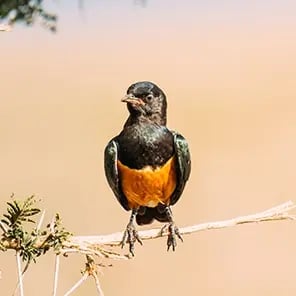
Bird Watching
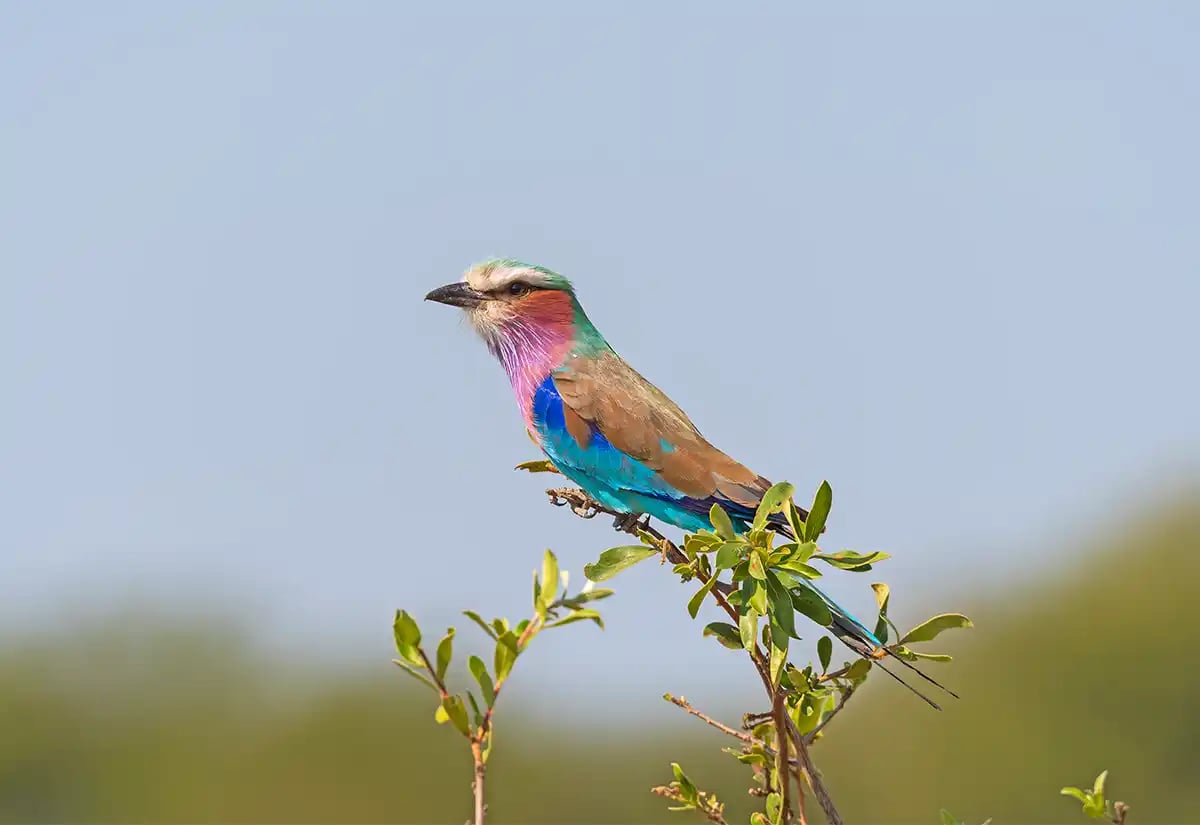
With nearly 600 recorded bird species, Ruaha is a paradise for bird lovers. Spot everything from colorful bee-eaters to fish eagles as you explore the park’s varied habitats.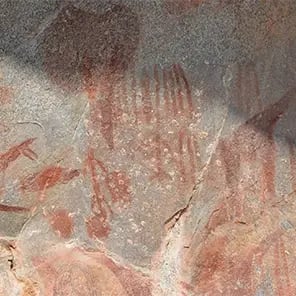
Cultural Activities & Historical Sites
Visit nearby villages or explore ancient rock paintings to learn about the region’s cultural heritage. These experiences add meaning to your Ruaha safari through a deeper understanding of the area.Things To Do in Ruaha National Park
From classic safari game drives to adventure-forward excursions, Ruaha National Park’s vast wilderness offers no shortage of things to do, see, and experience.
Balloon Safari
Float peacefully above the savannah at sunrise on a hot air balloon safari. Take in Ruaha’s landscapes and wildlife from an unforgettable perspective before landing for a champagne breakfast.
Night Game Drives
Experience the park after dark on a guided night drive. Spot nocturnal animals like civets, genets, and porcupines, while listening to the sounds of the African bush under star-filled skies.
Walking Safari & Nature Walks
Step out of the vehicle and explore Ruaha on foot with an expert guide. Walking safaris reveal tracks, plants, and smaller creatures while giving you a deeper connection to the environment.
Bush Meals
Dine in the wilderness with meals set up in scenic spots along the river or beneath ancient baobab trees. A breakfast, lunch, or dinner in the bush combines great food with surroundings that appeal to the senses.
Bird Watching
With nearly 600 recorded bird species, Ruaha is a paradise for bird lovers. Spot everything from colorful bee-eaters to fish eagles as you explore the park’s varied habitats.
Cultural Activities & Historical Sites
Visit nearby villages or explore ancient rock paintings to learn about the region’s cultural heritage. These experiences add meaning to your Ruaha safari through a deeper understanding of the area.The Best Time to Visit Ruaha
Whether you prefer dramatic predator action in the dry months or the vibrant landscapes of the rainy season, Ruaha delivers an unforgettable safari experience year-round.
average
good
best
.svg)
Jan
Feb

Mar
Apr
May
.svg)
Jun
Jul
Aug
Sep
Oct
.svg)
Nov
Dec
Jan
Feb
Mar
Apr
May
Jun
Jul
Aug
Sep
Oct
Nov
Dec
Ruaha in January: Green season and abundant birdlife
Rainy Season
January falls in the heart of the green season, when Ruaha’s landscapes are transformed by fresh rain. The baobabs stand against vibrant greenery, and the Great Ruaha River flows strongly, nourishing the park’s many habitats. Animals are more dispersed, but game drives are still rewarding, especially for elephants, antelopes, and the park’s large lion prides.
January is also excellent for birdwatching, as migratory species from Europe and Asia swell the park’s already impressive birdlist. Afternoon showers are common, often clearing to leave golden light that photographers will love. Fewer tourists visit at this time, making it ideal for travelers seeking solitude and memorable scenery.
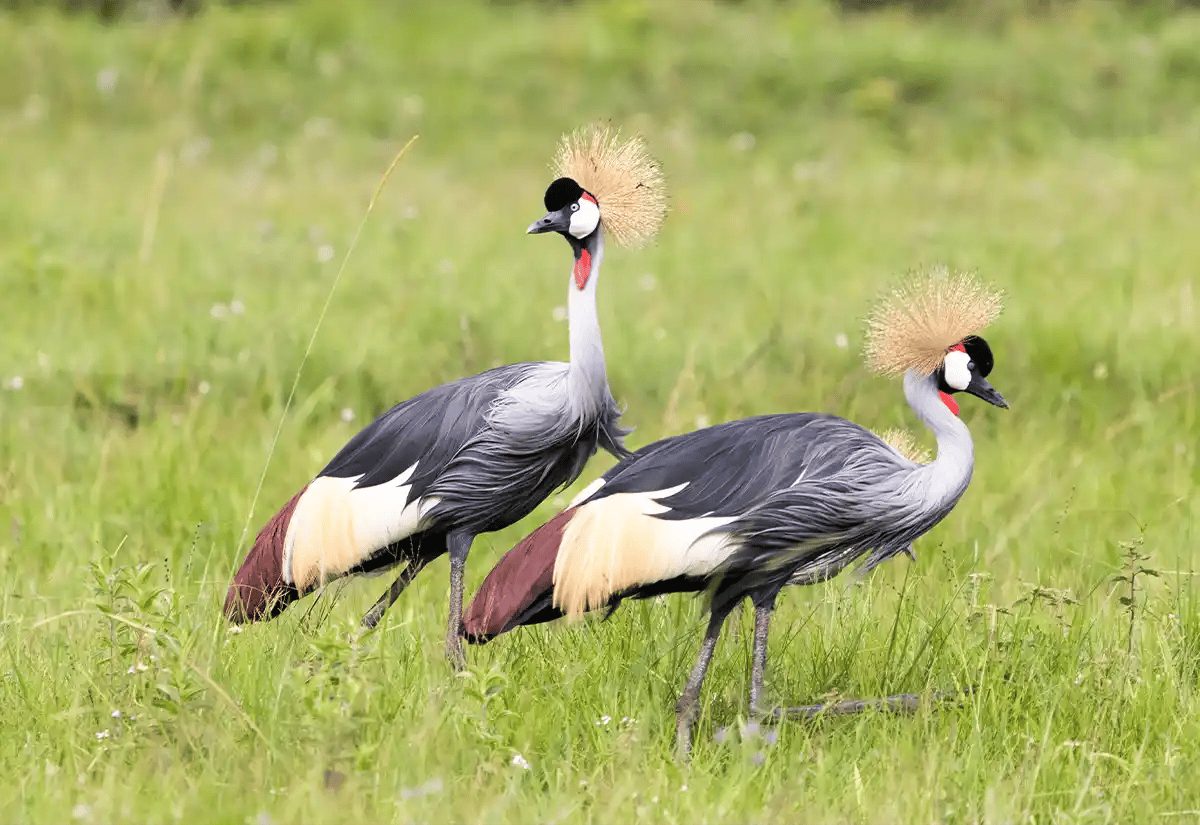

+
Ruaha in February: Calving season on the plains
Sunny
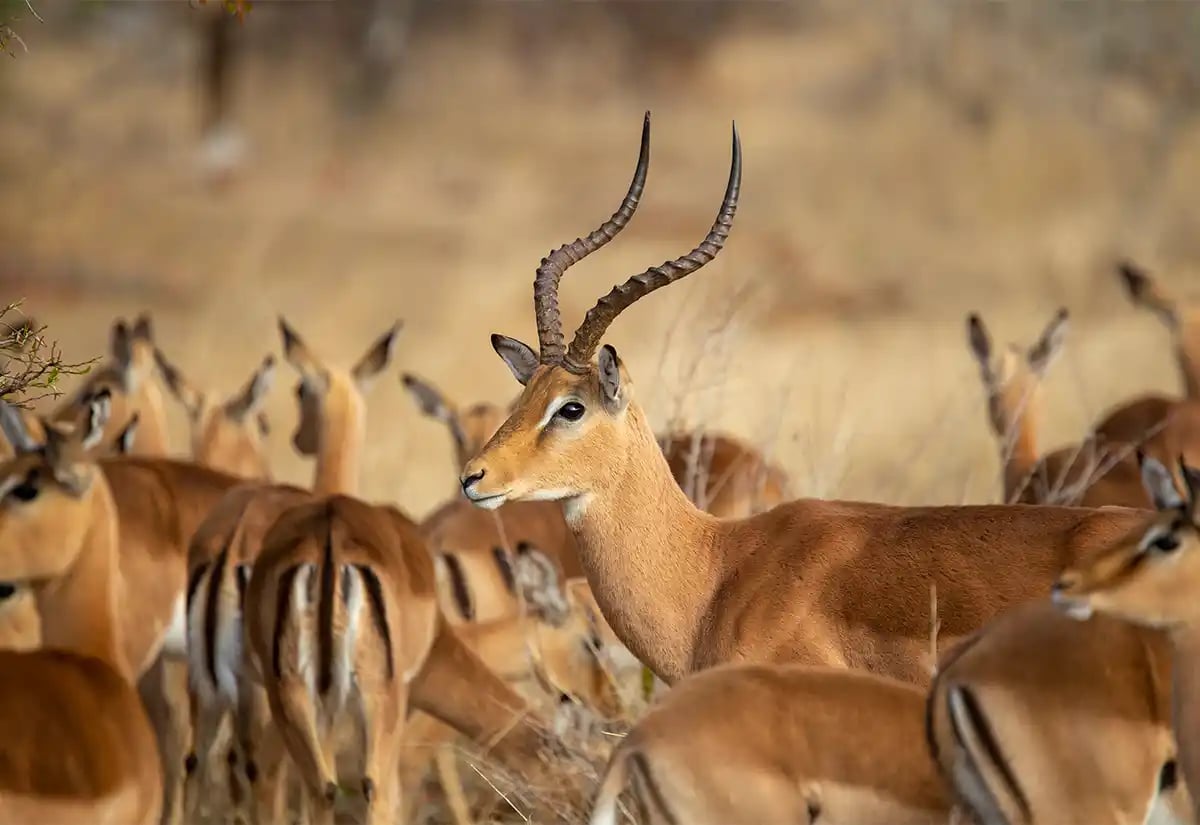
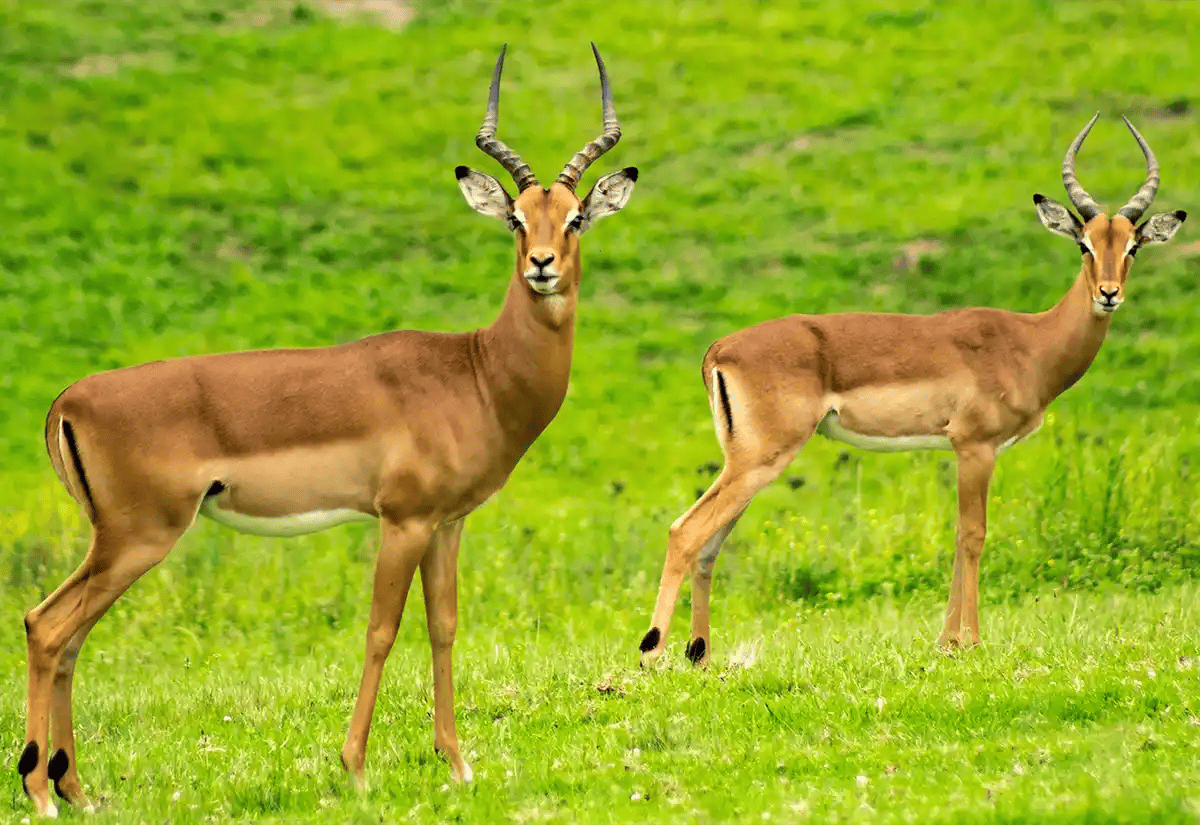
February brings continued rain and lush conditions, but it’s also one of the most exciting months for wildlife. Many herbivores give birth during this time, including antelope species like impala and kudu, drawing predators into the area for plentiful hunting opportunities. The park buzzes with new life—bird nesting is in full swing, and colorful flowers dot the savannah.
Game drives can be thrilling, with a chance to witness dramatic predator-prey interactions. Roads may be muddy in parts, but lodges remain open, and visitors will enjoy the intimacy of a less-crowded safari. February’s combination of lush landscapes and animals activity makes it a rewarding time to experience Ruaha’s more untamed side.
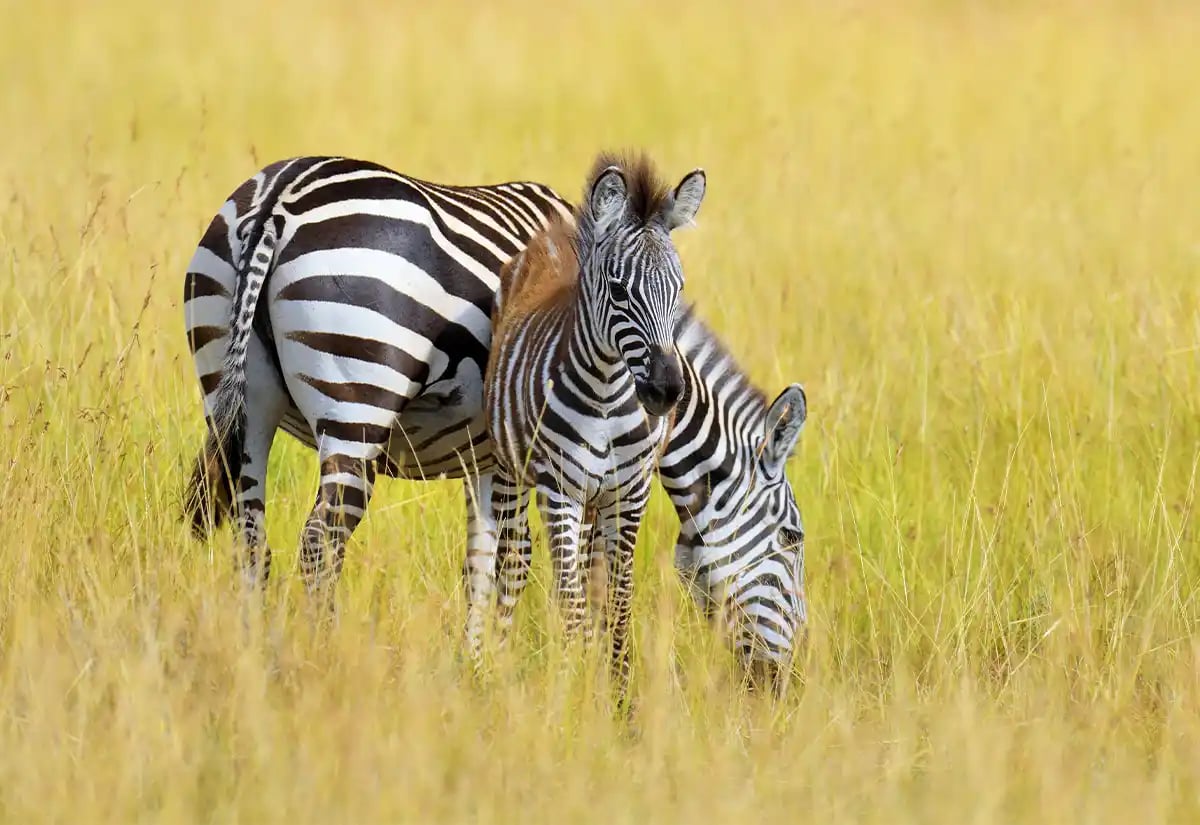
+
Ruaha in March: Rain storms and rich wilderness
Rainy Season
March is typically one of Ruaha’s wettest months, with regular showers feeding rivers and flooding low-lying areas. The park’s vegetation is thick and vibrant, offering a striking contrast to the dry season landscapes. Game viewing is more challenging as animals spread widely, but elephants, giraffes, and buffalo remain visible near permanent water. This is also prime time for birdwatchers, as migratory species linger before beginning their return north.
Fewer visitors travel in March, giving those who do come the chance to enjoy the park’s beauty in near seclusion. Photographers will find inspiration in cinematic skies, fresh greenery, and the sense of wilderness renewed.
+
Ruaha in April: Quiet season and lush beauty
Rainy Season
April marks the peak of the rainy season, and it’s one of the slowest months for tourism in Ruaha. Still, the landscape is at its most green and colorful, dotted with wildflowers and thick vegetation that shelters wildlife. While animal sightings can be less predictable, it’s possible to encounter large herds of elephants, resident predators, and abundant birdlife.
Roads may be muddy, making travel more challenging, but those who visit are rewarded with solitude and spectacular scenery. Safari lodges may offer attractive rates this month, making April appealing for adventurous travelers looking to experience a tranquil and untamed side of Ruaha.
+
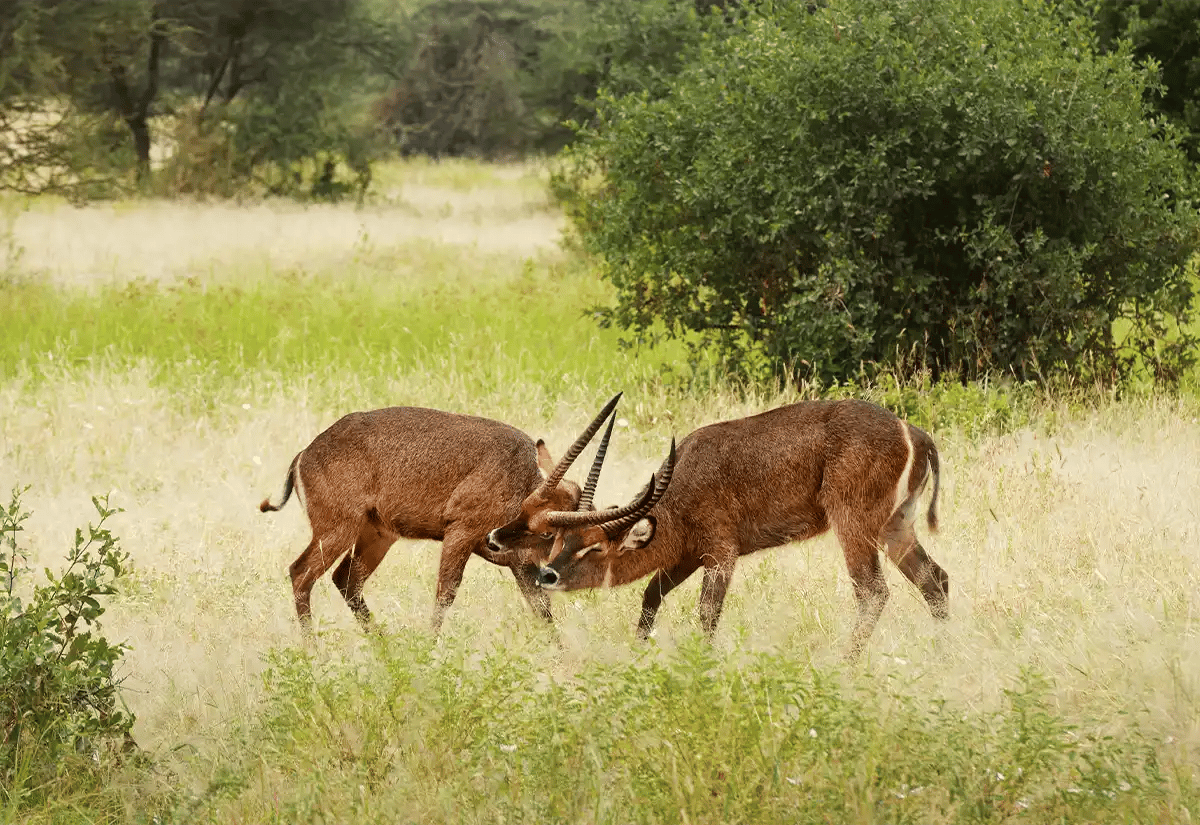
Ruaha in May: Transition to the dry season
Rainy Season
With showers tapering off and clearer skies returning, May signals the end of the long rain. The park is still lush and green, but the grass begins to thin, gradually improving visibility on game drives. Rivers and waterholes remain well-filled and able to support large numbers of herbivores, while also drawing predators nearby. Birdlife continues to impress, with both resident species and a few late migrants still present.
Visitor numbers are very low, creating a private safari feel, and many camps start offering excellent value before the high season begins. May is a great month for travelers who don’t mind occasional rain but want a less busy experience paired with striking landscapes.
+
Ruaha in June: Beginning of peak safari season
Rainy Season
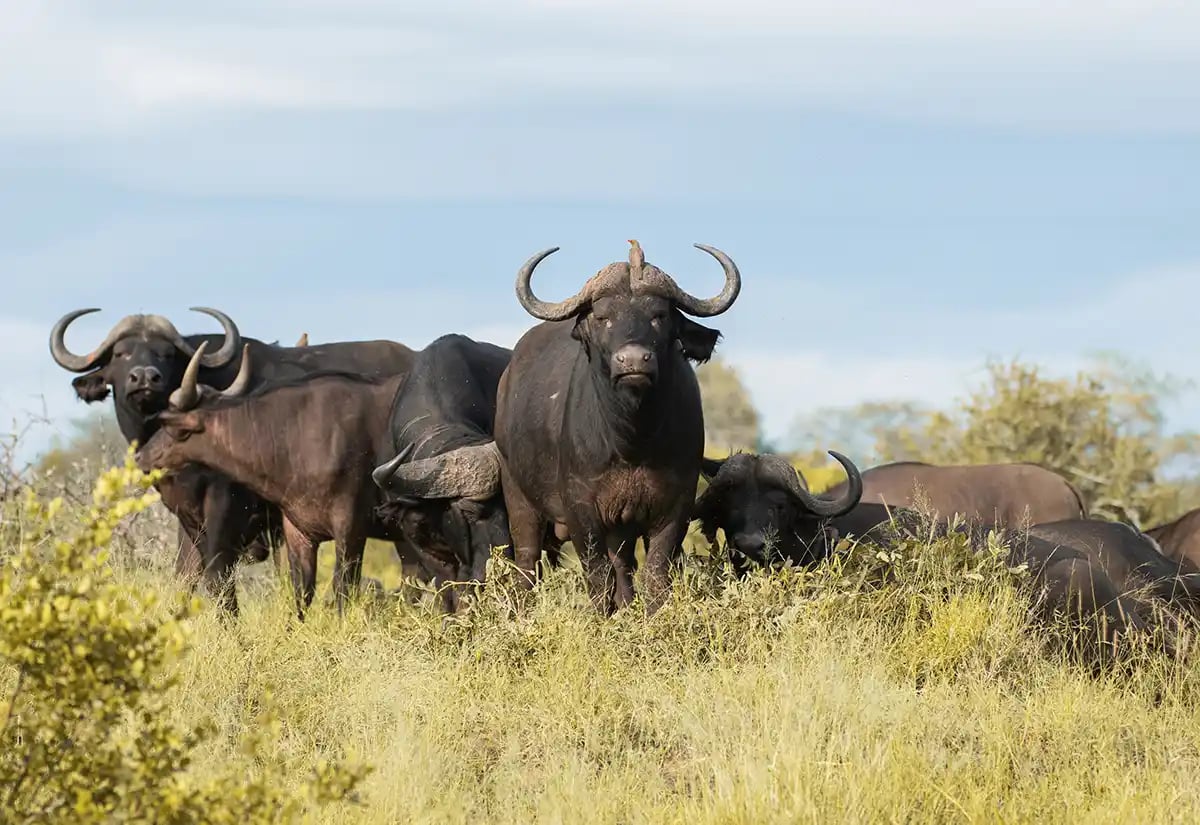
By June, the dry season has taken hold, and Ruaha begins to reveal its most classic safari conditions. Vegetation thins considerably, making wildlife easier to spot, and animals start concentrating around rivers and waterholes. Elephants, buffaloes, and predators are increasingly visible, while the clearer skies and cooler mornings make for comfortable game drives.
June also marks the start of the park’s high season, though Ruaha remains far less crowded than the northern parks. With mild temperatures, reliable sightings, and excellent photographic opportunities, June is one of the best times to experience Ruaha’s diversity.
+
Ruaha in July: Prime wildlife viewing
Sunny
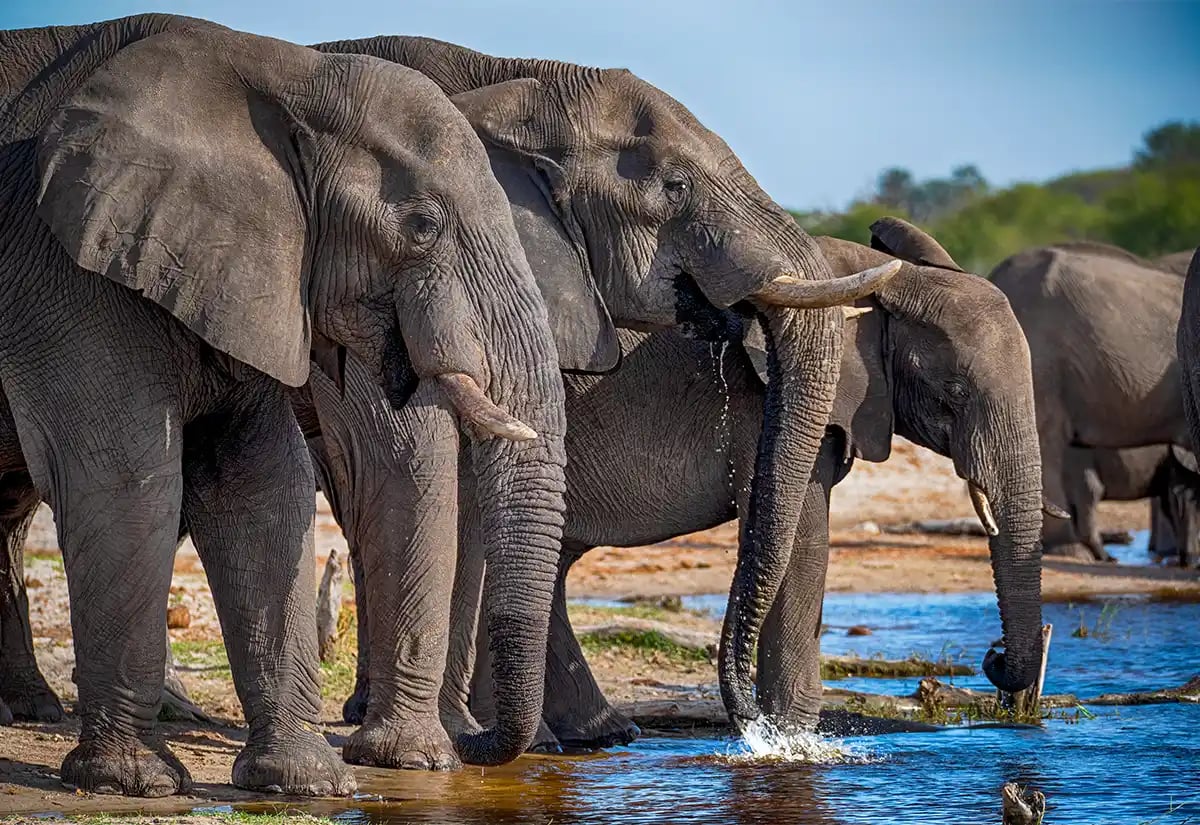
Firmly within the dry season, July offers some of the best game-viewing conditions of the year. Vegetation is sparse, and animals cluster around the Great Ruaha River and shrinking waterholes, making sightings consistent. Elephants are especially prominent, often seen in large herds, and predators follow closely behind.
The weather is dry and pleasantly cool, with crisp mornings and sunny afternoons. July is also one of the most popular times to visit, so travelers should book early to secure preferred accommodations. For those seeking classic safari experiences with reliable sightings, July is an excellent choice.
+
Ruaha in August: Peak of the dry season
Sunny
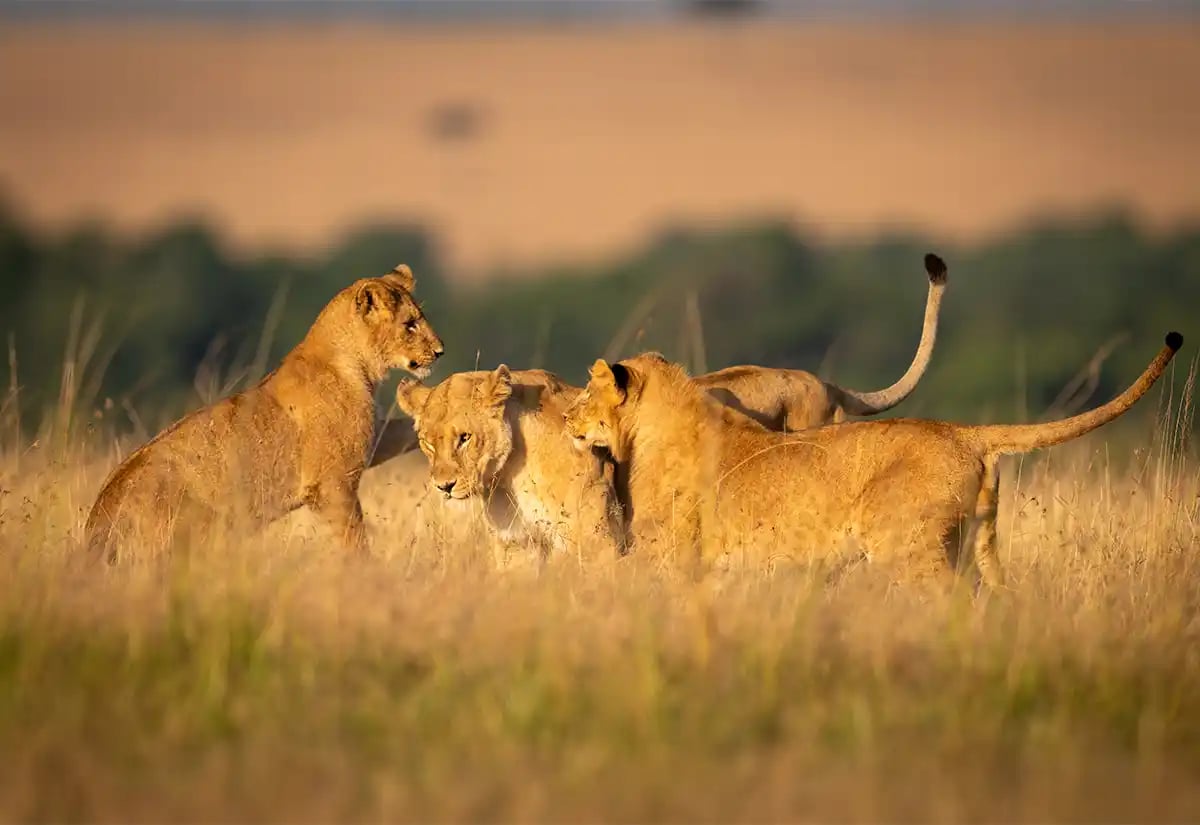
Outstanding wildlife encounters continue through August, with animals highly concentrated around remaining water sources. Lions and leopards are frequently seen near the river, while large herds of buffalo and giraffes roam the plains. The landscape is drier and dustier now, giving game drives a rugged, authentic atmosphere. Temperatures remain mild and comfortable, especially for early morning or late afternoon drives.
August is among the busiest months in Ruaha, though the park’s sheer size ensures that travelers still enjoy space and a sense of remoteness. It’s a prime time for photographers, with dramatic light and clear views of wildlife in open terrain.
+
Ruaha in September: Wildlife at its most concentrated
Sunny
September is one of the best months to visit Ruaha, as the dry season reaches its peak and water is scarce. The Great Ruaha River is the park’s lifeline, attracting elephants, buffalo, antelope, and the predators that follow them. Sightings are consistent and often dramatic, with large prides of lions and packs of wild dogs active around water sources.
The weather is hot during the day but cool in the mornings and evenings, ideal for game drives. September combines reliable wildlife encounters with fewer crowds than other famous safari parks in Tanzania, making it a top choice for travelers.
+
Ruaha in October: Intense game viewing before the rain returns
Rainy Season
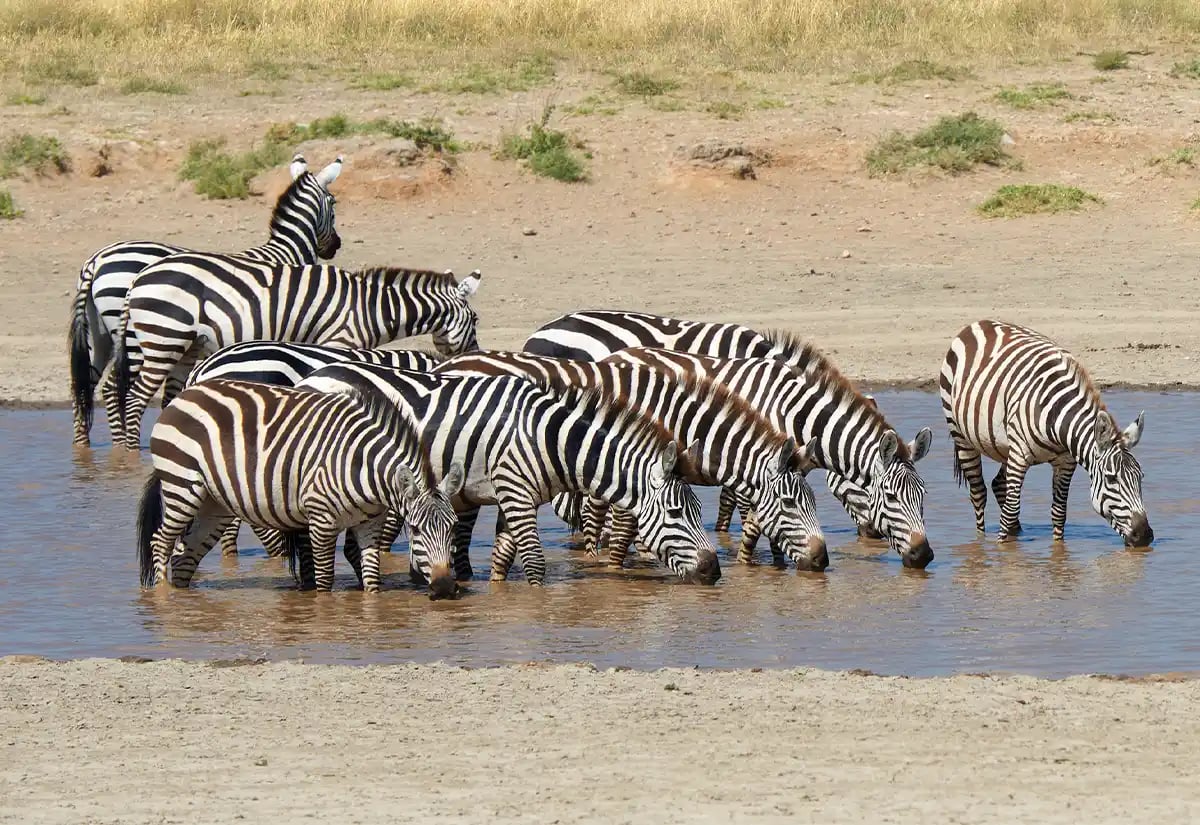
October is another prime safari month, with excellent opportunities to see various species gathering in large numbers at dwindling waterholes. The landscape is dry and bare, offering clear visibility across the plains, and predators are especially active as prey animals concentrate in predictable locations. Temperatures rise noticeably, and afternoons can be hot, but early and late drives remain comfortable.
Many visitors consider October the ultimate month for safaris in Ruaha, thanks to high game density and memorable predator-prey interactions. It’s the last stretch of the dry season before the rain returns, making for dramatic and rewarding safari experiences.
+
Ruaha in November: Start of the short rain
Rainy Season
November brings the arrival of the short rainy season, which refreshes the landscape after months of dryness. Showers are typically brief and scattered, creating dramatic skies while leaving plenty of time for game drives.
Animal sightings remain excellent, with them still concentrated around rivers and waterholes, though the first flush of greenery begins to spread across the park. Migratory birds start arriving, adding color and variety for birdwatchers. Fewer tourists visit in November, making it a good month for travelers seeking a quieter safari experience with rewarding game viewing and shifting scenery.
+
Ruaha in December: Green landscapes and festive safaris
Rainy Season
December marks the transition into the green season, with regular rain showers transforming Ruaha into a lush and vibrant park. Vegetation thickens, dispersing some game, but elephants, lions, and other key species are still reliably seen along the river. Birdlife flourishes, with migratory species in abundance, and the scenery is ideal for photography.
While afternoons may bring showers, mornings and evenings remain perfect for drives. December is also a festive time, with many lodges offering special touches for holiday travelers, making it a unique season to combine wildlife, scenery, and seasonal atmosphere.
+
Ruaha in January: Green season and abundant birdlife
Rainy Season
January falls in the heart of the green season, when Ruaha’s landscapes are transformed by fresh rain. The baobabs stand against vibrant greenery, and the Great Ruaha River flows strongly, nourishing the park’s many habitats. Animals are more dispersed, but game drives are still rewarding, especially for elephants, antelopes, and the park’s large lion prides.
January is also excellent for birdwatching, as migratory species from Europe and Asia swell the park’s already impressive birdlist. Afternoon showers are common, often clearing to leave golden light that photographers will love. Fewer tourists visit at this time, making it ideal for travelers seeking solitude and memorable scenery.
Ruaha in February: Calving season on the plains
Sunny
February brings continued rain and lush conditions, but it’s also one of the most exciting months for wildlife. Many herbivores give birth during this time, including antelope species like impala and kudu, drawing predators into the area for plentiful hunting opportunities. The park buzzes with new life—bird nesting is in full swing, and colorful flowers dot the savannah.
Game drives can be thrilling, with a chance to witness dramatic predator-prey interactions. Roads may be muddy in parts, but lodges remain open, and visitors will enjoy the intimacy of a less-crowded safari. February’s combination of lush landscapes and animals activity makes it a rewarding time to experience Ruaha’s more untamed side.
Ruaha in March: Rain storms and rich wilderness
Rainy Season
March is typically one of Ruaha’s wettest months, with regular showers feeding rivers and flooding low-lying areas. The park’s vegetation is thick and vibrant, offering a striking contrast to the dry season landscapes. Game viewing is more challenging as animals spread widely, but elephants, giraffes, and buffalo remain visible near permanent water. This is also prime time for birdwatchers, as migratory species linger before beginning their return north.
Fewer visitors travel in March, giving those who do come the chance to enjoy the park’s beauty in near seclusion. Photographers will find inspiration in cinematic skies, fresh greenery, and the sense of wilderness renewed.
Ruaha in April: Quiet season and lush beauty
Rainy Season
April marks the peak of the rainy season, and it’s one of the slowest months for tourism in Ruaha. Still, the landscape is at its most green and colorful, dotted with wildflowers and thick vegetation that shelters wildlife. While animal sightings can be less predictable, it’s possible to encounter large herds of elephants, resident predators, and abundant birdlife.
Roads may be muddy, making travel more challenging, but those who visit are rewarded with solitude and spectacular scenery. Safari lodges may offer attractive rates this month, making April appealing for adventurous travelers looking to experience a tranquil and untamed side of Ruaha.
Ruaha in May: Transition to the dry season
Rainy Season
With showers tapering off and clearer skies returning, May signals the end of the long rain. The park is still lush and green, but the grass begins to thin, gradually improving visibility on game drives. Rivers and waterholes remain well-filled and able to support large numbers of herbivores, while also drawing predators nearby. Birdlife continues to impress, with both resident species and a few late migrants still present.
Visitor numbers are very low, creating a private safari feel, and many camps start offering excellent value before the high season begins. May is a great month for travelers who don’t mind occasional rain but want a less busy experience paired with striking landscapes.
Ruaha in June: Beginning of peak safari season
Rainy Season
By June, the dry season has taken hold, and Ruaha begins to reveal its most classic safari conditions. Vegetation thins considerably, making wildlife easier to spot, and animals start concentrating around rivers and waterholes. Elephants, buffaloes, and predators are increasingly visible, while the clearer skies and cooler mornings make for comfortable game drives.
June also marks the start of the park’s high season, though Ruaha remains far less crowded than the northern parks. With mild temperatures, reliable sightings, and excellent photographic opportunities, June is one of the best times to experience Ruaha’s diversity.
Ruaha in July: Prime wildlife viewing
Sunny
Firmly within the dry season, July offers some of the best game-viewing conditions of the year. Vegetation is sparse, and animals cluster around the Great Ruaha River and shrinking waterholes, making sightings consistent. Elephants are especially prominent, often seen in large herds, and predators follow closely behind.
The weather is dry and pleasantly cool, with crisp mornings and sunny afternoons. July is also one of the most popular times to visit, so travelers should book early to secure preferred accommodations. For those seeking classic safari experiences with reliable sightings, July is an excellent choice.
Ruaha in August: Peak of the dry season
Sunny
Outstanding wildlife encounters continue through August, with animals highly concentrated around remaining water sources. Lions and leopards are frequently seen near the river, while large herds of buffalo and giraffes roam the plains. The landscape is drier and dustier now, giving game drives a rugged, authentic atmosphere. Temperatures remain mild and comfortable, especially for early morning or late afternoon drives.
August is among the busiest months in Ruaha, though the park’s sheer size ensures that travelers still enjoy space and a sense of remoteness. It’s a prime time for photographers, with dramatic light and clear views of wildlife in open terrain.
Ruaha in September: Wildlife at its most concentrated
Sunny
September is one of the best months to visit Ruaha, as the dry season reaches its peak and water is scarce. The Great Ruaha River is the park’s lifeline, attracting elephants, buffalo, antelope, and the predators that follow them. Sightings are consistent and often dramatic, with large prides of lions and packs of wild dogs active around water sources.
The weather is hot during the day but cool in the mornings and evenings, ideal for game drives. September combines reliable wildlife encounters with fewer crowds than other famous safari parks in Tanzania, making it a top choice for travelers.
Ruaha in October: Intense game viewing before the rain returns
Rainy Season
October is another prime safari month, with excellent opportunities to see various species gathering in large numbers at dwindling waterholes. The landscape is dry and bare, offering clear visibility across the plains, and predators are especially active as prey animals concentrate in predictable locations. Temperatures rise noticeably, and afternoons can be hot, but early and late drives remain comfortable.
Many visitors consider October the ultimate month for safaris in Ruaha, thanks to high game density and memorable predator-prey interactions. It’s the last stretch of the dry season before the rain returns, making for dramatic and rewarding safari experiences.
Ruaha in November: Start of the short rain
Rainy Season
November brings the arrival of the short rainy season, which refreshes the landscape after months of dryness. Showers are typically brief and scattered, creating dramatic skies while leaving plenty of time for game drives.
Animal sightings remain excellent, with them still concentrated around rivers and waterholes, though the first flush of greenery begins to spread across the park. Migratory birds start arriving, adding color and variety for birdwatchers. Fewer tourists visit in November, making it a good month for travelers seeking a quieter safari experience with rewarding game viewing and shifting scenery.
Ruaha in December: Green landscapes and festive safaris
Rainy Season
December marks the transition into the green season, with regular rain showers transforming Ruaha into a lush and vibrant park. Vegetation thickens, dispersing some game, but elephants, lions, and other key species are still reliably seen along the river. Birdlife flourishes, with migratory species in abundance, and the scenery is ideal for photography.
While afternoons may bring showers, mornings and evenings remain perfect for drives. December is also a festive time, with many lodges offering special touches for holiday travelers, making it a unique season to combine wildlife, scenery, and seasonal atmosphere.
+
+
+
+
+
+
+
+
+
+
+
+

Wildlife in Ruaha
A dynamic array of Ruaha National Park animals thrive in the park’s mix of savannah, woodlands, and river valleys—making for some of the most rewarding game-viewing in Tanzania.
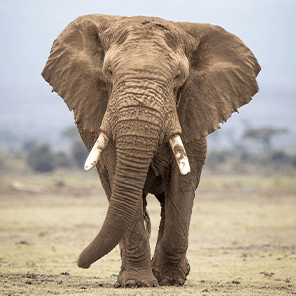
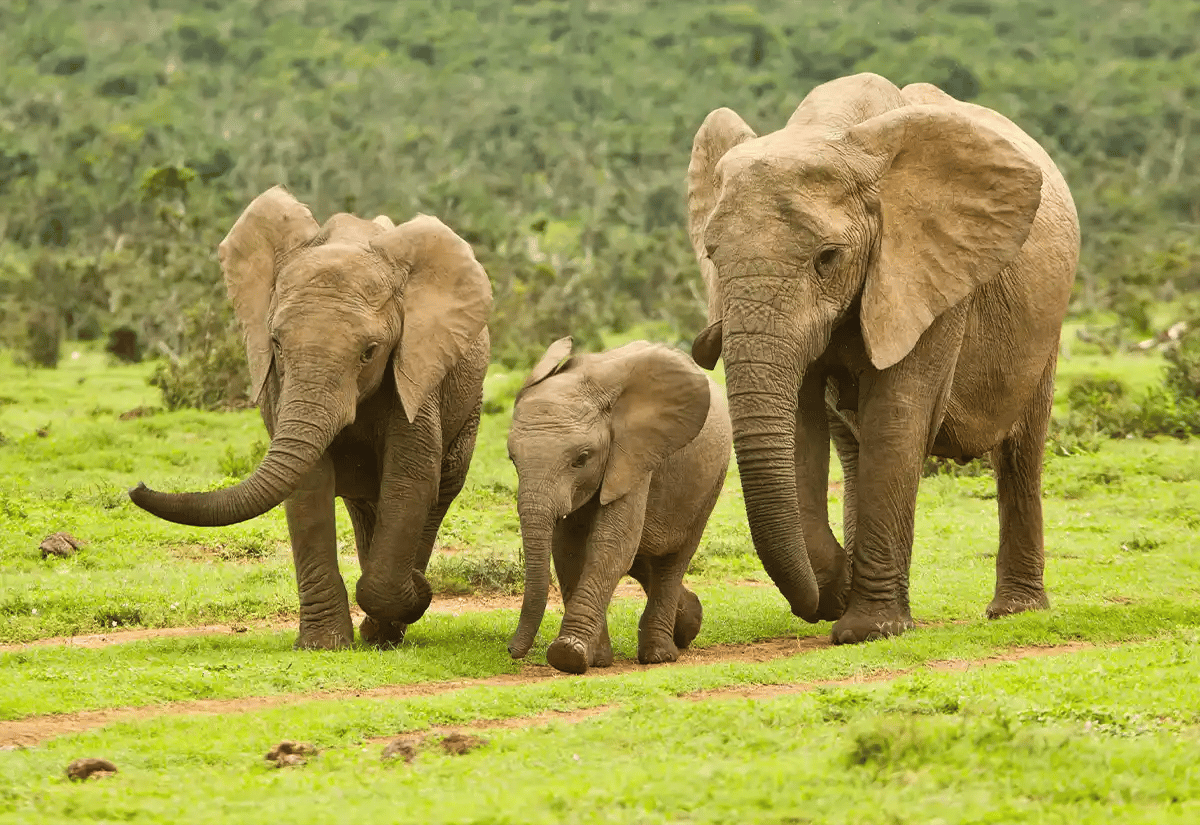
Elephants
Ruaha is home to some of East Africa’s largest herds, often seen moving gracefully across the plains and gathering near the river.
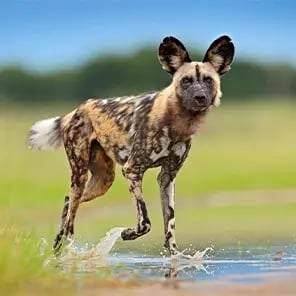
African Wild Dogs
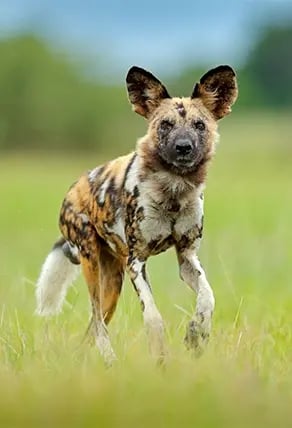
This endangered predator thrives in Ruaha’s vast landscapes, giving visitors a rare chance to witness their social pack behavior.
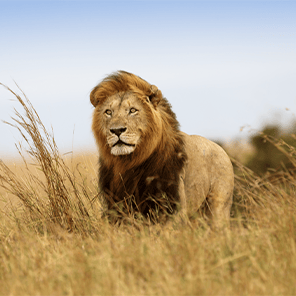
Lions
Large prides dominate Ruaha’s ecosystem, making the park one of the best places in Tanzania to observe these iconic big cats.
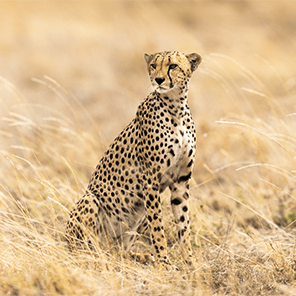
Cheetahs
Open plains create prime conditions for cheetahs to hunt, giving travelers a chance to watch the fastest land animal in action.
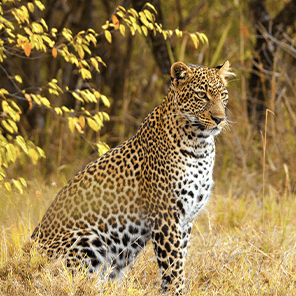
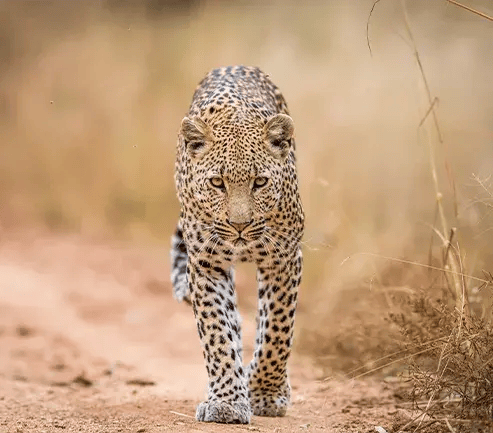
Leopards
These elusive cats find shelter in Ruaha’s rocky outcrops and riverine trees, rewarding sharp-eyed visitors with thrilling sightings.
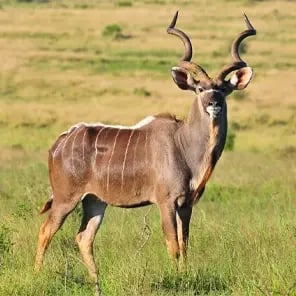
Greater Kudu
Known for their impressive spiral horns, greater kudu are often found in woodland areas, blending beautifully into their surroundings.
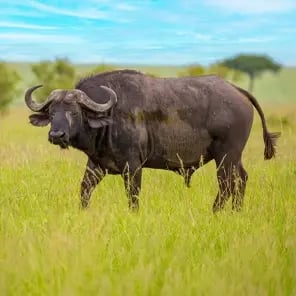
Buffalo
Forming massive herds, buffalo are a common sight in Ruaha, gathering around water sources and roaming through grassy plains.
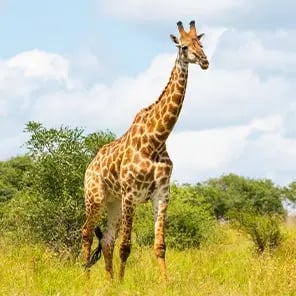
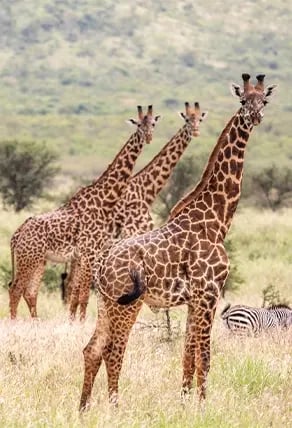
Giraffes
Towering above the landscape, giraffes add grace to the savannah as they browse on acacia trees and move in peaceful groups.
Elephants
Ruaha is home to some of East Africa’s largest herds, often seen moving gracefully across the plains and gathering near the river.
African Wild Dogs
This endangered predator thrives in Ruaha’s vast landscapes, giving visitors a rare chance to witness their social pack behavior.
Lions
Large prides dominate Ruaha’s ecosystem, making the park one of the best places in Tanzania to observe these iconic big cats.
Cheetahs
Open plains create prime conditions for cheetahs to hunt, giving travelers a chance to watch the fastest land animal in action.
Leopards
These elusive cats find shelter in Ruaha’s rocky outcrops and riverine trees, rewarding sharp-eyed visitors with thrilling sightings.
Greater Kudu
Known for their impressive spiral horns, greater kudu are often found in woodland areas, blending beautifully into their surroundings.
Buffalo
Forming massive herds, buffalo are a common sight in Ruaha, gathering around water sources and roaming through grassy plains.
Giraffes
Towering above the landscape, giraffes add grace to the savannah as they browse on acacia trees and move in peaceful groups.
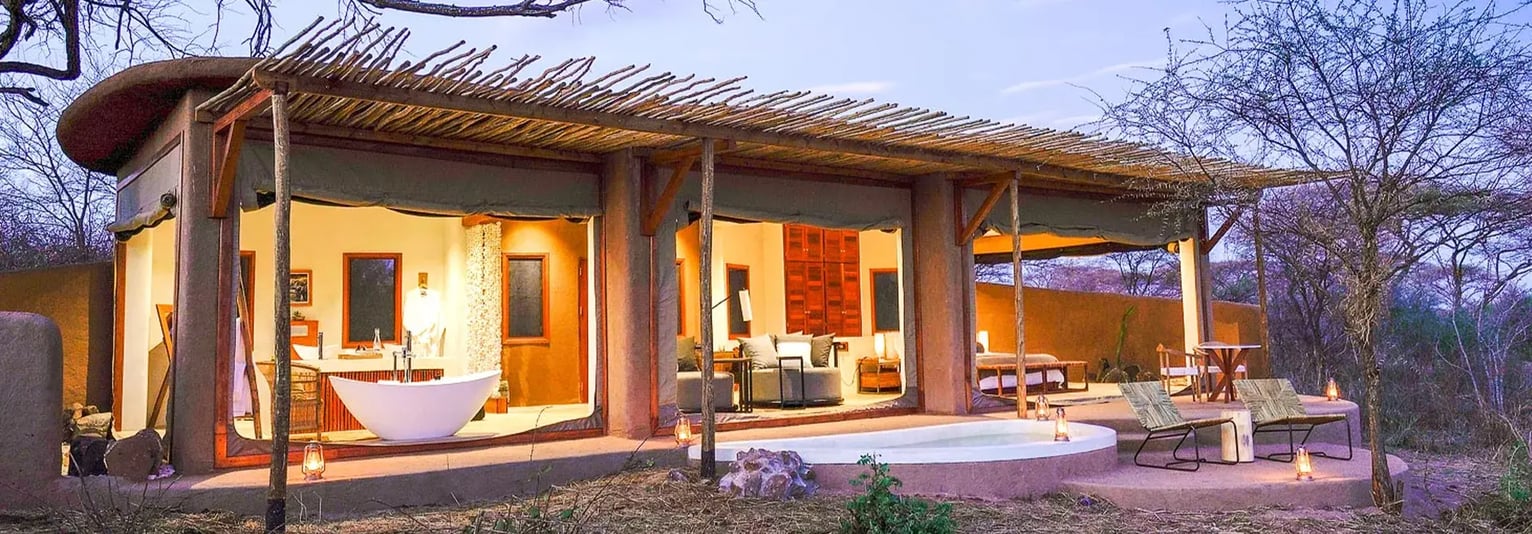
Ruaha National Park Accommodation
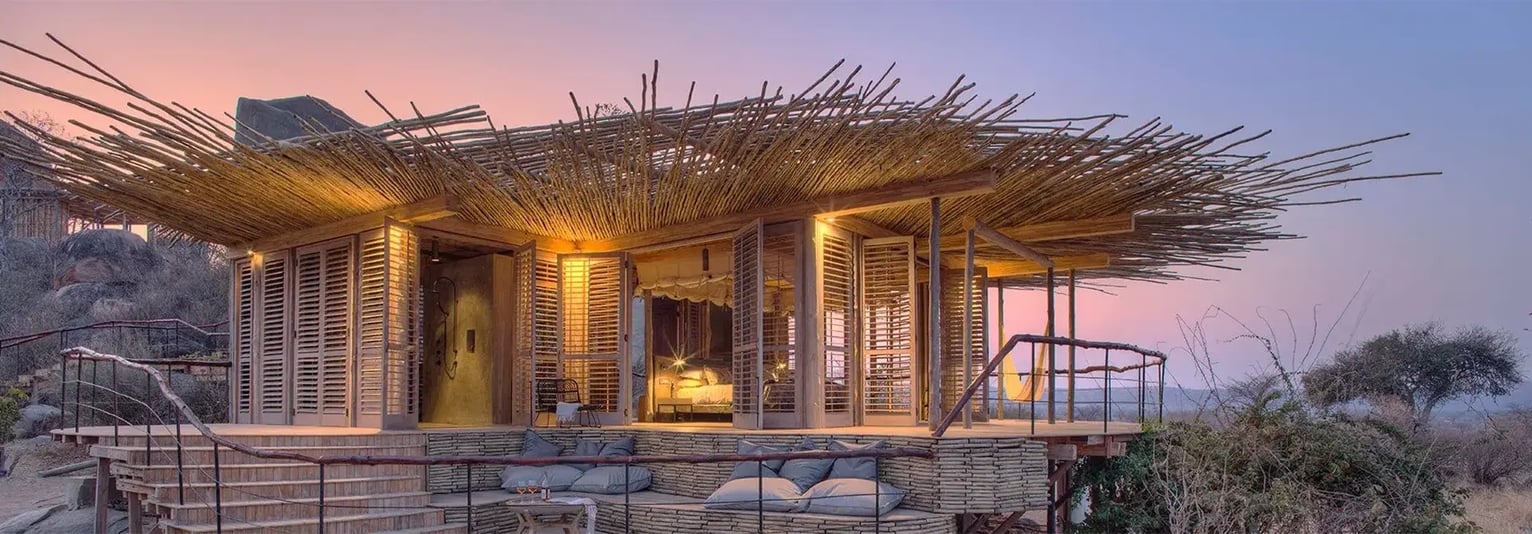
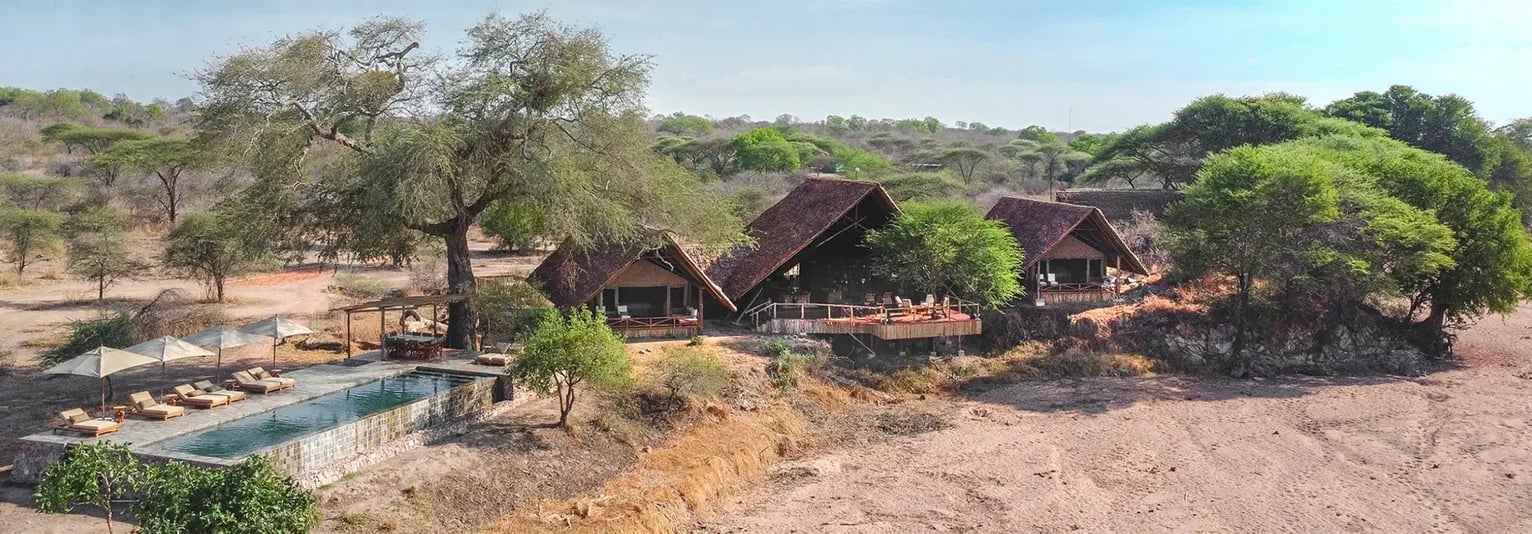
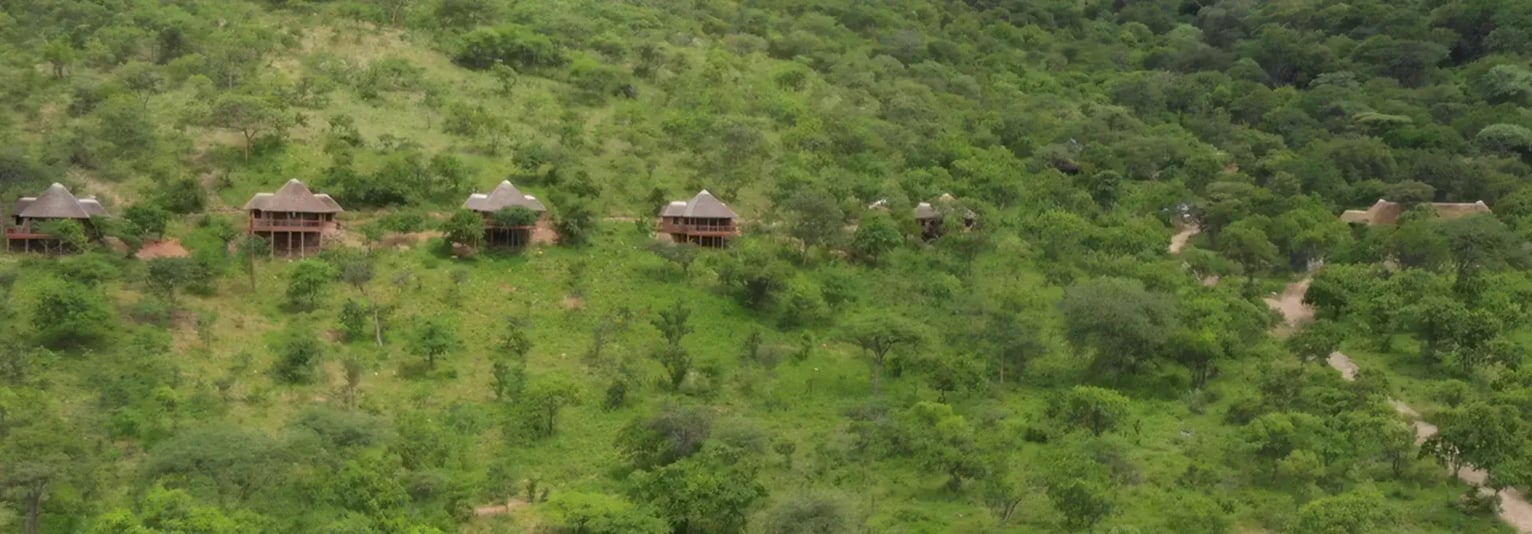
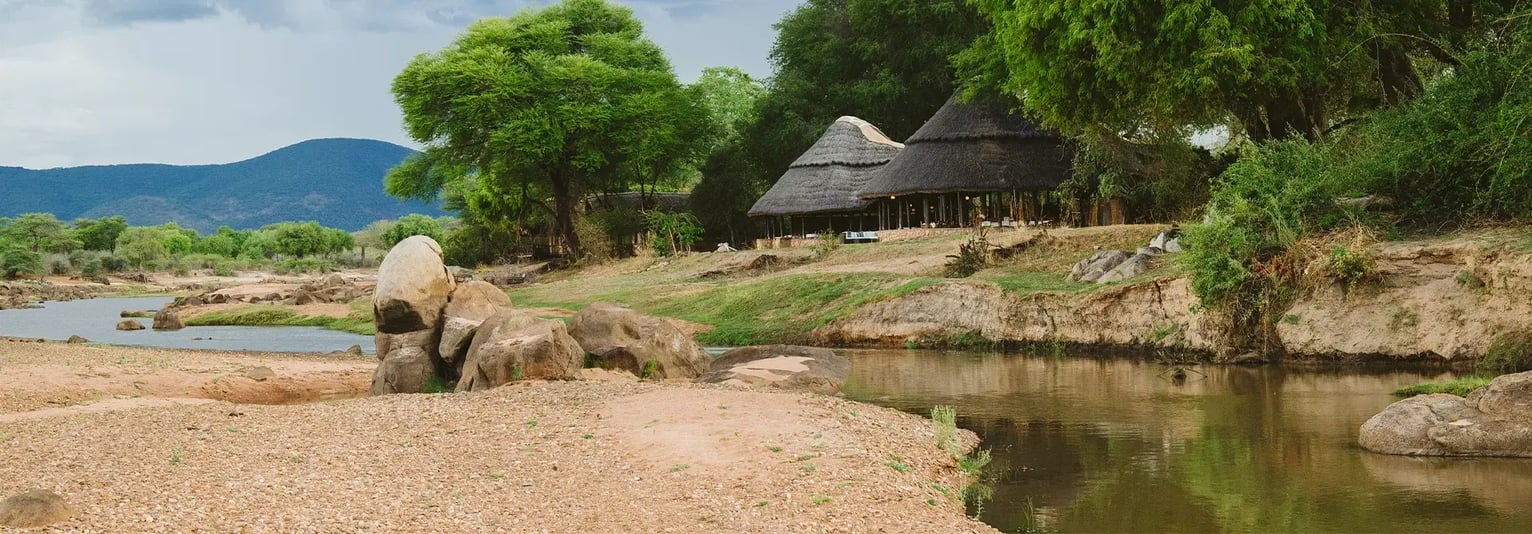
Travelers enjoy the variety of Ruaha National Park lodges and camping options available at a range of price points.

Jabali Ridge

Jongomero Camp

Hodi Hodi Ruaha...

Ruaha River Lodge

Asanja Ruaha


More Tanzania Safaris and Zanzibar Holidays
Most Popular
.png?width=296&height=70&name=Pattern%20(2).png)
$1,350 (2pax) USD
12 Days Serengeti Lions and Wildebeest Migration Safari

45 people viewing now
Best Seller
$3,001 (2pax) USD
Days Serengeti Lions and Wildebeest Migration Safari
118 people viewing now
Most Popular
$1,400 (2pax) USD
A Days Serengeti Lions and Wildebeest Migration Safari
75 people viewing now
Most Popular
$1,350 (2pax) USD
12 Days Serengeti Lions and Wildebeest Migration Safari
19 people viewing now
Best Seller
$3,001 (2pax) USD
Days Serengeti Lions and Wildebeest Migration Safari
23 people viewing now
Most Popular
$1,400 (2pax) USD
A Days Serengeti Lions and Wildebeest Migration Safari
14 people viewing now
Most Popular
$1,350 (2pax) USD
12 Days Serengeti Lions and Wildebeest Migration Safari
95 people viewing now
Best Seller
$3,001 (2pax) USD
Days Serengeti Lions and Wildebeest Migration Safari
19 people viewing now
Best Seller
$3,001 (2pax) USD
Days Serengeti Lions and Wildebeest Migration Safari
86 people viewing now
Best Seller
$3,001 (2pax) USD
Days Serengeti Lions and Wildebeest Migration Safari
45 people viewing now
Best Seller
$3,001 (2pax) USD
Days Serengeti Lions and Wildebeest Migration Safari
78 people viewing now
Most Popular
$1,400 (2pax) USD
A Days Serengeti Lions and Wildebeest Migration Safari
66 people viewing now
Whatever is on your list of top Tanzania to-dos or African safari must-sees, we’ll make it happen.

Most Popular
$1,350 (2pax) USD
12 Days Serengeti Lions and Wildebeest Migration Safari
61 people viewing now
Best Seller
$3,001 (2pax) USD
Days Serengeti Lions and Wildebeest Migration Safari
91 people viewing now
Most Popular
$1,400 (2pax) USD
A Days Serengeti Lions and Wildebeest Migration Safari
68 people viewing now
Most Popular
$1,350 (2pax) USD
12 Days Serengeti Lions and Wildebeest Migration Safari
51 people viewing now
Best Seller
$3,001 (2pax) USD
Days Serengeti Lions and Wildebeest Migration Safari
83 people viewing now
Most Popular
$1,400 (2pax) USD
A Days Serengeti Lions and Wildebeest Migration Safari
68 people viewing now
Most Popular
$1,350 (2pax) USD
12 Days Serengeti Lions and Wildebeest Migration Safari
94 people viewing now
Best Seller
$3,001 (2pax) USD
Days Serengeti Lions and Wildebeest Migration Safari
65 people viewing now
Best Seller
$3,001 (2pax) USD
Days Serengeti Lions and Wildebeest Migration Safari
83 people viewing now
Best Seller
$3,001 (2pax) USD
Days Serengeti Lions and Wildebeest Migration Safari
108 people viewing now
Best Seller
$3,001 (2pax) USD
Days Serengeti Lions and Wildebeest Migration Safari
97 people viewing now
Most Popular
$1,400 (2pax) USD
A Days Serengeti Lions and Wildebeest Migration Safari
93 people viewing now
Whatever is on your list of top Tanzania to-dos or African safari must-sees, we’ll make it happen.
FAQs

Still have questions?
Contact Us, we are more than happy to help!
Where is Ruaha National Park located?
The Ruaha National Park location is in southern Tanzania, about 130 kilometers west of Iringa. It sits within the country’s southern safari circuit, surrounded by vast wilderness areas that give the park its remote and uncrowded feel.
How do I get from Dar es Salaam to Ruaha National Park?
Travelers can reach Ruaha by air or road. The quickest option is a flight from Dar es Salaam to the park’s airstrips, which takes about 2 hours. By road, the journey is much longer—typically a full day’s drive of 10–12 hours, often broken up with an overnight stop in Iringa.
What is camping like in Ruaha?
Ruaha National Park camping ranges from simple public campsites to exclusive fly-camping experiences offered by lodges. Facilities at public camps are very basic, while private camping safaris often include comfortable tents, great food, and knowledgeable guides for a more personalized adventure.
How much are Ruaha National Park fees?
Park fees are set by TANAPA (Tanzania National Parks Authority) and vary by visitor nationality. As of now, international adult visitors can expect to pay around $30–40 per person per day. Fees help conserve the park and support community initiatives in the surrounding region.
What is the Ruaha National Park weather like?
Ruaha has a warm, semi-arid climate with two distinct seasons. The dry season (June–October) is best for wildlife viewing, while the green season (November–April) brings lush landscapes and great birdwatching. Temperatures can range from cool mornings to hot afternoons year-round.
What types of accommodation are available in Ruaha?
Visitors can choose from a range of options, including luxury lodges, tented camps, mid-range camps, and basic public campsites. Many properties are set in scenic locations along the Great Ruaha River, offering spectacular views and easy access to game-viewing areas.
When is the best time to visit Ruaha National Park?
The dry season, from June to October, is the most popular time because wildlife gathers around limited water sources, making sightings easier. However, the green season is beautiful for photography, birdwatching, and enjoying the park with fewer visitors.
How many days should I spend in Ruaha?
Most travelers spend 3–4 nights in the park, which allows enough time to explore different areas and enjoy multiple game drives. If you’re combining Ruaha with other parks on the southern circuit, a longer stay is recommended to balance the distances involved.
What Ruaha National Park animals can I expect to see?
Ruaha is famous for its elephants, lions, and wild dogs, but the variety goes far beyond the big names. Visitors may encounter everything from giraffes and kudus to hippos and crocodiles along the river, as well as an impressive array of birdlife across its diverse habitats.
Is Ruaha suitable for family safaris?
Yes, but it’s best suited for families with older children. Some lodges offer family-friendly accommodations and activities, while others have age restrictions for game drives or walking safaris. Families will appreciate Ruaha’s quieter setting compared to busier northern parks.
Still have questions?
Contact Us, we are more than happy to help!
Explore Our Latest Articles

3.06.2025
23 Min Read
Kendwa Beach rests on Zanzibar Island. The beach is known far and wide because it is gorgeous. The sand on the beach is...


3.06.2025
23 Min Read
Kendwa Beach rests on Zanzibar Island. The beach is known far and wide because it is gorgeous. The...
Find Out Which Safari Tour Is Right For You
Want to pair your Ruaha National Park safari with a visit to Tanzania’s other iconic parks, lakes, mountains, or beaches? Take a short quiz to see which spots we recommend.
More Tanzania Destinations To Visit
This is a park



Gombe...
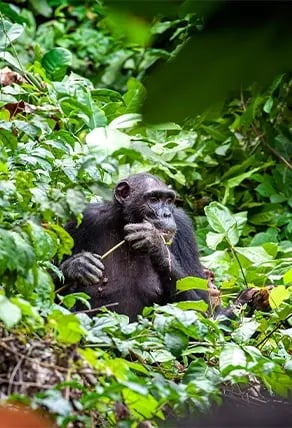
Combine your Ruaha safari with a visit to Gombe, where you can trek through forested hills to see wild chimpanzees in...
This is a park


Mikumi...
Close to Ruaha, Mikumi National Park offers easier access and excellent game drives, making it a great complement to a...
This is a park
-svg.svg)


Nyerere...
Pair Ruaha with Nyerere National Park for a contrasting safari experience, where vast floodplains and boat safaris on...
This is a park

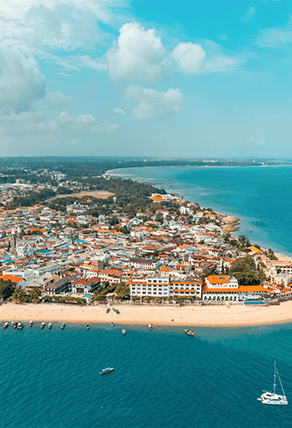


Zanzibar
After exploring Ruaha’s wilderness, unwind on Zanzibar’s white-sand beaches, where spice tours, historic Stone Town,...