

.svg "Style-Guide (1)")


.svg)


Kendwa Beach rests on Zanzibar Island. The beach is known far and wide because it is gorgeous. The...






Pemba Island
Sun-warmed sand, world-class reefs, and endlessly enticing ecosystems come together off the coast of Tanzania on Pemba Island. This unforgettable stretch of land in the Indian Ocean is the epitome of the world’s natural beauty—and you deserve to experience it yourself.

Endorsed by ATTA

Featured in National Geographic

BBC Wildlife

Rated Excellent by Trip Advisor
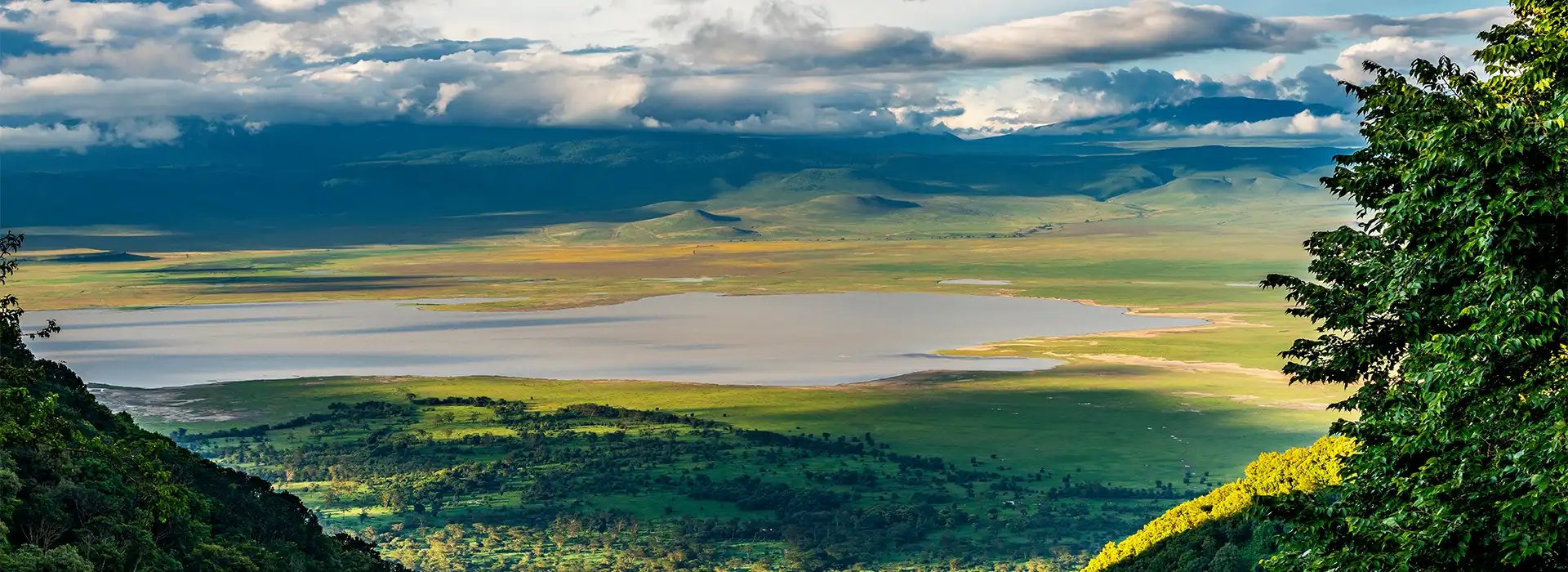
Pemba Island
Sun-warmed sand, world-class reefs, and endlessly enticing ecosystems come together off the coast of Tanzania on Pemba Island. This unforgettable stretch of land in the Indian Ocean is the epitome of the world’s natural beauty—and you deserve to experience it yourself.
Endorsed by ATTA
Featured in National Geographic
BBC Wildlife
Rated Excellent by Trip Advisor
Your Indian Ocean Island Escape Awaits
Just 50 kilometers north of Zanzibar’s main island, Pemba Island is a place where rich history and natural wonders intersect. Known as the “Green Island,” its rolling hills are blanketed with clove plantations that still account for much of the world’s supply. Small farming villages and coastal towns reflect centuries of Swahili culture shaped by Arab traders, African traditions, and seafaring life.
Pemba is also a paradise for divers and marine enthusiasts. Its deep channels and coral reefs are considered some of the best in East Africa, offering rare sightings of hammerhead sharks, pristine coral gardens, and dramatic underwater drop-offs. On land, the island’s mangroves and forests shelter unique birdlife and rare species found only in this corner of Tanzania.
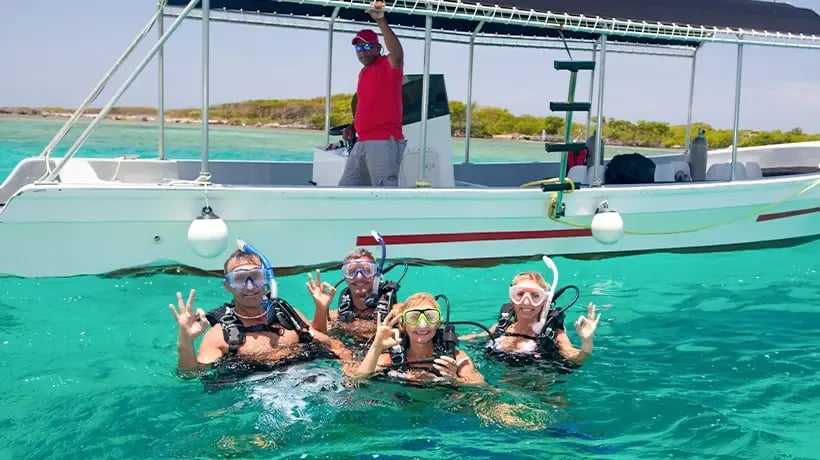
Unlike Zanzibar’s busier beach resorts, Pemba remains quiet and authentic, with limited but distinctive lodges that emphasize seclusion and sustainability. Days here are filled with dhow trips, spice farm visits, and long stretches of coastline where you may not see another traveler. For those who want to pair world-class diving with a glimpse into traditional island life, Pemba Island is an experience as rewarding as it is rare.
Why Travelers Love Pemba Island
If you’re seeking tranquility, culture, and adventure off of Africa’s Eastern shores, Pemba Island is beckoning. The island’s untouched reefs make it a world-class diving destination, while its remote beaches offer solitude you won’t find on busier tropical sands. Visitors love exploring spice farms and bustling local markets, where daily life unfolds much as it has for centuries. Add in the warm hospitality of the Swahili people, unique wildlife, and eco-conscious lodges tucked into breathtaking landscapes, and Pemba delivers an experience that feels both deeply authentic and refreshingly distinct.
Things To Do on Pemba Island
From coast to forest, Pemba Island offers adventures both above and below the surface. Explore its landscapes, meet its people, and experience the island at your own pace.


Beach
Pemba’s beaches are quiet and uncrowded, perfect for long walks, swimming in turquoise waters, and relaxing under palms. Many stretches often feel like your own private shoreline..webp?width=296&height=296&name=Walking%20Safari%20%26%20Nature%20Walks%20(2).webp)
Walking Safari & Nature Walks
Venture into Ngezi Forest or mangrove ecosystems on guided walks, spotting rare birdlife, medicinal plants, and wildlife that highlight the island’s rich biodiversity.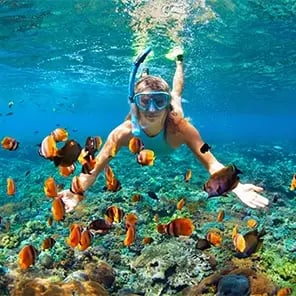
Snorkeling & Diving
World-renowned dive sites surround Pemba, with coral walls, deep channels, and vibrant marine life. Snorkeling also reveals colorful reefs just off the beaches.
Cycling
Explore the island on two wheels and connect with local life, from clove farms to fishing villages. Ride along quiet roads and paths while enjoying fresh air and rolling green landscapes.
Sailing & Boat Cruises
Traditional dhow cruises reveal Pemba from the water as you glide along the coast, island-hop, or enjoy sunset views that showcase the Indian Ocean at its most magical.
Cultural Activities
Immerse yourself in Swahili heritage with spice farm visits, market tours, or learning traditional crafts, offering authentic insight into daily life on Pemba.Things To Do on Pemba Island
From coast to forest, Pemba Island offers adventures both above and below the surface. Explore its landscapes, meet its people, and experience the island at your own pace.
Beach
Pemba’s beaches are quiet and uncrowded, perfect for long walks, swimming in turquoise waters, and relaxing under palms. Many stretches often feel like your own private shoreline.
Walking Safari & Nature Walks
Venture into Ngezi Forest or mangrove ecosystems on guided walks, spotting rare birdlife, medicinal plants, and wildlife that highlight the island’s rich biodiversity.
Snorkeling & Diving
World-renowned dive sites surround Pemba, with coral walls, deep channels, and vibrant marine life. Snorkeling also reveals colorful reefs just off the beaches.
Cycling
Explore the island on two wheels and connect with local life, from clove farms to fishing villages. Ride along quiet roads and paths while enjoying fresh air and rolling green landscapes.
Sailing & Boat Cruises
Traditional dhow cruises reveal Pemba from the water as you glide along the coast, island-hop, or enjoy sunset views that showcase the Indian Ocean at its most magical.
Cultural Activities
Immerse yourself in Swahili heritage with spice farm visits, market tours, or learning traditional crafts, offering authentic insight into daily life on Pemba.The Best Time to Visit Pemba
The best time to visit Pemba depends on what you want to experience—whether it’s cultural festivals, perfect beach weather, or fewer crowds. Each season offers its own charm, so planning around your interests ensures the most rewarding trip.
average
good
best
.svg)
Jan
Feb

Mar
Apr
May
.svg)
Jun
Jul
Aug
Sep
Oct
.svg)
Nov
Dec
Jan
Feb
Mar
Apr
May
Jun
Jul
Aug
Sep
Oct
Nov
Dec
Pemba in January: Sunshine and Peak Diving Conditions
Rainy Season
January is one of the sunniest months on Pemba Island, making it a popular time for travelers who want long, clear days to enjoy the beaches and turquoise waters. Diving and snorkeling conditions are superb, with calm seas and strong visibility revealing Pemba’s famous drop-offs and reefs. On land, clove harvest season has ended, but the markets are lively with fresh produce and daily island life in full swing.
Because it falls in the dry season, January is also ideal for nature walks in places like Ngezi Forest, where trails are easier to explore. It’s considered peak tourist season, so accommodations book quickly, but the island’s quiet character means it never feels crowded.
.webp?width=1200&height=825&name=January%20(3).webp)

+
Pemba in February: Warm Seas and Quiet Escapes
Sunny
February continues the dry, warm weather, making it another excellent month for outdoor activities. The seas are calm, which is perfect for divers hoping to spot large pelagic species in the Pemba Channel, and for sailors looking to enjoy smooth dhow cruises along the coast. Inland, the island remains green, flourishing from earlier rain and providing a striking backdrop for cycling trips through farms and villages.
With fewer travelers than January, February feels slightly more relaxed, offering a balance between favorable weather and a quieter atmosphere. This is a great time to visit if you want to enjoy Pemba’s landscapes and marine life at their most accessible without competing for space on the beaches or reefs.
.webp?width=1200&height=825&name=February%20(3).webp)
+
Pemba in March: Vibrant Waters and Fewer Crowds
Rainy Season
March marks the end of Pemba’s dry season, with hot, humid days and an occasional short rain shower that refreshes the island’s forests and spice plantations. Diving is still excellent, with calm seas and fantastic visibility. This is often the month when encounters with manta rays and other pelagic species are at their peak. Cultural life is vibrant, and markets are especially colorful as local farmers prepare for the heavier rain ahead. While tourism slows slightly compared to January and February, visitors will still find plenty of activity, making March a sweet spot for those who want favorable weather and fewer crowds.
.webp?width=1200&height=825&name=March%20(3).webp)
+
Pemba in April: Lush Landscapes in the Long Rain
Rainy Season
April officially kicks off the long rainy season, and Pemba becomes quieter and greener as heavy showers sweep across the island. While this isn’t the best time for diving or beach relaxation, it’s ideal for travelers who prefer solitude and a chance to see the island in its most verdant state. The downpours tend to be short-lived, leaving behind dramatic skies and a rejuvenated landscape.
Birdwatchers may especially enjoy April, as wetland and forest habitats come alive with activity. With fewer tourists, accommodation rates may be lower, offering value for those happy to trade perfect weather for a more secluded experience.
.webp?width=1200&height=825&name=April%20(3).webp)
+
Pemba in May: Green Serenity and Low Tourism
Rainy Season
May is the heart of the long rainy season on Pemba Island, meaning you can expect frequent downpours and high humidity. Travel is slower, and many outdoor activities—such as diving—are limited by rougher seas. That said, the island’s forests and plantations are at their most vibrant, offering stunning scenery for those who don’t mind occasional showers.
Visitors who come in May will find a much quieter island, with minimal tourism and a more intimate connection to local culture. This can be a good month for budget-conscious travelers, as accommodation prices are often lower.
.webp?width=1200&height=825&name=May%20(3).webp)
+
Pemba in June: Cool Breezes and Clove Harvests
Rainy Season
By June, the rain has tapered off and Pemba enters one of its best times of year for travel. The weather becomes cooler and drier, creating perfect conditions for nature walks, cycling, and cultural excursions through villages and clove plantations. The sea begins to calm, improving conditions for snorkeling, diving, and boat trips.
June also marks the start of the clove harvest, filling the air with the island’s signature spice aroma and giving visitors a chance to see an important part of Pemba’s heritage in action. With fewer tourists than peak months, June is ideal for those seeking great weather paired with tranquility.
.webp?width=1200&height=825&name=June%20(3).webp)
+
Pemba in July: Clear Skies and Ocean Adventures
Sunny
July is one of the most pleasant months to visit Pemba Island, with dry, cool weather and plenty of sunshine. The water is calm, which makes for strong conditions for diving and snorkeling along the island’s world-famous coral walls. Visibility is exceptional, and encounters with reef sharks, turtles, and schools of colorful fish are common. On land, the cooler temperatures are ideal for walking safaris in Ngezi Forest or cycling through Pemba’s rolling hills and spice farms.
The clove harvest is still ongoing, and visitors can experience the unique aroma that drifts across the island. July is also a popular month for international travelers, so while the island remains uncrowded compared to Zanzibar, booking accommodations in advance is wise.
.webp?width=1200&height=825&name=July%20(3).webp)
+
Pemba in August: Prime Time for Beaches and Sailing
Sunny
The dry season continues through August, which is widely considered one of the best months to explore Pemba Island. With little rain and mild temperatures, outdoor activities are comfortable all day long. Diving conditions remain superb, with calm waters and clear visibility attracting enthusiasts from around the world. It’s also one of the best months for dhow sailing and sandbank picnics, as the seas are gentle and the skies almost always clear.
Inland, the landscapes are luscious but not overly wet, creating a beautiful backdrop for nature walks, village tours, and spice farm visits. Tourism is steady but not overwhelming, and the island’s relaxed rhythm ensures even in peak months, you’ll find quiet beaches and plenty of space to explore.
.webp?width=1200&height=825&name=August%20(3).webp)
+
Pemba in September: Exceptional Diving and Spice Aromas
Sunny
September is a standout month for visiting Pemba Island, as the dry season continues with warm, sunny days and very little rain. It’s one of the best times for divers, with gentle seas, outstanding visibility, and frequent opportunities to spot larger marine species like manta rays and reef sharks. Nature walks through Ngezi Forest are especially enjoyable, as trails are dry and easy to explore, while cycling tours offer stunning views of clove plantations and rolling green hills.
The clove harvest season nears its end, but the air is still filled with the spice’s distinct scent. Tourism is moderate, giving travelers a good balance of great weather, lively atmosphere, and the seclusion that makes Pemba unique.
.webp?width=1200&height=825&name=September%20(3).webp)
+
Pemba in October: Marine Encounters and Ideal Weather
Rainy Season
October is one of the very best months to experience Pemba Island, with dry conditions, welcoming water, and clear visibility for diving and snorkeling. The Pemba Channel is especially active during this time, offering chances to spot hammerhead sharks and other pelagic species. Inland, the landscapes remain vibrant, making it a perfect month for eco-walks and cultural visits to spice farms and markets.
October also carries a celebratory energy, as the transition from the dry season into the short rain adds a freshness to the air. With tourism still relatively moderate, it’s easy to find quiet beaches and authentic local experiences. For travelers who want the best of both worlds—great weather and fewer crowds—October is an ideal choice.
.webp?width=1200&height=825&name=October%20(3).webp)
+
Pemba in November: Short Rains and Vibrant Scenery
Rainy Season
November marks the beginning of the short rainy season on Pemba Island. Brief but frequent showers refresh the island without disrupting most activities. The skies are often dramatic, with bursts of sunshine between rain clouds creating vivid landscapes and cooler evenings. Diving and snorkeling remain first-rate, as the seas are still relatively calm, and visibility is good.
Inland, the greenery thrives, making this a beautiful month for photography, forest walks, and cultural excursions to villages and spice farms. Tourist numbers are lower, which means quieter lodges and more personalized experiences. November is a good time for travelers who don’t mind a little rain in exchange for photo-worthy scenery and less tourist traffic.
.webp?width=1200&height=825&name=November%20(3).webp)
+
Pemba in December: Festive Season and Tropical Charm
Rainy Season
December is a festive and lively time on Pemba Island, as the short rain tapers off and the holiday season brings a cheerful atmosphere. The weather is warm and generally sunny, making it a popular month for beach relaxation, sailing trips, and diving adventures. Marine life is abundant, with vibrant coral reefs and the chance to spot manta rays and turtles in the Pemba Channel.
The island’s forests and farms are still full of life from the recent rain, offering a picturesque backdrop for cultural tours and spice farm visits. December also attracts more visitors, particularly around Christmas and New Year, so booking your Pemba Island hotel or resort early is important. It’s an ideal month for those who want to combine island tranquility with a festive spirit.
.webp?width=1200&height=825&name=December%20(3).webp)
+
Pemba in January: Sunshine and Peak Diving Conditions
Rainy Season
January is one of the sunniest months on Pemba Island, making it a popular time for travelers who want long, clear days to enjoy the beaches and turquoise waters. Diving and snorkeling conditions are superb, with calm seas and strong visibility revealing Pemba’s famous drop-offs and reefs. On land, clove harvest season has ended, but the markets are lively with fresh produce and daily island life in full swing.
Because it falls in the dry season, January is also ideal for nature walks in places like Ngezi Forest, where trails are easier to explore. It’s considered peak tourist season, so accommodations book quickly, but the island’s quiet character means it never feels crowded.
Pemba in February: Warm Seas and Quiet Escapes
Sunny
February continues the dry, warm weather, making it another excellent month for outdoor activities. The seas are calm, which is perfect for divers hoping to spot large pelagic species in the Pemba Channel, and for sailors looking to enjoy smooth dhow cruises along the coast. Inland, the island remains green, flourishing from earlier rain and providing a striking backdrop for cycling trips through farms and villages.
With fewer travelers than January, February feels slightly more relaxed, offering a balance between favorable weather and a quieter atmosphere. This is a great time to visit if you want to enjoy Pemba’s landscapes and marine life at their most accessible without competing for space on the beaches or reefs.
Pemba in March: Vibrant Waters and Fewer Crowds
Rainy Season
March marks the end of Pemba’s dry season, with hot, humid days and an occasional short rain shower that refreshes the island’s forests and spice plantations. Diving is still excellent, with calm seas and fantastic visibility. This is often the month when encounters with manta rays and other pelagic species are at their peak. Cultural life is vibrant, and markets are especially colorful as local farmers prepare for the heavier rain ahead. While tourism slows slightly compared to January and February, visitors will still find plenty of activity, making March a sweet spot for those who want favorable weather and fewer crowds.
Pemba in April: Lush Landscapes in the Long Rain
Rainy Season
April officially kicks off the long rainy season, and Pemba becomes quieter and greener as heavy showers sweep across the island. While this isn’t the best time for diving or beach relaxation, it’s ideal for travelers who prefer solitude and a chance to see the island in its most verdant state. The downpours tend to be short-lived, leaving behind dramatic skies and a rejuvenated landscape.
Birdwatchers may especially enjoy April, as wetland and forest habitats come alive with activity. With fewer tourists, accommodation rates may be lower, offering value for those happy to trade perfect weather for a more secluded experience.
Pemba in May: Green Serenity and Low Tourism
Rainy Season
May is the heart of the long rainy season on Pemba Island, meaning you can expect frequent downpours and high humidity. Travel is slower, and many outdoor activities—such as diving—are limited by rougher seas. That said, the island’s forests and plantations are at their most vibrant, offering stunning scenery for those who don’t mind occasional showers.
Visitors who come in May will find a much quieter island, with minimal tourism and a more intimate connection to local culture. This can be a good month for budget-conscious travelers, as accommodation prices are often lower.
Pemba in June: Cool Breezes and Clove Harvests
Rainy Season
By June, the rain has tapered off and Pemba enters one of its best times of year for travel. The weather becomes cooler and drier, creating perfect conditions for nature walks, cycling, and cultural excursions through villages and clove plantations. The sea begins to calm, improving conditions for snorkeling, diving, and boat trips.
June also marks the start of the clove harvest, filling the air with the island’s signature spice aroma and giving visitors a chance to see an important part of Pemba’s heritage in action. With fewer tourists than peak months, June is ideal for those seeking great weather paired with tranquility.
Pemba in July: Clear Skies and Ocean Adventures
Sunny
July is one of the most pleasant months to visit Pemba Island, with dry, cool weather and plenty of sunshine. The water is calm, which makes for strong conditions for diving and snorkeling along the island’s world-famous coral walls. Visibility is exceptional, and encounters with reef sharks, turtles, and schools of colorful fish are common. On land, the cooler temperatures are ideal for walking safaris in Ngezi Forest or cycling through Pemba’s rolling hills and spice farms.
The clove harvest is still ongoing, and visitors can experience the unique aroma that drifts across the island. July is also a popular month for international travelers, so while the island remains uncrowded compared to Zanzibar, booking accommodations in advance is wise.
Pemba in August: Prime Time for Beaches and Sailing
Sunny
The dry season continues through August, which is widely considered one of the best months to explore Pemba Island. With little rain and mild temperatures, outdoor activities are comfortable all day long. Diving conditions remain superb, with calm waters and clear visibility attracting enthusiasts from around the world. It’s also one of the best months for dhow sailing and sandbank picnics, as the seas are gentle and the skies almost always clear.
Inland, the landscapes are luscious but not overly wet, creating a beautiful backdrop for nature walks, village tours, and spice farm visits. Tourism is steady but not overwhelming, and the island’s relaxed rhythm ensures even in peak months, you’ll find quiet beaches and plenty of space to explore.
Pemba in September: Exceptional Diving and Spice Aromas
Sunny
September is a standout month for visiting Pemba Island, as the dry season continues with warm, sunny days and very little rain. It’s one of the best times for divers, with gentle seas, outstanding visibility, and frequent opportunities to spot larger marine species like manta rays and reef sharks. Nature walks through Ngezi Forest are especially enjoyable, as trails are dry and easy to explore, while cycling tours offer stunning views of clove plantations and rolling green hills.
The clove harvest season nears its end, but the air is still filled with the spice’s distinct scent. Tourism is moderate, giving travelers a good balance of great weather, lively atmosphere, and the seclusion that makes Pemba unique.
Pemba in October: Marine Encounters and Ideal Weather
Rainy Season
October is one of the very best months to experience Pemba Island, with dry conditions, welcoming water, and clear visibility for diving and snorkeling. The Pemba Channel is especially active during this time, offering chances to spot hammerhead sharks and other pelagic species. Inland, the landscapes remain vibrant, making it a perfect month for eco-walks and cultural visits to spice farms and markets.
October also carries a celebratory energy, as the transition from the dry season into the short rain adds a freshness to the air. With tourism still relatively moderate, it’s easy to find quiet beaches and authentic local experiences. For travelers who want the best of both worlds—great weather and fewer crowds—October is an ideal choice.
Pemba in November: Short Rains and Vibrant Scenery
Rainy Season
November marks the beginning of the short rainy season on Pemba Island. Brief but frequent showers refresh the island without disrupting most activities. The skies are often dramatic, with bursts of sunshine between rain clouds creating vivid landscapes and cooler evenings. Diving and snorkeling remain first-rate, as the seas are still relatively calm, and visibility is good.
Inland, the greenery thrives, making this a beautiful month for photography, forest walks, and cultural excursions to villages and spice farms. Tourist numbers are lower, which means quieter lodges and more personalized experiences. November is a good time for travelers who don’t mind a little rain in exchange for photo-worthy scenery and less tourist traffic.
Pemba in December: Festive Season and Tropical Charm
Rainy Season
December is a festive and lively time on Pemba Island, as the short rain tapers off and the holiday season brings a cheerful atmosphere. The weather is warm and generally sunny, making it a popular month for beach relaxation, sailing trips, and diving adventures. Marine life is abundant, with vibrant coral reefs and the chance to spot manta rays and turtles in the Pemba Channel.
The island’s forests and farms are still full of life from the recent rain, offering a picturesque backdrop for cultural tours and spice farm visits. December also attracts more visitors, particularly around Christmas and New Year, so booking your Pemba Island hotel or resort early is important. It’s an ideal month for those who want to combine island tranquility with a festive spirit.
+
+
+
+
+
+
+
+
+
+
+
+

Wildlife Pemba Island
Rare and fascinating species enjoy life on Pemba and the surrounding waters, inhabiting reefs, mangroves, forests, and open seas.
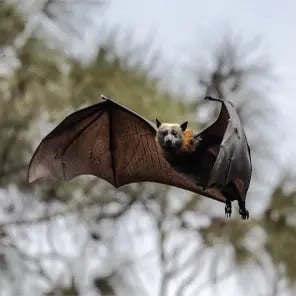
Pemba Flying Fox
These large fruit bats are unique to Pemba, often seen soaring in flocks at dusk across the island’s forests.
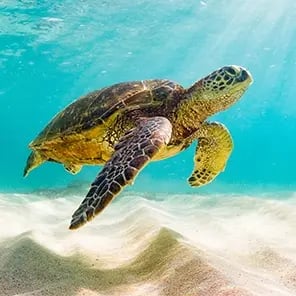
Green Sea Turtles
Graceful ocean travelers that return to Pemba’s sandy beaches to nest and feed in the surrounding reefs.
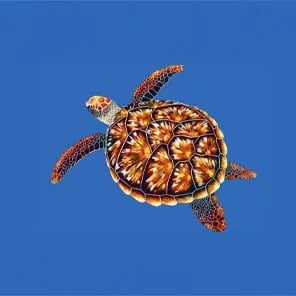
Hawksbill Turtles
Endangered turtles with striking patterned shells, they are vital to maintaining the health of coral reef ecosystems.
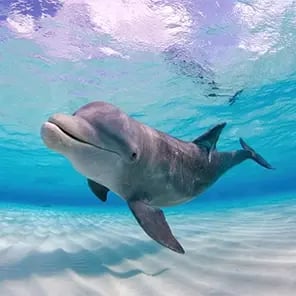
Dolphins
Look for playful pods nearshore as they delight travelers with acrobatics in Pemba’s clear waters.
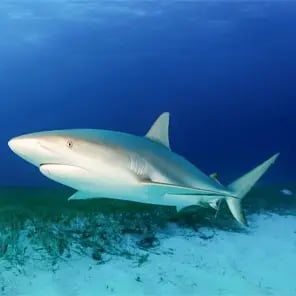
Reef Sharks
Common along Pemba’s reefs, these agile predators are harmless to divers and vital to marine balance.
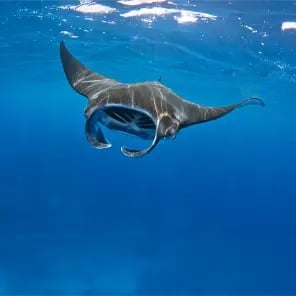
Manta Rays
Majestic giants gliding effortlessly through Pemba’s deep channels, feeding on plankton-rich waters.
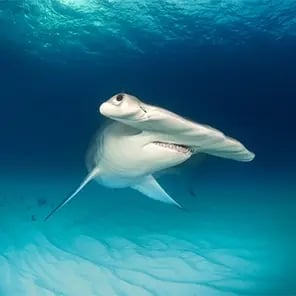
Hammerhead Sharks
Schools of hammerheads, rarely seen elsewhere, thrive in Pemba’s nutrient-rich underwater channels.
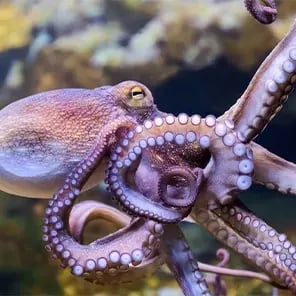
Octopuses
Masters of camouflage, octopuses hide among reefs and rocks, showcasing intelligence and adaptability.
Pemba Flying Fox
These large fruit bats are unique to Pemba, often seen soaring in flocks at dusk across the island’s forests.
Green Sea Turtles
Graceful ocean travelers that return to Pemba’s sandy beaches to nest and feed in the surrounding reefs.
Hawksbill Turtles
Endangered turtles with striking patterned shells, they are vital to maintaining the health of coral reef ecosystems.
Dolphins
Look for playful pods nearshore as they delight travelers with acrobatics in Pemba’s clear waters.
Reef Sharks
Common along Pemba’s reefs, these agile predators are harmless to divers and vital to marine balance.
Manta Rays
Majestic giants gliding effortlessly through Pemba’s deep channels, feeding on plankton-rich waters.
Hammerhead Sharks
Schools of hammerheads, rarely seen elsewhere, thrive in Pemba’s nutrient-rich underwater channels.
Octopuses
Masters of camouflage, octopuses hide among reefs and rocks, showcasing intelligence and adaptability.
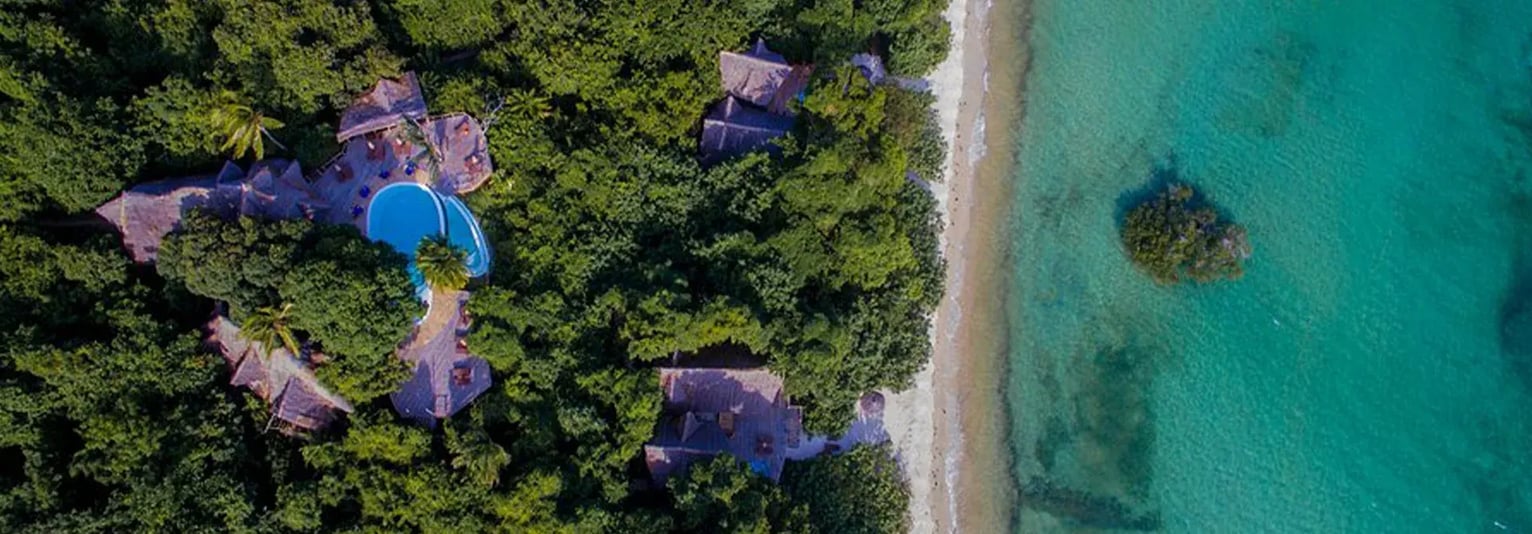
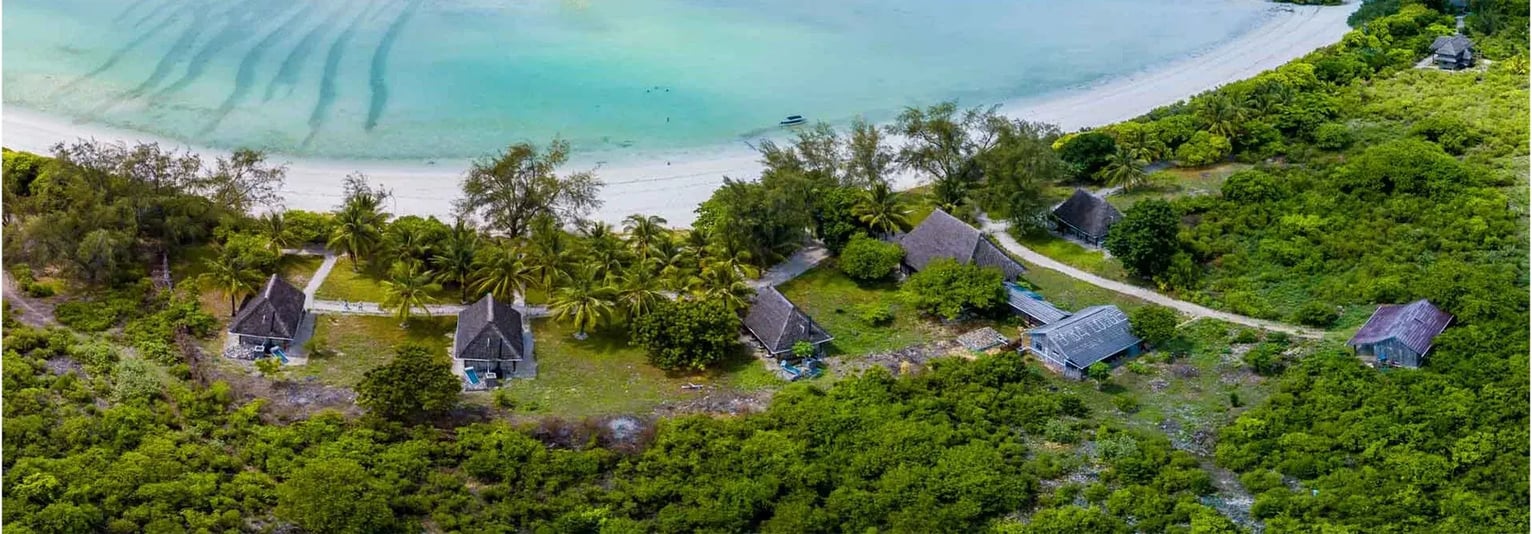
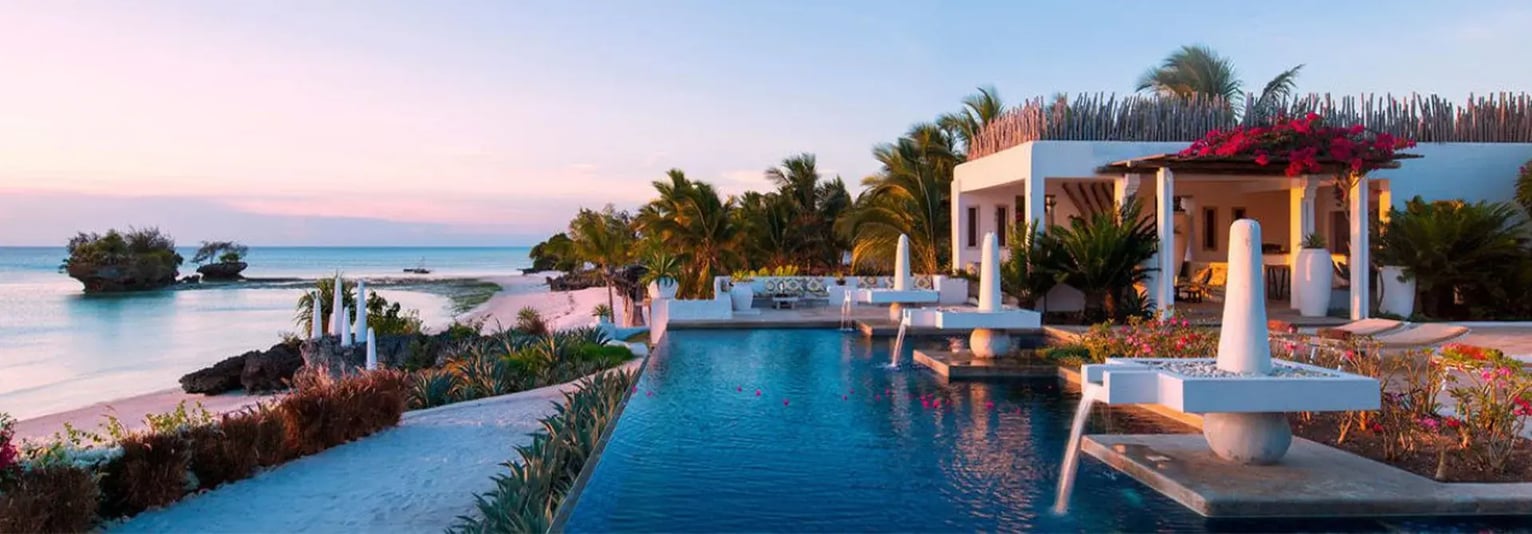
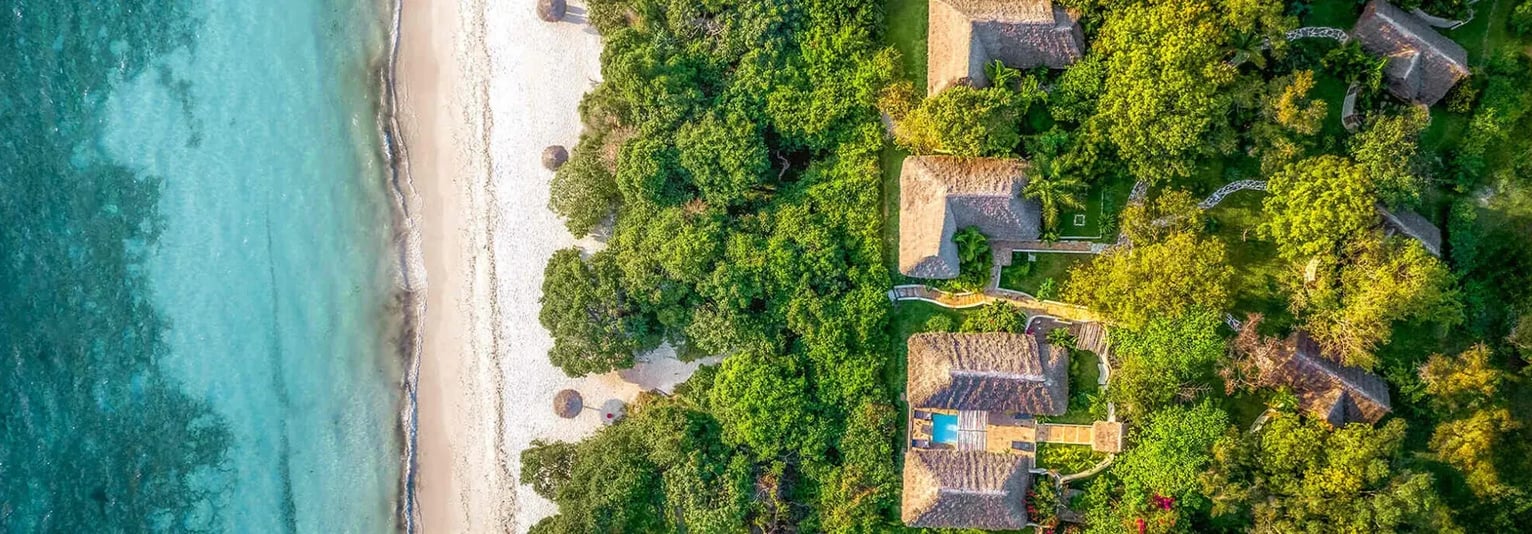
Pemba Island Hotels & Resorts
Unique and stunning Pemba Island hotels, resorts, and lodges blend eco-friendliness with luxurious accommodations.

Fundu Lagoon

Pemba Lodge

Aiyana Resort and...

The Manta Resort


More Tanzania Safaris and Zanzibar Holidays
Most Popular
.png?width=296&height=70&name=Pattern%20(2).png)
$1,350 (2pax) USD
12 Days Serengeti Lions and Wildebeest Migration Safari

22 people viewing now
Best Seller
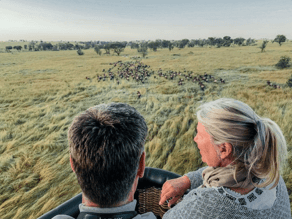
$3,001 (2pax) USD
Days Serengeti Lions and Wildebeest Migration Safari
25 people viewing now
Most Popular
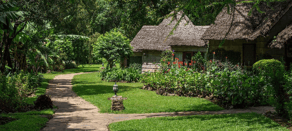
$1,400 (2pax) USD
A Days Serengeti Lions and Wildebeest Migration Safari
120 people viewing now
Most Popular
$1,350 (2pax) USD
12 Days Serengeti Lions and Wildebeest Migration Safari
40 people viewing now
Best Seller
$3,001 (2pax) USD
Days Serengeti Lions and Wildebeest Migration Safari
72 people viewing now
Most Popular
$1,400 (2pax) USD
A Days Serengeti Lions and Wildebeest Migration Safari
59 people viewing now
Most Popular
$1,350 (2pax) USD
12 Days Serengeti Lions and Wildebeest Migration Safari
79 people viewing now
Best Seller
$3,001 (2pax) USD
Days Serengeti Lions and Wildebeest Migration Safari
92 people viewing now
Best Seller
$3,001 (2pax) USD
Days Serengeti Lions and Wildebeest Migration Safari
93 people viewing now
Best Seller
$3,001 (2pax) USD
Days Serengeti Lions and Wildebeest Migration Safari
17 people viewing now
Best Seller
$3,001 (2pax) USD
Days Serengeti Lions and Wildebeest Migration Safari
92 people viewing now
Most Popular
$1,400 (2pax) USD
A Days Serengeti Lions and Wildebeest Migration Safari
45 people viewing now
Whatever is on your list of top Tanzania to-dos or African safari must-sees, we’ll make it happen.

Most Popular
$1,350 (2pax) USD
12 Days Serengeti Lions and Wildebeest Migration Safari
53 people viewing now
Best Seller
$3,001 (2pax) USD
Days Serengeti Lions and Wildebeest Migration Safari
87 people viewing now
Most Popular
$1,400 (2pax) USD
A Days Serengeti Lions and Wildebeest Migration Safari
68 people viewing now
Most Popular
$1,350 (2pax) USD
12 Days Serengeti Lions and Wildebeest Migration Safari
22 people viewing now
Best Seller
$3,001 (2pax) USD
Days Serengeti Lions and Wildebeest Migration Safari
74 people viewing now
Most Popular
$1,400 (2pax) USD
A Days Serengeti Lions and Wildebeest Migration Safari
33 people viewing now
Most Popular
$1,350 (2pax) USD
12 Days Serengeti Lions and Wildebeest Migration Safari
109 people viewing now
Best Seller
$3,001 (2pax) USD
Days Serengeti Lions and Wildebeest Migration Safari
58 people viewing now
Best Seller
$3,001 (2pax) USD
Days Serengeti Lions and Wildebeest Migration Safari
95 people viewing now
Best Seller
$3,001 (2pax) USD
Days Serengeti Lions and Wildebeest Migration Safari
66 people viewing now
Best Seller
$3,001 (2pax) USD
Days Serengeti Lions and Wildebeest Migration Safari
26 people viewing now
Most Popular
$1,400 (2pax) USD
A Days Serengeti Lions and Wildebeest Migration Safari
77 people viewing now
Whatever is on your list of top Tanzania to-dos or African safari must-sees, we’ll make it happen.
FAQs

Still have questions?
Contact Us, we are more than happy to help!
What is the difference between Pemba Island vs. Zanzibar’s main island?
While Zanzibar’s Unguja Island is known for its bustling beaches and historic Stone Town, Pemba Island is quieter, greener, and more traditional. It offers a more authentic experience with fewer crowds, pristine dive sites, and stronger ties to local culture.
How do I get to Pemba Island from Zanzibar?
The easiest way is by air: several daily flights connect Zanzibar’s Abeid Amani Karume International Airport to Pemba’s Chake Chake Airport in just 30–35 minutes. If you’re already on Zanzibar, this is by far the quickest and most comfortable option. Travelers can also take a ferry from Zanzibar to Pemba Island, but the journey is longer and dependent on sea conditions. Easy Travel can help you arrange flights, transfers, or a combination of both for a seamless trip.
What types of Pemba Island hotels and resorts are available?
Pemba doesn’t have the same volume of hotels as Unguja, but that’s part of its charm. Instead, it’s home to boutique resorts, eco-friendly lodges, and luxury retreats designed for seclusion and immersion in nature. Many are built with sustainability in mind, using local materials and offering experiences like farm-to-table dining and guided cultural tours. Whether you want a remote private villa or a mid-range lodge with ocean views, Easy Travel can recommend the right option.
What is Pemba Island famous for?
Pemba has long been known as the “Green Island” for its fertile hills and world-leading clove production. Today, it’s equally celebrated for its diving and snorkeling, with some of the most dramatic drop-offs and healthiest reefs in East Africa. Beyond the water, Pemba is famous for its rich Swahili culture, welcoming communities, and the chance to experience traditional island life without the crowds of Zanzibar’s main island.
Can I go deep-sea fishing on Pemba Island?
Yes—Pemba is a fantastic destination for sport fishing thanks to its deep marine channels that attract big game species. Anglers often catch tuna, barracuda, marlin, and kingfish in these waters. Trips are led by experienced guides who know the best spots and techniques, making it a thrilling experience whether you’re a seasoned fisherman or a beginner looking for an adventure.
Is Pemba Island good for snorkeling and diving?
Pemba is considered one of East Africa’s premier diving destinations. The Pemba Channel plunges to great depths, creating conditions for spectacular coral walls, caves, and encounters with large pelagic species like manta rays and hammerhead sharks. Snorkelers aren’t left out—reefs close to shore teem with colorful fish and healthy corals. Visibility is often exceptional, especially between October and March.
What cultural activities can I experience on Pemba Island?
The island’s culture is deeply tied to its history as a center of the spice trade. Visitors can tour clove and spice farms, learning how crops are grown and harvested. Markets in towns like Chake Chake are bustling with local produce, fish, and handmade goods. You can also experience Swahili hospitality firsthand through community-based tourism, traditional music, and even cooking lessons with local families.
What unique attractions should I see on Pemba Island?
Highlights include the Ngezi Forest Reserve, a pocket of indigenous woodland with rare species, and Misali Island, a marine conservation area with superb snorkeling. The Pemba Flying Fox sanctuary offers the chance to see the island’s endemic fruit bats in flight, while sandbanks that emerge at low tide make for surreal day-trip destinations. Exploring villages and mangroves gives a sense of daily life and the island’s deep connection to the sea.
When is the best time to visit Pemba Island?
The ideal time depends on your interests. For divers and snorkelers, October to March offers calm seas and clear visibility. June to October brings drier, cooler weather that’s great for exploring on land and enjoying comfortable beach days. April and May are the wettest months, so while travel is still possible, activities may be limited by rain. Easy Travel can help plan around the best conditions for your trip.
Is Pemba Island safe for travelers?
Yes, Pemba is generally considered safe, with a welcoming local population and low crime rates. It’s a destination where tourism is still relatively small, so the atmosphere feels friendly and community-oriented. As with any destination, travelers should respect cultural norms—such as dressing modestly in towns and villages—and follow basic travel precautions. Easy Travel guides and staff are on hand to ensure you feel comfortable throughout your stay.
Still have questions?
Contact Us, we are more than happy to help!
Explore Our Latest Articles
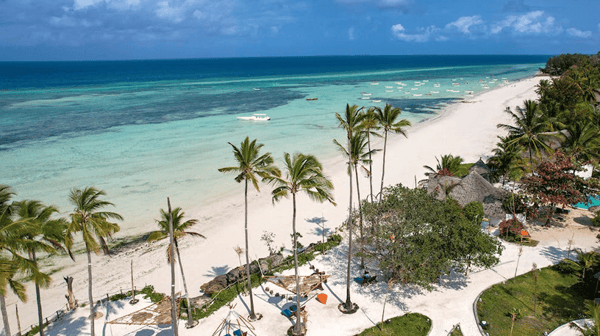
3.06.2025
23 Min Read
Kendwa Beach rests on Zanzibar Island. The beach is known far and wide because it is gorgeous. The sand on the beach is...

3.06.2025
23 Min Read
Kendwa Beach rests on Zanzibar Island. The beach is known far and wide because it is gorgeous. The...
Find Out Which Safari Tour Is Right For You
Want to pair your Pemba Island getaway with a visit to Tanzania’s other iconic safari parks, lakes, or mountains? Take a short quiz to see which spots we recommend.
More Tanzania Destinations To Visit
This is a park

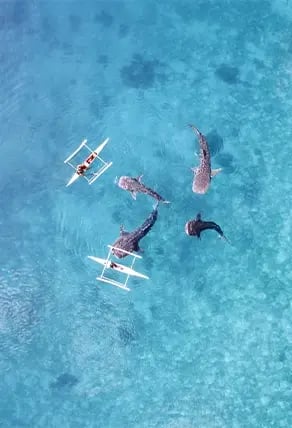


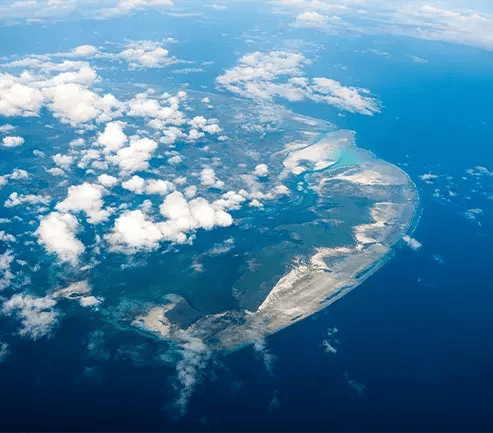
Mafia Island
An alternative to Zanzibar and Pemba, Mafia Island is renowned for whale shark encounters and pristine marine parks.
This is a park
.webp?width=292&height=428&name=Zanzibar%20(3).webp)
.svg)
.svg)
Zanzibar
Just south of Pemba, Zanzibar blends historic Stone Town with lively beaches, making it a natural destination for...
This is a park
-svg.svg)
.webp?width=292&height=428&name=Serengeti%20National%20Park%20(2).webp)
.svg)

Serengeti...
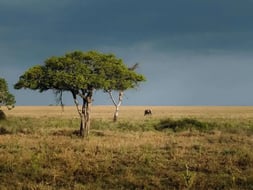
Combine Pemba’s beaches with the Serengeti’s legendary Great Migration for the ultimate Tanzania safari-and-sea...
This is a park

.webp?width=292&height=428&name=Nyerere%20National%20Park%20(1).webp)


Nyerere...
Easily paired with a Pemba escape, Nyerere offers vast wilderness, river safaris, and excellent chances to see...