

.svg "Style-Guide (1)")


.svg)


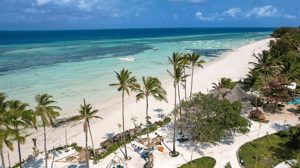
Kendwa Beach rests on Zanzibar Island. The beach is known far and wide because it is gorgeous. The...






Nyerere National Park
Carved by the curves of the Rufiji River and alive with the sounds of the bush, Nyerere National Park is where southern Tanzania’s wild heart beats strongest. Safaris unfold on water and land, from boat rides past sunbathing hippos to nature walks through acacia groves to game drives that rarely cross paths with another vehicle. This sprawling park invites you to slow down, look closer, and experience nature on its own terms.

Endorsed by ATTA

Featured in National Geographic

BBC Wildlife

Rated Excellent by Trip Advisor
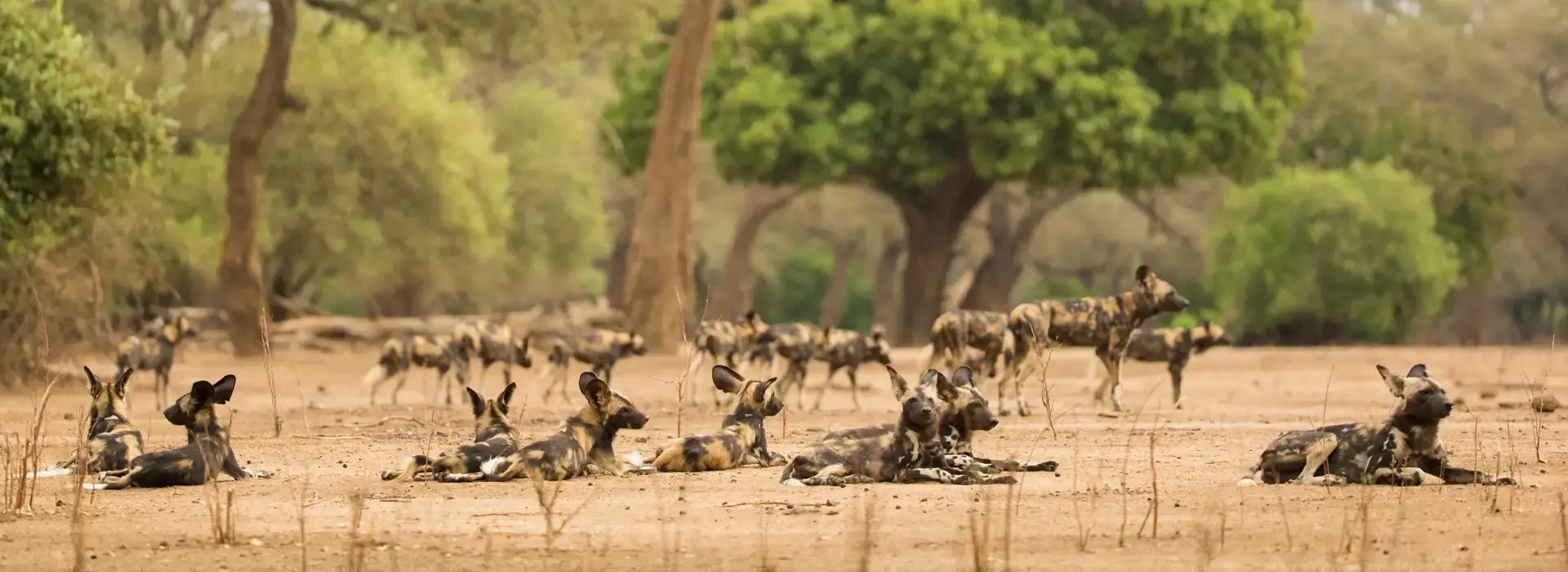
Nyerere National Park
Carved by the curves of the Rufiji River and alive with the sounds of the bush, Nyerere National Park is where southern Tanzania’s wild heart beats strongest. Safaris unfold on water and land, from boat rides past sunbathing hippos to nature walks through acacia groves to game drives that rarely cross paths with another vehicle. This sprawling park invites you to slow down, look closer, and experience nature on its own terms.
Endorsed by ATTA
Featured in National Geographic
BBC Wildlife
Rated Excellent by Trip Advisor
Find Sizeable Solitude in Africa’s Biggest National Park
Tucked away in southern Tanzania, Nyerere National Park is the country’s largest national park and one of its most ecologically diverse. Covering more than 30,000 square kilometers, it forms part of what was once the expansive Selous Game Reserve—a UNESCO World Heritage Site—and remains a key stronghold for wildlife conservation in East Africa.
The park is defined by the Rufiji River, which winds through the landscape and supports a rich variety of habitats, from open plains and woodlands to wetlands and river channels. This mix of environments makes Nyerere an ideal destination for viewing a wide range of species, including elephants, giraffes, lions, hippos, crocodiles, and African wild dogs, as well as hundreds of bird species.
What sets Nyerere National Park apart is its quieter, less-developed nature. Unlike the more visited parks in the north, Nyerere offers a more flexible and intimate safari experience, with options like boat safaris, walking safaris, and classic game drives. It’s a place where wildlife viewing feels more personal and the scenery more expansive.
.webp?width=820&height=460&name=Overview%20(2).webp)
Whether you’re interested in photography, birdwatching, or simply spending time in a remarkable natural setting, a Nyerere safari delivers a rewarding, unhurried experience.
Why Travelers Love Visiting Nyerere National Park
Nyerere National Park’s peaceful atmosphere, diverse landscapes, and sense of discovery draw travelers in. The park offers a safari experience that feels more flexible and less crowded than many northern Tanzania parks, with the added bonus of unique activities like boat safaris along the Rufiji River. While wildlife is abundant, it’s the slower pace and connection to nature that visitors often remember most. Whether you’re relaxing in a riverside lodge or tracking animals on foot, Nyerere offers a safari that feels personal, immersive, and truly memorable.
Things To Do in Nyerere National Park
From rides on the river to strolling safaris, Nyerere National Park visitors can experience a variety of activities that bring you closer to the landscape, wildlife, and culture from every angle.
.webp?width=296&height=296&name=Walking%20Safari%20%26%20Nature%20Walks%20(1).webp)

Walking Safari & Nature Walks
Guided by experienced rangers, walking safaris let you explore the park on foot, tracking animals, learning about plant life, and gaining a deeper understanding of the ecosystem..webp?width=296&height=296&name=Bush%20Meals%20(2).webp)
Bush Meals
Enjoy a freshly prepared breakfast, lunch, or sundowner in a scenic wild setting. Whether by the river or under a baobab tree, bush meals are a relaxing highlight of the safari day.
Historical Sites
Near the park, visit sites tied to early explorers, German colonial history, or Selous Game Reserve’s past. These offer insight into the region’s layered cultural and historical legacy.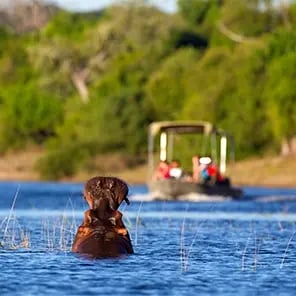
Sailing & Boat Cruises
Cruise along the Rufiji River to spot hippos, crocodiles, and water birds up close. Sunset cruises are especially popular, combining wildlife viewing with incredible scenery..webp?width=296&height=296&name=Bird%20Watching%20(1).webp)
Birdwatching
With over 400 species recorded, Nyerere is a birding haven. Look for kingfishers, bee-eaters, fish eagles, and rare endemics in the wetlands, forests, and riverbanks.
Stargazing
With little light pollution, Nyerere offers brilliant night skies. Enjoy clear views of constellations, the Milky Way, and sometimes even planets, right from your camp or lodge.Things To Do in Nyerere National Park
From rides on the river to strolling safaris, Nyerere National Park visitors can experience a variety of activities that bring you closer to the landscape, wildlife, and culture from every angle.
Walking Safari & Nature Walks
Guided by experienced rangers, walking safaris let you explore the park on foot, tracking animals, learning about plant life, and gaining a deeper understanding of the ecosystem.
Bush Meals
Enjoy a freshly prepared breakfast, lunch, or sundowner in a scenic wild setting. Whether by the river or under a baobab tree, bush meals are a relaxing highlight of the safari day.
Historical Sites
Near the park, visit sites tied to early explorers, German colonial history, or Selous Game Reserve’s past. These offer insight into the region’s layered cultural and historical legacy.
Sailing & Boat Cruises
Cruise along the Rufiji River to spot hippos, crocodiles, and water birds up close. Sunset cruises are especially popular, combining wildlife viewing with incredible scenery.
Birdwatching
With over 400 species recorded, Nyerere is a birding haven. Look for kingfishers, bee-eaters, fish eagles, and rare endemics in the wetlands, forests, and riverbanks.
Stargazing
With little light pollution, Nyerere offers brilliant night skies. Enjoy clear views of constellations, the Milky Way, and sometimes even planets, right from your camp or lodge.The Best Time to Visit Nyerere National Park
The best time to visit Nyerere is during the dry season from June to October, as wildlife gathers near water sources and game viewing is at its peak. However, the green season (November to May) offers beautiful scenery, fewer crowds, and excellent birdwatching—making Nyerere a year-round destination.
average
good
best
.svg)
Jan
Feb

Mar
Apr
May
.svg)
Jun
Jul
Aug
Sep
Oct
.svg)
Nov
Dec
Jan
Feb
Mar
Apr
May
Jun
Jul
Aug
Sep
Oct
Nov
Dec
Nyerere in January: Lush landscapes and birdlife
Rainy Season
January falls during the green season, bringing vibrant vegetation, dramatic skies, and a quieter atmosphere in the park. Visitors can expect rainfall, often in short, heavy bursts, but there are still plenty of clear and sunny periods for game drives and boat safaris. The Rufiji River is typically full, making water-based safaris especially scenic and rewarding.
Wildlife is still present, though slightly more dispersed due to abundant water sources. January is also an excellent time for birdwatchers, with many migratory species present, including colorful bee-eaters and kingfishers. It’s a peaceful time to visit for photographers and travelers who appreciate lush, green backdrops and don’t mind the occasional afternoon storm.
.webp?width=1200&height=825&name=January%20(1).webp)

+
Nyerere in February: Quiet beauty and great value
Sunny
February continues the green season trend, with warm temperatures, vibrant growth, and a more intimate safari experience thanks to fewer visitors. While game may be harder to spot in dense vegetation, experienced guides know where to look, and the park remains full of life. The birding remains superb, and boat safaris are still a highlight with dramatic reflections and high water levels.
You may catch glimpses of young animals born earlier in the season, especially impala and warthog piglets. February is a great time for travelers seeking lower rates, more availability at lodges, and a tranquil safari setting without sacrificing the magic of the experience.
.webp?width=1200&height=825&name=February%20(1).webp)
+
Nyerere in March: Rainy season drama and birding highs
Rainy Season
March typically marks the tail end of the green season, but it can be one of the wettest months in Nyerere National Park. Afternoon storms are common and some roads may become muddy or temporarily inaccessible, but the park remains open and full of life. The landscape is especially photogenic now, with vivid greenery, stormy skies, and dramatic sunsets.
Game drives may require a bit more patience, but sightings of elephants, giraffes, and hippos remain likely. This is also peak time for migratory bird species, so birders will be in heaven. Crowds are almost nonexistent, making it an ideal time for travelers who prefer a quiet, immersive nature experience—especially if you're comfortable with a bit of weather.
.webp?width=1200&height=825&name=March%20(1).webp)
+
Nyerere in April: Green season solitude and vibrant scenery
Rainy Season
April is the heart of the long rain in southern Tanzania, and Nyerere National Park is at its greenest and quietest. Many lodges reduce operations or close temporarily due to access challenges, but for the adventurous traveler, April offers serene game drives, rich birdlife, and the chance to experience the park with virtually no other vehicles around.
Boat safaris are often still possible, and the full rivers and lakes provide a dramatic setting for spotting aquatic wildlife. Game may be more scattered due to water abundance, but the chance to see young animals and lush landscapes is high. It’s a low-cost, high-reward month—perfect for those who enjoy solitude, striking scenery, and off-season perks.
.webp?width=1200&height=825&name=April%20(1).webp)
+
Nyerere in May: The calm before peak season
Rainy Season
May signals the gradual shift from the wet to dry season in Nyerere National Park. While some rain showers may still linger early in the month, the skies begin to clear, and the roads start to dry out. The landscape is lush, the air is fresh, and wildlife viewing starts to improve as animals begin to move toward more permanent water sources.
Fewer travelers and excellent value make this a great time to visit for those who want to avoid crowds and still enjoy green-season beauty. Some camps reopen toward the end of the month in anticipation of the high season, offering a more exclusive experience before the busy period begins.
.webp?width=1200&height=825&name=May%20(1).webp)
+
Nyerere in June: Start of the dry season and prime game viewing
Rainy Season
June marks the official start of the dry season, and conditions in Nyerere become ideal for game viewing. The grass begins to thin, visibility improves, and animals start concentrating around rivers and waterholes—especially the Rufiji. Game drives become more productive, and walking safaris return in full swing.
With warm days, cool mornings, and minimal rain, this is a perfect time for first-time safari travelers looking for excellent wildlife sightings and comfortable conditions. June is also a great month to combine Nyerere with Zanzibar, as both destinations are entering their best travel season.
.webp?width=1200&height=825&name=June%20(1).webp)
+
Nyerere in July: Classic dry season safari
Sunny
July is peak dry season in Nyerere National Park, bringing cooler mornings, sunny skies, and excellent wildlife visibility. Vegetation has thinned considerably, making it easier to spot animals on game drives, particularly near water sources like the Rufiji River. Herds of elephants, prides of lions, and large groups of buffalo are often seen during this time, and predator activity tends to increase.
Walking safaris are at their best, with crisp, clear mornings and knowledgeable guides leading you through animal tracks and untouched terrain. July is also a great time for travelers looking for a classic safari experience with reliable conditions and high animal activity.
.webp?width=1200&height=825&name=July%20(1).webp)
+
Nyerere in August: Peak wildlife and perfect weather
Sunny
August continues the dry season, with some of the best wildlife viewing of the year. Animals are concentrated along rivers and lakes, and sightings of predators—like lions and African wild dogs—are especially exciting. With little to no rain, roads are dry, and all safari activities, including walking and boat safaris, are operating in full force.
It’s one of the most popular months to visit Nyerere, so lodges may book up in advance. That said, the park's size means you can still enjoy uncrowded drives and a sense of exclusivity, even in peak season. Weather is warm and pleasant, making August a favorite for families and first-time safari-goers.
.webp?width=1200&height=825&name=August%20(1).webp)
+
Nyerere in September: Wildlife at its most concentrated
Sunny
September is one of the best months for game viewing in Nyerere National Park. Water is scarce across the landscape, so wildlife congregates in large numbers along the Rufiji River and remaining waterholes. This makes for consistently rewarding game drives, with chances to spot large herds of elephants, buffalo, and giraffes, as well as predators like lions, hyenas, and wild dogs.
The vegetation is sparse, which helps with visibility, and the weather remains dry and sunny with warm daytime temperatures. Birdlife is still abundant, and the lack of rain ensures smooth travel conditions throughout the park. It’s a top choice for photographers and wildlife enthusiasts alike.
.webp?width=1200&height=825&name=September%20(1).webp)
+
Nyerere in October: Last call before the rain
Rainy Season
October marks the tail end of the dry season, and while conditions remain good, the weather begins to heat up noticeably—especially in the afternoons. Wildlife is still densely packed around water sources, making sightings easy and reliable, but the landscape is now at its driest and dustiest. Some migratory birds begin to return by mid-month, hinting at the seasonal shift. It's a great time for predator sightings, with lions and wild dogs particularly active.
Though visitor numbers remain high, the park’s vastness still allows for peaceful safari experiences. October is perfect for those wanting to catch the last stretch of dry season action before the green season begins.
.webp?width=1200&height=825&name=October%20(1).webp)
+
Nyerere in November: The green season returns
Rainy Season
November brings the start of the short rain, transitioning into Nyerere’s green season. Early in the month, conditions may still feel dry, but brief afternoon showers begin to freshen the landscape, and new grass starts to emerge. Wildlife disperses slightly as temporary water sources reappear, but sightings remain strong—especially with expert guides.
This is a beautiful time for photography, with dramatic skies, fresh colors, and fewer safari vehicles. Migratory birds arrive in large numbers, making this a particularly special month for birdwatchers. November is ideal for travelers seeking lower rates, rich scenery, and a quieter pace.
.webp?width=1200&height=825&name=November%20(1).webp)
+
Nyerere in December: Lavish views and festive escapes
Rainy Season
By December, the park is green and thriving, with clear signs of new life across the ecosystem. While short rains may still occur, they tend to be light and predictable, leaving plenty of time for wildlife activities. Game viewing is still rewarding, especially around permanent water sources, and the birdlife is at its seasonal peak. Some animals give birth during this period, making December a special time for observing young wildlife.
With festive season travel picking up, many lodges fill up toward the end of the month. For travelers seeking a unique holiday safari surrounded by greenery and vibrant nature, Nyerere in December is a memorable choice.
.webp?width=1200&height=825&name=December%20(1).webp)
+
Nyerere in January: Lush landscapes and birdlife
Rainy Season
January falls during the green season, bringing vibrant vegetation, dramatic skies, and a quieter atmosphere in the park. Visitors can expect rainfall, often in short, heavy bursts, but there are still plenty of clear and sunny periods for game drives and boat safaris. The Rufiji River is typically full, making water-based safaris especially scenic and rewarding.
Wildlife is still present, though slightly more dispersed due to abundant water sources. January is also an excellent time for birdwatchers, with many migratory species present, including colorful bee-eaters and kingfishers. It’s a peaceful time to visit for photographers and travelers who appreciate lush, green backdrops and don’t mind the occasional afternoon storm.
Nyerere in February: Quiet beauty and great value
Sunny
February continues the green season trend, with warm temperatures, vibrant growth, and a more intimate safari experience thanks to fewer visitors. While game may be harder to spot in dense vegetation, experienced guides know where to look, and the park remains full of life. The birding remains superb, and boat safaris are still a highlight with dramatic reflections and high water levels.
You may catch glimpses of young animals born earlier in the season, especially impala and warthog piglets. February is a great time for travelers seeking lower rates, more availability at lodges, and a tranquil safari setting without sacrificing the magic of the experience.
Nyerere in March: Rainy season drama and birding highs
Rainy Season
March typically marks the tail end of the green season, but it can be one of the wettest months in Nyerere National Park. Afternoon storms are common and some roads may become muddy or temporarily inaccessible, but the park remains open and full of life. The landscape is especially photogenic now, with vivid greenery, stormy skies, and dramatic sunsets.
Game drives may require a bit more patience, but sightings of elephants, giraffes, and hippos remain likely. This is also peak time for migratory bird species, so birders will be in heaven. Crowds are almost nonexistent, making it an ideal time for travelers who prefer a quiet, immersive nature experience—especially if you're comfortable with a bit of weather.
Nyerere in April: Green season solitude and vibrant scenery
Rainy Season
April is the heart of the long rain in southern Tanzania, and Nyerere National Park is at its greenest and quietest. Many lodges reduce operations or close temporarily due to access challenges, but for the adventurous traveler, April offers serene game drives, rich birdlife, and the chance to experience the park with virtually no other vehicles around.
Boat safaris are often still possible, and the full rivers and lakes provide a dramatic setting for spotting aquatic wildlife. Game may be more scattered due to water abundance, but the chance to see young animals and lush landscapes is high. It’s a low-cost, high-reward month—perfect for those who enjoy solitude, striking scenery, and off-season perks.
Nyerere in May: The calm before peak season
Rainy Season
May signals the gradual shift from the wet to dry season in Nyerere National Park. While some rain showers may still linger early in the month, the skies begin to clear, and the roads start to dry out. The landscape is lush, the air is fresh, and wildlife viewing starts to improve as animals begin to move toward more permanent water sources.
Fewer travelers and excellent value make this a great time to visit for those who want to avoid crowds and still enjoy green-season beauty. Some camps reopen toward the end of the month in anticipation of the high season, offering a more exclusive experience before the busy period begins.
Nyerere in June: Start of the dry season and prime game viewing
Rainy Season
June marks the official start of the dry season, and conditions in Nyerere become ideal for game viewing. The grass begins to thin, visibility improves, and animals start concentrating around rivers and waterholes—especially the Rufiji. Game drives become more productive, and walking safaris return in full swing.
With warm days, cool mornings, and minimal rain, this is a perfect time for first-time safari travelers looking for excellent wildlife sightings and comfortable conditions. June is also a great month to combine Nyerere with Zanzibar, as both destinations are entering their best travel season.
Nyerere in July: Classic dry season safari
Sunny
July is peak dry season in Nyerere National Park, bringing cooler mornings, sunny skies, and excellent wildlife visibility. Vegetation has thinned considerably, making it easier to spot animals on game drives, particularly near water sources like the Rufiji River. Herds of elephants, prides of lions, and large groups of buffalo are often seen during this time, and predator activity tends to increase.
Walking safaris are at their best, with crisp, clear mornings and knowledgeable guides leading you through animal tracks and untouched terrain. July is also a great time for travelers looking for a classic safari experience with reliable conditions and high animal activity.
Nyerere in August: Peak wildlife and perfect weather
Sunny
August continues the dry season, with some of the best wildlife viewing of the year. Animals are concentrated along rivers and lakes, and sightings of predators—like lions and African wild dogs—are especially exciting. With little to no rain, roads are dry, and all safari activities, including walking and boat safaris, are operating in full force.
It’s one of the most popular months to visit Nyerere, so lodges may book up in advance. That said, the park's size means you can still enjoy uncrowded drives and a sense of exclusivity, even in peak season. Weather is warm and pleasant, making August a favorite for families and first-time safari-goers.
Nyerere in September: Wildlife at its most concentrated
Sunny
September is one of the best months for game viewing in Nyerere National Park. Water is scarce across the landscape, so wildlife congregates in large numbers along the Rufiji River and remaining waterholes. This makes for consistently rewarding game drives, with chances to spot large herds of elephants, buffalo, and giraffes, as well as predators like lions, hyenas, and wild dogs.
The vegetation is sparse, which helps with visibility, and the weather remains dry and sunny with warm daytime temperatures. Birdlife is still abundant, and the lack of rain ensures smooth travel conditions throughout the park. It’s a top choice for photographers and wildlife enthusiasts alike.
Nyerere in October: Last call before the rain
Rainy Season
October marks the tail end of the dry season, and while conditions remain good, the weather begins to heat up noticeably—especially in the afternoons. Wildlife is still densely packed around water sources, making sightings easy and reliable, but the landscape is now at its driest and dustiest. Some migratory birds begin to return by mid-month, hinting at the seasonal shift. It's a great time for predator sightings, with lions and wild dogs particularly active.
Though visitor numbers remain high, the park’s vastness still allows for peaceful safari experiences. October is perfect for those wanting to catch the last stretch of dry season action before the green season begins.
Nyerere in November: The green season returns
Rainy Season
November brings the start of the short rain, transitioning into Nyerere’s green season. Early in the month, conditions may still feel dry, but brief afternoon showers begin to freshen the landscape, and new grass starts to emerge. Wildlife disperses slightly as temporary water sources reappear, but sightings remain strong—especially with expert guides.
This is a beautiful time for photography, with dramatic skies, fresh colors, and fewer safari vehicles. Migratory birds arrive in large numbers, making this a particularly special month for birdwatchers. November is ideal for travelers seeking lower rates, rich scenery, and a quieter pace.
Nyerere in December: Lavish views and festive escapes
Rainy Season
By December, the park is green and thriving, with clear signs of new life across the ecosystem. While short rains may still occur, they tend to be light and predictable, leaving plenty of time for wildlife activities. Game viewing is still rewarding, especially around permanent water sources, and the birdlife is at its seasonal peak. Some animals give birth during this period, making December a special time for observing young wildlife.
With festive season travel picking up, many lodges fill up toward the end of the month. For travelers seeking a unique holiday safari surrounded by greenery and vibrant nature, Nyerere in December is a memorable choice.
+
+
+
+
+
+
+
+
+
+
+
+

Wildlife in Nyerere National Park
Nyerere’s rich mix of river systems, open plains, and miombo woodlands supports an incredible variety of wildlife in their natural habitats.
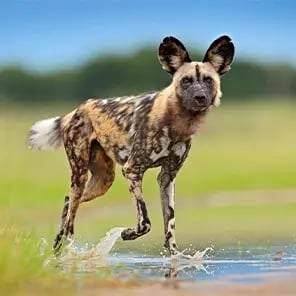
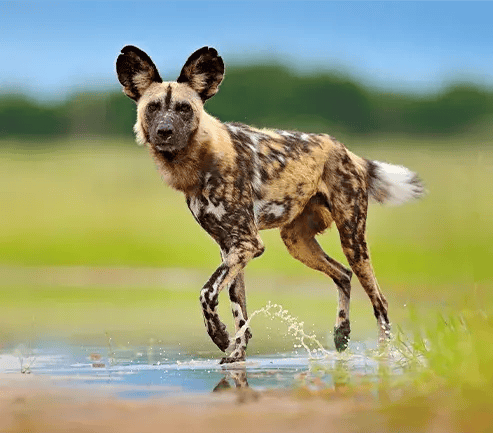
African Wild Dogs
Rare and highly social, these endangered predators roam in packs and are best spotted during early morning drives.
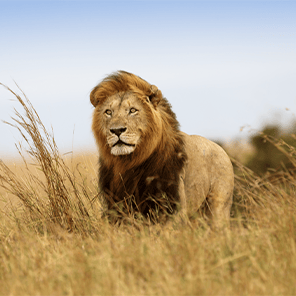
Lions
Often seen near riverbanks or lounging under acacia trees, lions are key predators in Nyerere’s thriving ecosystem.
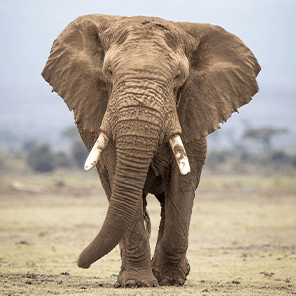
Elephants
Seen in large family groups, elephants move between woodlands and wetlands, shaping the landscape as they go.
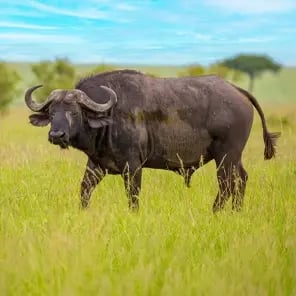
Buffalo
Buffalo are common in herds across Nyerere’s grasslands, known for their strength, stamina, and iconic curved horns.
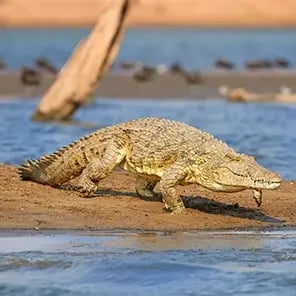
Crocodiles
Found basking along the Rufiji River, crocodiles are a thrilling sight, especially during boat safaris and sundowners.
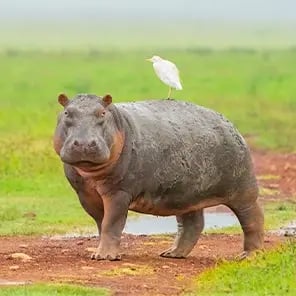
Hippos
These massive herbivores are a fixture in the park’s rivers and lakes, often heard grunting from the water at night.
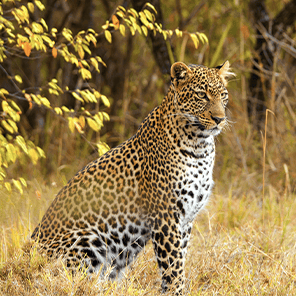
Leopards
Solitary and elusive, leopards are best spotted at dawn or dusk, often draped across tree limbs or on the move.
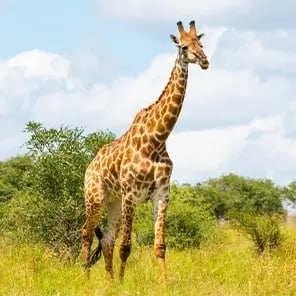
Giraffes
Graceful and curious, giraffes roam the open savannas and woodlands, feeding on treetops and surveying the plains.
African Wild Dogs
Rare and highly social, these endangered predators roam in packs and are best spotted during early morning drives.
Lions
Often seen near riverbanks or lounging under acacia trees, lions are key predators in Nyerere’s thriving ecosystem.
Elephants
Seen in large family groups, elephants move between woodlands and wetlands, shaping the landscape as they go.
Buffalo
Buffalo are common in herds across Nyerere’s grasslands, known for their strength, stamina, and iconic curved horns.
Crocodiles
Found basking along the Rufiji River, crocodiles are a thrilling sight, especially during boat safaris and sundowners.
Hippos
These massive herbivores are a fixture in the park’s rivers and lakes, often heard grunting from the water at night.
Leopards
Solitary and elusive, leopards are best spotted at dawn or dusk, often draped across tree limbs or on the move.
Giraffes
Graceful and curious, giraffes roam the open savannas and woodlands, feeding on treetops and surveying the plains.
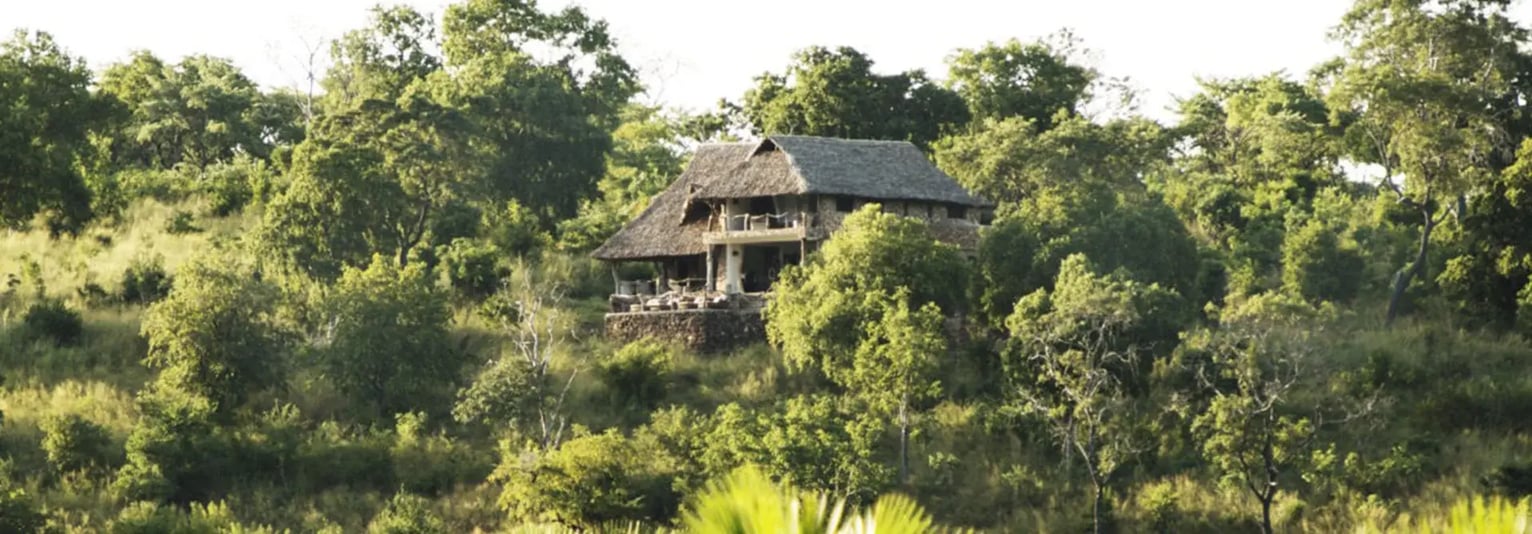
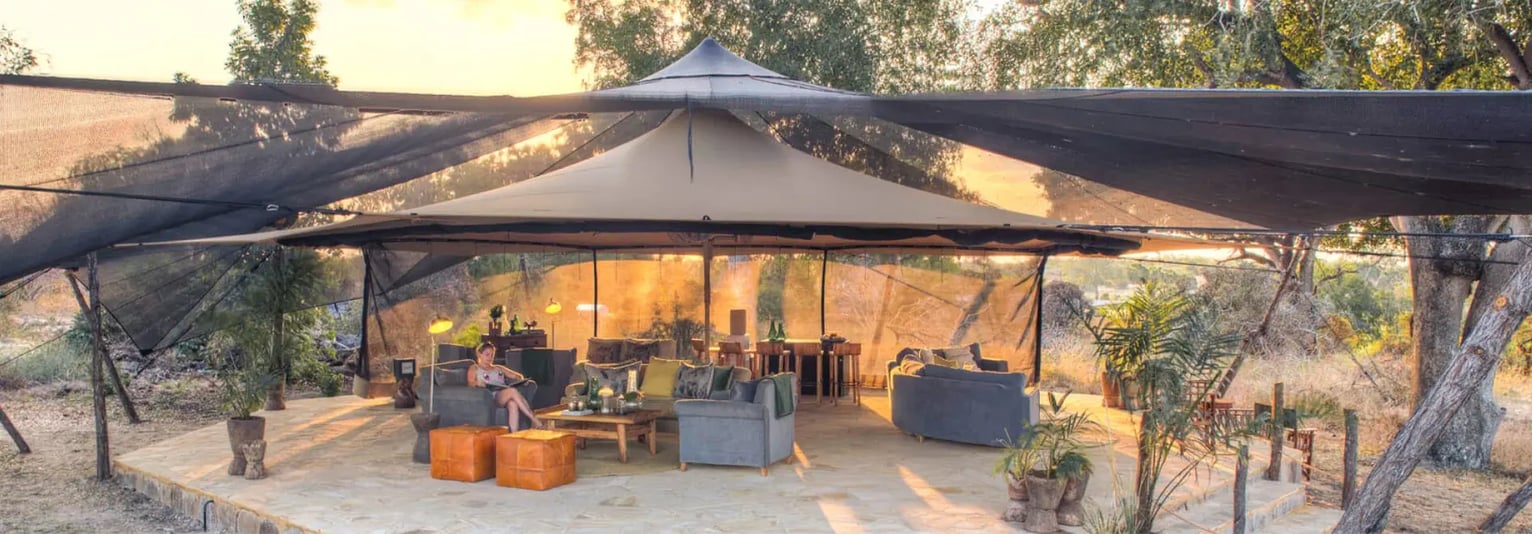
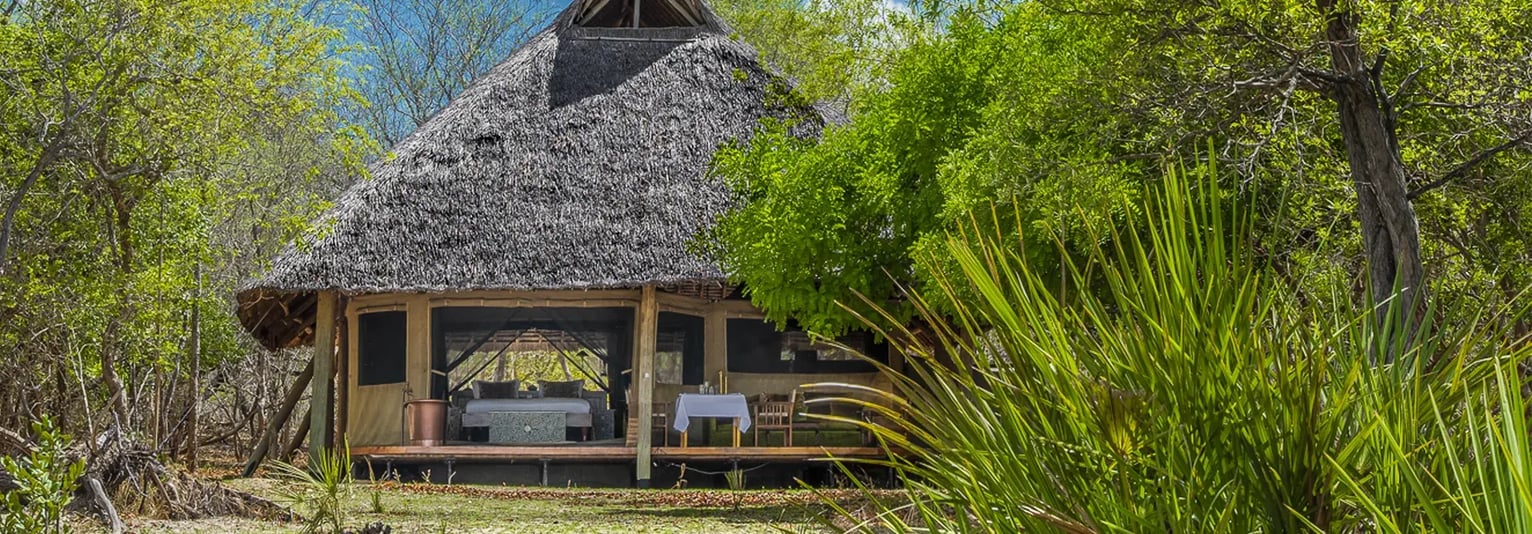
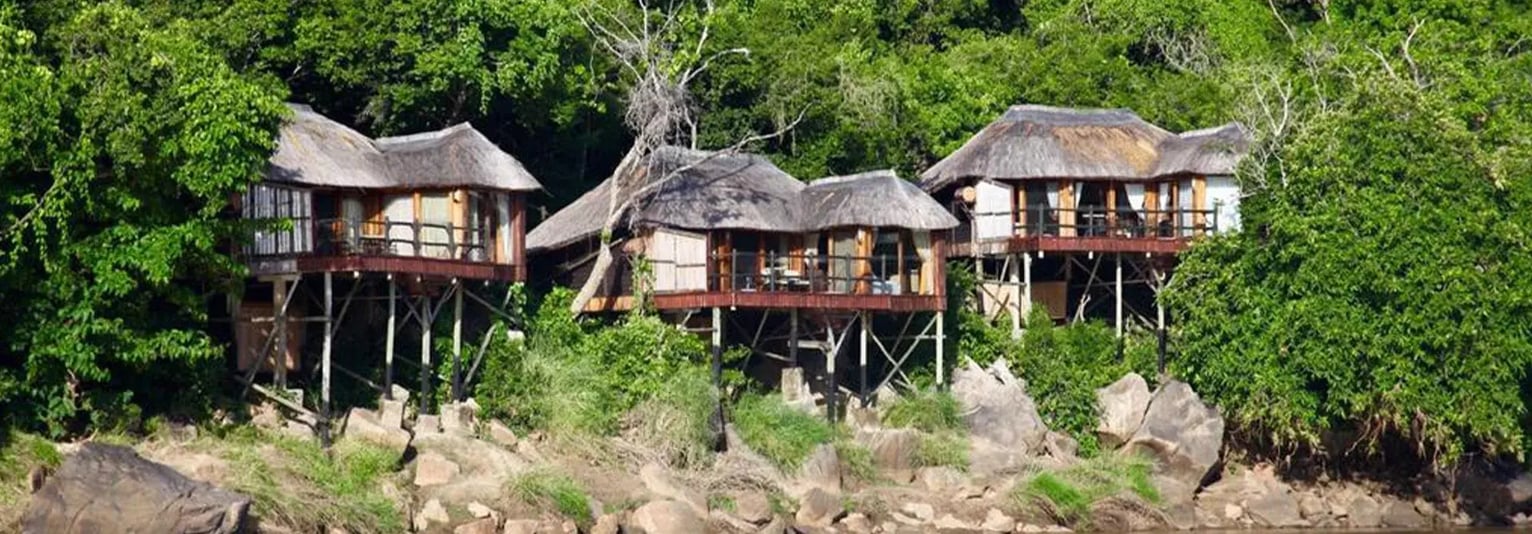
Nyerere National Park Accommodation
From luxury river retreats to peaceful thatched cottages, you’ll find a variety of Nyerere National Park lodges and camps.

Beho Beho

Roho Ya Selous

Siwandu

Serena Mivumo...


More Tanzania Safaris and Zanzibar Holidays
Most Popular
.png?width=296&height=70&name=Pattern%20(2).png)
$1,350 (2pax) USD
12 Days Serengeti Lions and Wildebeest Migration Safari

65 people viewing now
Best Seller
$3,001 (2pax) USD
Days Serengeti Lions and Wildebeest Migration Safari
46 people viewing now
Most Popular
$1,400 (2pax) USD
A Days Serengeti Lions and Wildebeest Migration Safari
83 people viewing now
Most Popular
$1,350 (2pax) USD
12 Days Serengeti Lions and Wildebeest Migration Safari
82 people viewing now
Best Seller
$3,001 (2pax) USD
Days Serengeti Lions and Wildebeest Migration Safari
1 people viewing now
Most Popular
$1,400 (2pax) USD
A Days Serengeti Lions and Wildebeest Migration Safari
32 people viewing now
Most Popular
$1,350 (2pax) USD
12 Days Serengeti Lions and Wildebeest Migration Safari
120 people viewing now
Best Seller
$3,001 (2pax) USD
Days Serengeti Lions and Wildebeest Migration Safari
10 people viewing now
Best Seller
$3,001 (2pax) USD
Days Serengeti Lions and Wildebeest Migration Safari
75 people viewing now
Best Seller
$3,001 (2pax) USD
Days Serengeti Lions and Wildebeest Migration Safari
102 people viewing now
Best Seller
$3,001 (2pax) USD
Days Serengeti Lions and Wildebeest Migration Safari
116 people viewing now
Most Popular
$1,400 (2pax) USD
A Days Serengeti Lions and Wildebeest Migration Safari
86 people viewing now
Whatever is on your list of top Tanzania to-dos or African safari must-sees, we’ll make it happen.

Most Popular
$1,350 (2pax) USD
12 Days Serengeti Lions and Wildebeest Migration Safari
103 people viewing now
Best Seller
$3,001 (2pax) USD
Days Serengeti Lions and Wildebeest Migration Safari
58 people viewing now
Most Popular
$1,400 (2pax) USD
A Days Serengeti Lions and Wildebeest Migration Safari
42 people viewing now
Most Popular
$1,350 (2pax) USD
12 Days Serengeti Lions and Wildebeest Migration Safari
51 people viewing now
Best Seller
$3,001 (2pax) USD
Days Serengeti Lions and Wildebeest Migration Safari
22 people viewing now
Most Popular
$1,400 (2pax) USD
A Days Serengeti Lions and Wildebeest Migration Safari
110 people viewing now
Most Popular
$1,350 (2pax) USD
12 Days Serengeti Lions and Wildebeest Migration Safari
81 people viewing now
Best Seller
$3,001 (2pax) USD
Days Serengeti Lions and Wildebeest Migration Safari
103 people viewing now
Best Seller
$3,001 (2pax) USD
Days Serengeti Lions and Wildebeest Migration Safari
86 people viewing now
Best Seller
$3,001 (2pax) USD
Days Serengeti Lions and Wildebeest Migration Safari
111 people viewing now
Best Seller
$3,001 (2pax) USD
Days Serengeti Lions and Wildebeest Migration Safari
91 people viewing now
Most Popular
$1,400 (2pax) USD
A Days Serengeti Lions and Wildebeest Migration Safari
71 people viewing now
Whatever is on your list of top Tanzania to-dos or African safari must-sees, we’ll make it happen.
FAQs

Still have questions?
Contact Us, we are more than happy to help!
Where is Nyerere National Park located?
Nyerere National Park is located in southern Tanzania, covering part of what was formerly the Selous Game Reserve. It's approximately 230 km from Dar es Salaam.
How do I get from Dar es Salaam to Nyerere National Park?
You can travel from Dar es Salaam to Nyerere National Park by road (about 5–6 hours) or by air, with several daily flights to local bush airstrips near the park’s lodges.
What makes a Nyerere National Park safari different from Serengeti?
While the Serengeti is iconic for its open plains and migration, a Nyerere National Park safari offers a quieter, more varied experience with boat safaris and fewer vehicles.
What kind of wildlife can I see in Nyerere National Park?
You’ll find an impressive variety of wildlife in Nyerere, including elephants, lions, African wild dogs, crocodiles, buffalo, hippos, and more than 400 bird species.
Is Nyerere National Park family-friendly?
Yes, many lodges welcome families with children. Game drives and boat safaris can be enjoyed together, though walking safaris usually have age restrictions for safety reasons.
Can I combine Nyerere with Zanzibar or other parks?
Yes, it’s easy to combine your safari with other destinations. Many travelers go from Zanzibar to Nyerere National Park via a short flight, or link it with Ruaha or Mikumi for a complete southern Tanzania circuit.
How many days should I spend in Nyerere National Park?
We recommend at least 3 nights to fully experience the range of activities, including game drives, nature walks, boat cruises, and relaxation time at your lodge.
Why was Selous Game Reserve renamed Nyerere National Park?
In 2019, the Selous Game Reserve was renamed Nyerere National Park to honor Julius Nyerere, the founding father of Tanzania. The area is now managed as a national park to strengthen conservation efforts and tourism infrastructure.
Is Nyerere National Park Africa’s biggest national park?
Yes, Nyerere National Park is currently Africa’s biggest national park, covering over 30,000 square kilometers—larger than Switzerland! Its size and variety of ecosystems make it one of the continent’s most important wildlife refuges.
Can visitors go on hot air balloon safaris in Nyerere National Park?
Yes! Hot air balloon safaris offer a unique and exciting way to experience the park’s wildlife and landscapes from a different perspective. Hot air balloon safaris in Nyerere National Park usually occur in the early morning when the weather is calm, and the wildlife is most active.
Still have questions?
Contact Us, we are more than happy to help!
Explore Our Latest Articles
3.06.2025
23 Min Read
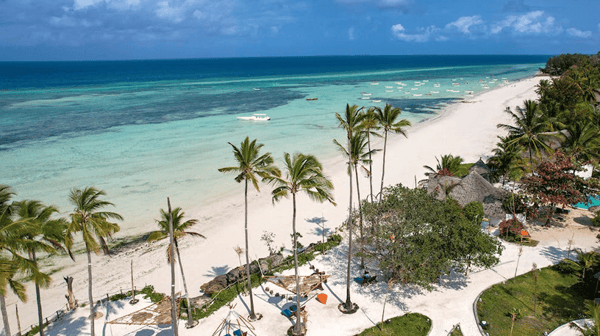
Kendwa Beach rests on Zanzibar Island. The beach is known far and wide because it is gorgeous. The sand on the beach is...

3.06.2025
23 Min Read
Kendwa Beach rests on Zanzibar Island. The beach is known far and wide because it is gorgeous. The...
Find Out Which Safari Tour Is Right For You
Want to pair your Nyerere National Park safari with a visit to Tanzania’s other iconic parks, lakes, mountains, or beaches? Take a short quiz to see which spots we recommend.
More Tanzania Destinations To Visit
This is a park



Ruaha...
Combine your visit to Nyerere with Ruaha for a truly wild southern circuit safari, where baobab-dotted landscapes meet...
This is a park
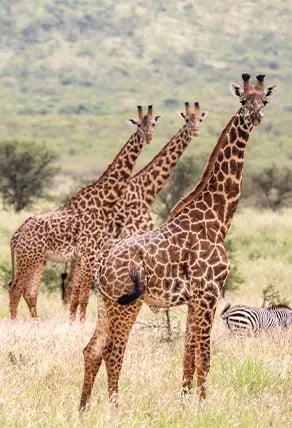


Mikumi...
Easily accessible from Nyerere, Mikumi offers a convenient and scenic stopover with open plains and great chances to...
This is a park
-svg.svg)
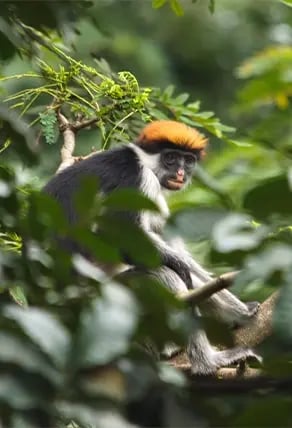


Udzungwa...
Pair your safari in Nyerere with a trip to Udzungwa Mountains National Park for rainforest hikes, waterfalls, and rare...
This is a park

.webp?width=292&height=428&name=Zanzibar%20(2).webp)
.svg)
.svg)
Zanzibar
After your Nyerere safari, unwind on Zanzibar’s shores—perfect for those seeking white-sand beaches, turquoise waters,...