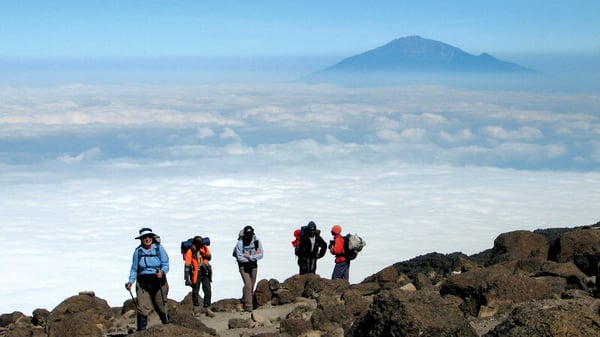
Is Mt. Kilimanjaro trekking on your bucket list? Hiking the tallest mountain in Africa is a special experience — and making it to the summit is a unique, unforgettable feat that those who climbed Kilimanjaro never forget. But getting there is a challenge, and requires a lot of preparation and effort to be successful. So, before you set off on the Kili climb of a lifetime, here's a beginner's guide to help you start planning and prepping effectively.
Meet Mt. Kilimanjaro
Mount Kilimanjaro is a dormant volcano located in Tanzania, East Africa. It's the highest free-standing mountain in the world, meaning it's not a part of a mountain range. Its highest peak, Uhuru Point, is 5,895 meters (19,341 feet) above sea level, making Mt. Kilimanjaro one of the “Seven Summits,” a group which comprises the tallest mountains on each of the seven continents.
Since Hans Meyer became the first person recorded to successfully climb Kilimanjaro in 1887, thousands of avid trekkers seek to reach the summit of Mount Kilimanjaro each year. But reaching the snow-capped peaks of this incredible mountain isn't something that just happens on a whim. For many, climbing Mount Kilimanjaro takes about a week, but that doesn't include the weeks or even months of preparation before stepping foot on the soil.
Underestimating the amount of physical and mental preparation needed can not only hurt your chances of successfully summiting, it can be dangerous — or even fatal in the worst cases. So before setting off on your Kilimanjaro trekking adventure, let's start by exploring the mountain from a little closer to the ground.
Mt. Kilimanjaro by the Numbers
Standing at an impressive 19,000-plus feet at the Uhuru peak, Mt. Kilimanjaro is one of Africa's most significant geographical landmarks. It's the highest mountain peak on the continent, and the highest volcano in the Eastern Hemisphere.
How Much Does It Cost to Climb Kilimanjaro
Climbing Kilimanjaro isn't just a physical feat, but a financial one. The cost to climb Mt. Kilimanjaro typically ranges from $2,000 to $6,000, with dozens of factors that can impact your total spend, from park entrance fees to bathroom upgrades and more.
Another factor is the type of Kilimanjaro operator or company you choose. For instance, partnering with a Kilimanjaro Porters Assistance Project (KPAP) partner company like Easy Travel can provide added value and assurance at a fair price. When researching tour operators, be sure to inquire about everything included in the package cost, such as park fees and more.
The Kilimanjaro hike cost will also vary depending on the time of year, the route you take, and the number of days it takes to climb. The longer the route and/or climb, the more expensive. For most trekkers, it takes between five and nine days to reach the summit.
If you plan to add on additional services or excursions, like a safari or visit to another national park, that will add to your total cost. Similarly, you should also budget for flights and staying in town before and/or after your hike. And of course, be prepared to tip your porters and guides after climbing Kilimanjaro.
Mount Kilimanjaro Climb Success Rate
The overall average success rate of a climb to the Mount Kilimanjaro summit across operators is about 65%. However, with more than 30 years of experience leading Kilimanjaro climbs, Easy Travel's success rate is 90%-plus
Still, even with a highly experienced tour operator, summit success rates can vary based on Kilimanjaro routes, your physical fitness, and more. Common challenges that can impede success include altitude sickness, adverse weather conditions leading to hypothermia, steep ascents, fatigue, mental stamina, dehydration, challenging terrain, and health issues. For a beginner climb, Kilimanjaro success rates are heavily dependent on preparation. It's crucial to be physically fit and aware of the challenges before booking your trek.
Best time to climb Mount Kilimanjaro
Although you can climb Kilimanjaro year-round, it's important to consider the weather conditions. The best time to climb Mount Kilimanjaro is typically in the drier months of January and February or June through October — avoiding the wet season from March through May and short rainy season in November and December.
Climbing Kilimanjaro during the wetter seasons brings additional risks that can lower your chances of reaching the summit, even on the best routes. Rain, mud, and snow can be slippery and dangerous, especially when you reach the Arctic Zone. Plus, thick cloud coverage and rainfall could impact your views as you trek up the mountain toward Uhuru Peak.
Which Kilimanjaro Route Is Best? That Depends
Kilimanjaro is known for its well-established and accessible trekking routes. You don't necessarily need to be an experienced hiker to tackle most Kili routes. But because each one offers something a little different, you should research routes and choose the one that aligns with your interests, physical abilities, comfort with crowds, budget, and timing. Remember that the best Kilimanjaro route can be different for different trekkers. Let's explore seven routes to the summit.
1. Marangu Route
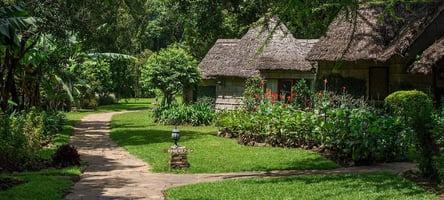
The Marangu Route, with its moderate steepness and difficulty, is one of the main routes and a popular choice for a reason. Called the “Coca-Cola” route, you'll stay in cozy huts instead of camping. It's the only route that offers this accommodation. And fear not, public toilets are conveniently available at the huts. The Marangu Route is one of the most popular and best Kilimanjaro routes for beginners, second to the Machame Route.
2. Machame Route
Seeking breathtaking scenery without breaking the bank? Look no further! The Machame Route, AKA the “Whiskey” Route, offers stunning vistas and a more budget-friendly experience. It's currently the most popular route, with longer and steeper stretches of hiking than Marangu. Camping under the starry sky is part of the six or seven day Machame Route adventure, with public toilets awaiting you at the campsites.
3. Rongai Route
For those craving a unique starting point, the Rongai Route begins from the northern Tanzania side of Kilimanjaro near the Kenyan border. Moderate steepness and difficulty make it a thrilling choice with less trekking traffic. Camping is the way to go on the Rongai Route, and public toilets are ready for your convenience.
4. Lemosho Route
Prepare to be mesmerized by the most scenic route of them all! The Lemosho Route treats you to awe-inspiring landscapes and ample time for acclimatization, giving you a stronger chance of success for climbing Kilimanjaro. Camping amidst nature's wonders is an unforgettable experience, with public toilets available at the campsites.
5. Shira Route
If you're yearning for a different perspective and fewer fellow hikers on the trail, the Shira Route starts at the highest elevation and later joins the Lemosho Route. Camping is the name of the game, and public toilets await you at the campsites.
6. Umbwe Route
Brace yourself for the ultimate challenge! The Umbwe Route is the shortest, steepest, and most demanding route toward Uhuru Peak. For safety reasons and because of its low success rate, Easy Travel doesn't offer this route to climb Kilimanjaro. It's best suited for experienced climbers due to limited water availability, the absence of ranger huts, and short acclimatization period.
7. Northern Circuit Route
Seeking a less crowded adventure? The Northern Circuit Route is the newest and longest option, offering a serene experience and excellent acclimatization opportunities. You'll see the incredible and less frequented northern slopes on your way to the summit of Kilimanjaro. On this route, there are camping accommodations and public toilets available at the campsites.
Don't think any of these routes are right for you? Remember, Tanzania offers plenty of outdoor adventures and hiking opportunities beyond hiking Mount Kilimanjaro. For a shorter—but still epic—trek, you might consider taking on a three or four-day Mount Meru climb.
How a Guide/Porter Can Impact Climbing Kilimanjaro
Embarking on a Kilimanjaro climb is an adventure of a lifetime, and the professional guide/porter you climb with can make all the difference. You cannot climb the mountain without a registered and qualified guide, so let's explore some of the ways that reliable and experienced tour operators can help you get the most out of your Kilimanjaro trek.
Increased Success Rate
Knowledgeable Kilimanjaro guides can boost your chances of reaching the summit. They understand the mountain's intricacies and can provide valuable guidance throughout the journey. From helping you handle your gear to offering tips on improving technical skills, their expertise and experience with the terrain is invaluable. They can also recognize safety concerns earlier, taking proactive measures to mitigate them before they require abandoning your Mount Kilimanjaro climb.
Enhanced Safety
Reputable guides are trained to prioritize your safety. The best Kilimanjaro guides can identify potential risks early and take necessary precautions. In case of unforeseen circumstances, they can find safer alternate routes if needed. They're equipped with first aid training, plus, they're trained to recognize signs of altitude sickness. Many carry portable oxygen to provide initial treatment for those impacted.
Better Overall Experience
Hiring a trusted and experienced team of Kilimanjaro operators not only ensures a safer trek but also enhances your overall experience. They can customize paths and routes based on your preferences, tailoring the journey to your desires. With their insider knowledge, they can lead you to the best viewpoints, allowing you to capture breathtaking moments.
Opting for a local tour operator, like Easy Travel, also means your guides can provide insights into the customs and culture of East Africa, enriching your understanding of the region surrounding the tallest free-standing mountain in the world.
Tipping Your Crew
It's customary to acknowledge the hard work and dedication of your guides and porters, so be sure to bring cash with you to tip at the end of your trip. It's a gesture of gratitude, supports the local economy, and encourages sustainable tourism.
Kilimanjaro Prep and Training
Preparing for a Mount Kilimanjaro climb is not just about packing the right gear; it also involves physical and mental preparation. Here are some essential tips to help you get ready for Kilimanjaro treks:
Preparation Tips
Like any new pair of shoes, make sure to break in your hiking boots before you step foot in Mount Kilimanjaro National Park. This will help prevent blisters and ensure maximum comfort during the climb. Take them on shorter hikes or walks to allow your feet to adjust to the boots.
Breath control is crucial when climbing at high altitudes. Practice deep breathing exercises to improve your lung capacity and adapt to the thin air you'll encounter when climbing Mount Kilimanjaro. This will help you manage your breath and conserve energy during the ascent.
To acclimate yourself to the outdoor conditions you'll experience on the mountain, consider setting up a tent in your backyard or going on weekend camping trips. Familiarize yourself with sleeping in a tent and adjusting to different, sometimes unpredictable weather conditions.
In the months leading up to your climb, focus on a balanced diet that includes plenty of fruits, vegetables, lean proteins, and whole grains. Proper nutrition will provide the energy and nutrients your body needs for the physically demanding Mount Kilimanjaro trek.
Training Recommendations
Start aerobic and strength training at least 60–90 days before your departure. Activities like running, cycling, or swimming can help improve your cardiovascular fitness. Incorporate strength training exercises to build muscle strength, especially in your legs and core — essential for the uphill climbs and stability on uneven terrain.
If possible, simulate high altitude conditions during your training, especially if you live at or near sea level. This can be done by hiking at higher elevations or using altitude training masks. Exposing your body to reduced oxygen levels will help it adapt and prepare for the challenges of climbing at high altitudes.
If you have the time and financial ability, you might consider hiring a personal trainer with a focus on climbing. They can create a tailored training program that targets the specific muscle groups and endurance required for a successful Kilimanjaro climb.
Packing Tips from the Experts
When you're on the mountain, you aren't going to encounter gift shops or convenience stores to replace any personal gear you forgot on your Kilimanjaro packing list. So, being thorough and thoughtful while packing is critical. For a successful and comfortable climb, here's a list of must-bring basics:
Technical Gear
- Daypack for carrying essentials during daily hikes
- Dry bag to protect your belongings from moisture
- Duffel bag for storing gear during the climb
- Sleeping bag suitable for cold temperatures
- Walking poles for added stability and support
- Inflatable pillow for comfortable rest
Technical Clothing
- Waterproof jacket with a hood for protection against rain and wind
- Down jacket for colder temperatures
- Soft jacket or fleece for layering
- Moisture-wicking, lightweight long- and short-sleeve shirts
- Waterproof pants with breathable fabric and side zippers
- Convertible/zip-off hiking pants
- Fleece pants for added warmth
- Shorts for warmer days
- Moisture-wicking long underwear
- Poncho or raincoat
Head, Hand, and Footwear
- Brimmed hat for sun protection
- Knit hat for warmth
- Balaclava or Buff for added face and neck protection
- Scarf or bandana
- Warm gloves for colder temperatures
- Light gloves for added dexterity
- Sturdy hiking boots with ankle support
- Wool or synthetic socks
- Gaiters to keep debris out of your boots
- Trainer shoes for comfort during rest days
- Crampons for added traction on icy terrain
Accessories
- Sunscreen and lip balm
- Hand sanitizer and wet wipes
- Sunglasses and goggles
- Backpack cover to shield your gear from rain
- Water bottle and water bladder
- Lightweight and quick-dry towel
- Binoculars for enjoying the scenic views when climbing Kilimanjaro
- Camera with extra memory cards
- Earplugs for a restful sleep
- Headlamp/head torch and spare batteries
- Locks for securing your bags
- Money belt for keeping valuables safe
- Outlet adapter for charging devices
- Solar charger for sustainable power
- Snacks for energy during the climb
- Ziploc bags for organizing and protecting items
- Toiletries, including personal hygiene products
- Playing cards or small games for entertainment
- First-aid kit for emergencies
Health, Safety & Sustainability Considerations for Your Kili Climb
For your health and safety, before you embark on your Kilimanjaro climb, it's crucial to consult with your doctor. They can provide guidance on necessary vaccinations and address any specific medical concerns you may have. They may also speak with you about anti-malarial treatment, as malaria is prevalent in certain regions of Tanzania.
To stay hydrated and avoid waterborne illnesses while climbing Mt. Kilimanjaro, it's recommended to only drink bottled water, ensuring that the seal on the bottle is intact before consumption. Even though your Mount Kilimanjaro guides will likely have first aid supplies on hand, it's not a bad idea to pack a small first-aid kit with medications, pain relievers, bandages, and the like.
Having travel insurance that covers high-altitude activities is a wise choice, as not all plans provide coverage above 6,000 meters. Be sure to also familiarize yourself with local laws and cultural customs before your stay in Tanzania.
Choosing a reputable operator with experienced guides who prioritize safety and adhere to ethical practices is crucial for a successful and responsible climb. It is also important to follow the rules and regulations set by the Kilimanjaro National Park authorities to protect the environment and ensure a safe climb.
Sustainability is another important aspect to consider. Embrace the "leave no trace" principle to minimize your impact on the environment. This includes packing out all trash and disposing of waste properly. Mount Kilimanjaro is a protected natural wonder, and it takes effort from every visitor to keep the environment healthy.
It's important to listen to and respect the guidance of the trekking companies who actively participate in Kilimanjaro conservation efforts. By sticking to designated trails, you play a crucial role in preventing damage to fragile ecosystems and wildlife habitats as you make your way to the tallest peak in Africa.
Additionally, consider supporting local conservation initiatives that strive to preserve the natural beauty and biodiversity of Kilimanjaro. Your involvement can make a significant positive impact on the sustainability and long-term preservation of this remarkable mountain.
What to Do After You Climb Mount Kilimanjaro
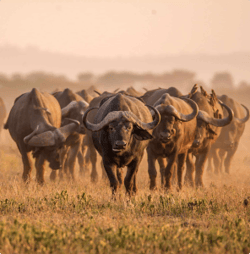
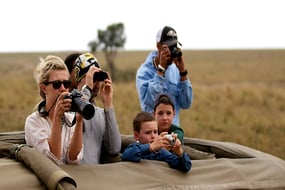
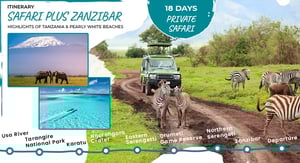
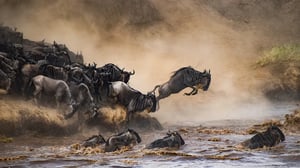
After conquering your Mount Kilimanjaro trek, many climbers choose to extend their time in Tanzania to further explore the country's wonders and national parks. One popular option is to book a safari in the renowned Serengeti National Park, where you can witness breathtaking wildlife, spotting the Big Five in their natural habitat. You may also want to plan a visit to the iconic Ngorongoro Crater after you summit successfully.
Another enticing choice is to unwind on the pristine beaches of Zanzibar, a tropical paradise known for its turquoise waters, white sandy beaches, and vibrant culture. It's the perfect spot to stretch your legs and take a refreshing dip after a strenuous physical adventure on the mountain.
Pack, Prepare & Get Ready for a Successful Kilimanjaro Climb!
As you set off on your Kilimanjaro climb, it's important to be prepared for the challenges that may lie ahead. Altitude sickness, steep ascents, and unpredictable weather can test your physical and mental stamina. But with the right preparation and professional guides by your side, you can conquer these obstacles for a successful climb to the summit.
Choosing professional guides, like those at Easy Travel, is crucial for a safe and rewarding experience. Our guides are Wilderness First Responder (WFR) trained, ensuring your well-being throughout all of our Kilimanjaro climbing tours. As a KPAP Partner Company, we prioritize the fair and ethical treatment of Kilimanjaro porters, supporting responsible and sustainable tourism practices.
Are you ready to take on the mountain on an African adventure? Pack your gear, prepare your mind and body, and get ready to climb Mount Kilimanjaro — crossing one of the Seven Summits off your list. Contact us today to start planning your Kilimanjaro climbing tour and experience the awe-inspiring beauty of Africa's highest peak.


.svg "Style-Guide (1)")


.svg)









.png?width=56&height=56&name=Headshot%20(1).png)



.png?width=296&height=70&name=Pattern%20(2).png)

0 comments