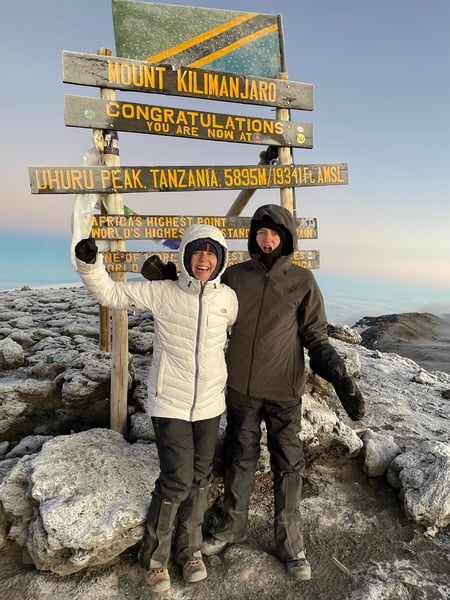
Towering majestically above Tanzania in East Africa, the iconic Mount Kilimanjaro presents a formidable challenge to climbers from around the world. No climber expects reaching the summit of Africa’s tallest peak to be easy. The physical and mental challenges can be the ultimate test of determination, fortitude, and grit.
From navigating multiple climate zones to conquering dramatic altitude gains, every step towards the summit requires careful preparation and unwavering commitment.
Why Preparation Is the Most Critical Factor to a Successful Summit
As the tallest free-standing mountain in the world, climbing Mount Kilimanjaro is a monumental undertaking. It features diverse ecological zones, ranging from lush rainforests to barren alpine deserts. Each distinct environment presents challenges and rewards, and the better prepared you are, the smoother the journey will be.
One of the key factors that make preparation crucial for Kilimanjaro trekking is the dramatic altitude gains. You will be hiking up a 19,340 foot mountain, after all. As you ascend, the air becomes thinner, making it increasingly difficult for your body to function optimally. Altitude sickness is a real concern and one of the main reasons people may not have a successful climb.
Proper preparation is essential for acclimatization, or allowing your body to adjust to the changing altitude gradually. Consistently training and conditioning leading up to your trip can improve your endurance and stamina—enabling your body to better cope with elevation.
Another vital aspect of preparation is understanding the best time to climb Kilimanjaro. Weather conditions and climate can play a significant role in determining the success of your summit attempt. Picking the right time to embark on your journey can enhance your chances of safely and successfully making it to the top. Typically, climbers see more success during the dry seasons versus attempting to climb during a wet season.
In addition to physical training for Kilimanjaro, mental readiness is equally important as you prepare to climb. This multi-day trek requires mental fortitude, determination, and a positive mindset. Even expert climbers may experience moments when they must push through doubt and fatigue.
Pro Tips for Taking Your Pre-Kili Climb Training to the Next Level
Preparing for a successful summit of Mt. Kilimanjaro requires more than just finding the best Kilimanjaro operators or determining the right Kilimanjaro routes.
Like a marathon or ironman race, training for Mt. Kilimanjaro demands an intentional, comprehensive regimen. It should be designed to build your physical and mental fitness to get you in shape for the trek.
Prioritize Heart Rate Training
Heart rate training is one of the most effective ways to improve your chances of summiting Kilimanjaro. Building cardio endurance and stamina is crucial for conquering the mountain's challenging terrain and high altitude.
Begin by conducting a standard fitness test to determine your aerobic, anaerobic, and VO2 Max heart rate levels. These levels may vary based on factors such as age, gender, and fitness level. By understanding your baseline heart rate zones, you can better tailor your training program accordingly.
During your training, aim to maintain your aerobic and anaerobic heart rates to simulate the conditions you’ll face at altitude. This means exercising within the target heart rate zones specific to your fitness level. By training in these zones, you'll improve your cardiovascular capacity and endurance.
You might also consider exercises that simulate the reduced oxygen levels experienced at higher altitudes. This can include activities like interval training, high-intensity workouts, or using altitude training masks. Exposing your body to conditions like these in a more controlled environment can help you better adapt to the challenges of climbing Kilimanjaro.
Practice Hiking with Elevation Gains
Simply walking on a treadmill or doing flat terrain exercises while Kili training likely won't fully prepare you for the mountain. To increase your chances of successfully summiting, it is crucial to practice hiking with elevation gains.
Hiking with elevation gains better mimics the terrain conditions you will encounter on Kilimanjaro. Depending on the route on the mountain, you'll likely experience sections of steep inclines and uneven surfaces. Incorporate hikes or cardio exercises on a 30% incline or more to train your muscles for uphill challenges.
Kilimanjaro trekking also engages various muscle groups, including your quadriceps, hamstrings, glutes, and calves. These muscles play a vital role in providing stability and power during the climb. Regular training on inclines helps strengthen these muscles, so you can tackle the steep ascents with greater ease.
Remember to gradually increase the intensity and duration of your elevation training to avoid overexertion and reduce the risk of injury. Incorporate stair climbing or using a stair stepper machine to simulate the uphill conditions. You can also go on day hikes, which are a great way to break in your shoes and other gear on your Kilimanjaro packing list.
Don’t Neglect Downhill Hiking Skills
When researching how to train to climb Kilimanjaro, people often focus on uphill climbing—but neglecting downhill hiking skills can be a critical mistake. On Mt. Kilimanjaro, the descent is typically tackled in a shorter timeframe than the ascent. This makes it as physically demanding, if not more so.
Descending puts significant strain on your joints, particularly your knees and ankles. Training your joints and muscles to handle the impact and stress of downhill hiking is crucial for preventing injuries and maintaining stability. Incorporate exercises that target these areas, such as squats, lunges, and calf raises, to build strength and stability.
As you descend, maintaining balance and controlling your downhill momentum is also essential. To help prevent falls and reduce the risk of accidents, you must train your body to balance and brake effectively. Practice downhill hikes in your gear, including wearing your camping equipment backpack, to simulate trekking conditions.
Cardio Training Isn’t Enough
Cardio stamina is undoubtedly important for climbing Mt. Kilimanjaro, but it isn’t the sole factor that determines success. It’s crucial to incorporate weight training and calisthenics as you prepare to climb Kilimanjaro.
Focus on strengthening the muscles that support your climb, such as your core and legs. Weight training and calisthenics exercises (squats, lunges, planks, push-ups, etc.) help build muscle strength and endurance. They also improve your overall stability, balance, and power.
Building muscle strength also helps prevent injuries. For example, strong core muscles provide stability and support for your spine, which reduces the risk of back pain or strain. Strong leg muscles can help absorb impact and mitigate strain on your knees and ankles.
Begin Training in Advance
You might think you’re already in good enough shape to tackle Mt. Kilimanjaro. But the reality is that targeted and intentional training is necessary, even for experienced climbers. Ideally, training for Mt. Kilimanjaro should begin three to six months before your climb to get you in prime condition.
Training well in advance allows for a gradual improvement in your fitness levels. It gives your body time to adapt and build the necessary stamina and strength required for the climb. Similarly, by starting your training three to six months ahead, you can gradually increase the intensity and duration of your workouts. This can reduce the risk of injuries and ensure a more sustainable training program.
This also provides an opportunity for you to mentally prepare to climb Kilimanjaro. Practice discipline, mental resilience, and a positive mindset, as these are crucial for overcoming the challenges you may face during the trek.
The 4 Best Kilimanjaro Routes for Beginners of All Skill Levels
Climbers can choose between several routes to take up Mt. Kilimanjaro, and the routes vary in length, difficulty, foot traffic, and scenery. Some are a more demanding, technical climb while others are more gradual and straightforward. The best Kilimanjaro operators typically offer a variety of route options and trek lengths to suit varying levels of skill and experience, helping you find the best kilimanjaro route for beginners.
As you research routes, look at what different operators offer and read experiences from past climbers. Remember the best route is the one that aligns with your abilities and offers you the greatest chance of success.
Marangu Route
The Marangu Route, often referred to as the "Coca-Cola Route," is the most popular and well-established route for beginners. The only route with sleeping huts, it's a favorite among those seeking a less rugged camping experience. The route begins at Marangu Gate and goes through beautiful landscapes like rainforests, moorlands, and alpine deserts.
The Kilimanjaro Marangu Route is considered less physically demanding compared to other routes. Still, climbers shouldn't underestimate the challenges of altitude. This route typically takes around six days to complete, and the relatively quick time frame can make it a challenge to properly acclimatize.
On your way to the summit, climbers have the opportunity to witness breathtaking views of the surrounding scenery, including magnificent glaciers and the Uhuru Peak. This route also provides a unique cultural experience as you pass through local villages and interact with the friendly Chagga people.
The cost to climb is relatively affordable compared to other routes to the summit. Due to its popularity, the Marangu Route can be crowded during peak seasons.
Machame Route
The Machame Route, often referred to as the "Whiskey Route," is one of the best Kilimanjaro routes for beginners seeking a more challenging and stunningly scenic climb. It’s known for diverse landscapes and breathtaking views, making it a favorite among adventure enthusiasts. The Machame Route starts at the Machame Gate and takes climbers through dense rainforests, the Shira Plateau, and the stunning Barranco Wall.
The average climb duration for the Machame Route is six to seven days. Opting for a longer duration trek provides you with more time to adjust to the altitude and can boost your chances of reaching the summit. The route offers a variety of terrains, including steep ascents and descents, rocky paths, and scenic ridges, providing an exhilarating and memorable experience.
The Machame Route rewards climbers with awe-inspiring views of the surrounding landscapes. The route also offers opportunities for wildlife sightings, with the chance to spot unique species such as colobus monkeys.
The Kilimanjaro Machame Route is considered moderately difficult. The steep and rocky terrain requires a solid level of fitness and endurance. With the guidance of an experienced mountain guide and proper preparation, beginners can successfully conquer the Machame Route and reach Uhuru Peak.
Lemosho Route
If you’re looking for a longer and more gradual ascent up Mt. Kilimanjaro, you might choose the Lemosho Route. It’s a scenic and less crowded option, known for its panoramic views and diverse landscapes. The Lemosho Route starts at the Londorossi Gate and offers climbers a truly immersive experience through lush rainforests, heathlands, and alpine deserts.
With an average climb duration of eight days, the Lemosho Route allows for excellent acclimatization opportunities. The longer duration provides climbers with ample time to adjust to the altitude, reducing the risk of altitude-related illnesses and increasing your chance of success.
Considered to be moderately difficult, the Kilimanjaro Lemosho Route is suitable for most climbers that have trained and prepared adequately. While this route offers a remarkable experience, it’s important to note that the cost to climb is slightly higher compared to other routes due to its longer duration. However, the additional days on the mountain provide a greater chance of reaching the summit and can make for a more enjoyable and less crowded trek.
Rongai Route
Last but not least, the Rongai Route is another excellent choice for less-experienced climbers. This is the only route that approaches Kilimanjaro from the north, with a starting point near the Kenyan border. It gives climbers a unique perspective with views of the Kenyan plains. It’s one of the least crowded options, allowing for a more serene and remote trek.
Rongai Route typically takes six to eight days, giving climbers a decent opportunity to gradually acclimatize. The route offers breathtaking views of the surrounding landscapes, including the Mawenzi Peak and the rugged terrain of Kilimanjaro. The scenery is stark and striking, though less varied than some other routes.
The Rongai Route is considered to be of moderate difficulty, with a gradual ascent that allows for better acclimatization. Climbers will have the opportunity to witness unique flora and fauna along the way, including the rare Kilimanjaro impatiens flower and various bird species.
While less physically demanding compared to other routes, climbers should still be prepared for the challenges of high altitude.The cost of climbing Rongai is comparable to other routes. If you choose the Rongai Route, Kilimanjaro will reward you with a remote and tranquil trek experience.
Plan for Success with the Best Kilimanjaro Routes for Beginners
For most climbers, trekking Kilimanjaro is a once in a lifetime opportunity. To make the most of it, physical and mental preparation are absolutely essential, as well as taking the time to plan your trip to align with your abilities. This incredible natural wonder offers multiple paths to the top, and the best Kilimanjaro route for beginners or experts depends heavily on your individual experience, goals, preferences, budget, and more.
From the Marangu Route to the Rongai Route, Easy Travel offers a variety of Kilimanjaro tours spanning various routes and trip lengths. As one of the most experienced and best Kilimanjaro operators in Tanzania, our team is committed to helping you determine the right route and successfully and safely reach the summit. If you’re ready to start planning your Kili climb, we’re here to make your dream of reaching the Roof of Africa a reality.


.svg "Style-Guide (1)")


.svg)









.png?width=56&height=56&name=Headshot%20(1).png)



.png?width=296&height=70&name=Pattern%20(2).png)


0 comments